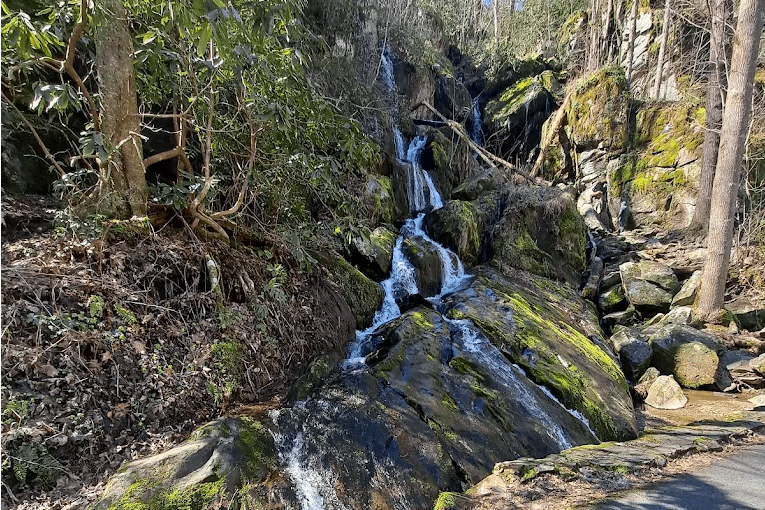
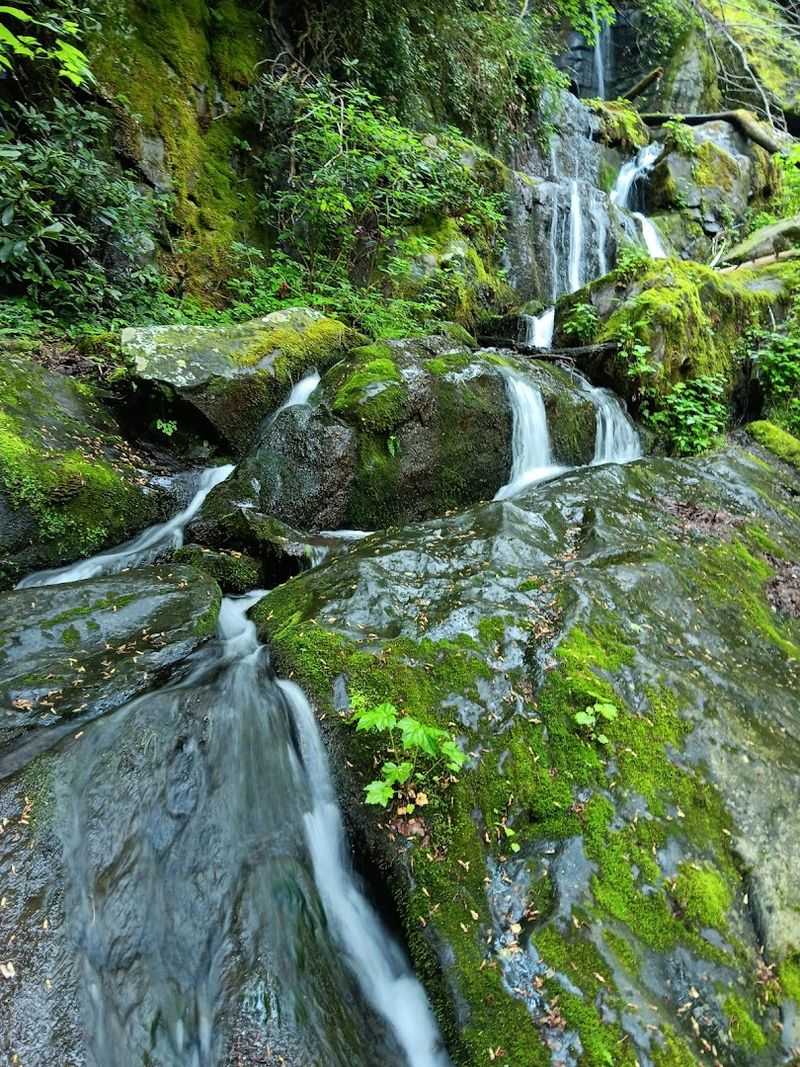
Tucked along a winding mountain road in the Smokies sits a waterfall that doesn’t roar or crash but instead whispers its magic through hundreds of delicate streams. The Place of a Thousand Drips lives up to its enchanting name, offering visitors a glimpse of nature’s quieter side where moss-covered rocks glisten under cascading ribbons of water.
Unlike the famous thundering falls that draw massive crowds, this hidden gem delivers a peaceful, almost storybook experience that feels like stumbling into a secret garden. Whether you’re a seasoned Smoky Mountain explorer or planning your first Gatlinburg adventure, this fairytale waterfall deserves a spot on your Tennessee bucket list.
This Gatlinburg Waterfall Feels Like a Hidden Smoky Mountain Secret
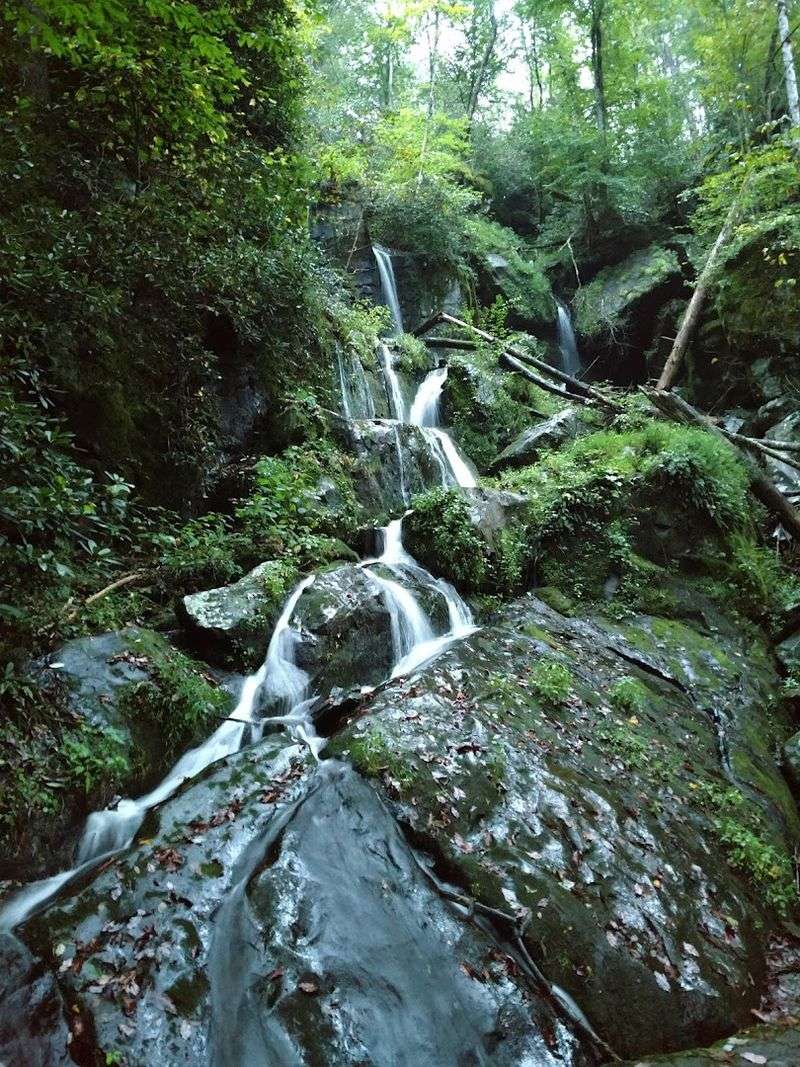
Most people zoom past without even noticing. Roaring Fork Motor Nature Trail winds through dense forest, and if you blink at the wrong moment, you’ll miss the very thing that makes this drive unforgettable. The Place of a Thousand Drips appears suddenly along the roadside, revealing itself like nature’s best-kept secret tucked between the trees.
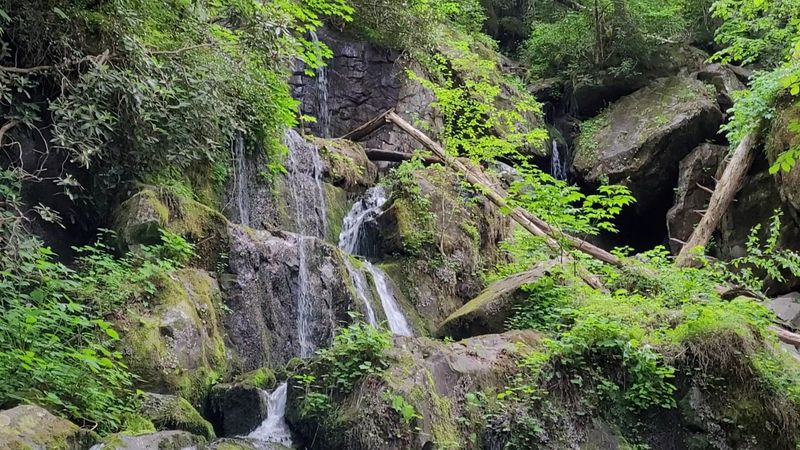
What sets this waterfall apart is how it doesn’t announce itself with thundering noise or massive drop-offs. Instead, water seeps and trickles down a towering rock face in countless delicate streams. The effect resembles lacework made of liquid, especially when sunlight filters through the canopy and catches each individual rivulet.
With only a tiny pulloff accommodating three cars, you’re never fighting through tour-bus-sized crowds. Early morning visits offer the best chance at snagging parking and enjoying the falls in near solitude.
The location at the end of the motor trail makes it feel like a reward for those who venture beyond downtown Gatlinburg’s busy streets. Unlike the heavily trafficked tourist waterfalls that require long hikes and parking hassles, this one greets you right from the road. You can snap photos, breathe in the cool mountain air, and feel like you’ve discovered something special that not everyone knows about.
That sense of discovery never gets old, even for locals who’ve seen it dozens of times.
Why The Place of a Thousand Drips Has Such a Magical Name
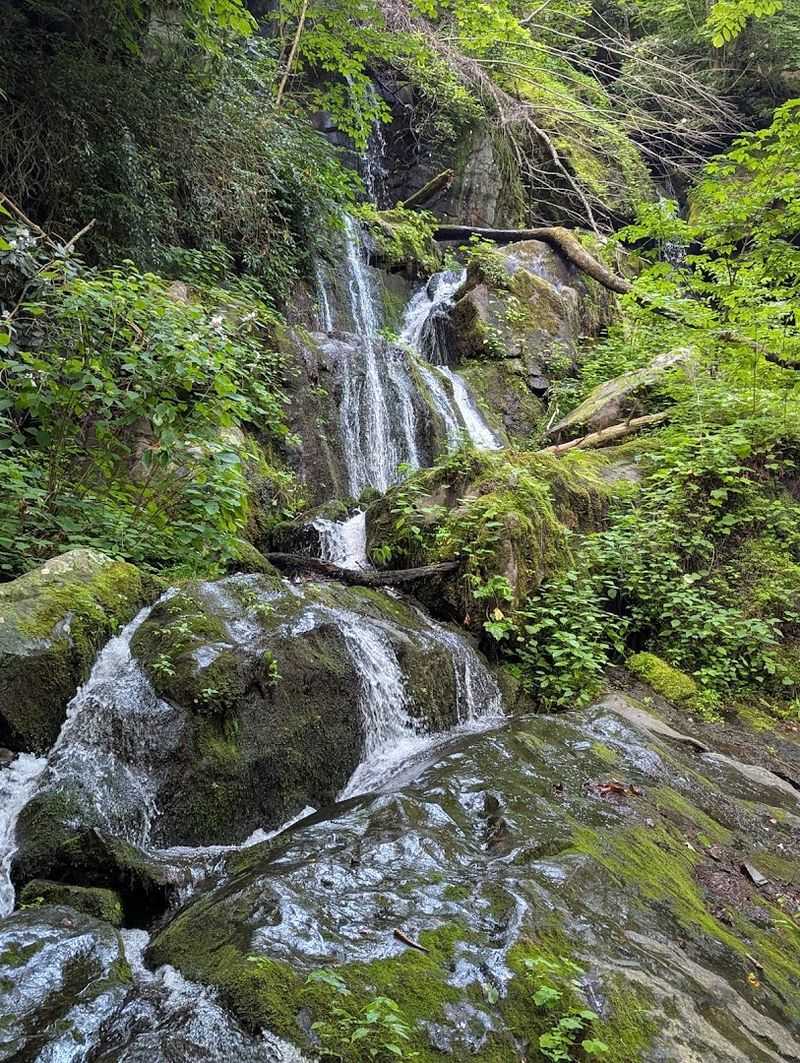
Names matter, especially when they capture exactly what makes a place unforgettable. This waterfall earned its poetic title honestly, and one look explains why. Rather than one powerful cascade, the rock face releases water through hundreds of tiny cracks and crevices, creating the visual effect of a thousand individual drips combining into something extraordinary.
The geology behind this phenomenon makes it even more fascinating. Water doesn’t just flow over the surface here but seeps through layers of porous rock before emerging at various points down the cliff. During wetter seasons, the number of active streams multiplies, turning the entire rock wall into a living, breathing water feature.
Local visitors often describe it as watching nature cry happy tears or seeing the mountain sweat after a good rain. These whimsical comparisons capture the gentle, almost emotional quality the waterfall possesses. Unlike aggressive torrents that demand attention through sheer force, this spot invites you to pause and count the streams, though you’ll likely lose track before reaching a thousand.
The name also hints at the patience required to fully appreciate what you’re seeing. Rushing past won’t cut it. You need to stand still, let your eyes adjust, and notice how each drip contributes to the larger picture.
That meditative quality transforms a simple roadside stop into something that feels almost spiritual, justifying every bit of its fairytale reputation.
The Waterfall Sits Along One of the Smokies’ Most Scenic Nature Routes
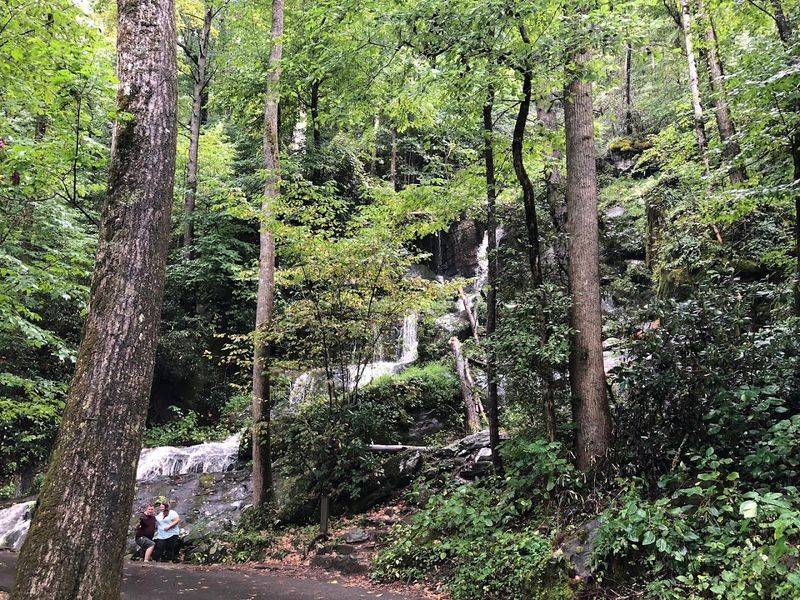
Roaring Fork Motor Nature Trail deserves its reputation as one of Tennessee’s most beautiful drives. This narrow, one-way loop stretches about five and a half miles, winding past historic cabins, rushing streams, and forest so thick it blocks out the midday sun. The Place of a Thousand Drips marks the grand finale of this scenic journey, appearing near the trail’s end like the perfect closing act.
Driving this route feels like stepping back in time. The road itself remains mostly unchanged from its early days, hugging mountainsides with barely enough room for one vehicle. Visitors consistently mention the thrill mixed with slight nervousness as they navigate curves with cliffs on one side and steep drop-offs on the other.
Along the way, you’ll pass weathered log structures that tell stories of Smoky Mountain settlers who carved out lives in these rugged hills. Trailheads appear at intervals, including the popular Rainbow Falls path that challenges hikers with steep climbs and stunning payoffs. Pull-offs allow you to stop and listen to streams tumbling over ancient rocks, their constant music providing the soundtrack for your drive.
Fall transforms this route into something magical, with leaves painting the forest in impossible shades of orange, red, and gold. Spring brings wildflowers and maximum water flow. Even winter offers stark beauty, though ice occasionally closes the road.
Timing your visit means considering not just the waterfall but the entire experience this special motor trail provides.
What Makes This Cascading Waterfall Different From the Big, Roaring Falls
Laurel Falls gets the crowds. Rainbow Falls earns the Instagram fame. Grotto Falls attracts hikers willing to walk behind a curtain of water. But The Place of a Thousand Drips offers something those popular destinations can’t match: genuine tranquility without the three-mile hike.
The difference starts with volume and voice. Those famous waterfalls announce themselves with roars you can hear from hundreds of feet away. Water pounds down with force that sends mist flying and creates natural amphitheaters of sound.
This spot whispers instead, inviting you closer rather than overwhelming your senses from a distance.
Scale plays a role too. You won’t find a dramatic single plunge here or water crashing into deep pools below. What you discover instead resembles a living wall where moisture emerges from countless sources, trickling down in patterns that shift with the seasons and recent rainfall.
The accessibility factor can’t be ignored either. Reaching Tennessee’s famous waterfalls typically requires commitment: parking struggles, trail miles, elevation gain, and crowds of fellow seekers. Here, you pull off the road, step out, and you’ve arrived.
That ease doesn’t diminish the experience but actually enhances it, proving that magical moments don’t always demand suffering first.
For families with small children, elderly relatives, or anyone with mobility concerns, this difference becomes crucial. Everyone can enjoy this fairytale setting without barriers.
The Best Time to Visit for the Most Dramatic Drips and Mossy Views
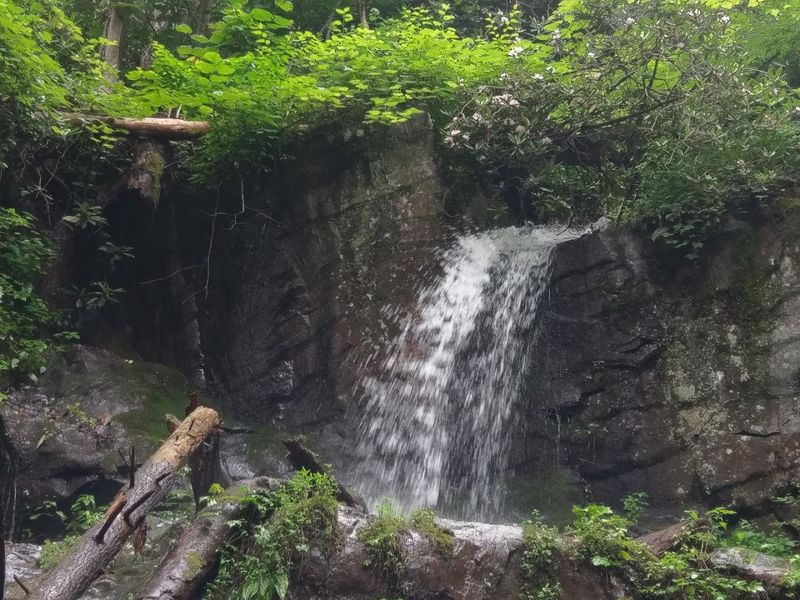
Water flow makes or breaks your experience here, and timing your visit correctly means the difference between disappointment and delight. Spring takes the crown as the absolute best season, when snowmelt and frequent rains keep those thousand drips flowing at maximum capacity.
Early morning visits offer advantages beyond just water volume. Dawn light filters through the forest at perfect angles, illuminating individual streams and making the moss glow almost unnaturally green. You’ll also beat the crowds that start arriving mid-morning, improving your chances of snagging one of those precious three parking spots.
Fall presents a compelling alternative, especially late October when leaf color peaks. The waterfall provides a stunning contrast against the warm autumn palette surrounding it, and cooler temperatures make standing around more comfortable. Just expect the company, as this coincides with the Smokies’ busiest tourist season.
Summer brings challenges. Lower rainfall means fewer active drips, and the rock face can look disappointingly dry during drought periods. However, afternoon thunderstorms, common in July and August, temporarily revive the flow.
Winter offers hit-or-miss conditions depending on freeze-thaw cycles, though ice formations add their own brand of magic.
Pair Your Visit With More Gatlinburg Stops Nearby
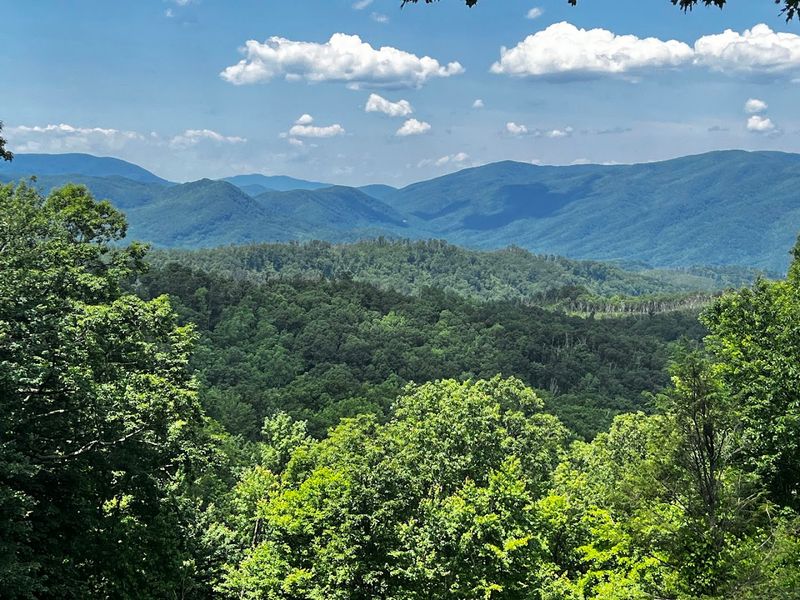
Smart trip planning means stacking multiple experiences into one outing, and this waterfall’s location makes that easy. The Roaring Fork Motor Nature Trail itself deserves at least an hour, but once you complete the loop, you’re minutes from downtown Gatlinburg’s endless options.
Grotto Falls Trailhead sits along the motor trail before you reach the waterfall, offering ambitious hikers a chance to walk behind falling water. The round-trip covers about three miles with moderate difficulty. Rainbow Falls Trail also branches off the same road, though that six-mile journey requires serious commitment and strong legs.
Historic structures dot the motor trail, including preserved cabins and a working grist mill near the end. These stops add educational value and photo opportunities without requiring extra driving. Kids especially enjoy seeing how mountain families once lived, making the history tangible rather than abstract.
Back in Gatlinburg proper, you’ll find everything from pancake houses to distilleries, aquariums to mountain coasters. The contrast between peaceful forest drives and bustling tourist attractions works surprisingly well, letting you customize your day’s energy level. Some visitors prefer hitting the waterfall early, then spending afternoons exploring town.
Nearby Cades Cove offers another scenic driving loop, though it requires more time commitment. Elkmont’s abandoned buildings and firefly displays attract history buffs and nature lovers. The point is this: The Place of a Thousand Drips anchors a full day of Smoky Mountain exploration rather than standing alone as a single destination.
What to Know Before You Go to This Peaceful Tennessee Waterfall
Preparation prevents frustration, especially when dealing with Smoky Mountain quirks. First and foremost, understand that Roaring Fork Motor Nature Trail operates as a one-way road. Once you enter, you’re committed to completing the entire loop.
No turning around, no shortcuts. Plan accordingly, especially if someone in your group gets carsick on winding mountain roads.
Parking presents the biggest challenge. Only three vehicles fit at the waterfall pulloff, and during peak seasons, those spots fill fast. Arriving before nine in the morning dramatically improves your odds.
If the pulloff is full, you can still glimpse the falls from your car while slowly passing, though stopping in the road creates hazards.
National Park parking tags are required if you plan to stop for more than fifteen minutes anywhere along the trail. Purchase these in advance through the park website or at visitor centers. Getting ticketed for lack of a tag ruins the magical mood quickly.
Road closures happen, sometimes without much warning. Winter ice, accidents, or maintenance can shut down the motor trail entirely. Call the park before driving out, or check the official website for current conditions.
Nothing stings worse than making the trip only to find gates closed.
Wildlife roams freely here. Black bears appear regularly, especially in spring and fall. Multiple visitors report seeing mothers with cubs along the roadside.
Keep windows up, stay in your vehicle if you spot bears, and never attempt to feed or approach them. That fairytale can turn dangerous fast.