Tennessee holds more than 50 state parks, but only a handful get most of the attention. While tourists flock to the big names, locals know that some of the best outdoor experiences hide in lesser-known corners of the Volunteer State. These quiet gems offer stunning landscapes, peaceful trails, and genuine connections with nature, all without the elbow-to-elbow crowds that can turn a relaxing day outdoors into a frustrating shuffle through parking lots and overlooks.
1. Cove Lake State Park – Caryville
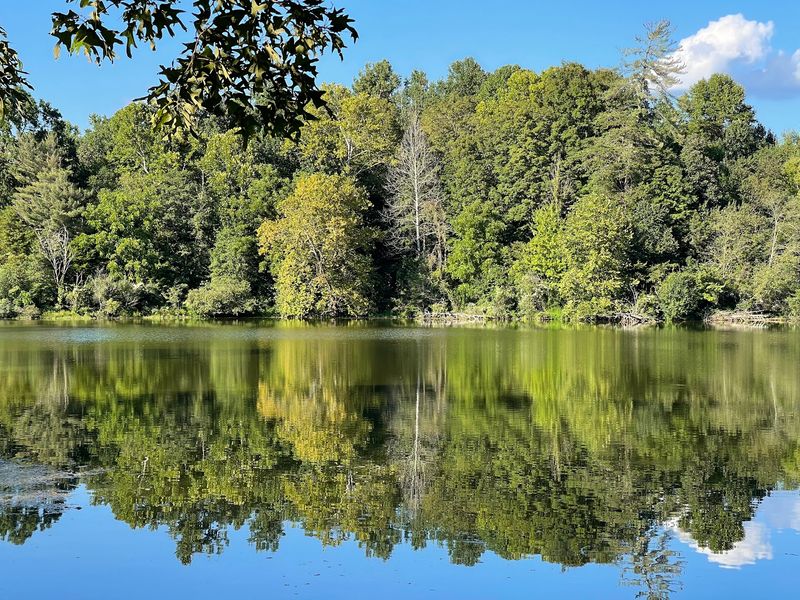
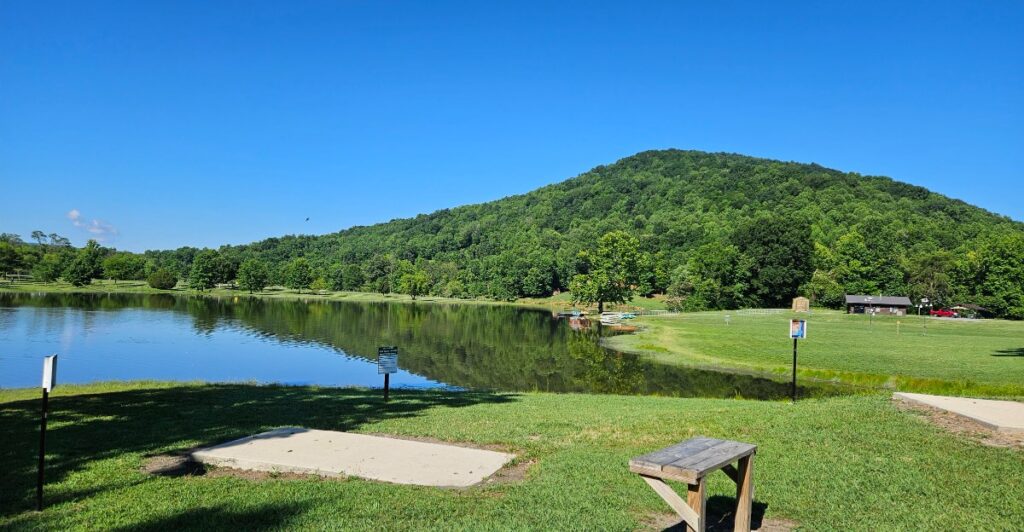
Tucked against the Cumberland Mountains near the Kentucky border, this 673-acre park wraps around a glassy lake that mirrors the ridges rising behind it. Most visitors zoom past on I-75 without ever realizing what they’re missing just a few minutes off the interstate. The park’s location in the shadow of bigger attractions means you can often have entire stretches of shoreline to yourself, even on sunny weekends.
The lake itself was created by damming Cove Creek back in the 1930s, and today it’s a magnet for anglers chasing bass, bluegill, and catfish. A paved walking trail loops around part of the water, making it perfect for families with strollers or anyone who wants an easy stroll with big views. Birdwatchers bring binoculars to spot herons, ospreys, and seasonal waterfowl that treat the lake like their private rest stop.
Camping here feels worlds away from the buzz of nearby Knoxville. The campground sits under tall trees, with sites offering water and electric hookups. There’s also a small swimming beach that gets busy on hot summer days but never feels overwhelming.
Paddlers can launch kayaks or canoes from the boat ramp and explore quiet coves where turtles sun themselves on logs.
What makes Cove Lake special is its simplicity. There are no flashy attractions or over-designed amenities, just clean facilities, well-maintained trails, and nature doing its thing. It’s the kind of place where you remember why you love being outside in the first place.
2. Panther Creek State Park – Morristown
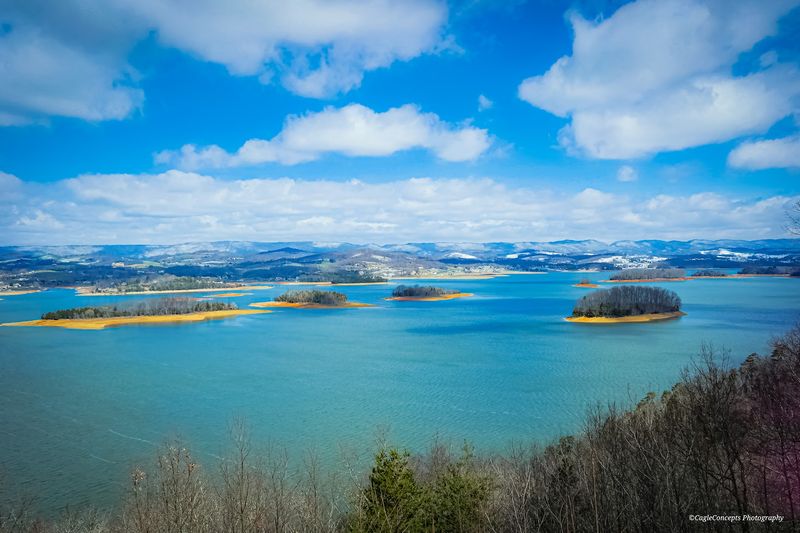
Sprawling across 1,435 acres on the shores of Cherokee Lake, Panther Creek feels like Tennessee’s best-kept secret for water lovers. The park sits on a peninsula that juts into the reservoir, creating 30 miles of rugged shoreline that twists and turns through coves and inlets. While boaters know Cherokee Lake well, most never venture into this particular corner where the crowds thin out and the scenery gets better.
Hikers can tackle more than 17 miles of trails ranging from easy lakeside walks to challenging climbs up to ridge-top overlooks. The Point Lookout Trail rewards sweaty effort with panoramic views across the water to the Smoky Mountains in the distance. Spring wildflowers carpet the forest floor, and fall turns the hardwoods into a kaleidoscope of reds and golds that rivals anything you’ll see in the national parks.
The campground offers everything from primitive sites for tent campers to full-hookup spots for big rigs. Many sites sit right on the water, where you can watch the sunrise paint the lake in shades of pink and orange while sipping your morning coffee. There’s also a swimming pool complex for days when you want chlorine instead of lake water.
Fishing here is legendary among locals who guard their favorite spots like family recipes. Largemouth bass, crappie, and stripers all call these waters home. The park’s boat ramp gives easy access to the main lake, but some of the best fishing happens in the protected coves where structure and cover create perfect ambush points for hungry fish.
3. Seven Islands State Birding Park – Kodak
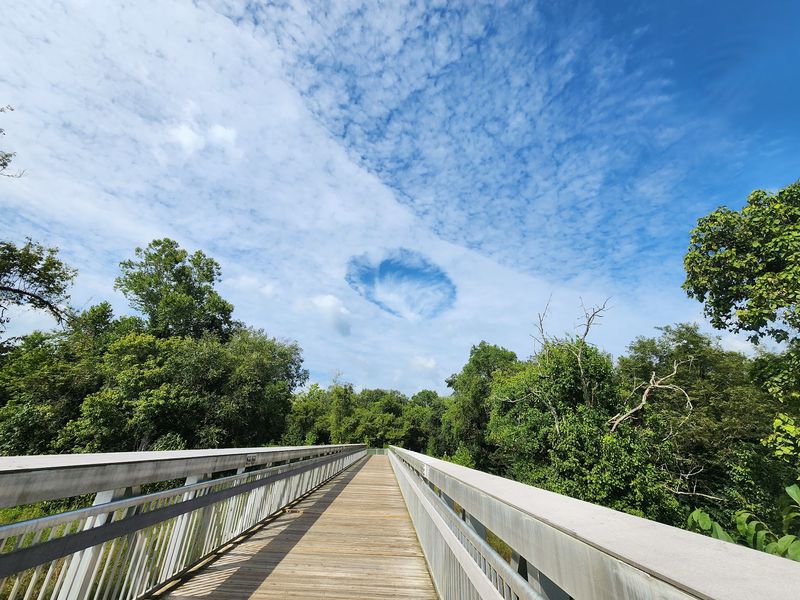
Where the French Broad River meanders through East Tennessee farmland, a 416-acre sanctuary protects some of the state’s richest bird habitat. Seven Islands takes its name from the river islands that dot this stretch of water, creating perfect conditions for migrating birds and year-round residents alike. Serious birders have logged more than 190 species here, but you don’t need a life list or fancy equipment to appreciate the show.
The park’s trail system winds through diverse habitats including wetlands, grasslands, and riverside forests. Each ecosystem attracts different birds, so a single morning walk might turn up woodpeckers hammering dead trees, warblers flitting through the canopy, and herons stalking the shallows. Spring and fall migrations bring waves of travelers passing through, while summer means nesting season with all its drama and activity.
What sets Seven Islands apart from typical state parks is its focus on conservation and education rather than traditional recreation. There’s no camping, no swimming, and no playground equipment. Instead, you get well-maintained trails, strategically placed benches, and interpretive signs that help you understand what you’re seeing.
The park’s quiet, contemplative atmosphere attracts people looking for peace rather than party.
The French Broad River itself provides the park’s backbone, and paddlers can launch upstream and float through the property. From the water, you get a different perspective on the islands and wetlands, plus chances to see beavers, muskrats, and river otters going about their business. The park also maintains a small network of mountain bike trails for riders who want a quick spin through the woods without the technical challenges of more rugged terrain.
4. Savage Gulf State Park – Palmer
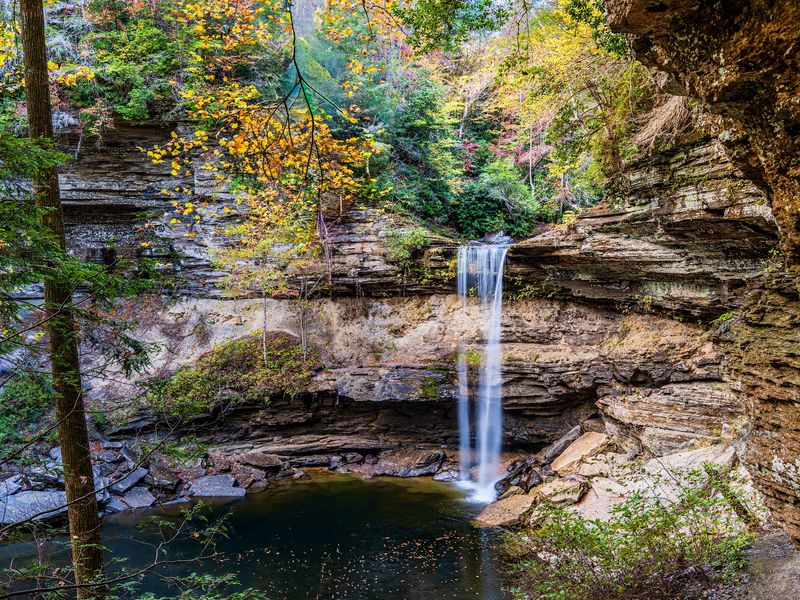
Carved into the Cumberland Plateau like a secret wound, Savage Gulf drops visitors into one of Tennessee’s wildest landscapes. This 15,590-acre natural area protects a labyrinth of gorges, waterfalls, and virgin forests that feel more like Appalachian backcountry than a state park. The name isn’t marketing hype.
These canyons demand respect, with sheer cliffs, rocky scrambles, and remote hollows where cell service becomes a distant memory.
Three main gorges, Savage Gulf, Collins Gulf, and Big Creek Gulf, create a Y-shaped system of canyons that plunge up to 800 feet below the plateau rim. Waterfalls tumble over sandstone ledges into pools surrounded by rhododendron thickets and hemlock groves. The park’s 50-plus miles of trails range from moderate rim walks to strenuous canyon bottom treks that test your knees and your navigation skills.
Greeter Falls might be the park’s most photographed feature, a two-tiered cascade that drops 50 feet into a swimming hole popular with locals on summer weekends. But venture deeper into the system and you’ll find dozens of other waterfalls with no names and no crowds. Stone Door, a massive rock crack that splits the plateau rim, offers one of the most dramatic entrances to any trail in Tennessee.
Backcountry camping is allowed throughout the park, and primitive sites tucked into the gorges let you fall asleep to the sound of rushing water. Just remember that what goes down must come back up, and those canyon climbs hit differently with a full pack on your shoulders. This isn’t a park for casual tourists.
It’s for people who want genuine wilderness without driving to North Carolina or Virginia.
5. Fort Loudoun State Historic Park – Vonore
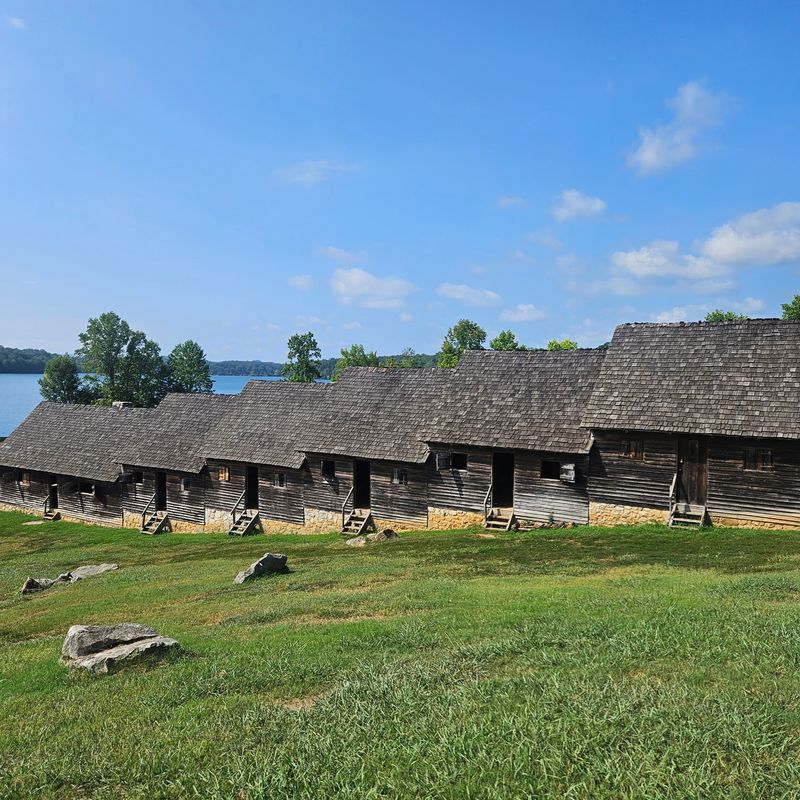
History buffs get goosebumps at this reconstructed British fort that tells the story of colonial America’s frontier conflicts. Built in 1756 during the French and Indian War, the original Fort Loudoun represented the westernmost British outpost in North America. Today’s reconstruction sits near the original site, now partially submerged beneath Tellico Lake, and brings that turbulent era back to life with remarkable attention to detail.
Walking through the fort’s wooden gates transports you to a time when this location marked the edge of European settlement and the heart of Cherokee territory. The relationship between the British garrison and the surrounding Cherokee towns was complex, sometimes cooperative, sometimes tense. That tension eventually exploded in 1760 when Cherokee warriors besieged the fort, leading to its surrender and the massacre of many retreating soldiers.
The park’s museum does an excellent job presenting multiple perspectives on these events, including Cherokee voices often left out of traditional frontier narratives. Artifacts recovered from archaeological digs, including musket balls, buttons, and pottery fragments, connect visitors to the real people who lived and died here. The fort itself features period-accurate buildings including barracks, officers’ quarters, and a powder magazine.
Beyond the historical structures, the park offers hiking trails that wind through the surrounding forests and along the lakeshore. Tellico Lake provides a scenic backdrop for the fort, though it’s strange to think that the original structure’s remains lie somewhere beneath those waters. Special events throughout the year include living history demonstrations where costumed interpreters fire muskets, cook period meals, and demonstrate crafts.
The park stays refreshingly uncrowded even during peak season, probably because it requires genuine interest in history rather than just checking off a tourist box.
6. North Chickamauga Creek Gorge State Park – Chattanooga
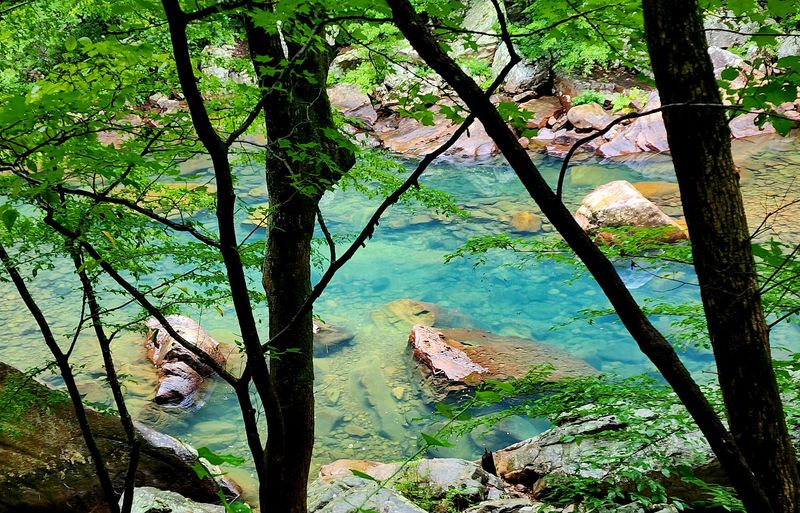
Just minutes from downtown Chattanooga, a 7,000-acre gorge system hides in plain sight, offering wilderness experiences that feel impossible given the urban proximity. North Chickamauga Creek has carved a deep channel through Signal Mountain, creating steep-sided valleys filled with old-growth forest, tumbling streams, and rock formations that challenge even experienced climbers. Most Chattanooga residents know it exists, but surprisingly few have actually explored its depths.
The park’s trail network keeps expanding as the state acquires more land and opens new access points. Currently, about 30 miles of trails crisscross the gorge, connecting multiple trailheads and creating options for everything from quick afternoon hikes to all-day adventures. The terrain is legitimately rugged, with rocky climbs, creek crossings, and sections that turn into muddy slogs after rain.
Rock climbers treat the gorge like their private playground, with hundreds of established routes on the sandstone and limestone cliffs. Bouldering problems dot the lower sections, while sport and traditional routes climb the taller walls. On weekends, you’ll hear the distinctive sound of climbing gear clinking as groups work their projects or introduce newcomers to vertical movement.
Mountain bikers have recently gained access to certain trails, and the technical terrain provides exactly the kind of challenge riders crave. Root-crossed singletrack, rocky descents, and punishing climbs make this a destination for experienced riders rather than casual cruisers. The park’s proximity to Chattanooga means you can finish a morning ride, shower, and still make lunch downtown.
Despite all this activity, the gorge’s size means you can still find solitude if you’re willing to hike past the first mile or two from any trailhead.
7. Pickett CCC Memorial State Park – Jamestown
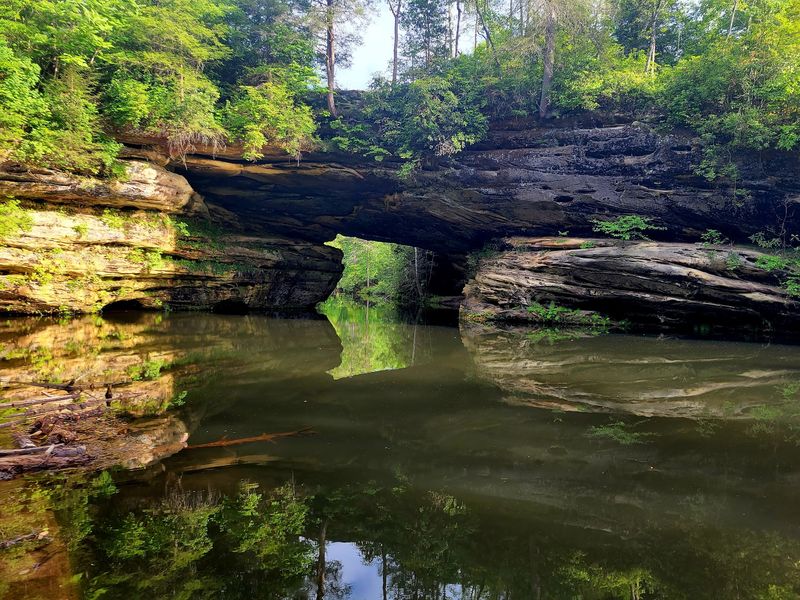
Named for the Civilian Conservation Corps crews who developed it during the Great Depression, Pickett occupies some of the most geologically fascinating terrain in Tennessee. Natural bridges, rock shelters, and sandstone arches dot the landscape like sculptures left by ancient artists. The park straddles the Kentucky border in a region so remote that darkness here still means actual darkness, with stars so bright they seem close enough to touch.
The park’s 11,752 acres protect part of the Cumberland Plateau’s unique ecosystem, where northern and southern plant species mix in unexpected combinations. Hemlocks and rhododendrons thrive in the cool, moist gorges, while oak and hickory dominate the drier ridgetops. Wildflower enthusiasts make pilgrimages here in spring when rare species bloom in the rock shelters and cove forests.
Hazard Cave offers one of the park’s signature experiences, a massive rock shelter where you can walk deep under a stone overhang without needing a flashlight. The cave stays cool even on hot summer days, and the acoustics create an eerie echo chamber. Natural Bridge, another geological highlight, spans a small gorge with a graceful arch that took millions of years to form.
The campground maintains its rustic CCC-era character with stone structures and a layout that feels organic rather than engineered. Some sites nestle under towering hemlocks, others perch on ridges with long views. The park also offers rental cabins for visitors who want a roof and a real bed after a day of hiking.
Night sky programs take advantage of the park’s dark sky designation, with rangers pointing out constellations and planets through telescopes. This isn’t a park for people who need constant stimulation or modern amenities. It’s for those who find entertainment in silence, solitude, and the subtle beauty of wild places.
8. Big Cypress Tree State Park – Greenfield
Sometimes a park exists for one spectacular reason, and at Big Cypress, that reason is a tree. Not just any tree, but a bald cypress that has stood in this West Tennessee swamp for an estimated 1,350 years. When this tree was a sapling, the Byzantine Empire was at its height and the Vikings hadn’t yet reached North America.
Standing at its base, craning your neck to see the crown disappearing into the canopy, puts your own brief existence into humbling perspective.
The champion tree measures 40 feet in circumference and rises 104 feet tall, though it’s lost some height to storm damage over the centuries. Its massive buttressed trunk speaks to the adaptation that allows bald cypresses to thrive in standing water, spreading their base wide for stability in the soft, saturated soil. The tree grows in a natural wetland fed by springs, surrounded by other cypresses, tupelos, and water-loving plants.
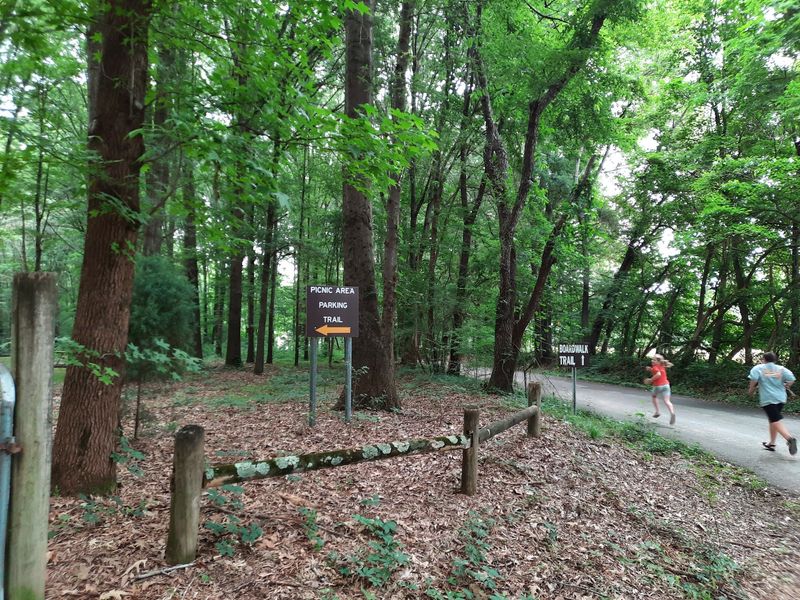
The park itself is small, just 330 acres, and you can see the main attraction in less than an hour. A boardwalk and trail system lets visitors explore the wetland without getting their feet wet, winding between cypress knees and over dark water stained the color of tea by tannins. Interpretive signs explain the ecology of these swamp forests and the importance of wetland conservation.
What makes this park special beyond the big tree is its representation of a landscape type that’s increasingly rare in Tennessee. Most of the state’s wetlands have been drained for agriculture, making protected examples like this one crucial for species that depend on swamp habitat. Wood ducks, prothonotary warblers, and cottonmouth snakes all call these wetlands home.
The park stays quiet most of the year, with occasional tour buses rolling through but rarely overwhelming the peaceful atmosphere. It’s a quick stop rather than an all-day destination, but those few minutes standing beside that ancient cypress can shift your perspective in lasting ways.
9. Mousetail Landing State Park – Linden
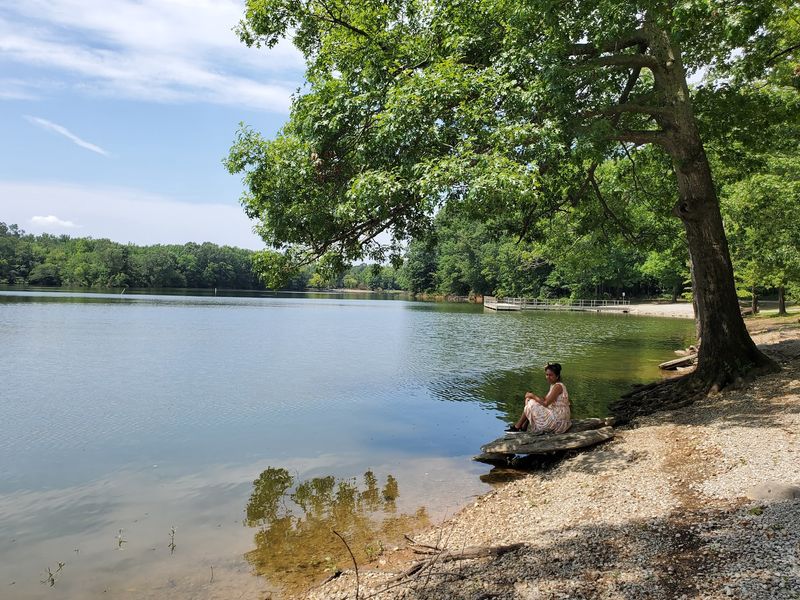
The name alone makes people smile, and the story behind it is even better. According to local legend, the landing got its name when a riverboat crew discovered mice had eaten through their food supplies, leaving only the tails. Whether that tale is true or just good marketing, Mousetail Landing sits on a beautiful bend of the Tennessee River where the crowds definitely haven’t discovered what locals already know.
The park’s 1,247 acres stretch along the river’s eastern shore, offering a mix of water access, hiking trails, and camping facilities. The river here is actually Kentucky Lake, the massive reservoir created by Kentucky Dam downstream. The impounded water moves slowly, creating perfect conditions for fishing, skiing, and paddling.
Bass boats launch from the park’s ramp in the pre-dawn darkness, heading for structure and drop-offs where fish congregate.
Hiking trails wind through hardwood forests and along ridges that offer glimpses of the river through the trees. These aren’t dramatic mountain trails with big elevation changes, but rather gentle walks through the kind of bottomland forest that once covered much of West Tennessee. Spring brings migratory songbirds passing through, and patient observers can spot dozens of species in a single morning.
The campground spreads across a wooded hillside above the river, with sites ranging from primitive tent spots to full-hookup RV sites. A swimming pool provides relief on hot summer days, and a small camp store sells ice, firewood, and forgotten essentials. The park’s remote location in Decatur County means you won’t find trendy restaurants or boutique shops nearby, just small-town Tennessee at its most authentic.
That isolation is exactly what keeps Mousetail Landing peaceful, even on holiday weekends when more famous parks turn into temporary cities. Visitors come here to unplug, unwind, and remember what the Tennessee River looked like before tourism became an industry.
10. Indian Mountain State Park – Jellico
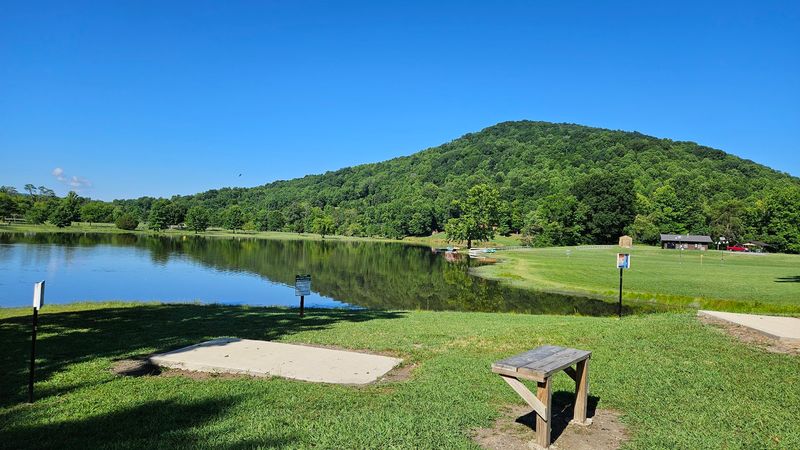
Perched on the Tennessee-Kentucky border, Indian Mountain offers something increasingly rare in state parks: genuine remoteness. The park sits atop the Cumberland Mountains at elevations reaching 2,600 feet, high enough that the climate feels noticeably different from the valleys below. Cool breezes blow even in summer, and winter can bring serious snow that shuts down the access road for days at a time.
The park’s 200 acres might seem small compared to sprawling properties elsewhere, but the surrounding Daniel Boone National Forest and other protected lands create a much larger wilderness buffer. From the park’s overlooks, you can see ridge after ridge marching toward the horizon with barely a sign of human presence. Hawks and vultures ride thermals rising from the valleys, and ravens croak from the clifftops.
Hiking options include a loop trail that circles the mountaintop and connects to longer routes heading into the national forest. The terrain is typical Cumberland Plateau: rocky, rooty, and occasionally steep, with laurel and rhododendron thickets that bloom spectacularly in spring. Wildflower diversity is impressive, with species adapted to the thin, acidic soil and harsh conditions of the mountaintop environment.
The campground caters to people who take camping seriously, with rustic sites that lack the hookups and amenities of more developed parks. There’s a certain self-selecting quality to places like this. Visitors who show up tend to be experienced campers who value solitude over convenience.
The park stays virtually empty midweek, even during peak season, and you might be the only camper on a random Tuesday night. Cell service is spotty at best, and the nearest town is small enough that you should arrive with whatever supplies you need. Indian Mountain rewards people willing to trade comfort for quiet, offering a taste of mountain wilderness without the long drive to Great Smoky Mountains National Park.
Share this story