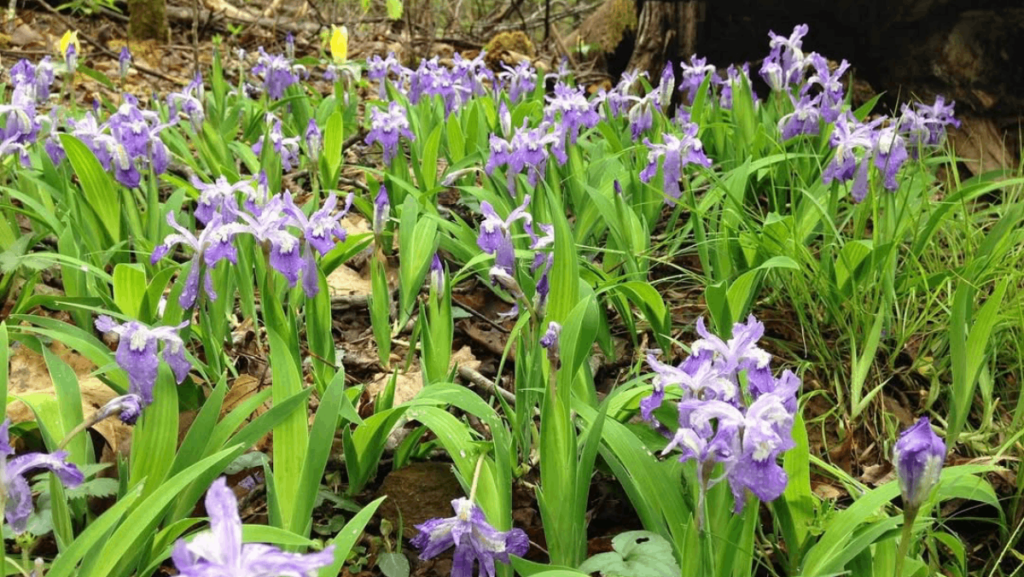
April in the Smokies already knows how to show off, but the Spring Wildflower Pilgrimage takes things to another level. For four days, the mountains turn into one big outdoor classroom, field trip, and low-key dream weekend for people who get excited about trilliums, salamanders, birds, old-growth trees, and the kind of scenic overlooks that make you forget to check your phone.
Held in and around Great Smoky Mountains National Park from April 22–25, 2026, this long-running event brings together expert-led walks, hands-on learning, and a crowd that actually wants to know the difference between a fern and a wildflower. That alone is refreshing.
And because the programming stretches from easy educational sessions to more specialized hikes, it does not feel like one-note nature tourism. It feels like insider access to one of the most biologically rich places in the country, timed for the exact moment spring is putting on its best performance.
What Is the Spring Wildflower Pilgrimage in Tennessee?
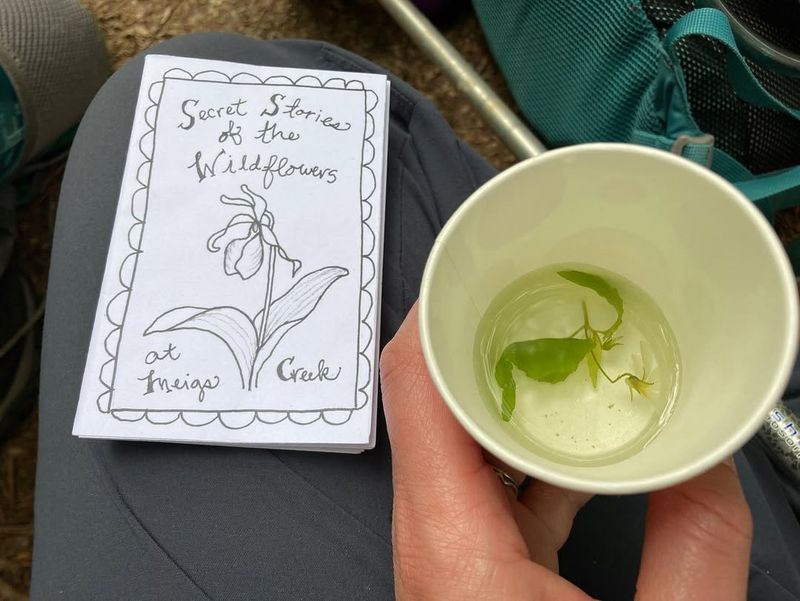
Picture this: nearly eight decades of tradition, thousands of visitors from more than 40 states and several countries, all converging on one of America’s most biodiverse national parks. The 76th annual Spring Wildflower Pilgrimage runs April 22–25, 2026, and it’s not your average nature walk.
This is a full-scale educational experience built around professionally guided excursions, interactive exhibits, and programs designed by people who actually know their trilliums from their lady slippers.
What makes this event stand out is its nonprofit mission. Every walk, every seminar, every evening speaker session exists to connect people with the natural world in a meaningful way. You’re not just looking at flowers—you’re learning about entire ecosystems, cultural history, and conservation efforts that keep the Smokies thriving.
The scale alone is impressive. Over 150 different programs cover everything from easy valley strolls to challenging mountain hikes, all led by botanists, park rangers, and naturalists who live and breathe this landscape. Registration includes access to the full lineup, which means you can pack your four days with as much learning and exploration as your hiking boots can handle.
This isn’t a casual weekend getaway. It’s a pilgrimage in the truest sense—a journey that rewards curiosity, effort, and a genuine love for the natural world.
Why Nature Lovers Should Visit in April
April in the Smokies hits different. The entire park wakes up at once, with wildflowers carpeting the forest floor in waves of color that change almost daily. But here’s what most people miss: spring in these mountains isn’t just about flowers.
It’s peak season for fungi, ferns, migrating birds, salamanders, and a whole cast of characters that only show up when conditions are just right.
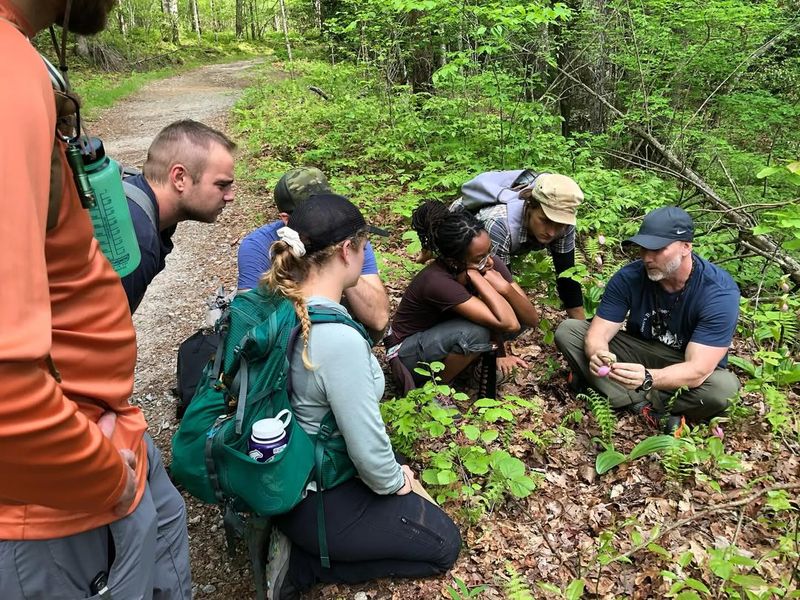
The pilgrimage capitalizes on this perfect timing by offering programs that go way beyond basic botany. You can join walks focused on medicinal plants, photography techniques, nature journaling, park history, or even the role of fire in forest regeneration. One morning you might be tracking amphibians with a herpetologist, and that afternoon you could be learning Appalachian ethnobotany from someone whose family has lived in these mountains for generations.
What really sells the experience is the expertise behind it. These aren’t volunteers reading from field guides—they’re professionals who spend their careers studying these ecosystems. They know where the rare species hide, which trails offer the best diversity, and how to read the landscape in ways that turn a simple hike into a revelation.
If you’ve ever wanted to understand what makes the Smokies one of the most biodiverse places in North America, April is your month, and this event is your gateway.
What You Can Do at the Event
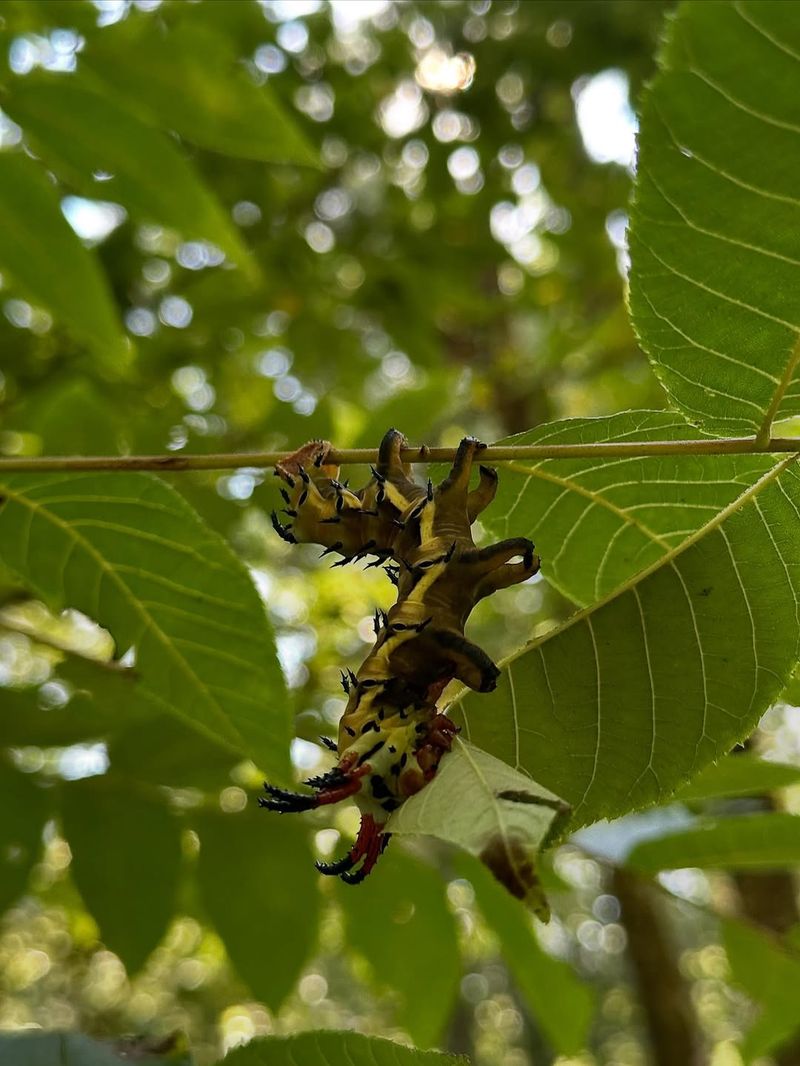
Forget the idea that this is just a flower walk with a fancy name. The pilgrimage packs more variety into four days than most nature events manage in a full season. Guided walks form the backbone of the experience, ranging from gentle valley trails perfect for families to strenuous ridge hikes that challenge even experienced trekkers.
Each walk has a specific focus—maybe it’s wildflowers, maybe it’s birds, maybe it’s the intersection of geology and plant life.
Beyond the trails, the event offers indoor learning sessions that dive deep into specialized topics. You might attend a seminar on native plant conservation, learn how to identify trees by bark alone, or explore the cultural significance of plants in Cherokee tradition. These aren’t boring lectures—they’re interactive sessions where you can ask questions, examine specimens, and actually understand the science behind what you’re seeing outdoors.
Evening speaker events add another layer to the experience. The 2026 program lists named speakers who are experts in their fields, covering everything from wildlife photography to forest ecology. These sessions give you a chance to wind down after a day on the trails while still feeding your curiosity.
Exhibits round out the offerings, with displays that showcase the park’s biodiversity, conservation challenges, and natural history in ways that complement what you’re learning in the field.
How Registration Works and Why You Should Plan Early
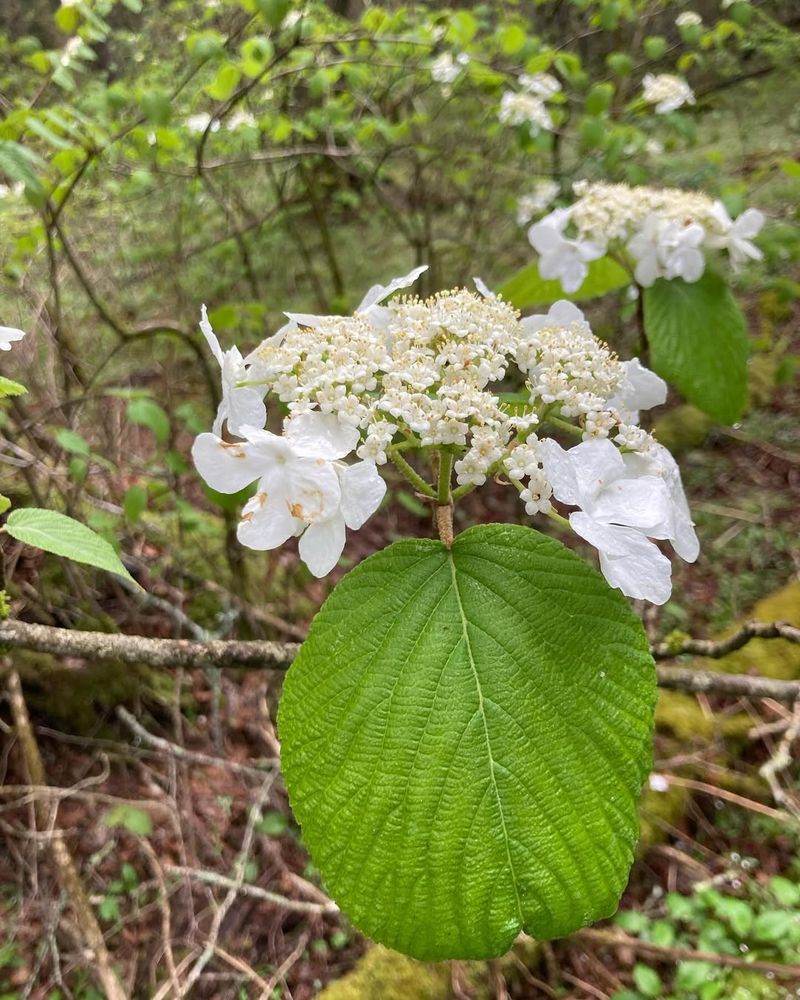
Here’s where things get tactical. Registration for the pilgrimage opens in phases, starting with a Presale Support Drive that offers early access in exchange for higher fees. Regular registration follows, with pricing that’s significantly lower but also more competitive.
The catch? Many programs have strict capacity limits—some walks max out at just 15 or 20 participants—and popular sessions fill within hours of registration opening.
The event organizers aren’t kidding when they tell you to study the program ahead of time. You’ll want to map out your ideal schedule, noting start times, meeting locations, and difficulty levels. But here’s the real pro tip: always have backup choices ready.
Your first-choice wildflower walk might fill before you finish entering your credit card info, so having second and third options saves you from scrambling or missing out entirely.
Time conflicts are another consideration. Some of the best programs overlap, and you’ll need to make tough choices about what matters most to you. Once you’ve selected your programs, complete payment promptly—your selections aren’t locked in until the transaction goes through, and spots can disappear while you’re debating whether to add one more hike.
This level of planning might seem excessive, but it’s the difference between a good pilgrimage experience and a great one.
Ticket Prices, Refunds, and Who It’s Best For
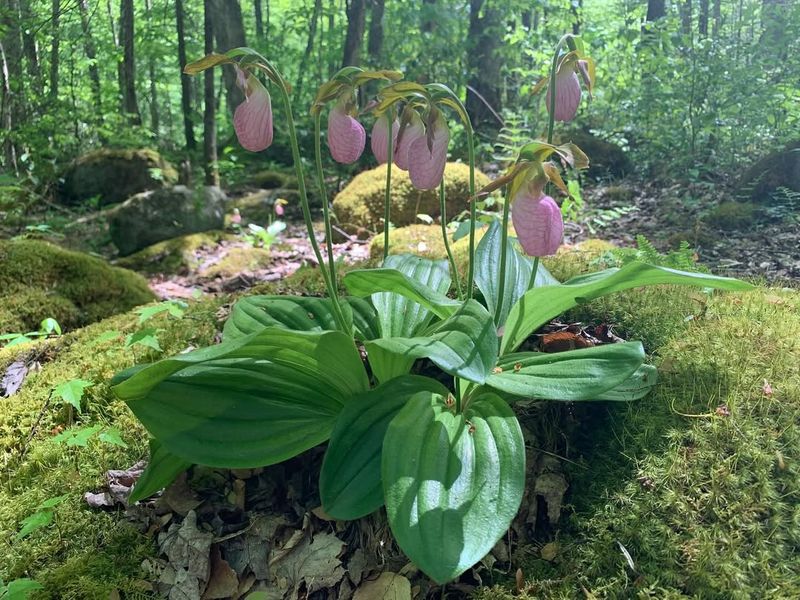
Money-wise, the standard registration price is $150, and that covers full access to all four days of programming. It is not a per-program fee. It gives you unlimited entry to the full schedule of walks, seminars, workshops, and evening events. For students, the cost is reduced to $50, and children in pre-K or younger can attend for free.
When you look at what is included, the value is honestly pretty strong. A single guided nature walk led by a professional botanist or naturalist would usually cost around $50 or more by itself. With full access to the event, you could potentially join a dozen different programs over the course of four days, which makes the cost per activity feel much more reasonable than it might at first glance.
The refund policy is also something to keep in mind in case your plans change. Refunds are available, but only up to a specific cutoff date listed on the registration page. Once that deadline passes, you are locked in, no matter what comes up.
Another thing worth mentioning is that the pilgrimage also works with school groups, creating educational opportunities for organized student visits.
So who tends to get the most out of an event like this? Really, anyone with a genuine curiosity about the natural world. Families with older kids who are comfortable with moderate hiking often find it especially rewarding.
More dedicated amateur naturalists tend to see it as a kind of annual masterclass. At the same time, even more casual hikers often come away feeling like the expert guidance completely changes the way they experience trails they thought they already knew.
Where the Pilgrimage Takes Place and What to Know Before You Go
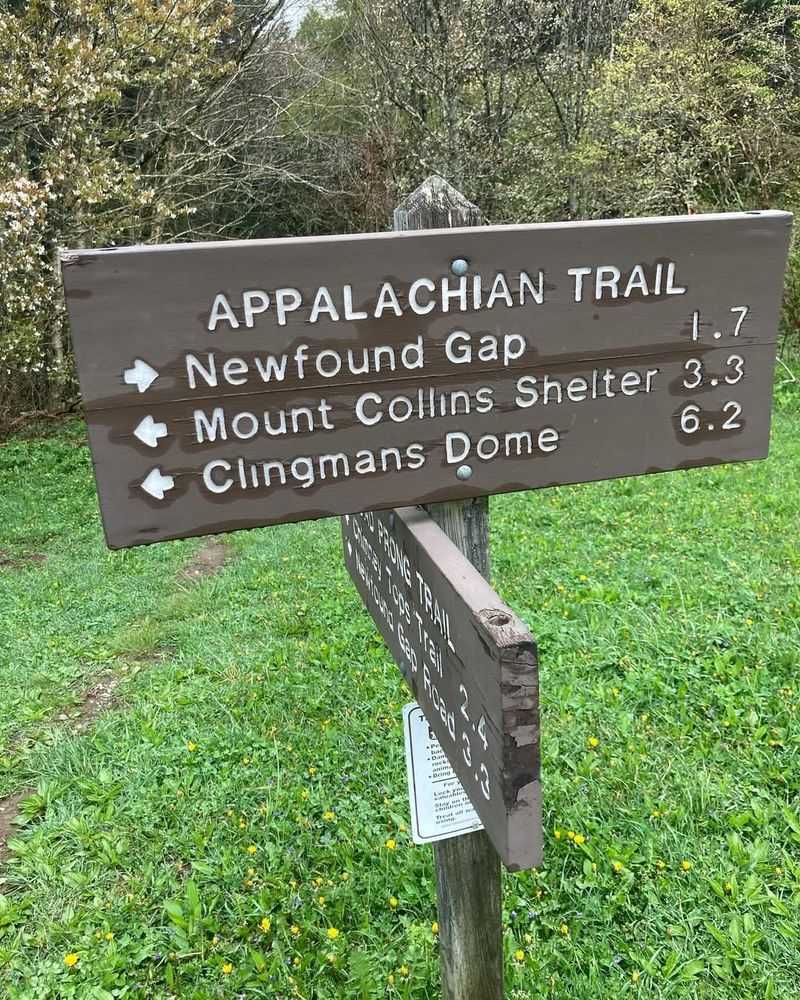
The pilgrimage doesn’t happen in one central location. Activities spread across multiple meeting points throughout and around Great Smoky Mountains National Park, which spans more than 500,000 acres across Tennessee and North Carolina. Some programs start at popular trailheads like Cades Cove or Clingmans Dome, while others meet at lesser-known access points that you’d never find without specific directions.
The official website provides an interactive map with detailed information for each meeting location, plus downloadable directions and GPS coordinates. This is crucial because the Smokies aren’t exactly a grid system—roads wind, landmarks are scarce, and what looks like a short drive on a map can take twice as long in reality.
Here’s the detail that saves people every year: cell service throughout the park is spotty at best and completely nonexistent in many areas. That interactive map on your phone? Useless if you can’t get a signal.
The solution is old-school but effective—print out your directions or screenshot the maps and GPS data before you leave your hotel. Save everything offline, including meeting times and program descriptions.
Weather in April adds another layer of complexity. Valley temperatures might hit the comfortable 60s while higher elevations stay in the 40s, and rain can roll in with little warning. Layered clothing and waterproof gear aren’t suggestions—they’re requirements for anyone who wants to stay comfortable and safe.
Why This Long-Running Event Stands Out
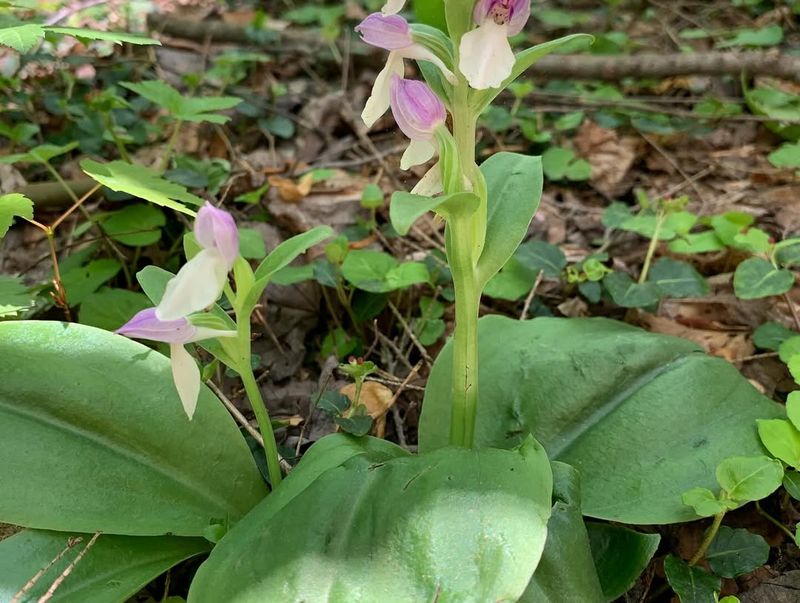
Seventy-six years of continuous operation tells you something important about staying power. The Spring Wildflower Pilgrimage has outlasted countless other nature events because it serves a purpose beyond entertainment. This is conservation education in action, connecting thousands of people annually with the biodiversity that makes the Smokies special while supporting the nonprofit mission that keeps the event accessible and authentic.
What most attendees don’t see is the massive volunteer effort that makes it all possible. Hundreds of people donate their time and expertise—from the botanists who lead walks to the coordinators who manage logistics to the exhibit designers who create educational displays. This isn’t a commercial venture trying to maximize profit.
It’s a community of people who believe that understanding nature leads to protecting it.
The educational impact goes deeper than most realize. Many participants return year after year, building knowledge and relationships that transform casual interest into genuine expertise. Teachers bring students who go home and start conservation projects.
Photographers learn to see landscapes in new ways. Families create traditions that span generations.
In a world where authentic experiences are increasingly rare, the pilgrimage offers something genuinely meaningful—a chance to slow down, pay attention, and connect with the natural world through the eyes of people who’ve dedicated their lives to understanding it. That’s what makes it more than just April’s most beautiful event. It’s one of Tennessee’s most important ones.