Colorado is home to some of the most breathtaking landscapes in the United States, offering unforgettable experiences in every corner of the state. From towering mountain peaks and dramatic canyons to sweeping sand dunes, alpine lakes, and striking red rock formations, each destination reveals a different side of Colorado’s natural beauty.
Whether you’re planning an epic road trip, a weekend getaway, or the adventure of a lifetime, these remarkable places deserve a spot on every travel bucket list. Here are 10 of the most spectacular places to visit in Colorado at least once in your lifetime.
1. Pike-San Isabel National Forest
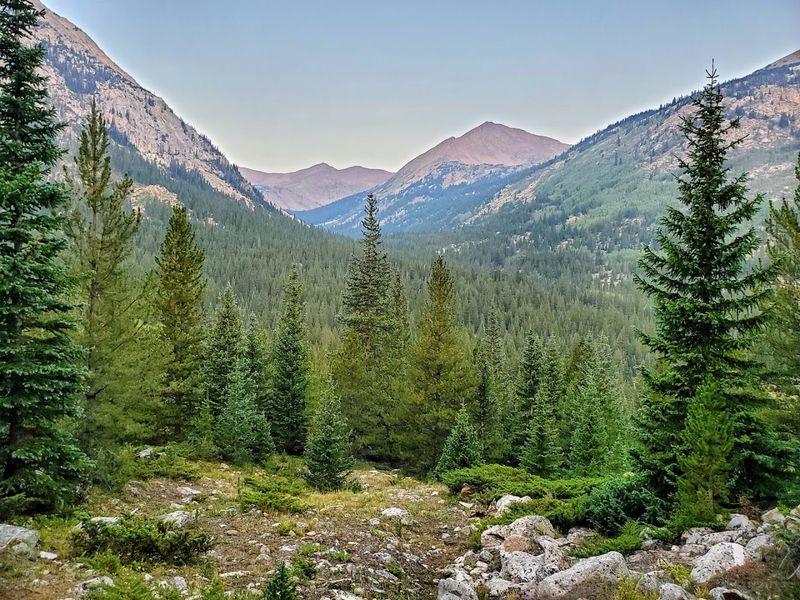
Big country starts here. Pike-San Isabel National Forest spreads across a huge stretch of south-central Colorado, and the variety is the first thing that grabs attention.
One road may carry you past thick pine woods and fast streams, while the next turn opens up broad valleys, high ridges, and far-off snowy summits.
Because the forest covers so much ground, it works for all kinds of travelers. Campers can claim a quiet site under the trees, anglers can look for cool water packed with trout, and drivers can enjoy mountain passes without needing a big plan.
Hikers have choices too, from gentle lakeside paths to longer uphill routes that reward every step with wider and wider views.
Summer brings wildflowers, moving water, and long daylight hours, while fall adds bright aspen color that can light up an entire hillside. Even a simple picnic can turn into a highlight when the backdrop includes jagged peaks and crisp mountain air.
Weather changes fast at higher elevations, so extra layers, water, and a paper map are smart things to keep close.
Part of the fun is that no single stop defines the forest. It is more like a giant collection of classic Colorado scenes gathered in one place.
Scenic byways, trailheads, lakes, and campgrounds are scattered across the region, which means a short visit can still feel full without rushing.
For travelers who want a little of everything, few places do the job better. Pike-San Isabel delivers that broad Rocky Mountain experience people picture when they think about Colorado, only on a grander scale.
Give it a full day if possible, and leave room for unplanned stops, because some of the best views show up between the destinations on your map.
2. Great Sand Dunes National Park and Preserve
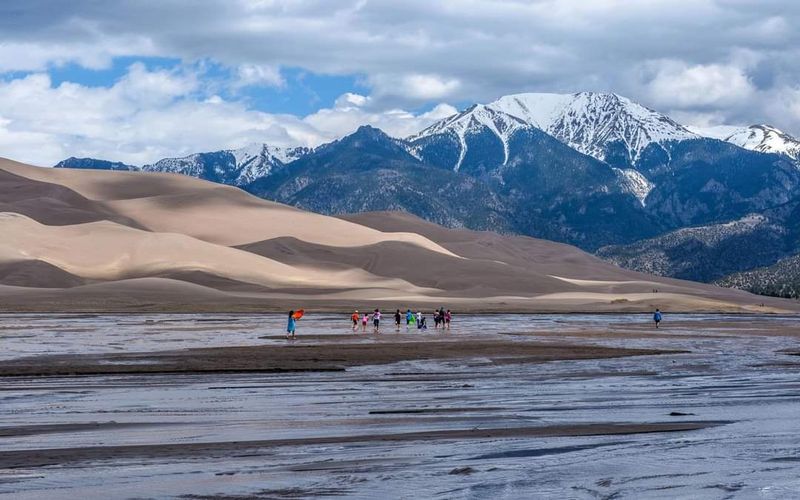
Nothing prepares first-time visitors for the scale of this place. Great Sand Dunes National Park and Preserve rises from the valley floor in huge golden waves, with the Sangre de Cristo Mountains standing sharply behind them.
The contrast is strange in the best way, desert-like sand sitting beside snowy-looking peaks and open sky. Walking here is part fun, part workout. Each step up the dunes can slide back a little, so progress is slower than it looks, but that challenge is a big reason the park sticks in your memory.
Some visitors climb to a high ridge for the biggest views, while others wander lower slopes and simply enjoy the shape of the land under changing light.
When seasonal Medano Creek is flowing, the scene changes again. Kids splash in the shallow water, adults cool off after a sandy climb, and the edge of the dunes becomes a lively place to spend an afternoon.
Bring water, sun protection, and shoes that can handle hot sand, especially on bright summer days. Evening has its own appeal. As shadows stretch across the dunes, every curve becomes more dramatic, and the wide-open setting makes the sky feel enormous.
Stargazing is a major draw too, since dark conditions can reveal a thick scatter of stars that city visitors rarely get to see clearly.
There is no need to rush through a long checklist here. A few hours of climbing, sliding, resting, and looking around can be enough to understand why this landscape stands apart from nearly anywhere else in the country.
Great Sand Dunes offers the kind of scenery that seems almost made up, yet it is sitting right in southern Colorado, waiting for dusty shoes and a camera battery that is fully charged.
3. Maroon Bells
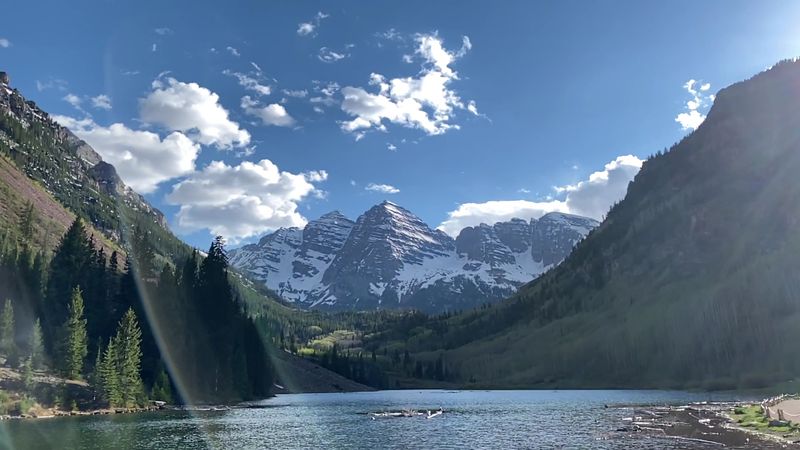
Some Colorado views become famous for a reason. Maroon Bells, near Aspen, delivers one of the cleanest, most striking mountain scenes in the state, with two sharp peaks rising above Maroon Lake and reflecting in the water when conditions are calm.
Early light often turns the whole area soft and bright, which is why photographers gladly show up before breakfast.
The classic lake view is only the start. Trails nearby lead into forests, meadows, and higher country where the mountains seem to shift shape with every mile.
In summer, wildflowers add bursts of color around the green valley floor, and in fall, the aspens create a gold show that draws heavy crowds for good reason.
Planning matters here because the area is popular and access can be managed during busy seasons. Check shuttle rules, parking details, and timing before heading out, especially if you want that quiet morning window by the lake.
A light jacket is useful even on warmer days, since mountain weather can cool things down quickly. Maroon Bells works for both fast visits and longer outings. One traveler may stop for an hour, snap a few photos, and leave thrilled, while another may spend most of the day on the trails, pausing at streams and open viewpoints.
Either way, the scenery has a polished, postcard quality that still manages to feel wild once you walk beyond the most visited spots.
Not every well-known destination lives up to the pictures, but this one usually does. The combination of mirrored water, towering peaks, forests, and changing seasonal color gives Maroon Bells a rare kind of visual punch.
Put it on a Colorado itinerary with enough time to slow down, look around, and catch more than just the standard shot from the shoreline.
4. Palisade
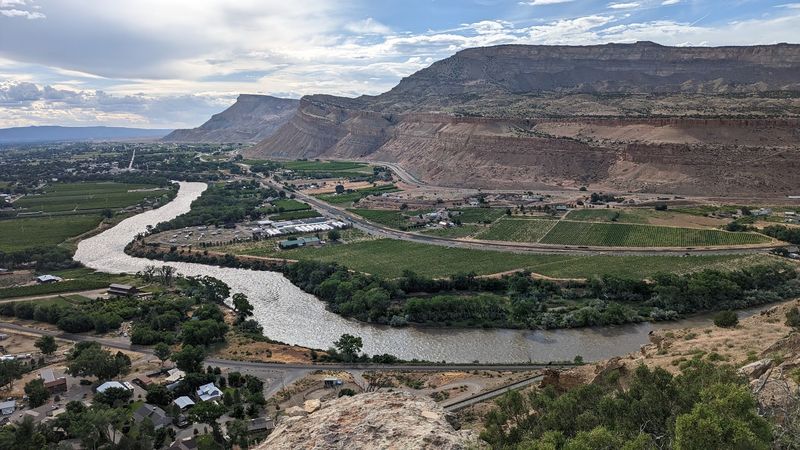
Colorado does not always look the way outsiders expect, and Palisade proves it fast. Instead of alpine lakes and ski slopes, this Western Slope town offers vineyards, peach orchards, river views, and sandstone cliffs that glow under warm light.
The result is a softer, sunnier version of the state, with a flavor all its own. Food and drink play a big role here. Wineries are a major draw, and orchard country gives the area a fresh, seasonal feel that changes through the year.
A slow afternoon can include scenic drives past rows of trees, a stop for local fruit when available, and a relaxed tasting with cliff-lined views instead of crowded city streets.
The landscape deserves just as much attention as the produce. The Colorado River adds movement and greenery, while the surrounding rock formations bring bold color and shape to the horizon.
Cyclists, casual walkers, and road trippers all have easy ways to enjoy the area without needing technical gear or a full wilderness plan.
Summer can run hot, so start outdoor activities earlier in the day and keep water nearby. Palisade also pairs well with nearby Grand Junction, making it simple to build a longer Western Colorado visit around red rock scenery, local farms, and small-town charm.
Even a short stop can break up a mountain-heavy itinerary in a refreshing way. What stands out most is the contrast. Palisade shows a side of Colorado that feels ripe, sun-washed, and shaped by river valleys rather than high peaks.
That difference is exactly why it belongs on a list like this. Travelers who only chase famous mountain icons miss one of the state’s most memorable regions, where orchard rows, vineyard lines, and canyon walls create a setting that is both relaxed and visually rich.
5. Hanging Lake
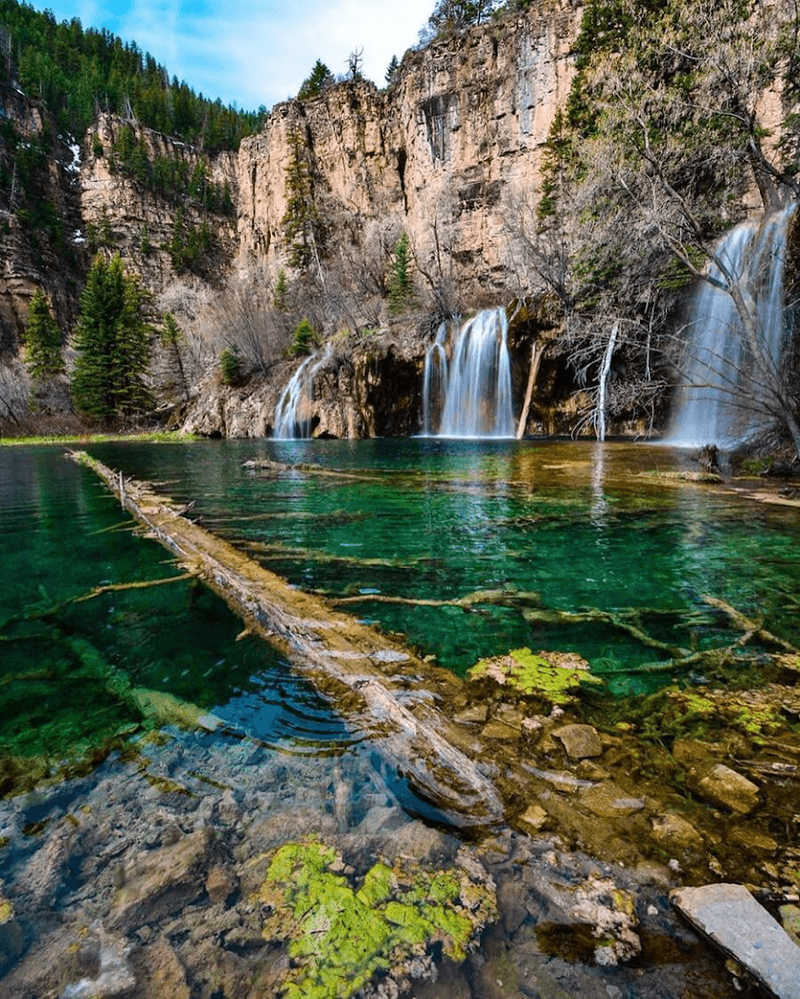
Reaching Hanging Lake takes effort, and that is part of the story. The trail climbs through Glenwood Canyon on a steep route that asks for solid shoes, steady pacing, and a little patience.
Then the final view appears, and the whole setting changes from rugged canyon hike to bright, delicate water tucked beneath green cliffs.
The lake is famous for its striking turquoise color, plus the thin waterfalls that spill into it from above. Moss clings to the rocky walls, trees frame the basin, and the entire scene looks carefully arranged even though it is fully natural.
Because the area is sensitive, rules and permits help protect it, so planning ahead is not optional here. Visitors should treat this place with extra care. Staying on the trail, respecting barriers, and following posted guidance helps preserve the lake’s fragile shoreline and clear water.
The hike can feel tough for beginners, especially in warmer weather, so carrying enough water and starting earlier in the day makes the climb more comfortable.
Despite its popularity, Hanging Lake does not work like a quick roadside stop. The experience includes the buildup of the ascent, the sound of rushing creek water below, and the cool shift in air as you near the top.
That progression gives the destination more impact than a photo alone can show. For travelers who enjoy a reward that must be earned, this is one of Colorado’s standout outings.
The combination of steep canyon walls, hanging garden greenery, and clear blue-green water is unusual enough to stay in your head long after the trip ends.
Go prepared, respect the rules, and allow enough time to take in the scene without hurrying back down right away. Hanging Lake may be compact, but the impression it leaves is huge.
6. Crested Butte
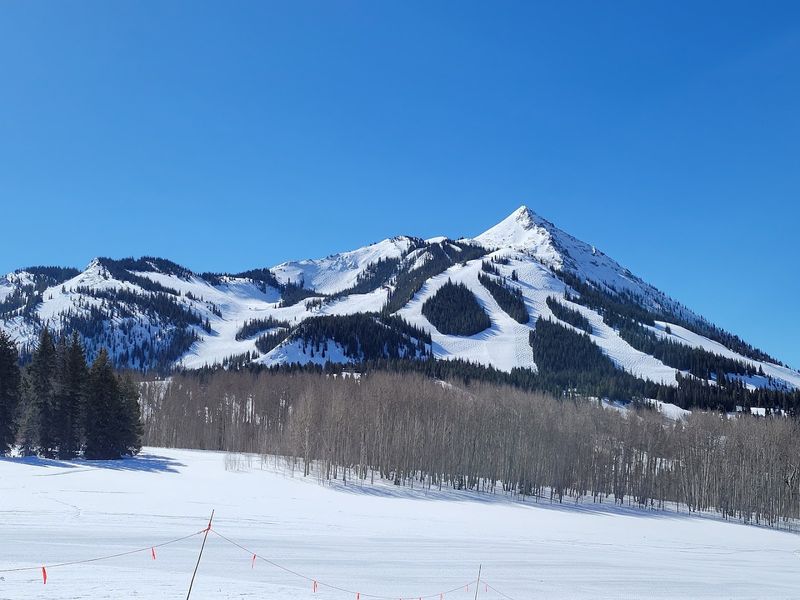
Crested Butte has range. One minute you are looking at bright storefronts and historic buildings in a colorful downtown, and the next you are staring up at big alpine slopes that seem to rise straight out of town.
That easy mix of lively village character and serious mountain scenery gives the place a strong identity from the start.
Summer is famous for wildflowers, and for good reason. Hillsides and meadows can fill with color, drawing hikers, photographers, and anyone who simply wants an excuse to be outside longer.
Trails around the area offer different levels of challenge, so it is possible to keep things easy or commit to a bigger day in the high country.
Winter changes the mood without lowering the appeal. Snow covers the peaks, streets look extra cozy, and the town becomes a base for cold-weather adventure.
Even travelers who do not ski can enjoy the setting by exploring downtown, taking scenic drives when conditions allow, or finding a quiet place to watch the mountains shift in afternoon light.
The local layout helps visitors settle in quickly. Shops, restaurants, and outdoor access sit close enough to make planning simple, and the town feels more relaxed than some of Colorado’s larger resort areas.
Pack layers no matter the season, because mountain weather does what it wants and rarely asks permission first. Crested Butte stands out because it offers visual beauty without losing personality. Some mountain towns lean hard on scenery and forget to feel distinct, but this one has both.
Victorian details, surrounding peaks, flower-filled summers, and deep snowy winters all work together to create a destination with real variety. For travelers who want a Colorado stop that is scenic, walkable, and packed with seasonal character, Crested Butte belongs very high on the list.
7. Mesa Verde National Park
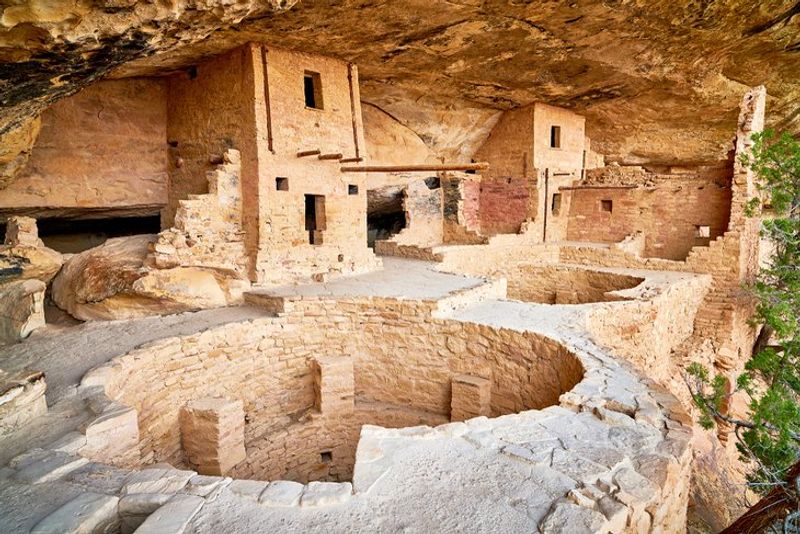
Mesa Verde National Park offers a different kind of Colorado beauty. Instead of towering alpine peaks or deep river canyons, this UNESCO World Heritage Site combines broad mesas, rugged canyon landscapes, and some of the best-preserved Ancestral Pueblo cliff dwellings in North America.
The scenery feels timeless and unforgettable, blending natural surroundings with centuries of human history in a way few destinations can match.
While the park welcomes visitors throughout the year, some roads, facilities, and guided tours operate seasonally, making it worthwhile to check current conditions before planning your visit.
Driving through the park reveals sweeping overlooks, winding scenic roads, forests of piñon and juniper, and dramatic canyon vistas stretching across southwestern Colorado. Nearly every viewpoint offers another impressive perspective, and even a leisurely drive provides opportunities to stop, take photographs, and appreciate the expansive landscape.
Walking trails and overlooks allow visitors to enjoy the scenery and the archaeological treasures without tackling difficult hikes. The cliff dwellings are the centerpiece of Mesa Verde.
Built by the Ancestral Pueblo people more than 700 years ago, these stone villages were constructed beneath sandstone alcoves and remain among the finest preserved anywhere in the United States.
Guided tours provide a look at several of the famous dwellings during the main season, while numerous overlooks offer spectacular views of others tucked into the canyon walls.
Wildlife adds a memorable element to the experience. Mule deer, wild turkeys, ravens, and other bird species are commonly seen throughout the park, while sunrise and sunset bathe the mesas in shades of gold and orange.
Mesa Verde rewards visitors who slow down and take it all in. Combining extraordinary history, striking scenery, and peaceful surroundings, it offers a side of Colorado that feels unique and deserves a place on every travel bucket list.
8. Garden of the Gods
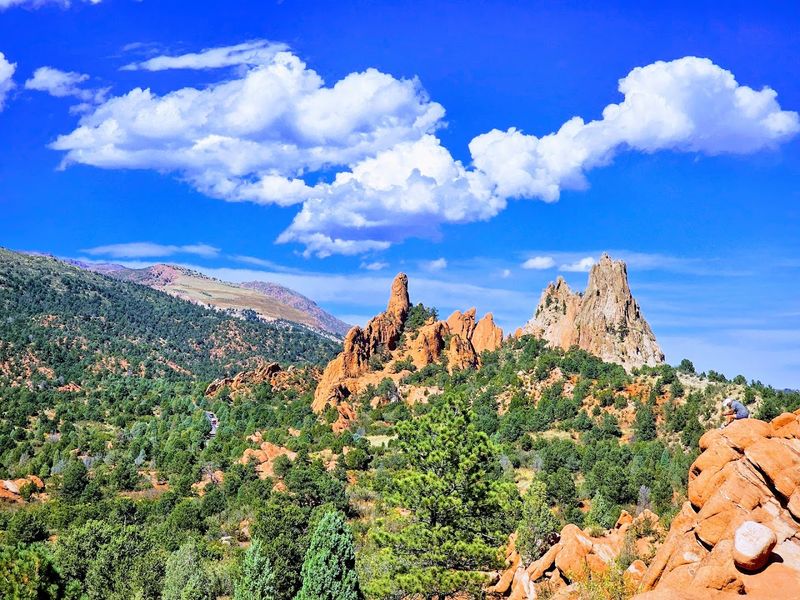
Few places announce themselves as boldly as Garden of the Gods. Giant red sandstone formations rise at sharp angles from the ground, and Pikes Peak often stands behind them like a final dramatic touch.
The park sits close to Colorado Springs, yet the scenery has a big, cinematic look that makes it hard to believe entry is free.
Trails make the park easy to enjoy in different ways. Some visitors stick to shorter walks near the most famous rock formations, while others spend longer exploring paths that reveal changing angles, open views, and pockets of quiet away from the busiest spots.
Rock climbers also come here, adding another layer of movement against the red stone walls. Timing can shape the experience more than many first-timers expect. Sunrise and sunset bring richer colors, longer shadows, and cooler air, which is especially helpful during warmer months.
Wildlife sightings can happen too, so walking calmly and keeping some distance makes the outing better for both people and animals.
Because roads and paved areas run through much of the park, Garden of the Gods works well for many travel styles. Families, casual sightseers, photographers, and dedicated hikers can all find a way to enjoy it without needing the same level of effort.
That accessibility is part of its strength, not a drawback. The setting is instantly recognizable, but it still holds attention once you arrive. Red rock towers, mountain backdrops, open sky, and easy access come together in a way that suits both quick visits and longer afternoons.
Add it to any Colorado itinerary, especially if you want a place that delivers serious scenery without requiring an all-day expedition. Garden of the Gods is one of those rare landmarks that manages to be both popular and impressive at the same time.
9. Pawnee Buttes
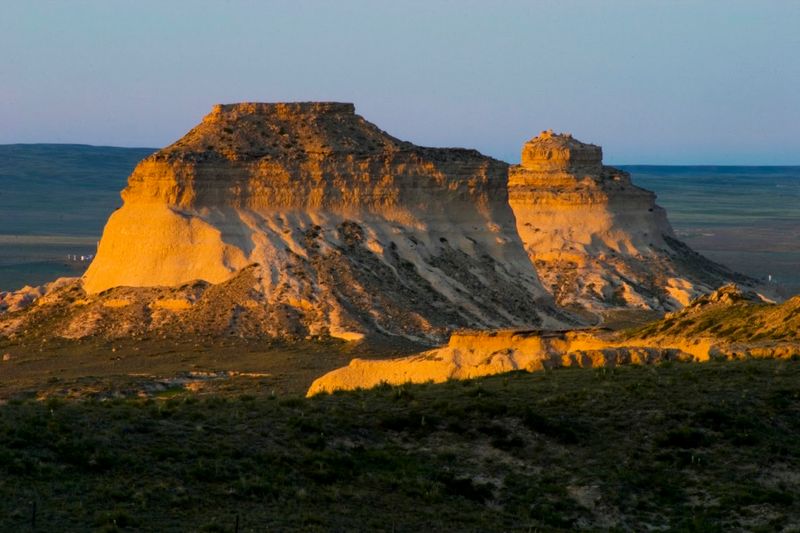
Out on the shortgrass prairie, Pawnee Buttes appears almost like a trick of distance. The twin buttes rise from the open land in a way that feels sudden and dramatic, breaking the flat horizon with tall rock forms that seem completely out of place.
That contrast is exactly what makes the area so memorable. The hike to the buttes is considered manageable for many visitors, which helps make the destination appealing without taking away the sense of remoteness.
Along the trail, the landscape stays open and uncluttered, so attention shifts to sky, wind, grass, and the changing shape of the buttes as you get closer. It is a great outing for people who enjoy scenery that reveals itself slowly rather than all at once.
Birdwatchers often have extra reason to pay attention here. The grassland environment supports interesting bird life, and the quiet setting rewards patient observation.
Bring sun protection, plenty of water, and sturdy shoes, because shade is limited and the prairie does not offer many quick conveniences once you leave the trailhead.
Part of the appeal is the silence. Mountain destinations often come with rushing creeks, packed parking lots, or busy overlooks, but Pawnee Buttes offers more room to hear the wind and notice small changes in light across the plains.
A cloudy day can make the landscape feel moody, while a bright day turns the buttes into strong landmarks against a huge blue sky.
Travelers who skip northeastern Colorado miss one of the state’s most unusual scenes. Pawnee Buttes combines easy access, striking landforms, and a wide-open setting that is hard to forget.
It may not have the fame of Colorado’s bigger mountain icons, but its strong lines, peaceful trail, and prairie backdrop give it a very different kind of visual power.
10. Black Canyon of the Gunnison National Park
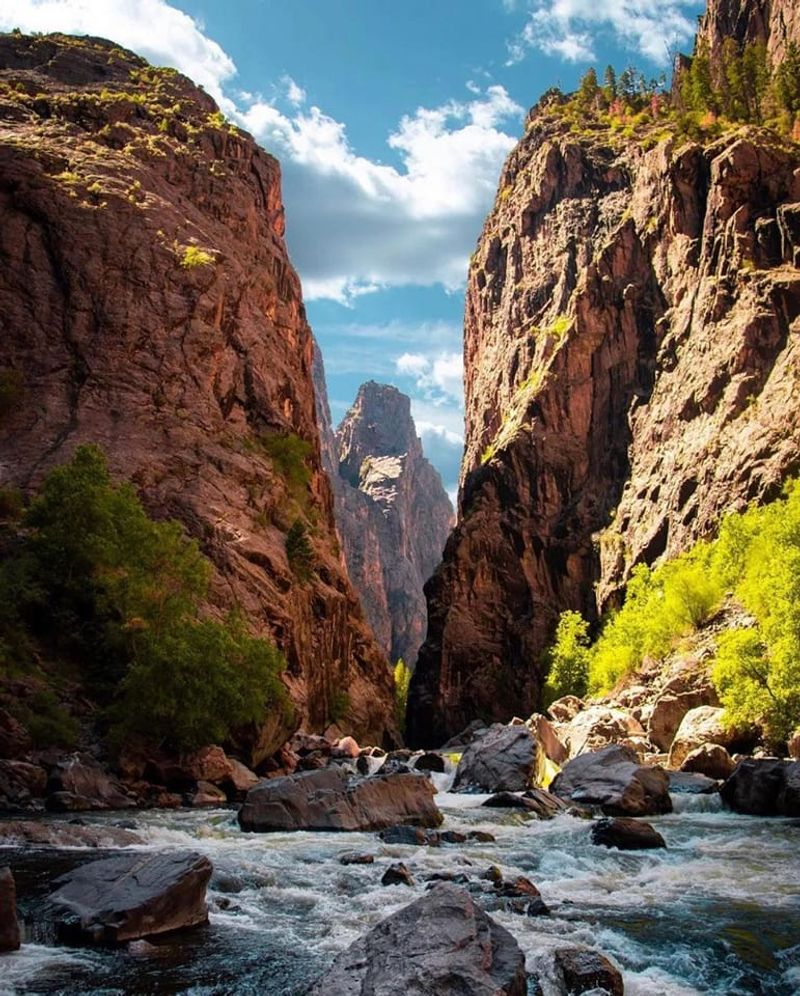
Black Canyon of the Gunnison does not ease visitors into the view. You walk to an overlook, glance out, and suddenly the land drops away into a canyon so steep and dark that it can stop conversation for a second.
The cliffs plunge sharply toward the Gunnison River, creating one of the most dramatic scenes anywhere in Colorado.
Part of the canyon’s power comes from its shape. The walls are narrow, tall, and shadowed, which gives the landscape a more intense look than many broader canyon parks.
Scenic overlooks let visitors experience that depth without major hiking, while trails add more chances to see how the rock, river, and light interact through the day.
Morning and late afternoon can bring especially strong contrast across the cliff faces. Light catches certain rock sections while other parts remain dark, making the canyon look even deeper.
Stargazing is another major draw, since the night sky above these dark surroundings can appear remarkably clear when conditions cooperate.
This is a place to move carefully and stay aware. Steep edges, changing weather, and strong sun all deserve respect, even on shorter visits.
Bring water, take your time at overlooks, and read park guidance before heading onto trails. The scenery invites photos, but the best moments often come from standing still long enough to absorb the scale.
Colorado has no shortage of mountain beauty, yet Black Canyon offers a very different kind of grandeur. Instead of broad meadows and bright lakes, it delivers rock walls, depth, shadow, and raw vertical drama.
That contrast earns it a spot among the state’s most unforgettable places. For travelers who want scenery with serious impact, few destinations match the first look into this canyon and the lasting impression it leaves behind.
Share this story