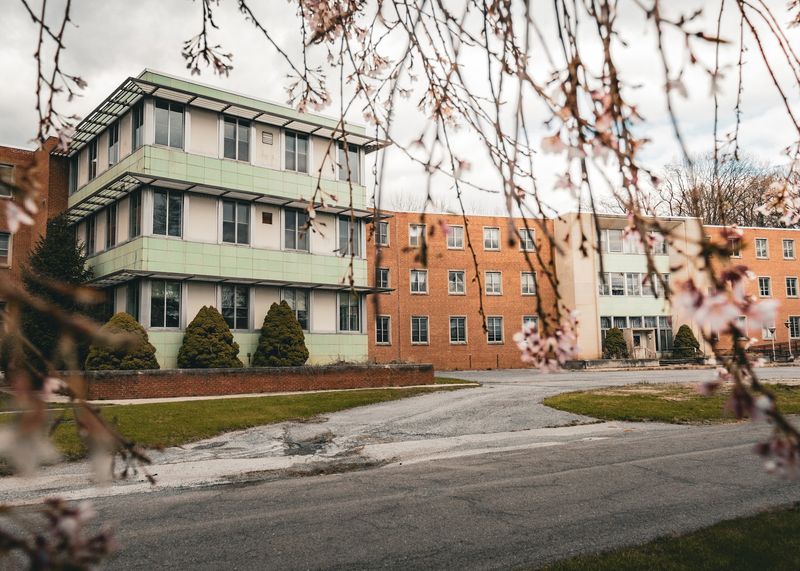
Harrisburg State Hospital sits along North Cameron Street in Harrisburg, Pennsylvania, with a story much larger than its old brick walls. Once a sprawling mental health campus, the hospital served generations of patients before eventually falling into disuse and becoming known for its empty buildings, movie fame, ghost stories, and long-running demolition efforts. Its imposing architecture and abandoned spaces have continued to attract attention from history enthusiasts, photographers, and curious locals fascinated by what remains.
Even as parts of the property have disappeared, the site still sparks conversations about Pennsylvania’s past and the challenges that come with preserving or removing massive historic properties. People continue to talk about it because places like this show how difficult it can be to deal with enormous institutional sites after they close. Its size, cost, history, and uncertain future make it one of Pennsylvania’s most intriguing abandoned landmarks.
1. A Giant Campus That Refused to Disappear
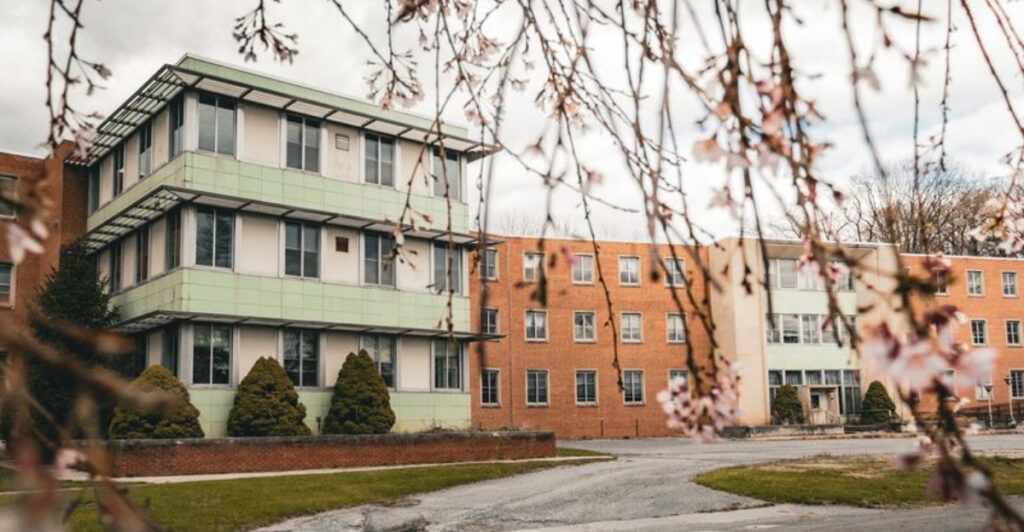
From the road, Harrisburg State Hospital never looked like one simple building.
It was a full campus, with many structures spread across large grounds near North Cameron Street in Harrisburg.
That size is a big reason people still talk about demolition.
Tearing down one old building is hard enough, but removing a whole former hospital campus can mean years of planning, permits, safety checks, and heavy equipment.
Visitors have described vine-covered buildings, cut grass, trimmed bushes, and security cameras, which gives the place a strange mix of ruin and care.
If you visit the area, stay on public paths and respect signs.
Old sites can look calm from outside, yet floors, roofs, and hidden hazards may be unsafe.
The safest way to appreciate it is from legal viewing spots, with a camera, patience, and respect for history.
2. Brick Buildings with a Long Memory
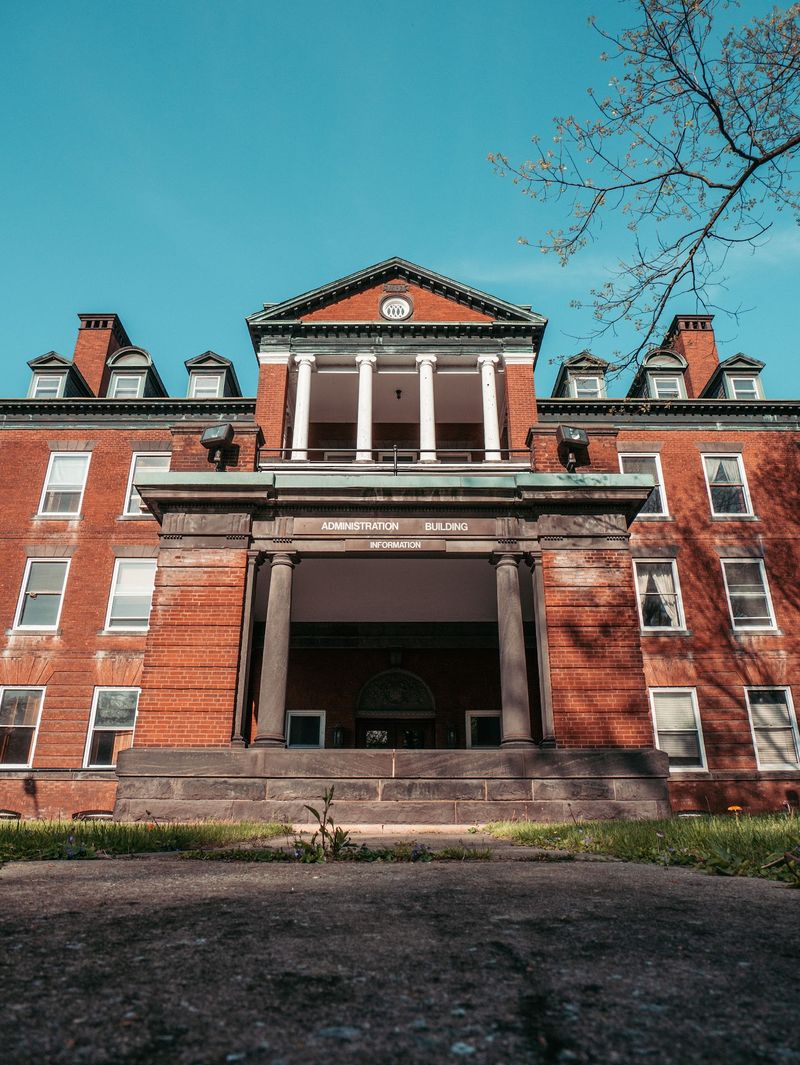
Old brick has a way of making people slow down, and the buildings at Harrisburg State Hospital did exactly that.
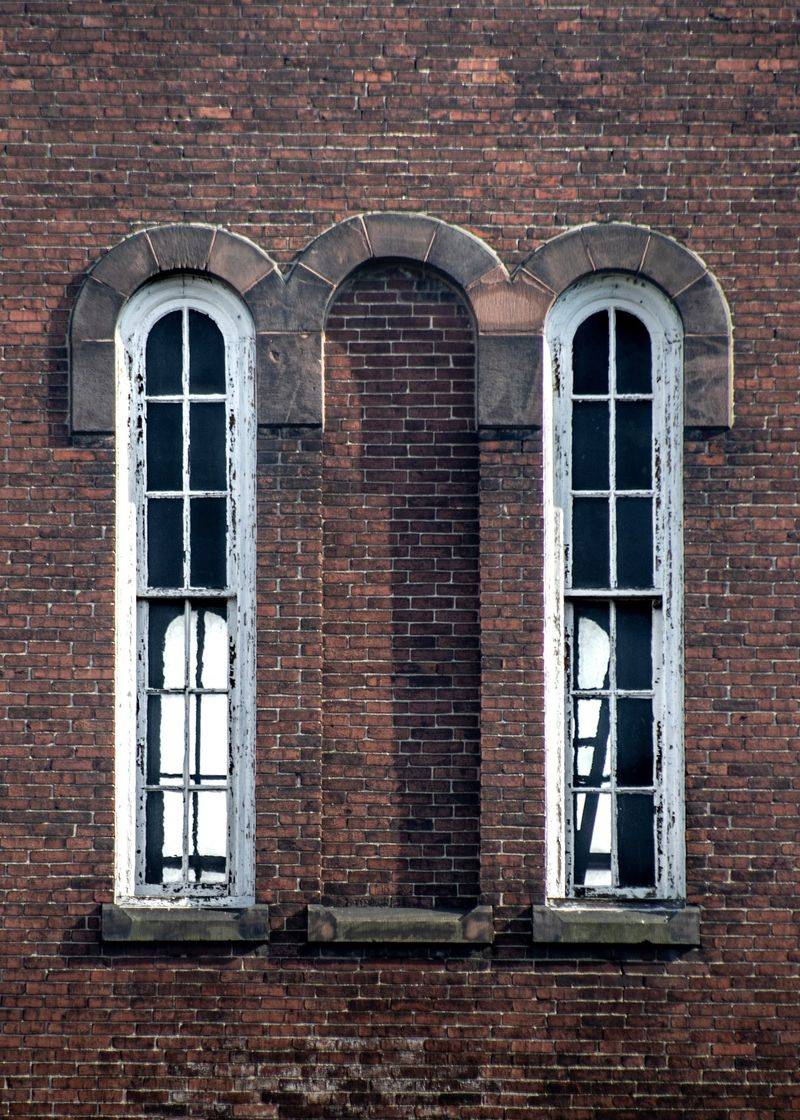
Their tall windows, plain walls, and institutional shapes told a story before anyone read a plaque.
The hospital opened in the 1800s and grew during a time when Pennsylvania built large state hospitals outside crowded city centers.
The idea was to give patients space, air, order, and treatment away from busy streets.
Today, those same buildings raise tough questions.
Should historic structures be saved, reused, or removed when repairs cost too much?
Preservation sounds simple until roofs leak, walls weaken, and public money is limited.
For readers who love old architecture, Harrisburg State Hospital is a reminder to photograph, research, and support local history before it fades.
Even plain buildings can hold powerful community memory.
3. The Costly Problem Behind Demolition
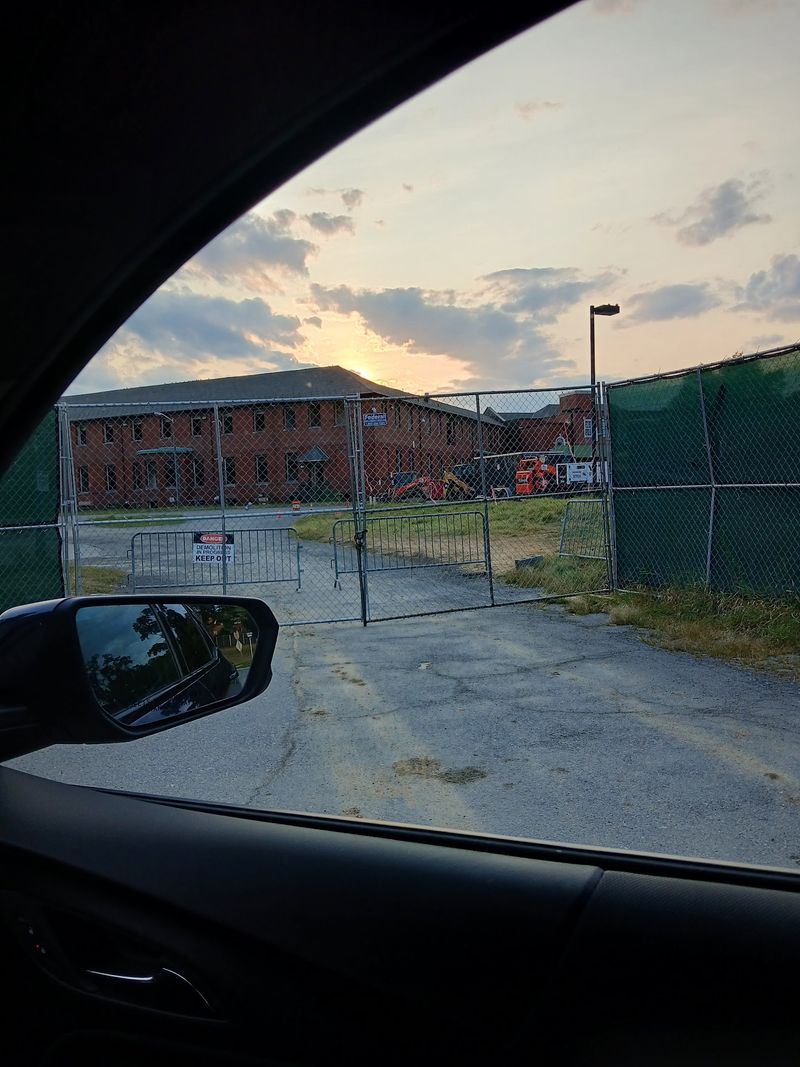
Big places create big bills, and Harrisburg State Hospital proves the point.
Demolition is not just swinging a wrecking ball and hauling away bricks.
Crews may need to check for asbestos, lead paint, unstable walls, underground utilities, and materials that must be handled carefully.
Older hospital campuses can also have tunnels, basements, pipes, and odd additions built over many decades.
That is why demolition at a place like this can feel slow and expensive.
Some reviewers have mentioned major demolition and construction, while others say parts were already gone.
Before repeating rumors, check current official sources, local news, or state property updates.
Conditions can change quickly at active work sites.
For nearby residents, the practical lesson is clear: large abandoned public buildings often require long timelines because safety, cost, history, and future land use all collide.
4. A Strange Kind of Peace on the Grounds
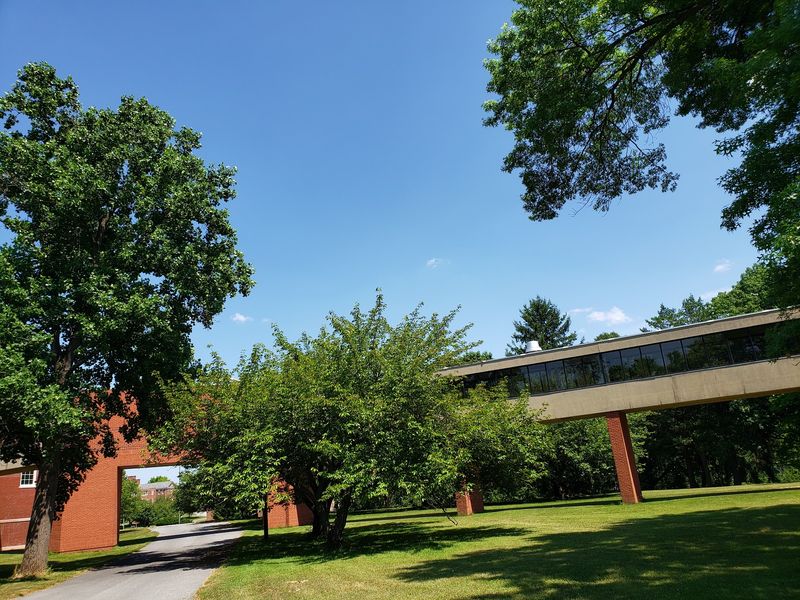
Not every abandoned place feels wild or forgotten.
Some visitors have said the Harrisburg State Hospital grounds felt surprisingly peaceful during the day, with maintained lawns and trimmed trees.
That contrast is part of its pull.
A person might see an old, empty building in one direction and neat grass in another.
The result feels less like a movie set and more like a paused chapter of real life.
If you are drawn to places like this, plan your visit with common sense.
Go in daylight, bring a friend, keep to allowed areas, and do not enter closed buildings.
Respect security cameras and barriers because they are there for protection, not decoration.
Peaceful walks around historic sites can be meaningful when done safely.
You can notice details, think about the people who lived and worked there, and leave without causing damage.
5. Movie Fame from Girl, Interrupted
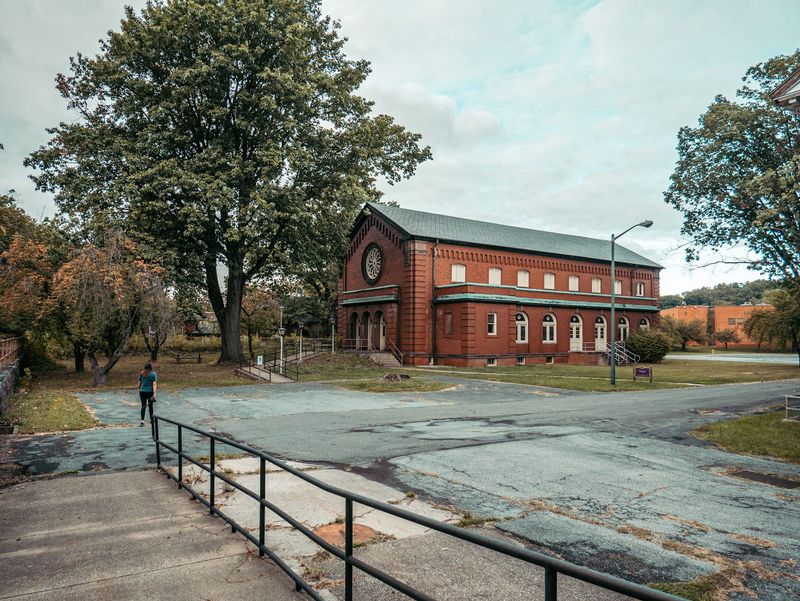
Hollywood gave Harrisburg State Hospital a second life in the public imagination.
The campus is often linked to the film Girl, Interrupted, which brought new attention to its historic buildings.
Movie fans sometimes visit filming locations because they want to stand where a familiar scene was made.
At a former hospital, though, that interest should come with care.
The real place had a serious medical history long before cameras arrived.
Film fame can help people notice buildings they might otherwise ignore.
It can also make a site feel more famous than understood.
A smart visitor can enjoy the pop culture connection while learning the deeper story too.
Look up the hospital’s role in Pennsylvania mental health care, read local history, and remember that real patients and staff shaped the campus.
The movie link is interesting, but it is only one layer.
6. Ghost Stories, Rumors, and Real Respect
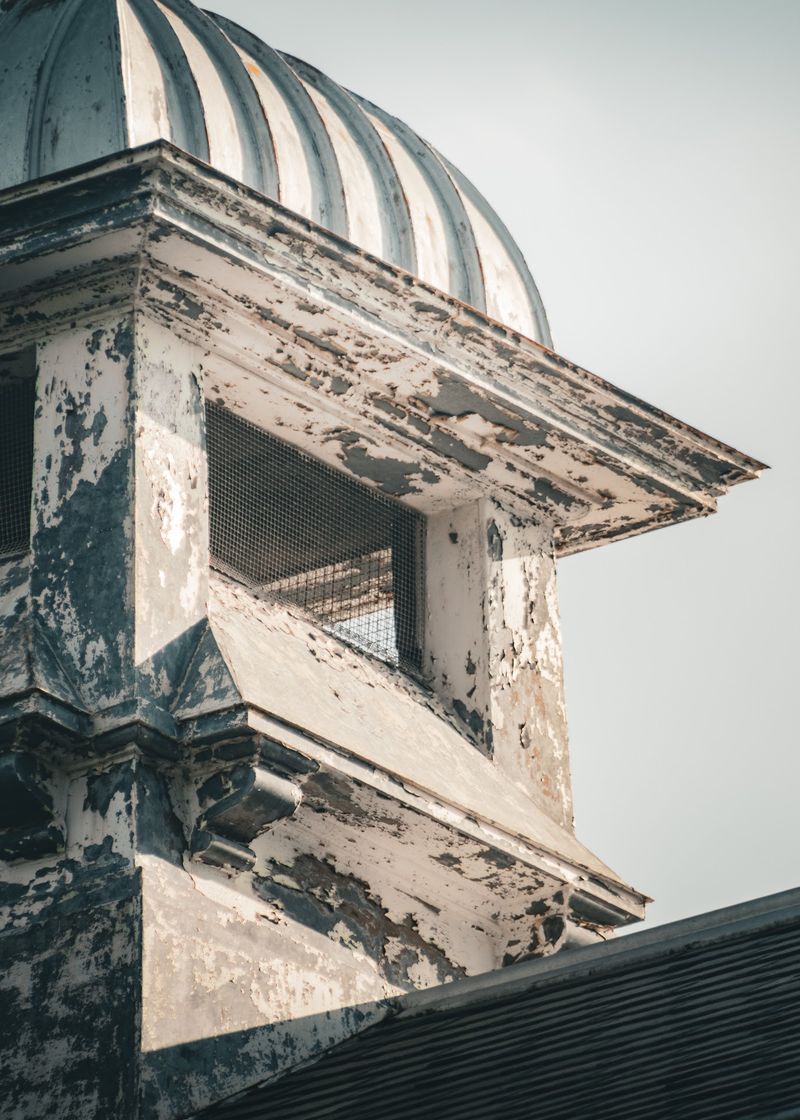
Whispers follow old hospitals, and Harrisburg State Hospital has plenty of them.
Reviews mention ghost photos, creepy figures, and even a Ghost Nation episode connected to the site.
Spooky stories can be fun, especially when an old building has dark windows and quiet halls.
Still, it helps to separate entertainment from respect.
Former hospitals were places where people struggled, recovered, worked, and sometimes suffered.
If ghost hunting interests you, choose legal tours, public programs, or well-researched media instead of trespassing.
Never break in for a thrill or copy risky videos online.
Beyond safety, there is a human reason to be careful: the hospital was not just a scary backdrop.
It was part of real families’ lives.
Treating the place with kindness makes the history stronger, not weaker.
A good story does not need vandalism or danger to be memorable.
7. What the Site Teaches Pennsylvania Today
Few places explain change as clearly as Harrisburg State Hospital.
Its story connects mental health care, architecture, public spending, local memory, and redevelopment in one complicated site.
When large institutions close, communities still have to answer hard questions.
Who pays for upkeep?
Which buildings deserve saving?
What should happen to land that once served patients, workers, and the state?
For Harrisburg, the site is more than an abandoned landmark with online reviews.
It is a lesson in planning ahead.
Cities and states need clear records, public updates, and realistic budgets for old campuses before decay makes every choice harder.
Readers can help by supporting local archives, attending public meetings, and sharing accurate information instead of rumors.
Whether buildings remain, change use, or disappear, the story matters.
Harrisburg State Hospital shows that the past does not vanish just because demolition begins.
Share this story