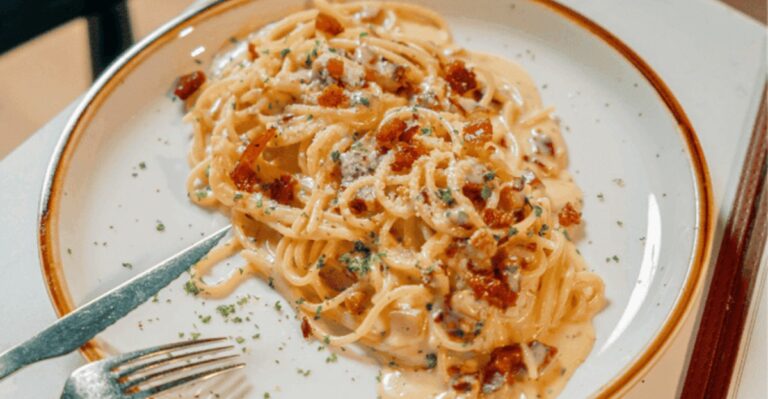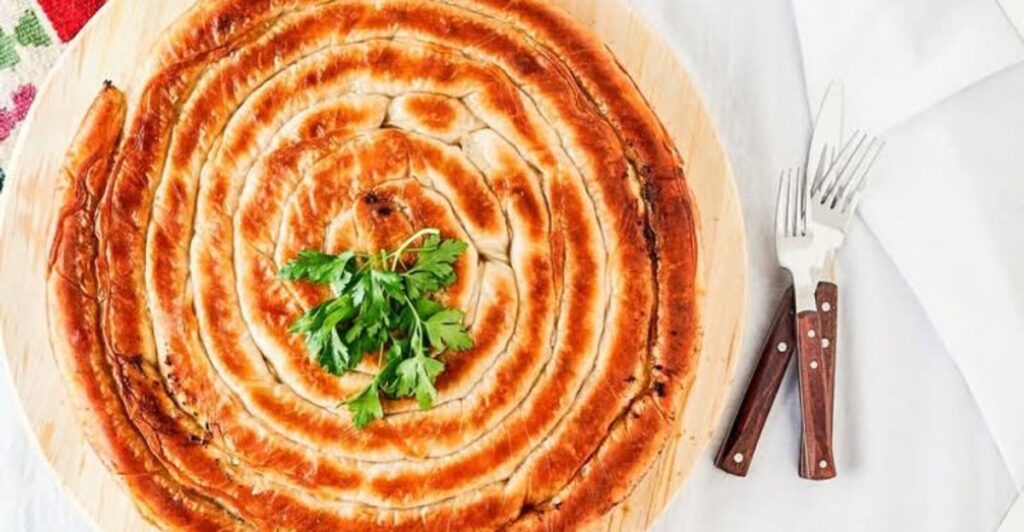
The first clue is the smell of pastry baking somewhere behind the counter. Then comes the hiss of meat hitting a hot grill, followed by a plate of cevapi tucked into warm lepinja with a pile of chopped onion.
At Burek King in Clifton, lunch can feel remarkably close to a meal in Sarajevo without requiring anything more complicated than a drive to Botany Village.
This small, family-owned restaurant keeps the surroundings simple and gives its attention to the food, from flaky spirals of freshly baked burek to slow-cooked veal, stuffed peppers, and syrup-soaked Bosnian sweets.
The menu is halal, the portions are generous, and traditional dishes are treated as everyday comfort food rather than culinary curiosities. Newcomers can begin with grilled cevapi and a slice from the pastry case, while longtime Balkan food fans will find plenty of familiar flavors.
Either way, leaving without an extra piece of burek for later requires more willpower than most people possess.
Burek King Brings Traditional Balkan Cooking to Clifton
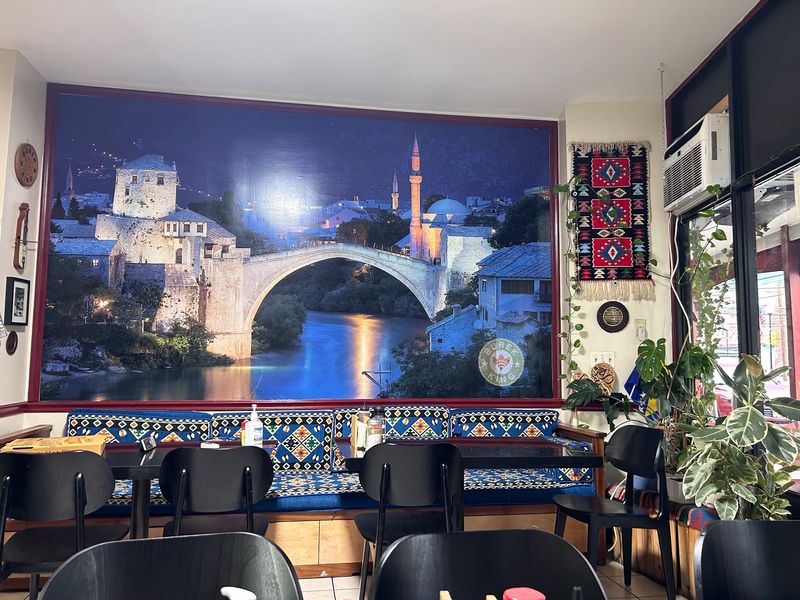
Clifton’s Botany Village has the right kind of setting for a restaurant like Burek King. This historic neighborhood grew around textile mills and still carries the practical, lived-in character of a place built for workers, families, and small businesses.
Along Parker Avenue, brick buildings and tightly packed storefronts create a streetscape where a family-run Balkan kitchen feels perfectly at home. Burek King occupies a modest space at 223 Parker Avenue, and it would be easy to pass without realizing how much cooking is happening inside.
There is no sprawling dining room or elaborate entrance. The setup is closer to a neighborhood bakery and lunch counter, with a small number of tables and a pastry case that immediately makes deciding what to order more difficult.
The restaurant specializes in traditional halal Balkan cooking, particularly the hearty food associated with Bosnia and the surrounding region. That means grilled meats, thin pastries, slow-cooked stews, fresh salads, strong coffee, and desserts soaked in enough syrup to demand a nap afterward.
Everything fits the restaurant’s straightforward personality. This is food designed to fill a table, feed a family, and taste just as satisfying during a quick weekday breakfast as it does during a long weekend lunch.
The room often brings together several kinds of customers at once. Someone may be grabbing a slice of cheese pita before work, while another table shares cevapi and Shopska salad.
Families arrive for whole pies, and first-time visitors study the dessert case as regulars order without needing the menu. That mix gives Burek King the energy of a genuine neighborhood institution rather than a themed dining experience.
Its appeal begins with authenticity, but the food is approachable even for someone who cannot pronounce every dish yet. Warm bread and grilled meat need very little translation.
Char-Grilled Cevapi Arrive With Warm Lepinja and Raw Onion
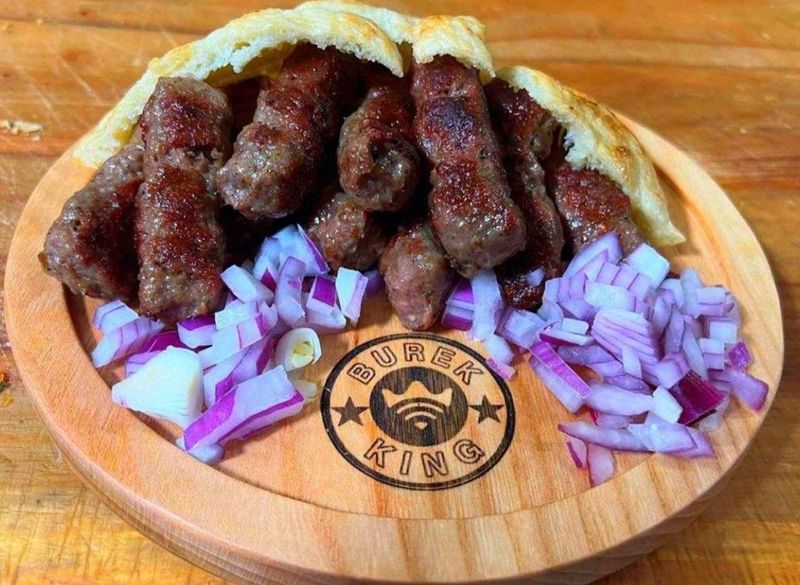
A plate of cevapi does not look complicated, which is exactly why every component matters. The small, casing-free sausages must be properly seasoned, juicy in the center, and grilled long enough to pick up a smoky outer crust.
The bread needs to be warm and soft enough to absorb the meat’s juices without falling apart. Chopped raw onion adds its sharp crunch, while a roasted pepper condiment can bring sweetness, acidity, and a gentle smoky note.
Burek King keeps that familiar Balkan formula intact. Its cevapi arrive nestled in lepinja, the round flatbread traditionally served with grilled meats across Bosnia and neighboring countries.
The bread is more than a convenient wrapper. Once it warms against the grill and catches the savory juices, it becomes one of the best parts of the plate.
Tear off a section, add a piece of meat and a few onions, and the whole dish makes sense immediately. Depending on the presentation available that day, ajvar may provide an extra layer of roasted red pepper flavor.
Cevapi are often described as sausages or kebabs for diners unfamiliar with them, but neither English label quite captures their place in Bosnian food culture. They are street food, family food, late-night food, and serious regional business all at once.
Recipes and preferred accompaniments vary from city to city, inspiring the sort of debate normally reserved for pizza styles in New Jersey. At Burek King, however, no prior knowledge is necessary.
The char from the grill provides an easy point of entry, while the lepinja and onion distinguish the meal from an ordinary sandwich or platter of meatballs. The smartest way to eat it is promptly, before the bread cools and the juices settle.
Cevapi reward enthusiasm more than table manners, so expect to use your hands and accept that a few pieces of onion will escape. Nothing about the dish is fussy, but when it is prepared well, very little else on the table gets ignored.
Hand-Rolled Burek Comes Filled With Meat, Cheese, Spinach or Potato
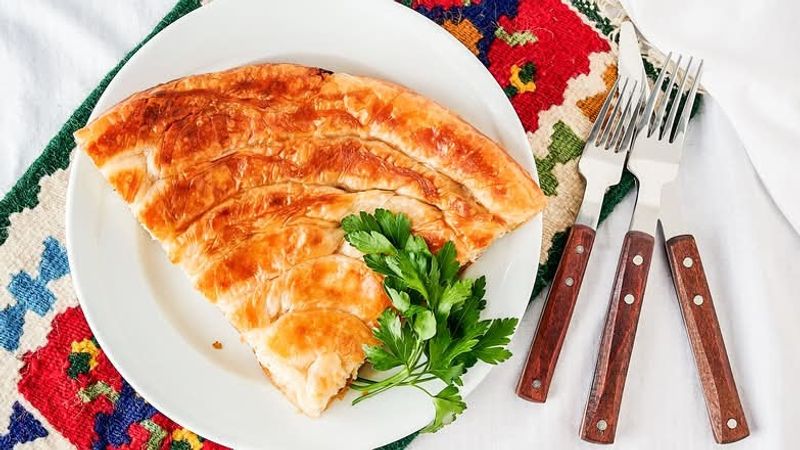
Behind every flaky slice of burek is a process that requires patience. The dough must be stretched exceptionally thin, spread across a wide work surface, layered with filling, and rolled without tearing.
It is then coiled or arranged in a pan before baking until the top turns crisp and golden. At Burek King, that work results in the pastry that gives the restaurant its name.
Customers can choose among fillings such as seasoned meat, cheese, spinach, and potato, ordering a slice for one person or a whole pie for the table. The distinction between those fillings deserves a little context.
In Bosnia, many people reserve the word burek specifically for the meat-filled version. Cheese-filled pastry is called sirnica, spinach and cheese becomes zeljanica, and the potato variety is krompiruša.
American menus sometimes group everything under the more familiar name of burek, but each variation has its own character. The meat version is robust and savory, with crumbled filling tucked between delicate sheets of dough.
Cheese is softer and tangier, making it an especially good breakfast with yogurt. Spinach brings a lighter, earthy edge, while potato is mild, filling, and built for cold mornings.
The contrast between the crisp surface and tender interior is the pleasure common to all four. A good slice should not sit in a puddle of grease or collapse into one heavy layer.
Instead, the pastry remains distinct enough to crackle at the edges while holding the filling together. Ordering several kinds and sharing them is the easiest way to appreciate those differences, though it also creates competition over the last piece.
Whole pies are practical for family dinners, parties, or anyone smart enough to plan tomorrow’s breakfast in advance. Leftovers reheat particularly well in an oven or air fryer, which restores the crisp exterior.
A microwave may be faster, but turning carefully layered dough soft and rubbery is a rather unkind reward for all that handiwork.
Hearty Bosnian Specialties Go Far Beyond the Pastry Case
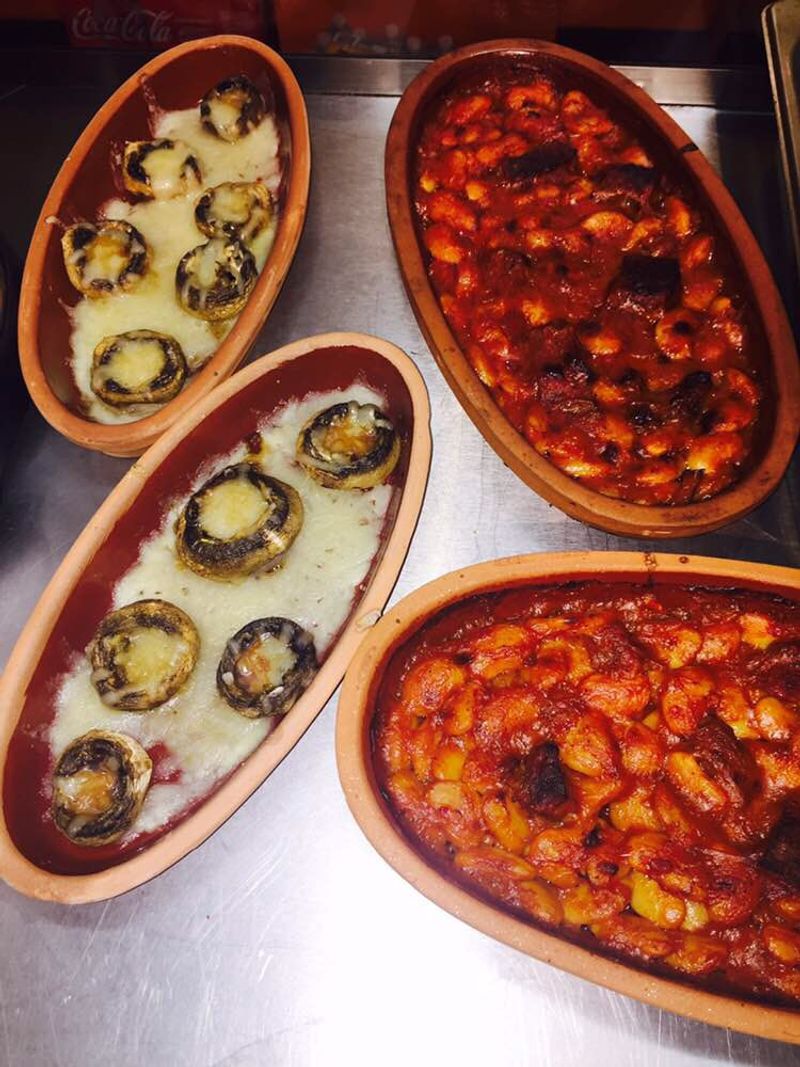
On a cold North Jersey afternoon, the steam rising from a bowl of beef goulash can make the pastry case temporarily lose its power. Burek King’s broader menu is filled with dishes that belong to the slower, simmering side of Balkan cooking.
These are meals built around vegetables, meat, broth, and deeply familiar seasonings rather than elaborate presentation. The Bosnian Special is one of the clearest examples.
Cabbage, peppers, onions, tomatoes, and potatoes are sautéed and slowly cooked with veal and traditional spices, producing a rustic stew that tastes as though it has spent the morning developing character. Beef goulash offers another warming option and may be accompanied by a starch such as mashed potatoes or rice.
Stuffed peppers bring seasoned ground beef and rice inside a tender green pepper, while tavče gravče, or baked beans prepared in the Balkan style, proves that a humble pot of beans can hold its own beside grilled meat. Roasted veal is another substantial choice when available, especially for diners who arrive intending to sit rather than dash out with a paper bag.
Even the soup selection receives proper attention. Bosnian chicken soup is light and comforting, while veal soup combines pieces of meat with vegetables for a richer beginning.
With so much pastry and meat on the table, a fresh or tangy side is a sensible move. Shopska salad delivers diced tomatoes, cucumber, and onion beneath a snowy layer of salty white cheese.
Shredded cabbage salad supplies crunch, and roasted peppers with garlic bring smoke and sweetness. These sides are not decorative greenery pushed to the edge of the plate.
Their acidity and freshness reset the palate between bites of burek or cevapi. The menu’s variety also explains why Burek King works for more than a one-time food adventure.
Someone can stop in for a quick pastry on Monday, return for goulash later in the week, and still have stuffed peppers waiting for the next visit. It is a compact restaurant with the appetite of a much larger kitchen.
Homemade Yogurt and Syrup-Soaked Desserts Complete the Meal
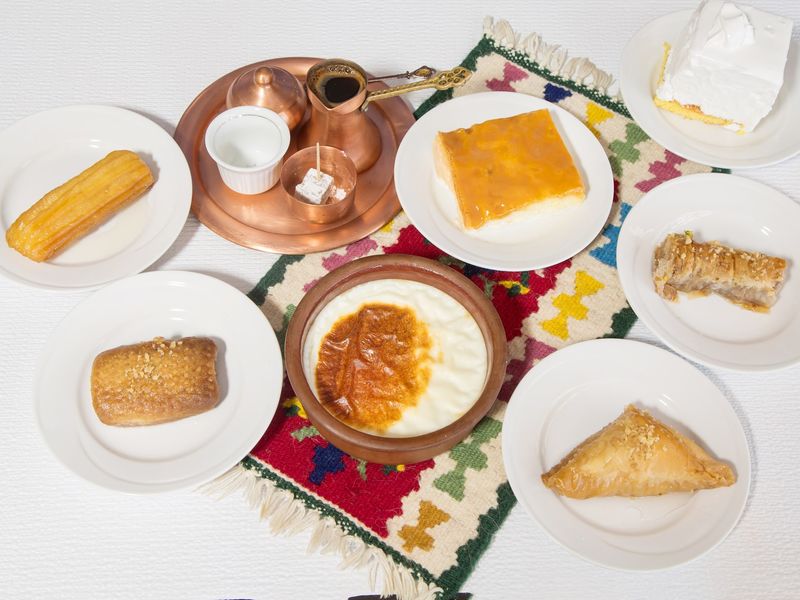
Drinking yogurt beside grilled meat may be unfamiliar to some diners, but the pairing requires only one sip to become convincing. Cool, thick, and tangy, yogurt cuts neatly through the richness of cevapi and buttery pastry.
It is especially satisfying with burek, where its acidity balances the meat or cheese filling without covering up the flavor. Burek King makes its yogurt in-house, treating it as part of the meal rather than an optional novelty.
Traditional Bosnian coffee offers a different kind of accompaniment. Served strong in a small cup, it encourages a slower ending than the usual lid-on, drink-in-the-car routine.
That extra time becomes useful once the dessert case enters the conversation. Baklava is the most recognizable choice, layering delicate pastry with walnuts and sweet syrup.
Tulumba takes a completely different route. These ridged pieces of fried dough are soaked until glossy, creating a crisp-chewy texture and a rush of sweetness in every bite.
Hurmašica is softer and crumbly, usually made with butter and finished in syrup, while šerbet-soaked sweets such as šekerpare add another variation on the theme. Other selections may include oblanda, thin wafer sheets layered with chocolate-and-nut filling, and bombice, small chocolate confections rolled with coconut or nuts.
Tufahija is particularly rooted in Bosnian dessert tradition. It begins with a poached apple filled with a walnut mixture, turning an everyday fruit into something rich enough to end a large meal.
The exact assortment can change, making the glass case worth inspecting before ordering anything else. Freshness matters with these desserts because syrup must soften each pastry without erasing its texture.
The best approach is to choose by contrast. Follow a plate of salty cevapi with a sticky tulumba, or finish cheese pita with baklava and coffee.
Boxing up a few extras is hardly an admission of defeat. It is simply recognition that one meal cannot reasonably accommodate every sweet that looks good through the glass.
What to Know Before Visiting Burek King
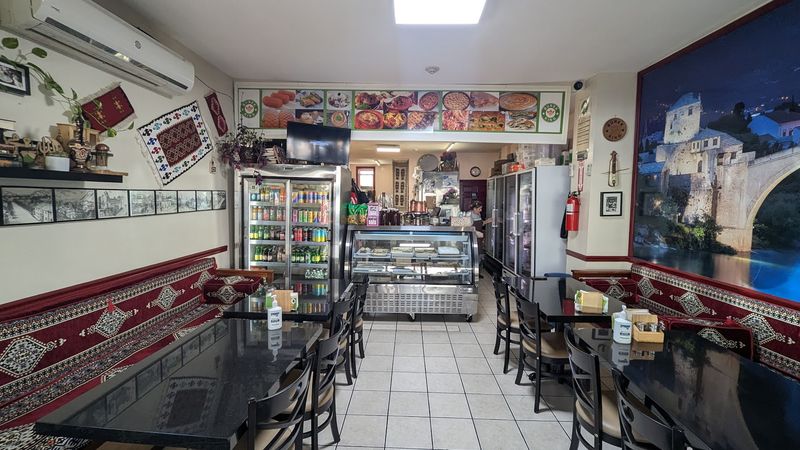
Early morning is an underrated time to arrive at this Parker Avenue storefront. Burek King opens at 7 a.m. daily, and those first hours bring the possibility of catching burek while its surface is still audibly crisp from the oven.
The restaurant remains open until 9 p.m., making it equally useful for breakfast, lunch, dinner, or an emergency pastry run between the three. Because hours and individual dishes can change, checking directly before a longer drive is sensible, particularly if one specific specialty is the goal.
The address is 223 Parker Avenue in Clifton’s Botany Village, a few blocks from the neighborhood’s old mill buildings and compact commercial streets. Street parking can require patience when nearby businesses are busy, so allowing a few extra minutes removes the least enjoyable part of the visit.
Inside, seating is limited. The small dining room is part of the restaurant’s appeal, but it also means takeout may be the practical choice at peak periods.
First-time diners should sit down if space allows, since cevapi are at their best immediately off the grill and the casual bustle adds something that cannot be packed into a container. A manageable first order might combine cevapi, one or two pastry varieties, and a Shopska salad, followed by yogurt or Bosnian coffee.
That is already a serious amount of food, and portions are not timid. Larger groups have the advantage of sharing whole burek pies and sampling several cooked dishes without reaching the dessert stage completely overwhelmed.
Frozen or whole pies may also be available to take home, which is useful for anyone who does not live close enough to make Parker Avenue a regular breakfast stop. Burek King offers dine-in service, takeout, delivery, and catering, and everything on the menu is halal.
The room may be small and the storefront understated, but the combination of warm lepinja, smoky cevapi, hand-stretched pastry, and strong coffee gives this corner of Clifton the unmistakable rhythm of a neighborhood Balkan kitchen.
Share this story