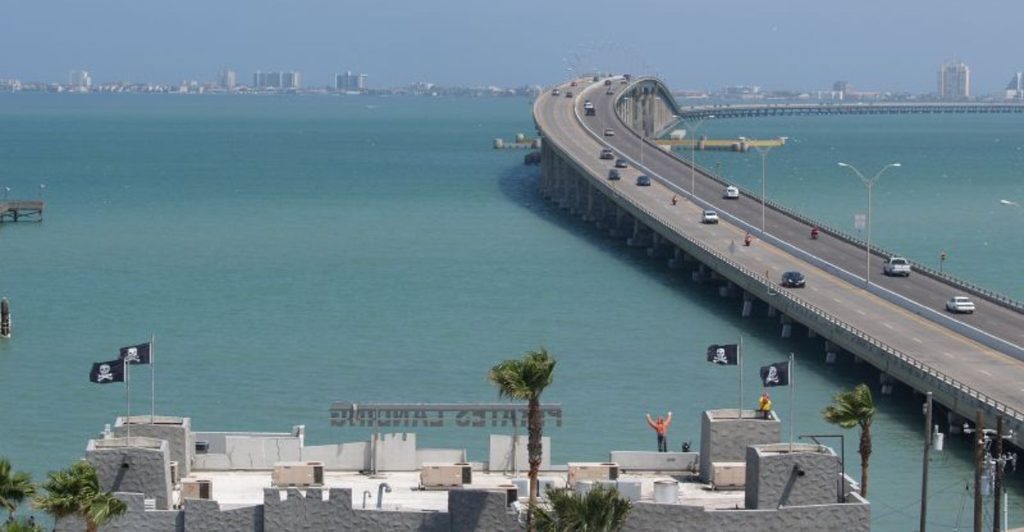
Stretching 2.37 miles across the Laguna Madre, the Queen Isabella Causeway connects South Padre Island to the mainland and holds the title as the longest bridge in Texas. This engineering marvel isn’t just a way to get from point A to point B. It’s a scenic journey that treats drivers to sweeping views of turquoise water, endless skies, and some of the best coastal scenery the Lone Star State has to offer.
1. A Bridge Built for the Coast
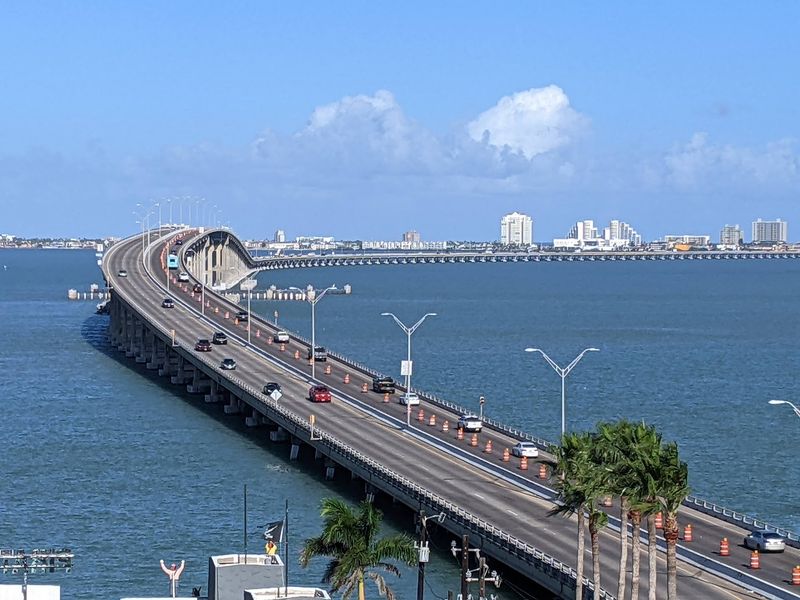
When the Queen Isabella Causeway opened in 1974, it replaced an aging ferry system that had been shuttling beachgoers and locals for decades. Officially named after the Spanish queen who funded Christopher Columbus, this concrete giant was designed to withstand hurricane-force winds and the salty Gulf air. Engineers built it tall enough to let shrimp boats and sailboats glide underneath without breaking a sweat.
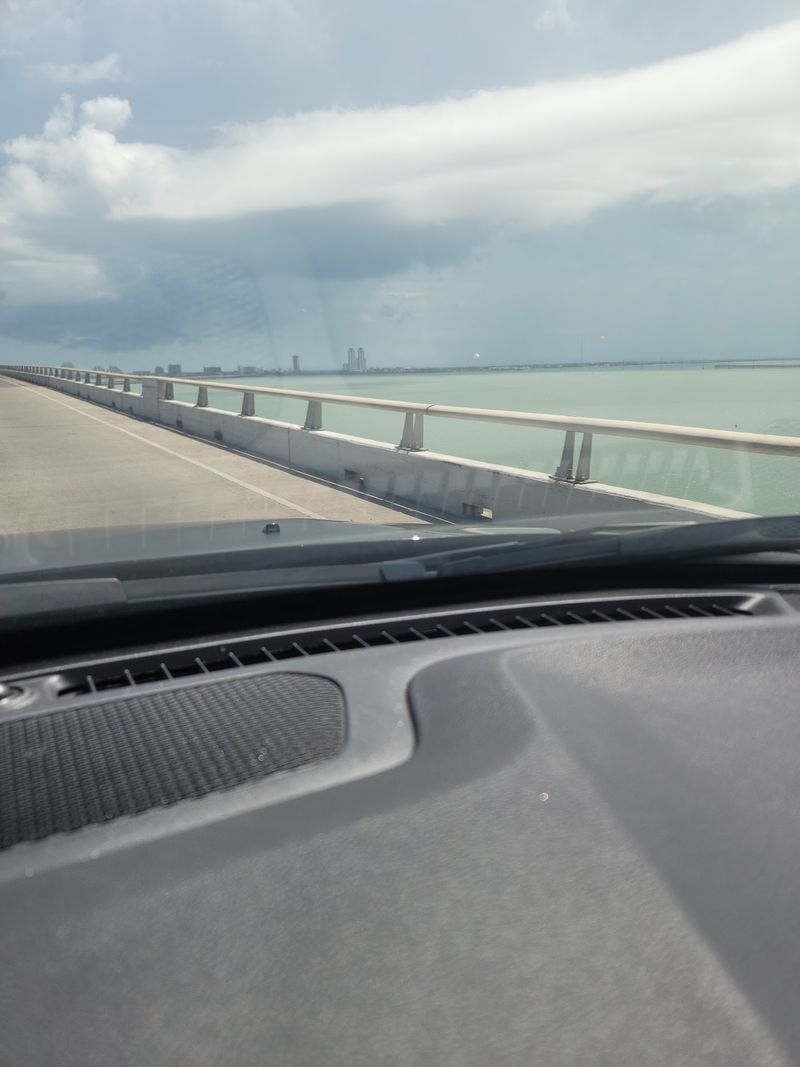
The bridge sits about 85 feet above the water at its highest point, giving it that roller-coaster feel as you climb toward the center span. It’s not just functional. The design is sleek and modern, with clean lines that blend into the horizon.
Driving across feels like you’re floating above the bay. On clear days, you can see for miles in every direction. Pelicans drift lazily overhead, and dolphins sometimes pop up near the pilings below.
The causeway has been through a lot, including a major collision in 2001 that temporarily closed part of the span. Repairs were swift, and today it stands stronger than ever. It’s a daily lifeline for island residents and a gateway for thousands of visitors each year.
Whether you’re heading to the beach or just out for a drive, crossing this bridge is a Texas experience you won’t forget anytime soon.
2. Views That Go On Forever
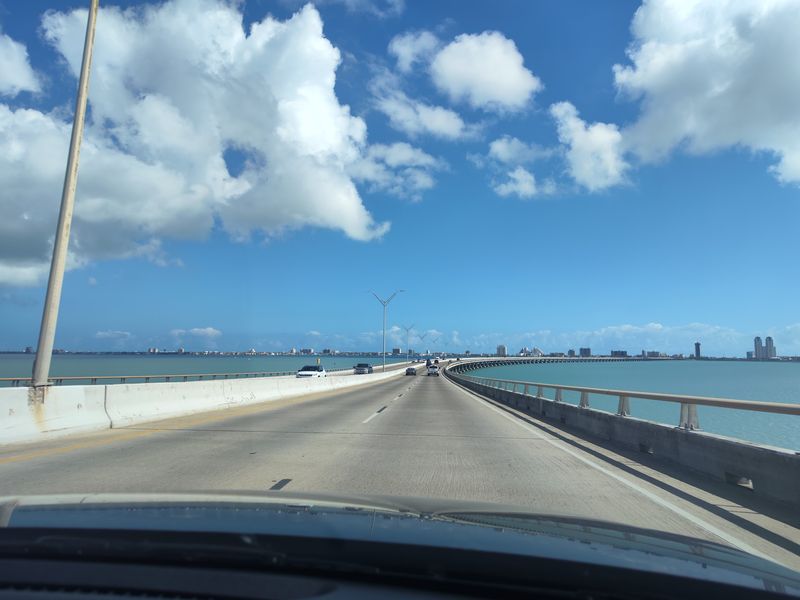
One of the best parts about driving the Queen Isabella Causeway is the scenery. You’re surrounded by water on both sides, and the view changes depending on the time of day and weather. Early morning brings soft pastels and glassy water.
Midday sun turns the bay into a blinding sheet of silver.
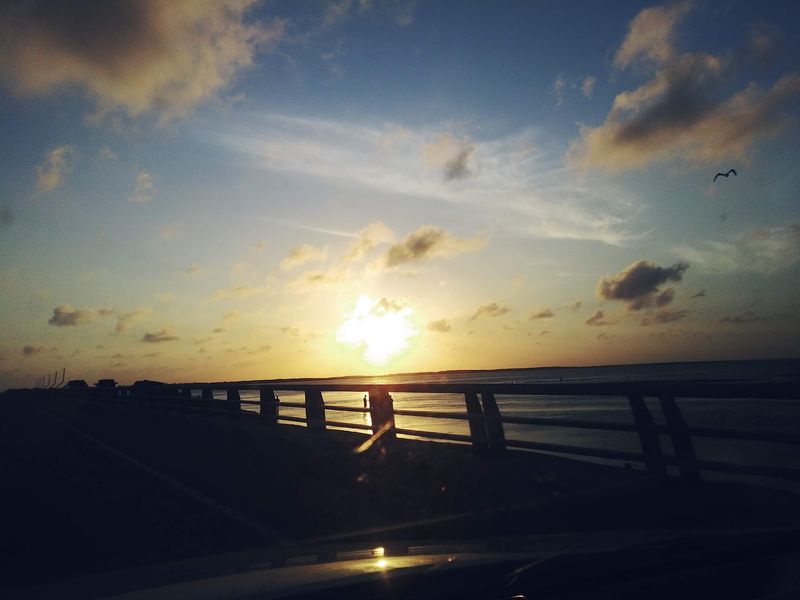
Sunsets here are legendary. The sky explodes in shades of orange, pink, and purple, and the water mirrors every color. It’s the kind of sight that makes you want to pull over and just watch, though parking on the bridge itself isn’t allowed.
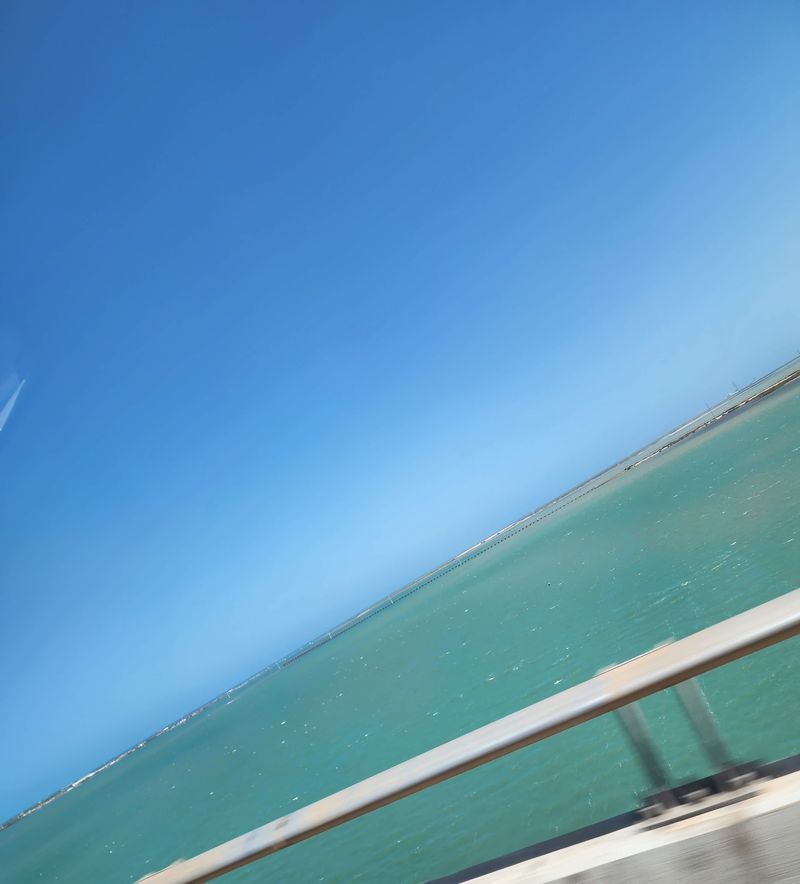
The Laguna Madre is one of only a few hypersaline lagoons in the world, meaning the water is saltier than the open ocean. That gives it a unique turquoise hue that looks almost tropical. On windy days, whitecaps dance across the surface, and kitesurfers take advantage of the gusts.
Birdwatchers love this stretch of road. Roseate spoonbills, herons, and egrets are常见 sights along the shoreline. During migration season, the sky fills with flocks heading north or south depending on the calendar.
Even if you’re not into wildlife, the sheer openness of the landscape is refreshing. There’s something calming about being surrounded by so much water and sky with nothing blocking your view.
3. A Fisherman’s Dream Spot
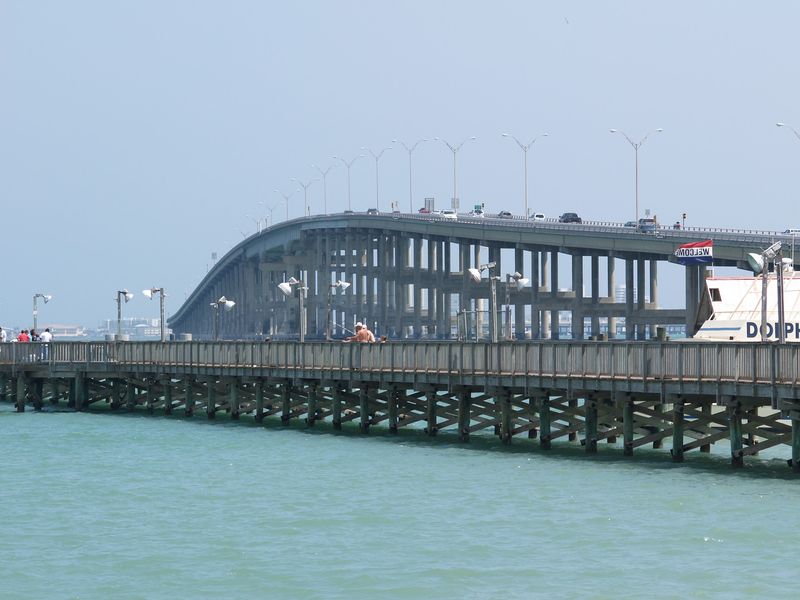
Anglers consider the waters around the Queen Isabella Causeway some of the best fishing in South Texas. Redfish, speckled trout, and flounder thrive in the shallow flats of the Laguna Madre. The bridge pilings create artificial reefs that attract baitfish, which in turn draw bigger predators.
You’ll often see trucks parked near the base of the bridge on either side, with coolers and rod holders set up along the banks. Wade fishers walk out into the knee-deep water, casting toward the pilings or working the grass beds. It’s a social scene too, with regulars swapping stories and tips while they wait for a bite.
Kayak fishermen launch from nearby ramps and paddle under the bridge, targeting the shaded areas where fish like to hide during the heat of the day. The current can be strong, especially during tide changes, so it takes some skill to hold position and make accurate casts.
Charter boats also work these waters, offering guided trips for those who want to up their odds. Captains know exactly where the fish are holding and can put you on them fast. Spring and fall are prime seasons, but you can catch something year-round if you know what you’re doing.
Even if you don’t fish, watching the action from the bridge is entertaining. There’s always someone reeling in something, and the excitement is contagious.
4. Engineering That Stands the Test
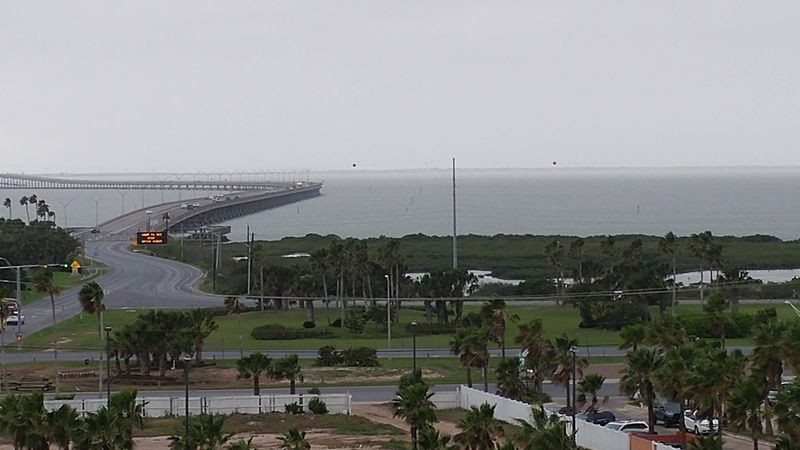
The Queen Isabella Causeway isn’t just long. It’s tough. Built to endure hurricanes, saltwater corrosion, and heavy traffic, the bridge represents some serious engineering muscle.
The original construction used prestressed concrete, a method that keeps the structure flexible enough to handle wind and wave stress without cracking apart.
Each section of the bridge was carefully planned to allow for expansion and contraction as temperatures shift. Texas heat can be brutal, and the concrete expands in summer, then shrinks in winter. Engineers accounted for that, installing joints that let the bridge breathe without compromising stability.
The 2001 accident, when a barge struck the bridge and caused a partial collapse, led to major upgrades. New fender systems were installed around the pilings to protect against future impacts. Navigation lights and radar systems were improved to help boats avoid the spans, especially at night or in fog.
Today, the bridge undergoes regular inspections to ensure it stays safe and functional. Crews check for cracks, rust, and wear, making repairs as needed. It’s a constant job, but one that keeps the causeway in top shape for the thousands of vehicles that cross it daily.
Driving over it, you might not think about all the work that went into building and maintaining it. But every smooth mile is a testament to smart design and careful upkeep.
5. Gateway to Island Life
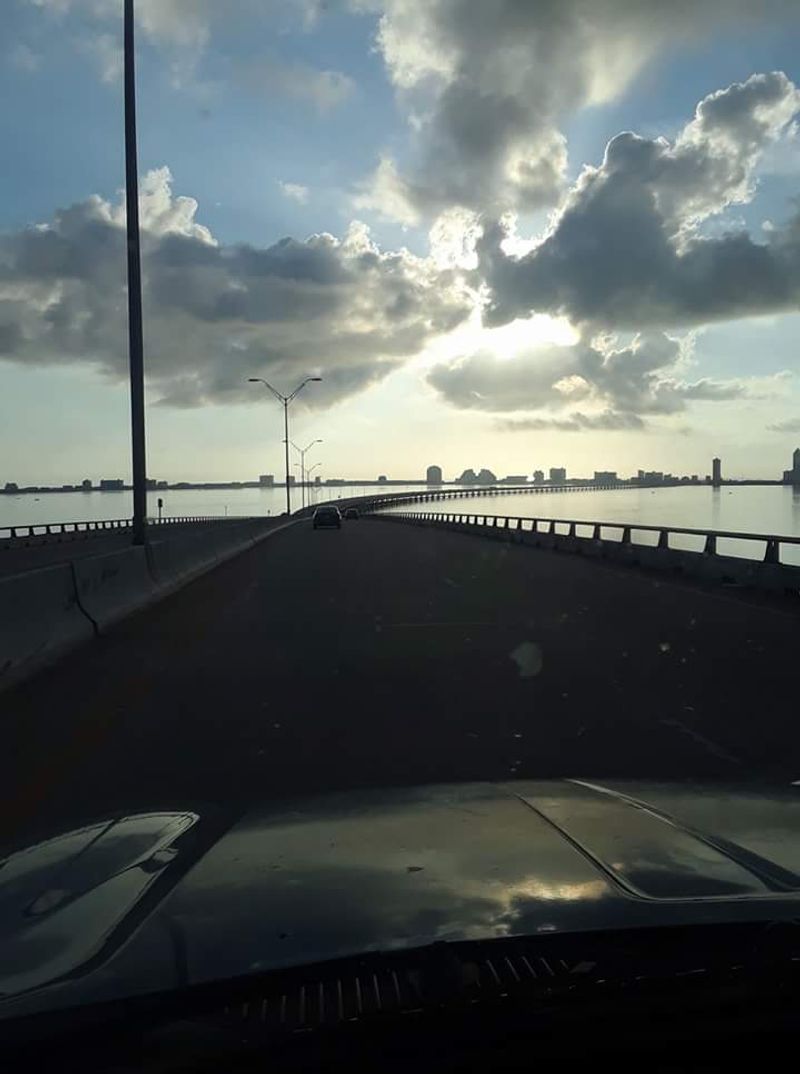
Cross the Queen Isabella Causeway and you land on South Padre Island, a 34-mile barrier island known for white sand beaches, spring break crowds, and laid-back coastal vibes. The bridge is the only road connection to the island, making it an essential part of daily life for residents and a must-cross for visitors.
The island itself is a study in contrasts. The northern end is wild and undeveloped, home to nesting sea turtles and migratory birds. The southern tip is where the action happens, with high-rise hotels, seafood restaurants, and beachfront bars.
No matter where you’re headed, the causeway is your entry point.
For locals, the bridge is part of the routine. They cross it for work, groceries, doctor’s appointments, and everything else that requires a trip to the mainland. It’s so ingrained in daily life that they barely notice the view anymore, though visitors always do.
During peak tourist season, especially spring break and summer weekends, traffic can back up as thousands of cars funnel onto the island. Patience is required, but the wait is worth it once you feel the ocean breeze and hear the waves.
The causeway also serves as a psychological boundary. Once you cross it, you’re officially on island time. Stress melts away, and the pace slows down.
It’s a transition that happens automatically, mile by scenic mile.
6. Wildlife Watching from the Road
The Queen Isabella Causeway doubles as a wildlife corridor, offering front-row seats to some of the Gulf Coast’s most impressive creatures. Dolphins are frequent visitors, surfacing near the pilings to hunt mullet and other small fish. If you’re lucky, you might spot a whole pod working together, corralling baitfish into tight balls before lunging through them.
Pelicans are everywhere. Brown pelicans, in particular, love to perch on the bridge railings and pilings, drying their wings in the sun after diving for fish. Watching them plunge into the water from 30 feet up is a spectacle.
They hit the surface with a splash, disappear for a second, then pop back up with a beak full of breakfast.
Herons and egrets stalk the shallows on both sides of the bridge, moving slowly through the water with their eyes locked on prey. Great blue herons stand nearly four feet tall, and they’re patient hunters. They’ll wait motionless for minutes before striking with lightning speed.
During migration, the causeway becomes a flyway for countless species. Warblers, terns, and shorebirds pass overhead in waves, heading to or from Central and South America. Birders set up spotting scopes along the roadside, checking off species and comparing notes.
Even non-birders get a kick out of the activity. There’s always something moving, whether it’s a ray gliding through the shallows or a frigatebird soaring high above.
7. Sunrise and Sunset Magic
Photographers and romantics agree: the Queen Isabella Causeway is one of the best places in Texas to catch a sunrise or sunset. The unobstructed horizon means you get the full show, from the first hint of color to the last glow fading into night.
Sunrise comes early on the Gulf Coast, especially in summer. The sky shifts from black to deep blue, then pink and gold as the sun breaks the horizon. The water catches the light, turning shades of copper and amber.
It’s quiet at that hour, with only a few early risers on the road.
Sunset is the main event. People plan their day around it, timing their drive to hit the bridge just as the sun starts to drop. The western sky ignites in layers of orange, red, and purple, and the clouds become canvases for the changing light.
It’s different every time, depending on cloud cover, humidity, and wind.
There’s no official pullout on the bridge itself, so most people watch from the island side or the mainland approach. Some park and walk partway onto the pedestrian path, though that’s not always allowed depending on traffic and safety rules.
Even if you’re just driving through, the view is stunning. Glancing west as the sun sinks into the bay is a moment that sticks with you long after the trip ends.
8. A Drive Worth Repeating
Most people cross the Queen Isabella Causeway because they have to. They’re heading to the beach, visiting family, or just passing through. But plenty of folks make the drive for the drive itself.
It’s become a local tradition to cruise the causeway on a Sunday afternoon, windows down, music up, just soaking in the scenery.
There’s something meditative about it. The rhythm of the road, the constant presence of water, the sense of being suspended between land and sea. It clears your head in a way few other drives can.
You’re not rushing to get anywhere. You’re just there, in the moment.
Motorcyclists love it too. The open road, the wind, the views. It’s a favorite route for weekend rides, and you’ll often see groups of bikes cruising in formation, enjoying the freedom of the open bridge.
For visitors, it’s a highlight of the trip. Many say the drive across is just as memorable as the beach itself. It sets the tone for the whole vacation, building anticipation as the island comes into view.
Locals never take it for granted. Even after thousands of crossings, there’s still something special about that stretch of road. It’s a reminder of why they live here, why they stay, and why they’ll keep coming back.
The Queen Isabella Causeway isn’t just a bridge. It’s a Texas treasure.
Share this story