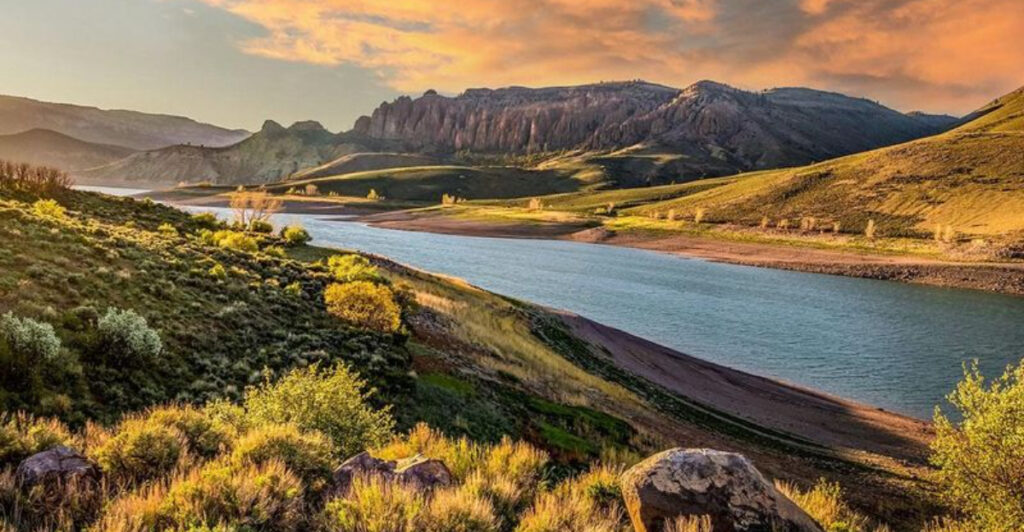
Miles of sparkling water surrounded by rugged hills make Blue Mesa Reservoir feel almost too vast to belong in Colorado. As the state’s largest body of water, this spectacular destination offers plenty of room for boating, fishing, camping, paddling, and exploring quiet stretches of shoreline beneath enormous Western skies.
Islands, rocky points, and secluded coves add to the sense of adventure, giving visitors countless places to wander or simply stop and enjoy the scenery. Whether you spend hours cruising the reservoir or settle beside the water until sunset, Blue Mesa delivers the kind of outdoor escape that can easily fill an entire weekend.
A Reservoir So Big It Changes the Whole View
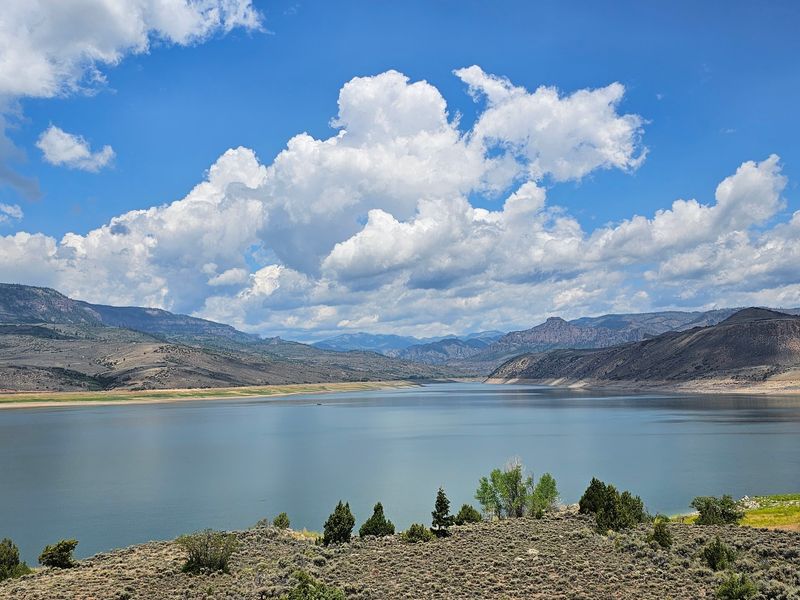
The first surprise at Blue Mesa Reservoir is its sheer size. In a state known for mountain lakes, this place spreads out in a broader, bolder way, with long reaches of water, fingers of shoreline, and open country that makes everything look extra wide.
Blue Mesa is often described as Colorado’s largest body of water, and that scale shapes the whole experience. Instead of one tight lake ringed by houses, the reservoir feels stretched across the landscape, with coves, bridges, launch areas, bluffs, and faraway shorelines that shift as the road moves beside it.
That big layout matters before anyone even parks the car. Scenic pull offs along the drive let travelers stop, take pictures, and get a better sense of how the reservoir sits inside Curecanti National Recreation Area, where the water cuts through high, dry country in a way that looks both rugged and calm.
Blue Mesa also changes from hour to hour. Morning light can make the water look smooth and silvery, while later in the day the surface turns darker, wind lines appear, and the coves seem more dramatic against the hills.
Even the shoreline keeps things interesting. Some spots are sandy enough for a casual break, while others are rocky, muddy, or lined with debris depending on water level and recent conditions, so it helps to stay flexible and check several access points instead of settling for the first turnout.
Anyone planning a day here should allow extra time just to look around. Blue Mesa is not a quick roadside glance kind of place. Its scale invites wandering, slow driving, and stopping more than once before the real adventure even begins.
Boat Days Start Best with a Map and an Early Launch
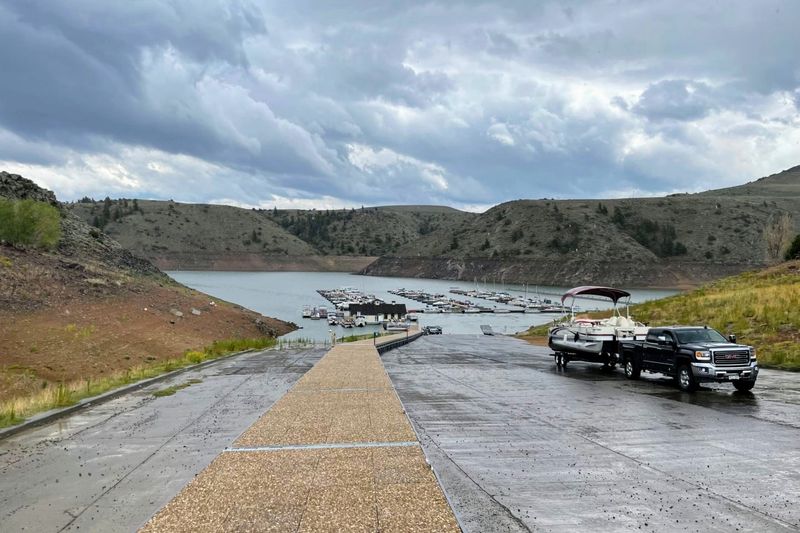
Nothing unlocks Blue Mesa faster than a boat. From shore, the reservoir already looks huge, but once a boat leaves the ramp, the place opens into side channels, quiet inlets, and long stretches of water that make the shoreline seem almost endless.
That is a big reason boating is such a central part of the Blue Mesa experience. Motorboats, pontoons, kayaks, paddleboards, and even wind-powered craft all make sense here, because the reservoir has room to roam instead of forcing everyone into one crowded loop.
Timing matters more than many first-time visitors expect. Mornings are usually the easier window for getting out, because afternoon winds can build quickly, storms can move in fast, and conditions that seem gentle near shore can become rough in open water.
Planning ahead also helps at the launch. Watercraft inspections are required for many motorized and trailered boats to help stop invasive species, so arriving with extra time is smarter than rushing and hoping the process will be instant.
Once on the water, the best approach is not to speed from point to point. Blue Mesa works better when boaters slow down, study the coves, and notice how the reservoir bends into creek arms and more sheltered pockets where the scenery turns quieter and the highway disappears.
For paddlers, that same advice matters even more. Early hours often bring calmer surfaces for kayaking or paddleboarding, while the longer afternoon fetch across open water can turn a relaxing outing into a tiring push back to shore.
Bring layers, water, and sun protection, then treat distance seriously. On a reservoir this large, a casual loop can take longer than expected. The reward is freedom: wide water, changing views, and hours of exploration beyond the first boat ramp.
Camping by the Water Comes with Real Elbow Room
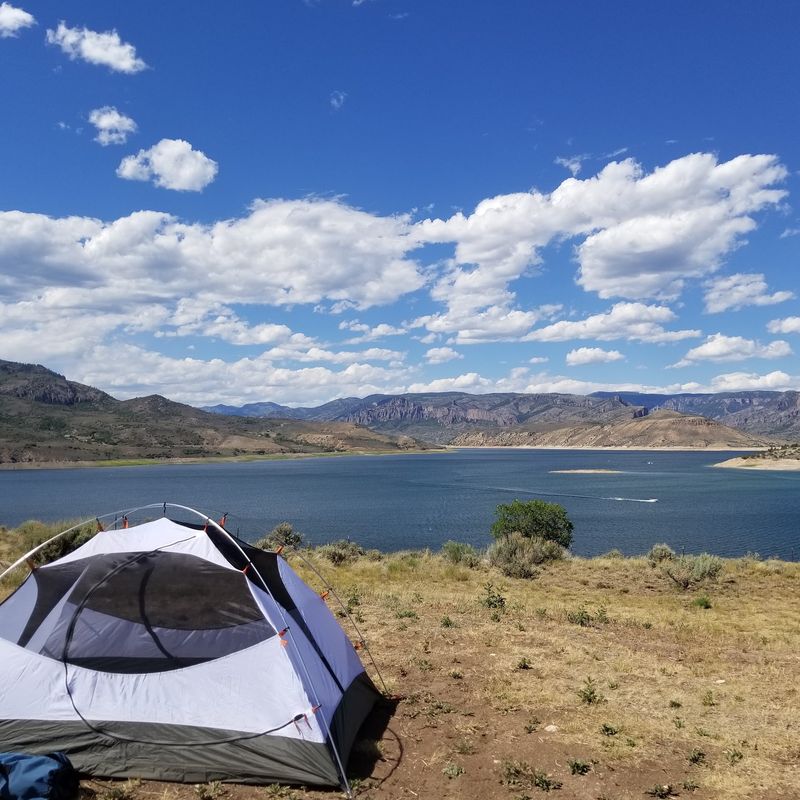
Camping at Blue Mesa Reservoir has a roomy, unfussy appeal. Instead of squeezing into a packed resort mood, many camping areas around the reservoir offer a more open setup, where water, sky, and distance do most of the work.
That kind of space changes the pace of a trip. A campsite here can become a base for fishing at dawn, boating by late morning, a simple lunch in the shade, and a quiet evening watching the color shift across the hills and water.
Blue Mesa draws tent campers, RV travelers, and families looking for a place that feels active without feeling frantic. Campgrounds in the recreation area give people access to launches, shoreline, and scenic roads, which means a single overnight stay can include much more than sitting at camp all day.
Conditions on the ground are worth thinking about before arrival. Some shore areas may be rocky, some sandy, and some muddy when water levels change, so sturdy shoes are better than flimsy flip-flops if the plan includes walking down to fish, swim, or pull a kayak onto land.
Wind is part of the camping story too. Even a warm afternoon can shift quickly, so tying down tents well, keeping loose gear secure, and having a light jacket ready makes camp life easier when the reservoir starts to stir.
Families often appreciate that the trip can stay simple. Picnic tables, access roads, restrooms at certain developed areas, and nearby marinas or stores in the broader area help reduce the stress that sometimes comes with bigger outdoor vacations.
The best move is booking or planning early during busy summer months. Blue Mesa has the kind of layout that makes people want to stay once they see it. With water in front, stars overhead, and plenty of breathing room, camping becomes part of the main event.
Hours of Wandering Begin Where the Shoreline Breaks Apart
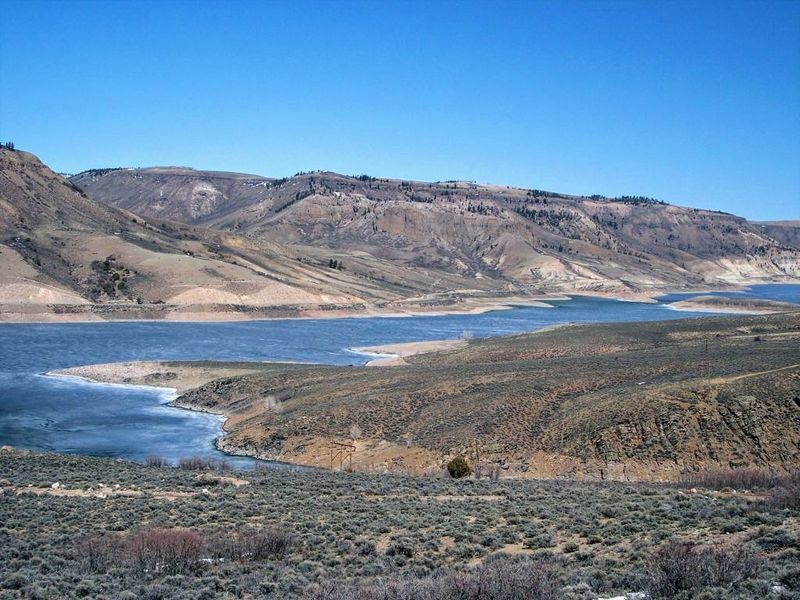
Some places are built for a checklist. Blue Mesa is better for wandering.
The shoreline is long, broken up, and full of little changes, so a walk here can turn into an hour of poking around coves, watching the water, and following the land as it bends away.
That roaming quality is a big part of the reservoir’s pull. With roughly 96 miles of shoreline often associated with Blue Mesa, there is room to keep moving instead of circling the same beach, dock, or picnic area over and over.
The walk itself changes by location. One section may offer a sandy patch where kids can splash near shore, while the next may be rocky, muddy, or edged with bits of drift and debris, especially when water levels sit lower and expose more ground.
Because of that, wandering works best with simple expectations. It is smart to wear shoes that can handle uneven surfaces, carry drinking water, and be ready to turn around if a route looks steeper, messier, or more exposed than expected from a distance.
Some of the best moments are not big landmark moments at all. A quiet pocket of shore, the echo of waves against stone, a line of clouds moving over the reservoir, or a sudden open view across the water can make a casual stroll feel much richer than a standard lakeside walk.
Not every area around the reservoir has formal trails right at the water’s edge, and some roadside spots sit close to Highway 50. That means choosing access points carefully matters if the goal is a calmer, more relaxed stretch of shoreline.
Blue Mesa rewards patient explorers. Bring a small bag, take your time, and let the reservoir show its rougher corners as well as its easy ones. Wandering here is less about reaching one spot and more about following the shape of the water.
Fishing Water with a Serious Reputation
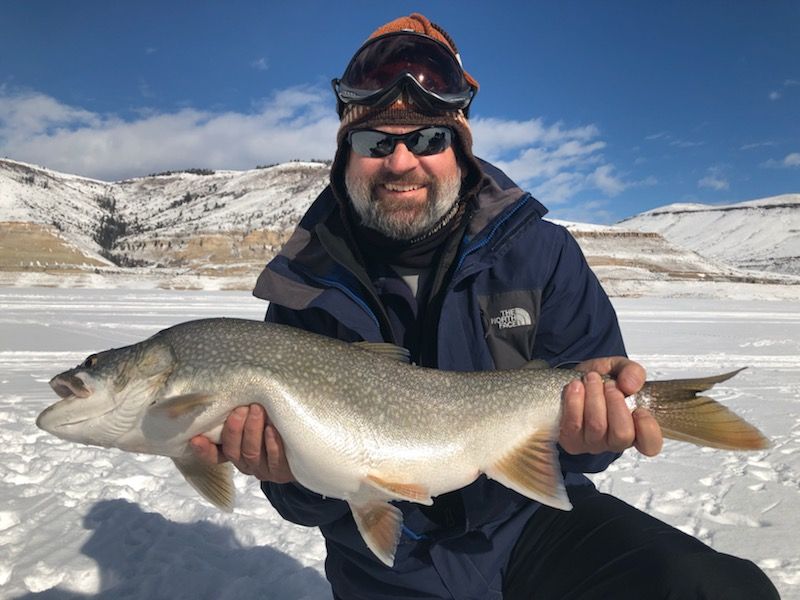
Fishing gives Blue Mesa Reservoir a whole different personality. Quiet coves become strategy zones, bridge areas start to look promising, and a long stretch of water that seemed empty from the road suddenly feels full of possibility.
The reservoir is widely known for trout and kokanee salmon, and that reputation helps explain why anglers keep returning in different seasons. Even when the bite is not easy, the scale of the lake and the variety of water keep the search interesting.
Success here usually depends on patience and movement. Blue Mesa is not a tiny pond where one lucky cast solves everything, so anglers often do better when they pay attention to location, conditions, and how the water changes across the day.
Shore fishing can be productive in the right spots, but it comes with a few practical realities. Mud can be sticky in some areas, rocky edges can be slippery, and changing water levels may make a familiar access point look very different from one visit to the next.
Boat anglers gain range, which can help on a reservoir this large. Reaching creek arms, deeper sections, or less pressured zones opens more choices, though that same freedom means watching wind and weather closely before heading far from the launch.
Families often like Blue Mesa because fishing can pair easily with the rest of the day. One person can cast from shore while others picnic, explore nearby, or wait for a better swimming patch, turning the outing into more than a single-purpose trip.
Checking local rules, seasonal conditions, and any current advisories before arriving is a wise step. Water quality and reservoir conditions can change.
On the right day, though, Blue Mesa delivers the kind of fishing trip where the scenery is huge, the water is active, and every cove offers another reason to try again.
Blue Mesa Colorado Scenery Gets Bigger at Sunset and After Dark
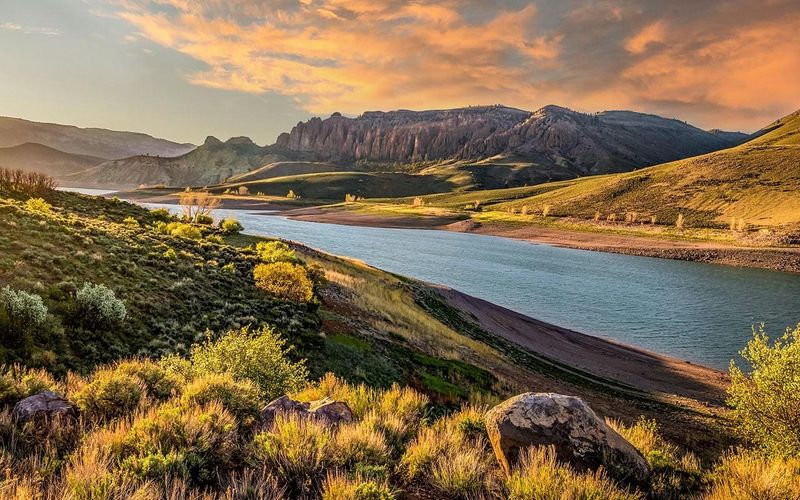
Late day is when Blue Mesa starts showing off in a different way. The big water softens, the hills darken, and the whole reservoir trades its bright daytime glare for color, shadow, and a slower rhythm that suits people who are happy just watching.
Sunset matters here because the land around the reservoir is open enough to let the sky perform. Long horizontal views, dry slopes, and broad water surfaces give the changing light room to spread, so even a simple pull off can feel like a front-row seat.
Campers get the best version of this shift. Dinner at a picnic table, a short walk to shore, and a few quiet minutes near the water can turn the end of the day into one of the strongest parts of the trip, especially when afternoon wind finally settles down.
After dark, Blue Mesa can offer striking night skies when conditions cooperate. The area has a reputation for strong stargazing, and that fits the landscape, where wide-open views and less urban glow help the stars take over once the last bands of color fade from the horizon.
Comfort still matters at this hour. Temperatures can drop after sunset even when the day felt warm, so layers, flashlights, and a plan for moving around camp safely make the evening much easier.
Families with kids often enjoy this part most because it costs nothing and asks for very little. A blanket, some snacks, and the patience to sit still for a while are enough to turn a simple evening into the main memory of the trip.
There is no need to chase a complicated itinerary once the light begins to change. Blue Mesa handles that work on its own. The reservoir goes from active playground to quiet stage, and the final scene is all water, sky, and space.
Smart Timing Beats a Rushed Trip Every Time
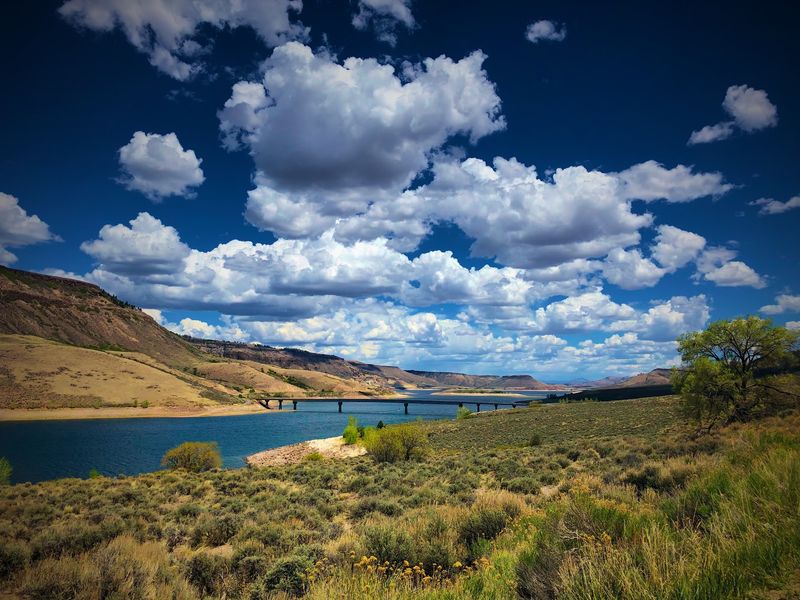
A rushed visit can miss the best parts of Blue Mesa Reservoir. The place is simply too spread out for a quick stop with no plan, especially if the goal is to boat, camp, wander, and still have enough energy left to enjoy the views.
The smartest timing starts with the weather. Morning is often better for boating and paddling, while afternoons can bring stronger winds and fast-building storms that change the water from easygoing to challenging in a short span.
Season matters too. Summer is the busiest stretch, especially from midseason into early fall, so campgrounds, rentals, and the most convenient access points can fill up faster than first-time travelers expect.
Water level also shapes the experience in practical ways. Shoreline conditions may look different from year to year, boat ramps can operate differently depending on conditions, and the quality of beach access can vary, so flexibility is more useful here than a rigid picture of how the day should go.
Packing well makes a major difference. Sun protection, extra drinking water, layers for wind, shoes for mixed terrain, and snacks for longer drives between stops all help, because Blue Mesa is not a place where every activity sits right next to the last one.
Families should also build in driving time between sections of the reservoir. What looks close on a map can take longer than expected once the road curves around inlets and high shorelines, and that extra distance is part of what gives Blue Mesa its wild, stretched-out character.
The best plan is simple: choose one main activity, add one backup, and leave room for surprise stops. That could mean boating plus a shoreline walk, or camping plus fishing at dawn. Blue Mesa works best when the schedule has structure, but not so much that the reservoir cannot interrupt it.
Why This Massive Reservoir Stands Apart in Colorado
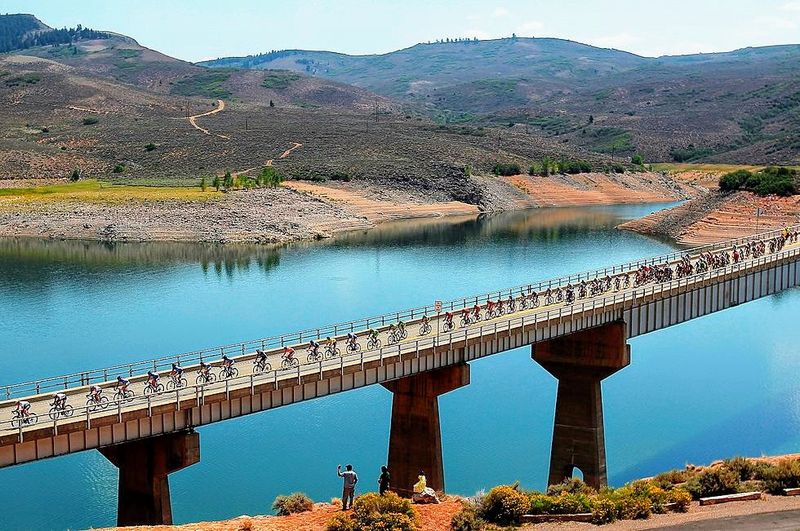
Plenty of Colorado destinations are scenic. Blue Mesa Reservoir stands apart because it combines size, access, and variety in a way that keeps the day moving.
You can start with a drive, shift into boating, stop for lunch by shore, wander a while, and still have enough left for fishing or sunset.
That mix gives the reservoir a rare kind of flexibility. Some places are best at one thing only, but Blue Mesa supports several styles of trip at once, whether the group wants quiet water time, a family campground, a photo-heavy road stop, or a full day built around outdoor recreation.
The setting helps too. Blue water against dry hills and high-country light creates a western landscape that looks different from the forested lake image many travelers expect elsewhere in Colorado.
It is broader, sunnier, and in many areas more open to the sky. Blue Mesa also rewards different energy levels. Adventurous visitors can cover miles by boat or spend hours chasing fish, while slower travelers can enjoy pull offs, short shoreline walks, picnic breaks, and time simply watching the reservoir change color and texture through the day.
There are real-world limits, of course. Wind can be strong, beaches vary, water levels matter, and not every roadside spot offers the same sense of escape.
Yet those details do not shrink the place. They simply remind visitors to treat it as a large working landscape rather than a polished resort lake.
That is exactly why the reservoir holds attention. Blue Mesa offers room to roam without pretending to be tidy or predictable. It asks for a little planning, a little patience, and a willingness to explore beyond the first viewpoint.
For travelers looking for a Colorado water destination with space to boat, camp, and wander for hours, Blue Mesa delivers a bigger canvas than most people expect. The scale is the headline, but the freedom is what makes the trip work.
Share this story