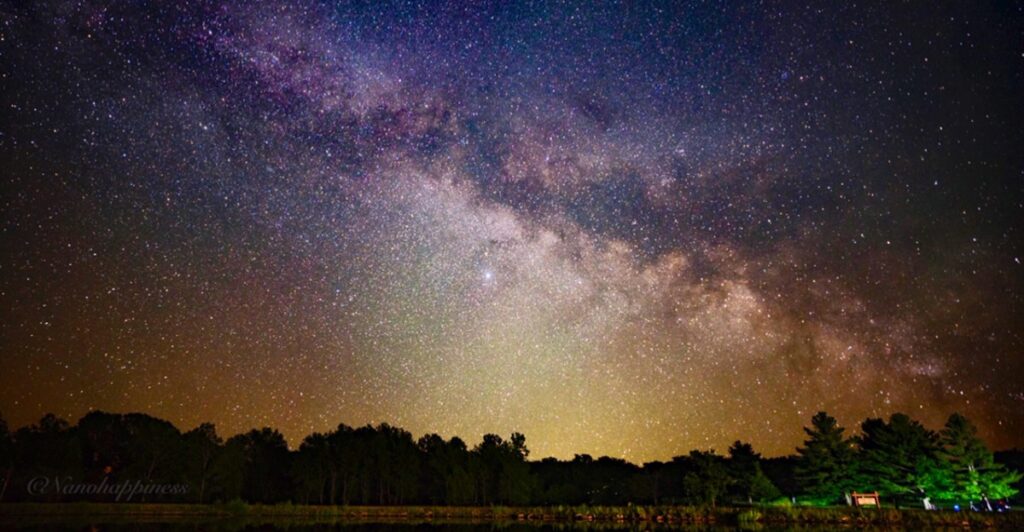
When the sun disappears over Middle Fork River Forest Preserve, an entirely different attraction begins to shine. Located near Penfield, this peaceful Illinois park is recognized as an International Dark Sky Park, offering families a chance to admire stars without the overwhelming glow of city lights.
Open landscapes and quiet surroundings create a wonderful setting for spotting constellations, watching for meteors, and introducing kids to the night sky. During daylight hours, visitors can explore trails, enjoy the ponds, or spend time camping before the evening show begins. Bring a blanket, check the forecast, and prepare for an Illinois adventure that gets better after dark.
Illinois Has a Dark Sky Surprise Near Penfield
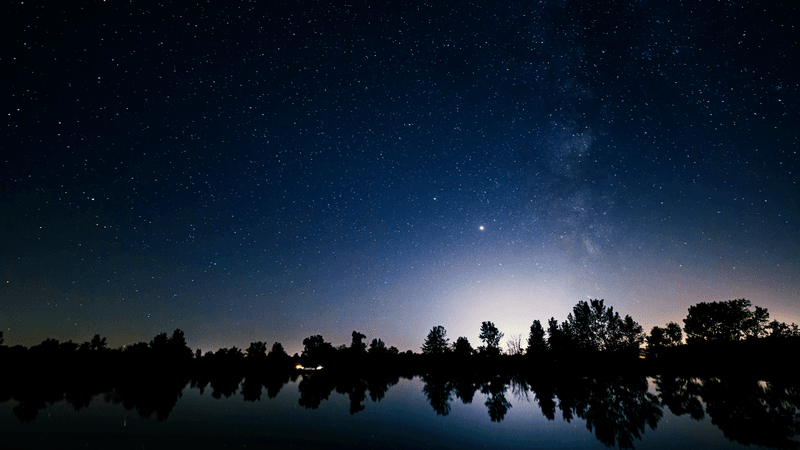
The biggest surprise arrives overhead, not at the entrance. Once daylight fades at Middle Fork River Forest Preserve, the sky can reveal stars that disappear behind the glow of brighter neighborhoods.
Located near Penfield in northeastern Champaign County, the preserve sits in a rural setting where surrounding development produces less light than a busy urban area. Trees frame the view, while open spaces offer a broader window onto the sky.
Middle Fork earned International Dark Sky Park recognition in 2018, becoming the first park in Illinois to receive that designation. The honor recognizes efforts to protect nighttime darkness through responsible lighting, public education, and care for the natural setting.
That label does not promise a perfectly black sky every evening. Clouds, haze, moonlight, and lights beyond the preserve still affect the view, so a clear forecast matters as much as the destination itself.
For families used to seeing only a handful of bright stars, the difference can be striking. Start by looking for a familiar pattern, then notice how many smaller points appear around it after your eyes settle into the darkness.
Choose an approved viewing spot with an open overhead view rather than standing beneath a thick tree canopy. Arrive before sunset to understand the layout, identify uneven ground, and find a safe route back without needing a bright flashlight.
There is no need to promise children a sky packed with shooting stars or a blazing Milky Way. Those sights depend on timing and conditions, while simply spotting more stars is a realistic goal for a first outing.
The preserve’s appeal rests on that simple contrast: ordinary Illinois countryside by day, a much richer ceiling after dark. Keep expectations flexible, let your eyes adjust, and give the sky time to show details that a quick glance would miss from home on most evenings.
Let Your Eyes Catch Up With the Stars
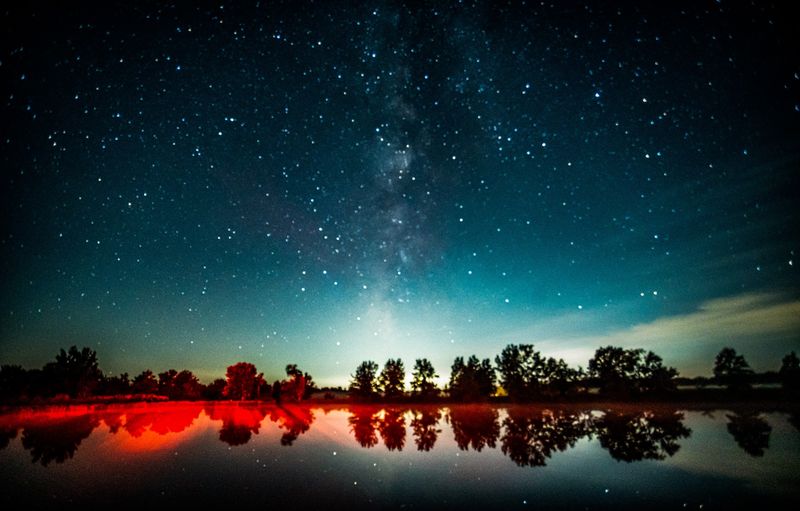
Put the phone away, and the sky starts doing more work. Your eyes need time to adjust after exposure to headlights, screens, or bright lamps, so the first few minutes rarely show everything available.
Allow roughly twenty to thirty minutes for better night vision. During that waiting period, settle into a chair, listen to the evening sounds, and have children point out the brightest objects they can already see.
A dim red flashlight can help you check your footing without flooding the viewing area with white light. Keep it aimed downward, use the lowest useful setting, and remember that even red light can bother nearby observers when it is too bright.
For an easy family activity, pick one recognizable star pattern and build outward from there. The Big Dipper can be a useful starting point when visible, while a simple seasonal sky chart helps explain how the view changes throughout the year.
Children do not need to memorize a whole constellation map. Ask them to compare star brightness, look for different colors, or count how many faint stars emerge in one small patch after several minutes.
Binoculars are often a friendlier first tool than a telescope. They are easier to carry and share, although younger children may need help holding them steady and adjusting the spacing between the eyepieces.
Download any sky guide before arriving, then lower the screen brightness and use its night setting if available. Better still, check the chart briefly and return to looking upward rather than turning the outing into a phone lesson.
Leave room for silence between discoveries. A family can learn plenty without naming every light overhead, and nobody needs to finish a checklist before bedtime. The practical goal is simple: comfortable bodies, patient eyes, and fewer bright interruptions while the stars gradually become easier to pick out above the trees.
The Moon Gets a Vote in Your Evening
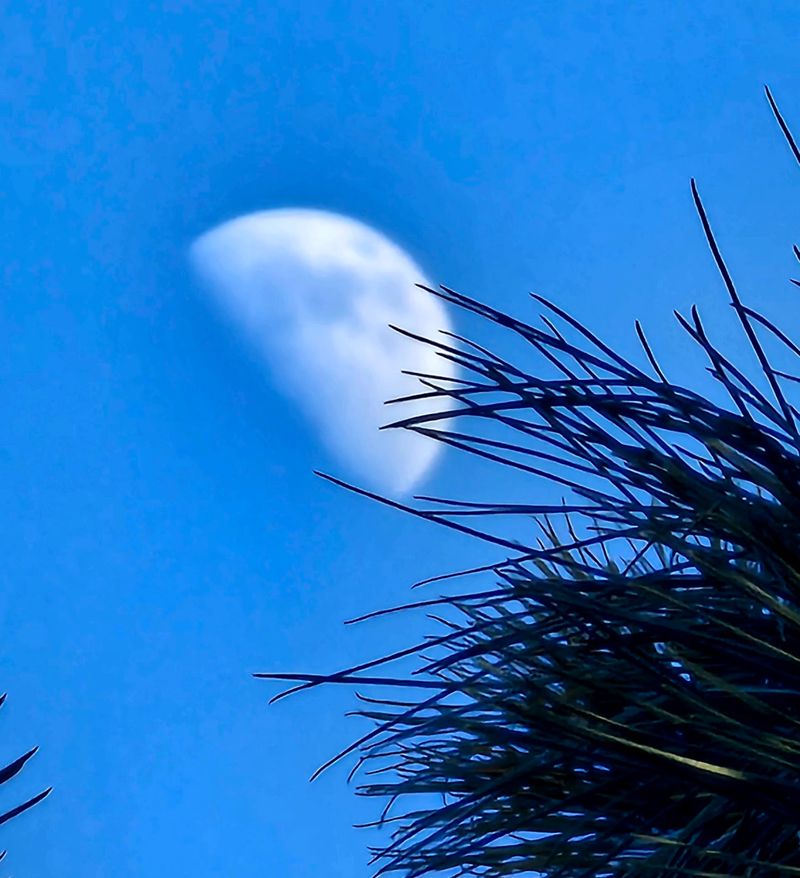
A clear forecast is only half the plan. The moon can brighten an otherwise dark evening enough to hide faint stars, which makes its phase and rising time useful details to check before leaving home.
For the richest star field, aim for a night near the new moon or a period when the moon is below the horizon. Those conditions reduce natural sky brightness and give dimmer objects a better chance to stand out.
A full moon offers a different outing rather than a failed one. Its light can outline trees and brighten the landscape, but families should expect fewer faint stars and avoid treating that evening as the best test of the preserve’s darkness.
Twilight also takes time to fade. Sunset is not the same as full darkness, especially during summer, when children may need to stay awake later than parents first expect.
Check cloud cover, rain chances, temperature, and wind together. A cloudless evening can still be uncomfortable if everyone arrives in shorts and the temperature drops, while thin clouds may wash out stars without looking especially threatening from the car.
Meteor showers deserve a little homework, too. Their peak dates, moon conditions, and best viewing hours change, and even a well-timed visit never guarantees a steady stream of bright streaks.
Instead of promising a specific number of meteors, make spotting one a bonus. Keep your view broad, allow plenty of waiting time, and skip binoculars for that activity because they narrow the area of sky you can watch.
Build a backup plan that fits the actual evening. Moon watching, identifying bright stars, or enjoying a short permitted viewing session can still give children a useful introduction to astronomy.
Before committing to a late arrival, confirm current nighttime access rules, since a dark sky designation does not mean every preserve area remains open.
A Campsite Makes Bedtime Part of the Plan
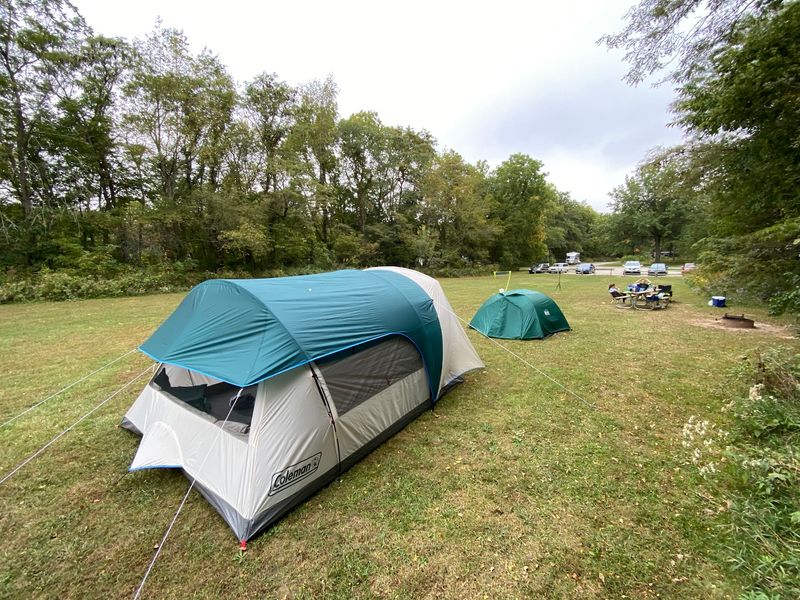
Bedtime becomes much easier to manage when the tent is nearby. Camping at Middle Fork lets families build a night around the sky without adding a long drive immediately after everyone starts getting sleepy.
The preserve’s campground accommodates tent and RV camping, with electric and nonelectric options. Site features differ, so check the current campground information rather than assuming every space has the same hookups, shade, or distance from facilities.
Trees and greenery provide separation around many campsites, giving the camping area a more sheltered character. That cover is useful during the day, but it can also block stars directly above your tent.
Choose your campsite for sleeping comfort first, then identify an approved nearby place with a clearer sky view. Do not assume a private-feeling site automatically offers the widest view or permission to wander into other areas after hours.
Set up while there is still daylight. Children can help arrange sleeping bags, locate the bathroom route, and learn which landmarks mark the way back before the surroundings become harder to read.
Keep late snacks simple and store food according to campground rules. A thermos, an extra blanket, and easy footwear can prevent repeated trips between the viewing spot and the campsite when the night gets cooler.
Reservations, fees, operating dates, and check-in procedures should be confirmed before travel. Families bringing an RV should also verify water access, electrical service, and dump station availability for their particular stay rather than relying on older accounts.
Respect quiet hours even when an exciting discovery brings everyone out of their chairs. Keep voices low, skip outdoor speakers, and avoid decorative lights that spill into neighboring sites.
When younger children reach their limit, one adult can head back with them while others continue watching, provided everyone has a safe plan and follows the campground’s nighttime rules throughout the stay.
Follow the River Before Looking Up
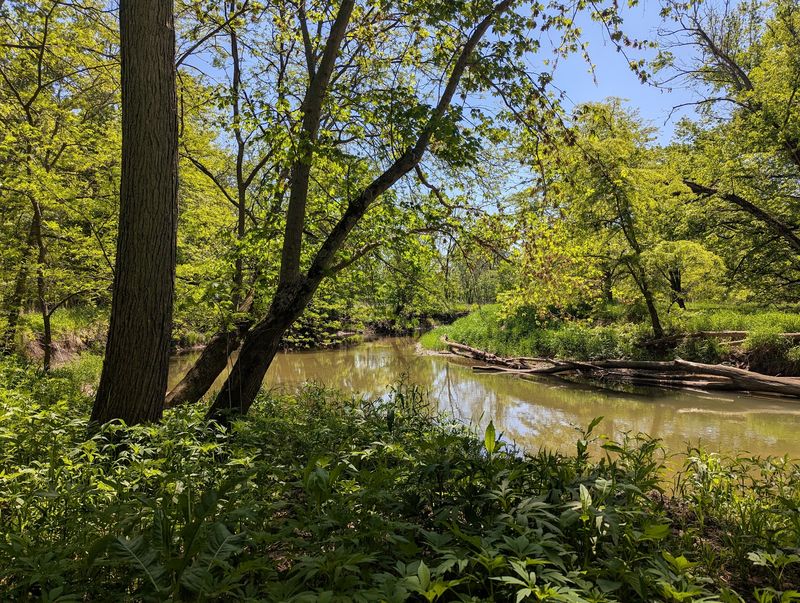
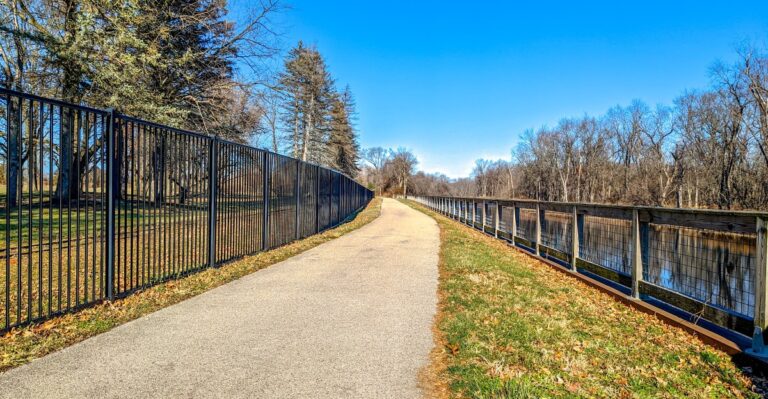
Waiting for darkness is easier with muddy shoes and a little daylight exploring already behind you. Middle Fork offers trails, river scenery, and ponds that give families a reason to arrive well before the evening viewing begins.
A daytime walk also introduces the landscape you will later see as silhouettes. Notice where woodland meets open ground, how the river shapes the setting, and which paths return directly toward familiar facilities.
Choose a route that matches the youngest walker’s energy rather than squeezing in the longest possible loop. Trail conditions can change with weather and maintenance, so use current maps and posted information instead of treating an older mileage description as a guarantee.
Closed shoes are a sensible choice around grass, damp ground, and uneven surfaces. Carry water, use suitable insect protection, and check for ticks after spending time near vegetation.
The ponds provide another daytime option, including fishing where permitted. Confirm Illinois licensing requirements and local rules before casting, and supervise children closely near the water even when the shoreline appears calm.
A swimming beach and playground add variety to the family visit, but availability can be seasonal or affected by conditions. Check current openings before making swimming the main promise of the day, and follow posted restrictions for pets and activity areas.
Keep wildlife watching patient and hands-off. Looking for birds near the water or noticing tracks along a trail can connect the afternoon outing to the nighttime environment without chasing animals or leaving established routes.
Protect some energy for the evening. A short walk, an early meal, and a rest at camp may work better than filling every hour with activity.
As daylight softens, return to the area where you are permitted to stay, add warmer layers, and trade close-up details along the trail for a much wider view overhead once full darkness finally arrives.
Pack for Darkness, Not Just the Drive
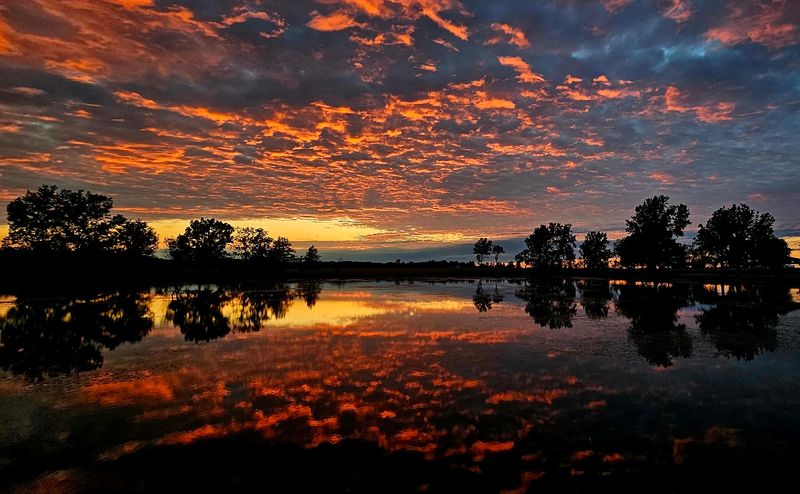
The most useful stargazing gear may be a blanket, not a telescope. Standing still outdoors can get chilly, and children who are cold, thirsty, or tired usually stop caring about constellations pretty quickly.
Pack layers even when the afternoon is warm. A light jacket, long pants, and an extra pair of socks help cover the change between walking in sunshine and sitting quietly after dark.
Reclining chairs or a ground blanket make looking upward less tiring on the neck. Place them on stable ground in a permitted area, away from roads, water edges, and routes other visitors need to use.
Bring drinking water and a small snack, but keep the setup tidy. Collect wrappers immediately, secure food when finished, and leave no scraps that could attract wildlife around campsites or viewing areas.
A flashlight remains necessary even when darkness is the attraction. Use a dim setting for ordinary movement, but do not sacrifice safety if you need stronger light to deal with a hazard or help a child.
Prepare directions to 3485 County Rd 2700 E, Penfield, before starting the drive. Save your route and useful information in advance so arrival does not depend on getting a strong mobile signal at the last turn.
Check the preserve’s current access hours and designated nighttime arrangements before departure. Day-use areas, campground access, and special astronomy programs may have different rules, so confirm where your family can legally park and remain after sunset.
Decide on a reasonable stopping time together. Younger children may do better with a brief session than a long wait for ideal viewing conditions, especially on school nights.
Keep the return route familiar, make sure each child stays with an adult, and pack equipment before everyone becomes exhausted. A modest kit and a clear exit plan handle more problems than an expensive telescope ever could.
Keep the Night Dark for the Next Family
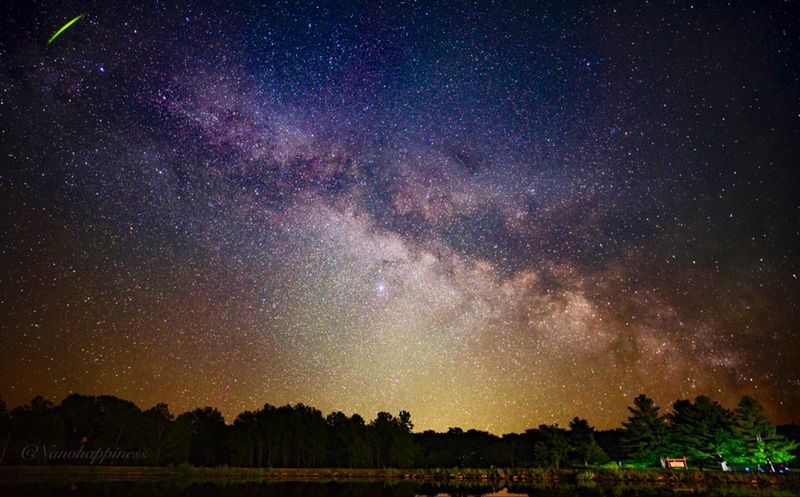
One bright lantern can change the evening for everyone nearby. At a park recognized for its dark skies, small choices about lighting help protect the very experience families came to enjoy.
Use only the light you need, when you need it, and direct it toward the ground. Avoid leaving powerful lamps running around an empty campsite or pointing a flashlight across another group’s viewing spot.
Vehicle lights deserve attention as well. When arriving or leaving, move safely and follow posted traffic rules, but avoid unnecessary idling, repeated door opening, or parking choices that send headlights directly toward people watching the sky.
Noise travels differently when the surroundings settle down. A whispered discovery can still be exciting, while amplified music and shouting pull attention away from both the stars and the natural sounds around the preserve.
Darkness also belongs to wildlife. Many animals are active at night, and reducing unnecessary light helps limit disturbance to their normal routines, including movement, feeding, and communication.
Stay on permitted routes and give other visitors space. Do not enter an occupied campsite for a better angle on the sky, and ask before approaching someone’s telescope or handling any viewing equipment.
If an organized astronomy program is offered during your visit, follow the leader’s instructions about lights and viewing turns. Such events can provide useful guidance, but schedules and availability need checking rather than assuming a telescope session happens every weekend.
Before heading home, scan your area for dropped belongings and litter using the least light needed to do the job safely. Middle Fork stands out because protecting the night is part of protecting the preserve, not a separate attraction added after sunset.
Families can participate without special training: keep lighting modest, respect access rules, lower the volume, and leave the viewing space ready for whoever arrives next with a blanket and curious eyes.
Share this story