Pithole City, Pennsylvania, began as quiet farmland in Venango County. Then oil was found nearby, and the empty fields turned into one of the wildest boomtowns in American history. In only a few months, thousands of people rushed in, hoping to get rich. Hotels, businesses, saloons, and homes appeared almost overnight as people arrived from across the country chasing the promise of oil wealth.
For a brief time, Pithole seemed destined to become a major American city, fueled by excitement, speculation, and dreams of sudden fortune. But the boom was short-lived. As the oil wells declined and investment disappeared, the crowded town quickly began to fade. Today, the city is gone, but its story still shows how fast dreams can rise and fall. What remains is a fascinating reminder of Pennsylvania’s oil boom and the unpredictable forces that could transform an ordinary patch of countryside into a bustling town almost overnight—and erase it just as quickly.
1. Quiet Fields Before the Oil Rush
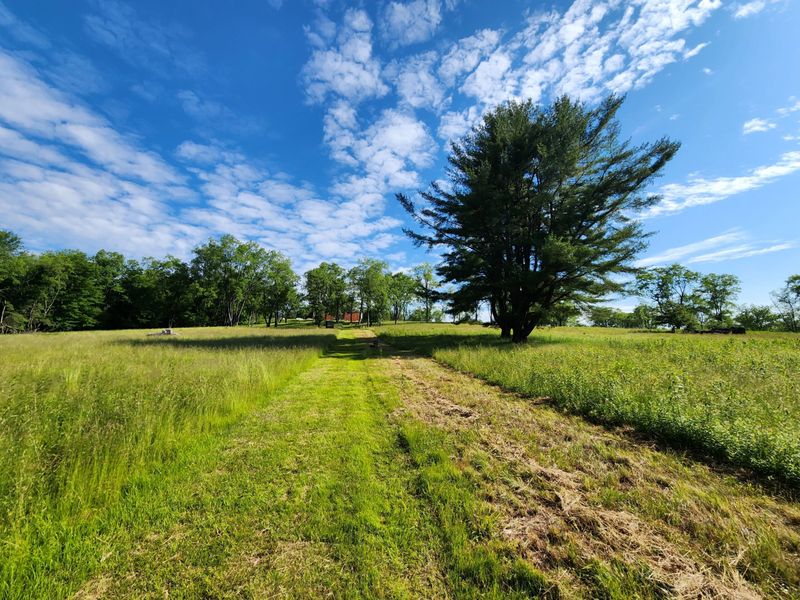
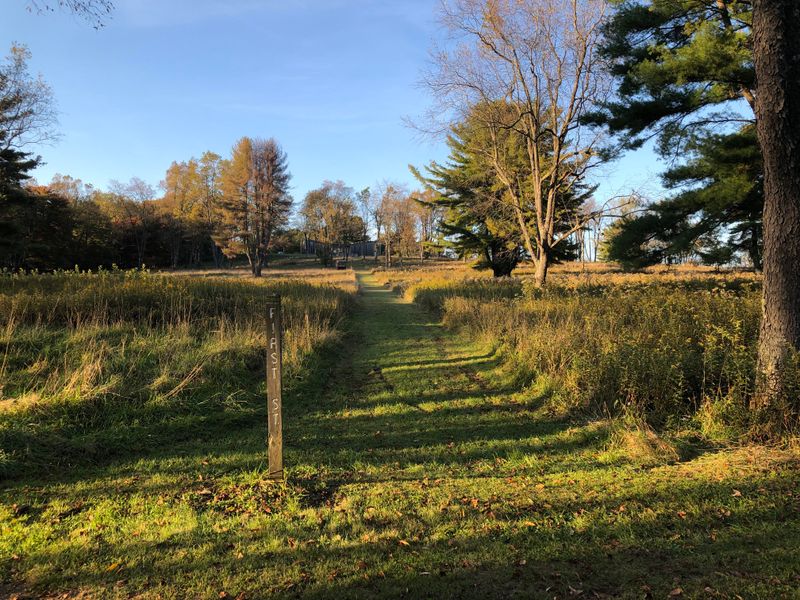
Before the noise, mud, and money arrived, the land that became Pithole City looked like ordinary Pennsylvania countryside.
Families farmed the hills of Cornplanter Township, where woods, fields, and small creeks shaped daily life.
Nothing about the quiet place suggested that crowds would soon pack into its open spaces.
The area sat in Venango County, not far from Oil Creek, where the first successful commercial oil well had changed the region.
Farmers understood the land as soil, timber, and pasture, while oil seekers saw something hidden underground.
That difference changed everything.
For readers today, Pithole is a reminder that major change can begin in places that seem sleepy or overlooked.
A field may look empty, but history often starts with someone asking what lies beneath it.
In this case, the answer was oil, and the result was astonishing.
2. Oil Fever Arrives in 1865
A whisper about oil could travel faster than a horse in 1865.
When wells near Pithole began producing, news spread through northwestern Pennsylvania and beyond.
People heard stories of black liquid pouring from the ground, and many believed a fortune was waiting for anyone bold enough to claim it.
Pithole grew during the larger Pennsylvania oil rush, which had started after Drake Well proved oil drilling could work.
Investors, drillers, laborers, shopkeepers, and curious visitors hurried toward the new strike.
Some came with tools, others with cash, and many arrived with little more than hope.
The rush shows how powerful opportunity can feel when it seems close enough to touch.
Oil fever was not calm or careful.
It pushed people to leave steady homes, crowd into a rough new settlement, and gamble on a future that might disappear as quickly as it appeared.
3. A City Built Almost Overnight
Imagine going to bed beside farmland and waking up near a city.
That was the strange speed of Pithole’s rise.
Within months, streets were laid out, lots were sold, and buildings climbed from the mud as fast as workers could hammer boards together.
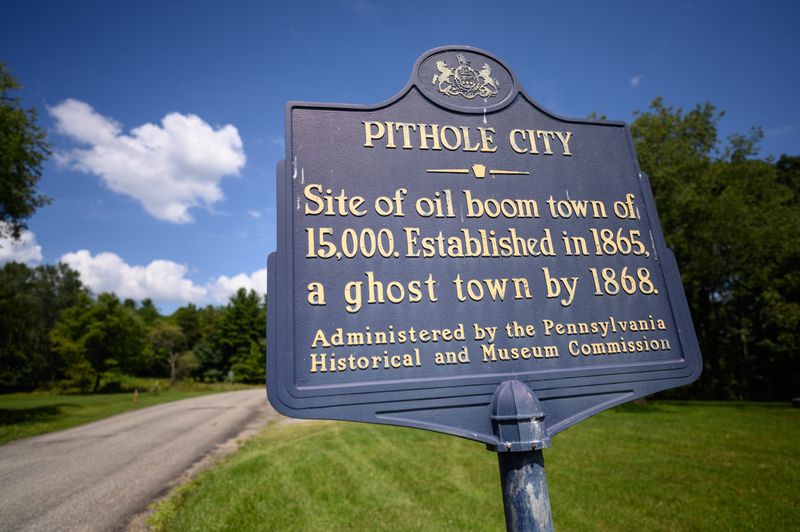
At its peak, Pithole had hotels, theaters, banks, newspaper offices, churches, saloons, boardinghouses, and businesses serving the oil trade.
The population has often been reported at around 15,000 people, a shocking number for a place that had barely existed.
The town even had a post office and busy stagecoach traffic.
Fast growth can be exciting, but Pithole also teaches caution.
A town built in a hurry may lack steady planning, clean streets, safe housing, and strong public services.
The boom created energy and wealth, yet it also produced crowding, confusion, and the feeling that everything was temporary.
4. Mud, Noise, and Daily Life
Life in Pithole was not as shiny as the oil profits people imagined.
Streets often turned into deep mud, especially with wagons, horses, and heavy equipment moving all day.
Wooden sidewalks helped, but they could not hide the mess, noise, smoke, and constant rush.
Residents and visitors needed food, beds, tools, mail, banking, entertainment, and news.
Business owners raced to meet those needs, sometimes charging high prices because demand was huge.
A simple room could be crowded, and meals were not always comfortable or cheap.
Still, the town had a lively spirit.
People swapped rumors about new wells, watched deals happen, and followed each fresh strike with excitement.
For anyone studying ghost towns, daily life matters as much as big numbers.
Pithole was not just derricks and money.
It was also tired workers, muddy boots, busy kitchens, crowded streets, and people trying to make normal lives in abnormal times.
5. Fortunes Made, Lost, and Chased
Money moved through Pithole like a runaway wagon.
Some landowners, drillers, and investors made profits quickly when wells produced oil.
Others bought leases, opened shops, or sold supplies, hoping to earn from the crowds even if they never touched a drill.
The excitement also brought risk.
Oil wells could slow down, fail, or become less valuable when better strikes appeared elsewhere.
Prices changed, rumors shaped choices, and many people spent money before knowing whether their plans would work.
A boomtown can make people feel rich before the money is real.
Pithole’s story is useful for modern readers because it feels familiar.
New trends still pull people in, from hot real estate markets to sudden business crazes.
The lesson is simple: opportunity can be real, but speed can cloud judgment.
Pithole rewarded some dreamers, yet it also left many holding empty hopes and unpaid bills.
6. The Bust Comes Fast
The strangest part of Pithole is not only how fast it grew.
The fall was just as quick.
Oil production dropped, better opportunities opened in other places, and people who had rushed in began packing up and leaving for the next promising field.
Buildings that had been full of noise stood empty.
Businesses closed, lots lost value, and the crowded streets grew quiet.
Some structures were moved, some were torn down, and others decayed.
Within a short time, the famous boomtown became a shell of itself.
For visitors and history fans, the bust is the heart of the lesson.
Pithole shows what can happen when a city depends too heavily on one resource.
When that resource fades, jobs, stores, and people can vanish together.
The place did not slowly grow old.
It burned bright, ran out of fuel, and slipped into memory.
7. What Remains at the Historic Site
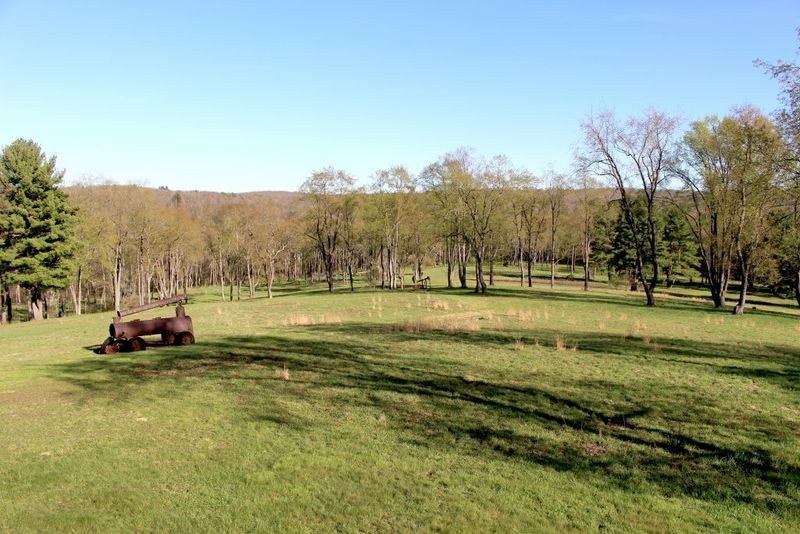
Today, Pithole City is quiet again, but not forgotten.
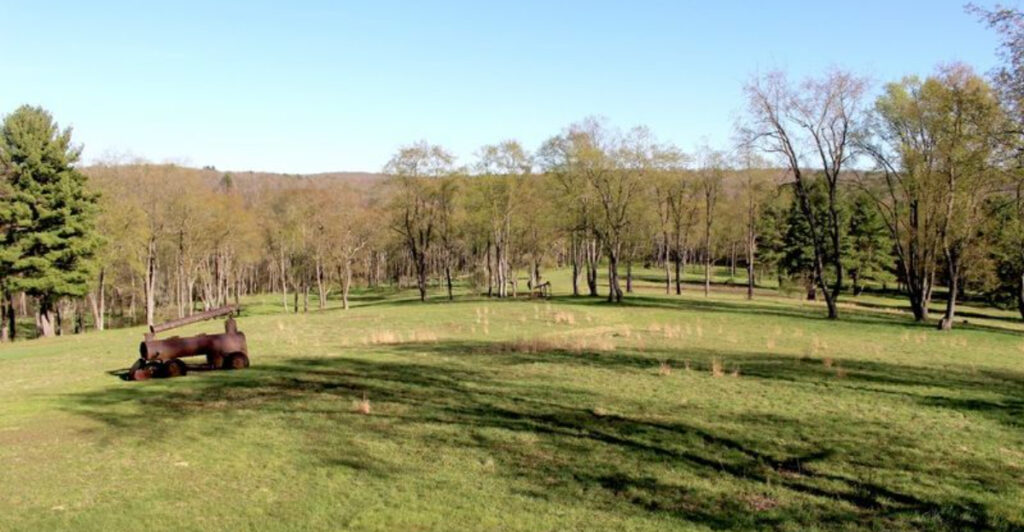
The site in Cornplanter Township preserves the memory of the vanished boomtown through markers, open ground, and historical interpretation.
Visitors do not find a busy city, which is exactly what makes the place powerful.
Walking there invites imagination.
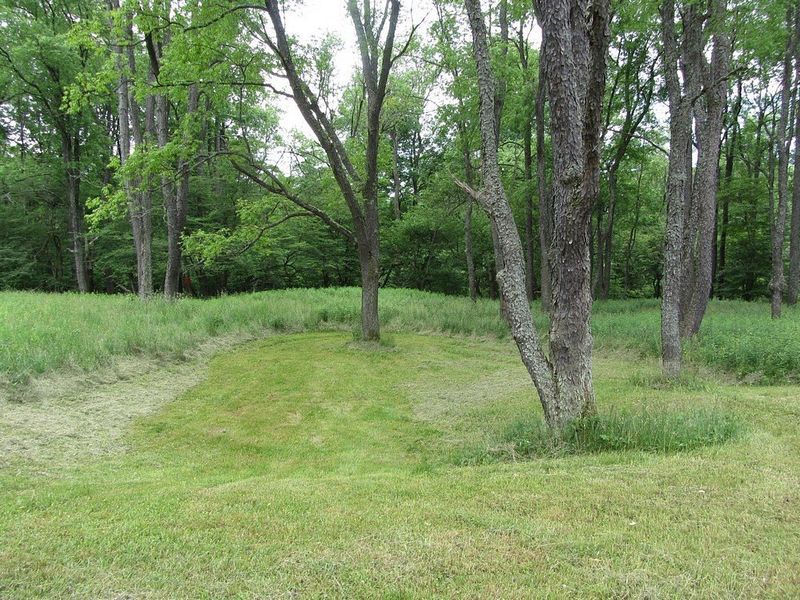
A grassy area may have once held a hotel, office, shop, or crowded street.
Signs and exhibits help connect the calm landscape with the wild months when thousands of people filled the town.
Nearby oil history sites, including the Drake Well area and Oil Creek region, add helpful context.
A good visit begins with patience.
Instead of expecting huge ruins, look for clues and read the history carefully.
Pithole is not dramatic because of tall buildings left behind.
It is dramatic because so little remains from something once so large, loud, and important to Pennsylvania’s oil story.
8. Why Pithole Still Matters
Pithole may be gone, but its story still feels surprisingly modern.
A new discovery created excitement, money, crowding, and bold promises.
Then the same place nearly disappeared when the reason for its growth faded.
That pattern still happens in towns, industries, and online markets today.
The ghost town also helps explain Pennsylvania’s role in the early oil industry.
Pithole was part of a region that changed how people used energy, built businesses, and thought about natural resources.
Its short life makes the bigger history easier to understand because everything happened in such a compressed, unforgettable way.
Remembering Pithole is not only about ruins or old maps.
It is about people making choices under pressure, chasing better lives, and learning hard lessons.
The next time a place becomes famous overnight, Pithole offers a quiet warning from the hills of Venango County: fast growth needs a strong foundation.
Share this story