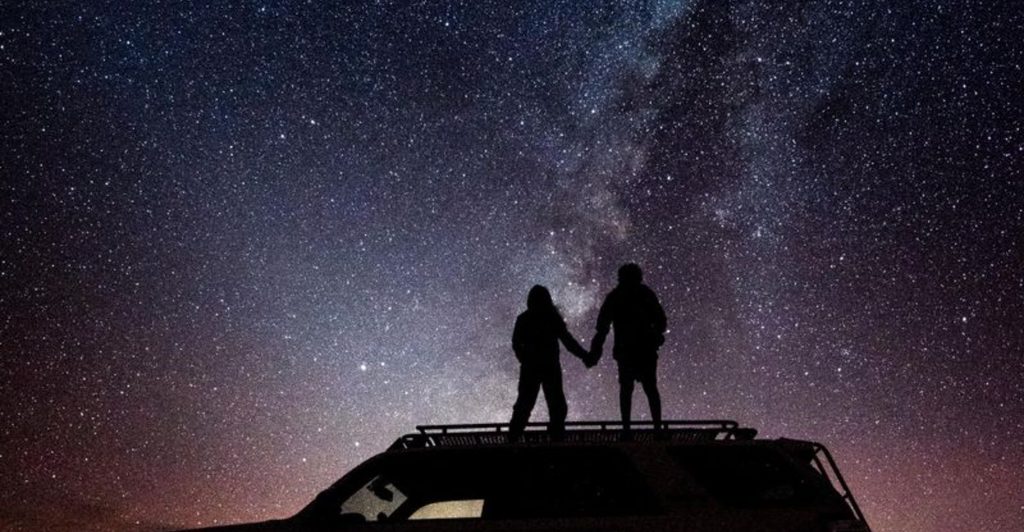
Big Bend National Park holds a record that draws stargazers from around the globe. This massive protected wilderness in West Texas boasts the largest certified Dark Sky area anywhere on the planet, making it one of the best places to witness the universe in all its glory. With virtually zero light pollution across more than 800,000 acres, the night sky here reveals thousands of stars, planets, and even the Milky Way stretching overhead like a glowing river of light.
1. Night Sky Stargazing Like Nowhere Else
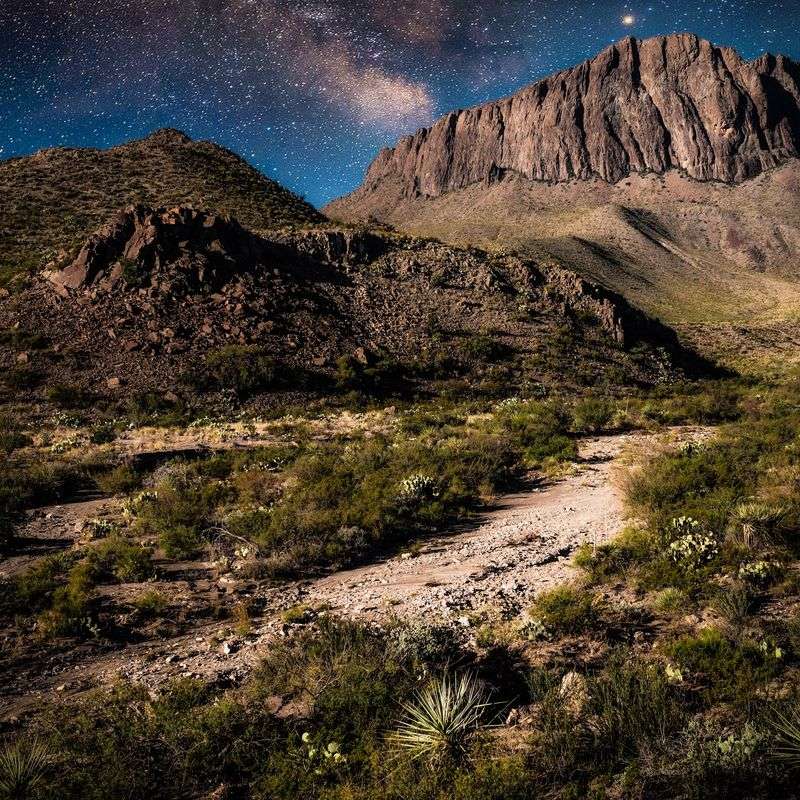
When the sun drops below the horizon at Big Bend, something magical happens. The darkness becomes so complete that your eyes adjust to reveal a universe most people never get to see. Thousands of stars emerge from the blackness, planets shine like tiny beacons, and the Milky Way stretches overhead in a glowing band that looks almost three-dimensional.
This park earned its International Dark Sky Park certification because there’s practically no artificial light for hundreds of miles in any direction. Rangers often host stargazing programs where you can look through telescopes at distant galaxies and nebulae. Bring a blanket, lie back on the desert floor, and prepare to feel incredibly small in the best possible way.
The best viewing happens during new moon phases when even the moon’s light doesn’t interfere. Winter months offer the clearest skies, though any season delivers spectacular views. You might spot satellites drifting silently overhead, shooting stars streaking across the darkness, or even the International Space Station making its predictable pass.
Photography enthusiasts go absolutely wild here, capturing long-exposure shots that reveal colors and details invisible to the naked eye. Even if you just use your smartphone, you’ll be amazed at what shows up in your pictures. The experience genuinely changes how you think about Earth’s place in the cosmos.
2. Chisos Mountains Basin Adventure
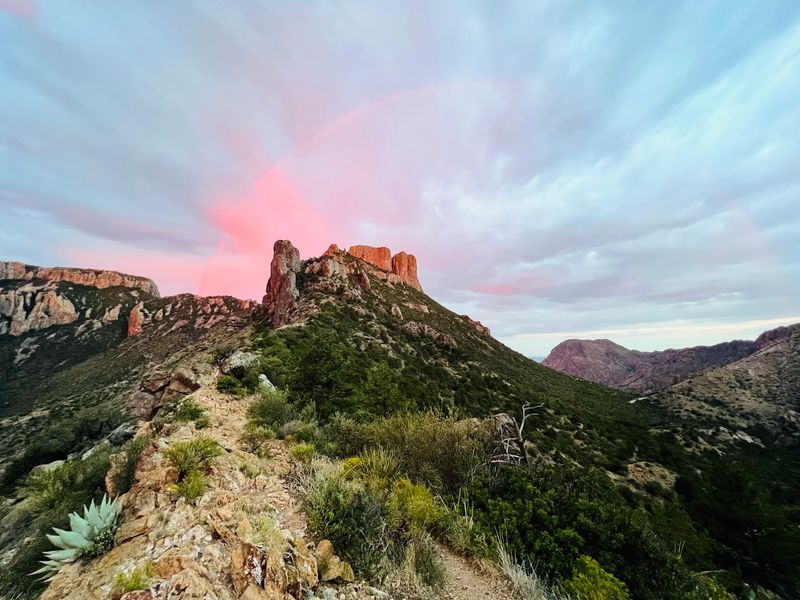
Rising from the desert like ancient fortresses, the Chisos Mountains create their own climate zone inside Big Bend. These peaks reach over 7,800 feet at their highest point, making them significantly cooler than the surrounding lowlands. When temperatures down in the desert hit triple digits, the Basin area stays a comfortable 10 to 15 degrees cooler.
The drive up to Chisos Basin winds through dramatic switchbacks with jaw-dropping views around every curve. Once you arrive, you’ll find the park’s only lodge, a campground tucked among the rocks, and trailheads leading to some of Texas’s most spectacular hikes. The Window Trail follows a creek bed that eventually becomes a stunning waterfall dropping into thin air.
Wildlife thrives in this mountain ecosystem. Javelinas wander through campsites like they own the place, which technically they do. Black bears occasionally make appearances, though they’re generally shy and avoid people.
Roadrunners dash across paths, and if you’re lucky, you might spot a Carmen Mountains white-tailed deer, found nowhere else on Earth.
Sunset from the Basin creates a light show across the desert below as shadows stretch for miles. The rock formations glow orange and pink before fading to purple. Many visitors time their arrival specifically for this daily spectacle, cameras ready to capture nature’s most reliable performance.
3. Santa Elena Canyon’s Towering Walls
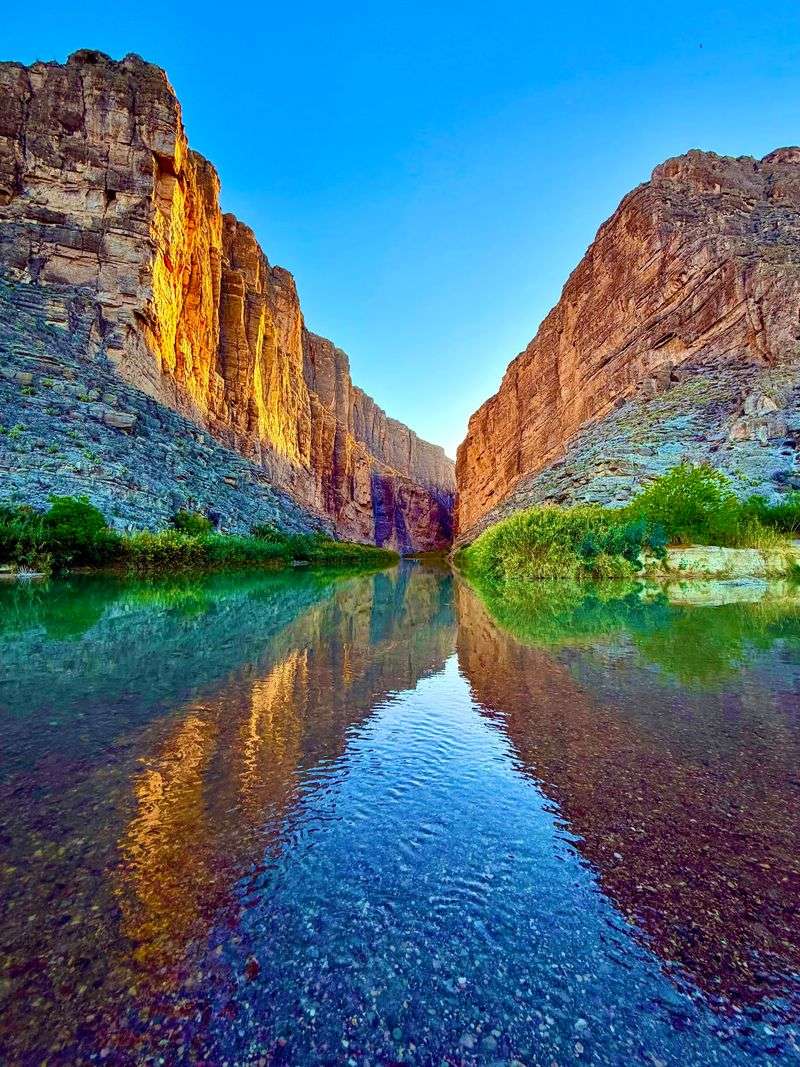
Walking into Santa Elena Canyon feels like stepping into another world entirely. Limestone walls soar 1,500 feet straight up on both sides of the Rio Grande, creating a narrow passage where the river has carved through solid rock over millions of years. The scale makes you feel like an ant wandering through a giant’s hallway.
The trail into the canyon starts with a short but steep climb over rocks before leveling out along the water’s edge. On your left stands Texas, on your right rises Mexico, and the international border literally runs down the middle of the river between them. During calmer water periods, you can wade into the shallows and technically stand in two countries at once.
Photographers absolutely love this spot because the light changes dramatically throughout the day. Morning sun illuminates the Mexican side while the Texas wall stays in shadow. Late afternoon reverses the effect, creating completely different moods and colors.
The canyon also provides natural air conditioning since the towering walls block direct sunlight for much of the day.
Spring and fall offer the best visiting conditions when water levels stay manageable and temperatures remain comfortable. Summer flash floods can make the trail impassable, while winter occasionally brings enough water flow to require careful navigation. Always check current conditions at the visitor center before making the drive out to this remote corner of the park.
4. Lost Mine Trail Mountain Views
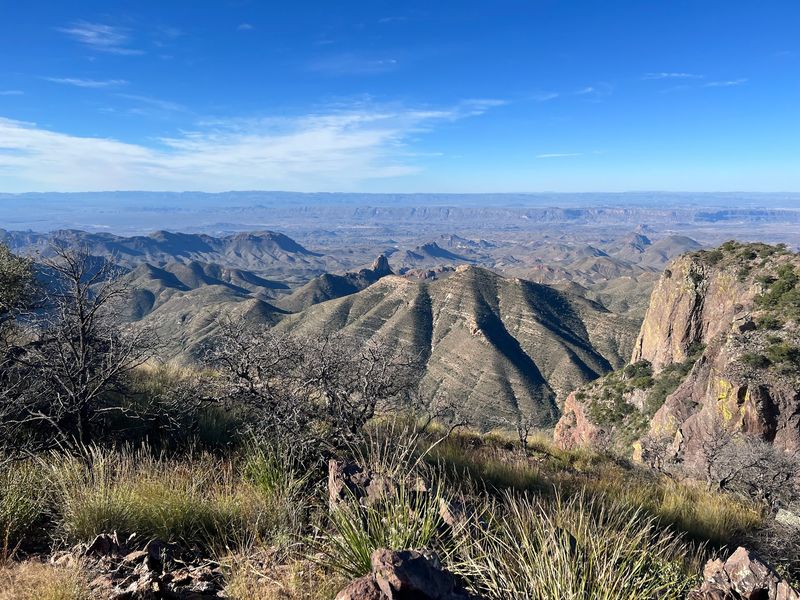
Hikers consistently rank Lost Mine Trail as their favorite experience at Big Bend, and after one visit you’ll understand why. This 4.8-mile round trip climb delivers some of the most spectacular panoramic views in the entire park without requiring expert-level fitness or technical skills. The trail gains about 1,100 feet in elevation, which sounds intimidating but spreads out gradually over the distance.
Every switchback reveals new perspectives of the surrounding Chisos Mountains. Juniper and pinyon pine provide occasional shade, while agave plants and various cacti add desert character to the landscape. Interpretive signs along the way explain the geology and ecology, turning your hike into an outdoor classroom.
The final overlook at trail’s end stops people in their tracks. Mountains layer into the distance like waves frozen in stone, creating depth that seems to go on forever. On clear days, you can see all the way into Mexico.
Many hikers time their arrival for sunrise or sunset when the light paints everything in gold and crimson.
Spring brings wildflowers that carpet the mountainsides in unexpected colors. Summer heat makes early morning starts essential, with temperatures climbing rapidly after 9 AM. Fall and winter provide the most comfortable conditions, though you’ll want layers since mountain weather changes quickly.
Rattlesnakes do live here, so watch where you step and stick to the established trail.
5. Hot Springs Historic Soak
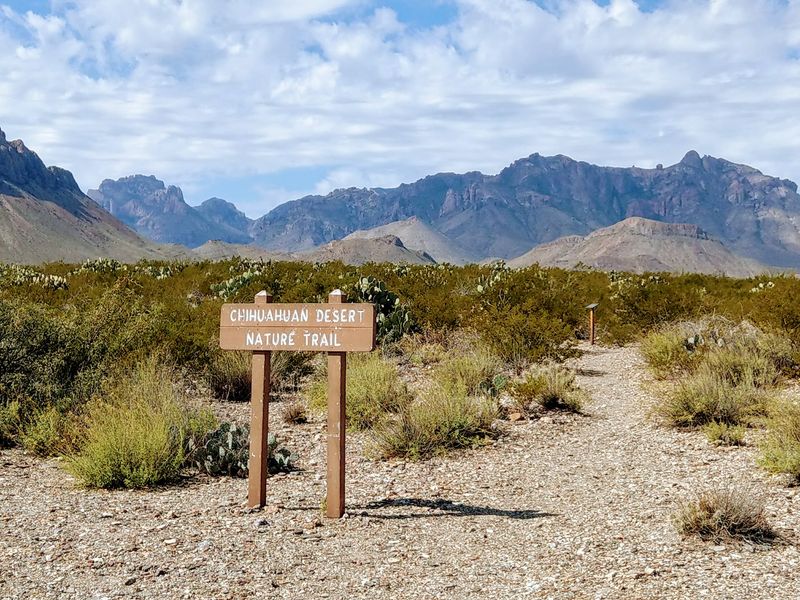
A natural hot spring bubbling up right next to the Rio Grande sounds too good to be true, but that’s exactly what awaits at the end of a short desert trail. Water emerges from the earth at 105 degrees, filling a stone-lined pool that’s been welcoming tired travelers since the early 1900s. The original foundation built by entrepreneur J.O.
Langford still holds the water today.
Getting there requires a 0.75-mile hike along an old dirt road that’s easy enough for most visitors. Desert plants line the path, and you’ll cross through what remains of the old Langford homestead before reaching the spring itself. The pool fits maybe four to six people comfortably, so timing matters if you want a more private experience.
Sitting in that warm water while the cool river flows just feet away creates a surreal contrast. Mexico rises directly across the Rio Grande, so close you could probably throw a rock to the other side. Birds call from the reeds, and if you visit during quieter times, the silence feels almost overwhelming in its completeness.
Morning visits tend to be less crowded than afternoons. The water quality stays surprisingly clean considering its constant use, though the pool does develop algae growth during warmer months. Bring water shoes since the bottom can be rocky, and pack out everything you bring in since this area has no facilities whatsoever.
6. Ross Maxwell Scenic Drive Exploration
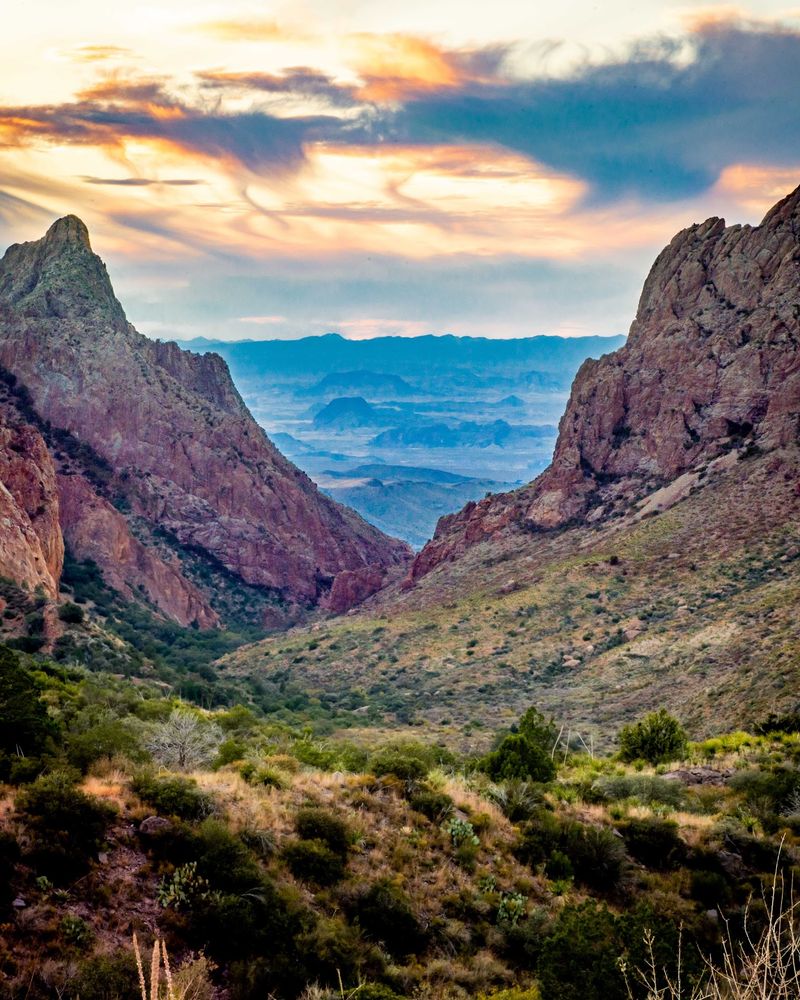
This 30-mile paved road through Big Bend’s western region delivers more stunning views per mile than almost anywhere else in Texas. Named after the park’s first superintendent, Ross Maxwell Scenic Drive winds through constantly changing landscapes, from volcanic badlands to river canyons, with pullouts strategically placed at the most photogenic spots.
The route passes geological wonders like the Mule Ears Peaks, twin rock formations that look exactly like their name suggests. Tuff Canyon offers a short walk to views of volcanic rock carved into dramatic shapes by ancient floods. Sotol Vista provides panoramic views across three different mountain ranges stretching into Mexico.
Plan at least three to four hours for the drive if you want to actually stop and explore rather than just cruise past everything. Each pullout has interpretive signs explaining what you’re seeing, turning the journey into a geology lesson that doesn’t feel like homework. The road eventually leads to Santa Elena Canyon, making it the perfect approach to that spectacular destination.
Sunrise and sunset transform this drive into something almost spiritual. The light hits the rocks at angles that bring out colors you didn’t know existed in stone. Photographers often drive the route multiple times during a visit, chasing different lighting conditions.
Wildlife sightings happen regularly, especially during cooler morning hours when animals come out to feed before the heat arrives.
7. Rio Grande Village Riverside Camping
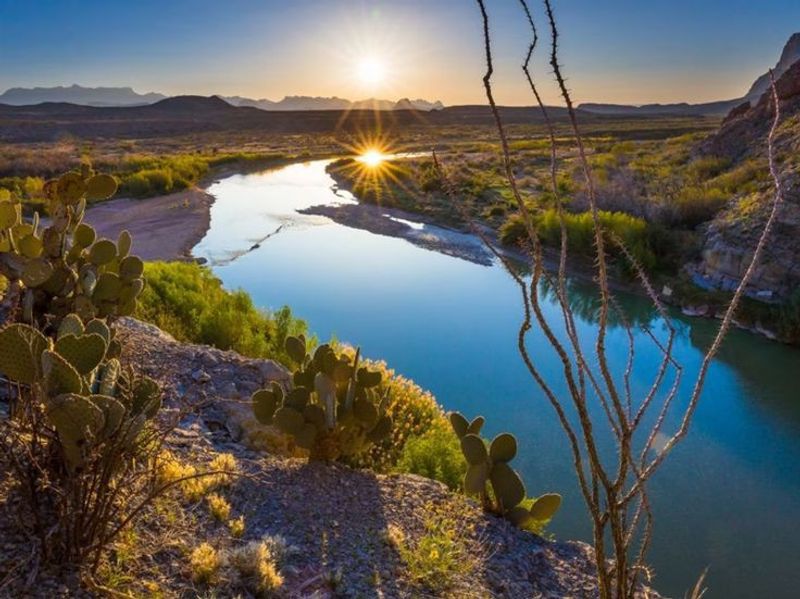
Located along a peaceful stretch of the Rio Grande, this developed campground offers the park’s only full hookup sites for RVs, making it a favorite base camp for visitors who want a few creature comforts. Twenty-five back-in sites provide electricity, water, and sewer connections, though you’ll need to reserve well in advance since they fill up quickly during peak seasons.
The village area includes a small store selling basic supplies, snacks, and importantly, fuel. Gas stations are scarce out here, and running low on fuel miles from civilization makes for a stressful situation. They also stock propane, ice, and camping essentials you might have forgotten.
A visitor center nearby provides maps, advice, and ranger programs.
Nature trails wind through the riverside habitat where birds gather in impressive numbers. The Rio Grande Village Nature Trail loop takes about 45 minutes and offers excellent wildlife viewing opportunities. Beavers work the riverbanks, herons fish in the shallows, and countless songbirds flit through the cottonwood trees that provide rare shade in this desert environment.
Temperatures here run significantly hotter than up in the Chisos Basin since the elevation sits much lower. Summer camping requires serious heat tolerance and plenty of water. Spring and fall bring perfect conditions, while winter offers mild days and cool nights ideal for campfires.
The coin-operated showers provide welcome relief after dusty days exploring the park’s more remote corners.
8. Window Trail Waterfall Sunset
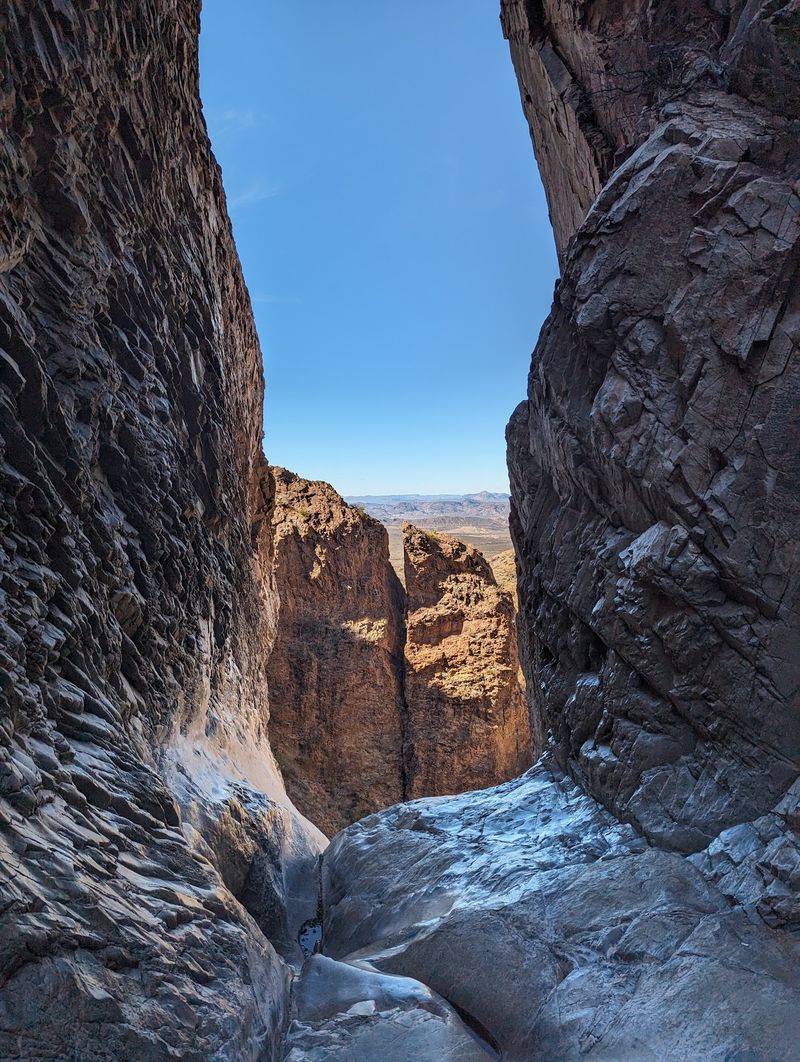
Few trails anywhere deliver such dramatic payoff for relatively easy effort. The Window Trail descends 800 feet over 2.6 miles to a V-shaped opening in the Chisos Mountains where a seasonal creek drops off into space. Standing at the pour-off point, you look straight down several hundred feet to the desert floor below while mountains frame the view on all sides.
The trail follows Oak Creek through a surprisingly lush canyon where trees provide shade and water creates a ribbon of green through the rocky landscape. During spring and after summer rains, the creek actually flows, adding the peaceful sound of running water to your hike. Dry seasons turn the streambed into a rock-hopping route that’s still easy to follow.
Timing your arrival for sunset creates an unforgettable experience. The last light of day pours through the Window opening, illuminating the canyon in golden glow while shadows creep up the opposite walls. Many hikers bring headlamps for the return trip since darkness falls quickly once the sun drops below the horizon.
The uphill return feels longer than the descent, but most people manage just fine with occasional rest stops.
This trail sees heavy traffic during peak times, especially around sunset, so weekday visits or early morning starts offer more solitude. The pour-off area can accommodate groups, though standing right at the edge requires caution since wet rocks get slippery. Families with older kids handle this hike well, making it one of the more accessible adventures in the park.
Share this story