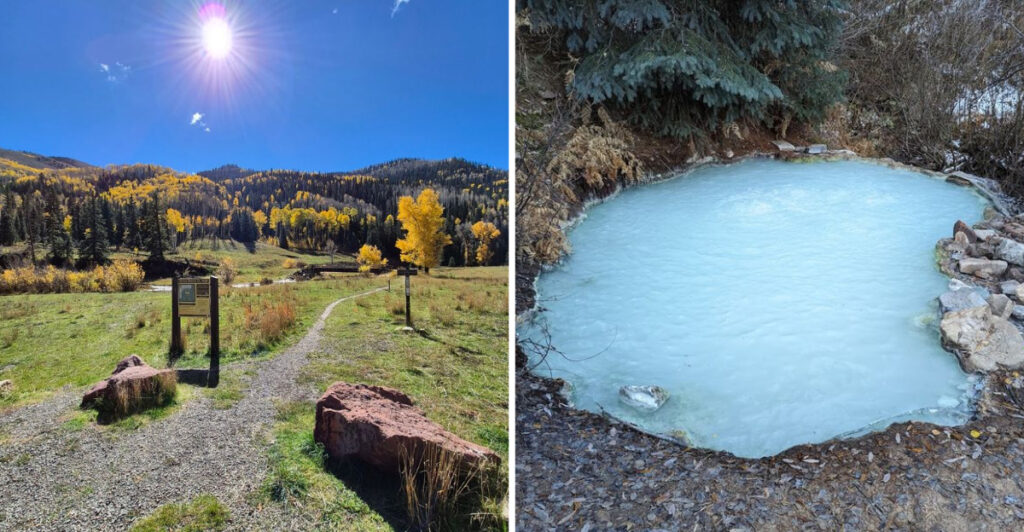
Geyser Spring is one of Colorado’s most overlooked natural wonders, rewarding hikers with colorful mineral deposits, bubbling geothermal water, and a landscape that feels unlike almost anywhere else in the state. Hidden along a scenic trail in the San Juan National Forest near Dunton, this fascinating geothermal feature offers a quieter alternative to Colorado’s more crowded outdoor attractions while showcasing the volcanic forces that continue to shape the region.
The moderate hike, beautiful mountain scenery, and unusual geology make the journey every bit as memorable as the destination itself. If you’re searching for a truly unique Colorado hidden gem, Geyser Spring deserves a place on your hiking bucket list.
The Trail Starts Quiet, Then the Valley Takes Over
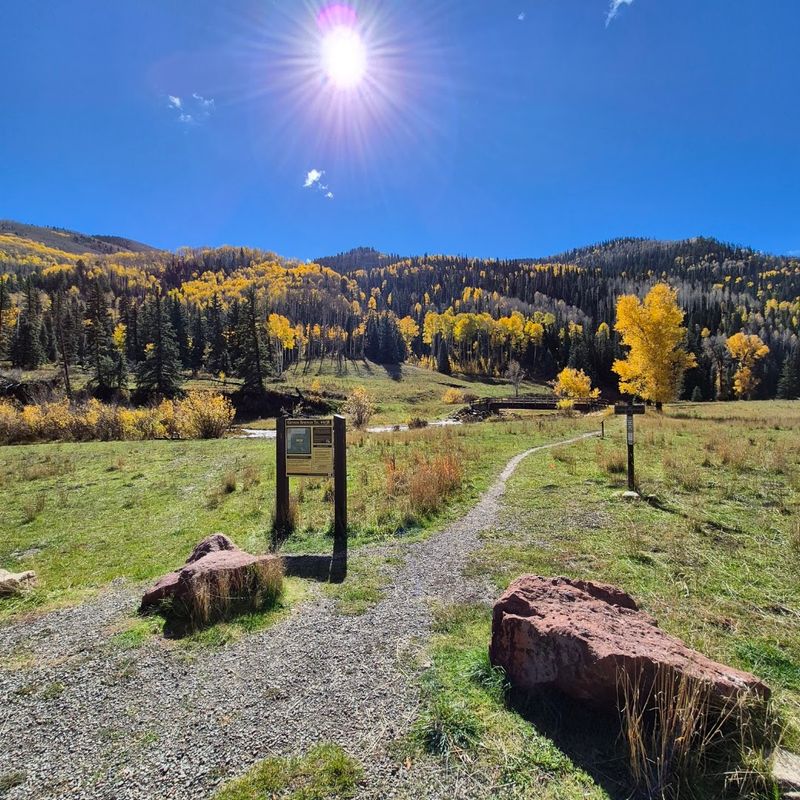
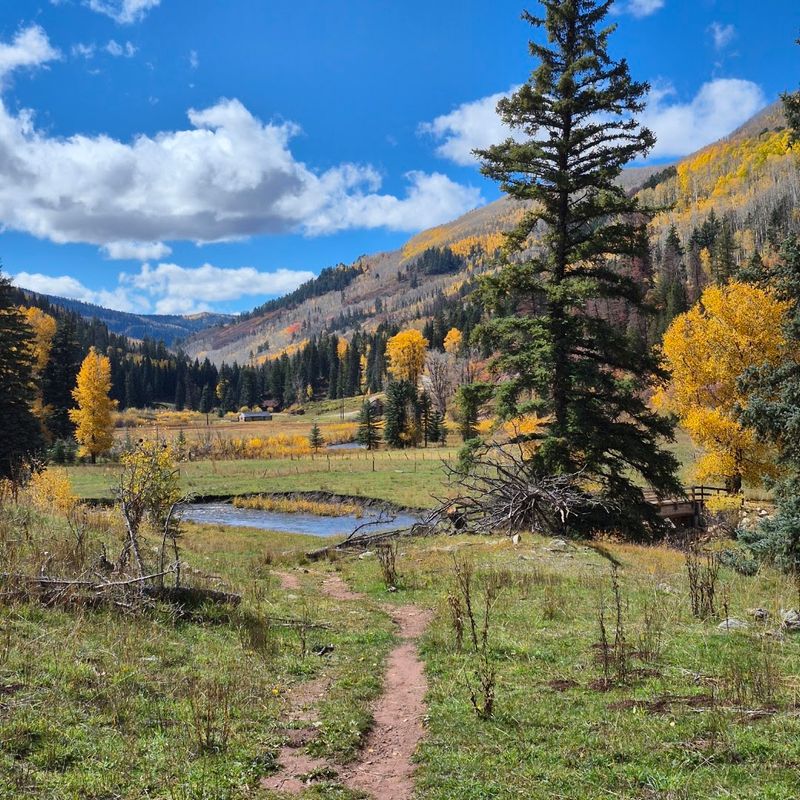
The approach to Geyser Spring does not begin with instant drama. It starts with a drive that traces the Dolores River through a broad, beautiful valley, where the landscape keeps shifting between open views and tighter stretches of green.
That gradual build is part of the appeal, because the destination never feels dropped beside a parking lot. Once the hike begins, the route settles into a moderate rhythm rather than a punishing climb.
The elevation gain is manageable, under about six hundred feet on an out and back route of less than three miles, so the effort stays noticeable without turning the day into a grind.
You are walking toward a natural oddity, but the trail earns attention in its own right. Shade matters here, especially on warmer afternoons, and this route has enough of it to break up the sun.
Aspens, river proximity, and pockets of shelter make the hike more comfortable than a bare, exposed path would be, even when temperatures rise.
It is the kind of trail where stopping for water actually feels pleasant instead of forced. Before the spring itself comes into view, the valley already gives the outing structure and personality.
Birds move through the trees, the river stays part of the experience, and the terrain offers just enough variation to keep the walk from flattening into a simple march.
By the time the smell of sulfur begins drifting through the air, the trail has already done something valuable: it has made the spring feel discovered rather than merely reached.
Not a Blasting Geyser – And That Is Exactly the Point
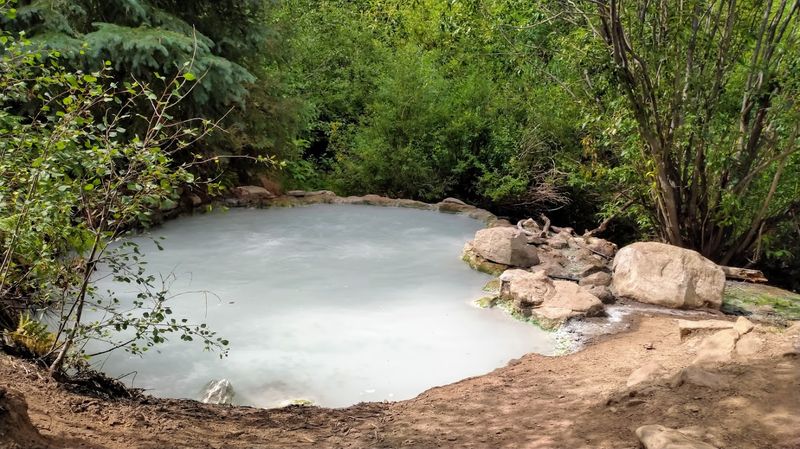
If you show up expecting Old Faithful, Geyser Spring will immediately reset your expectations. This is not a towering eruption that launches skyward on schedule.
The water bubbles rather than blasts, and that smaller, stranger behavior is precisely what gives the place its offbeat character. The name can be misleading, but the experience is not disappointing when approached on its own terms.
The spring works more like a vivid mineral feature than a theatrical fountain, with motion concentrated in the surface, subtle activity in the water, and sulfur announcing that something geologically active is happening below.
It asks for attention at close range instead of demanding applause from a distance. That difference changes how you watch it.
Instead of waiting for one giant burst, your focus shifts to details: the way bubbles gather and break, the wet textures around the vent, the contrast between the surrounding earth and the spring itself.
A site like this rewards patience more than spectacle, which is a rarer travel pleasure than most big-ticket attractions offer.
There is also something refreshing about a place that does not oversell itself once you arrive. The spring is small enough to stay intimate, weird enough to feel memorable, and active enough that it never reads as a static puddle.
It holds attention through color, smell, and motion rather than raw scale. In a state famous for oversized scenery, that quieter kind of geologic drama gives Geyser Spring its own lane.
The Color Show Hiding in Plain Sight
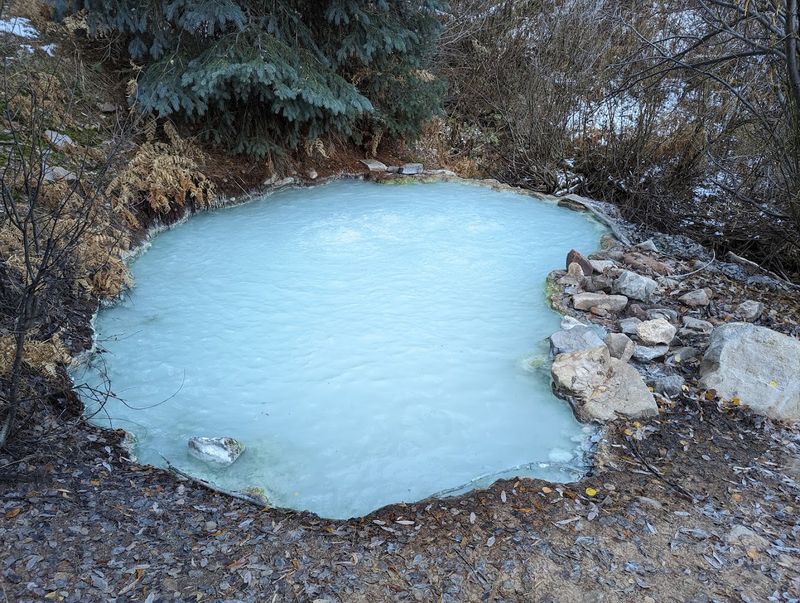
The most striking part of Geyser Spring is not height, noise, or power. It is color. Reports from the trail consistently point to the spring’s intense visual contrast, and that makes sense for a place where bubbling mineral water turns an otherwise rugged setting into something almost surreal.
Seen up close, a mineral spring like this draws your eye straight to the ground. The terrain around it shifts from ordinary dirt and rock into stained, saturated patches that look painted rather than deposited over time.
In a valley filled with aspens, wildflowers, river light, and mountain textures, that sudden change in palette creates a completely different visual language.
The sulfur smell arrives before the full view does, which gives the spring a strange kind of entrance. Your nose catches up with the geology first, then the landscape reveals the source with color that feels unexpectedly bright against the surrounding earth.
It is a rare case where scent actually sharpens the visual payoff instead of distracting from it. That contrast is why the spring stands out even without dramatic eruptions. Colorado offers endless grand views, but plenty of them rely on distance and scale.
Geyser Spring works in a tighter frame. You look down as much as outward, noticing textures, mineral edges, and the live movement in the water itself.
The effect is less about panoramic greatness and more about stumbling onto a pocket of terrain that seems to operate by different rules than everything around it.
A Colorado Hike With Clues Along the Way
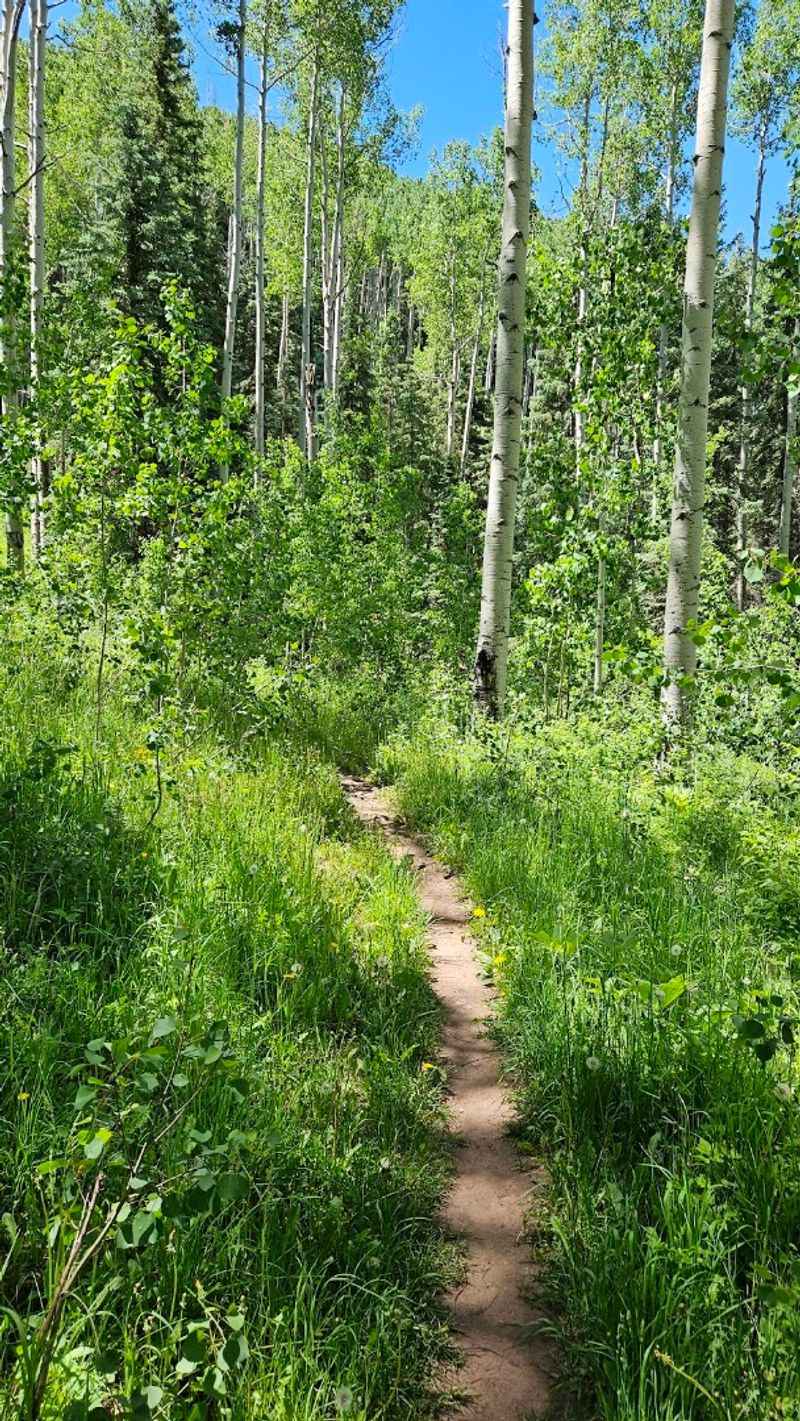
One reason this outing works so well is that the trail does not save every interesting detail for the endpoint. There are hints along the way that you are moving into unusual ground.
After crossing the bridge and continuing upward, the sulfur smell can begin surprisingly early, turning the route into a slow reveal instead of a simple walk to a marker.
That progression matters because it changes the hike from transportation into experience. You are not marching toward one photo stop with nothing in between.
The bridge, the river, the shade, the changing scent, and the possibility of spotting additional geothermal features make the route feel layered. Even before the main spring appears, the landscape starts behaving a little differently.
Wildflowers and aspens add softness to a trip centered on geology, and that contrast helps the place land harder. Delicate plants, birdsong, and river-cooled air set up one mood, then sulfur and mineral color interrupt it with another.
The shift gives the hike texture. It can feel pastoral one minute and faintly otherworldly the next. That is why the outing still holds up even if you already know the spring is modest in size. The route feeds your curiosity in stages.
You notice the bridge, then the smell, then the terrain changes, then the bubbling feature itself. For a relatively short hike, it manages pacing unusually well.
It keeps offering evidence that you are heading somewhere specific, unusual, and distinctly different from the valley floor you started on.
Best Timing, Smart Gear, and the Heat Factor
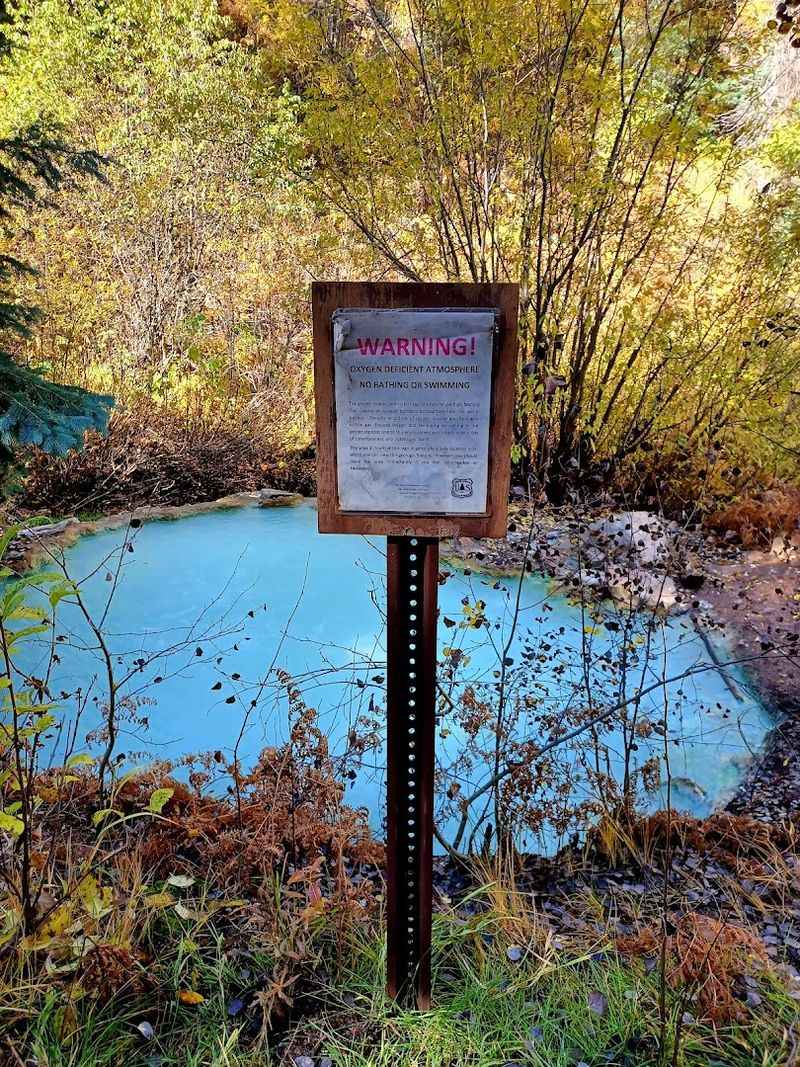
Geyser Spring is the kind of place that benefits from a little practical planning. The hike is moderate, not extreme, but warm weather can make a short trail feel longer when sun and elevation stack up.
Bringing more water than you think you need is the easy move, and on hotter days a cooling layer like a damp bandana can make the walk noticeably better.
Shady spots along the route help, which gives you natural places to slow down without breaking the flow of the hike. That matters if you are treating this as a relaxed scenic outing rather than a fitness push.
The terrain invites pauses anyway, since the valley, river corridor, and changing plant life offer plenty to look at while catching your breath.
Footwear should match a trail with some elevation gain and natural surfaces, even though the mileage stays reasonable. This is not a flip-flop wander to roadside geology.
It is short enough for many casual hikers, yet substantial enough that you will appreciate stable shoes, water, sun protection, and awareness of the conditions around you.
Keeping an eye out on the ground is smart too, especially in rocky trailhead areas where wildlife can be part of the landscape. If timing is flexible, cooler parts of the day are an easy advantage.
Morning or later light can take some edge off the heat and make the walk more comfortable, while still giving you the full oddity of sulfur, bubbling water, and bright mineral color at the destination. A little planning does not overcomplicate this trip. It simply lets the place stay interesting for the right reasons.
Where the River Resets the Whole Day
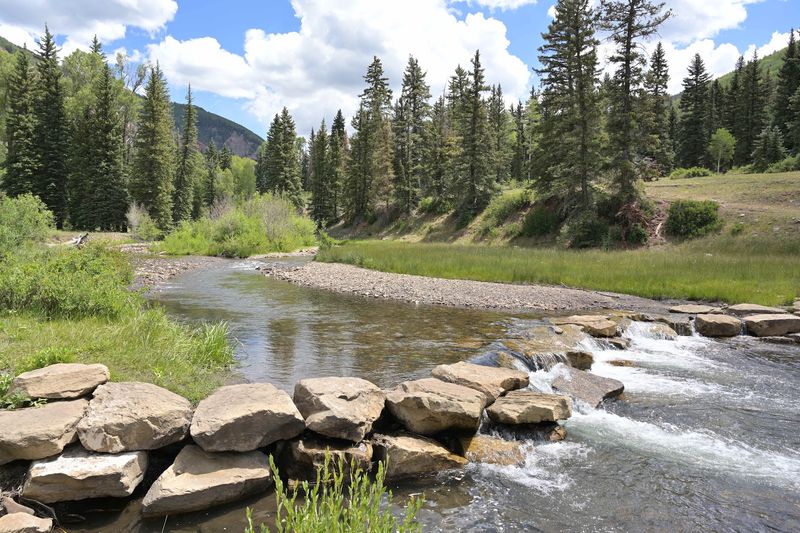
One of the most appealing parts of a trip to Geyser Spring is how the river remains part of the experience before and after the main attraction.
The Dolores River is not just background scenery on the drive in. It shapes the rhythm of the day, offering movement, shade, and a cooling counterpoint to a hike that ends at a sulfur-rich spring.
That contrast gives the outing a satisfying arc. You move through a green river valley, climb toward a place defined by mineral smell and bubbling water, then return to the sound and feel of ordinary flowing water again.
The shift from cool riverbank atmosphere to geothermal weirdness and back makes the trip more dimensional than the mileage suggests.
On a hot day, the river also becomes practical relief. Shaded spots near the bridge and along the corridor invite a slower pace, and the instinct to cool down near the water after hiking makes complete sense here.
Even without turning the outing into an all-day river stop, that nearby access to shade and water rounds out the excursion in a way many short hikes cannot match.
It is easy to imagine the spring stealing all the attention, but the river quietly keeps the experience balanced. Without it, this might read as a brief hike to an unusual feature and little more.
With it, the day picks up atmosphere, comfort, and a clear sense of place. The river frames the strangeness of Geyser Spring by surrounding it with something familiar, calm, and restorative, which makes the spring itself stand out even more when you finally reach it.
Why This Small Spring Outranks Bigger Attractions
Geyser Spring does not compete by being the largest, loudest, or most famous natural stop in Colorado. It wins on composition.
The drive, the valley, the river, the moderate hike, the sulfur warning in the air, and the strange colorful bubbling endpoint all fit together in a way that feels complete rather than oversized.
That completeness is easy to underestimate when reading a map listing or hearing the word geyser. A bubbling spring sounds modest on paper, and in pure scale it is.
Yet scale is not the main currency here. The reward comes from the sequence of experiences, each one sharpening the next until the destination lands with more force than a bigger but easier roadside stop might manage.
There is also value in a place that asks you to pay attention instead of just showing off. Geyser Spring is visual, yes, but it is also scented, textured, and tied closely to the trail that leads to it.
The outing is not one-note. You notice shade, birds, wildflowers, aspens, river sound, rocky ground, and then the sharp mineral turn that shifts the whole mood near the spring.
That layered experience is why this small natural feature stands out. It offers a compact adventure with enough variety to feel like a real outing, not a quick box to check on a longer drive.
If you are drawn to places that are a little odd, a little scenic, and specific enough to resist generic travel language, Geyser Spring earns your attention. It may bubble quietly, but the trip around it is anything but minor.
Share this story