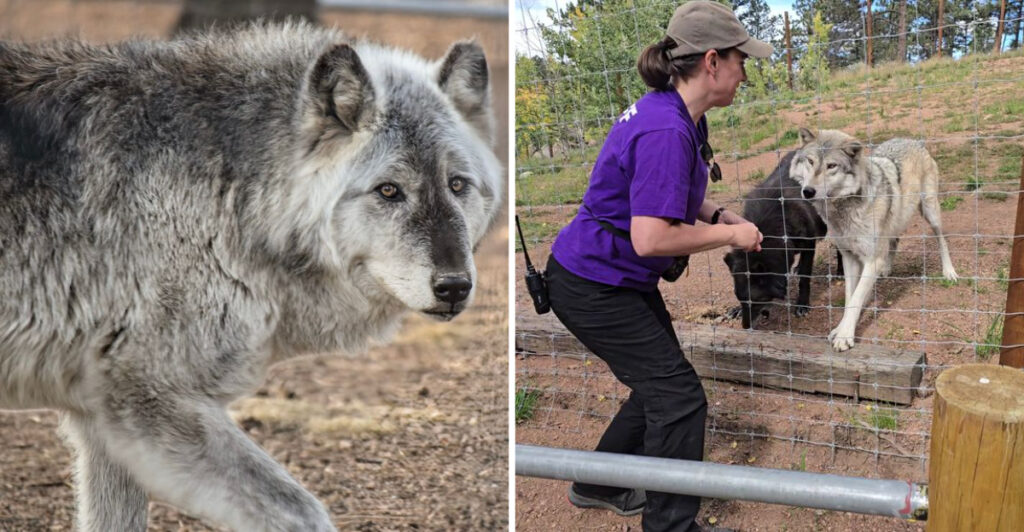
Hearing a wolf howl in the Colorado mountains is one thing; experiencing these remarkable animals up close is something else entirely. At the Colorado Wolf and Wildlife Center in Divide, specialized encounters bring visitors into a wooded setting while introducing them to wolves and other rescued canids in a carefully managed environment.
The experience goes beyond the thrill of proximity, with education about behavior, conservation, and the challenges these animals face in the wild. Coyotes and foxes add even more to discover during a visit. Here, an unforgettable wildlife encounter comes with a deeper understanding of the animals behind it.
Pines, Fences, and the Sudden Sound of a Howl
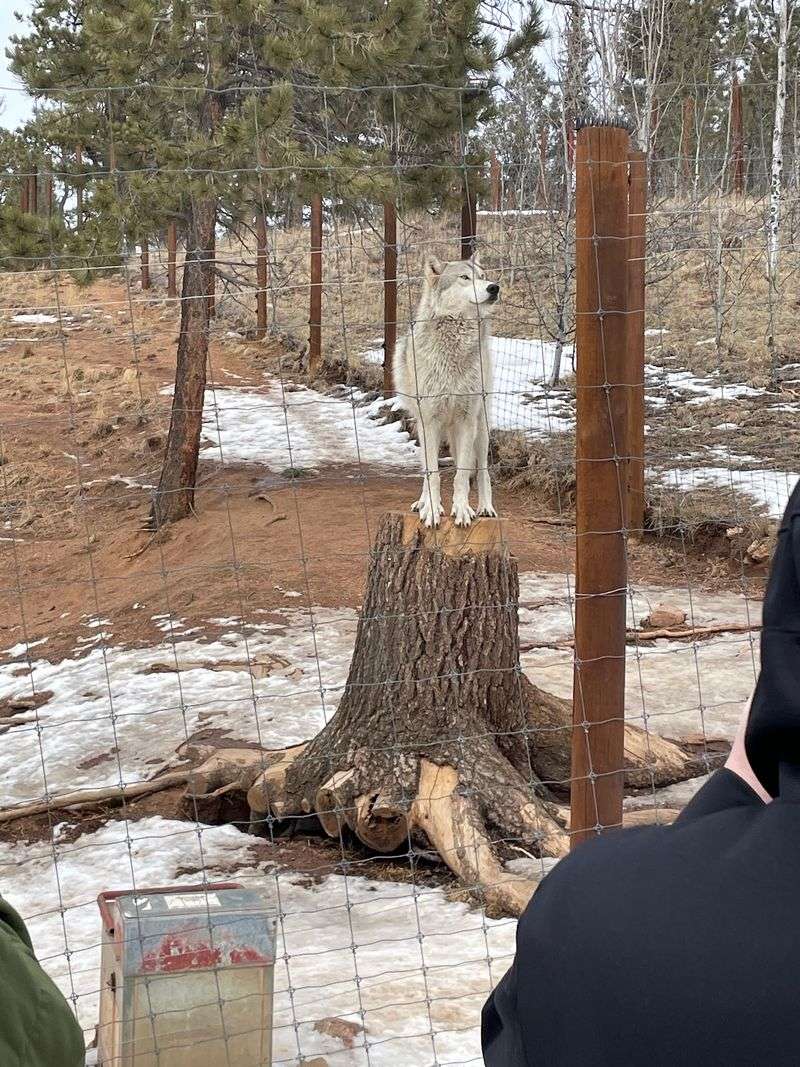
Mountain roads around Divide already set the mood, but the setting changes fast once the Colorado Wolf and Wildlife Center comes into view. Pine trees frame the property, gravel paths cut through the grounds, and the air has that cool, dry edge common in higher parts of Colorado.
Instead of a polished theme-park entrance, the place presents itself as a working refuge built around animals first.
That difference shapes the visit right away. Spacious enclosures, natural terrain, and wooded surroundings make the wolves seem part of the landscape rather than separate from it, which helps explain why the center leaves such a strong impression on first-time guests.
A howl rolling through the trees does not sound staged or rehearsed. It sounds wild, sharp, and surprisingly close.
The location at 4729 Twin Rocks Rd also adds to the experience because it sits away from city noise and heavy traffic. That quieter backdrop lets small details stand out, like paws moving across dirt, ears turning toward a guide’s voice, or a fox flashing bright color against the muted browns and greens of the mountain setting.
Even before a tour gets into conservation facts, the place already teaches one simple lesson. Wolves make more sense when seen in a habitat that resembles the outdoors instead of a concrete display.
Comfort matters here, so sturdy shoes are a smart choice for the gravel and slight inclines. Layers help too, since mountain weather can shift through the day, especially when shade and sun trade places along the path.
The center is easy to find, but the scenery around it makes the arrival feel pleasantly removed from everyday routines.
Where the Wolf Walk Becomes Real
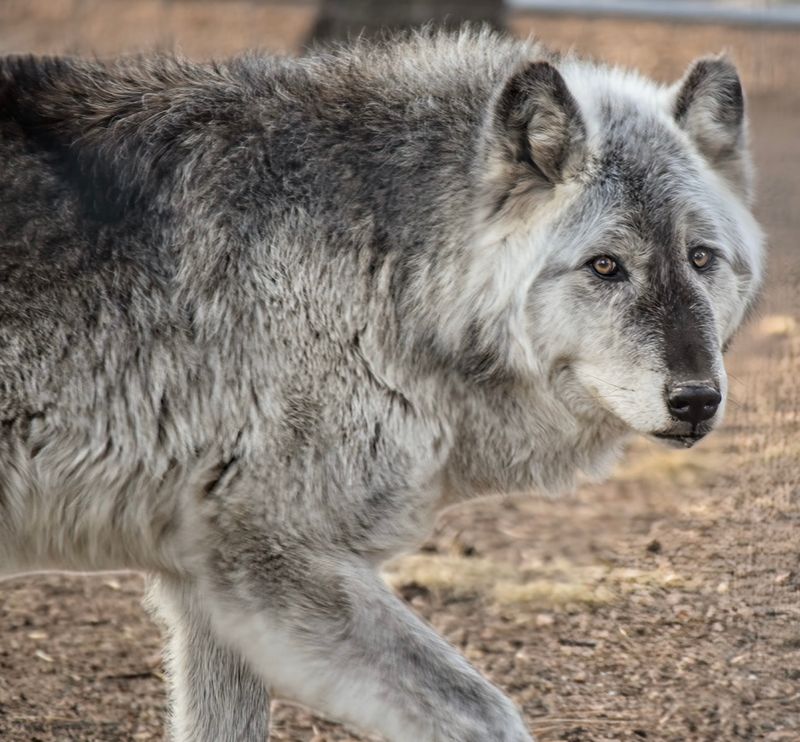
The headline-grabbing part is simple to understand. At the Colorado Wolf and Wildlife Center, certain guided programs go far beyond standing at a distant overlook, giving participants a rare chance to be in much closer space with wolves under strict supervision.
That is a huge reason the center stands out from a typical animal attraction. Regular tours already bring guests near the enclosures, where guides explain behavior, pack dynamics, and each animal’s story.
Specialty experiences, when available by reservation, can be more immersive and are handled with careful rules about clothing, movement, and safety.
Closed-toe shoes, long sleeves, and calm behavior are not small suggestions here. They are part of how the encounter stays respectful for both people and animals.
Calling it a walk in the woods with wolves captures the feeling more than the logistics. No one is being turned loose into the forest, and the center does not treat wolves like props for thrill seekers.
The point is controlled closeness, education, and a deeper understanding of what these animals are actually like when fear, myths, and old movie ideas are pushed aside. Seeing a wolf move through a natural setting at eye level changes the whole conversation.
Suddenly the animal is not a cartoon villain or a distant symbol. It is alert, social, intelligent, and very real. Anyone hoping for this kind of encounter should plan well ahead and read the rules carefully before arriving. Not every tour includes the same level of access, and availability can vary.
That advance planning is worth it, because the center’s most memorable moments depend on structure, patience, and guided respect rather than spectacle.
A Colorado Tour That Teaches More Than It Performs
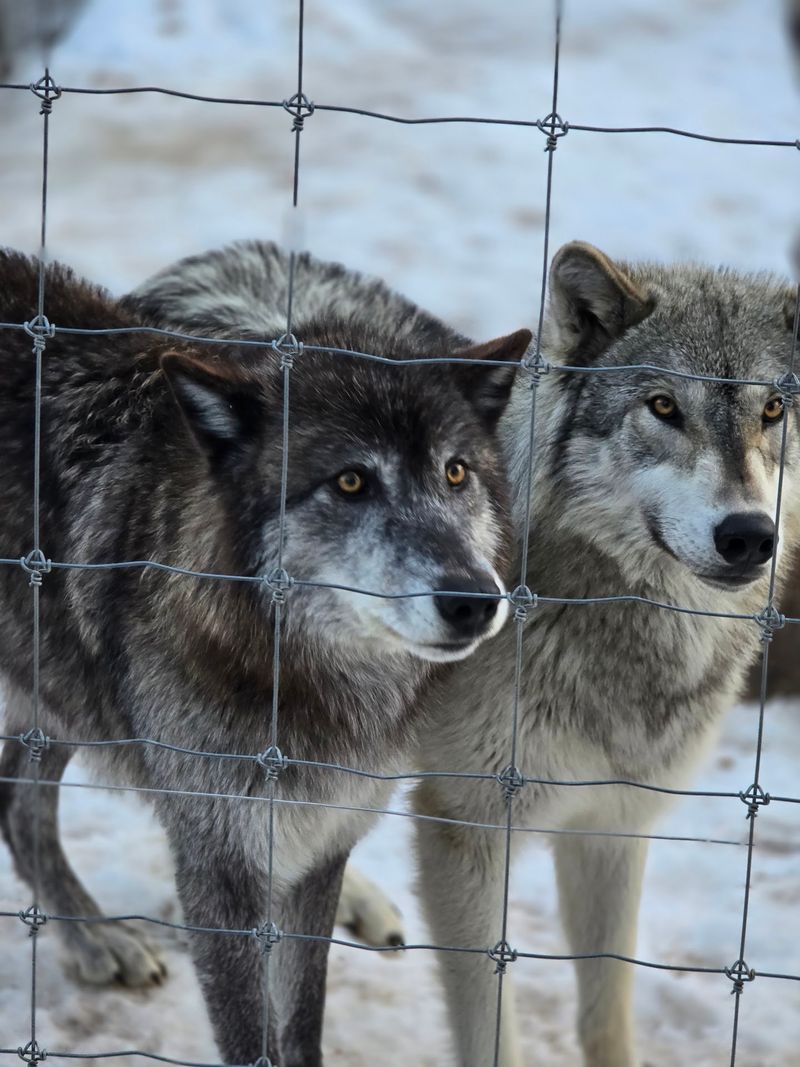
Some wildlife stops rely on flashy moments and quick photo opportunities. The Colorado Wolf and Wildlife Center takes a different route, building its tours around education first and using the animals’ presence to make those lessons stick.
Guides explain who the wolves are, where they came from, and why public ideas about them are often badly outdated.
That approach matters because wolves carry a lot of cultural baggage. Old stories, fear-based headlines, and years of misunderstanding have shaped how many people think about them long before arriving in Divide.
Hearing clear explanations beside a living animal changes the tone fast. Instead of mystery and exaggeration, visitors get practical facts about behavior, pack relationships, habitat, and the role wolves play in the ecosystem.
The center also brings foxes, coyotes, and other resident animals into the bigger lesson about wild canines and conservation. That wider view helps children and adults compare species, notice physical differences, and understand that each animal fills a different niche.
Good guides make those comparisons easy to follow without talking over anyone’s head. The result is a tour that works for families, curious travelers, and serious wildlife fans at the same time.
Anyone bringing kids can help them get more from the hour by preparing one or two questions before arrival. Asking about howling, body language, or why wolves live in packs gives young visitors a way to stay engaged during the walk.
Adults should do the same, because the strongest part of this place is not just seeing a wolf up close. It is leaving with better information than the average headline ever provides.
The Group Howl That Echoes Through the Trees
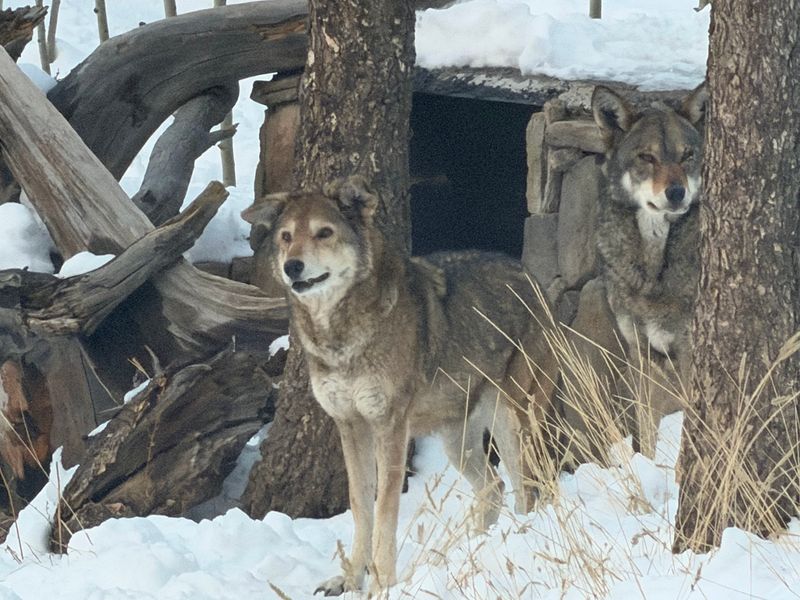
Near the end of many visits, the center reaches the moment most people talk about later. A guide leads the group in a howl, and the wolves answer back across the property with a sound that is louder, fuller, and more layered than most first-timers expect.
It is part lesson, part shared experience, and part reminder that these animals communicate in ways books cannot fully capture.
The reason it works so well is not volume alone. The call and response unfolds in a wooded mountain setting where the sound bounces off trees and open space, turning a simple vocalization into something almost physical.
Children usually react with wide eyes. Adults often stop moving for a second and just listen. That moment also serves a useful educational purpose. Guides can connect the howling to pack bonds, territory, communication, and social behavior, which keeps the experience rooted in learning instead of novelty.
Hearing different voices blend together gives a better sense of the pack as a living social unit, not a collection of separate animals. It becomes easier to understand why wolves are so often described as deeply connected to one another.
There is practical advice here too. If howling is high on the wish list, arrive ready to pay attention at the end of the tour instead of mentally checking out once the main walk is over.
Keep phones from blocking the moment, especially for kids who may remember the sound more clearly if they are not staring at a screen. A recording can be nice, but the real power comes from standing still in the cool air while the whole chorus rises through the Colorado trees.
More Than Wolves on the Trail
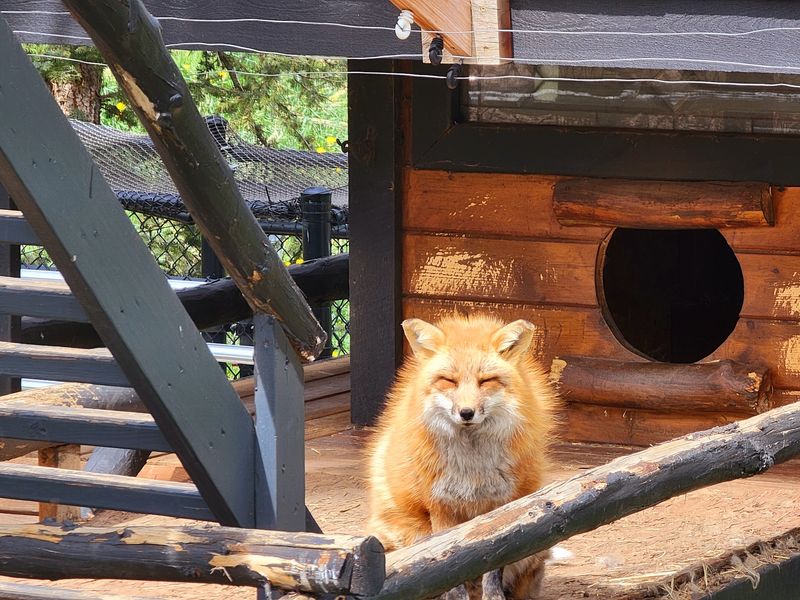
Wolves may be the headline act, but they are not the only reason the center rewards a visit. Foxes, coyotes, and other resident animals widen the experience, making the grounds feel more like a focused wildlife education campus than a one-subject stop.
That variety keeps the tour moving and gives guides more chances to compare behavior, appearance, and survival strategies.
Foxes bring a totally different energy to the property. Their size, color, and quick movements create a sharper, more playful contrast to the heavier, more watchful presence of wolves.
Coyotes add another layer because they are often familiar in name but poorly understood in daily life. Seeing them up close helps separate fact from assumption, which is one of the center’s biggest strengths across the whole visit.
This broader lineup matters for families, especially when younger kids have short attention spans. A changing cast of animals gives them new shapes, sounds, and stories to follow from stop to stop.
Adults benefit too, since comparing species side by side is one of the easiest ways to notice how wild canines differ in body language, movement, and social structure. Instead of blending together as “wolf-like animals,” they become distinct creatures with specific roles and traits.
Leave a little extra mental space for surprises beyond the main wolf moments. The most interesting detail of the day might be a fox darting through light snow, a coyote pausing to study the group, or a guide explaining how each species fits into a bigger conservation picture.
That wider focus gives the center more depth and makes the title attraction even stronger by placing wolves in the company of their fascinating relatives.
How Rescue Stories Change the Visit
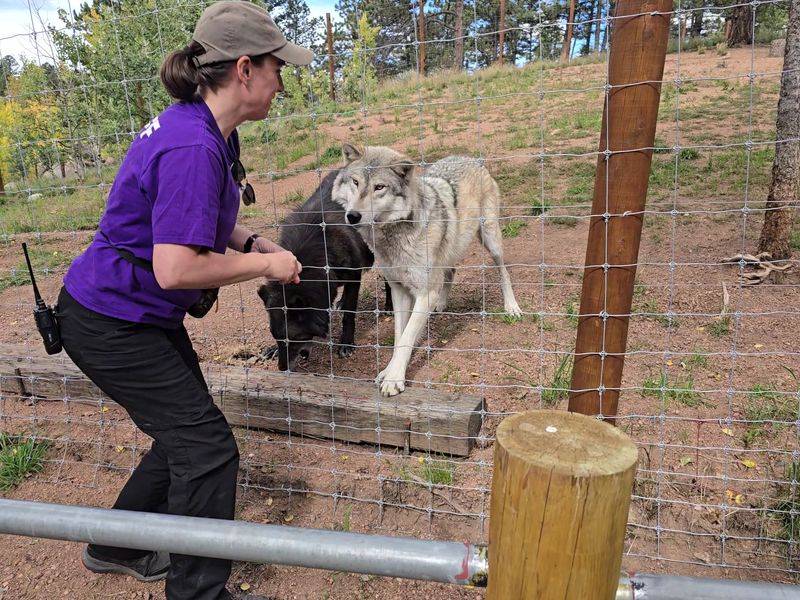
A close look at a wolf is impressive on its own, but the center adds another layer by connecting each animal to a real story. Guides often explain how certain residents arrived, why sanctuaries matter, and what can happen when wild animals are bred, kept, or treated irresponsibly.
That context gives the tour weight without turning it heavy in the wrong way. Plenty of places show animals. Fewer places help visitors understand the chain of choices that brought those animals into human care and why a nonprofit refuge has to exist in the first place.
Hearing that history while standing a short distance from the animal sharpens attention immediately. A wolf is no longer just beautiful. It becomes part of a larger discussion about wildlife policy, public myths, and human responsibility.
The center also appears careful not to smooth over every difficult point. That honesty is useful for older kids and adults because it respects the intelligence of the audience.
Conservation is not presented as a vague slogan. It comes through as daily work involving habitat, education, legal protections, and long-term care for animals that cannot simply be released.
For families, this is a good place to talk after the tour instead of rushing straight to the car. Ask which animal story stood out and why.
A child may focus on one wolf’s personality, while an adult may be thinking about policy or rescue. Both reactions are part of the experience.
The center succeeds because it turns awe into understanding, and understanding is often the first step toward caring about wildlife in a more serious, informed way.
Planning the Best Day at the Center
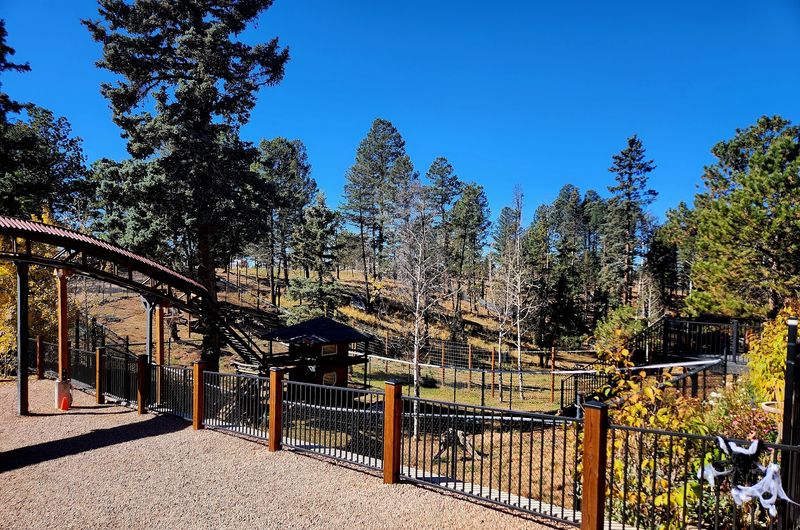
A little planning goes a long way here, because the center works best when treated like a scheduled outdoor experience, not a casual roadside stop.
Tours are guided, the property follows a set operating schedule, and reservations are a smart move if a specific date matters. That is especially true for specialty encounters, which can have tighter limits and more rules.
Clothing deserves more attention than many travelers expect. Gravel paths, a few inclines, and changing mountain weather mean comfortable walking shoes are the baseline, while layers help with cool mornings, bright midday sun, or breezy conditions.
Some interactive programs may also require long sleeves, sturdy pants, and closed-toe shoes, so checking requirements ahead of time prevents last-minute stress.
Families with children and multigenerational groups can still do well here because the main tour is generally manageable, but it helps to pace the visit. Bring water, arrive a bit early, and use the waiting time to settle kids before the group begins moving.
Shade may be limited in some areas, so hats and sunscreen can make a difference on warmer days. Visitors who need the easiest possible experience should also be ready for an outdoor refuge layout rather than a smooth indoor attraction.
One final tip matters more than souvenirs or photos. Show up ready to listen. The strongest version of this visit comes from paying attention to the guides, the animal behavior, and the changing sounds around the property. The gift shop can wait a few extra minutes.
The real highlight is the tour itself, where Colorado mountain scenery, conservation education, and close wildlife viewing come together in a way few places can match.
Share this story