North Carolina has always had a strong food story, from barbecue pits and coastal seafood shacks to family diners and neighborhood bakeries, but a fresh group of restaurants is now showing how wide and exciting the state’s cooking can be. Across cities like Raleigh, Durham, Asheville, Wilmington, and Charlotte, chefs are mixing local farm goods, global flavors, and personal family history to make meals that feel new while still belonging to North Carolina.
That matters because restaurants do more than feed people; they shape downtown streets, support farmers and fishers, give young cooks a place to grow, and help visitors understand what makes this state special. The places in this list stand out not just for tasty food, but for bold ideas, welcoming rooms, and the kind of energy that makes people talk about where North Carolina dining is headed next, which is exactly why they are worth knowing before your next road trip, weekend dinner, or big celebration.
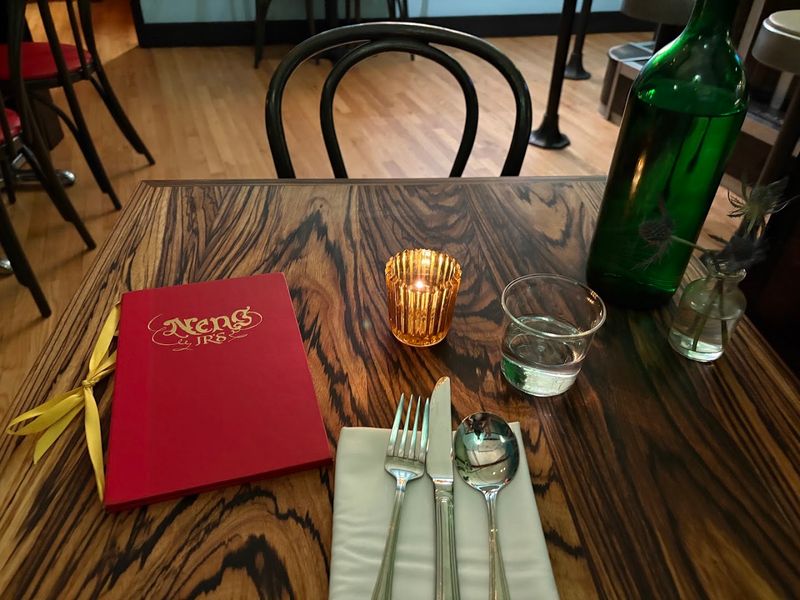
1. Neng Jr.’s
Some restaurants feel like a meal, while others feel like a story being told course by course.
At Neng Jr.’s in Asheville, that story comes through Filipino flavors, personal history, and a bold point of view that helps the state’s dining scene feel bigger and more exciting.
The restaurant has earned attention for serving food that is deeply rooted in culture without trying to fit into anyone else’s rules.
Guests may notice how the menu balances comfort and surprise, bringing together sharp seasoning, rich sauces, bright acidity, and careful presentation in a way that feels both heartfelt and modern.
What makes Neng Jr.’s important in North Carolina is not just taste.
It shows that the state’s best food conversations are expanding beyond the dishes many visitors already expect, opening space for chefs to share family traditions and identities that have not always had a spotlight in Southern dining.
That kind of shift matters for local eaters too.
Trying a place like this can widen your idea of what North Carolina food includes, especially in Asheville, where creativity is part of the city’s rhythm but where real cultural voice still makes the strongest impression.
If you plan a visit, go ready to trust the kitchen and pay attention to details.
Menus may change, flavors may be layered in ways you do not meet every day, and the best approach is to slow down, ask questions, and share dishes so more of the meal can be explored.
The atmosphere also adds to the pull.
Instead of feeling stiff or overly fancy, the experience leans personal, which helps first-time guests relax even when the food is introducing them to something unfamiliar.
North Carolina’s restaurant future depends on places that are brave enough to be specific.
Neng Jr.’s does exactly that, proving that a focused vision, strong cooking, and a clear sense of self can make one small dining room influence the way an entire state thinks about food.
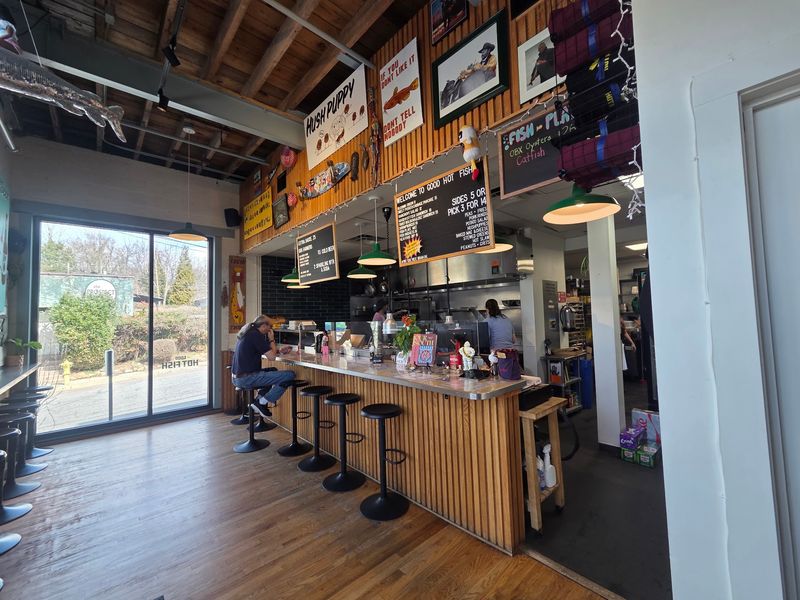
2. Good Hot Fish
One good bite of fried fish can bring back a hundred memories of church plates, beach trips, and family dinners.
Good Hot Fish taps into that feeling, then gives it a cleaner, sharper style that makes an old favorite feel current again in North Carolina.
The idea sounds simple, but simple food is hard to do well.
Fish has to be fresh, the crust has to stay crisp, the sides have to matter, and the whole plate has to feel generous without becoming heavy, which is where this restaurant has built its reputation.
Instead of treating fried seafood like an afterthought, Good Hot Fish treats it like something worth perfecting.
That approach helps lift a familiar Southern meal into the larger conversation about where North Carolina food is going, especially as more diners look for cooking that feels rooted, skillful, and fun at the same time.
There is also something smart about choosing comfort food as the place to innovate.
Not every trend needs foam, tiny portions, or rare ingredients, and this restaurant reminds people that rethinking the state’s food scene can also mean honoring everyday dishes with more care.
For visitors, this is a useful stop because it offers a clear taste of regional pleasure without making the experience feel formal.
You can enjoy it casually, but you still walk away noticing how much attention went into the fish, the seasoning, the sauces, and the overall balance of the meal.
Going with friends is a smart move.
Shared sides and a few extra items can help you see how the kitchen builds a full experience around the main attraction instead of relying on a single crowd-pleaser.
Good Hot Fish matters because it proves North Carolina does not need to abandon its comfort-food roots to move forward.
By polishing a beloved style of eating and giving it fresh energy, the restaurant helps define a food future that feels approachable, joyful, and unmistakably connected to the state’s own table.
3. Restaurant Constance
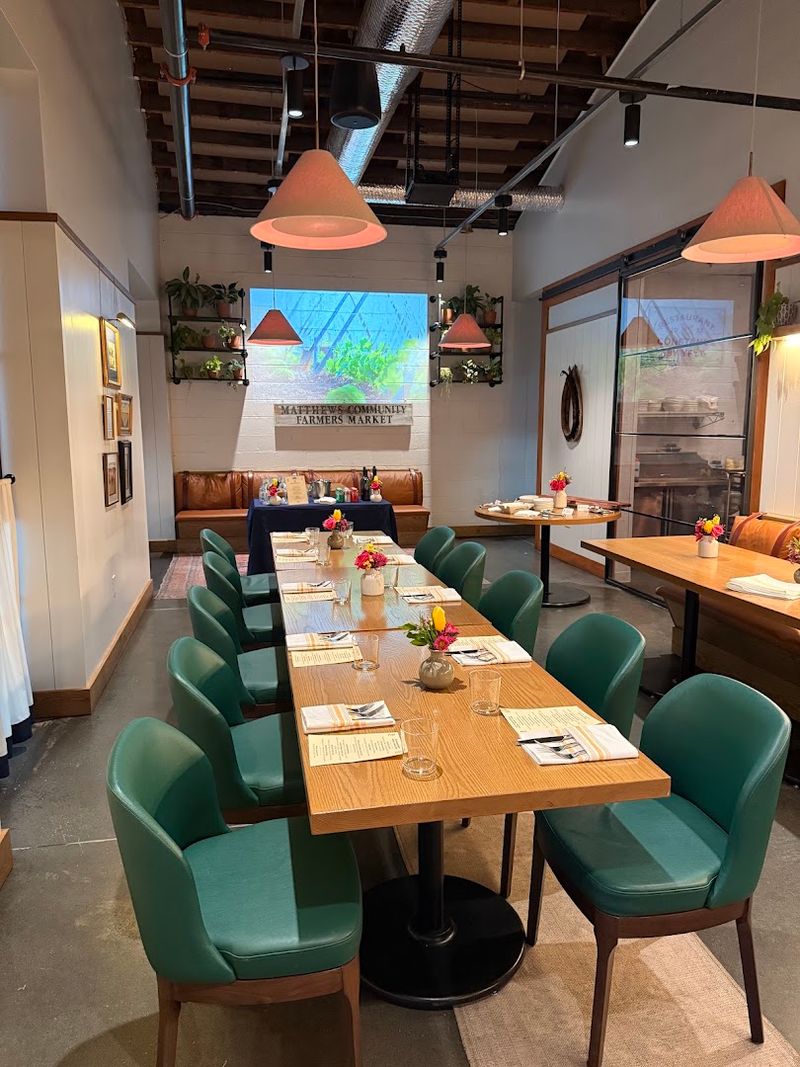
Fine dining can sometimes feel distant, like it belongs to special occasions only.
Restaurant Constance in Raleigh changes that mood by making polished food feel warm, thoughtful, and tied to North Carolina in a way guests can actually connect with.
The restaurant stands out for careful cooking and a sense of purpose.
Rather than chasing flash, it builds interest through balance, technique, and ingredients that speak clearly on the plate, which helps diners focus on flavor instead of spectacle.
That steady confidence is part of why Restaurant Constance matters.
North Carolina’s food scene has grown quickly, and places like this show that the state can offer high-level dining without copying larger food cities or losing the local character people want to experience.
There is a lesson here for diners who feel unsure about upscale restaurants.
You do not need expert knowledge to enjoy a meal like this, and asking the staff for guidance about courses, pairings, or house favorites can turn the evening into a relaxed learning experience instead of something intimidating.
Another reason the restaurant feels important is the way it supports a more mature dining culture in Raleigh.
A city’s food reputation grows stronger when it has room for different styles, and Restaurant Constance helps fill the space between casual neighborhood spots and destination dining.
If you are planning a visit, think about making time for a slower meal.
This is a good place to notice pacing, service, and how each course builds on the one before it, because the full experience says as much as any single dish.
For North Carolina, restaurants like this raise the ceiling.
They prove that ambition can live beside hospitality and that elegant food does not have to feel cold or complicated.
Restaurant Constance is redefining the state’s food scene by showing how refinement can still feel grounded.
It invites guests to expect more from a night out while keeping the best part of Southern dining intact, which is the sense that you are being genuinely cared for from the first bite to the last.
4. Counter
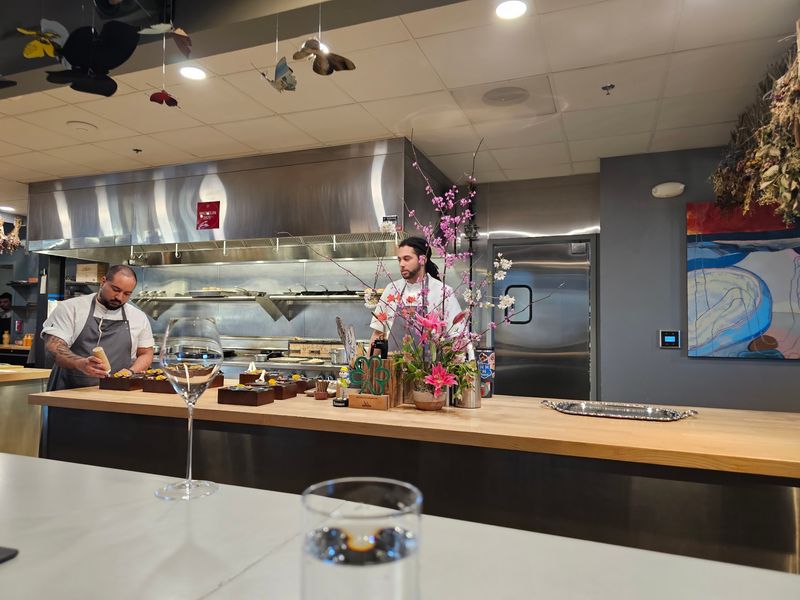
Watching a chef build dinner a few feet away can make eating feel like live theater.
Counter in Charlotte uses that closeness to turn a meal into an event, giving North Carolina one of its clearest examples of how creative dining can feel personal, not distant.
The format helps set it apart.
With a chef-centered experience and a menu built for progression, Counter asks guests to give the kitchen their attention, and in return it offers precision, surprise, and a better understanding of how much thought goes into each plate.
That matters in a state where dining has often been judged by comfort, abundance, and tradition alone.
Counter widens the picture by showing that North Carolina can also be a place for experimental technique, elegant pacing, and meals designed as full narratives rather than a quick order from a menu.
Yet the restaurant’s appeal is not just for serious food fans.
Anyone who enjoys learning can appreciate the experience, especially when staff explain ingredients, methods, and the idea behind each course in plain language that makes the meal easier to follow.
If you are curious about tasting menus but feel nervous, this kind of setting can actually help.
You do not have to make many decisions, and that lets you focus on noticing textures, temperatures, and combinations you may not usually stop to think about during dinner.
Counter also says something bigger about Charlotte.
The city has long been growing in business and culture, and restaurants like this show that its food life is becoming more confident too, ready to support places that take risks and trust guests to come along.
It is smart to arrive open-minded and unhurried.
A meal here works best when you treat it like an experience instead of a checklist, because the pleasure comes from the unfolding sequence as much as from any standout bite.
By giving careful technique a human face and placing diners close to the action, Counter helps redefine North Carolina’s food scene.
It proves that innovation works best when people can feel connected to it, course by course, seat by seat, and conversation by conversation.
5. Peregrine
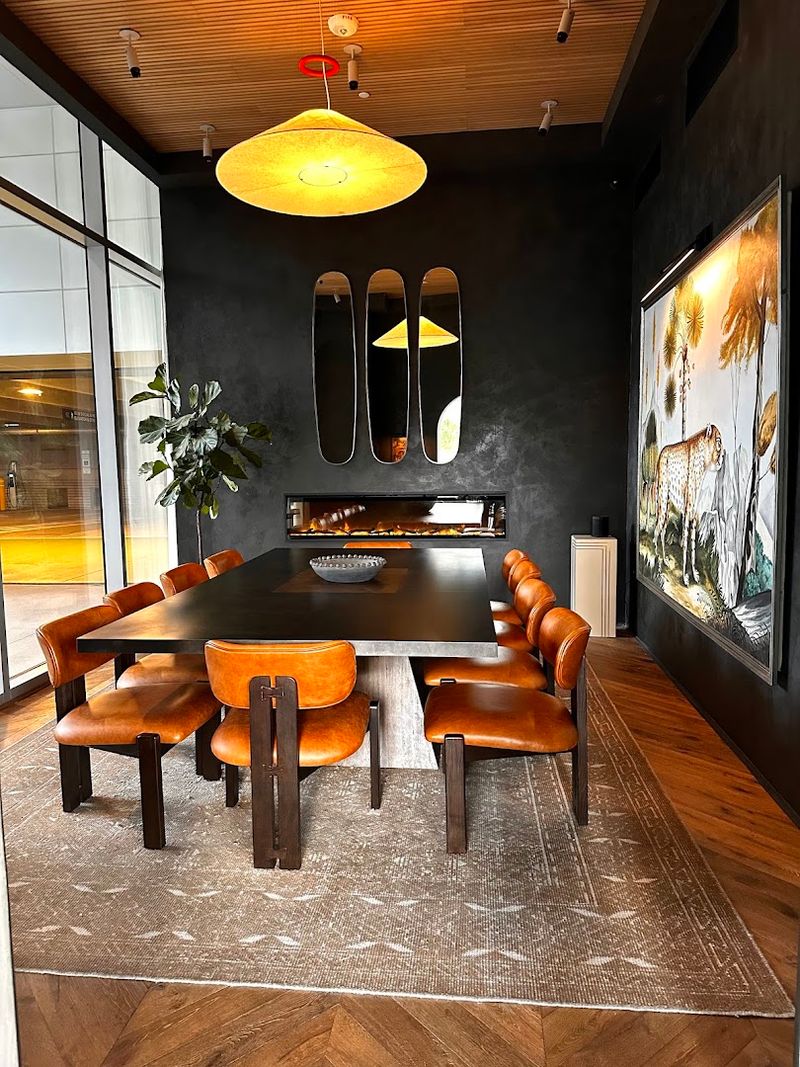
City views can pull people in, but a restaurant only lasts if the food gives them a reason to return.
Peregrine in Raleigh does both, pairing a polished atmosphere with a menu that adds global flavor and fresh energy to North Carolina dining.
Perched above the street, the restaurant has the kind of setting that feels celebratory without demanding a major occasion.
That makes it a useful example of how the state’s food scene is changing, because people now want spaces where design, mood, and cooking work together instead of living as separate parts.
Peregrine helps meet that expectation with a style that often leans toward shareable plates and layered flavors.
Meals built this way encourage conversation and curiosity, letting diners taste more than one idea in a single visit while keeping the experience social and relaxed.
That style fits Raleigh well.
As the city grows, diners are looking for places that can serve as dinner spot, gathering place, and introduction to broader tastes all at once, and Peregrine helps answer that need with confidence.
For first-time visitors, a smart plan is to order for the table rather than for yourself alone.
Sharing lets you compare dishes, notice contrasts in texture and seasoning, and enjoy the kind of back-and-forth that makes restaurants memorable long after the plates are cleared.
The restaurant also matters because it reflects a statewide shift toward food that is less boxed in by category.
North Carolina is no longer only presenting one image of itself on the plate, and Peregrine shows how modern influences can fit naturally into the local dining landscape.
Another strength is accessibility of mood.
Even if the room looks sleek, the idea of the meal remains welcoming, which is important for younger diners, visiting families, or anyone trying a more style-driven place without wanting the pressure of old-school formality.
Peregrine is redefining the state’s food scene by proving that atmosphere and substance can rise together.
In North Carolina, that balance matters more than ever, because the most exciting restaurants are not just serving dinner, they are shaping how people gather, celebrate, and see their cities.
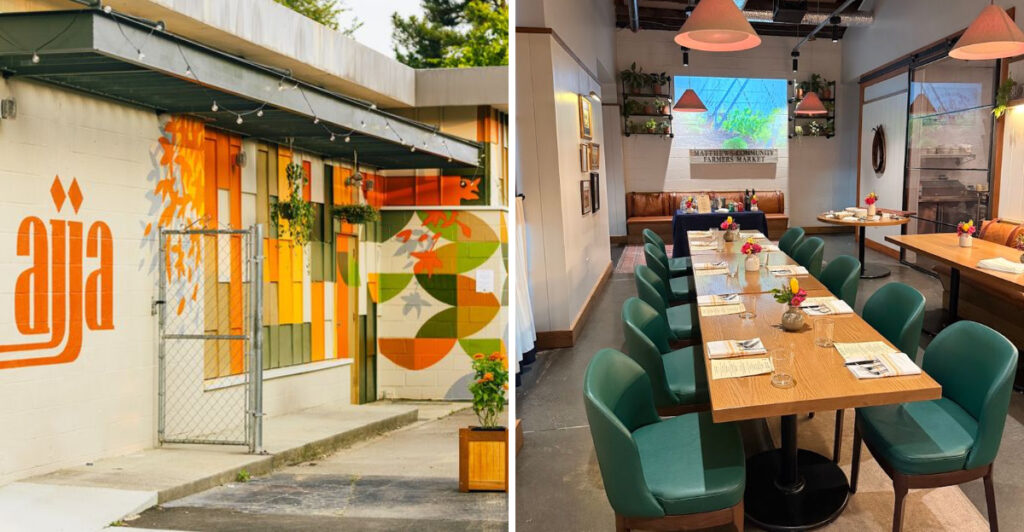
6. Ajja
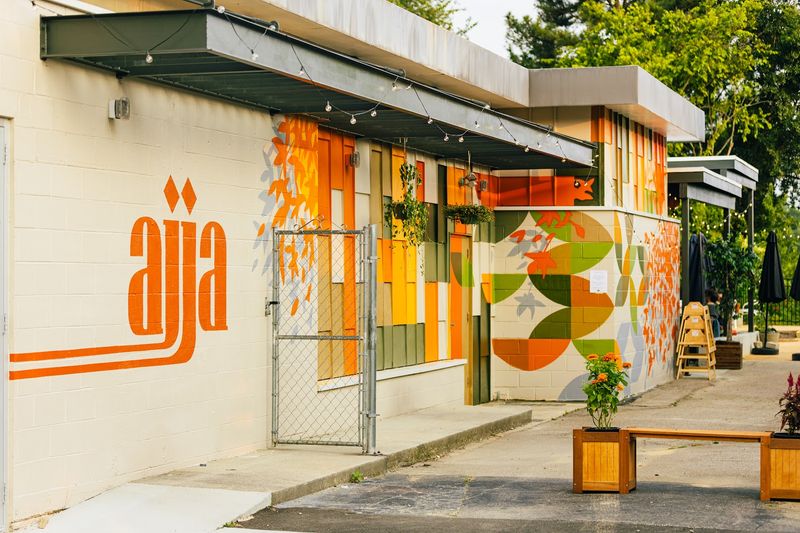
Some places seem to glow before the first plate even lands on the table.
Ajja in Raleigh has that kind of pull, mixing lively design, bold flavor, and a social spirit that captures how North Carolina dining is becoming more colorful and outward-looking.
The restaurant’s menu brings together influences that can include Mediterranean and Middle Eastern notes, creating dishes with spice, freshness, herbs, char, and brightness.
For diners, that means a meal with contrast, where creamy elements meet crunch, roasted richness meets citrus, and shared plates keep the table active.
Ajja matters because it shows how far the state’s restaurant scene has moved beyond narrow labels.
North Carolina still values its local ingredients and Southern habits of hospitality, but restaurants like this prove those strengths can sit easily beside flavors shaped by other regions and traditions.
There is also a practical reason people connect with places like Ajja.
Shared dishes lower the pressure of ordering, make group meals easier, and invite guests to try things they might skip if they had to commit to one large plate on their own.
If you go, consider mixing familiar items with something less expected.
That strategy gives cautious eaters a comfort point while still making room for discovery, and it often leads to the best kind of meal, one where the table keeps reaching across for another taste.
Raleigh benefits from restaurants that create this kind of energy.
They make neighborhoods feel more alive, draw a wide mix of guests, and help the city present itself as a place where creativity happens not only in offices and campuses, but also around dinner tables.
The atmosphere adds to the appeal, especially for people who want quality without stiffness.
A cheerful room can make adventurous food feel easier to approach, which is one reason Ajja has become part of the conversation about where North Carolina cuisine is headed.
By combining strong visual identity with broad, exciting flavor, Ajja helps redefine the state’s food scene in a way that feels joyful.
It encourages diners to be curious, share generously, and see North Carolina as a place where global inspiration and local appetite meet naturally.
7. Fonda Lupita
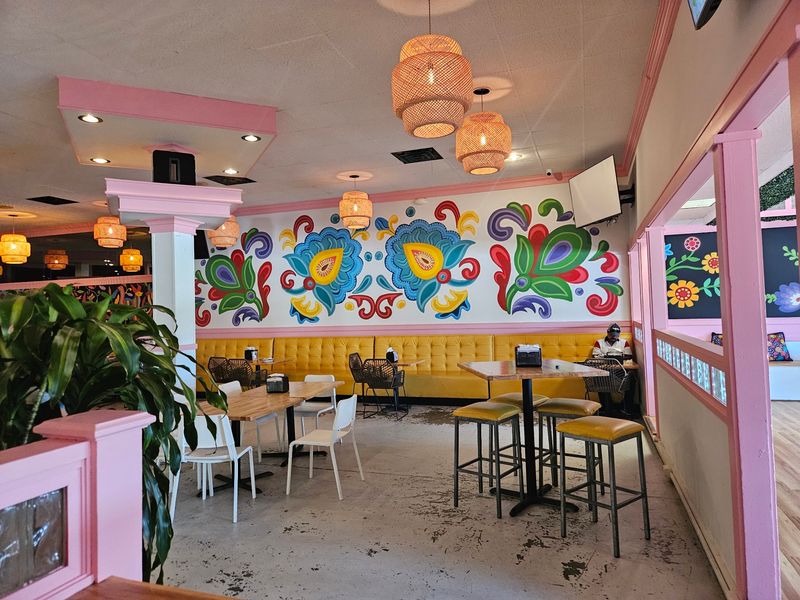
The smell of fresh tortillas can stop a person in their tracks.
Fonda Lupita has built its reputation on that kind of honest appeal, offering North Carolina diners a Mexican food experience that feels deeply traditional, personal, and far more important than a quick meal on the go.
What makes the restaurant stand out is its clear commitment to craft and heritage.
Food here is not treated like a generic category, and that matters in a state where diners are increasingly learning to tell the difference between convenient imitation and cooking shaped by real regional knowledge.
Fonda Lupita helps redefine North Carolina’s food scene because it raises respect for authenticity without turning the experience into a lecture.
Guests can simply enjoy the meal, but they also leave with a stronger sense that the state’s best restaurants now include voices and traditions once overlooked by the mainstream.
That shift reflects the people of North Carolina itself.
Communities across the state have grown more diverse over the years, and the restaurant scene becomes stronger when it mirrors that reality with care, skill, and pride.
If you visit, it helps to order with curiosity.
Ask about house specialties, handmade items, or dishes tied to family or regional tradition, because those details often lead you toward the foods that best explain why the restaurant has earned such loyal praise.
The setting may feel more grounded than flashy, and that is part of its strength.
Great food does not need a polished performance to matter, and Fonda Lupita shows that substance, memory, and technique can shape a state’s culinary identity just as powerfully as any trend-driven hot spot.
For travelers, the restaurant offers something especially valuable: a reminder to leave room for smaller places when exploring North Carolina.
Big cities get attention, but some of the clearest signs of change appear in restaurants that quietly build excellence through consistency and roots.
Fonda Lupita is redefining the state’s food scene by honoring tradition with confidence and inviting more people to appreciate it.
In doing so, it makes North Carolina dining feel broader, truer, and much more connected to the real communities that give the state its flavor.
8. Seraphine

A restaurant can feel polished and playful at the same time, and that mix is part of what makes Seraphine so interesting.
In Durham, it adds style, personality, and layered flavor to a food scene that already thrives on curiosity and smart ideas.
Seraphine stands out by blending a strong sense of atmosphere with cooking that reaches beyond the expected.
Diners often want more than a plate of food now, and this kind of restaurant answers that desire by creating an evening where design, service, and menu all push in the same direction.
That direction matters for North Carolina because Durham has become one of the state’s most watched dining cities.
Places like Seraphine help keep that momentum going, showing that growth does not have to mean sameness and that upscale energy can still leave room for character.
There is also value in how the restaurant broadens everyday taste.
A menu shaped by multiple influences encourages people to notice ingredients, sauces, and combinations they may not cook at home, which is one of the best ways a local food scene educates without trying too hard.
If you are planning your order, think in terms of contrast.
Choosing dishes with different textures or temperatures can make the meal more memorable, especially in a place where the kitchen seems interested in rhythm and variety rather than just one big signature item.
Seraphine also fits a wider trend across North Carolina, where diners are rewarding restaurants that feel current but not cold.
People want beauty, yes, but they also want warmth, ease, and food that gives them a reason to come back with friends who have different tastes.
Durham is especially strong at supporting that balance.
The city welcomes restaurants that are ambitious while still tied to neighborhood life, and Seraphine benefits from being part of that culture.
By pairing mood with meaningful cooking, Seraphine helps redefine the state’s food scene in a way that feels fresh rather than forced.
It reminds diners that North Carolina’s culinary future will not be built by one style alone, but by many voices, many rooms, and many memorable nights out.
9. Seabird
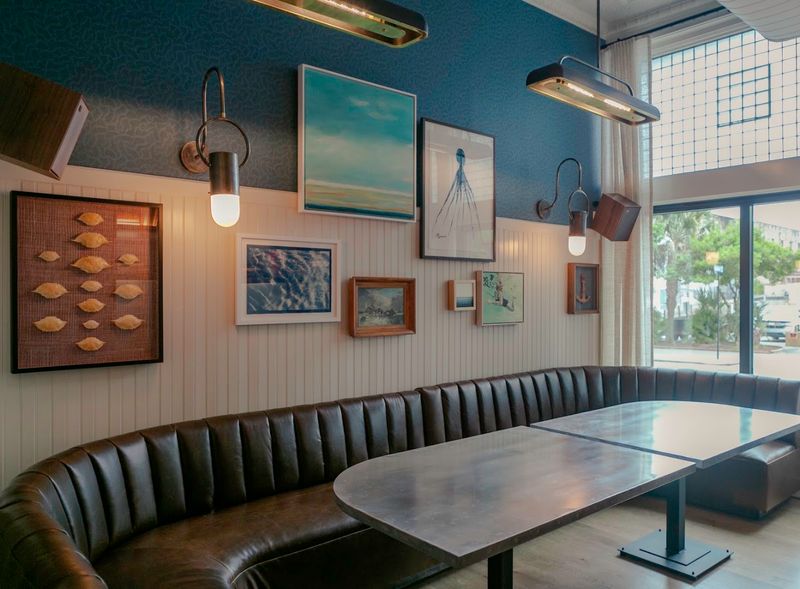
Fresh seafood should taste like the place it came from, and Seabird makes that idea feel vivid.
In Wilmington, the restaurant celebrates the North Carolina coast with a level of care that turns local catch into one of the strongest arguments for the state’s evolving food identity.
Its importance starts with geography.
North Carolina has miles of shoreline and a long fishing history, yet not every seafood restaurant uses that gift in a way that feels focused, thoughtful, and modern, which is exactly where Seabird has made its mark.
The restaurant helps diners see coastal ingredients as something more than a beach vacation habit.
By treating oysters, fish, and shellfish with attention and restraint, it shows how local seafood can be elegant, seasonal, and deeply tied to place without losing the relaxed pleasure people want from a meal near the water.
That connection to place is one reason Seabird matters so much.
When a restaurant reflects its region clearly, it strengthens the whole state’s food story, giving visitors a taste of North Carolina that cannot be copied somewhere else quite the same way.
If you visit, ask what is local and what is at its best that day.
Seafood shines when it is fresh and simply handled, and staff guidance can help you understand how the kitchen highlights the catch instead of covering it up.
The setting in Wilmington also works in its favor.
A coastal city already carries a sense of ease, and Seabird builds on that feeling while adding enough refinement to make the meal stand out from more casual seafood stops nearby.
For residents, the restaurant offers a good reminder to think seasonally and regionally.
Supporting places that buy thoughtfully can strengthen local food systems and help keep North Carolina’s coastal traditions visible in a fast-changing dining world.
Seabird is redefining the state’s food scene by proving that seafood can be both rooted and forward-looking.
It honors the coast, respects ingredients, and gives North Carolina a restaurant that feels true to its landscape while still pushing standards higher for what a local meal can be.
10. Olivero
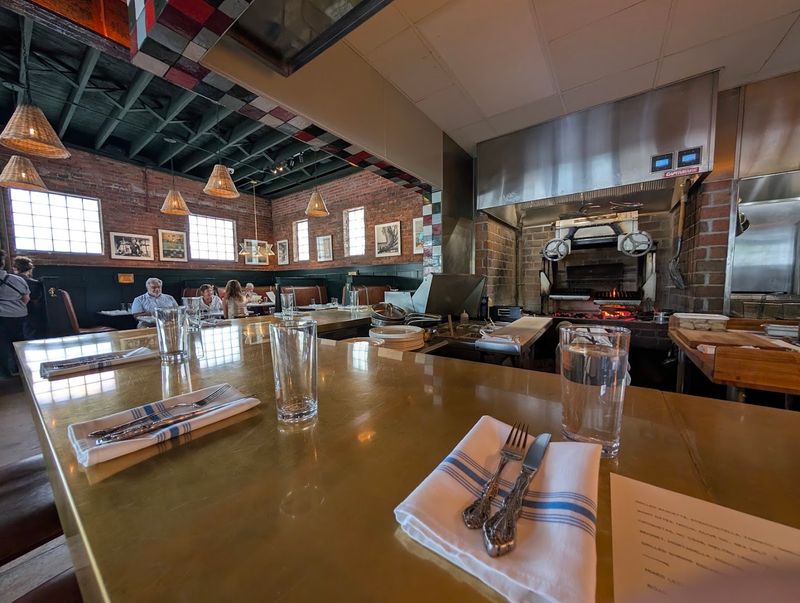
There is something cheerful about a restaurant that sounds like a party and cooks like it means business.
Olivero in Wilmington brings that balance to North Carolina, offering Italian-inspired food with enough personality and confidence to stand out in a state full of rising talent.
Part of the appeal is how approachable the menu can feel.
Pasta, pizza, and other familiar favorites give diners an easy way in, but the restaurant earns attention by pushing past the ordinary with better ingredients, stronger technique, and a more creative sense of flavor.
That combination matters because it reflects a major truth about today’s food scene.
People want restaurants that are exciting without being hard to understand, and Olivero shows how a broadly loved style of food can still feel fresh when a kitchen takes real care with every detail.
Wilmington is a strong home for that idea.
The city has coastal charm and growing energy, and restaurants like Olivero help prove that it is not only a place for seafood but also a place where broader culinary ambition can flourish.
If you stop by, think about mixing categories when you order.
A table that includes something comforting, something crisp, and something unexpected often gives the best picture of what the kitchen can do, especially in a place built around both crowd-pleasers and creative touches.
Olivero also reflects how North Carolina diners are changing.
Many people now look for quality in foods they already know well, and that means restaurants cannot rely on familiarity alone.
They need execution, charm, and a clear point of view.
The atmosphere helps seal the deal.
A lively room can make a meal feel memorable before dessert arrives, and when the service and cooking keep pace with that energy, guests leave feeling like they discovered a place with real staying power.
By elevating familiar favorites instead of abandoning them, Olivero helps redefine the state’s food scene in a practical and inviting way.
It tells a hopeful story about North Carolina dining, one where comfort and creativity sit at the same table and make each other better.
Share this story