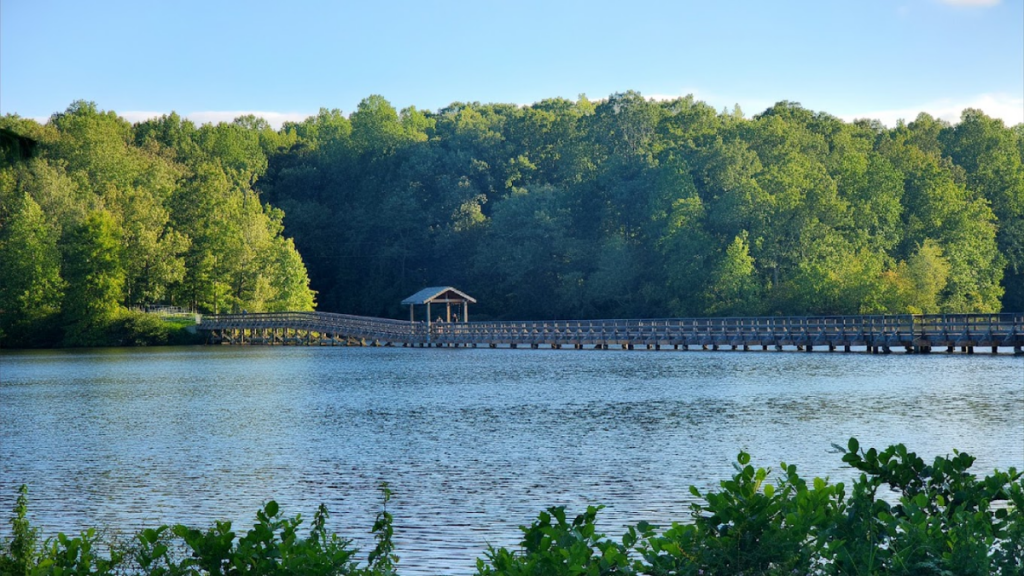
Finding a peaceful trail in Tennessee on a Saturday morning can feel impossible when every parking lot is overflowing. But the state has plenty of lesser-known paths where you can actually hear birds instead of constant chatter from other hikers.
These ten trails offer solitude, stunning scenery, and the kind of quiet that makes you remember why you love hiking in the first place.
1. Honey Creek Loop, Oneida
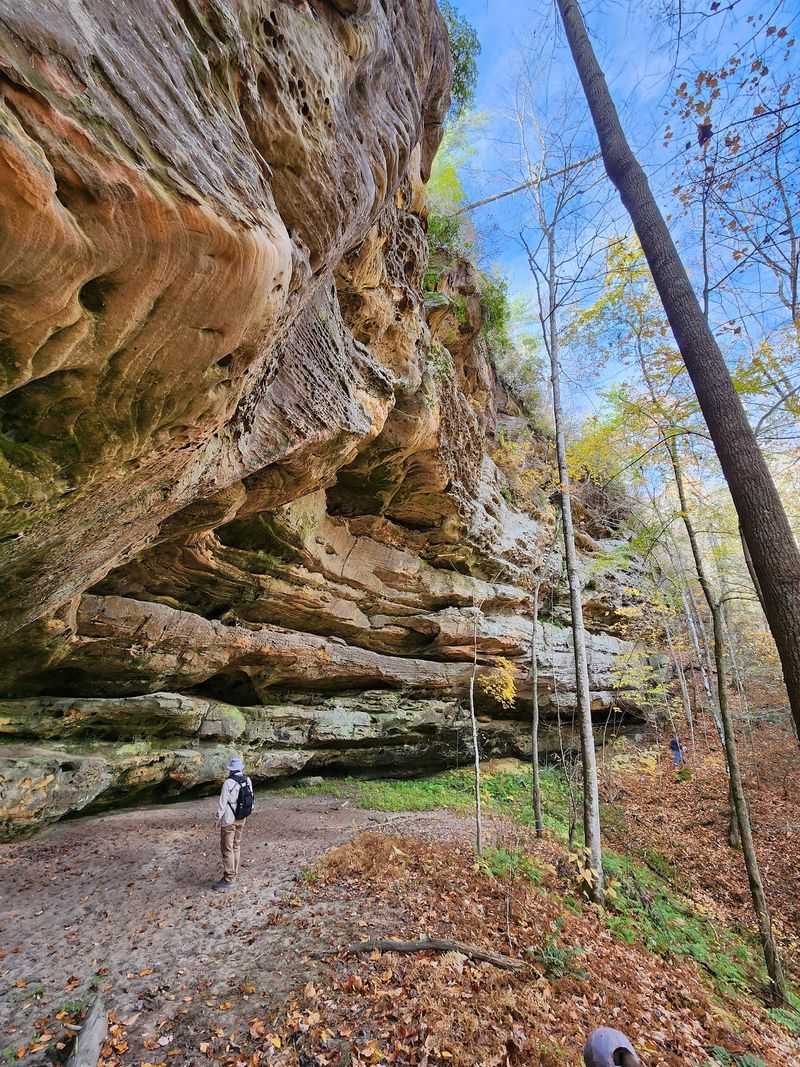
Honey Creek Loop doesn’t mess around. This five-mile circuit through the Big South Fork area throws creek crossings, rocky scrambles, and steep climbs at you from the start.
Most weekend warriors take one look at the terrain and decide they’d rather stick to paved greenways.
Rock houses carved into the sandstone cliffs line sections of the route, offering natural shelters that have protected travelers for centuries. Water tumbles down multiple cascades, and the sound of rushing creeks drowns out everything except your own breathing.
The difficulty level acts as a natural filter here. Families with young kids usually turn back after the first water crossing, and casual hikers often underestimate how much the elevation changes will test their stamina.
You’ll need decent footwear since the trail gets slick near the water.
Spring brings the highest water levels, making some crossings genuinely challenging. Fall offers the most comfortable temperatures and the bonus of colorful foliage against those gray rock walls. Summer can be brutally humid in the gorge, though the shade and water features provide some relief.
Pack more water than you think you’ll need because those climbs will drain you faster than expected. The trail is well-marked but remote enough that you won’t have cell service if something goes wrong.
Bring a printed map or download one before you leave town.
If you time it right on a busy Saturday, you might see two or three other groups total. Compare that to the crowds at popular Smokies trails, and you’ll understand why regulars guard this loop like a secret.
The parking area at the trailhead stays surprisingly empty even during peak hiking season.
2. Laurel-Snow Trail to Buzzard Point, Dayton
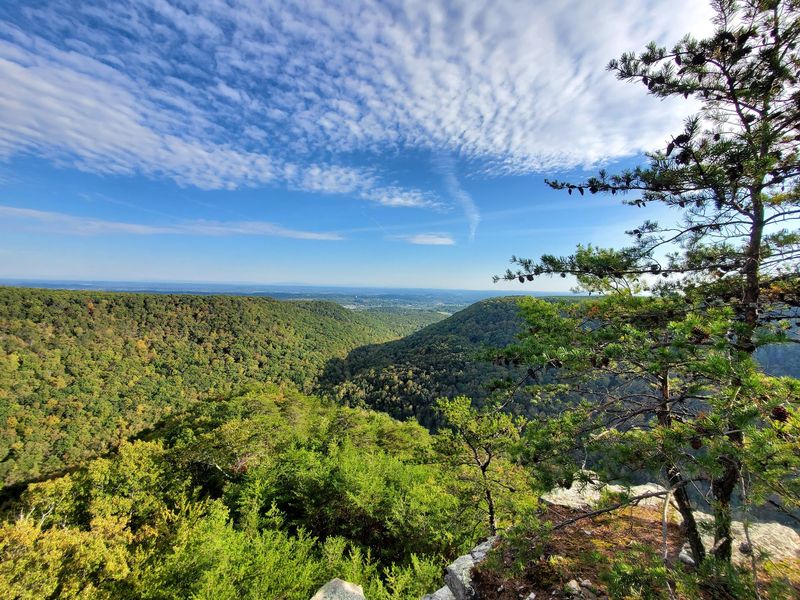
Most people who visit this 2,259-acre natural area never make it past the first waterfall. They snap their photos at Laurel Falls, post them online, and head back to their cars. That’s exactly why the longer routes toward Buzzard Point stay so wonderfully empty.
The terrain shifts dramatically as you push deeper into the gorge system. What starts as a moderate woodland walk transforms into a more demanding trek through creek valleys and up to ridge-top overlooks.
Multiple waterfalls reward those who keep going, each one progressively less crowded than the last.
Buzzard Point itself sits at the end of a spur trail that most casual visitors never even notice. The overlook provides sweeping views across the Tennessee Valley, and on clear days you can see mountain ridges stretching into the distance.
Getting there requires commitment, which is precisely why you’ll often have the viewpoint to yourself.
The trail system here connects multiple routes, so you can customize your distance based on energy levels and available time. Shorter loops bring you back quickly, while longer combinations can easily fill a full day.
Creek crossings appear frequently, so waterproof boots make sense during wetter months.
Winter hiking here offers a completely different experience when ice formations decorate the rock faces and waterfalls freeze into sculptural columns. The lack of leaves opens up views that summer foliage blocks entirely. Just watch for slippery conditions on the steeper sections.
Parking fills up on perfect spring weekends, but those crowds rarely venture beyond the first mile. Push past the initial waterfall and you’ll find the solitude you came for.
The further you go, the quieter it gets, until the only sounds are your footsteps and the constant whisper of moving water.
3. Emory Gap Trail, Wartburg
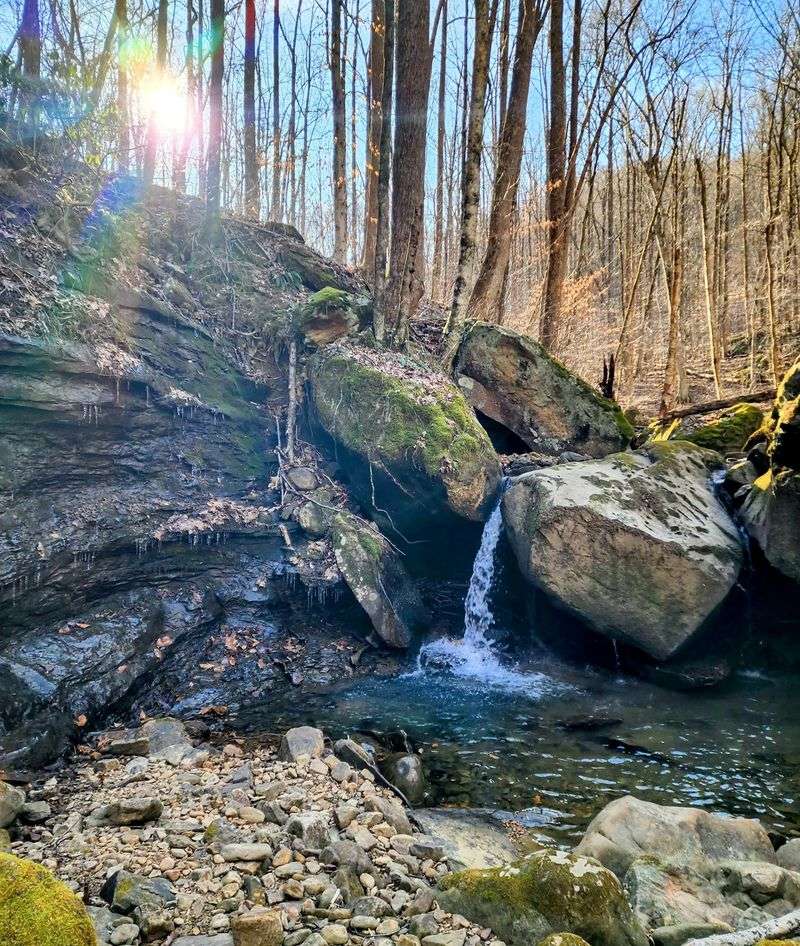
Frozen Head State Park gets a fraction of the attention that nearby Smoky Mountains trails receive, which works perfectly for anyone seeking actual peace. Emory Gap Trail winds through dense hardwood forest toward waterfalls that rival the famous ones, minus the selfie-stick crowds.
The forest canopy here creates a cathedral-like atmosphere, with light filtering through leaves and dappling the trail in shifting patterns. Rhododendron thickets crowd the path in places, forming green tunnels that feel primeval and untouched.
Birds call from the branches overhead, and you’ll actually hear them because you’re not competing with constant human chatter.
East Tennessee has no shortage of waterfall trails, but most of them have become Instagram hotspots with parking nightmares and trampled vegetation. Emory Gap offers the same payoff without the frustration of fighting for a spot to see the cascades.
The falls here tumble over moss-covered rocks in a setting that feels genuinely wild.
Trail conditions vary seasonally, with spring bringing the highest water flow and the most dramatic waterfall displays. Summer heat gets oppressive in the lower elevations, though the tree cover provides decent shade.
Fall transforms the forest into a riot of color that makes every turn photo-worthy.
The moderate difficulty level keeps away the flip-flop crowd but doesn’t require technical skills or extreme fitness. Steady climbs test your cardiovascular system without becoming punishing. Roots and rocks demand attention, so keep your eyes on the trail rather than your phone.
Park rangers here seem genuinely surprised when more than a handful of cars fill the lot. Even on holiday weekends, you can hike for an hour without encountering another soul.
4. Devil’s Backbone Trail, Hohenwald
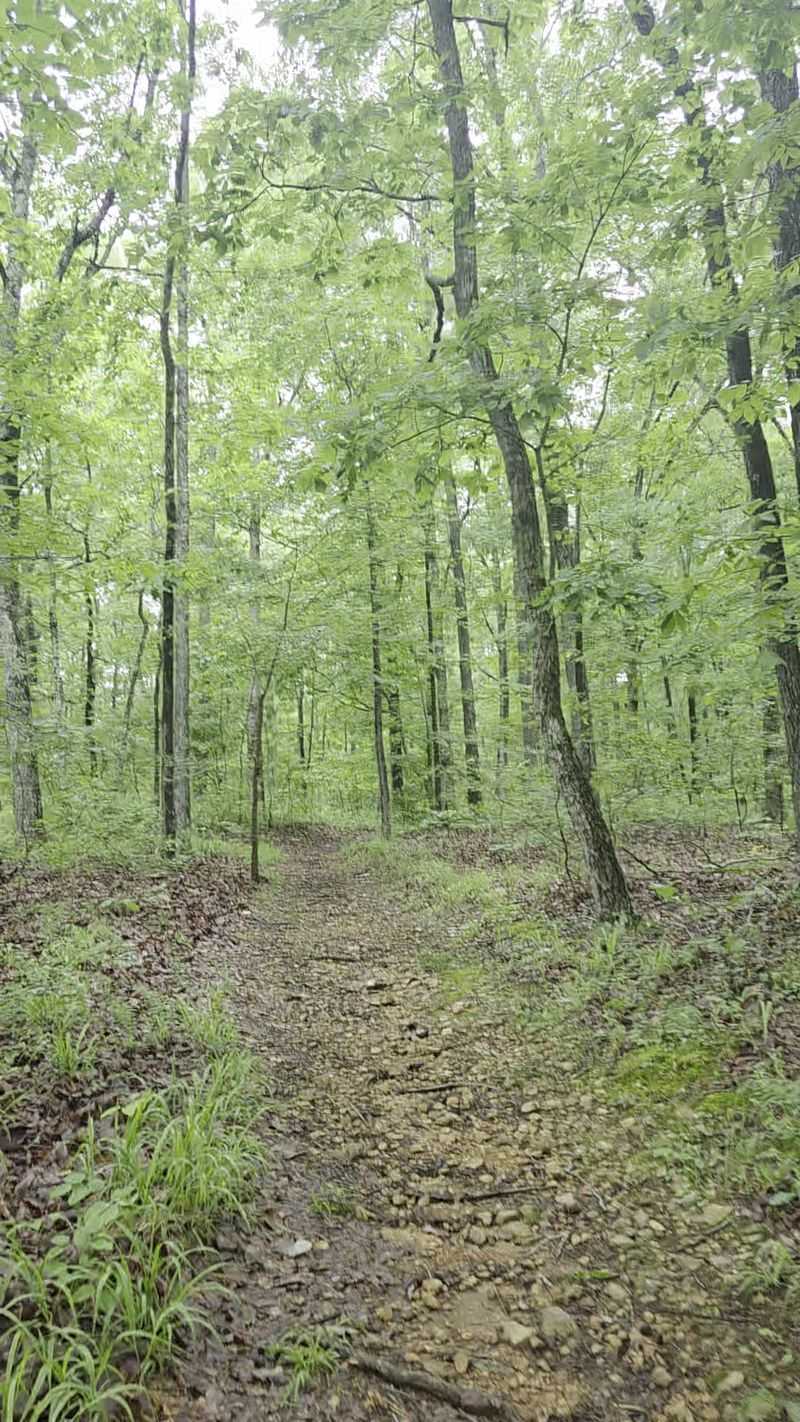
Tennessee’s own trail description literally promises a “quiet hike,” and Devil’s Backbone delivers on that promise better than almost any other path in the state. The trail follows Highland Rim ridges before dropping into a wooded hollow, creating varied terrain that never gets boring.
Ridge walking offers something different from the gorge hikes that dominate Tennessee’s trail system. You’re up high with views stretching across rolling hills rather than down in a creek valley looking up at cliffs.
Wind moves through the trees with a sound that’s both calming and slightly eerie.
The wooded hollow section provides contrast and relief from sun exposure on the ridgetop portions. Temperatures drop noticeably as you descend into the protected areas where moisture lingers and vegetation grows thicker.
It’s like walking through two different ecosystems on a single hike.
Hohenwald isn’t exactly a tourist destination, which means the people who hike here are mostly locals and serious trail seekers who’ve done their research. You won’t find tour buses or out-of-state license plates filling the parking area.
Trail maintenance stays consistent without being overly manicured. The path feels natural rather than engineered, with just enough clearing to keep you on route without destroying the wild character.
Blazes mark the way clearly enough that navigation stays straightforward even for first-time visitors.
Wildflowers carpet the forest floor in spring, and the variety of plant life suggests healthy, undisturbed habitat. Deer tracks cross the trail frequently, and you’ll likely spot wildlife if you move quietly and pay attention.
The lack of human traffic means animals haven’t learned to avoid the area.
If you’re in Middle Tennessee and tired of fighting crowds at more famous parks, Devil’s Backbone offers exactly the kind of peaceful experience that hiking is supposed to provide. Bring your solitude expectations, and this trail will exceed them.
5. Dry Creek Falls Trail, Sparta
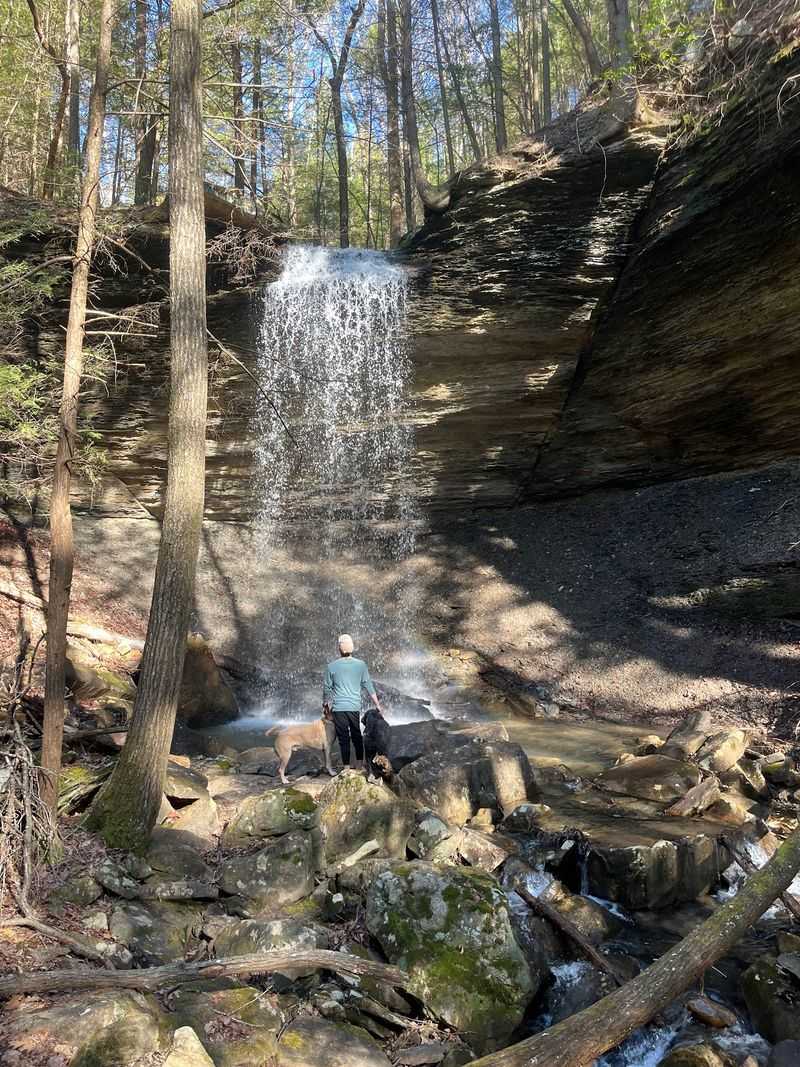
Roughly five miles of genuinely challenging terrain separate you from the double waterfall at the end of Dry Creek Falls Trail. That distance and difficulty eliminate probably 90 percent of Tennessee’s casual hikers right off the bat. What’s left is a wilderness experience that feels earned rather than handed to you.
Scott’s Gulf Wilderness doesn’t coddle visitors with boardwalks or handrails. The trail demands real effort, with steep descents that’ll test your knees and ascents that’ll have you questioning your fitness level.
Loose rocks, exposed roots, and uneven footing require constant attention.
Multiple cascades appear along the route before you reach the main attraction, each one a preview of what’s coming. Water music accompanies most of the hike, growing louder as you approach the finale.
The double waterfall itself drops in two distinct tiers, creating a spectacle that justifies every difficult step.
Unlike Tennessee’s roadside waterfall stops where people pull up, take a photo, and leave, getting to Dry Creek Falls requires commitment. You can’t bail out easily once you’re deep into the gorge.
That commitment level filters out anyone who isn’t serious about hiking.
Spring runoff creates the most impressive water volume, though the trail can become treacherous when wet. Summer offers more stable footing but also brings heat and humidity that make the climbs brutal. Fall provides the best balance of comfortable temperatures and decent water flow.
Pack adequate supplies because this isn’t a quick out-and-back stroll. You’ll need real hiking boots, not sneakers.
Trekking poles help significantly on the steep sections, especially on the return climb out of the gulf. Plan for at least four hours round-trip, more if you want to actually enjoy the destination.
The parking area holds maybe a dozen vehicles, and it rarely fills completely. On a typical Saturday you might encounter one or two other groups.
Compare that to popular Smokies waterfalls where hundreds of people crowd the trails, and you’ll appreciate why this one stays so wonderfully quiet.
6. Standing Stone State Park Trails, Hilham
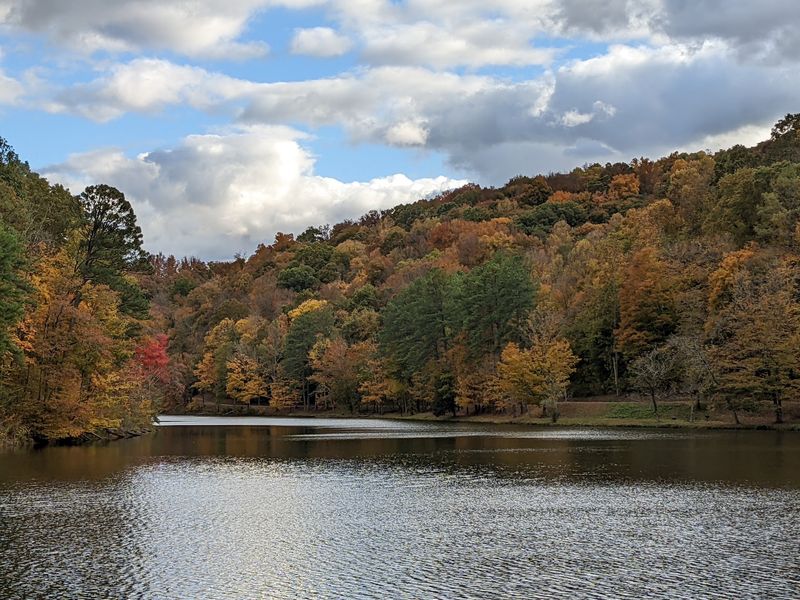
Standing Stone State Park sits in Tennessee’s Cumberland Plateau region, far enough from major cities that it never makes the weekend warrior hit list. The park’s trail system offers multiple routes through forests, along ridges, and around a quiet lake that reflects the surrounding hills.
Acreage matters when it comes to feeling uncrowded, and Standing Stone has enough space to absorb whatever visitor numbers show up. Even when the campground fills during summer weekends, the trails stay surprisingly empty.
Most campers apparently prefer sitting by their RVs to actually exploring the landscape.
The variety here means you can choose your difficulty level and scenery preference. Some trails stay relatively flat and easy, perfect for a relaxed morning walk.
Others climb to overlooks that require more effort but reward you with views across the plateau. Lake loops offer different perspectives entirely, with water reflections and shoreline habitat.
Fall transforms the hardwood forests into a color show that rivals anything in the Smokies, minus the traffic jams and crowded viewpoints. Spring brings wildflowers and migrating birds, while summer offers dense green canopy and the chance to cool off with a swim after your hike.
Trail conditions stay well-maintained without feeling overly developed. You’re hiking through nature, not a theme park version of nature.
Signage helps with navigation, but the routes feel authentic and wild rather than sanitized for maximum tourist appeal.
Hilham isn’t exactly a bustling metropolis, which means the park draws primarily from regional visitors who know what they’ve found. Out-of-state tourists head to the famous parks, leaving Standing Stone to those who value quiet over bragging rights.
The relative obscurity protects the experience from the kind of overcrowding that’s ruining more popular Tennessee destinations.
7. Cub Creek Lake Trail, Wildersville
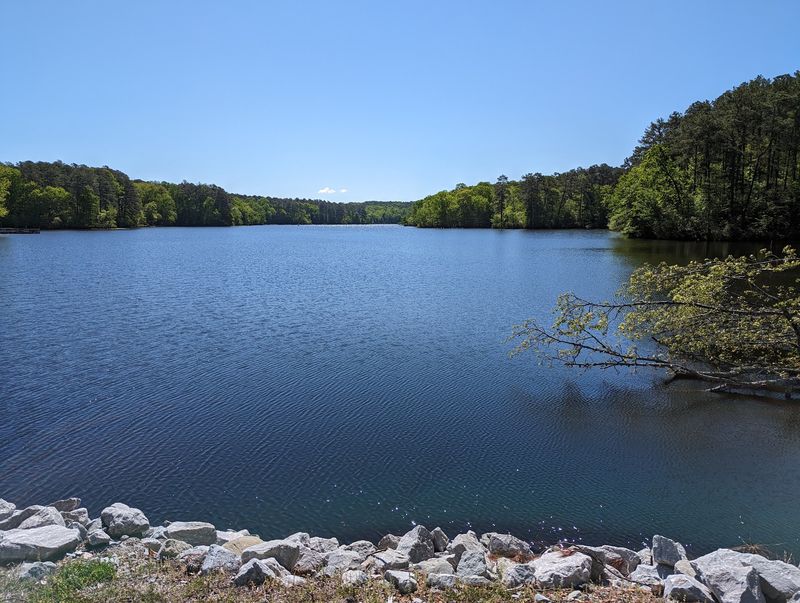
Natchez Trace State Park sprawls across enough acreage to swallow weekend crowds without breaking a sweat. While some visitors cluster around the main facilities, the trails radiating out from Cub Creek Lake offer surprisingly secluded hiking experiences.
You can walk for miles without seeing another person.
The lake itself provides constantly changing scenery as the trail follows the shoreline. Water reflections shift with the light, and the interface between forest and lake creates habitat diversity that attracts interesting wildlife.
Herons fish in the shallows, turtles sun themselves on logs, and occasionally you’ll spot a beaver or otter if you move quietly.
Woodland sections pull you away from the water and into dense forest where the temperature drops and the atmosphere shifts. Oak and hickory trees create a classic Tennessee hardwood environment, with an understory that changes dramatically through the seasons.
Spring ephemeral wildflowers carpet the forest floor before the canopy leafs out.
The relaxed hiking atmosphere here stands in stark contrast to the competitive, goal-oriented vibe at popular mountain trails. Nobody’s trying to set speed records or rack up elevation gain.
People come here to actually relax and enjoy being outside, which is supposedly the whole point of hiking anyway.
Trail difficulty stays moderate throughout, making these routes accessible without being boring. You’ll get some gentle climbs and descents but nothing that requires technical skills or extreme fitness.
The paths are wide enough for comfortable walking but narrow enough to feel like real trails rather than gravel roads.
West Tennessee doesn’t get the hiking love that the eastern mountains receive, which works perfectly for anyone seeking peace. While crowds pack the Smokies and Cherokee National Forest, Natchez Trace State Park stays blissfully quiet.
8. Fern Trail, Henderson
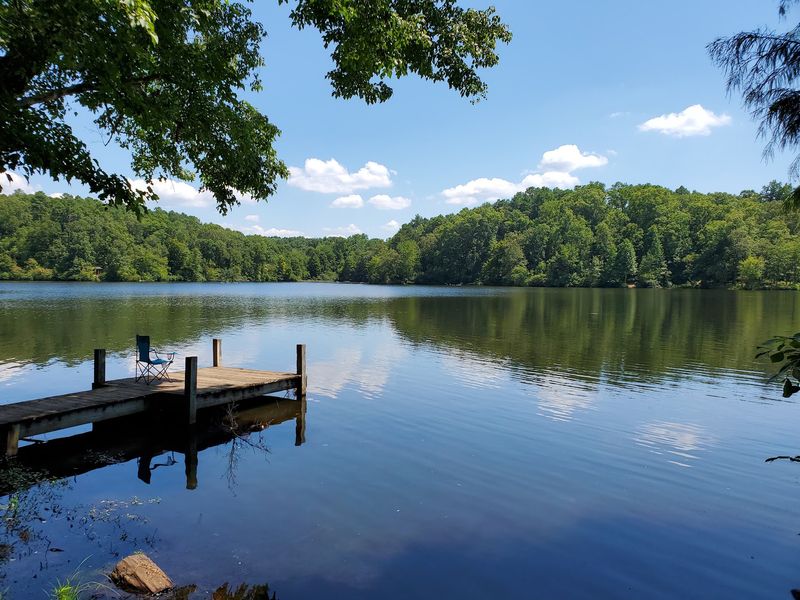
Chickasaw State Park represents West Tennessee’s hiking scene beautifully, offering shaded woods and lake scenery without the tourist circus that plagues the state’s mountain parks. Fern Trail winds through forest where the namesake plants carpet the ground in a green carpet that stays lush most of the year.
The shade here makes summer hiking actually tolerable, unlike exposed ridge trails where you’ll cook under the Tennessee sun. Mature trees form a canopy that blocks most direct sunlight, creating a cool microclimate even on hot days.
The temperature difference between the trail and the parking lot can be surprisingly dramatic.
Lake views appear at intervals, breaking up the forest scenery and offering spots to pause and watch the water. The combination of woodland and waterside habitat creates ecological diversity that makes the hiking more interesting than single-environment trails.
You’ll see different bird species, different plants, and different light conditions as you move between zones.
The far more relaxed atmosphere compared to Tennessee’s marquee parks becomes obvious immediately. Nobody’s rushing past you trying to beat their personal record.
Families walk at kid pace without feeling pressured to hurry. The whole vibe suggests that people actually came here to enjoy themselves rather than check a box on some hiking bucket list.
Trail maintenance stays consistent, with clear paths and adequate signage to prevent navigation confusion. The routes don’t require advanced map-reading skills or GPS units.
You can bring beginners or kids without worrying about getting lost or encountering dangerous terrain.
West Tennessee gets overlooked by hikers who assume all the good trails are in the mountains. That assumption keeps Chickasaw State Park wonderfully uncrowded even during peak season.
While the Smokies parking lots overflow and people wait in line to take photos at popular waterfalls, you can have Fern Trail essentially to yourself on a Saturday afternoon. The lack of dramatic elevation doesn’t make the hiking less worthwhile; it just makes it more accessible and far more peaceful.
9. Fort Pillow Historic Trail, Henning
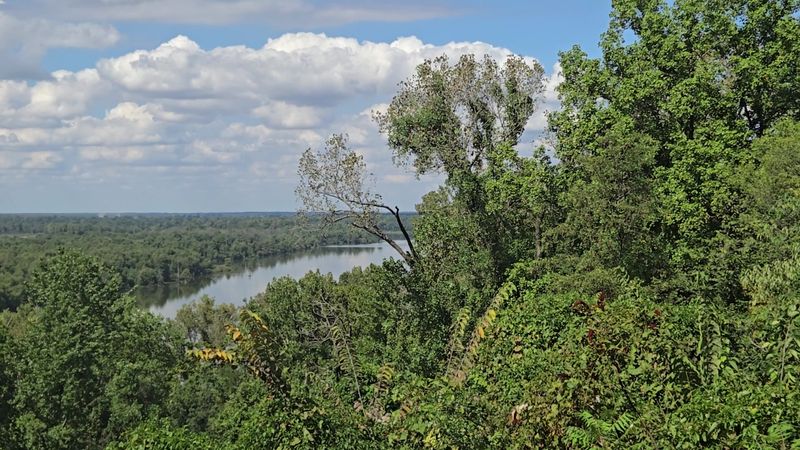
Fort Pillow sits on Tennessee’s far western edge, about 40 miles north of Memphis, where the Mississippi River bends and wooded bluffs rise above the water. The historic trails here wind through preserved Civil War earthworks and natural areas that feel completely removed from the hiking hotspots dominating the rest of the state.
History adds a layer of interest that pure nature trails can’t match. You’re walking through landscapes where significant events unfolded, with interpretive signs explaining what happened on these grounds.
The earthworks themselves remain visible, grass-covered mounds that once served military purposes during one of the war’s most controversial battles.
Wooded sections provide shade and typical Tennessee forest scenery, but the bluff-top views over the Mississippi make this location unique. Watching the river flow past from an elevated vantage point gives you a sense of the strategic importance this site once held.
The remote location means tourist traffic stays minimal. Most Tennessee visitors head east toward the mountains or south toward Memphis and Nashville.
Fort Pillow doesn’t appear on many hiking lists, which is exactly why it belongs on this one. You can explore the trails on a busy weekend and encounter maybe a handful of other visitors, most of them history buffs rather than hardcore hikers.
Trail difficulty stays easy to moderate, with some elevation change from the bluffs but nothing strenuous. The routes are accessible for various fitness levels, making this a good choice for mixed-ability groups.
You’re here for the scenery and history more than physical challenge.
Spring and fall offer the most comfortable temperatures, though winter hiking provides clearer views when leaves drop. Summer gets hot and humid this close to the river, but early morning visits beat the heat.
The park never feels crowded regardless of season, a rare quality in Tennessee’s public lands.
10. Big Cypress Tree State Park Trail, Greenfield
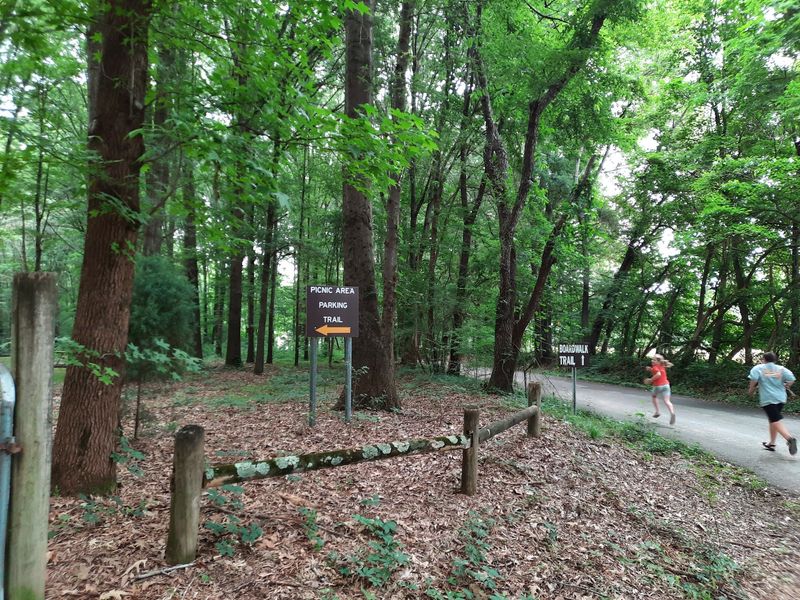
Big Cypress Tree State Park in Weakley County represents one of West Tennessee’s best-kept hiking secrets. This small natural area receives nowhere near the attention that Tennessee’s famous mountain parks get, which is precisely what makes it perfect for anyone seeking actual solitude on the trail.
The woodland setting offers easy hiking through a landscape that feels genuinely natural rather than manufactured for tourists. Cypress trees, which give the park its name, create a distinctive atmosphere different from the hardwood forests dominating much of the state.
The terrain stays relatively flat, making this accessible for hikers who want peace without punishment.
West Tennessee state natural areas get overlooked by the hiking community, and that oversight protects places like this from overcrowding. While thousands of people pack into Smoky Mountains trails every weekend, Big Cypress Tree State Park might see a few dozen visitors total.
The contrast is almost comical when you consider that both offer quality outdoor experiences.
Trail length stays manageable for casual outings without feeling too short to be worthwhile. You can complete the loop at a relaxed pace and still have time for other activities, or you can slow down and really observe the details of the forest ecosystem.
Bird watching opportunities abound, especially during migration seasons when the trees fill with warblers and other species.
The lack of dramatic features like waterfalls or mountain vistas actually works in this park’s favor. People chasing Instagram moments head elsewhere, leaving the trails to those who appreciate subtler natural beauty.
Greenfield isn’t exactly a tourist destination, and the park’s location in Tennessee’s northwest corner keeps it off most hiking radars. That geographical isolation creates a protective barrier against the kind of visitor numbers that destroy trail experiences at more accessible locations.
If you’re in West Tennessee and want to actually enjoy a peaceful walk in the woods, this spot delivers exactly that without the crowds, noise, or parking hassles that plague the state’s better-known hiking areas.