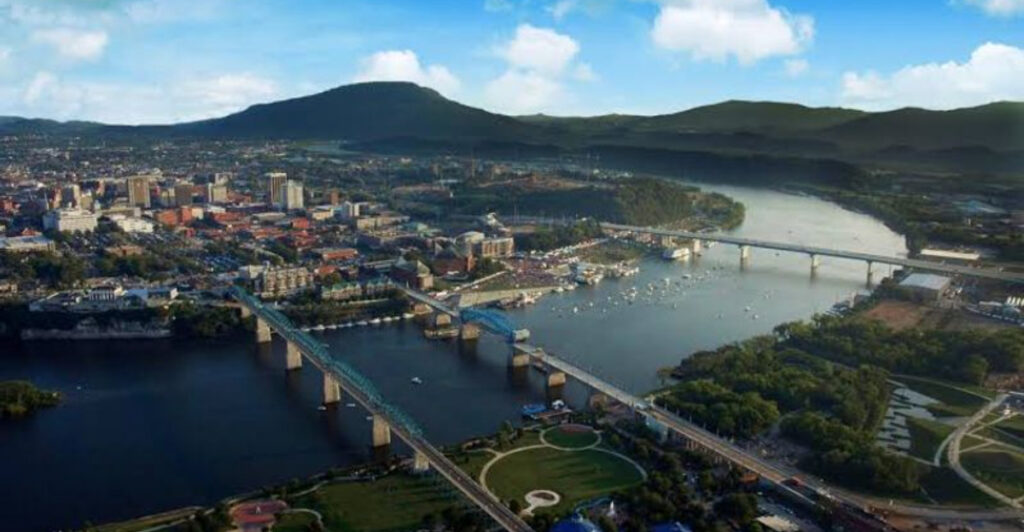
Tennessee knows how to pull a crowd. From the smoky peaks of the eastern mountains to the blues-soaked streets of the Mississippi River, certain towns in the Volunteer State have become absolute magnets for visitors no matter the season. Whether people are chasing live music, outdoor adventure, or a taste of Southern history, these destinations deliver year-round excitement that keeps hotels booked and Main Streets buzzing.
1. Gatlinburg
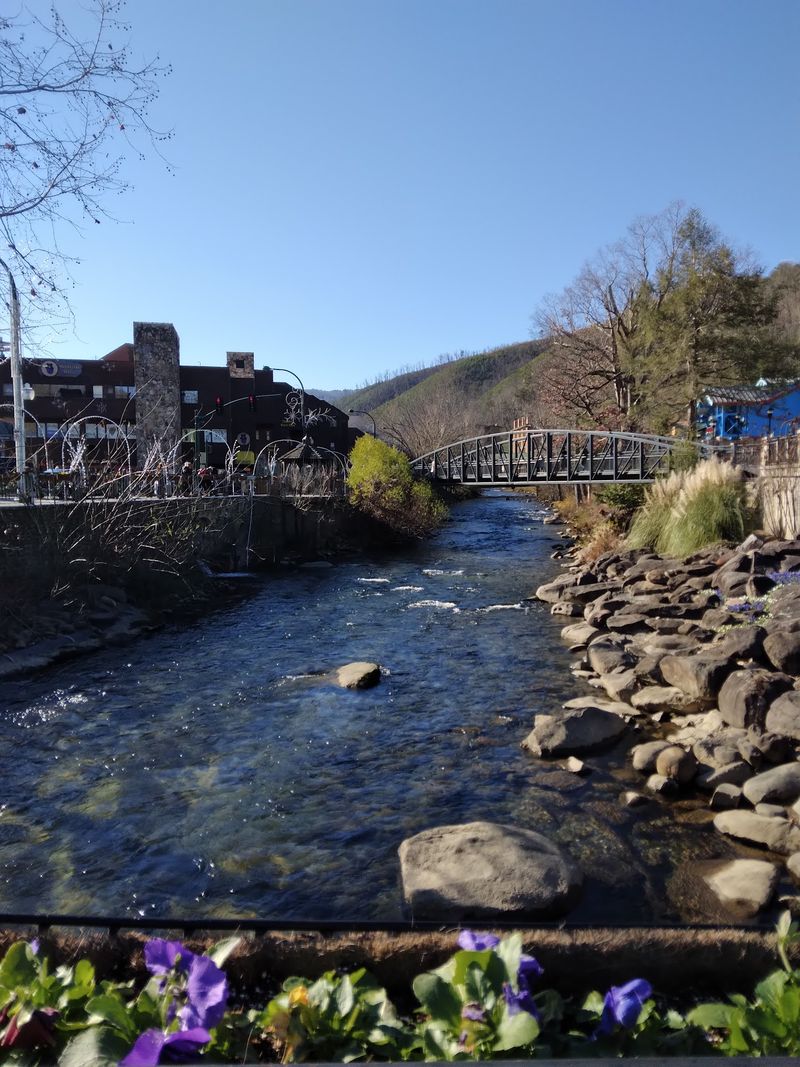
Tucked right at the doorstep of Great Smoky Mountains National Park, Gatlinburg transforms from a quiet mountain hamlet into a bustling hub the moment you cross the city limits. The constant flow of visitors stems from its unbeatable location and the sheer variety of things to do. Families flock here for the aquarium, couples ride the SkyLift for sunset views, and thrill-seekers test their nerves on the SkyBridge swaying 680 feet above the ground.
Winter brings a special kind of magic when the town decks itself out in millions of twinkling lights for the Winterfest celebration. Snow dusts the peaks while crowds warm up with hot chocolate and browse the endless rows of craft shops selling everything from homemade fudge to hand-carved walking sticks. Spring and summer shift the focus outdoors as hikers hit the trails and anglers try their luck in the mountain streams.
The town’s compact downtown means you can park once and explore on foot, which keeps the energy high and the atmosphere friendly. Pancake houses compete for breakfast crowds, while distilleries offer tastings of Tennessee moonshine made the old-fashioned way. Every season delivers a different reason to visit, but the mountain backdrop stays picture-perfect no matter when you show up.
Gatlinburg doesn’t pretend to be anything other than a tourist town, and that honesty works in its favor. The attractions are unapologetically fun, the scenery is genuinely stunning, and the crowds prove that sometimes the most popular spots earn their reputation honestly.
2. Pigeon Forge
Just down the mountain from Gatlinburg sits Pigeon Forge, a town that took the concept of family entertainment and ran with it at full throttle. Dollywood anchors the entire experience, drawing millions who want to ride roller coasters, catch live bluegrass performances, and sample Southern cooking that’ll make you loosen your belt. The park operates nearly year-round with seasonal festivals that give people reasons to return multiple times.
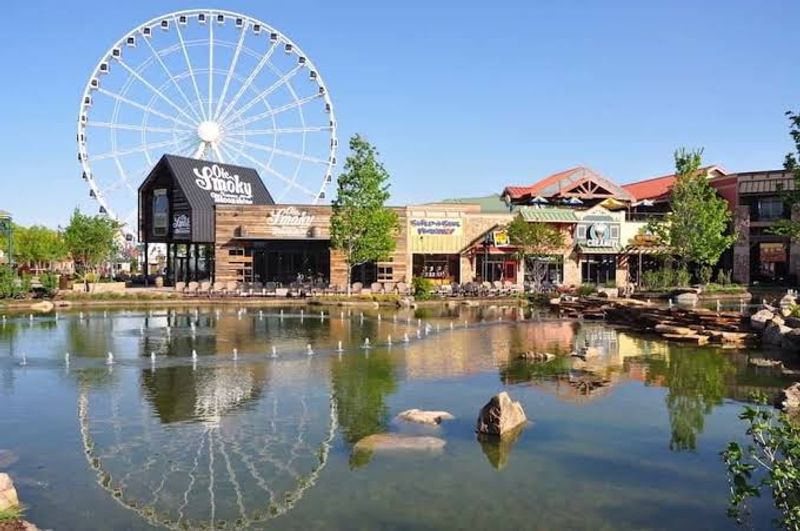
Beyond Dollywood, the main parkway stretches for miles with an almost overwhelming collection of dinner theaters, go-kart tracks, mini-golf courses, and museums dedicated to everything from the Titanic to moonshine history. The Island entertainment complex added a giant observation wheel and a musical fountain that shoots water in sync with light shows. You could spend a week here and still not hit every attraction.
Traffic can crawl during peak times, but that’s part of the deal when a town commits this hard to tourism. The slower pace gives you time to spot the next place you want to stop, whether it’s for homemade candy, a magic show, or a zipline adventure through the trees. Fall brings the added bonus of mountain foliage painting the backdrop in brilliant reds and golds.
Pigeon Forge succeeds because it knows exactly what it is and delivers without apology. The town built itself into a destination where families can make memories without breaking the bank, and the packed parking lots throughout the year prove the formula works beautifully.
3. Nashville
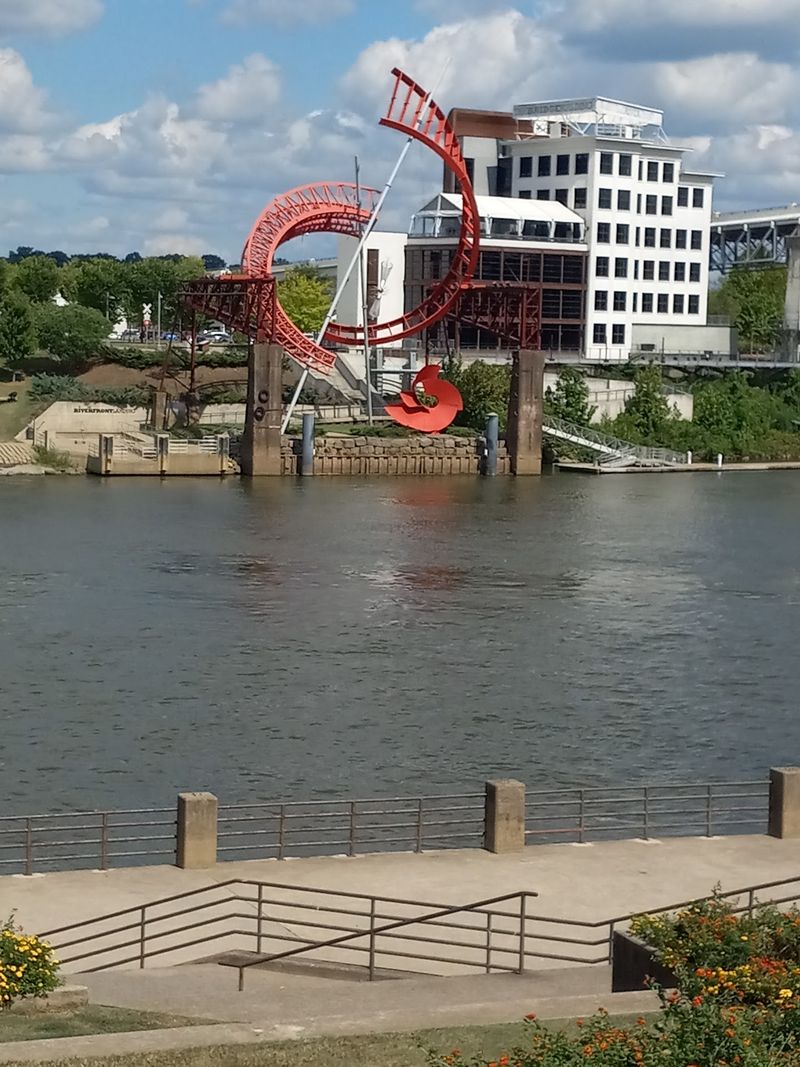
Music City doesn’t take breaks, and neither do the tourists who flood into Nashville looking for the soundtrack to their vacation. Broadway pulses with energy as live bands start playing before noon and don’t stop until the early morning hours. Every door opens into another honky-tonk where talented musicians work the crowd, hoping to be discovered while visitors two-step between the tables.
The city has exploded beyond its country music roots while still honoring the heritage that built it. The Grand Ole Opry continues its legendary radio show, the Ryman Auditorium hosts world-class performances, and the Country Music Hall of Fame preserves the history in exhibits that even non-fans find fascinating. Meanwhile, the food scene has become a draw all by itself with hot chicken joints, meat-and-three diners, and chef-driven restaurants earning national recognition.
Bachelorette parties on pedal taverns have become such a fixture that locals joke about them, but the influx of visitors supports a thriving economy and keeps the creative energy high. The Gulch neighborhood offers upscale shopping and Instagram-worthy murals, while East Nashville serves up vintage shops and craft breweries in renovated warehouses. Germantown’s historic streets provide a quieter alternative with farm-to-table restaurants tucked into old buildings.
Nashville works year-round because it offers different experiences depending on what you’re chasing. Sports fans catch Titans or Predators games, history buffs tour the Parthenon replica in Centennial Park, and everyone ends up on Broadway at least once, soaking in the music that never stops.
4. Sevierville
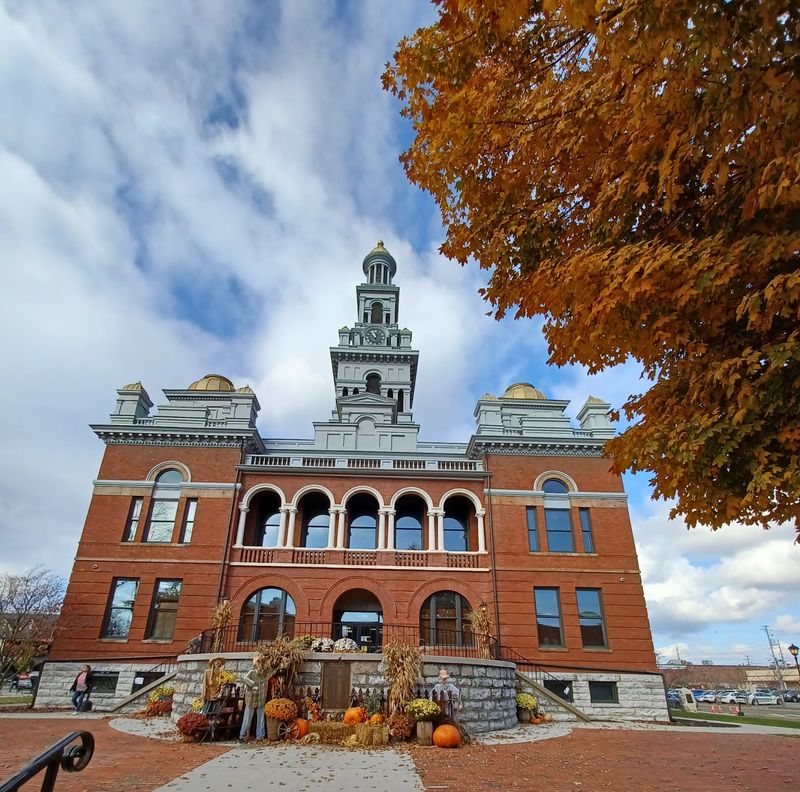
Dolly Parton was born here, and Sevierville has never let anyone forget it. A statue of the hometown hero sits on the courthouse lawn, greeting visitors who stop for photos before heading to the outlet malls that line the highway. This town serves as the gateway to the Smokies, catching travelers on their way to Gatlinburg and Pigeon Forge while offering its own reasons to stick around.
Tanger Outlets pull in serious shopping traffic with deals on name brands that make people willing to brave the crowds. The complex has grown over the years, adding more stores and restaurants to keep up with demand. Nearby, the NASCAR SpeedPark offers go-kart racing that appeals to families looking for a quick thrill without committing to a full theme park day.
The Little Pigeon River runs through town, providing a scenic backdrop that reminds visitors they’re still in the mountains despite all the commercial development. Fall turns the surrounding hillsides into a patchwork of autumn colors that photograph beautifully from almost any angle. Winter brings fewer crowds but also better deals at the outlets and shorter waits at restaurants.
Sevierville doesn’t compete with its flashier neighbors for entertainment supremacy. Instead, it carved out a niche as the practical stop where you can stock up on supplies, grab a meal at reasonable prices, and still enjoy mountain views without the Gatlinburg price tags. The strategy works well enough to keep hotels booked throughout the year.
5. Memphis
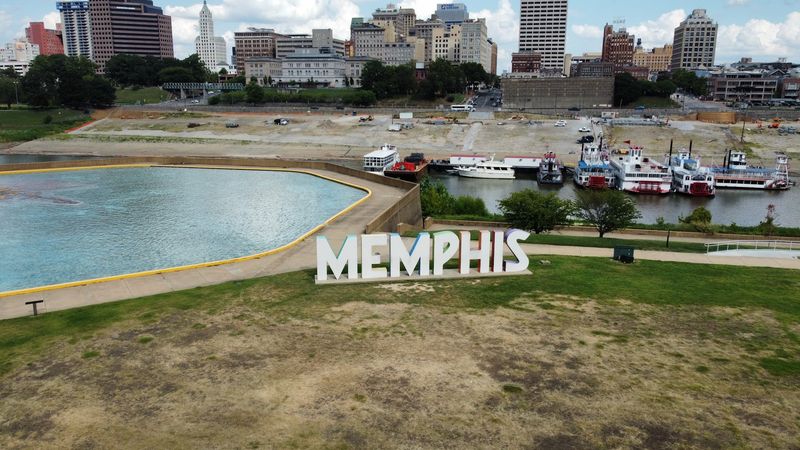
Memphis sits in the southwest corner of Tennessee like a gritty, soulful uncle who’s seen some things and has stories to tell. Beale Street forms the beating heart of downtown, where blues music pours out of clubs and the smell of barbecue smoke hangs in the air like a delicious fog. The street has been drawing music lovers for over a century, and the tradition shows no signs of slowing down.
Graceland remains the big draw, with Elvis fans making pilgrimages from around the world to tour the mansion and pay respects at the meditation garden. The property has expanded to include museums showcasing the King’s cars, planes, and jumpsuits that defy both gravity and good taste. Sun Studio offers tours where you can stand in the same spot where Elvis, Johnny Cash, and Jerry Lee Lewis recorded their early hits.
The National Civil Rights Museum at the Lorraine Motel provides a powerful and sobering look at American history that leaves visitors quiet and thoughtful. Nearby, the Peabody Hotel’s famous ducks march through the lobby twice daily, offering a lighter moment that’s become a beloved tradition. The Mississippi River forms the western border, with parks and overlooks providing views of the mighty waterway.
Memphis barbecue deserves its own paragraph because locals take it seriously. Dry rub ribs at Rendezvous, pulled pork sandwiches at Central BBQ, and the ongoing debate over which style reigns supreme keep visitors eating their way through the city. The food alone brings people back year after year.
6. Chattanooga
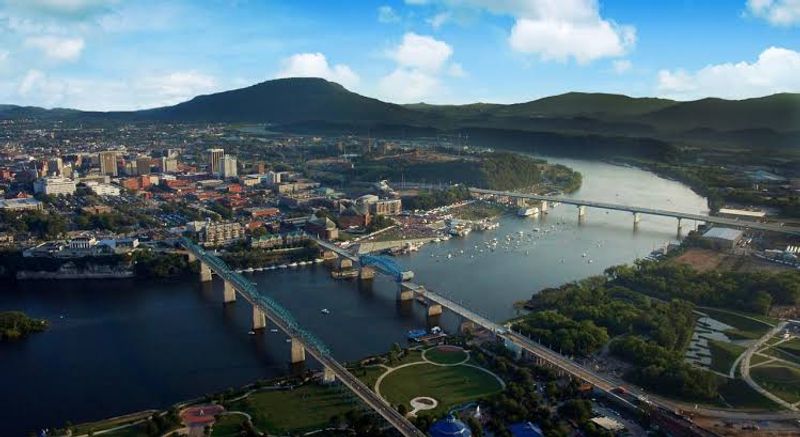
Nestled in the southeastern corner where Tennessee meets Georgia, Chattanooga reinvented itself from a struggling industrial city into an outdoor recreation paradise that surprises first-time visitors. The Tennessee River curves through downtown, offering kayaking, paddleboarding, and riverboat cruises that take advantage of the scenic waterway. The Riverwalk stretches for miles, connecting parks and attractions in a pedestrian-friendly loop.
Lookout Mountain looms over the city, packed with attractions that range from the natural wonder of Ruby Falls to the historical significance of the Civil War battlefields. Rock City has been luring travelers with its quirky charm and “See Seven States” claim since the 1930s, while the Incline Railway still uses the same steep track to haul visitors up the mountainside. The views from the top justify the climb every single time.
The Tennessee Aquarium downtown houses river and ocean exhibits that make it one of the best facilities of its kind in the country. Families with kids often plan entire days around the aquarium, then wander over to the nearby Creative Discovery Museum for hands-on science fun. The revitalized Southside neighborhood offers breweries, restaurants, and shops in renovated warehouses that give the area an urban cool vibe.
Outdoor enthusiasts have discovered Chattanooga in a big way, with world-class rock climbing, mountain biking trails, and whitewater rafting drawing active travelers year-round. The city’s compact size makes it easy to explore, and the genuine friendliness of locals adds to the welcoming atmosphere that keeps people coming back.
7. Townsend
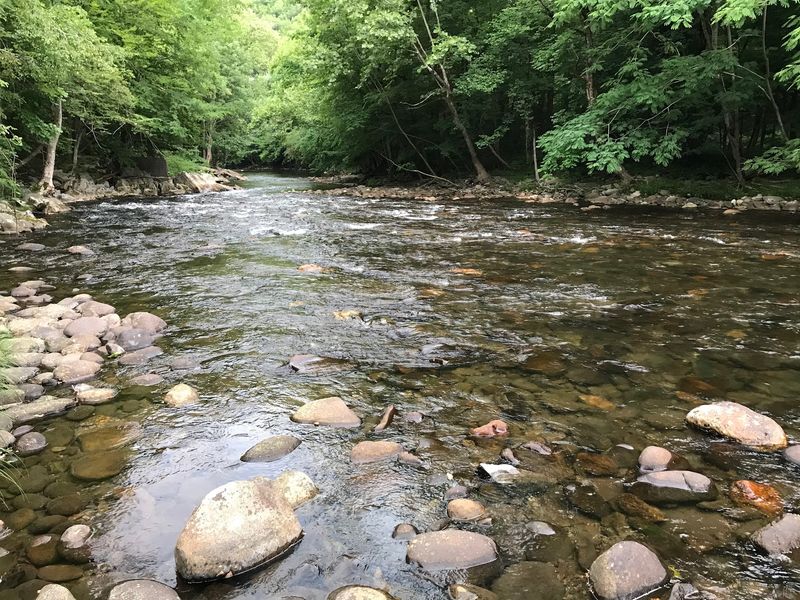
While Gatlinburg and Pigeon Forge fight for attention with bright lights and big attractions, Townsend takes the opposite approach and wins over visitors who want the Smoky Mountains without the chaos. Known as the “Peaceful Side of the Smokies,” this small town offers access to the national park through the quieter Cades Cove entrance. The lack of commercial development means you see more wildlife and fewer tour buses.
Cades Cove alone brings steady traffic as one of the most popular spots in the entire national park. The 11-mile loop road winds through a historic valley where preserved homesteads, churches, and mills tell stories of the families who settled here generations ago. Early morning visits reward you with deer grazing in the fields and black bears ambling through the woods.
The cove attracts photographers, cyclists, and history buffs in equal measure.
The Little River runs through Townsend, offering excellent trout fishing and tubing opportunities when the weather warms up. Several outfitters rent tubes and provide shuttle service, making it easy to float downstream while the mountains rise on both sides. The town maintains a deliberately slow pace with local restaurants serving home-cooked meals and shops selling handmade crafts rather than mass-produced souvenirs.
Fall transforms Townsend into a showcase of autumn color as the hardwood forests put on their annual display. The lack of crowds means you can actually enjoy the scenery without jockeying for parking spots or waiting in line. Visitors who discover Townsend tend to keep it their little secret, returning year after year for the peace and natural beauty.
8. Franklin
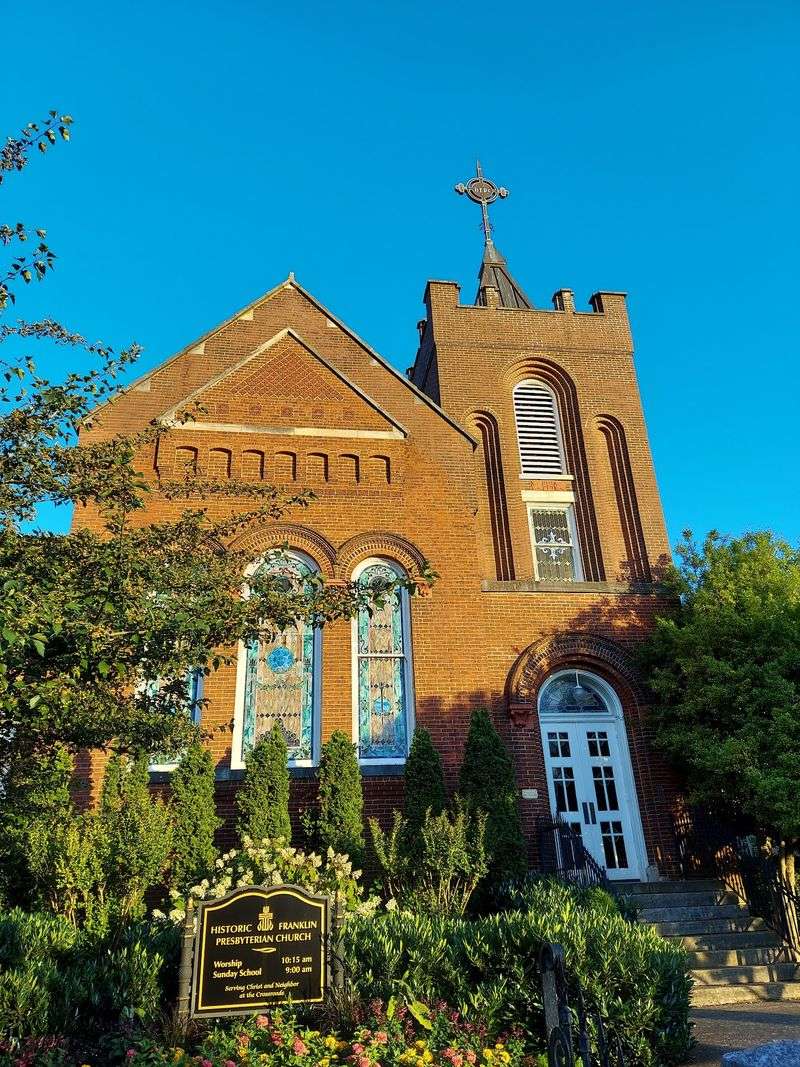
Franklin sits just south of Nashville, close enough to feel the capital city’s influence but far enough to maintain its own distinct character. The downtown square has become a destination in itself, with meticulously preserved 19th-century buildings housing boutiques, restaurants, and coffee shops that draw crowds from the surrounding suburbs. The town struck a balance between honoring its history and embracing modern growth that few places manage successfully.
The Civil War Battle of Franklin left deep scars on this community, and several historic sites preserve that difficult chapter. Carter House and Carnton Plantation offer tours that don’t shy away from the brutal reality of the conflict that raged through these properties. The stories resonate because the buildings still bear the marks, with bullet holes and bloodstains serving as sobering reminders of the past.
Main Street has evolved into a shopping destination where you’ll find everything from high-end fashion boutiques to antique stores packed with treasures. The restaurant scene punches above its weight class with farm-to-table concepts, upscale Southern cooking, and international flavors all represented within a few blocks. Outdoor seating fills up quickly on pleasant evenings when live music drifts from nearby venues.
Franklin’s growth has brought challenges with traffic and development pressures, but the community has fought to preserve the historic character that makes it special. The result is a town that attracts tourists looking for authentic Southern charm without the tourist trap atmosphere. Festivals throughout the year celebrate everything from wine to Main Street, giving visitors multiple reasons to plan return trips.
9. Lynchburg
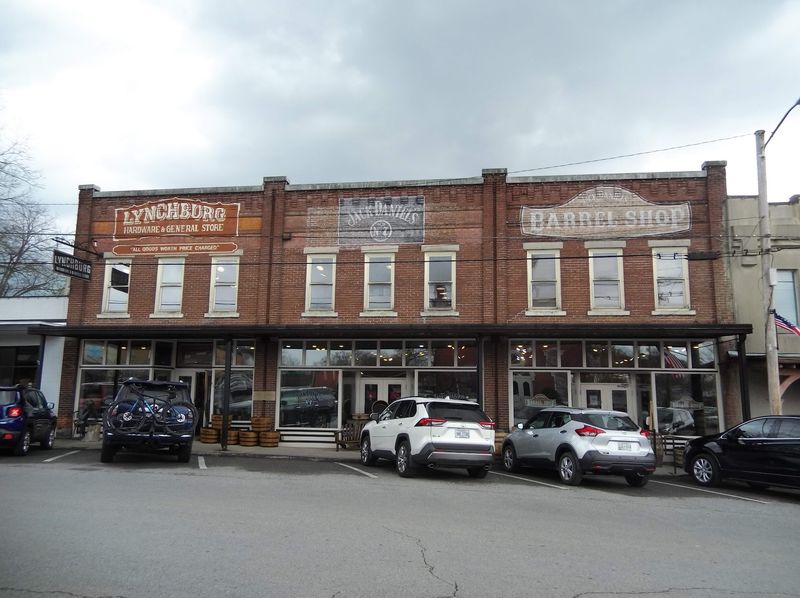
Population 361. One traffic light. And the most famous whiskey distillery in the world.
Lynchburg shouldn’t be a major tourist destination based on size alone, but Jack Daniel’s changed everything. The distillery draws hundreds of thousands of visitors annually to this tiny Moore County town where ironically, the county is dry and you can’t buy the whiskey by the bottle. People come anyway because the tours are genuinely interesting and the town is impossibly charming.
The distillery tour takes you through the entire whiskey-making process from the cave spring water source to the charcoal mellowing that makes Tennessee whiskey distinct from bourbon. The rickhouses hold thousands of barrels aging in carefully controlled conditions, and the smell alone is worth the admission price. Guides share stories about Mr. Jack with a mix of reverence and humor that keeps the tours entertaining rather than feeling like corporate marketing.
The town square looks like a movie set with its old-fashioned storefronts and the Moore County Courthouse anchoring the center. Miss Mary Bobo’s Boarding House serves traditional Southern meals family-style, requiring reservations well in advance because everyone wants to experience the communal dining tradition. The hardware store has been operating since 1882 and still sells everything from nails to Jack Daniel’s merchandise.
Lynchburg proves that authenticity matters more than size when it comes to attracting visitors. The town hasn’t been Disneyfied or over-commercialized despite the tourist traffic. It remains a real place where real people live, work, and happen to make whiskey that’s known worldwide.
10. Jonesborough
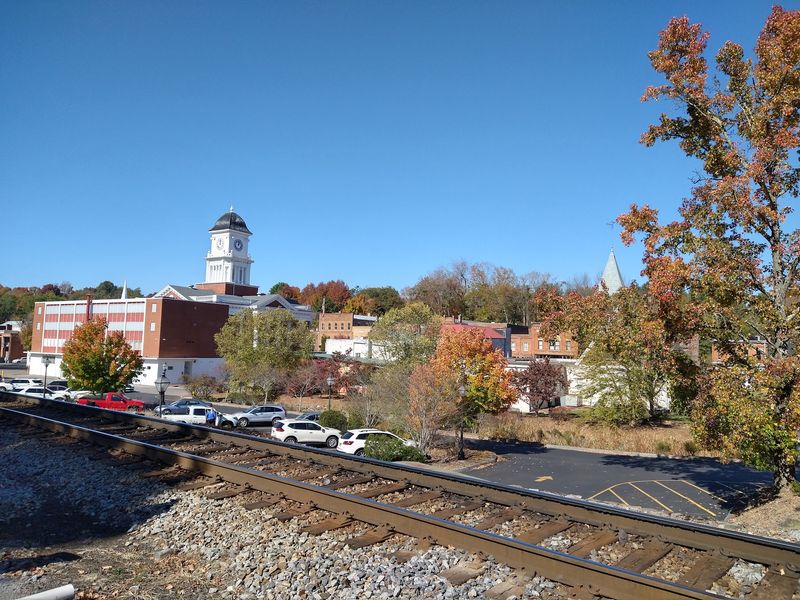
Tennessee’s oldest town wears its history with pride, from the carefully preserved 18th-century buildings lining Main Street to the storytelling tradition that’s become its calling card. Jonesborough predates Tennessee statehood by decades, serving as a capital of the short-lived State of Franklin in the 1780s. Walking these streets feels like stepping back in time, except the shops sell contemporary crafts and the restaurants serve modern takes on traditional dishes.
The National Storytelling Festival every October transforms this quiet town into a packed celebration of the oral tradition. Tellers from around the world gather to share tales in tents set up throughout downtown, drawing audiences who appreciate the art form. The festival has been running for decades and helped establish Jonesborough as the storytelling capital of America.
Even outside festival time, the International Storytelling Center hosts performances and workshops year-round.
Main Street rewards slow exploration with antique shops, art galleries, and the historic Chester Inn Museum occupying buildings that have stood for over two centuries. The town’s compact size means you can see everything on foot, and the lack of chain stores gives the shopping experience an authentic feel. Local restaurants focus on quality over quantity, with menus that change seasonally based on what’s available from nearby farms.
Jonesborough attracts a different kind of tourist than the Gatlinburg crowds. Visitors here tend to appreciate history, arts, and a slower pace of travel. The town doesn’t try to be something it’s not, and that authenticity combined with genuine hospitality keeps people discovering this hidden gem tucked in the northeastern corner of Tennessee.
Share this story