Texas might be famous for cowboys and barbecue, but it’s also home to some incredible wildlife sanctuaries where you can meet animals from around the world, including adorable lemurs. These special places rescue and care for exotic animals while teaching visitors about conservation and the importance of protecting wildlife. Whether you’re looking for a fun family day trip or want to learn more about endangered species, these Texas destinations offer unforgettable experiences with lemurs and other amazing creatures.
1. Texas Wildlife Park & Education Center (Mountain Home)
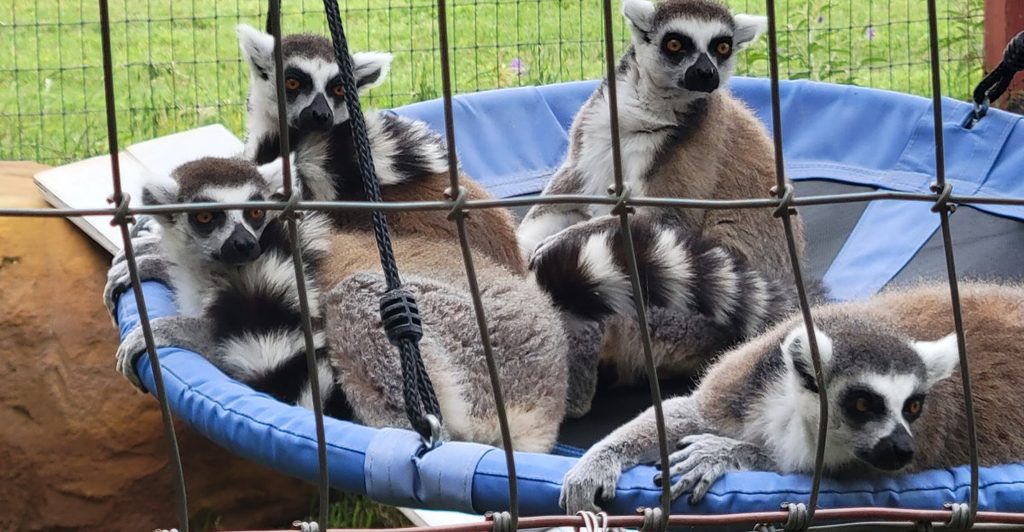
Tucked into the rolling hills near Mountain Home, this wildlife park gives you a front-row seat to some of the most fascinating creatures on the planet. The center focuses on education and conservation, making every visit feel like an adventure with a purpose. You’ll find ring-tailed lemurs sunbathing on branches, their striped tails curled up like question marks.
What makes this place stand out is how close you can get to the animals while still respecting their space. The staff here are passionate about teaching visitors why these animals matter and how we can help protect them in the wild. Walking through the shaded paths feels peaceful, and the lemurs seem to enjoy showing off their acrobatic skills.
The park isn’t just about lemurs, though they’re definitely a highlight. You’ll also encounter other exotic species that have been rescued or are part of breeding programs. The educational programs are designed for all ages, so even younger kids can understand the importance of wildlife conservation.
Plan to spend at least a couple of hours exploring the grounds. The Hill Country setting adds to the experience, with beautiful views and fresh air. Bring your camera because these lemurs are natural performers, and you’ll want to capture their curious expressions.
The center operates on a smaller scale than big city zoos, which actually works in its favor. You get a more intimate experience without the crowds. Staff members are happy to answer questions and share stories about individual animals.
It’s the kind of place that makes you appreciate how special these creatures really are and why protecting their habitats matters so much for future generations.
2. Sharkarosa Zoo (Pilot Point)
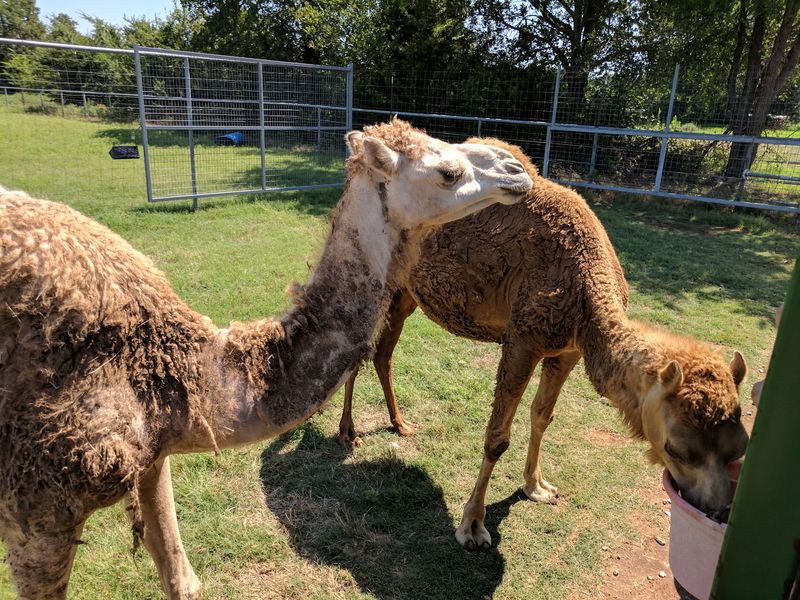
Up in Pilot Point, this family-owned zoo proves that bigger isn’t always better. Sharkarosa started as a private collection and grew into a place where people can meet animals they’d never encounter otherwise. The lemur exhibit here is particularly charming, with several species calling it home.
Black and white ruffed lemurs are among the stars of the show. Their fluffy coats and loud vocalizations make them impossible to ignore. They’re social creatures, and watching them interact with each other is entertaining and educational at the same time.
The zoo’s smaller size means you can actually spend quality time at each exhibit. Staff members often hang around to chat about the animals and answer any questions. They’re not just employees but genuine animal lovers who know their residents by name and personality.
One of the coolest things about Sharkarosa is how it balances fun with learning. Kids especially love the interactive experiences available here. The lemurs seem to enjoy the attention too, often coming right up to the viewing areas to check out their human visitors.
The grounds are well-maintained and easy to navigate, even for families with strollers or older visitors. Shaded areas provide relief on hot Texas days, which you’ll definitely appreciate during summer visits. The layout encourages you to slow down and really observe the animals instead of rushing through.
Sharkarosa also participates in conservation efforts and educates visitors about threats facing lemurs in Madagascar. Learning about habitat loss and what we can do to help adds depth to the experience. This isn’t just a place to see cool animals but a chance to understand why protecting them matters for our planet’s future.
3. Black Beauty Ranch (Murchison)
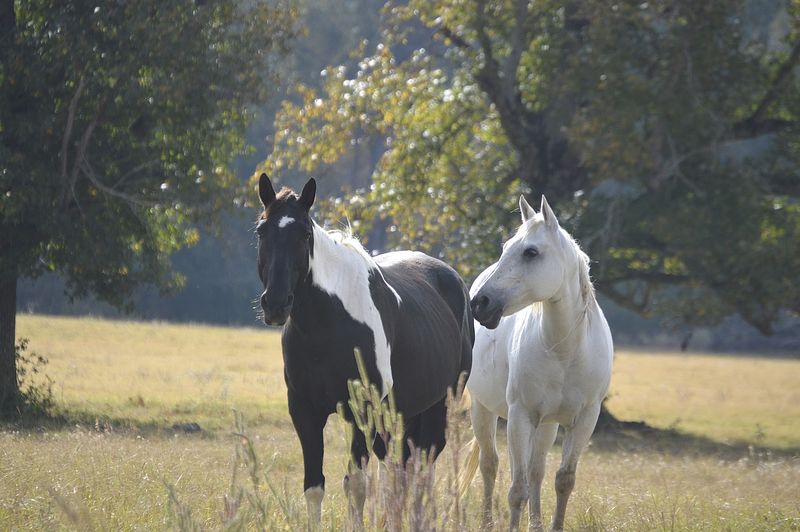
Out near Murchison, Black Beauty Ranch operates as one of the most respected animal sanctuaries in the entire country. Run by the Humane Society, this 1,400-acre facility rescues animals from terrible situations and gives them a peaceful place to live out their days. While not exclusively focused on lemurs, they do care for primates who need a safe haven.
The ranch doesn’t operate like a typical zoo. Visits are by appointment only because the priority here is always the animals’ wellbeing, not entertainment. That means if you do get to visit, you’re getting a truly special experience that most people never have the chance to enjoy.
Animals here come from roadside zoos, failed breeding programs, and other unfortunate circumstances. The staff works tirelessly to provide the best possible care and enrichment. For lemurs and other primates, this means large, naturalistic habitats where they can behave as they would in the wild.
What’s powerful about Black Beauty Ranch is the stories behind the animals. Each resident has a history, often a difficult one, and seeing them thrive here reminds you why animal welfare matters. The staff can share these stories during visits, helping you understand the broader issues surrounding exotic animal ownership and trade.
Because tours are limited, you’ll want to plan ahead and make arrangements well in advance. The ranch’s website provides information about scheduling and what to expect. Photography policies may be restricted to protect the animals’ privacy and reduce stress.
The East Texas landscape surrounding the ranch is beautiful, with plenty of trees and open space. This setting allows the animals to live in environments that somewhat resemble their natural habitats. Visiting here isn’t just about seeing animals but understanding the important rescue work being done and how you can support similar efforts.
4. Animal World & Snake Farm Zoo (New Braunfels)
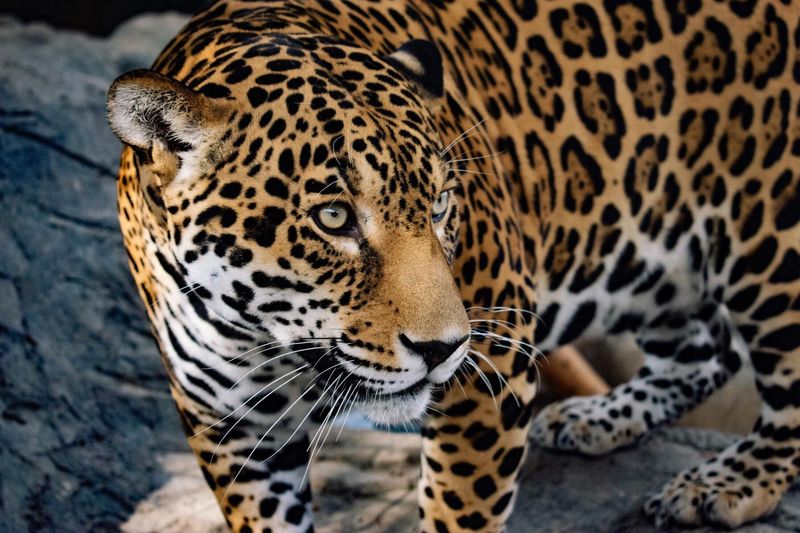
Right off I-35 in New Braunfels, this quirky attraction has been surprising visitors since 1967. Don’t let the name fool you into thinking it’s all snakes. The zoo houses an impressive collection of animals from around the world, including a fantastic lemur exhibit that draws repeat visitors.
Ring-tailed lemurs are the main attraction in the primate section, and they’re absolutely full of personality. Their social dynamics are fascinating to watch, especially during feeding times. These lemurs seem completely comfortable with their surroundings and often put on quite a show for visitors.
The zoo has a reputation for excellent animal care despite its roadside attraction appearance. The staff clearly loves what they do, and it shows in how well-maintained the exhibits are. Educational signs throughout the zoo teach you about each species’ natural habitat, diet, and conservation status.
What makes this place memorable is the variety you get in one visit. After spending time with the lemurs, you can check out everything from exotic birds to rare reptiles. The compact layout means you can see everything without wearing yourself out, perfect for families with young children or anyone who prefers a shorter visit.
The location makes it an easy stop if you’re already in New Braunfels for the rivers or other attractions. You could easily combine a zoo visit with tubing on the Guadalupe or exploring downtown. Admission prices are reasonable, especially compared to larger city zoos.
Air-conditioned indoor exhibits provide relief during hot summer months, though the outdoor areas have plenty of shade too. The gift shop stocks educational items along with typical souvenirs. Overall, this zoo punches above its weight class, offering an experience that rivals much larger facilities while maintaining that friendly, accessible vibe that makes Texas attractions so special.
5. North Texas Safari Park (Bonham)
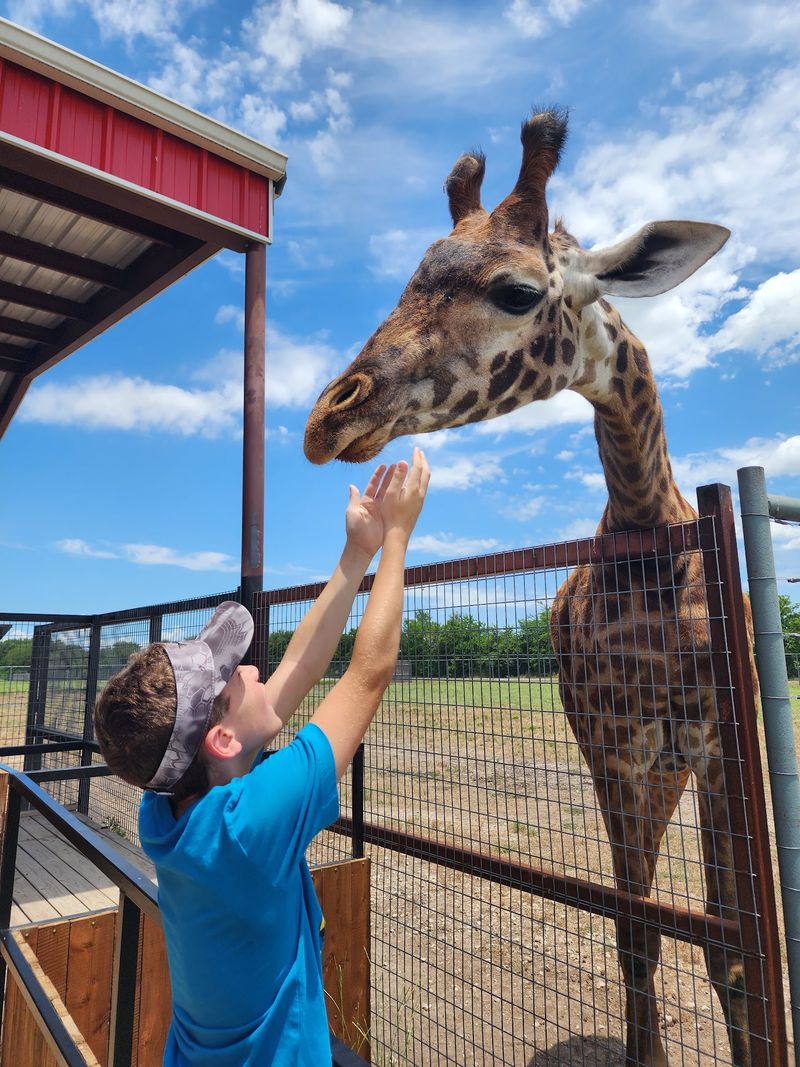
Way up in Bonham, near the Oklahoma border, this drive-through safari park offers something completely different from traditional zoos. You stay in your vehicle while animals roam freely around you, creating an immersive experience that feels more like visiting Africa than North Texas. The lemur habitat here is designed to let these primates live in a more natural social group.
The park specializes in creating environments where animals can exhibit natural behaviors. For lemurs, this means climbing structures, social grooming, and vocalizing without the constraints of smaller enclosures. Watching them leap from branch to branch demonstrates their incredible agility and coordination.
Because you’re driving through, the experience feels more like an expedition than a typical zoo visit. You can take your time at each area, and the lemur section always seems to have something interesting happening. The animals here are accustomed to vehicles but maintain their wild instincts and behaviors.
The park covers a large area, so plan for at least an hour or two to complete the drive. Some visitors go through multiple times because you notice different things with each pass. The lemurs might be active and playful during one viewing, then resting peacefully the next.
Educational materials available at the entrance explain what you’ll see and why conservation matters. The park participates in breeding programs for endangered species and uses admission fees to support these efforts. Knowing your visit contributes to wildlife preservation adds meaning to the experience.
Bonham isn’t exactly a tourist hotspot, which actually works in your favor. Crowds are typically smaller than at more famous attractions, giving you a more relaxed visit. The surrounding countryside is pretty too, making the drive up from Dallas or other cities part of the adventure.
Pack snacks and drinks since you’ll be in your car, and bring binoculars for better viewing of animals in the distance.
6. Houston Zoo (Houston)
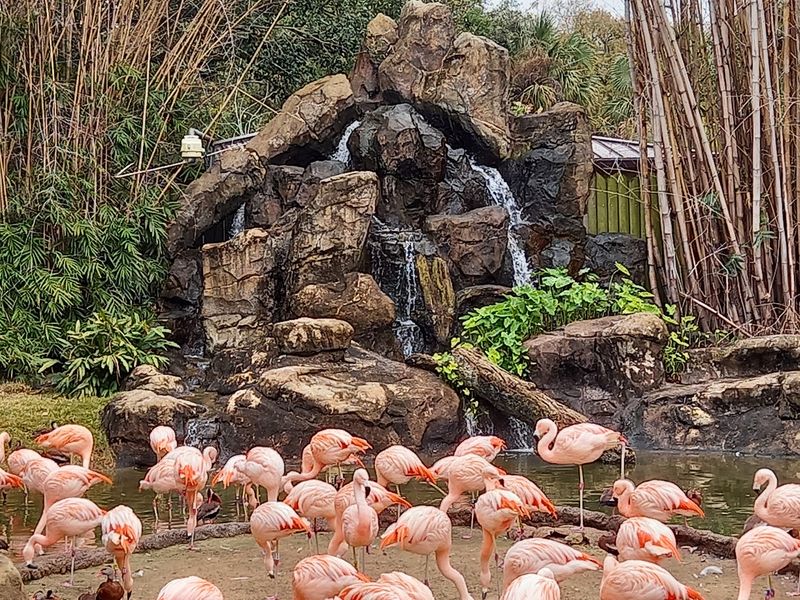
In the heart of Houston’s Museum District, this zoo ranks among the most visited in the entire United States for good reason. The primate exhibits here are world-class, and the lemur collection includes several species you won’t find anywhere else in Texas. The zoo’s commitment to conservation shows in every detail of their animal habitats.
Multiple lemur species live here, from the familiar ring-tailed variety to rarer types like the red-ruffed lemur. Each habitat is designed to mimic Madagascar’s forests, with appropriate vegetation, climbing structures, and hiding spots. The zoo’s keepers are experts who can share fascinating details about lemur behavior and ecology.
Educational programs run throughout the day, with keeper talks scheduled at the lemur exhibit. These presentations teach you about the crisis facing lemurs in the wild, where deforestation threatens their survival. The zoo actively supports conservation projects in Madagascar, so your admission helps protect these animals in their native habitat.
The size of Houston Zoo means you’ll want to plan your visit carefully. The lemur exhibit is in the primate section, which also houses gorillas, orangutans, and other fascinating species. Comfortable shoes are essential because you’ll be doing a lot of walking.
Weekends and school holidays can get crowded, so consider visiting on a weekday morning for a more peaceful experience. The zoo offers memberships that pay for themselves after just a couple of visits, great if you live in the Houston area. Parking can be tricky, so arrive early or use public transportation if possible.
The zoo grounds are beautifully landscaped, making the visit pleasant even beyond the animal exhibits. Several dining options are available, though bringing your own snacks is allowed. The gift shop stocks high-quality educational materials and supports conservation efforts through its sales.
Houston Zoo sets the standard for what a modern zoo should be, combining entertainment with serious conservation work and education.
7. Wildlife Wonderland (East Texas)
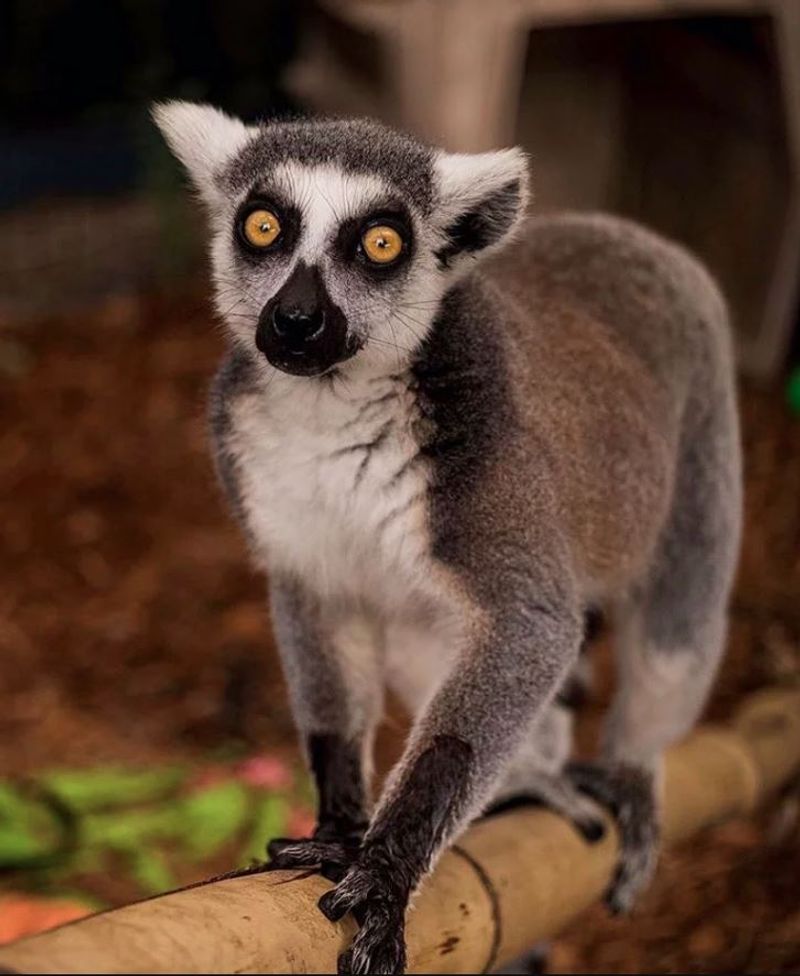
Hidden in the piney woods of East Texas, this smaller wildlife park offers an intimate encounter with exotic animals, including a delightful lemur family. The exact location adds to the adventure, as you wind through typical East Texas scenery before arriving at this unexpected gem. The park focuses on education and hands-on experiences that larger zoos simply can’t provide.
The lemur habitat here feels cozy rather than institutional. You can spend extended time observing these primates without crowds pushing you along to the next exhibit. The owners often personally guide tours, sharing stories about each animal’s personality and history.
What sets Wildlife Wonderland apart is the personal touch. This isn’t a corporate operation but a passion project by people who genuinely care about wildlife. That authenticity shines through in how the animals are cared for and how visitors are welcomed.
The lemurs seem relaxed and content, a good sign of proper care and enrichment.
The park offers special experiences like behind-the-scenes tours where you learn about daily care routines and animal diets. These programs give you a deeper appreciation for what goes into maintaining a wildlife facility. You might even get to help prepare food or assist with enrichment activities under staff supervision.
Because it’s smaller and more remote, Wildlife Wonderland doesn’t get the same traffic as big-city zoos. This means a quieter, more contemplative visit where you can really connect with the animals. The East Texas setting is beautiful, with tall pines providing natural shade and a peaceful atmosphere.
Call ahead before visiting to confirm hours and any special requirements. Small parks like this sometimes have seasonal schedules or may require reservations for certain experiences. The drive through East Texas is scenic, passing through small towns and forests that showcase a different side of the state than most people picture when they think of Texas.
8. CARE – Center for Animal Research and Education (Bridgeport)
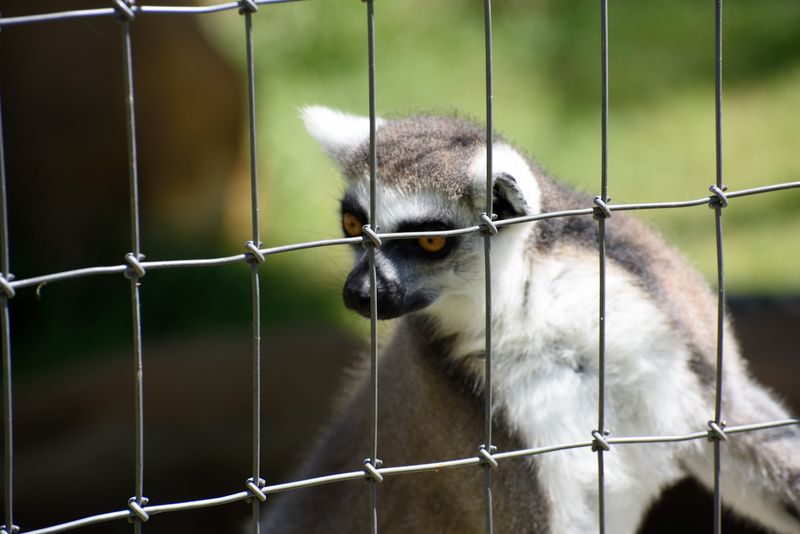
Just outside Bridgeport, this remarkable facility rescues and cares for exotic animals that can no longer remain with their previous owners. While CARE is perhaps best known for its big cats, the primate program includes lemurs and other species that need specialized care. The center’s mission focuses on providing permanent homes for animals while educating the public about responsible wildlife stewardship.
Tours at CARE are educational experiences rather than entertainment. The guides explain each animal’s background and why it ended up at the sanctuary. Many of these stories highlight the problems with exotic pet ownership and roadside zoos.
Hearing these real-life accounts makes you think differently about where animals belong and how they should be treated.
The lemur residents here have varied histories, but all have found safety at CARE. The habitats are designed for the animals’ needs first, with visitor viewing being a secondary consideration. This approach means you might not get the perfect photo op, but you’re seeing animals living in appropriate conditions with proper care.
Because CARE relies heavily on donations and volunteers, every tour directly supports the animals’ care. The staff and volunteers are incredibly knowledgeable and passionate about their work. They’re happy to answer questions and discuss the broader issues surrounding exotic animal rescue and conservation.
Tours are offered on weekends and must be booked in advance. The center limits group sizes to minimize stress on the animals and ensure everyone gets a quality educational experience. This isn’t a quick stop but a several-hour commitment that leaves you with a deeper understanding of wildlife welfare.
The Bridgeport location is convenient if you’re coming from the Dallas-Fort Worth area but still feels rural and peaceful. The center’s grounds are extensive, giving animals plenty of space to roam and exhibit natural behaviors. Visiting CARE reminds you that every animal has a story and that sanctuaries like this one play a crucial role in giving second chances to creatures who desperately need them.
9. Amarillo Zoo & Sanctuary (Amarillo)
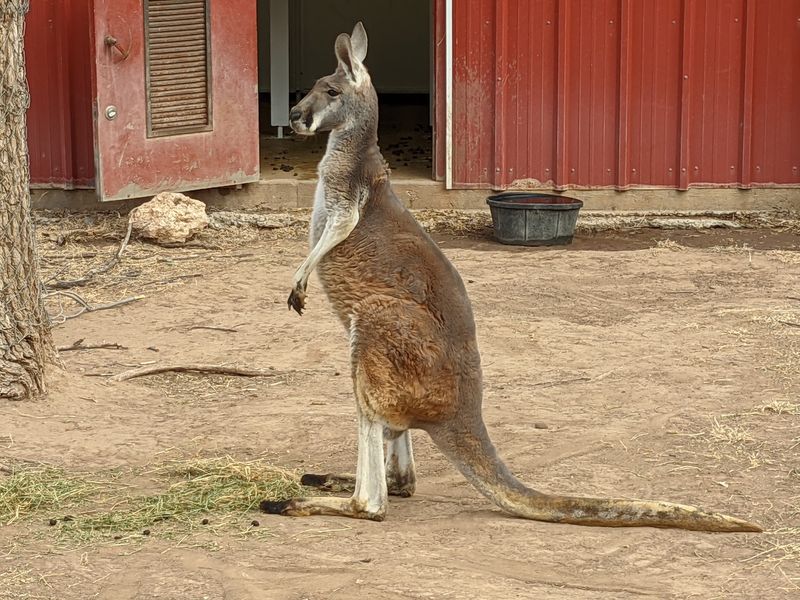
Way up in the Panhandle, Amarillo’s zoo might surprise you with its quality and variety. The facility has undergone significant improvements in recent years, with updated exhibits that prioritize animal welfare. The primate section includes lemurs living in habitats designed to meet their physical and psychological needs.
Amarillo Zoo takes education seriously, with programs designed to teach visitors about conservation challenges facing lemurs and other endangered species. The staff regularly conducts enrichment activities that encourage natural behaviors, and if you time your visit right, you might catch feeding time or a training session.
The zoo’s location in the Panhandle means it doesn’t get the same attention as facilities in bigger Texas cities, but that’s actually part of its charm. Smaller crowds mean you can take your time at each exhibit without feeling rushed. The lemurs seem to appreciate the calmer atmosphere too, often displaying more natural behaviors than they might in busier settings.
The sanctuary aspect of the zoo’s name reflects its commitment to providing homes for animals that can’t be released into the wild. Some residents came from situations where they weren’t properly cared for, and the zoo has given them a second chance at a good life. These rescue stories add emotional depth to your visit.
The zoo is located in a city park, making it easy to combine with other activities like picnicking or exploring the surrounding area. Admission prices are very reasonable, especially for families. The gift shop proceeds support animal care and conservation programs.
Amarillo might not be on everyone’s Texas travel list, but if you’re in the area, the zoo deserves a visit. The lemur exhibit alone makes it worthwhile, and you’ll find plenty of other interesting animals to observe. The Panhandle landscape provides a unique backdrop, reminding you that Texas wildlife conservation happens in all corners of the state, not just the places tourists typically visit.
10. In-Sync Exotics Wildlife Rescue & Educational Center (Wylie)
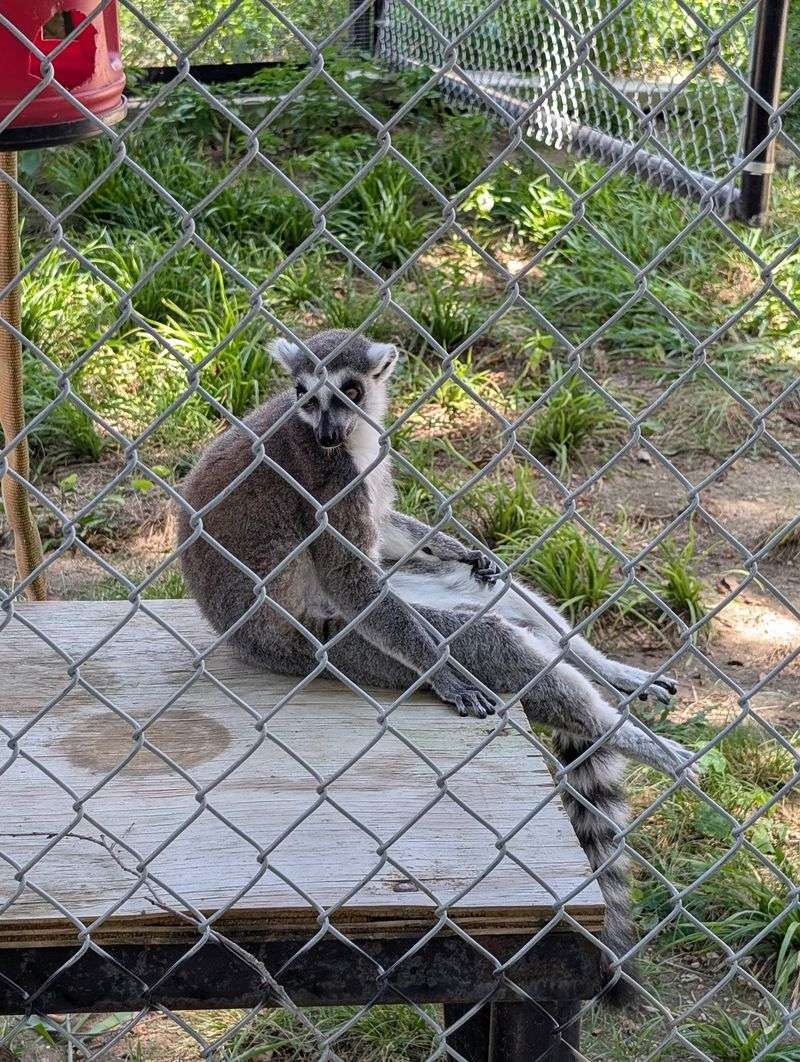
On the outskirts of Wylie, northeast of Dallas, this rescue center specializes in exotic cats but also provides sanctuary for primates, including lemurs who needed a safe place to land. In-Sync operates purely as a rescue facility, meaning every animal here has a story of survival and second chances. The center doesn’t breed animals or sell them, focusing entirely on lifetime care for residents.
The lemur residents came from various situations, including failed breeding programs and owners who realized they couldn’t properly care for exotic animals. The staff works hard to provide enrichment and socialization opportunities so these primates can live fulfilling lives despite their difficult pasts. Watching them play and interact shows how resilient animals can be when given proper care.
Public tours happen on weekends and must be reserved ahead of time. The educational component is strong here, with guides explaining not just about the animals but about the problems with private exotic animal ownership. These tours often change people’s perspectives on wildlife and the importance of supporting legitimate sanctuaries.
In-Sync relies entirely on donations, volunteers, and tour fees to operate. Every dollar goes directly to animal care, from food to veterinary expenses to habitat improvements. Knowing your visit supports this work makes the experience more meaningful.
The center is always transparent about their needs and how they use funds.
The facility isn’t fancy or polished like commercial zoos, and that’s intentional. Resources go to the animals, not to creating an entertainment venue. The habitats are functional and appropriate, designed by people who understand what these animals need to thrive.
Visitors appreciate the authenticity and the clear priority on animal welfare.
Wylie’s location makes In-Sync accessible for Dallas-area residents looking for a meaningful weekend activity. The center offers volunteer opportunities if you want to get more involved in their mission. Educational programs teach children and adults alike about wildlife conservation, habitat protection, and the consequences of the exotic pet trade.
This place does important work, and visiting helps spread awareness about issues that don’t always get enough attention.
Share this story