Texas stretches far beyond its famous cities, hiding charming villages where time slows down and authenticity thrives. Tucked into rolling hills, desert landscapes, and quiet river valleys, these small towns offer genuine experiences without the tourist crowds. Whether you crave quirky art scenes, historic architecture, or peaceful Hill Country views, these hidden gems deliver something special that bigger destinations simply cannot match.
1. Castroville (Medina County)
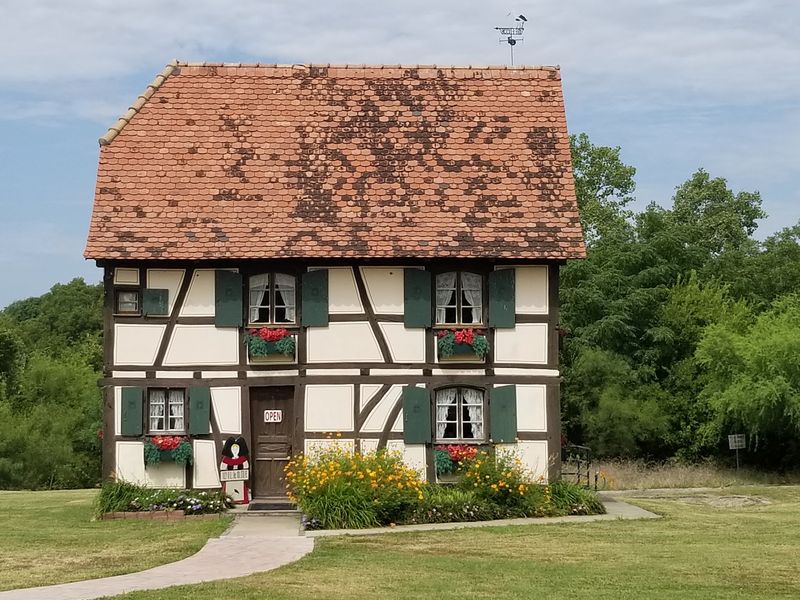
Walking through the streets feels like stepping into a European postcard. Founded by Henri Castro in 1844, this community brought Alsatian immigrants who built stone cottages that still stand today. The architectural style mirrors what you’d find in northeastern France, complete with steep roofs and thick limestone walls.
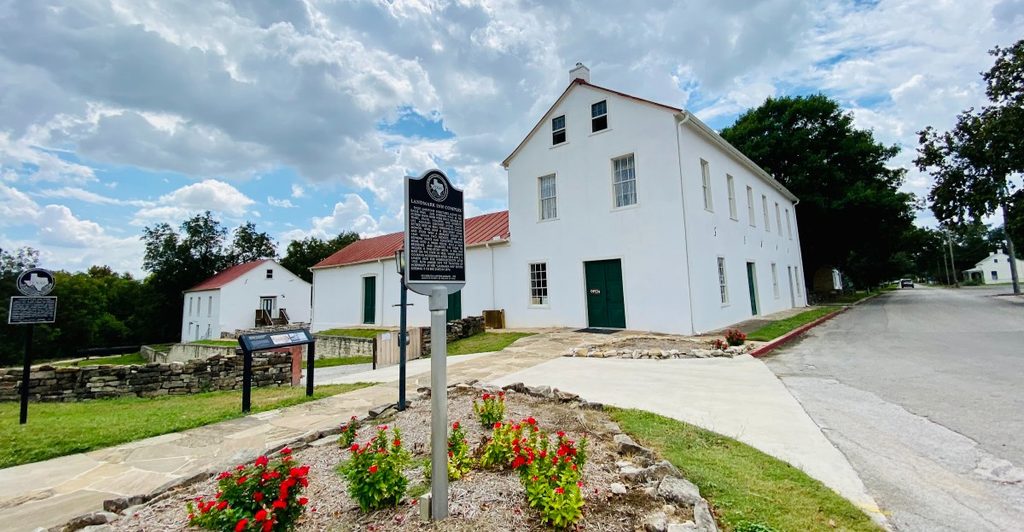
Antique shops line the main street, each one packed with treasures from another era. Local bakeries serve kolaches and strudels using recipes passed down through generations. The Landmark Inn, a former stagecoach stop, now operates as a state historic site where you can actually spend the night surrounded by 1840s furnishings.
Medina River flows nearby, offering kayaking and fishing spots that locals guard like secrets. The town hosts an annual Alsatian Festival each April, celebrating its heritage with traditional music, dancing, and food. Most visitors zoom past on Highway 90, never realizing what they’re missing just blocks away.
St. Louis Catholic Church dominates the skyline with its Gothic Revival design. Inside, you’ll find hand-carved altars and stained glass windows that survived over a century. The cemetery behind it tells stories through weathered headstones bearing French and German names.
Family-owned restaurants serve up authentic German and French dishes you won’t find in San Antonio, just 20 minutes away. Haby’s Alsatian Bakery has been baking bread since 1974, using methods their ancestors brought across the Atlantic. Stop by on Saturday mornings when locals gather for coffee and gossip, and you’ll understand why some traditions refuse to fade.
2. Terlingua (Brewster County)
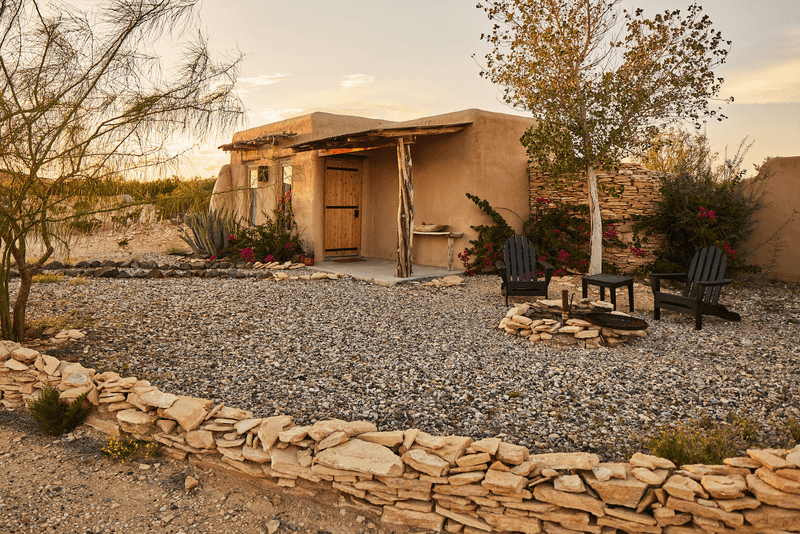
Out where the Chihuahuan Desert meets the sky, ruins tell stories of mercury mining days long gone. Abandoned adobe structures crumble slowly under relentless sun, creating an eerie beauty that photographers can’t resist. What started as a mining town in the 1880s died out by the 1940s, leaving behind a genuine ghost town that somehow refused to disappear completely.
Artists and free spirits started drifting in during the 1960s, rebuilding just enough to make the place livable again. Today, a quirky community thrives here, running cafes, galleries, and lodges among the ruins. The Starlight Theatre, built inside an old movie house, serves steaks and live music most nights, drawing folks from hundreds of miles away.
Big Bend National Park sits just down the road, making this an ideal base camp for desert exploration. After hiking through canyons all day, nothing beats a cold beer at the Terlingua Trading Company porch while watching sunset paint the mountains orange and purple. The stars come out so thick you can barely see the black sky between them.
Every November, thousands descend for the International Chili Championship, turning this tiny village into temporary chaos. Competitors take their recipes seriously, guarding secret ingredients like family heirlooms. The rest of the year, maybe 100 souls call this place home, preferring solitude over convenience.
No chain stores exist here, no fast food, no traffic lights. The nearest grocery store sits 80 miles away in Alpine. Living this remotely requires commitment, but residents wouldn’t trade it for anything.
They’ve chosen beauty and freedom over comfort, and one visit makes their reasoning crystal clear.
3. Gruene (Comal County)
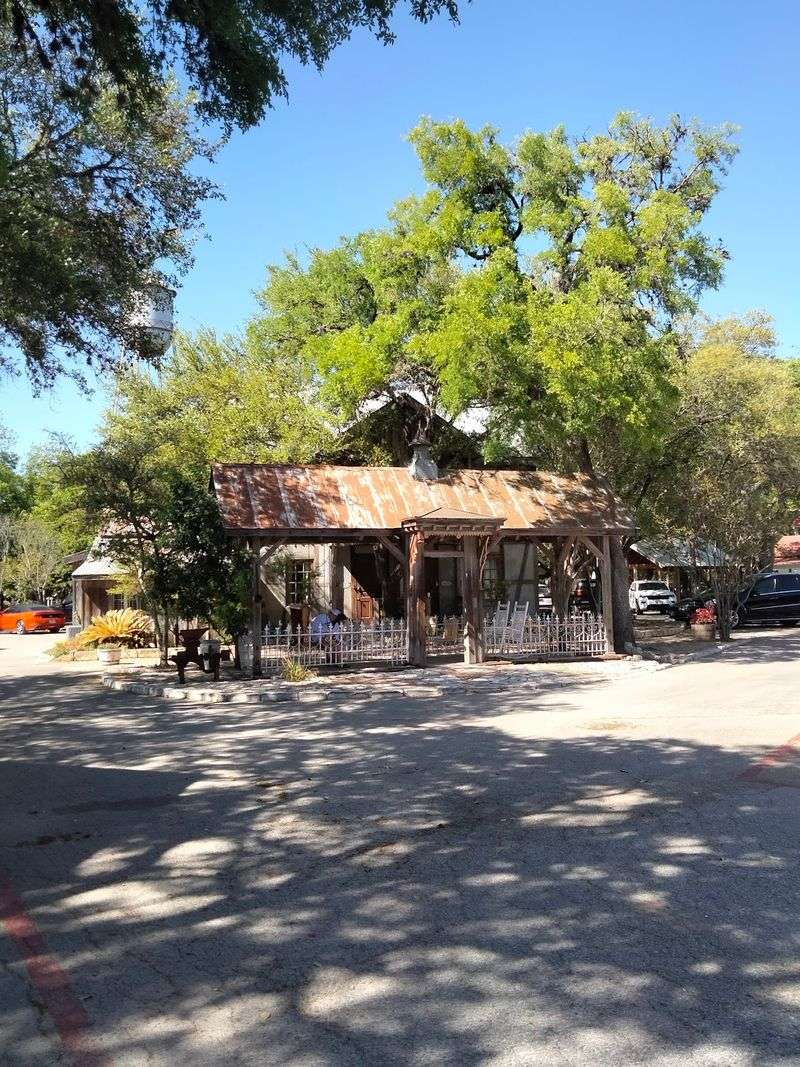
Established in the 1870s by German immigrants, this settlement grew around a cotton gin that made the Gruene family wealthy. When the boll weevil devastated cotton crops in the 1920s, the town essentially froze in time. Buildings sat empty for decades, preserved by neglect rather than intention, until the 1970s brought restoration efforts that saved the historic structures.
Gruene Hall stands as Texas’s oldest continually operating dance hall, hosting legendary musicians since 1878. Willie Nelson, George Strait, and Lyle Lovett have all played on its worn wooden stage. The beer garden out back stays packed on weekends, with live music drifting through ancient oak trees.
Couples two-step across floors smoothed by a century of boots, keeping traditions alive that newer venues try to imitate.
The Guadalupe River flows right past town, attracting tubers and kayakers during hot summer months. Outfitters rent tubes and provide shuttle services, making it easy to float for hours without worrying about transportation. After a lazy river day, grab barbecue at one of the smokehouses where brisket cooks overnight over oak wood.
Antique shops fill renovated buildings, offering everything from vintage signs to handmade quilts. The Gruene General Store stocks local jams, salsas, and gifts you won’t find in regular retail stores. Unlike manufactured tourist traps, this place maintains genuine character earned through actual history.
New Braunfels sits just minutes away, but crossing into Gruene feels like traveling back several decades. No modern development clutters the landscape here. Preservationists fought hard to maintain authenticity, and their success shows in every weathered board and rusty tin roof.
Day-trippers come for the Hall, but smart visitors stay longer, soaking up atmosphere that can’t be rushed or replicated.
4. Uncertain (Harrison County)
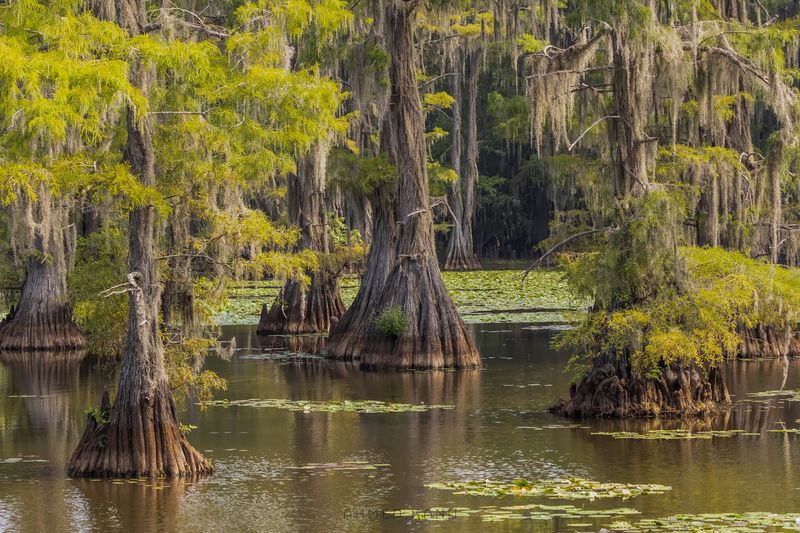
Legend claims the town earned its unusual name when residents couldn’t decide what to call their post office application. Another version says surveyors weren’t certain which side of the Texas-Louisiana border they stood on. Either way, the name stuck, becoming one of the state’s most memorable.
Sitting on the shores of Caddo Lake, this community embraces its swampy surroundings rather than fighting them.
Caddo Lake spreads across 25,400 acres of mysterious waterways draped in Spanish moss. Ancient bald cypress trees rise from dark water, their knobby knees breaking the surface like wooden sculptures. Alligators sun themselves on logs while great blue herons fish in the shallows.
Paddling through the maze of channels feels otherworldly, especially when morning fog blankets everything in gray mystery.
Fishing guides know every secret hole where crappie and bass hide. They’ll take you through passages so narrow your boat barely squeezes between cypress trunks. The lake holds over 70 species of fish, making it a paradise for anglers who don’t mind navigating through floating vegetation and submerged logs.
Lodges and cabins line the shore, offering basic accommodations perfect for those seeking nature over luxury. Some have screened porches where you can watch fireflies dance at dusk while listening to frogs sing their evening chorus. The closest thing to nightlife here involves campfires and storytelling.
Local restaurants serve catfish pulled fresh from the lake, fried golden and served with hushpuppies. Portions come generous because nobody leaves here hungry. The pace moves slower than city folks expect, but that’s exactly the point.
Uncertain doesn’t try to be anything other than what it is: a quiet refuge where nature still runs the show and visitors adjust to its rhythm.
5. Fort Davis (Jeff Davis County)
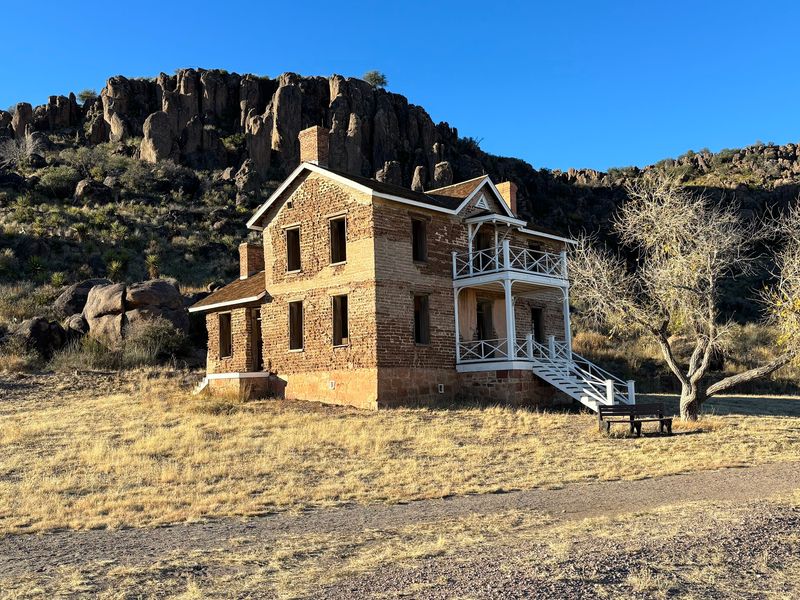
Perched at 5,050 feet elevation in the Davis Mountains, cool breezes blow here even when the rest of Texas bakes. The fort itself operated from 1854 to 1891, protecting travelers and mail routes from Apache raids. Today, the National Historic Site preserves barracks, officers’ quarters, and other structures that show how frontier soldiers lived.
Reenactors sometimes demonstrate drills and daily routines, bringing history alive for visitors who wander the grounds.
McDonald Observatory crowns nearby Mount Locke, housing some of the world’s most powerful telescopes. Public star parties happen regularly, letting ordinary folks peer through equipment that reveals galaxies millions of light-years away. The darkness here ranks among the best in North America because no cities nearby pollute the night sky with artificial light.
Astronomers travel from everywhere to use these facilities, and tourists can join guided viewing sessions that make the cosmos accessible.
Main Street retains its 19th-century charm with stone buildings housing galleries, cafes, and shops. The Hotel Limpia, built in 1912, still welcomes guests with period furnishings and modern comforts blended seamlessly. Locals gather at the Drug Store for breakfast tacos and coffee, swapping news and weather predictions with easy familiarity.
Hiking trails wind through the mountains, offering stunning views across volcanic peaks and valleys. Davis Mountains State Park provides camping and trails ranging from easy walks to challenging climbs. Wildlife includes mule deer, javelinas, and occasional mountain lions that remind hikers they’re in wild country.
Summer temperatures rarely exceed 85 degrees, making this a refuge when lower elevations turn brutal. Fall brings golden aspens and crisp mornings perfect for exploring. The small population of around 1,200 people appreciates their mountain sanctuary, welcoming visitors who respect the quiet beauty they’ve chosen to protect.
6. Round Top (Fayette County)
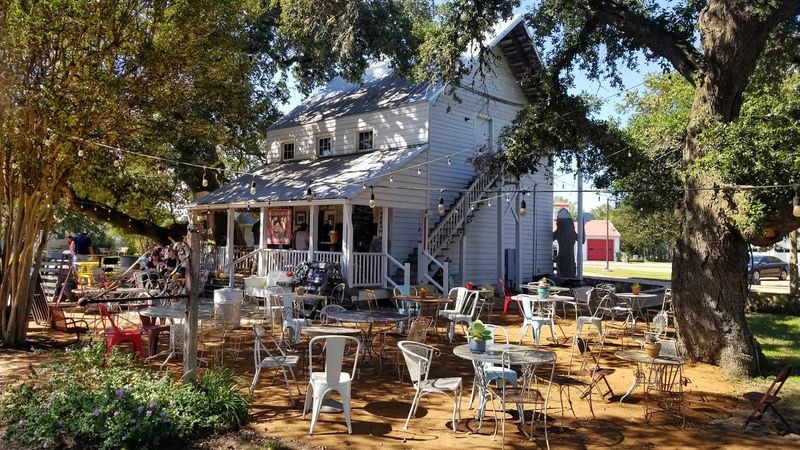
Population hovers around 90 people most of the year, but twice annually this tiny community explodes with visitors. The Round Top Antiques Fair transforms pastures and barns into a massive marketplace where dealers from across America sell everything imaginable. Serious collectors arrive early, hunting treasures among the vintage furniture, jewelry, art, and curiosities spread across multiple venues.
Hotels book up months in advance, forcing late planners to stay an hour away.
Between fair weeks, the town returns to peaceful quiet. Historic homes dating to the mid-1800s line streets shaded by mature trees. Many were built by German and Czech immigrants who farmed the surrounding prairie.
Their descendants still live here, maintaining family properties and traditions that newer residents respect and preserve.
Festival Hill, home to the International Festival Institute, hosts classical music concerts in a renovated 1880s barn. World-class musicians perform chamber music, opera, and orchestral works throughout the year. The acoustics rival purpose-built concert halls, and performances happen in an intimate setting where you can almost touch the performers.
Small galleries and shops operate year-round, offering art, home decor, and gifts curated with excellent taste. Royers Pie Haven bakes pies that people drive hours to buy, with flavors ranging from traditional pecan to creative combinations like blueberry lavender. The crust alone deserves awards, flaky and buttery in ways that make you understand why Texans take their pies seriously.
Nearby Winedale hosts a historic site preserving 19th-century farm buildings and hosting Shakespeare performances each summer. The combination of culture, history, and rural beauty creates an atmosphere that feels deliberately removed from modern chaos. Visitors seeking sophistication without pretension find exactly that here.
The town proves you don’t need size to have substance, just people who care deeply about quality and preservation.
7. Bandera (Bandera County)
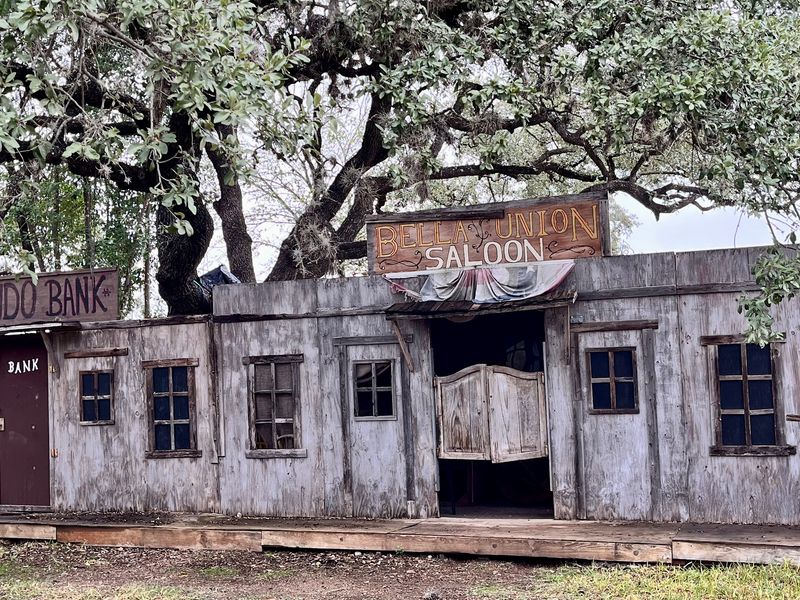
Calling itself the Cowboy Capital of the World might sound boastful until you spend time here. Guest ranches surround the town, offering city folks chances to ride horses, rope cattle, and sleep under stars. Real working cowboys still live and work in this area, not just playing dress-up for tourists.
The culture runs authentic, passed down through generations who made their living from livestock and land.
Medina River cuts through town, providing swimming holes and tubing opportunities when summer heat becomes unbearable. Locals know the best spots where rope swings hang from cypress trees and water runs deep enough for diving. Unlike commercialized tubing destinations, these places stay relatively uncrowded because residents don’t advertise them widely.
Honky-tonks along Main Street host live country music most weekends. Two-stepping couples fill dance floors while cold beer flows freely and bands play traditional Texas swing. The 11th Street Cowboy Bar has been pouring drinks since 1933, maintaining its sawdust floors and no-nonsense atmosphere.
Don’t expect craft cocktails or fancy decor; this place serves cowboys and ranchers who want cold beer and good music without pretension.
Frontier Times Museum displays artifacts from pioneer days, including Native American items, old firearms, and oddities like a two-headed calf. The collection grew from one man’s obsession with preserving local history, and it shows in the eclectic mix of exhibits. Kids love the shrunken heads and weird taxidermy while adults appreciate the genuine historical pieces.
Dude ranches range from basic to luxurious, but all offer horseback riding and Western experiences. Some include meals, entertainment, and activities in their rates, making them surprisingly affordable family vacation options. Riding through Hill Country scenery on a well-trained horse lets you understand why people fell in love with this land.
The combination of natural beauty, genuine Western culture, and small-town friendliness keeps visitors returning year after year.
8. Marfa (Presidio County)
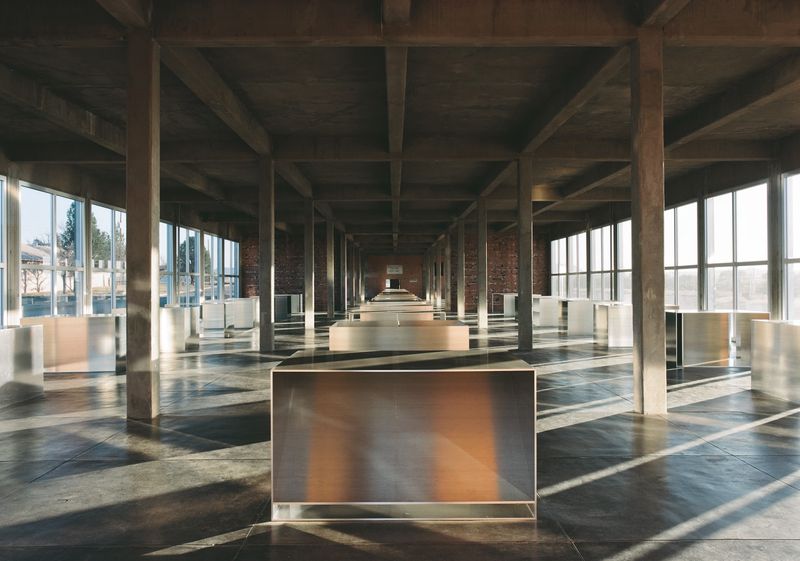
Donald Judd arrived in 1971 and changed everything. The minimalist artist transformed abandoned military buildings into permanent art installations that now draw visitors worldwide. His Chinati Foundation spreads across 340 acres, displaying large-scale works by Judd and other artists in a setting that makes the desert itself part of the experience.
Concrete boxes arranged in precise rows create shadows and light patterns that shift throughout the day, turning simple geometry into something profound.
The town itself embraces its artistic identity without becoming a theme park. Galleries coexist with working ranches and longtime residents who remember when this was just another struggling West Texas town. Coffee shops serve espresso to artists and ranchers alike, creating an unlikely but functional mix of cultures.
The Hotel Paisano, where James Dean stayed while filming Giant, still operates, blending Hollywood history with contemporary cool.
Mysterious lights appear outside town on certain nights, hovering and dancing across the desert horizon. Scientists debate their origin while tourists gather at the official viewing station hoping for a glimpse. Whether they’re atmospheric phenomena, distant car lights, or something unexplained, the Marfa Lights add to the area’s mystique.
Prada Marfa sits 37 miles outside town, a permanent art installation resembling a luxury boutique placed absurdly in the middle of nowhere. The sculpture comments on consumerism and commercialism while providing one of the most photographed roadside attractions in Texas. It perfectly captures Marfa’s blend of high art and desert isolation.
Food Shark serves Mediterranean food from a truck, proving excellent cuisine can happen anywhere. The menu changes based on available ingredients, but the quality stays consistently high. El Cosmico offers glamping in vintage trailers and Sioux-style tipis, creating accommodations as quirky as the town itself.
Marfa succeeds by refusing to be conventional, attracting people who appreciate art, isolation, and the kind of creativity that flourishes far from major cities.
9. Luckenbach (Gillespie County)
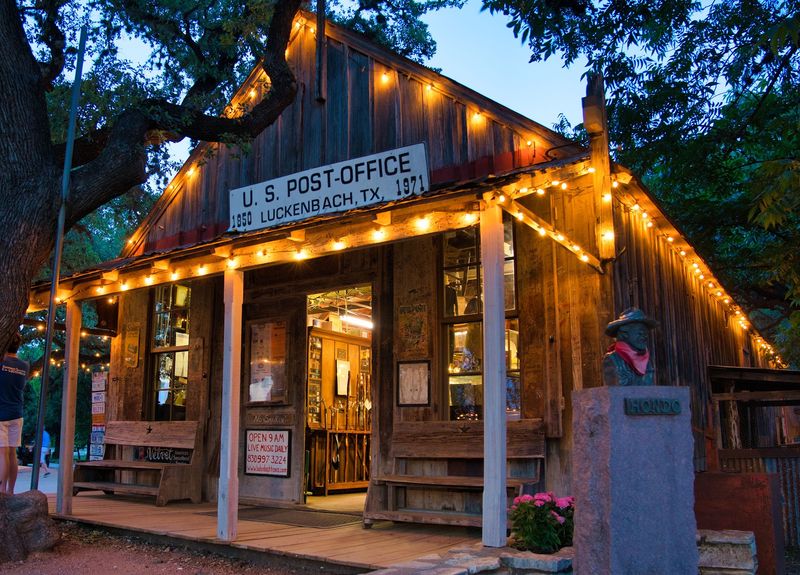
Waylon Jennings made this place famous by singing about it, but the reality somehow exceeds the legend. The entire town consists of a dance hall, general store, and post office clustered under massive oak trees. That’s it.
No residential neighborhoods, no shopping centers, just a gathering place where music happens and people come to escape whatever chases them.
The dance hall hosts live music almost daily, with local pickers and touring acts sharing the stage. No cover charge applies for most shows; they just pass a hat and trust folks to contribute. Beer flows from coolers, and dancers fill the floor regardless of the day or time.
The atmosphere feels timeless, like you could be in any decade since the building went up.
Chickens roam freely, pecking at dropped peanut shells and generally ignoring the humans around them. The post office still operates, though it’s tiny and operates on its own schedule. People come from around the world to mail postcards with the Luckenbach postmark, creating a steady stream of visitors who want proof they visited this legendary spot.
Weekend afternoons bring picker circles under the trees, where anyone with an instrument can join in. The skill levels vary wildly, but nobody cares as long as you’re trying. This informal jam session tradition embodies the town’s spirit: inclusive, unpretentious, and focused on music rather than performance.
The general store sells t-shirts, hats, and souvenirs alongside cold drinks and snacks. Everything feels authentically worn rather than artificially aged. Fredericksburg sits just 13 miles away, offering lodging and restaurants, but Luckenbach provides something its larger neighbor cannot: a place where pretense dies at the gate and everybody’s welcome as long as they respect the vibe.
The simplicity itself becomes the attraction, proving you don’t need much to create something special.
10. Jefferson (Marion County)
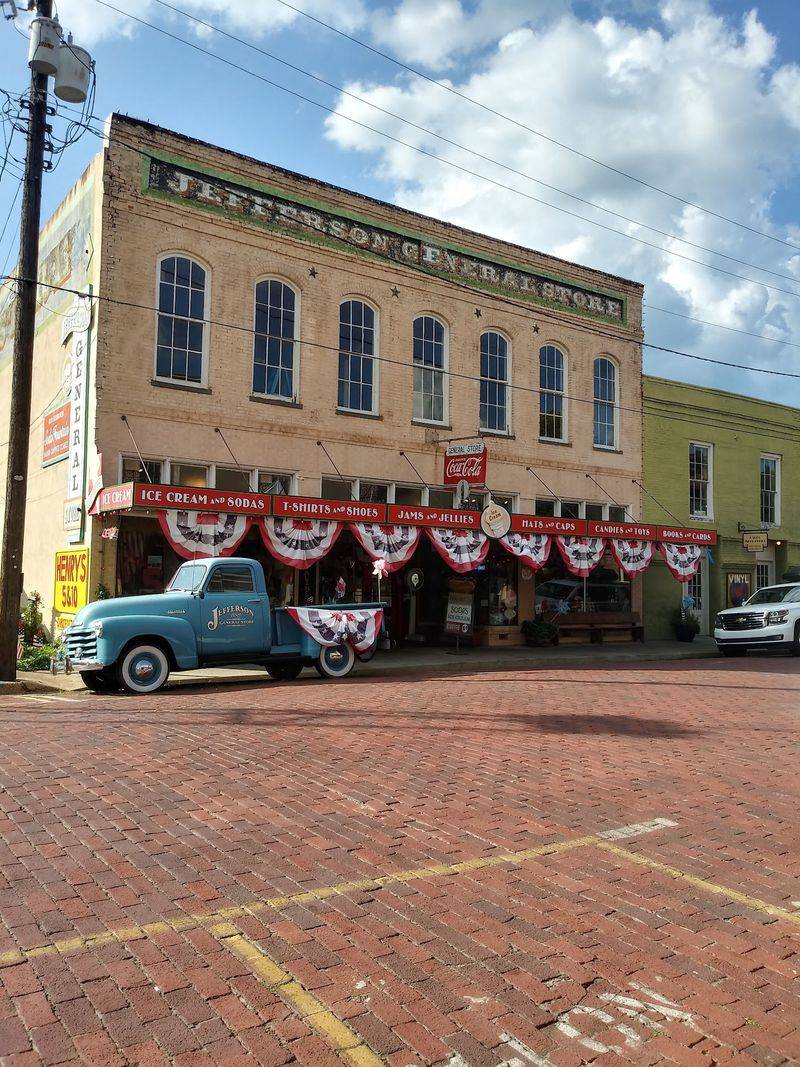
Before railroads changed everything, this riverboat town thrived as Texas’s second-largest port. Steamboats navigated up from the Gulf, bringing goods and prosperity that built the ornate Victorian homes still lining brick streets. When the railroad bypassed Jefferson in the 1870s, the economy collapsed almost overnight.
The town that once rivaled Houston became a backwater, but that abandonment preserved architecture that would have been demolished elsewhere for progress.
Today, over 70 historical structures survive, many operating as museums or bed-and-breakfasts. The Excelsior House Hotel has hosted guests since 1858, including presidents and famous outlaws. Staying there means sleeping in rooms where history actually happened, surrounded by period furnishings and portraits of long-dead guests.
Ghost stories circulate about several locations, and tour companies offer nighttime walks through supposedly haunted buildings.
Antique shops pack downtown, selling genuine Victorian furniture, jewelry, and collectibles rather than reproduction junk. Serious collectors know Jefferson offers quality finds if you’re willing to hunt through multiple stores. The owners generally know their inventory’s history and provenance, adding stories to purchases that make them more meaningful.
Caddo Lake State Park sits nearby, offering the same cypress-studded waterways found near Uncertain. Paddling through the swamp provides a natural contrast to the town’s architectural treasures. The combination of history and nature attracts visitors seeking both cultural and outdoor experiences without driving between distant destinations.
Annual events include historical reenactments, candlelight tours, and festivals celebrating the town’s steamboat heritage. These draw crowds but never overwhelm the town’s capacity or charm. The rest of the year, Jefferson maintains a peaceful pace where you can actually imagine life in the 1800s.
The preservation efforts here succeeded because people valued their history enough to protect it, creating a living museum that functions as a real community rather than just a tourist attraction.
Share this story