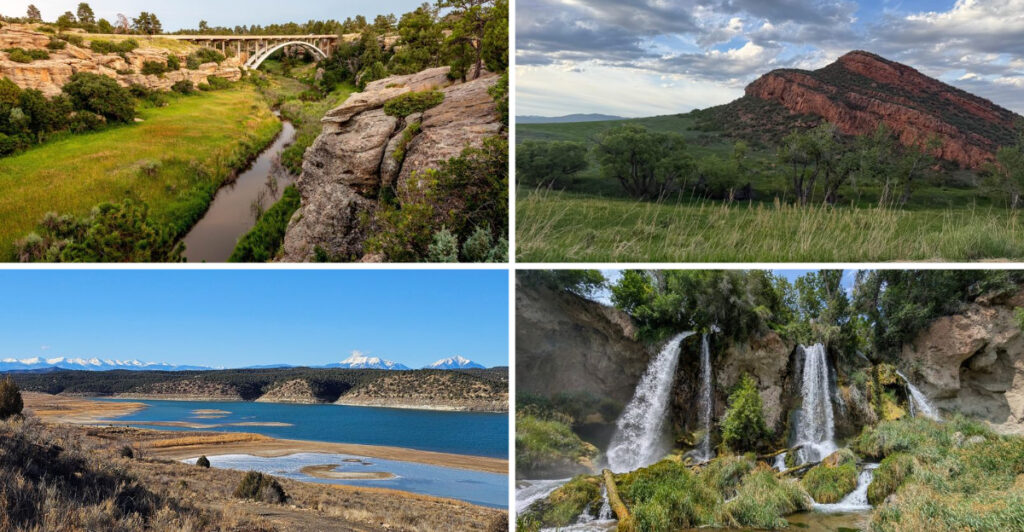
Colorado’s national parks may steal the spotlight, but the state’s remarkable park system offers breathtaking scenery that’s every bit as memorable. From soaring mountain peaks and sparkling alpine lakes to dramatic red rock formations, waterfalls, forests, and sprawling reservoirs, these parks showcase the incredible variety of Colorado’s landscapes without the same level of crowds.
Whether you’re planning a weekend camping trip, a scenic drive, or a day filled with hiking and wildlife watching, these destinations deliver unforgettable outdoor experiences. These 11 Colorado state parks prove you don’t need a national park designation to discover some of the state’s most spectacular places.
1. Lory State Park
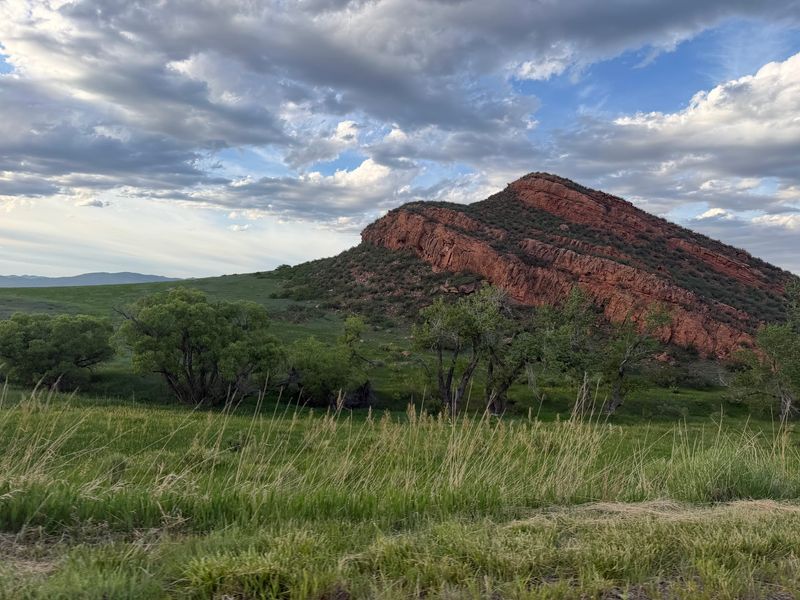
Few parks near Fort Collins pack in so much variety so fast. Lory State Park shifts from open grasslands to rugged red rock areas and then into wooded slopes, so each mile gives the trail a new look.
That mix is a big reason the park stands out. Hikers, mountain bikers, trail runners, and horseback riders all have room to spread out across more than 25 miles of trails, which makes it easy to pick a route that fits the day.
Some paths stay fairly mellow and work well for families or anyone easing into a morning walk. Others climb higher and reward the effort with broad views over Horsetooth Reservoir, nearby hills, and the changing colors of the foothills.
Wildlife sightings add extra interest, especially in quieter hours. Deer, birds, and other animals often show up when people slow down, keep voices low, and look carefully near brush, open meadows, and shaded edges of the trail.
Weather can shift quickly here, so carrying water, sun protection, and one extra layer is a smart move. The open sections can feel warm and bright, while higher or shaded stretches may cool off more than expected.
Timing helps too. Early mornings usually bring softer light, better chances to spot animals, and a calmer experience before popular trailheads get busier later in the day.
For visitors who want big Colorado scenery without committing to a long road trip, Lory makes a strong case for itself. It combines bold rock, rolling land, and active recreation in one compact place, and that blend gives the park a surprisingly grand presence.
2. Staunton State Park
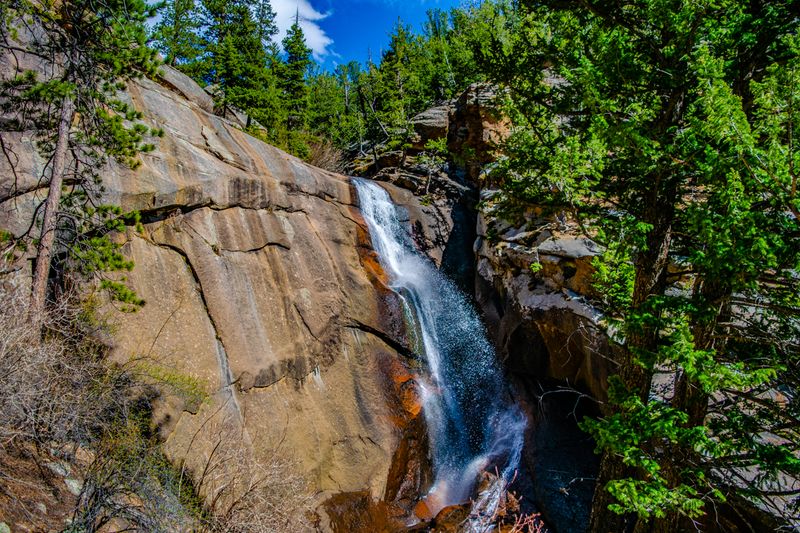
Staunton State Park has the kind of trail network that can quietly take over an entire day. One turn leads through forest, another opens to granite walls, and before long the landscape starts looking far bigger than many people expect from a state park.
Spread across nearly 4,000 acres, the park offers a little of everything that makes mountain hiking memorable. There are peaceful woods, open meadows, rocky viewpoints, and the satisfying goal of reaching Elk Falls, one of the highlights many visitors plan around.
The route choices are a big plus here. Some trails give a moderate walk with plenty of scenery, while longer paths ask for more effort and pay back with bigger views and a stronger sense of space.
Photographers usually have an easy time finding strong subjects. Granite formations, tall trees, moving water, and shifting light create scenes that change by the hour, especially in the morning and late afternoon.
Because the park sits close enough for a day trip from the Front Range, it is smart to start early on weekends. That simple move can help with parking, trailhead access, and a quieter walk before the busiest part of the day.
Good shoes matter more than people sometimes think. Rocky sections, elevation changes, and longer distances can wear down casual footwear, so sturdy hiking shoes and extra water are a better bet.
Staunton also works well for repeat visits since conditions shift with the seasons. Summer greenery, fall color, and snowy stretches in colder months all change the mood, giving the park a fresh personality each time without losing its strong mountain character.
3. Rifle Falls State Park
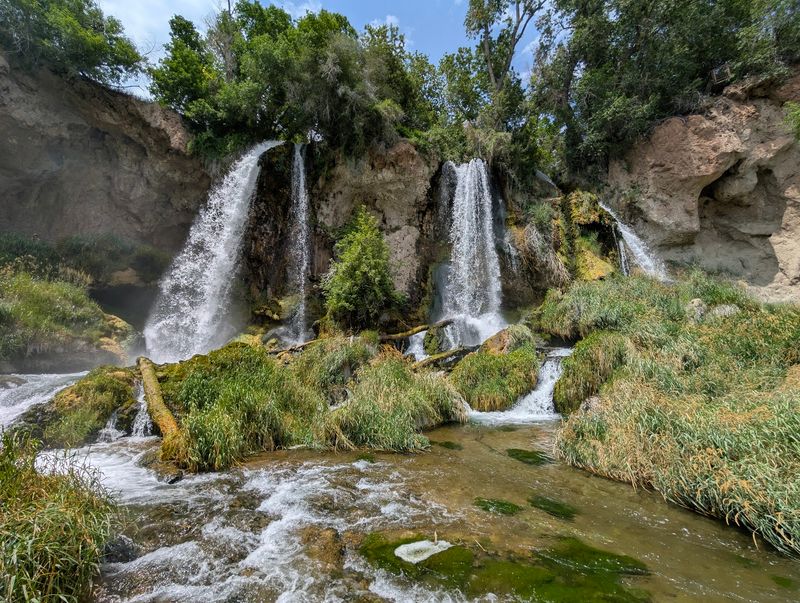
Rifle Falls makes a strong first impression before a hike even begins. The triple waterfall pours over limestone cliffs in a way that looks more like a scene from a wet, green canyon than the dry landscapes many people connect with Colorado.
That contrast is what gives the park its special pull. Around the falls, lush plants, cool shade, mossy rocks, and the sound of rushing water create a setting that feels calm, enclosed, and a little surprising.
The trails are not huge in length, but the scenery keeps attention high. Short walks lead past the falls, through shaded areas, and toward small cave openings that add a bit of adventure for families and curious explorers.
Because of the moisture in the area, surfaces can be slick in spots. Shoes with a solid grip are a smart idea, and a slower pace helps near damp rock, steps, and narrow sections of trail.
Camping here can be especially appealing for travelers who want to stay close to the sound of water. A night in the canyon changes the experience, especially when morning light reaches the cliffs and the falls start glowing through the trees.
Warm months often bring more visitors, so arriving earlier helps with parking and lets the area feel quieter. The softer light also improves photos, especially when mist rises near the base of the water.
Rifle Falls is a great reminder that scale is not everything. Even though the park is smaller than many headline destinations, the combination of waterfalls, caves, and rich greenery delivers a bold, memorable experience that stands out from almost every other stop on a Colorado road trip.
4. Mueller State Park
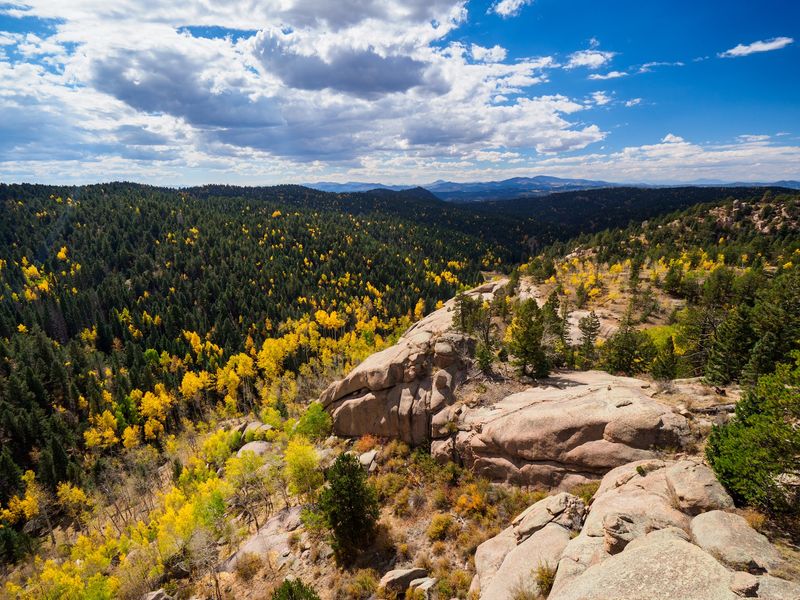
Mueller State Park is the sort of place where a simple walk can turn into an all-day outing. With more than 5,000 acres and over 55 miles of trails, the park gives visitors room to roam without feeling boxed into one main viewpoint.
Forests and meadows share the spotlight here. One trail may weave through dark evergreens, while the next moves into open country where broad mountain views stretch out and the air feels a little bigger.
Wildlife is a major draw, especially for people hoping to spot elk. Quiet mornings and evenings often give the best chance, and patient observers who scan meadow edges instead of rushing ahead usually do better.
Aspen groves add another layer of appeal. In fall, their color can turn whole sections of trail bright gold, but even in summer the pale trunks and fluttering leaves give the forest a lively, textured look.
Hikers have plenty of options, from easier strolls to longer routes that need more time and energy. That range makes Mueller useful for mixed groups, since not everyone has to tackle the same kind of outing.
Camping is popular for good reason. Staying overnight lets visitors enjoy cooler evening light, quieter early hours, and easier access to the trails before day visitors start filling parking areas.
Winter changes the park again. Snowshoeing becomes part of the picture, and the same meadows and tree-lined paths take on a cleaner, quieter look that suits slower travel.
Close to Pikes Peak but with its own strong identity, Mueller stands out by offering variety rather than one single landmark. It is a park built for movement, wildlife watching, and repeat visits, which is exactly why many Colorado travelers keep it high on their list.
5. Trinidad Lake State Park
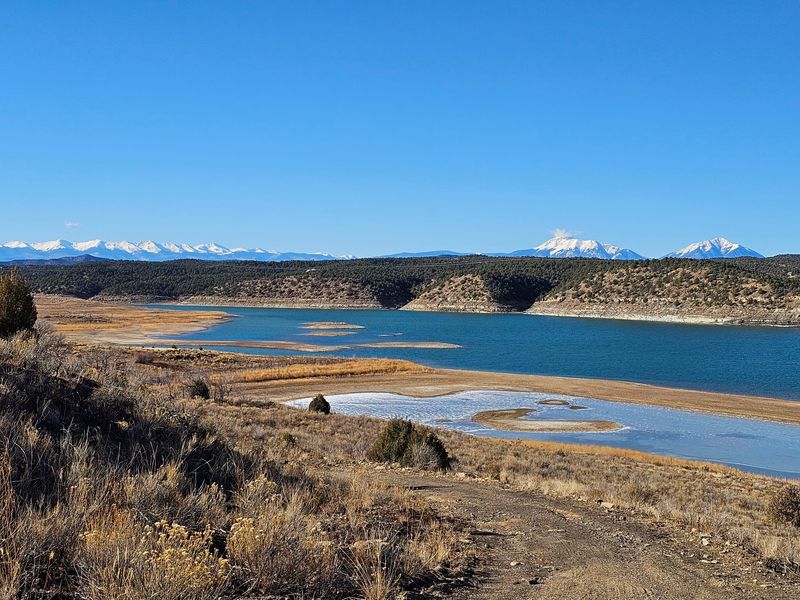
Big water changes the mood of a Colorado park, and Trinidad Lake State Park uses that to full effect. The broad reservoir, rolling hills, and nearby plains create a landscape that feels open and spacious in a way many mountain parks do not.
That sense of scale is part of the appeal. On a clear day, the lake reflects shifting light while the surrounding land stretches outward, giving boaters, anglers, and shoreline walkers plenty to look at beyond the water itself.
Recreation options are nicely balanced here. Some visitors come for boating or fishing, while others stick to hiking, birdwatching, and relaxed camping with long views that make even a short stay feel restorative.
Southern Colorado has its own character, and this park shows it well. The scenery mixes water, dry hills, and a touch of history in the surrounding area, which gives the place a different rhythm from parks deeper in the mountains.
Wind and sun can play a bigger role here than first-time visitors expect. Bringing sun protection, extra water, and a light layer for changing conditions makes the day easier, especially on exposed shoreline sections.
Campers often benefit from planning around the light. Sunrise and sunset can be the most striking parts of the day, with soft color over the reservoir and the nearby land taking on a wider, more dramatic look.
Birdwatchers should bring binoculars and a little patience. Water and open country together can attract a good mix of birds, and quiet observation from the edge of the lake is often more rewarding than constant movement.
Trinidad Lake State Park may not get the same buzz as Colorado’s marquee destinations, but that lower profile can be part of the advantage. Visitors get room, scenery, and variety without the sense that every overlook is already crowded.
6. Eldorado Canyon State Park
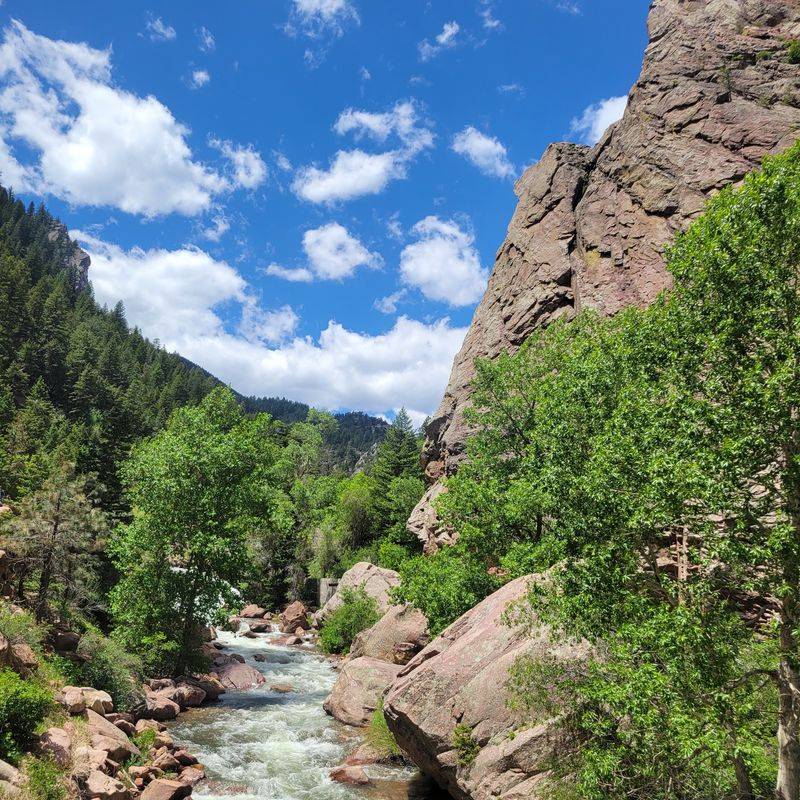
Eldorado Canyon does not waste time easing visitors in. Towering sandstone cliffs rise sharply above the creek, and the canyon walls create a bold entrance that explains right away why the park has such a strong reputation.
Rock climbers know this place well, but the park offers much more than climbing routes. Hikers can follow trails that move through the canyon, gain elevation for wider views, and pass through terrain that stays dramatic from start to finish.
The contrast between the rushing water below and the steep rock above gives the landscape real energy. Even on a short visit, there is a constant sense of movement as sound, light, and shadows shift through the narrow canyon.
Because the park sits close to Boulder, it can get busy fast. Timed planning helps a lot here, especially on weekends, and checking access details before leaving home can save frustration at the entrance.
Trail difficulty also deserves attention. Some routes are more demanding than they first appear, so sturdy shoes, water, and a realistic sense of pace matter more than they might on flatter Front Range walks.
Wildlife still has a place in all that rocky drama. Visitors who pause near quieter sections may spot birds, small animals, or signs of larger ones using the edges of the canyon away from the busiest activity areas.
Photographers often have to think about timing because of the steep walls. Midday light can be harsh, while earlier and later hours may bring richer color to the sandstone and more depth to creekside scenes.
Eldorado Canyon earns attention through raw scenery and strong vertical scale. It is a compact park with a huge visual punch, and that combination makes it one of the clearest examples of a state park delivering national-park-level drama.
7. Roxborough State Park
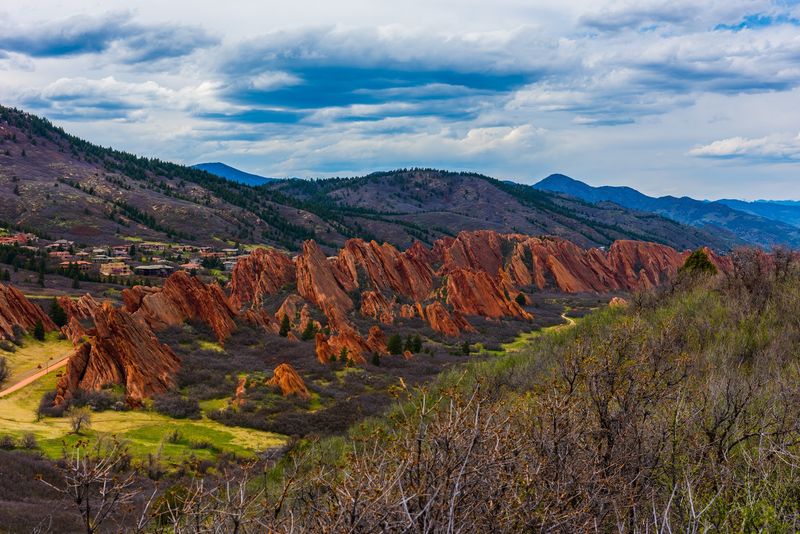
Roxborough State Park grabs attention with geology that looks almost oversized. Huge tilted red rock fins rise from the landscape in sharp angles, creating a scene that could easily be mistaken for one of the West’s more famous park settings.
The striking rock formations are the main draw, but the hiking experience stays pleasantly calm. Trails move through open foothill terrain with steady views of the fins, and the protected setting helps the area keep a quieter, more thoughtful pace.
Because the park is also a State Natural Area, it rewards careful observation. Deer, foxes, birds of prey, and smaller animals may appear along the trails, especially when visitors stay alert and avoid rushing from one viewpoint to the next.
Footing is usually straightforward, though sun exposure can be strong in open sections. Water, sunscreen, and a hat can make a big difference, even on a shorter walk that looks easy on paper.
One of the best parts of visiting Roxborough is how the scenery changes with light. Early hours can bring warmer color on the red rocks, while late afternoon often adds long shadows that make the formations look even more sculpted.
Families and casual hikers often appreciate that the reward comes quickly. You do not need a huge climb to enjoy the park’s signature views, which makes it a smart pick for visitors with limited time.
Even though the park sits near the Denver area, parts of it can feel surprisingly quiet once the trails begin to stretch out. That balance between access and scenery is part of its strength.
Roxborough succeeds by focusing on one unforgettable visual feature and letting the rest of the landscape support it. The result is simple, bold, and memorable, with enough wildlife and trail variety to keep the visit from feeling one-note.
8. Golden Gate Canyon State Park
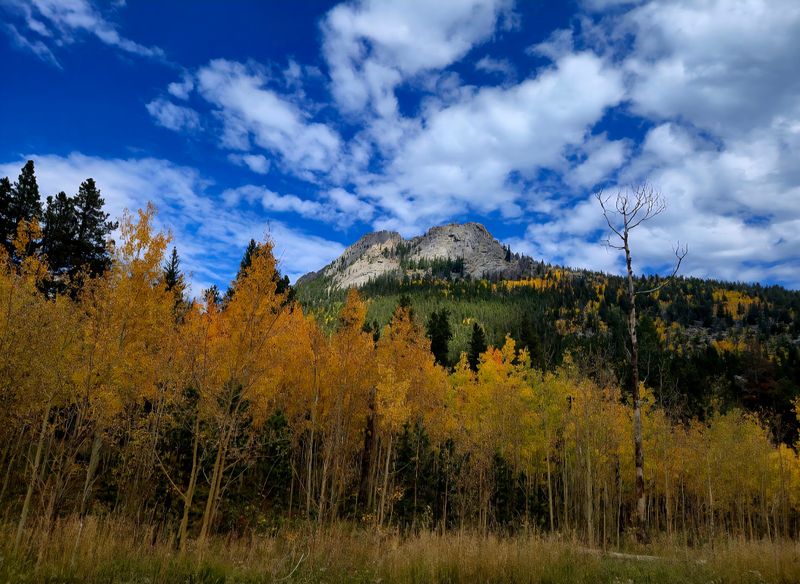
Golden Gate Canyon is the kind of park that keeps changing as the road and trails unfold. Forests, meadows, streams, lakes, and mountain views all share space here, so the outing rarely settles into only one type of scenery.
Its size helps make that possible. With more than 12,000 acres and over 35 miles of trails, the park offers enough range for quick walks, longer hikes, scenic drives, and camping trips that can fill a full weekend.
Panorama Point is one of the standout overlooks for obvious reasons. The name does not oversell it, and visitors who stop there get the kind of wide mountain view that encourages people to slow down and stay a while.
Wildlife adds extra life to the landscape. Deer and birds are often the easiest to spot, but the bigger lesson is to keep scanning meadow edges, wooded areas, and calm stretches near water instead of only looking at the horizon.
Fall is especially popular because the aspens can turn bright gold and light up entire hillsides. During that season, going on a weekday or arriving early can make the experience more enjoyable and reduce parking stress.
Campers have strong options too. Spending the night means more time for evening light, cooler mornings, and a chance to enjoy the park before the day-use crowds build.
Because the terrain and elevation can vary, layers are helpful in every season. A calm, sunny trailhead can shift into cooler, breezier conditions once the route climbs or moves into thicker forest.
Golden Gate Canyon works so well because it offers breadth without sacrificing beauty. Instead of building around one famous landmark, it delivers a whole collection of Colorado scenes in one place, which makes each visit flexible, scenic, and easy to tailor.
9. Castlewood Canyon State Park
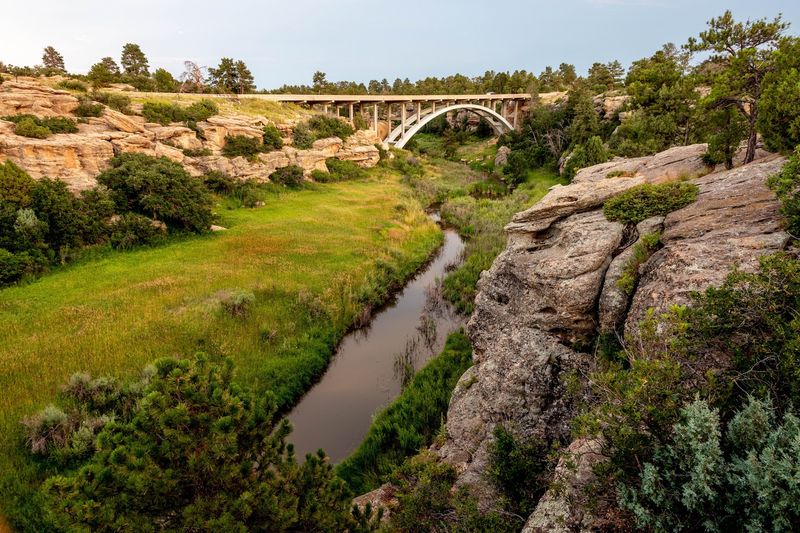
Castlewood Canyon proves that a park close to Denver can still feel rough around the edges in the best way. Cherry Creek carved a rugged landscape here, leaving cliffs, rocky slopes, and a canyon setting that looks far wilder than many first-time visitors expect.
History gives the scenery an extra layer. The ruins of the Castlewood Dam add a strong point of interest, turning an ordinary hike into one that also hints at the human stories tied to the land.
Trails wind through changing terrain with plenty to notice along the way. Some stretches stay near the creek, while others climb higher for broader views of the canyon and its textured rock formations.
After wet periods, small waterfalls and flowing water can make the route even more appealing. Conditions vary, though, so it helps to check park information before visiting if water features are part of the plan.
Footing can be uneven in places, especially where rock, dirt, and grade changes come together. Shoes with decent traction make the hike more comfortable, and carrying water is wise because sun exposure can build quickly.
Wildlife watchers have reasons to stay alert here too. Birds, deer, and smaller animals may appear around the creek corridor or along quieter trail segments where movement is slower and the noise level drops.
The park also works well for people who enjoy a mix of scenery and story. One minute the focus is geology, the next it is the old dam site, and then the trail turns back toward open views and scrubby hills.
Castlewood Canyon stands out because it combines several good things without trying too hard to be flashy. Its rocky character, bits of history, and easy access from the city make it a practical escape for hikers who want a day outdoors with more texture than a basic neighborhood trail.
10. Cheyenne Mountain State Park
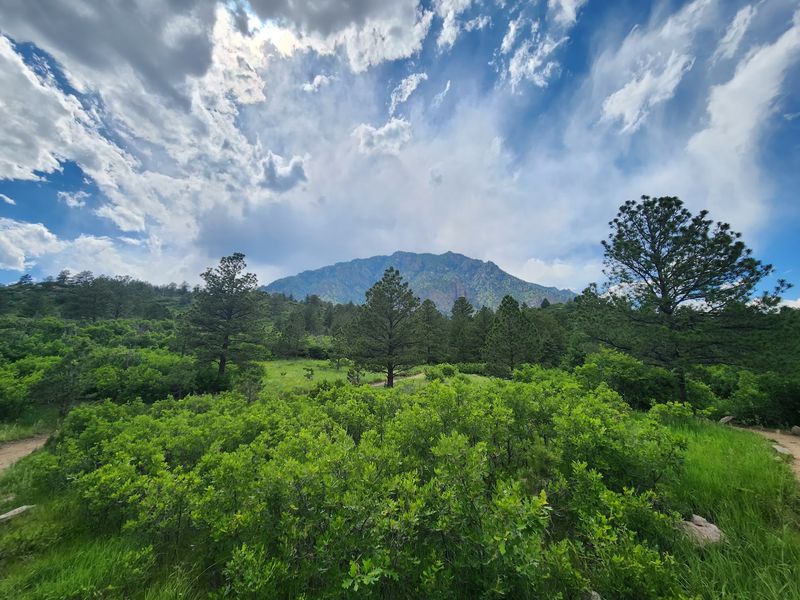
Cheyenne Mountain State Park shows off how much variety can fit along one mountain front. Starting in prairie grasslands and moving into oak woodlands and pine forest, the park gives visitors several different Colorado landscapes in a single outing.
That range keeps the trail system interesting. A walk here is not only about reaching a viewpoint, because the ground, plants, and surroundings shift often enough to make each segment feel like its own small chapter.
Wildlife viewing is one of the park’s strongest features. Deer, birds, and other animals use the different habitats across the park, so patient hikers who move quietly have a fair chance of spotting more than one species in a visit.
The setting near Colorado Springs makes access easy, but the trails can still deliver a real break from city pace. Once the route climbs and the sounds thin out, attention naturally turns to the mountain backdrop and open spaces ahead.
The campground is another plus for people who want more than a quick day trip. Staying overnight adds time for early trail walks, cooler evening air, and a slower experience than simply driving in and back out.
Because conditions can range from warm and open to cooler and shaded, layered clothing works well year-round. Sun protection matters too, especially on lower, more exposed stretches where the light can feel intense.
Families, newer hikers, and experienced walkers can all find routes that fit their comfort level. That flexibility helps the park appeal to a broad mix of visitors without losing its sense of outdoor substance.
Cheyenne Mountain State Park succeeds by offering strong mountain scenery paired with practical comfort and solid trail design. It is easy to reach, varied enough to revisit, and large enough in character to stand proudly beside much better-known destinations in the state.
11. Navajo State Park
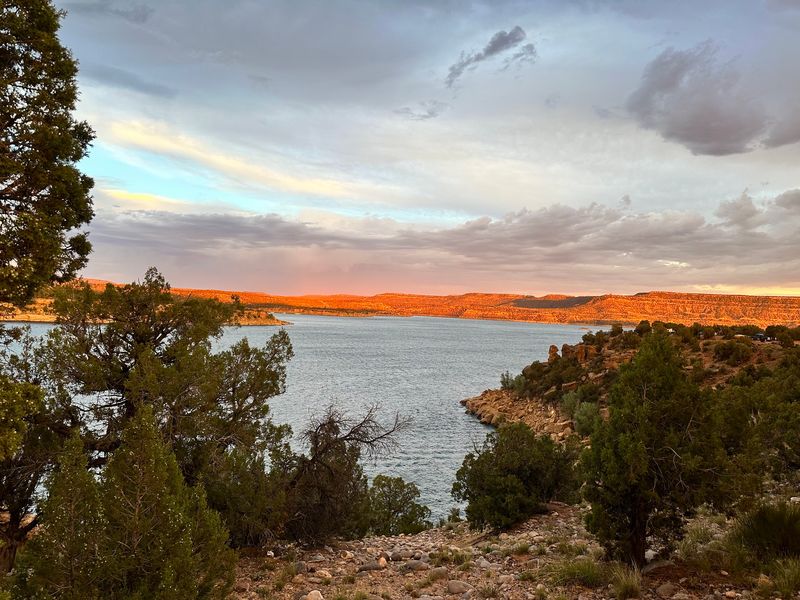
Navajo State Park is built around big water and big sky, and that combination gives it instant presence. The broad reservoir stretches out beneath sandstone mesas and rolling hills, creating a scene that looks especially striking once the sun starts dropping lower.
Boating is a major reason people come, but the park also works well for slower activities. Kayaking, paddleboarding, fishing, shoreline walks, wildlife watching, and camping all fit naturally into the setting without competing for attention.
The long shoreline helps the park feel open rather than crowded. Even when there is activity on the water, there is often still enough space to find a calmer pocket for watching birds, casting a line, or simply sitting near the edge.
Light is one of the biggest attractions here. Early morning can bring glassy water and softer color, while evening often delivers the kind of sunset that turns the mesas and lake into the main event.
Winds and sun exposure can shape the day, so preparation matters. Water, sunscreen, and a hat are basic essentials, and anyone heading onto the reservoir should pay attention to changing weather and water conditions.
Campers get one of the best versions of the park. Staying overnight allows time for sunset, dark skies, and a quieter start the next morning when the shoreline is calmer and the reflections are often at their best.
Fishing and paddling visitors usually benefit from an early schedule. Launch areas and popular sections can be easier to navigate before the busiest part of the day, and the softer light makes the whole landscape look cleaner and more vivid.
Navajo State Park earns its reputation by offering scale, recreation, and strong scenery in one package. For travelers who want a Colorado park centered on water rather than alpine peaks, it provides a refreshing change of pace with plenty of room to settle in.
Share this story