Pennsylvania has a deep railroad story, and many of its old depots still stand as reminders of busy platforms, steam whistles, and hometown travel. These stations helped carry soldiers, workers, families, mail, coal, lumber, and farm goods across the state and beyond, linking small communities with larger cities and distant destinations. Visiting them today can feel like stepping into a living history book, with brick walls, wooden benches, restored ticket windows, and tracks that once connected small towns to big dreams. Some have been carefully preserved as museums, while others remain quiet landmarks tucked into neighborhoods and rural communities.
From quiet borough landmarks to full museums packed with engines, these places show how railroads helped shape Pennsylvania communities and played an important role in the state’s growth. For anyone interested in local history, architecture, or the golden age of train travel, these historic sites offer a fascinating glimpse into a time when railroads were at the heart of everyday life.
1. Portland Railroad Depot – Portland
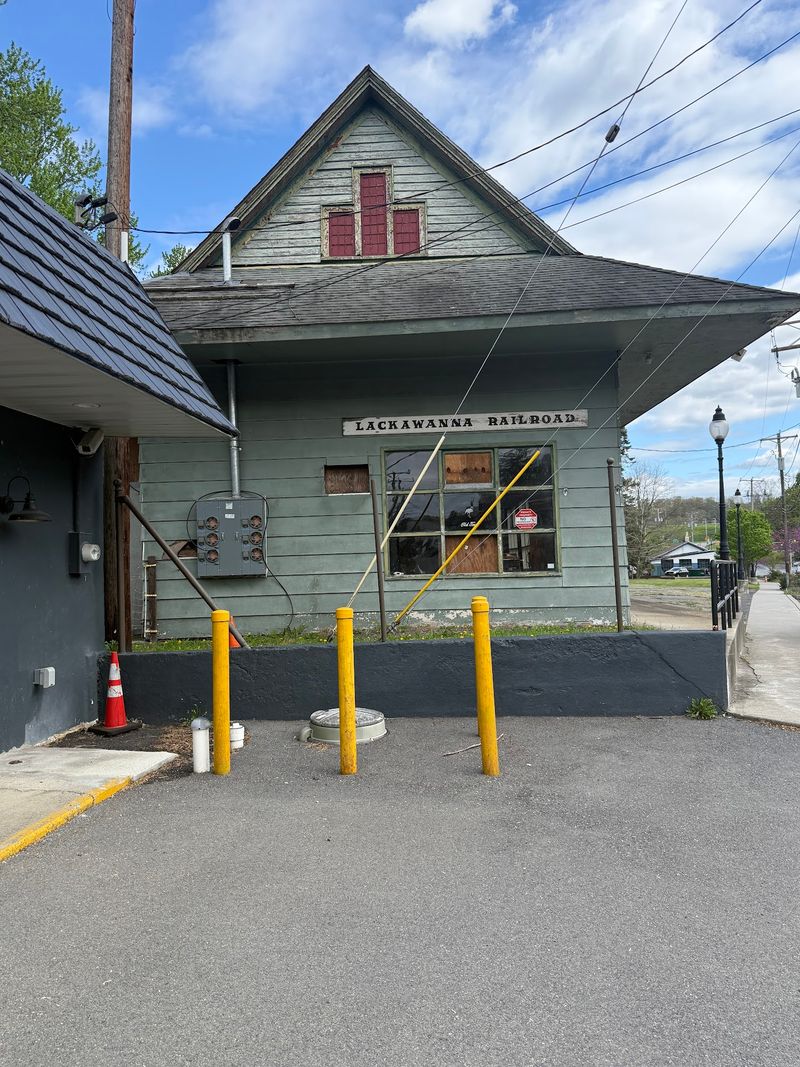
A little river town can hide a big transportation story, and Portland is a fine example.
Near the Delaware River, the Portland Railroad Depot reminds visitors that trains once tied small Pennsylvania communities to markets, jobs, and nearby states.
The depot served travelers and freight in a place where railroads, roads, and river routes all mattered.
Its location close to New Jersey made it part of a busy regional network, not just a quiet local stop.
Imagine farmers shipping goods, workers waiting with lunch pails, and families listening for the next train whistle.
When you visit, slow down and look at the building as more than old walls.
Notice the shape of the roof, the platform area, and the way the depot sits near the town layout.
Railroad buildings were designed for movement, so even small details often had a practical purpose.
Portland itself makes the stop feel relaxed and personal.
You can pair a depot visit with a walk through town or a look toward the river.
Bring a camera, because older railroad sites often look best when photographed from an angle that shows both the building and its surroundings.
For families, this is a simple place to talk about how travel worked before highways became the main route.
Children can picture buying a ticket, checking luggage, or waiting for mail to arrive by train.
It turns local history into something easy to understand.
A good tip is to check local preservation information before going, since access and conditions can change.
Even if you only view the depot from outside, Portland offers a peaceful glimpse of Pennsylvania rail history, framed by a community that still carries echoes of the past.
2. Noxen Train Depot – Noxen
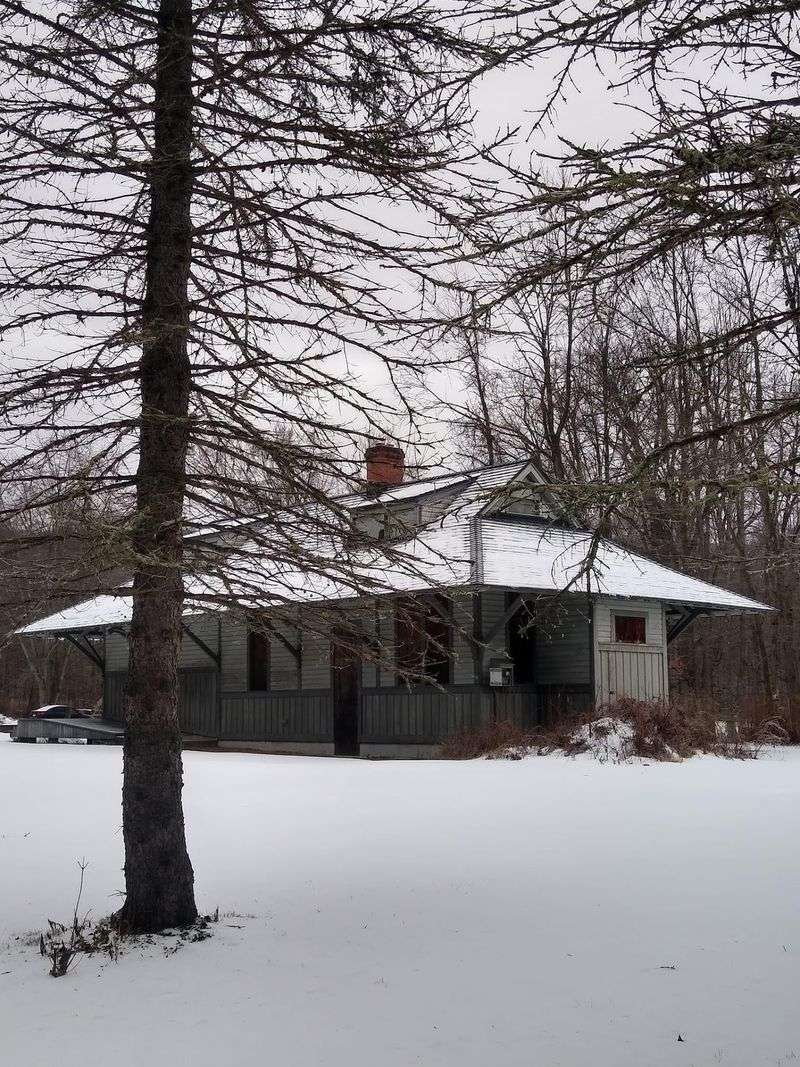
Some depots feel like they belong in a family photo album, and Noxen has that kind of charm.
Tucked in rural northeastern Pennsylvania, the Noxen Train Depot reflects a time when rail service reached deep into farming, lumber, and coal country.
This station is closely tied to the community around it.
In places like Noxen, the train was not just a way to travel.
It brought supplies, carried local products, delivered news, and helped connect neighbors to larger towns.
The depot’s simple look is part of its appeal.
Many rural stations were built to be useful rather than fancy, with sturdy materials and easy access to the tracks.
That plain style tells its own story about daily life and hard work.
If you enjoy quiet historic places, give yourself time to study the setting.
The surrounding landscape helps explain why railroads mattered here.
Before trucks could easily handle country roads in all seasons, a rail line could be a lifeline.
Visitors should look for community events or heritage activities connected to the depot.
Small-town railroad sites often come alive during local celebrations, when volunteers share memories, photos, or restoration stories.
Those personal details can make a visit much richer.
For younger travelers, Noxen is a good reminder that history did not happen only in cities.
A small station could shape where people worked, shopped, and visited relatives.
Ask kids to imagine waiting on the platform in winter, hearing the train before they could see it.
Before heading out, check local sources for hours, event dates, or viewing rules.
The Noxen Train Depot rewards patient visitors who like history with a human touch.
It feels less like a grand monument and more like a neighbor telling an old story.
3. Kane Depot – Kane
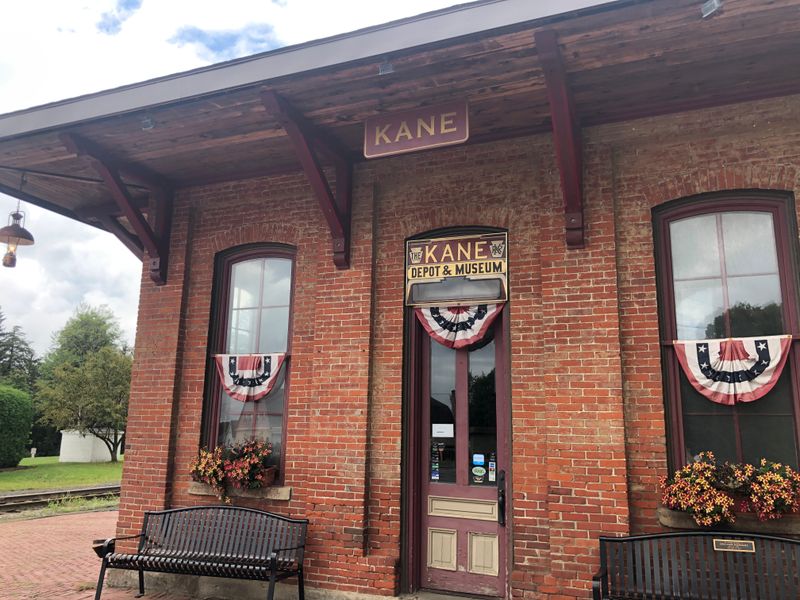
High in Pennsylvania’s northern timber country, Kane has a railroad story shaped by forests, industry, and mountain weather.
The Kane Depot stands as a reminder of the days when trains helped move lumber, passengers, and goods through the Allegheny region.
Rail service was especially important in this part of the state because the landscape could be rugged.
Roads were not always easy, and railroads offered a stronger link between remote communities and bigger markets.
A depot like this became a doorway to opportunity.
The building also reflects the pride many towns placed in their railroad connections.
Depots were often among the most recognized public places in a community.
People met there, said goodbye there, and watched the outside world arrive on steel rails.
Kane’s setting gives the depot a special mood.
The nearby forests and cool northern air make it easy to picture freight cars loaded with timber or travelers stepping off with coats pulled tight.
History feels close when the landscape still matches the old stories.
If you visit, look beyond the station itself.
Notice how the depot relates to the town’s streets, businesses, and former rail corridor.
Depots were usually placed where they could serve both passengers and local commerce, so their location was never random.
This is a helpful stop for anyone interested in Pennsylvania’s lumber history.
Trains did more than carry people; they helped build towns and support industries.
A short visit can lead to bigger questions about conservation, logging, and how communities changed over time.
Check ahead for current use, visitor access, or nearby heritage displays.
Even from the outside, Kane Depot offers a strong sense of place.
It tells a northern Pennsylvania story with a practical voice, full of grit, motion, and small-town pride.
4. Derry Station Railroad Heritage Park – Derry
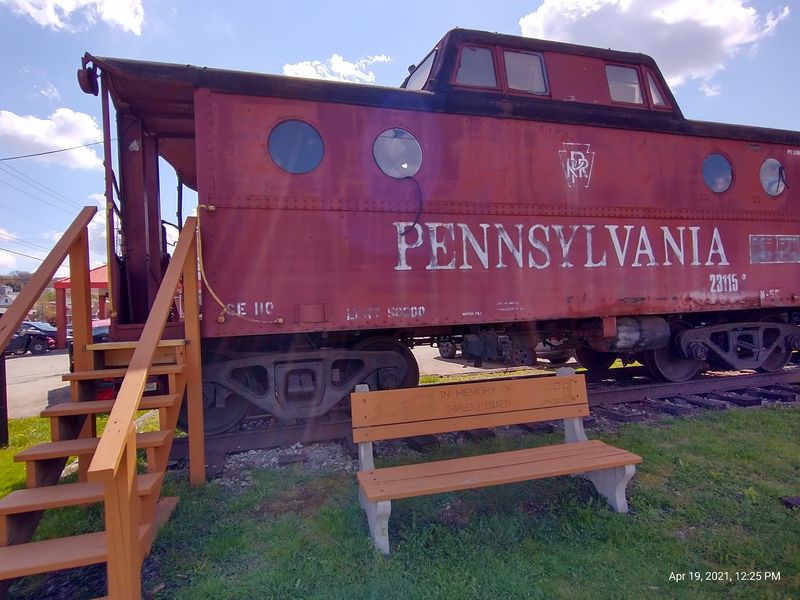
A park built around railroad memory makes history easier to enjoy, especially when visitors can walk, pause, and explore at their own pace.
Derry Station Railroad Heritage Park gives the borough’s rail past a welcoming public setting.
Derry grew with help from the Pennsylvania Railroad and nearby industrial activity.
In earlier years, stations like this supported commuters, freight, and daily travel across western Pennsylvania.
The railroad helped link local workers and businesses to larger routes.
The heritage park format is a big advantage.
Instead of only seeing a building, visitors can experience a space designed for learning and reflection.
Signs, rail features, and open areas can help explain what happened there without making the visit feel like schoolwork.
Families may find this stop especially friendly.
Children can move around more freely than they might inside a small museum.
Adults can point out track areas, station features, or displays while explaining how trains once shaped everyday schedules.
One fun way to enjoy the park is to compare old travel with modern travel.
Think about how long it took to reach Pittsburgh or other towns before most families owned cars.
The depot was once a place where time mattered, because missing a train could change an entire day.
Railroad fans should also appreciate Derry’s place in a broader network.
Pennsylvania’s rail lines were not isolated pieces; they formed a web of passenger and freight movement.
A local heritage park helps make that large system easier to picture.
Bring comfortable shoes, water, and a little extra time to read any markers.
Public parks can change with seasons, so spring, summer, and fall may offer different views.
Derry Station Railroad Heritage Park turns a transportation site into a community memory space, where the past feels open and approachable.
5. Lehigh Valley Railroad Station – Easton
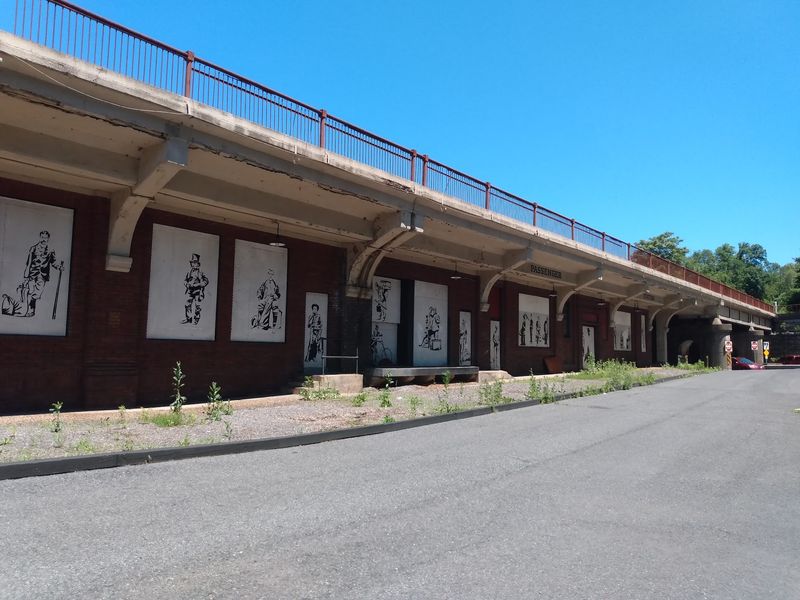
Easton has always felt like a meeting place, with rivers, roads, canals, and railroads all crossing paths.
The Lehigh Valley Railroad Station adds another layer to that story, showing how transportation helped the city grow.
The station is tied to the powerful Lehigh Valley Railroad, which carried coal, freight, and passengers across a major part of Pennsylvania and beyond.
Easton’s location near the Lehigh and Delaware rivers made it a natural hub.
Goods could move between water routes, rail lines, and town markets.
Architectural details are part of the fun here.
Urban stations often had a more formal look than rural depots because they served larger crowds and represented important companies.
Even if the building has changed uses over time, its railroad roots still help explain its shape and placement.
A visit to this site pairs well with exploring downtown Easton.
You can connect the station’s history with nearby streets, bridges, and riverfront areas.
That makes the stop feel less like one building and more like a chapter in the city’s growth.
For practical planning, check current access before you go.
Some historic stations are active businesses, private spaces, or adapted buildings rather than traditional museums.
Respect posted signs, but take time to view the exterior if public access is limited.
Students and curious travelers can use Easton as a lesson in how geography affects history.
Rivers brought early trade, canals improved shipping, and railroads sped everything up.
The station helps show how each transportation age built on the one before it.
Bring a wide-angle camera lens or phone setting if you enjoy architecture.
City buildings can be tricky to photograph from narrow sidewalks.
The Lehigh Valley Railroad Station offers a polished, busy, and deeply connected piece of Pennsylvania’s railroad past.
6. Gettysburg Lincoln Railroad Station – Gettysburg
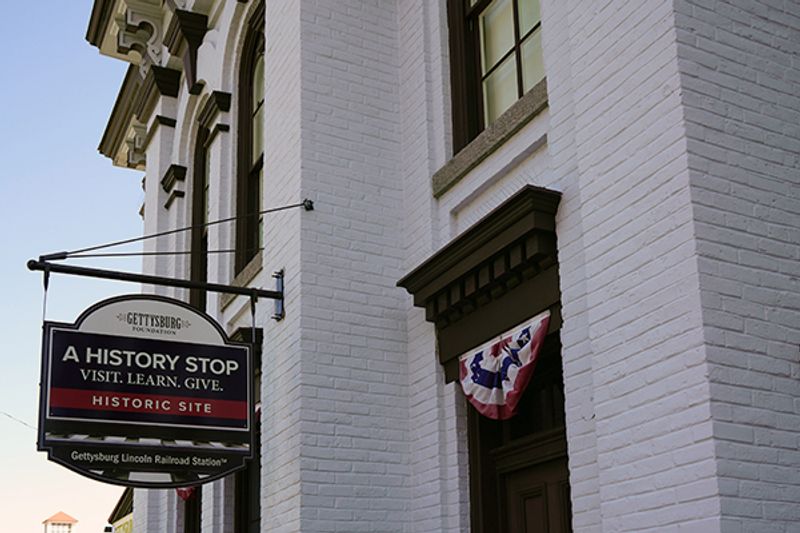
Few Pennsylvania train stations carry a name as powerful as Lincoln’s.
In Gettysburg, the Lincoln Railroad Station is linked to one of the most famous visits in American history, when President Abraham Lincoln came to town in 1863.
Lincoln traveled to Gettysburg to deliver the Gettysburg Address, a short speech that became one of the nation’s most remembered messages.
The station welcomed important visitors during a painful period after the Battle of Gettysburg.
Because of that connection, the depot feels both local and national.
The building is not only about one president.
It also helps explain how railroads supported wartime travel, communication, and recovery.
Soldiers, supplies, wounded men, officials, and grieving families all depended on train routes during and after the Civil War.
Visitors should take time to connect the station with the wider town.
Gettysburg is full of historic sites, but the depot gives a different viewpoint.
Instead of standing on a battlefield, you are standing near a place of arrival, departure, and anxious waiting.
This stop works well for families because the Lincoln story is easy to understand.
Children can picture a train pulling in, a crowd gathering, and a tall president stepping onto the platform.
That mental image helps history feel less distant.
Before visiting, check whether the station has exhibits, seasonal hours, or special programs.
Gettysburg sites can be busy, especially during summer and anniversary events.
Planning ahead helps you enjoy the depot without rushing.
A respectful tone fits this place.
While the station is interesting for railroad fans, it is also connected to sacrifice and national memory.
The Gettysburg Lincoln Railroad Station offers a moving look at how one Pennsylvania depot became part of a much larger American story.
7. Manheim Train Station – Manheim
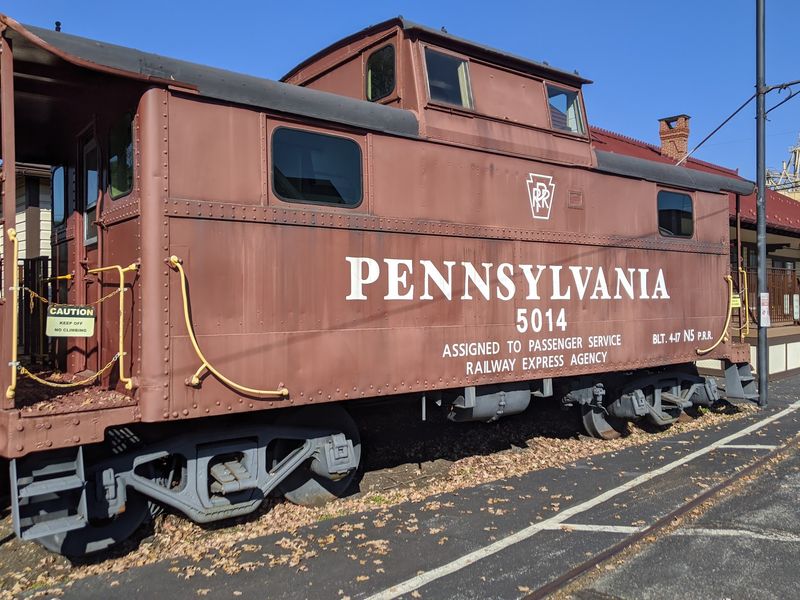
Manheim’s station has the cozy feel of a Lancaster County landmark that has watched generations pass by.
The Manheim Train Station recalls a time when local travel, farm trade, and town life all met at the tracks.
Railroads helped Lancaster County communities reach larger markets without losing their small-town identity.
Farmers, merchants, and travelers could use the station to connect with nearby cities and other parts of Pennsylvania.
That made the depot both practical and social.
The station’s setting is part of its appeal.
Manheim is known for its historic streets, community events, and strong local character.
A depot visit fits naturally with a walk through town, especially for travelers who enjoy older buildings and relaxed exploring.
Look closely at the building’s size and layout.
Smaller stations often had separate spaces for tickets, waiting, baggage, and freight.
Even when interiors have changed, those original needs often shaped the design.
A nice way to experience this stop is to imagine a market day.
Picture crates, packages, dressed-up travelers, and children excited to see a train arrive.
The station would have been one of the liveliest places in town when rail service was active.
For practical advice, check local historical groups or borough resources before visiting.
They may share details about preservation, events, or whether the building can be viewed inside.
Small depots often depend on community care, so information may be local rather than widely advertised.
Manheim Train Station is also a good reminder that railroad history is not only about giant engines.
It is about daily errands, short trips, mail delivery, and neighbors greeting one another.
In Lancaster County, this depot keeps that everyday past within reach.
8. Railroad Museum of Pennsylvania – Strasburg
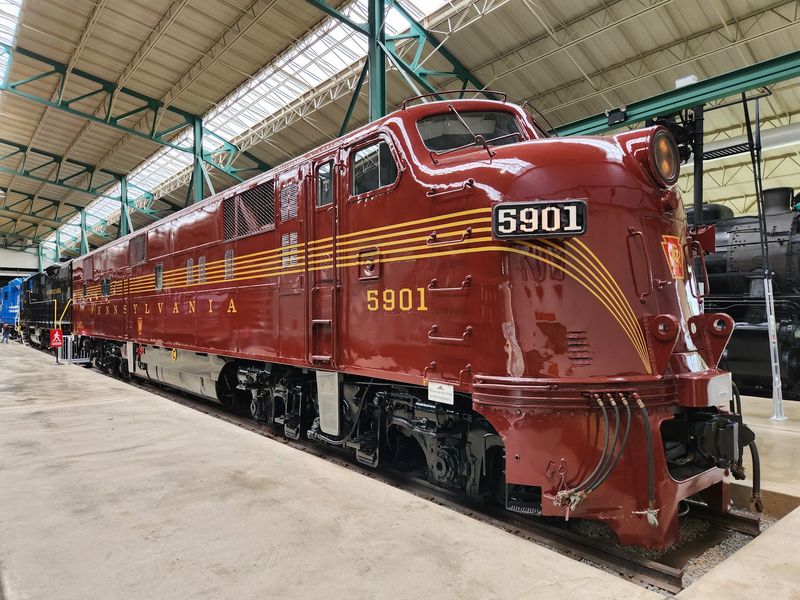
If one depot is a snapshot, the Railroad Museum of Pennsylvania is a whole album.
Located in Strasburg, this major museum gives visitors a close look at locomotives, passenger cars, freight equipment, and the people who kept trains moving.
The museum is one of the best places in the state to understand Pennsylvania’s railroad importance.
Pennsylvania was a rail powerhouse, with lines serving coal fields, farms, factories, ports, and cities.
The collection helps turn that huge subject into something visitors can see and touch.
Families usually find plenty to enjoy here.
Large engines can impress even children who do not yet know the history behind them.
Exhibits often explain jobs such as engineer, conductor, brakeman, and station agent in a way that is easy to follow.
Plan for more time than you think you need.
Unlike a quick photo stop, this museum rewards slow looking.
Read labels, compare engine sizes, and notice how passenger cars changed as travel became more comfortable.
Strasburg’s location adds to the experience because the area is already famous for railroad heritage.
Nearby rail attractions and Lancaster County scenery make it easy to build a full day around trains.
Check schedules, tickets, and special events before going, especially during busy travel seasons.
A useful tip is to start with the biggest exhibits, then return to smaller displays.
It is easy to be amazed by massive locomotives and miss tools, signs, uniforms, and station objects that tell quieter stories.
Those details show how many people worked behind the scenes.
The Railroad Museum of Pennsylvania is ideal for first-time railroad learners and serious fans alike.
It brings together engineering, travel, labor, and state history under one roof, making Pennsylvania’s rail past feel grand, clear, and exciting.
9. Annville Train Station & Heritage Center – Annville
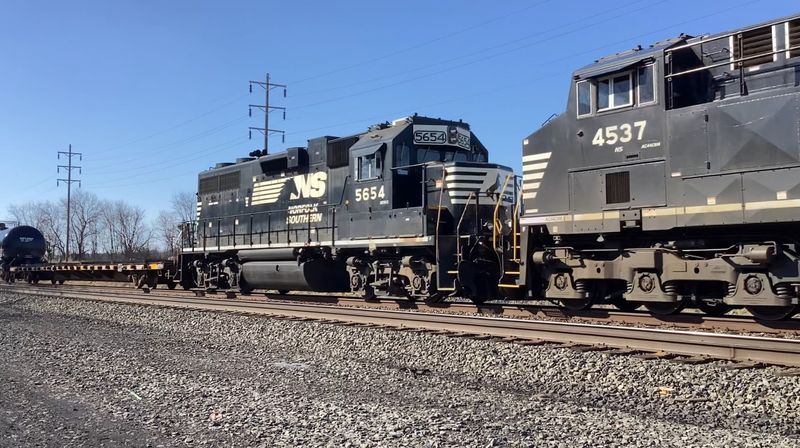
Annville offers the kind of station visit where local pride shines through.
The Annville Train Station & Heritage Center keeps railroad history close to the community, blending a preserved depot setting with stories from the surrounding area.
In Lebanon County, railroads supported farms, businesses, schools, and everyday travel.
Stations like Annville’s helped people reach work, visit family, and ship goods.
The depot was a useful link between a small town and the wider Pennsylvania rail network.
The heritage center part makes this stop especially helpful.
Rather than leaving visitors to guess, displays and local collections can explain how the station fit into town life.
Community museums often include photos, maps, artifacts, and personal memories that larger museums might overlook.
When visiting, pay attention to how the station sits within Annville.
The depot is not separate from the town’s story; it belongs to it.
Nearby streets, homes, and businesses help show how rail access influenced growth and daily routines.
This is a good place to ask simple but meaningful questions.
Who worked here?
What goods moved through town?
How did students, soldiers, or families use the train?
Those questions can turn a short visit into a deeper look at local history.
Check ahead for open hours because heritage centers often depend on volunteers.
If it is open, take time to speak with staff or guides.
Local volunteers can share details that may not appear on signs.
Annville Train Station & Heritage Center is best enjoyed with curiosity rather than speed.
It may not be the largest railroad site in Pennsylvania, but it offers something valuable: a close-up view of how one station served one community.
That personal scale makes the past feel real and friendly.
10. Reading Railroad Heritage Museum – Hamburg
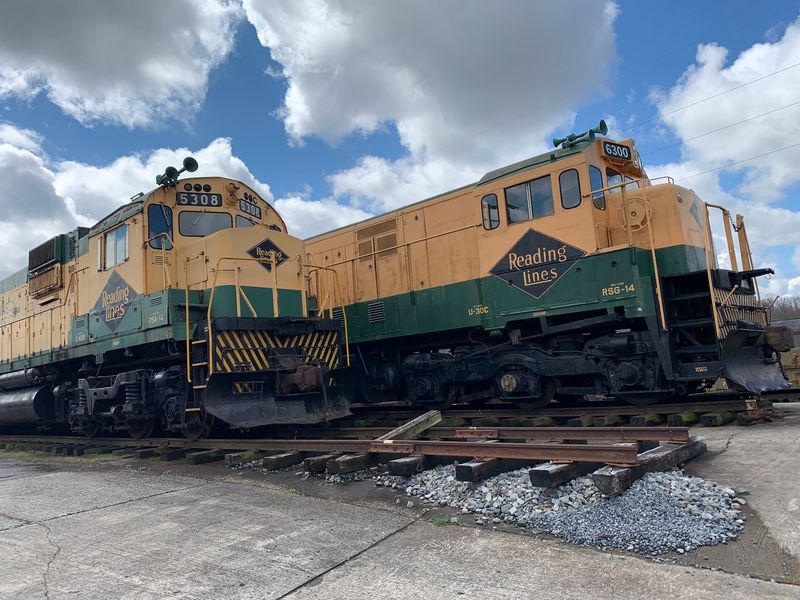
The name Reading Railroad may sound familiar even to people who learned it from a board game.
In Hamburg, the Reading Railroad Heritage Museum shows the real history behind that famous name, with equipment and exhibits tied to one of Pennsylvania’s major railroads.
The Reading Company played a huge role in moving anthracite coal, freight, and passengers.
Its routes connected mining regions, industrial towns, and cities across southeastern and eastern Pennsylvania.
The museum helps explain how that system worked and why it mattered.
Visitors can expect a strong focus on railroad equipment and company history.
Engines, cars, signs, tools, and documents can show how railroads operated day by day.
These objects make the past easier to understand than dates alone.
Hamburg is a fitting location because the region has deep ties to rail service and industry.
A museum visit can help travelers picture coal trains, freight yards, and busy workers keeping schedules on track.
Railroads were noisy, complicated, and carefully organized.
For families, the familiar Reading name can be a fun starting point.
You can explain that the real railroad was not just a square on a game board.
It was a major business that affected jobs, towns, and transportation in Pennsylvania.
Before going, check the museum’s current hours and special event calendar.
Railroad museums may offer open houses, equipment tours, or themed programs that make a visit even better.
Comfortable shoes are smart because train displays often involve walking around large pieces of equipment.
The Reading Railroad Heritage Museum is a strong choice for anyone who likes industrial history.
It has a bold, workmanlike energy, full of coal dust memories and company pride.
By the time you leave, the Reading name will feel much more real.
11. Meadville Railroad Depot – Meadville
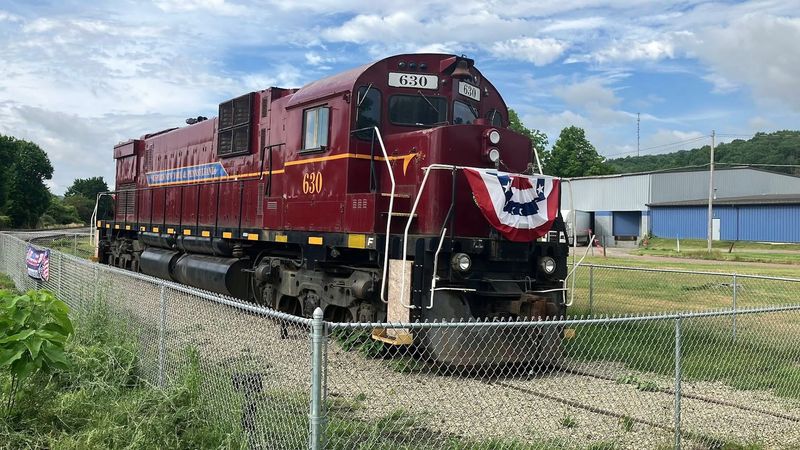
Meadville’s depot carries the feel of a northwestern Pennsylvania crossroads.
Long before modern road trips became common, the Meadville Railroad Depot helped connect the city to regional travel, commerce, and the wider railroad map.
Meadville was an important community in Crawford County, with industry, education, and trade shaping its growth.
Rail service gave the area a stronger link to Erie, Pittsburgh, and other destinations.
A station here could be busy with students, workers, visitors, and freight.
The depot stands as a reminder that railroads helped smaller cities stay connected.
Not every important station was in a huge urban center.
Places like Meadville depended on reliable transportation to keep businesses supplied and people moving.
When you look at the building, think about the many roles it may have served.
A depot could handle tickets, baggage, waiting rooms, telegraph messages, and freight paperwork.
Behind every train arrival was a system of people keeping order.
Visitors should explore the surrounding area to understand the station better.
Historic depots often sit near former industrial zones, downtown streets, or old rail corridors.
The neighborhood can reveal why the station was placed there and how it served the city.
If you enjoy photography, try capturing both close details and wider views.
Doorways, windows, rooflines, and platform edges can show age and design, while a wider shot explains the depot’s place in Meadville.
Morning or late-day light can add warmth to brick or wood surfaces.
Check local historical resources for restoration information, current use, or access.
Even if the depot is not open like a museum, it still has value as a landmark.
Meadville Railroad Depot closes this journey with a steady, practical kind of beauty, reminding visitors that Pennsylvania’s rail past reached every corner of the state.
Share this story