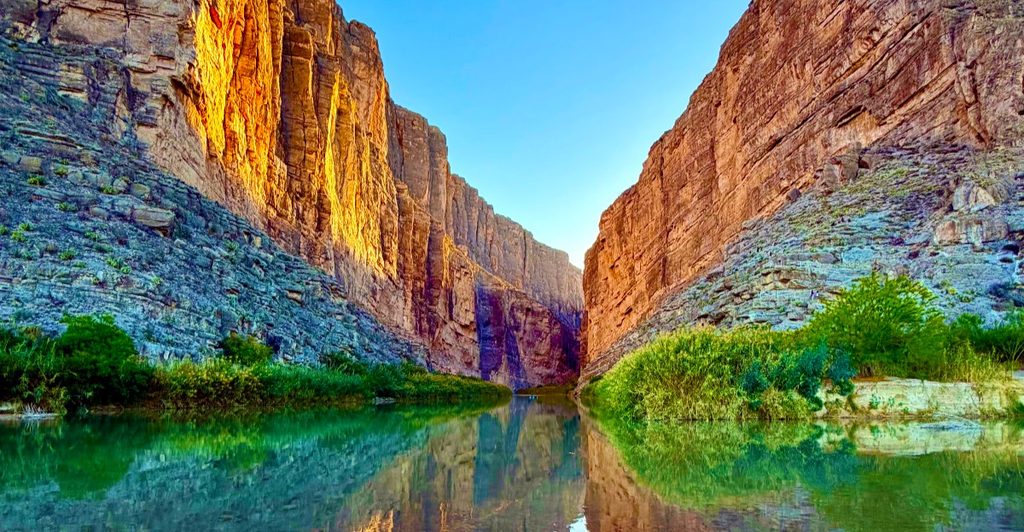
Texas is packed with places that stick with you long after you leave. From hidden swimming holes to sprawling canyons, the Lone Star State has a knack for creating memories you’ll want to relive over and over. Whether you’re craving coastal breezes, mountain trails, or small-town charm, these spots have a way of calling you back for another visit.
1. Caddo Lake State Park (Karnack)
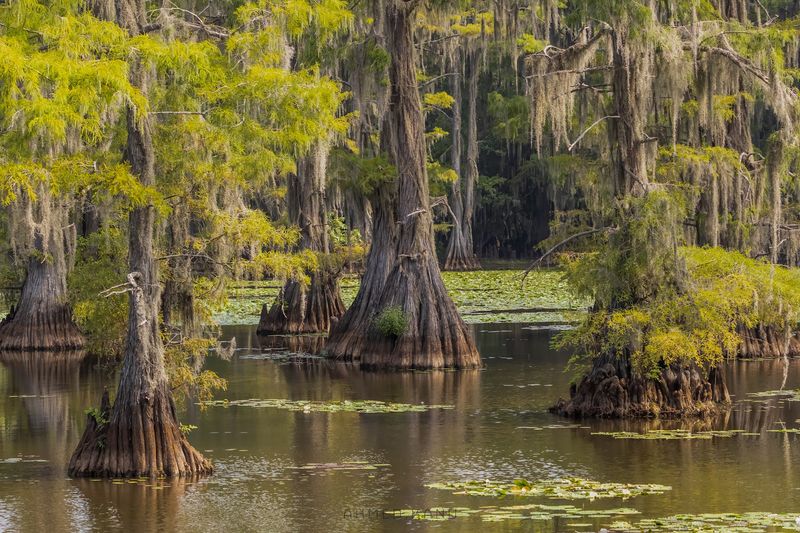
Paddling through a forest that grows right out of the water feels like stepping into another world. Bald cypress trees tower overhead, their trunks widening at the waterline and their branches draped in curtains of Spanish moss. The lake’s maze of sloughs and bayous invites exploration, but it’s easy to lose your sense of direction when every turn looks like a scene from a fairy tale.
Wildlife sightings happen constantly here. Alligators sunbathe on logs, herons stalk fish in the shallows, and turtles slip off their perches as you glide by. The stillness of the water amplifies every sound, from the plop of a jumping fish to the rustle of wind through the moss.
Early morning visits reward you with mist rising off the water, creating an otherworldly atmosphere that photographers dream about.
Fishing enthusiasts find plenty of reasons to return, with largemouth bass and crappie populating the lake’s depths. Hiking trails wind through the surrounding pine and hardwood forest, offering a different perspective on this unique ecosystem. The park’s cabins and campsites fill up quickly during peak seasons, so planning ahead is essential.
What makes this place so magnetic is its timeless quality. The same cypress trees have stood here for centuries, creating a landscape that feels untouched by modern life. Each visit reveals something new, whether it’s a hidden cove you missed before or a perfect sunset that paints the water gold.
The lake’s mysterious beauty has a way of working its way into your thoughts long after you’ve dried off your paddle.
2. Fredericksburg Main Street (Fredericksburg)
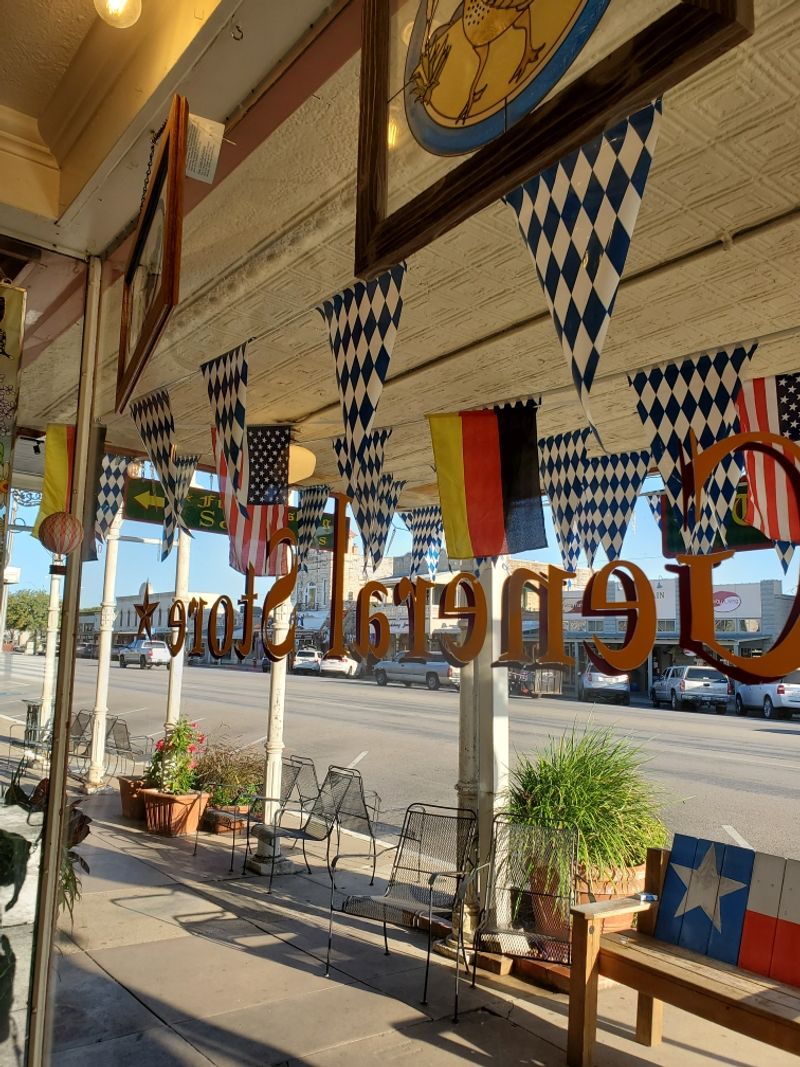
Walking down this historic street feels like flipping through a scrapbook of German heritage mixed with Texas hospitality. Buildings from the 1800s house everything from wine tasting rooms to artisan bakeries, their limestone facades telling stories of the settlers who built them. The sidewalks buzz with activity as visitors duck into galleries, sample peach preserves, and browse handmade goods that you won’t find anywhere else.
Food is a major draw here, and the options span from traditional German schnitzel to modern farm-to-table cuisine. Local wineries maintain tasting rooms right on Main Street, making it easy to sample the Hill Country’s growing wine scene without driving to individual vineyards. Weekends bring live music to outdoor patios, where the combination of good food, local wine, and sunshine creates an atmosphere that’s hard to leave.
Shopping here isn’t about big-box stores or chain retailers. Independent boutiques offer Texas-made boots, vintage finds, and home decor that reflects the area’s unique character. The antique stores alone could occupy an entire afternoon, with treasures ranging from vintage cowboy gear to handcrafted furniture.
Holiday seasons transform the street into something even more special, with lights strung between buildings and seasonal markets adding to the festive energy.
The real magic happens in the details. A conversation with a shop owner who’s been here for decades. The smell of fresh strudel wafting from a bakery.
The way the limestone buildings glow golden in late afternoon light. Each visit uncovers new layers, whether it’s a restaurant you missed last time or a gallery showcasing a local artist’s work. The street has a rhythm that invites you to slow down, and once you do, you’ll understand why people keep coming back.
3. South Padre Island (South Padre Island)
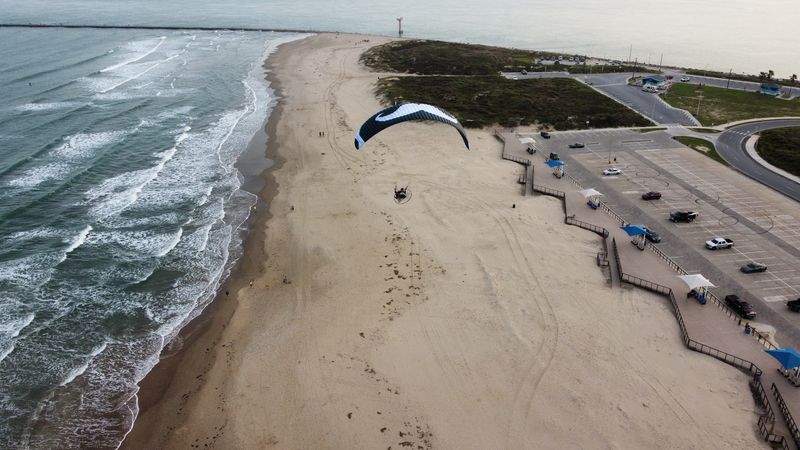
The moment your toes hit that soft sand and you see the turquoise water stretching to the horizon, something shifts inside you. This barrier island at the southern tip of Texas offers 34 miles of coastline where the Gulf of Mexico shows off its best colors. The water stays warm most of the year, inviting swimmers, paddleboarders, and anyone who wants to float away their worries.
Beyond the beach, adventure opportunities stack up quickly. Dolphin watching tours depart regularly, giving you front-row seats to these playful creatures in their natural habitat. Sea turtle rescue centers educate visitors about conservation efforts while allowing close encounters with rehabilitating turtles.
Kiteboarding and windsurfing conditions here rank among the best in the country, with steady breezes and shallow waters perfect for learning.
Sunset is when the island truly shines. The sky erupts in shades of pink, orange, and purple that reflect off the water, creating a light show that never gets old. Beachfront restaurants and bars capitalize on these views, offering fresh seafood and cold drinks as the sun melts into the Gulf.
Night brings a different energy, with bioluminescent organisms sometimes lighting up the waves with an eerie blue glow.
Families appreciate the calm bay side for young children, while thrill-seekers head to the beach side for better waves and water sports. Fishing piers extend into the Gulf, where anglers try their luck at catching redfish, speckled trout, and flounder. The island’s laid-back vibe encourages you to lose track of time, measuring your days by tides instead of clocks.
Whether you come for spring break energy or peaceful winter walks on empty beaches, the island adapts to whatever you need it to be.
4. Texas Renaissance Festival (Todd Mission)
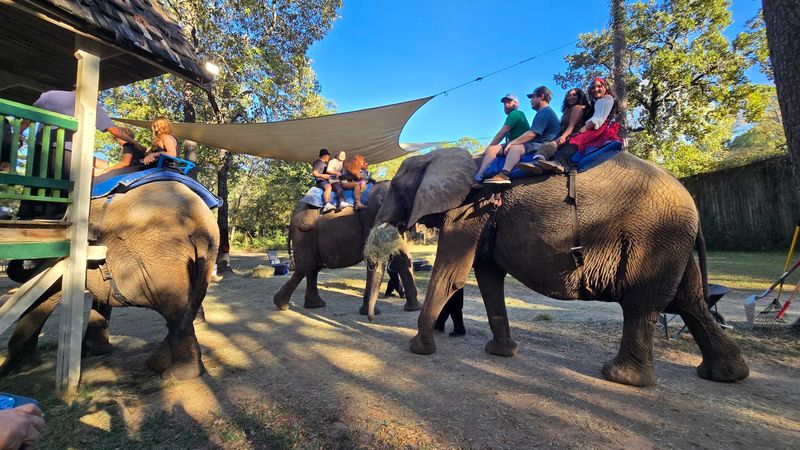
Stepping through the gates transports you to a 16th-century European village, complete with knights, jesters, and the smell of turkey legs roasting over open flames. This massive festival sprawls across 55 acres of wooded land, creating an immersive experience that goes way beyond a typical fair. Actors stay in character throughout the day, engaging visitors in impromptu performances and bawdy humor that keeps everyone laughing.
Entertainment options seem endless here. Jousting tournaments feature armored knights on horseback thundering toward each other with lances leveled. Acrobats flip and tumble on outdoor stages while fire-breathers perform death-defying tricks.
Musical acts range from bagpipers to rock bands with a medieval twist, and comedy shows push boundaries with humor that’s definitely meant for adults.
Artisan demonstrations line the pathways, where craftspeople show off skills like blacksmithing, glassblowing, and leather working. The shopping opportunities rival any major market, with hundreds of vendors selling everything from handmade swords to custom corsets. Food stalls offer period-appropriate fare alongside festival classics, and yes, those giant turkey legs are as delicious as they look.
Each weekend during the eight-week run features a different theme, from pirate invasion to Celtic Christmas. Costume contests encourage visitors to dress up, and you’ll see incredible outfits ranging from elaborate gowns to full suits of armor. The festival’s attention to detail creates an atmosphere where fantasy feels real, at least for a day.
What keeps people returning year after year is the sense of community and escape. Regular attendees know the performers by name and have favorite spots for watching shows or grabbing a drink. The festival grows and changes each season, adding new acts and attractions while maintaining the magic that made it special in the first place.
It’s not just about nostalgia for a time period most of us never experienced but about creating new traditions worth repeating.
5. Guadalupe Mountains National Park (West Texas)
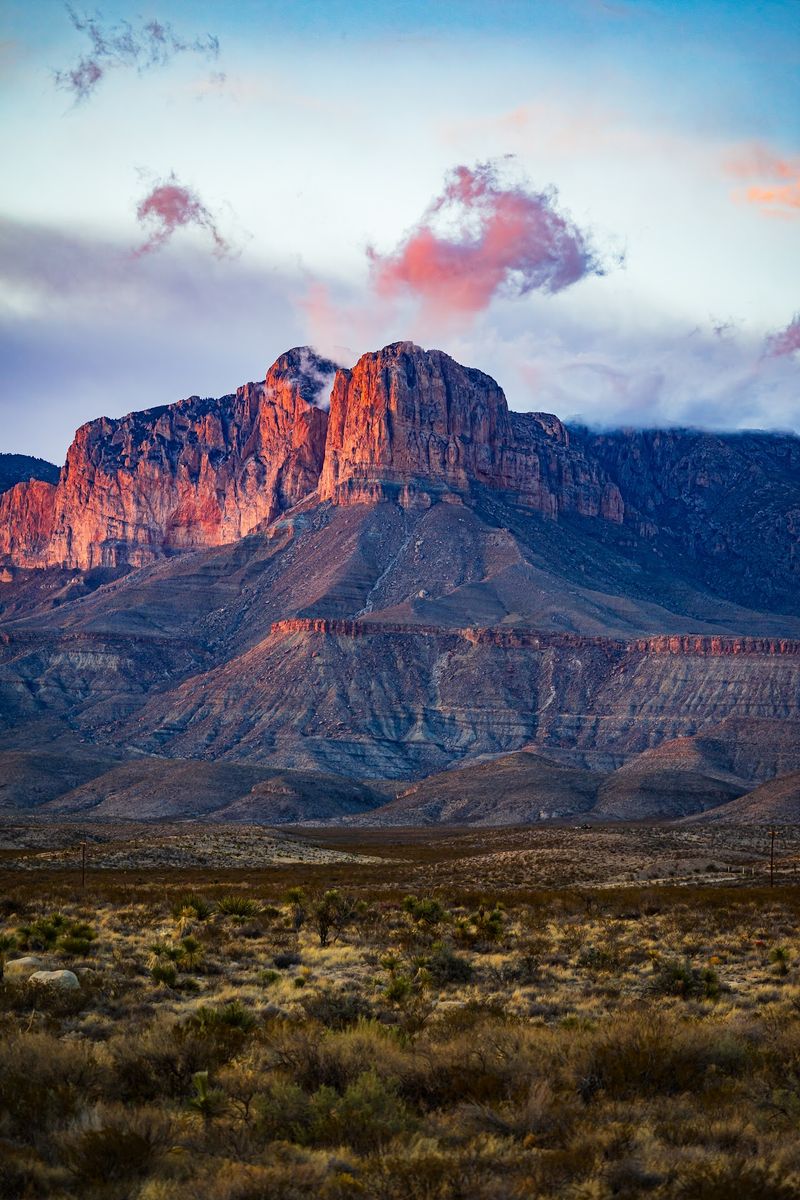
Rising abruptly from the Chihuahuan Desert, these ancient limestone cliffs create a skyline that stops you in your tracks. Guadalupe Peak, the highest point in Texas at 8,749 feet, dominates the landscape like a fortress wall. The mountains contain some of the world’s most significant Permian fossil reefs, offering a glimpse into an ancient ocean that existed here 265 million years ago.
Hiking trails range from easy nature walks to challenging climbs that test your endurance. The trek to Guadalupe Peak summit covers 8.4 miles round trip with an elevation gain of nearly 3,000 feet, but the panoramic views from the top make every step worthwhile. On clear days, you can see for over a hundred miles in every direction.
McKittrick Canyon offers a different experience entirely, with a spring-fed creek supporting lush vegetation that explodes with fall colors when maple and oak trees turn brilliant shades of red and gold.
Wildlife adapted to harsh desert conditions thrives here. Mule deer browse in the canyons, while elk herds roam the higher elevations. Bird watchers spot over 300 species throughout the year, from golden eagles soaring on thermals to tiny hummingbirds visiting desert flowers.
The park’s remote location means dark skies at night, perfect for stargazing and watching meteor showers without any light pollution.
What strikes visitors most is the sense of solitude. This park doesn’t get the crowds that other national parks attract, giving you space to experience nature on your own terms. The mountains create their own weather patterns, with temperatures often 20 degrees cooler at higher elevations than in the desert below.
Each season brings different rewards, from spring wildflowers carpeting the foothills to winter snow dusting the peaks. The raw beauty and geological significance of this place leave an impression that calls you back to explore more of its hidden corners.
6. San Antonio River Walk (San Antonio)
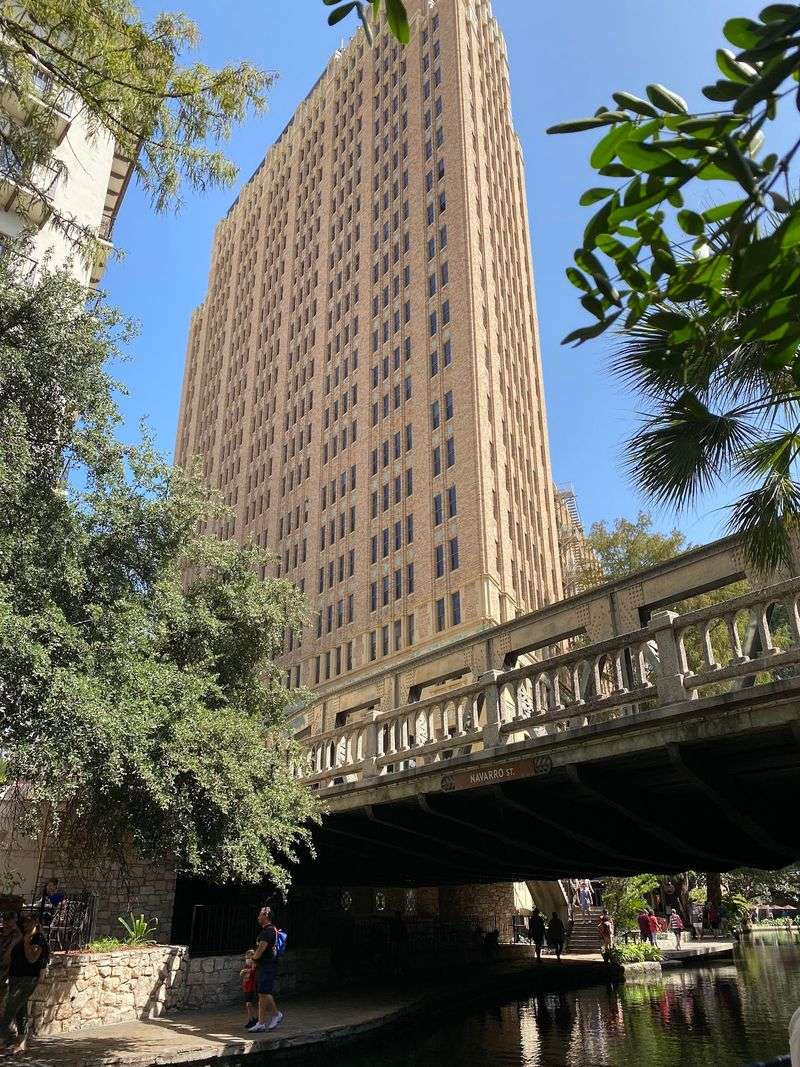
Twenty feet below street level, a completely different San Antonio comes to life. Cypress trees line both sides of the river, their branches creating a canopy over the water while restaurants, shops, and hotels open directly onto the walkway. The sound of street traffic fades as you descend the stairs, replaced by the gentle flow of water and the buzz of conversation from outdoor dining patios.
The River Walk stretches for miles, connecting major attractions like the Alamo, Pearl Brewery, and the city’s museum district. River barges glide past, their guides sharing history and pointing out notable buildings while passengers take in the sights from water level. Each section of the walk has its own personality, from the lively restaurant district to the quieter museum reach where public art installations add visual interest.
Dining options span every cuisine and price point imaginable. Upscale steakhouses share space with casual Tex-Mex spots, all taking advantage of the prime riverside real estate. Evening brings a magical transformation as thousands of lights twinkle in the trees and music drifts from various venues.
The atmosphere shifts from family-friendly during the day to romantic at night, making it a popular spot for proposals and anniversary celebrations.
Seasonal events keep the River Walk feeling fresh no matter how many times you visit. Fiesta in April brings colorful decorations and special events. Summer evenings feature outdoor concerts and movies by the water.
The holiday season transforms the walk into a winter wonderland with lights, decorations, and special boat tours. Even locals who’ve lived here for years find new restaurants to try or previously unexplored sections to wander.
The River Walk’s genius lies in how it combines nature, history, dining, and entertainment into one seamless experience. You can spend hours here without feeling like you’re hitting tourist traps, partly because locals use it just as much as visitors. It’s a gathering place, a shortcut, a date spot, and an outdoor living room all rolled into one.
7. Port Aransas Beach (Port Aransas)
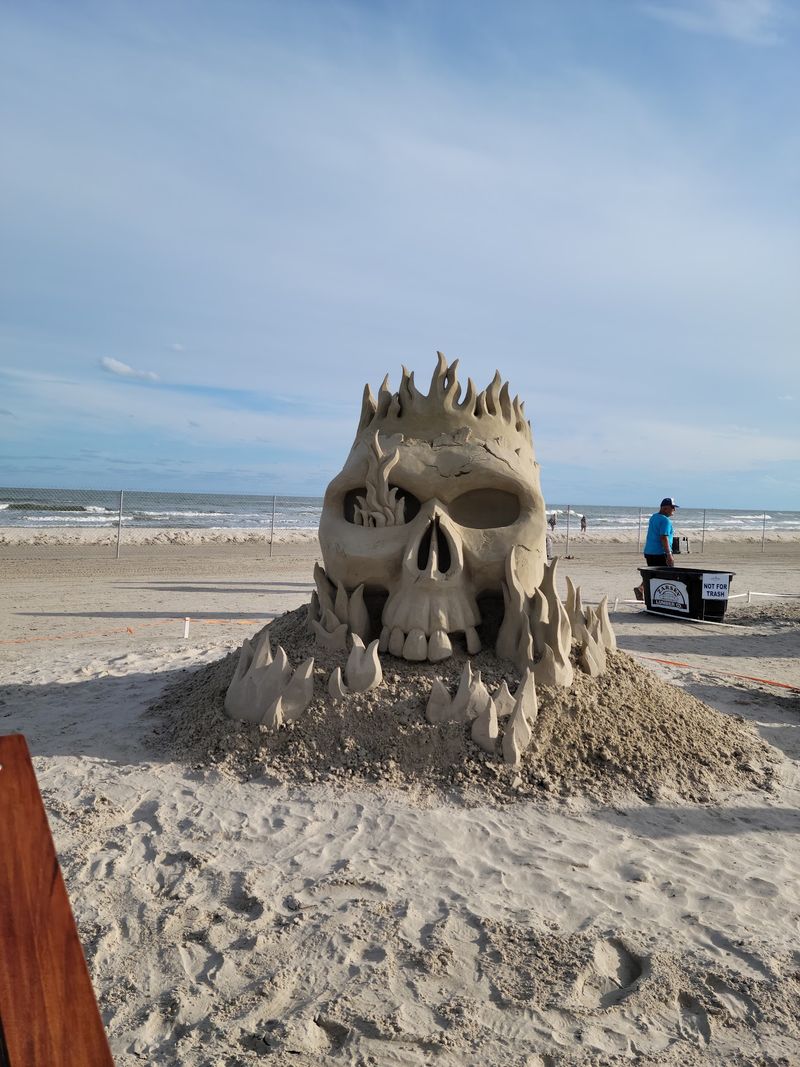
This barrier island town keeps things refreshingly low-key compared to other beach destinations. The sand here is wide and firm, perfect for driving vehicles right onto the beach if you want your cooler and shade nearby. Waves roll in with enough energy for boogie boarding and surfing, while the water stays shallow enough for kids to play safely near shore.
Fishing defines much of the local culture here. The jetties at the north end of the island attract serious anglers casting for redfish, black drum, and speckled trout. Charter boats head into deeper waters daily, returning with catches of kingfish, red snapper, and occasional trophy-sized tarpon.
Even if you’re not into fishing yourself, watching the sunrise while pelicans dive for breakfast and dolphins cruise past creates moments you’ll replay in your mind for months.
The town itself maintains a casual, slightly weathered charm that feels authentic rather than manufactured. Local restaurants serve fresh seafood caught that morning, and nobody cares if you walk in wearing sandy flip-flops and a swimsuit. Beach bars offer cold drinks and live music, creating a soundtrack for lazy afternoons.
Golf cart rentals are popular for getting around town, adding to the relaxed vacation vibe.
Bird watching opportunities here rank among the best on the Texas coast. During migration seasons, the island becomes a crucial stopover point for hundreds of species traveling between North and South America. The Leonabelle Turnbull Birding Center provides elevated boardwalks through wetland habitat where you might spot roseate spoonbills, reddish egrets, and various shorebirds.
What brings people back repeatedly is the unpretentious atmosphere. There’s no pressure to dress up or hit specific attractions. Your biggest decision might be whether to bodysurf another hour or grab lunch.
The beach changes with tides and seasons, but the sense of escape remains constant. It’s the kind of place where you actually relax instead of just taking pictures to prove you were somewhere beautiful.
8. Palo Duro Canyon State Park (Canyon)
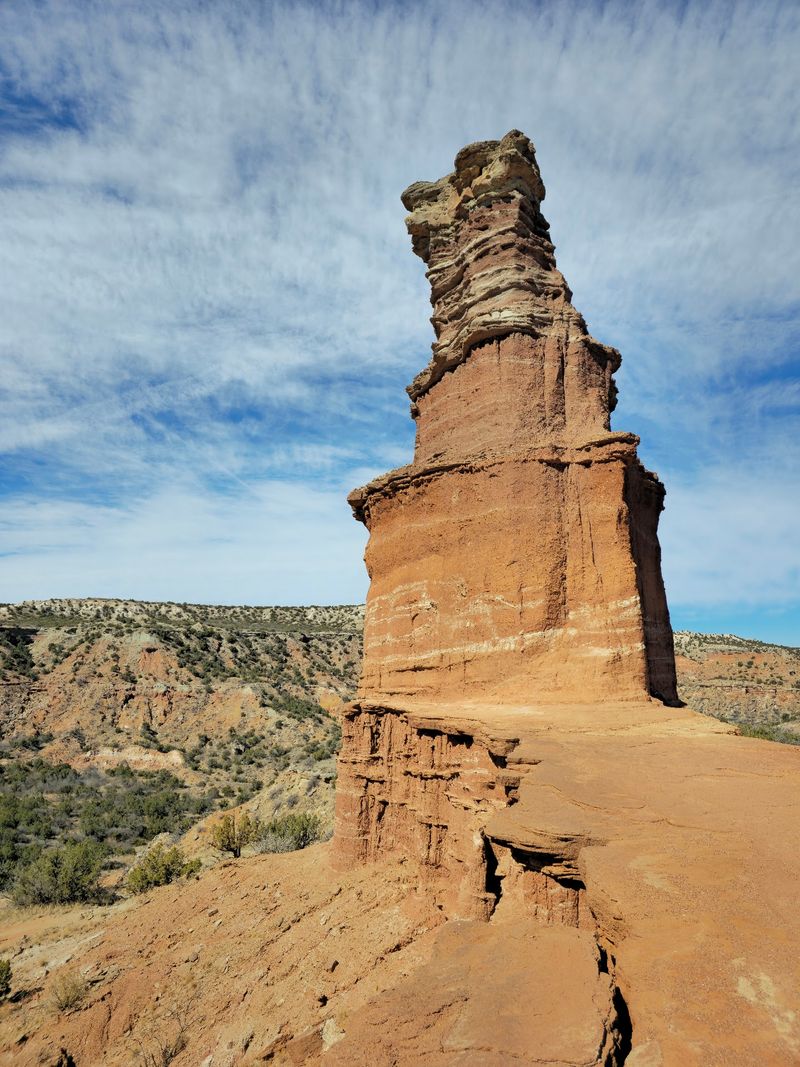
The second-largest canyon in the United States often surprises people who think Texas is all flat plains. Driving along the caprock, you suddenly encounter a massive gash in the earth dropping 800 feet and stretching 120 miles long. Layers of red, orange, and yellow rock create a painted landscape that shifts colors throughout the day as the sun moves across the sky.
Hiking trails wind through the canyon floor and climb up to rim overlooks, offering perspectives that range from intimate to epic. The Lighthouse Trail leads to a distinctive rock formation that’s become the park’s signature landmark, standing like a beacon against the canyon walls. Mountain biking trails challenge riders with technical sections and rewarding views.
Horseback riding lets you explore like the Native Americans and early settlers who once called this canyon home.
Camping here puts you right in the heart of the action. Waking up to sunrise painting the canyon walls in shades of pink and gold beats any hotel experience. The park’s outdoor musical, Texas, runs during summer months in a natural amphitheater carved into the canyon, combining history, music, and drama under the stars.
Wildlife sightings include roadrunners, wild turkeys, and the official Texas State Bison Herd that roams the canyon.
Weather adds drama to an already dramatic landscape. Summer thunderstorms roll across the plains above while you watch from below, lightning illuminating the canyon walls. Fall brings cooler temperatures and stunning light that photographers chase.
Winter occasionally dusts the colorful rocks with snow, creating surreal contrasts.
The canyon’s scale becomes more apparent the more time you spend here. What looks like a short walk from the rim turns into a significant hike once you factor in the elevation change. Each trail reveals different geological features and perspectives, making it impossible to see everything in one visit.
The sense of discovery keeps drawing people back, whether they’re searching for a specific photo opportunity or simply wanting to experience that feeling of standing at the bottom of something ancient and magnificent.
9. Wimberley (Wimberley)
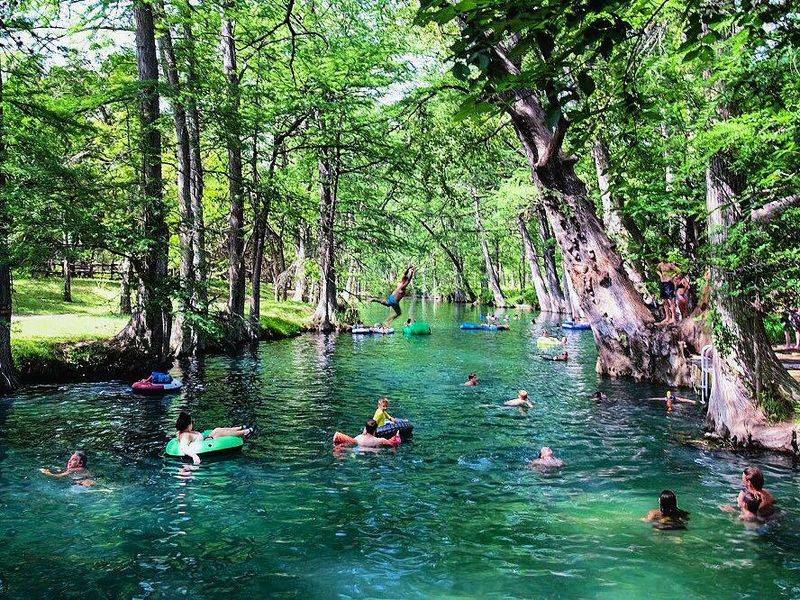
Tucked into the Hill Country between Austin and San Antonio, this small town has mastered the art of staying charming without becoming too precious about it. Cypress Creek runs right through the middle of town, and locals treat it like a community swimming pool during hot summer months. The town square hosts a market on the first Saturday of each month, drawing vendors and shoppers from across the region for what’s become a beloved tradition.
Art galleries and studios dot the area, showcasing work from painters, sculptors, and craftspeople who’ve been drawn to Wimberley’s creative energy. The Blue Hole is a popular swimming spot where clear spring water collects in a natural pool surrounded by cypress trees and limestone ledges perfect for jumping. Jacob’s Well, a short drive away, features an artesian spring that creates a crystal-clear swimming hole, though access requires advance reservations due to its popularity.
Shopping here leans toward one-of-a-kind finds rather than chain stores. Antique shops occupy historic buildings, their inventory ranging from vintage cowboy memorabilia to mid-century furniture. Boutiques sell everything from handmade jewelry to Texas-themed home decor.
The town’s restaurants punch above their weight class, offering surprisingly sophisticated menus alongside classic Texas barbecue and comfort food.
Outdoor activities extend beyond swimming. The Wimberley Valley offers scenic drives through rolling hills dotted with live oaks and wildflowers. Hiking trails wind through preserves where you might spot white-tailed deer or wild turkeys.
Zip-lining courses take advantage of the hilly terrain, giving you a bird’s-eye view of the landscape.
What makes Wimberley addictive is how it balances accessibility with escape. You’re close enough to major cities for an easy day trip but far enough away to feel like you’ve left urban stress behind. The town maintains a relaxed pace that encourages you to slow down and notice small pleasures, like the way afternoon light filters through oak branches or how the creek sounds different after a rain.
Regular visitors develop favorite spots and routines, whether it’s a preferred table at a local cafe or a secret swimming hole they return to year after year.
10. Hamilton Pool Preserve (Dripping Springs)
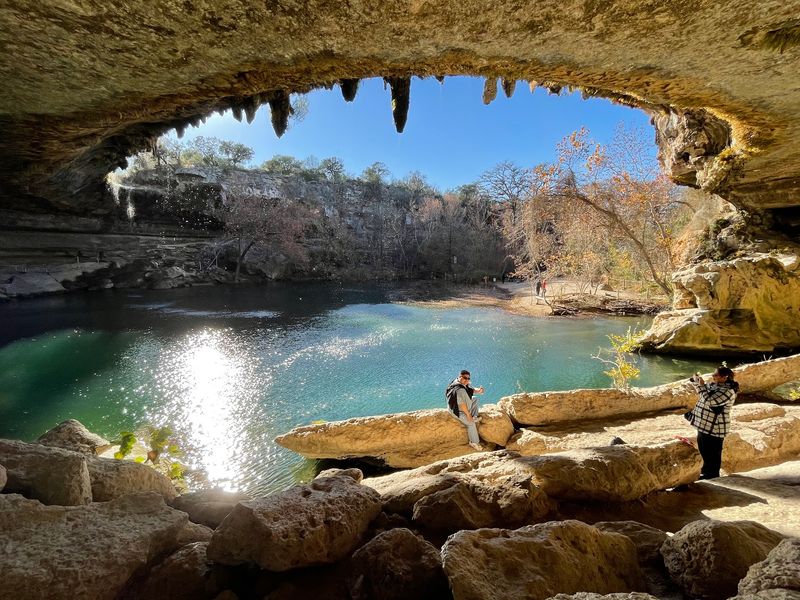
Nature carved out something extraordinary here over thousands of years. A collapsed grotto ceiling created a natural pool fed by a 50-foot waterfall that spills over a limestone overhang covered in stalactites and greenery. The water glows an impossible shade of jade green, and the whole scene looks more like a movie set than something you’d stumble across in the Texas Hill Country.
Getting here requires planning since the preserve limits daily visitors to protect this fragile ecosystem. Reservations open online well in advance and fill up quickly, especially for summer weekends. The quarter-mile trail from the parking area descends through juniper and oak forest before revealing the pool below.
That first glimpse never gets old, no matter how many photos you’ve seen beforehand.
Swimming is allowed when bacteria levels are safe, though the preserve monitors water quality closely and closes the pool when necessary. Even when swimming isn’t permitted, the visual spectacle alone justifies the visit. Photographers work to capture the interplay of light, water, and rock, though most agree that no camera quite does it justice.
The overhang creates natural acoustics that amplify the sound of falling water into something almost musical.
The surrounding preserve offers additional trails through Hill Country habitat where you might spot golden-cheeked warblers, an endangered species that nests here. Wildflowers bloom in spring, adding splashes of color to the rocky landscape. The preserve’s location along Hamilton Creek means you’ll encounter smaller cascades and pools along the trail, each with its own appeal.
What draws people back isn’t just the pool’s beauty but the feeling of discovering something secret and special. Even with reservations required and crowds on busy days, the place retains a sense of wonder. The geological processes that created this grotto continue slowly, meaning the pool you see today looks slightly different from the one visitors saw decades ago.
It’s a reminder that natural beauty exists on timescales beyond human experience, and we’re lucky to witness this particular moment in the pool’s long story.
11. Big Bend National Park (West Texas)
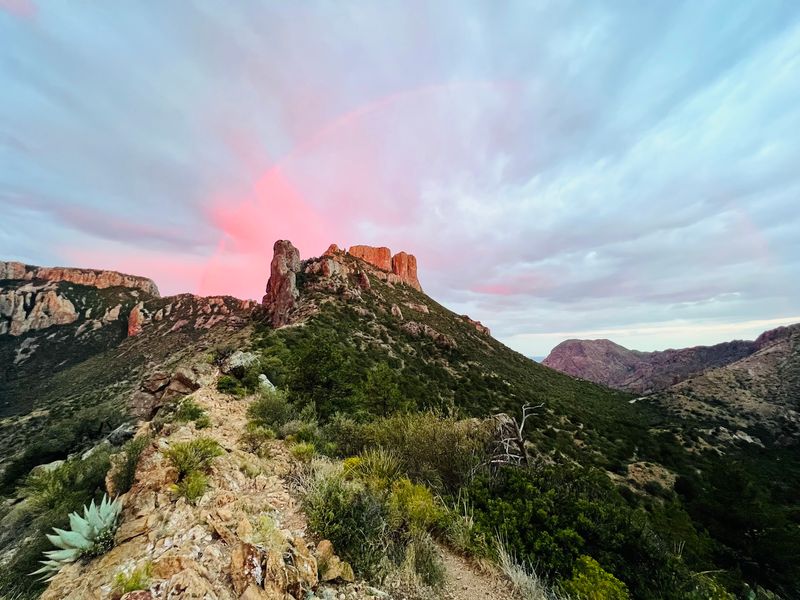
Remote doesn’t begin to describe this place. Big Bend sits in the elbow where the Rio Grande bends north, creating over 800,000 acres of protected wilderness that feels about as far from civilization as you can get in the Lower 48. The park encompasses three distinct ecosystems: river floodplain, desert, and mountain, each offering completely different experiences within the same park boundaries.
Santa Elena Canyon ranks among the most impressive sights in Texas. Limestone cliffs rise 1,500 feet straight up from the Rio Grande, creating a narrow passage where the river has been carving through rock for millions of years. Paddling through the canyon puts you right at water level with those massive walls towering overhead.
Hiking trails lead to overlooks where you can see into Mexico on one side and deep into the Chihuahuan Desert on the other.
The Chisos Mountains provide relief from desert heat with cooler temperatures and different vegetation at higher elevations. The Window Trail takes you through a V-shaped opening in the mountains where you can watch sunset framed perfectly by rock walls. Camping in the Chisos Basin puts you above the desert floor, surrounded by peaks that glow red at sunrise.
Wildlife includes black bears, mountain lions, and javelinas, though sightings require patience and luck.
Hot springs along the river offer a surreal experience, soaking in naturally heated water while watching the Rio Grande flow past and looking across at Mexican mountains. The park’s dark skies create some of the best stargazing in the country, with the Milky Way clearly visible and meteor showers putting on spectacular shows. International Dark Sky Park designation recognizes how special these night skies are.
Big Bend demands multiple visits because there’s simply too much to experience in one trip. You could spend a week here and still have trails left to hike, canyons left to explore, and viewpoints left to discover. The remoteness that makes it challenging to reach also creates its appeal.
Cell service disappears, forcing you to disconnect completely. The vast open spaces and dramatic landscapes reset your sense of scale and remind you how small human concerns are compared to geological time. It’s the kind of place that changes your perspective and makes you want to return to recapture that feeling.
12. Galveston Island Historic District (Galveston)
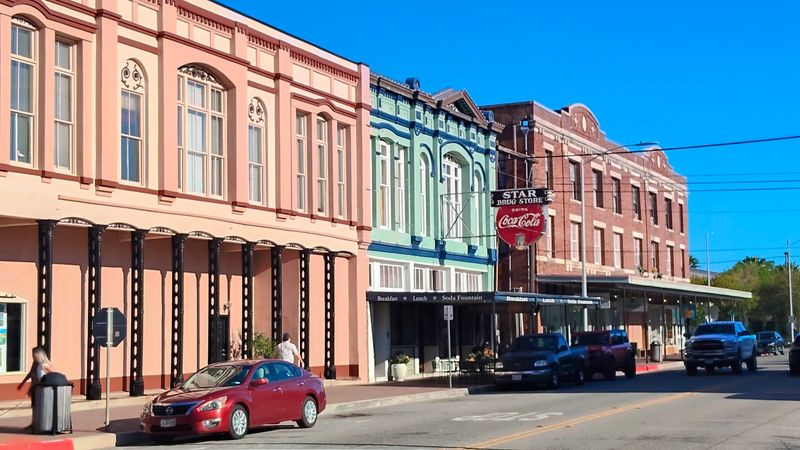
Walking through these streets feels like time travel, with Victorian mansions and historic commercial buildings telling the story of Texas’s most important port city. The Strand Historic District preserves dozens of buildings from Galveston’s golden age in the late 1800s, when the city rivaled New Orleans in wealth and culture. Cast-iron facades, ornate balconies, and elaborate architectural details showcase the craftsmanship and ambition of that era.
Museums bring history to life throughout the district. The Bryan Museum houses one of the world’s largest collections of historical artifacts related to Texas and the American West. The Tall Ship Elissa, built in 1877, still sails occasionally and offers tours that let you explore a working piece of maritime history.
The Railroad Museum occupies the former Santa Fe depot, with restored train cars and exhibits about the crucial role railroads played in Texas development.
Shopping and dining have revitalized many historic buildings, creating a district that honors the past while remaining vibrant today. Antique stores, art galleries, and specialty shops occupy street-level spaces, while restaurants serve everything from fresh Gulf seafood to international cuisine. The Strand’s tree-lined sidewalks encourage strolling, with architectural details revealing themselves the more attention you pay.
Ghost tours capitalize on Galveston’s reputation as one of Texas’s most haunted cities. The 1900 hurricane that killed thousands left stories that still circulate today, and several buildings claim resident spirits. Whether you believe in ghosts or not, the tours offer entertaining history lessons about the island’s dramatic past.
Seasonal events pack the calendar year-round. Mardi Gras celebrations rival New Orleans for festivity and crowds. Dickens on the Strand transforms the district into Victorian London each December, with costumed characters, street performers, and holiday markets.
The historic homes host special tours during various holidays, showing off period decorations and offering glimpses into how wealthy Galvestonians lived.
What keeps drawing people back is the tangible connection to history combined with modern vitality. These aren’t just preserved buildings serving as museums but living spaces that continue evolving. Each visit might reveal a newly restored mansion open for tours or a restaurant occupying a building you’d walked past before.
The district manages to honor its past while remaining relevant to the present, creating a place that appeals to history buffs and casual visitors alike.
13. Enchanted Rock State Natural Area (Fredericksburg)
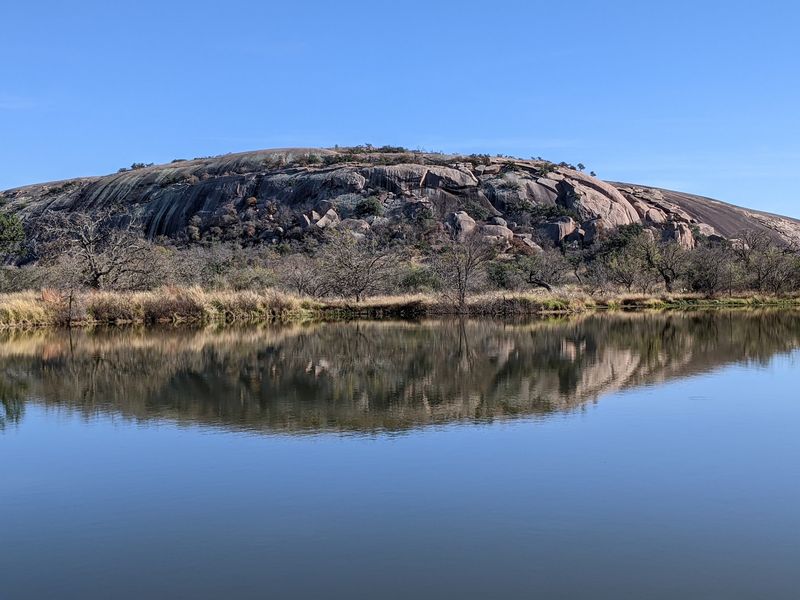
A massive pink granite dome rises 425 feet above the surrounding Hill Country, creating a landmark visible for miles. Enchanted Rock is actually a batholith, meaning the rock formation extends deep underground, with only the top portion exposed. Native Americans considered this place sacred, and modern visitors quickly understand why once they experience the energy and views from the summit.
The hike to the top covers less than a mile but gains significant elevation, making it more challenging than the distance suggests. The granite surface can get slippery, especially in spots where water seeps from cracks, creating small ecosystems of moss and ferns. Reaching the summit rewards you with 360-degree views that stretch for miles across the Hill Country.
On clear days, you can see all the way to the Austin skyline in the distance.
The rock makes strange creaking and groaning sounds as it expands and contracts with temperature changes, which probably contributed to Native American legends about the place being haunted or enchanted. Vernal pools form in depressions on the rock surface after rains, creating temporary habitats for fairy shrimp and other creatures adapted to these harsh conditions. Rock climbers find routes of varying difficulty on the steeper sections, making this a popular spot for the climbing community.
Sunset and sunrise hikes offer the best light and temperatures, though you’ll need to plan accordingly since the park enforces strict entry limits. Stargazing from the summit puts you above most light pollution, with the granite still radiating warmth from the day’s sun while you watch the sky fill with stars. Fall and spring bring the most comfortable weather, though each season offers different rewards.
The surrounding state natural area includes additional trails through oak savanna and along creeks where you might spot white-tailed deer or armadillos. Wildflowers bloom spectacularly in spring, carpeting the ground around the base of the rock. The area’s geological significance extends beyond just the main dome, with smaller formations and interesting rock features throughout the park.
What makes people return isn’t just the physical challenge of the climb but the sense of accomplishment at the summit and the way the rock seems to radiate ancient energy. It’s one of those places that photographs well but must be experienced in person to fully appreciate.