Texas is massive, but you don’t need a week off to explore its best spots. Scattered across the state are charming towns and scenic getaways that deliver a full vacation’s worth of memories in just one day. Whether you’re craving history, nature, shopping, or small-town vibes, these destinations prove that the best adventures are often closer than you think.
1. Jefferson
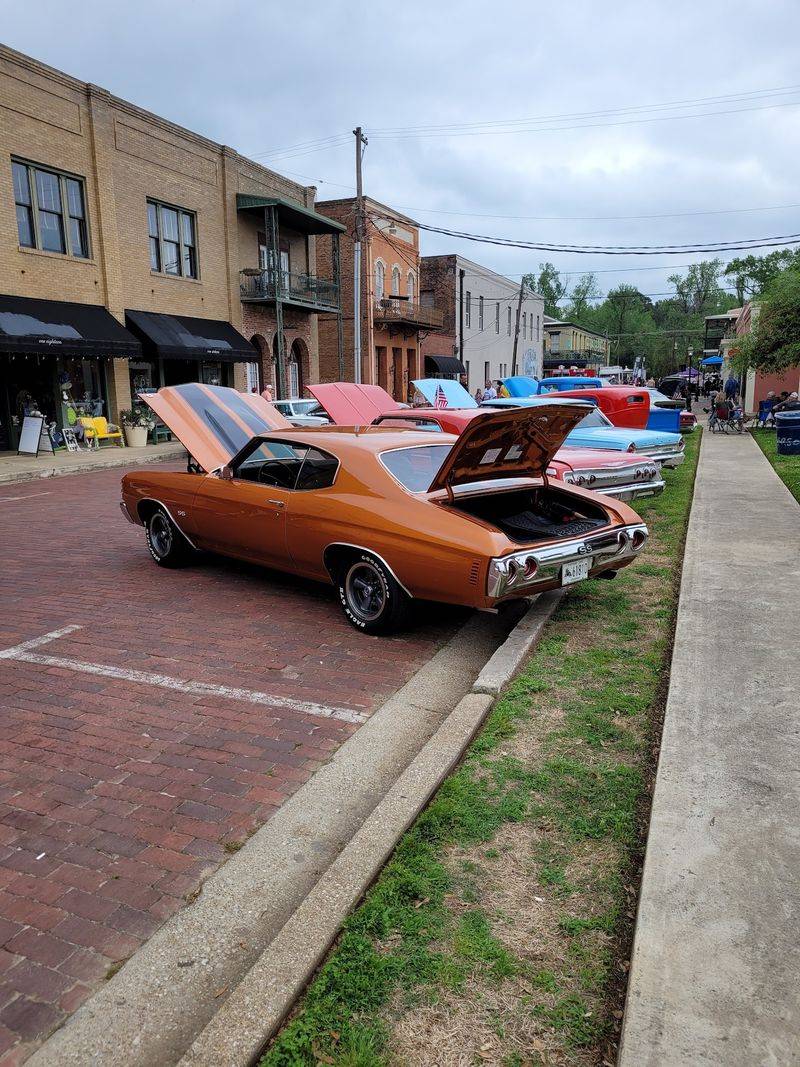
Step into a time capsule where paddlewheelers once ruled the waterways and Victorian mansions still stand proud. This East Texas gem sits tucked among pine forests and bayous, offering a slower pace that feels like a warm hug from the past. The whole downtown area is a treasure hunt of antique stores, tea rooms, and historic buildings that whisper stories from the 1800s.
Start your morning wandering through shops packed with vintage finds, then grab lunch at one of the locally-owned cafes serving up Southern comfort food. The historic district is compact enough to explore on foot, making it perfect for a leisurely stroll. You’ll find everything from handmade crafts to rare collectibles, and the shop owners love sharing tales about the town’s riverboat glory days.
For history buffs, several historic homes offer tours that reveal what life was like during Jefferson’s heyday as Texas’s busiest inland port. The architecture alone is worth the trip, with ornate details and period furnishings that transport you straight back to the Victorian era. Don’t miss the chance to peek inside these beautifully preserved buildings.
Nature lovers can explore the nearby bayou by boat, where cypress trees draped in Spanish moss create an otherworldly atmosphere. The water tours provide a completely different perspective of the area and often include wildlife sightings. It’s a peaceful escape that contrasts beautifully with the bustling antique scene downtown.
Before heading home, treat yourself to some homemade fudge or pralines from one of the candy shops. The sweet treats make perfect souvenirs, though they rarely survive the car ride back. Jefferson proves that small towns can pack serious charm into every corner.
2. Gruene / New Braunfels
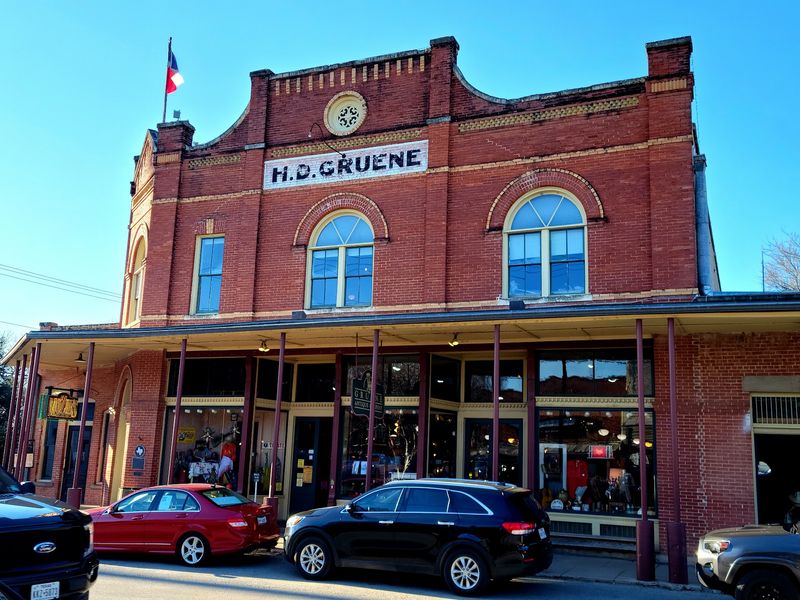
Two destinations rolled into one perfect day trip, this combo delivers river fun, live music, and German heritage all within minutes of each other. The Guadalupe River runs cold and clear through both spots, making it a magnet for tubers and swimmers when temperatures climb. Historic Gruene (pronounced “Green”) feels frozen in the 1800s, while New Braunfels blends old-world charm with modern attractions.
Gruene Hall, Texas’s oldest dance hall, still hosts live music almost every night, and even during the day, the vibe is pure honky-tonk magic. The wooden floors have been scuffed by countless boots over the decades, and the walls are covered with band posters and memorabilia. Grab a cold drink and soak in the atmosphere, even if there’s no show scheduled during your visit.
The shops surrounding the dance hall offer everything from handcrafted jewelry to Texas-themed gifts, all housed in restored historic buildings. You can easily spend an hour browsing through unique finds and chatting with friendly shopkeepers. The whole area maintains its authentic character without feeling touristy or manufactured.
When you’re ready for some water action, head to New Braunfels where outfitters line the river, ready to set you up with tubes, rafts, or kayaks. The float is relaxing, refreshing, and perfect for groups or families looking to cool off. Several access points mean you can choose a short cruise or a longer adventure depending on your schedule.
After drying off, explore New Braunfels’s downtown square, where German bakeries serve up authentic strudel and schnitzel alongside Tex-Mex favorites. The town celebrates its heritage proudly, especially during Wurstfest season. Between the river, the music, and the food, you’ll pack more fun into one day than most weeklong vacations deliver.
3. Boerne
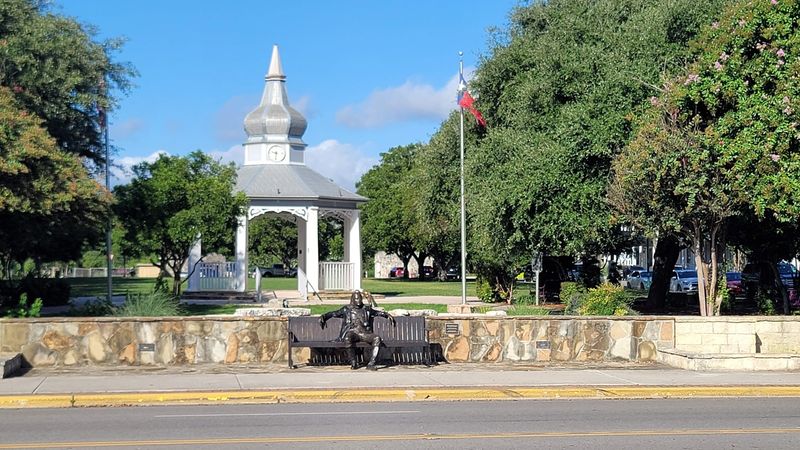
Limestone buildings line the main drag of this Hill Country hideaway, where German settlers left their mark in the architecture and local flavor. Just thirty minutes from San Antonio, it feels worlds away from city stress, offering a perfect blend of shopping, dining, and outdoor exploration. The town has grown thoughtfully, keeping its historic core intact while adding modern touches that enhance rather than overwhelm.
Main Street beckons with locally-owned boutiques, art galleries, and specialty shops that change with the seasons. You won’t find chain stores here, just one-of-a-kind finds and owners who genuinely care about their offerings. The walkable downtown makes it easy to pop in and out of shops, grabbing coffee or ice cream between stops.
Foodies will find plenty to love, from farm-to-table restaurants to casual cafes serving elevated comfort food. The local dining scene punches above its weight class, with chefs who take pride in sourcing ingredients from nearby farms and ranches. Whether you’re craving barbecue, Italian, or creative fusion, Boerne delivers quality that rivals much larger cities.
When you need a nature break, several parks and trails surround the town, including the scenic Cibolo Nature Center. The walking paths wind through diverse habitats, offering chances to spot birds, butterflies, and other wildlife. It’s a quick reset that reminds you why the Hill Country is so special.
Cave Without a Name sits just outside town, offering underground tours through stunning limestone formations. The temperature stays cool year-round, making it a perfect escape on hot days. The cavern earned its quirky name through a contest, and the formations inside genuinely deserve the hype.
Antiquers will want to budget extra time for the numerous vintage shops scattered throughout town. From mid-century modern to shabby chic, the selection covers every style and era. Boerne manages to feel both relaxing and stimulating, giving you plenty to do without overwhelming your senses.
4. Port Aransas
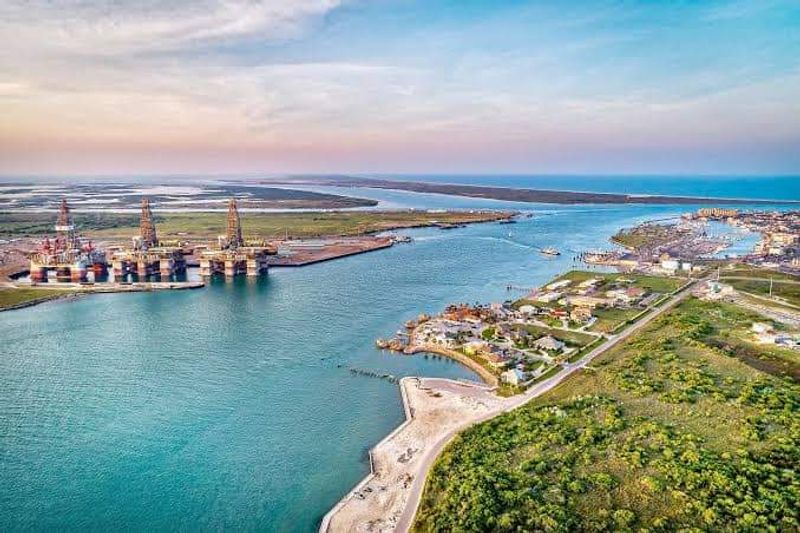
Salty air and squawking gulls greet you the moment you roll into this laid-back beach town on Mustang Island. Unlike some coastal spots that feel overdeveloped, Port A maintains its fishing village roots while welcoming visitors with open arms. The beach stretches for miles, offering plenty of space to claim your own slice of sand without fighting crowds.
Fishing runs deep in the local culture, whether you’re casting from the pier, booking a charter, or trying your luck from the surf. The jetties attract serious anglers hunting redfish and speckled trout, while beginners can enjoy the pier without needing a license. Even if you don’t fish, watching the boats come in with their catches makes for great entertainment.
The beach itself is the main attraction, with soft sand and gentle waves perfect for swimming, building sandcastles, or just soaking up sun. You can drive right onto certain sections, making it easy to haul coolers, chairs, and all your gear without hiking half a mile. Dolphins often swim close to shore, putting on impromptu shows for lucky beachgoers.
Downtown Port A packs a surprising amount of character into a few blocks, with surf shops, seafood joints, and beach bars creating a festive atmosphere. The restaurants serve up fresh catches daily, from fried shrimp baskets to grilled fish tacos that taste like summer. Live music drifts from patios most evenings, especially during peak season.
For a change of scenery, take the free ferry to Aransas Pass or explore the nature trails at the nearby birding center. The ferry ride itself is fun, offering views of the ship channel and passing boats. Port Aransas proves that Texas beaches can compete with any coastal destination.
Before leaving, grab some saltwater taffy or beach-themed souvenirs from one of the gift shops. The town has a way of making you feel like you’ve been on vacation for a week, even if you only spent eight hours getting sandy and salty.
5. Salado
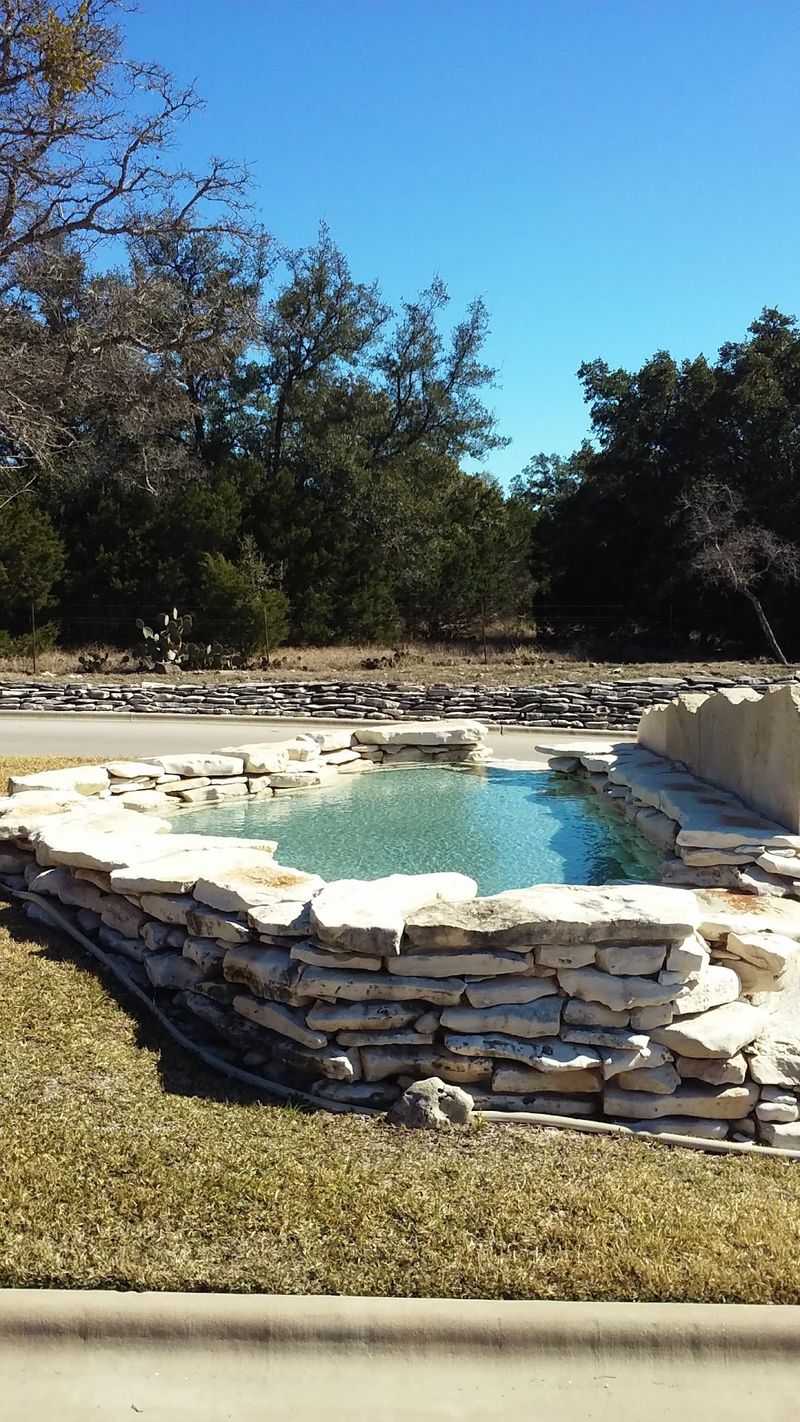
A bubbling creek runs right through the heart of this artsy village, creating a peaceful soundtrack for your shopping and exploring. Artists and craftspeople have claimed Salado as their own, filling galleries and studios with everything from paintings to pottery to handmade furniture. The creative energy is contagious, making even non-artists appreciate the skill and passion on display.
Main Street winds through town, lined with historic buildings that now house boutiques, antique stores, and specialty shops. Each storefront seems to offer something unique, whether it’s custom leather goods, vintage treasures, or contemporary art. The shopping here feels more like treasure hunting than browsing, with genuine finds around every corner.
Several restaurants and cafes provide fuel for your adventures, ranging from casual lunch spots to upscale dining experiences. The local food scene emphasizes quality ingredients and creative preparations, with menus that change seasonally. Don’t skip dessert at one of the bakeries, where homemade pies and pastries tempt from glass cases.
The creek itself invites exploration, with walking paths and shaded spots perfect for a quick rest. On hot days, you’ll see kids wading in the shallow water while adults relax under massive oak trees. It’s a simple pleasure that reminds you to slow down and enjoy the moment.
History buffs can tour several preserved buildings and learn about Salado’s role as a stagecoach stop on the old Chisholm Trail. The stories bring the past alive, showing how this small settlement became an important stop for travelers heading north. The preservation efforts have maintained the town’s authentic character without turning it into a theme park.
Art lovers should time their visit around one of Salado’s many art fairs and festivals, when even more artists set up booths showcasing their work. The events draw crowds but never feel overwhelming, maintaining the town’s welcoming vibe. Salado manages to be both sophisticated and down-to-earth, a rare combination that keeps visitors coming back.
6. Fredericksburg
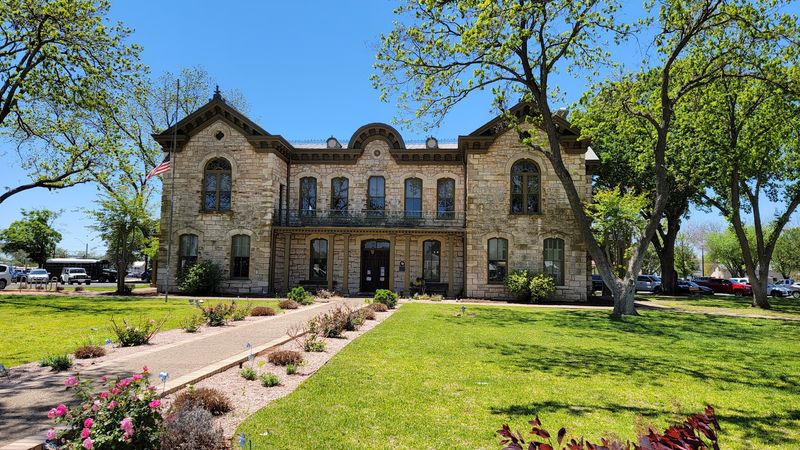
German heritage meets Texas Hill Country in this beloved destination that’s become synonymous with wine tasting, shopping, and small-town charm. Main Street stretches for blocks, packed with enough shops, galleries, and restaurants to keep you busy from sunrise to sunset. The town has mastered the art of tourism without losing its soul, maintaining authentic character despite drawing visitors year-round.
Wine enthusiasts will find themselves in heaven, with dozens of tasting rooms scattered throughout downtown and surrounding countryside. The local wine industry has exploded in recent years, producing quality varietals that surprise skeptics. You can easily hop between tasting rooms on foot, sampling everything from bold reds to crisp rosés.
Shopping here goes way beyond typical tourist traps, with stores offering everything from gourmet food products to handcrafted furniture to German imports. The variety is staggering, whether you’re hunting for Christmas ornaments in July or searching for the perfect piece of artwork. Budget extra time because you’ll want to explore every interesting storefront.
Food is serious business in Fredericksburg, where German traditions blend with Texas flavors to create unique dining experiences. Schnitzel and sausages share menu space with barbecue and Tex-Mex, and somehow it all works perfectly. The bakeries deserve special mention, turning out authentic German pastries that pair beautifully with strong coffee.
History runs deep here, with several museums and historic sites telling the story of German immigration to Texas. The Pioneer Museum complex includes multiple buildings showcasing life in the 1800s, while the National Museum of the Pacific War honors Admiral Nimitz, a Fredericksburg native. The historical attractions add depth to what could otherwise be just a shopping trip.
Nearby Enchanted Rock State Natural Area offers hiking for those who need to burn off some schnitzel calories. The massive pink granite dome provides stunning views after a moderately challenging climb. Wildflowers blanket the surrounding fields in spring, creating photo opportunities at every turn.
Fredericksburg has become so popular that weekends can feel crowded, but the town absorbs visitors well without losing its appeal. Plan ahead for lodging and popular restaurants, especially during peak seasons and special events.
7. Bastrop
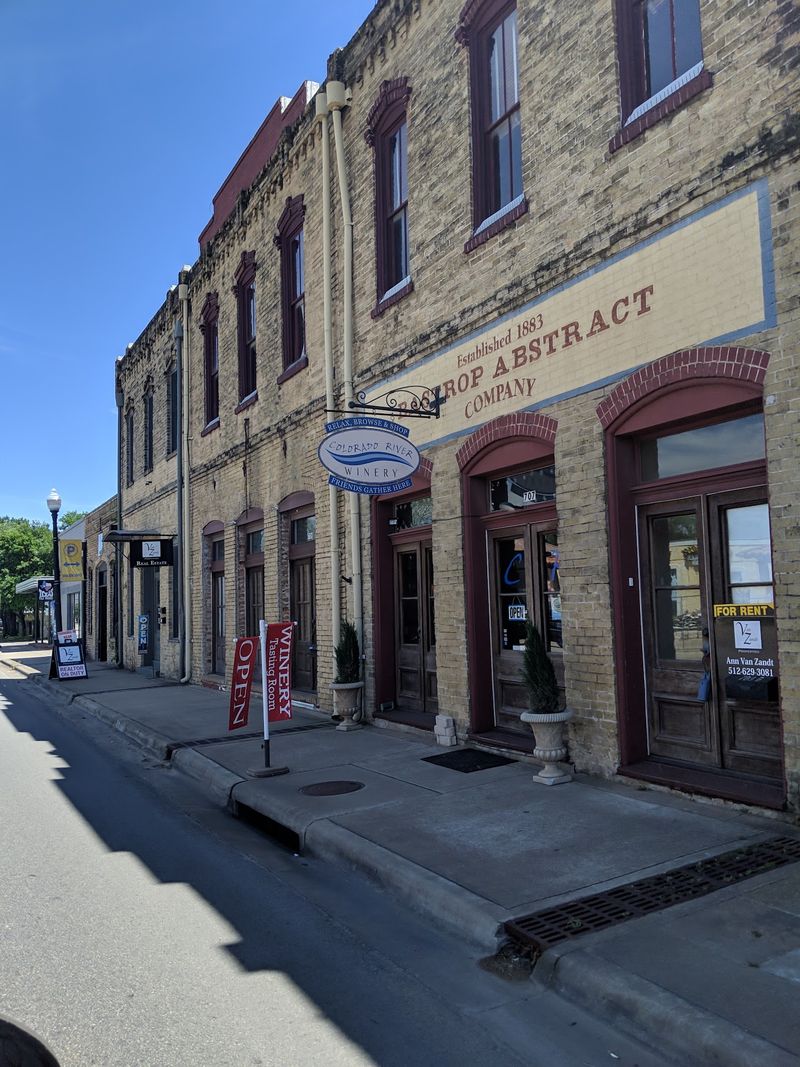
Towering loblolly pines rise unexpectedly from the Texas landscape, creating a forest oasis that sets this town apart from its Hill Country neighbors. The Colorado River winds through Bastrop, adding water recreation to the mix of shopping, dining, and outdoor adventures. Downtown has experienced a renaissance in recent years, with new businesses breathing life into historic buildings while respecting the town’s character.
Main Street beckons with a growing collection of boutiques, antique stores, and local shops that reflect the town’s creative spirit. The retail scene keeps expanding as more entrepreneurs discover Bastrop’s potential, but it maintains a welcoming, non-commercial vibe. You’ll find everything from vintage clothing to handmade jewelry to quirky home decor.
The restaurant scene has seriously leveled up, offering options that range from elevated comfort food to international cuisine. Local chefs take advantage of nearby farms and ranches, creating menus that highlight regional ingredients. Several spots feature outdoor seating where you can enjoy your meal while people-watching on Main Street.
Bastrop State Park provides the outdoor adventure component, with hiking and biking trails winding through the unique Lost Pines ecosystem. The forest feels almost magical, especially when sunlight filters through the tall pines creating dramatic shadows. It’s a quick nature fix that doesn’t require a major time commitment or advanced hiking skills.
The Colorado River offers its own recreational opportunities, from kayaking to fishing to simply cooling off on hot days. Several access points make it easy to get on the water, whether you bring your own gear or rent from local outfitters. The river moves slowly through town, perfect for lazy floats and family outings.
Bastrop’s arts scene has grown alongside its commercial renaissance, with galleries showcasing local and regional artists. The town hosts regular events that bring the community together, from farmers markets to music festivals. It’s a place that feels alive and optimistic, welcoming visitors while maintaining strong local roots.
The drive itself is part of the appeal, with scenic roads connecting Bastrop to Austin and other nearby towns. Plan to spend at least half a day here, though you could easily fill a full day exploring everything this surprising town offers.
8. Round Top
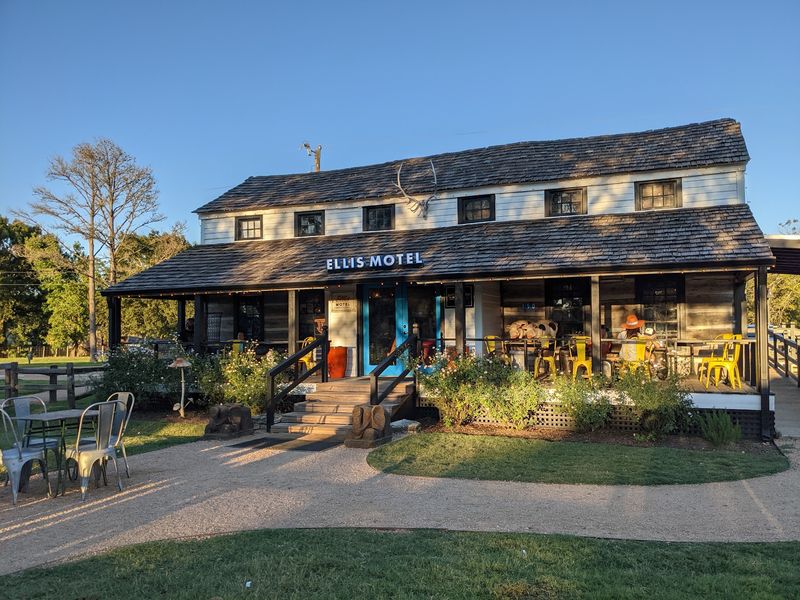
Population 90 swells to thousands twice a year when antique lovers descend on this tiny town for one of the world’s largest antiques shows. But even during quiet months, Round Top charms visitors with its rural beauty, historic buildings, and surprisingly sophisticated food scene. The town square consists of just a handful of buildings, yet it punches way above its weight in terms of appeal.
Spring and fall bring the famous antiques weeks, when fields fill with tents housing treasures from around the globe. Serious collectors and casual browsers alike find themselves lost in the maze of vendors, discovering everything from European furniture to vintage Texas ranch relics. The scale is overwhelming in the best possible way, requiring multiple days to see everything.
During off-season, Round Top reveals a quieter side that’s equally appealing for different reasons. The permanent antique shops and galleries remain open, offering curated selections without the crowds. You can actually talk to shop owners and learn the stories behind pieces, creating a more intimate shopping experience.
Several excellent restaurants operate in and around town, serving farm-to-table cuisine that would impress big-city diners. The food quality seems almost incongruous with the tiny town setting, but it reflects the area’s agricultural richness and the talents of chefs who’ve chosen this peaceful spot. Reservations are essential, especially during antiques weeks.
Historic buildings dot the landscape, including beautifully restored homes and the famous Henkel Square, a collection of preserved structures that showcase 19th-century Texas architecture. The attention to preservation demonstrates deep respect for the area’s heritage. Walking through these buildings provides context for understanding how early Texas settlers lived.
The surrounding countryside rolls gently, dotted with wildflowers in spring and offering peaceful drives year-round. Several nearby towns like Warrenton and Carmine host their own antique vendors during the big shows, extending your shopping radius. The whole area feels like a step back in time, where life moves slower and people still wave at passing cars.
Round Top proves that great things come in small packages, offering world-class shopping and dining in a setting that remains authentically rural and unpretentious.
9. Granbury
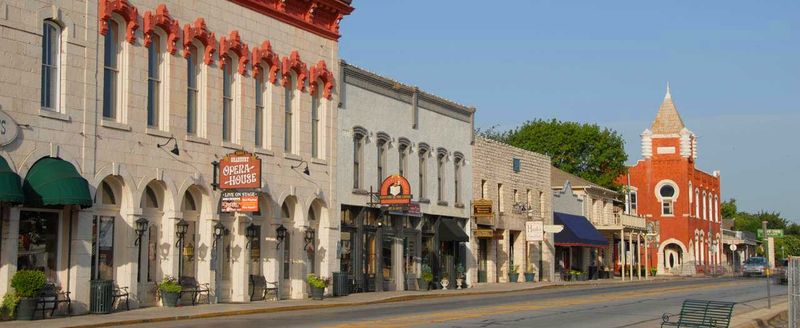
A stunning courthouse anchors the town square, surrounded by Victorian-era buildings that now house shops, restaurants, and theaters. Lake Granbury wraps around the town, providing water recreation opportunities and scenic views that enhance the historic downtown experience. The whole place feels like a movie set, but it’s genuinely preserved history rather than artificial recreation.
The square invites leisurely exploration, with enough variety to keep shoppers happy for hours. Antique stores mix with boutiques selling contemporary goods, while candy shops and ice cream parlors provide sweet breaks. The compact layout means you can easily walk the entire square multiple times, discovering new details with each pass.
Granbury Opera House hosts live performances throughout the year, from musicals to comedies to concerts. The beautifully restored theater adds cultural depth to what could otherwise be just another shopping destination. Even if you don’t catch a show, the building itself is worth admiring from the outside.
The lake dominates the eastern edge of town, offering boating, fishing, and waterfront dining options. Several restaurants feature patios with lake views, perfect for watching the sunset while enjoying dinner. The water adds a resort-town feel to the historic downtown vibe, creating an appealing combination.
Historic homes line the residential streets surrounding the square, showcasing various architectural styles from the late 1800s. Taking a walking or driving tour through these neighborhoods provides context for Granbury’s prosperous past. Some homes operate as bed and breakfasts, offering overnight stays in historic settings.
The town celebrates its history without being stuffy about it, hosting festivals and events that bring crowds without overwhelming the infrastructure. Locals are genuinely friendly, happy to share recommendations or stories about their town. It’s a place where tourism and community coexist comfortably.
Several wineries and breweries have opened in recent years, adding modern touches to the historic foundation. You can taste local wines or craft beers, then walk back to the square for dinner. Granbury has figured out how to honor its past while embracing the present, creating a destination that appeals to multiple generations.
10. Marfa
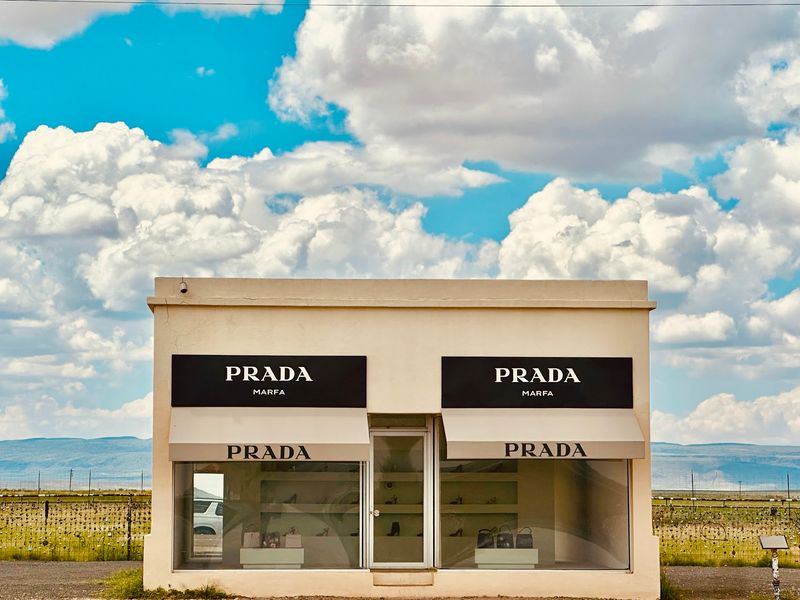
Art installations pop up in the middle of nowhere, drawing culture seekers to this remote West Texas outpost that’s become an unlikely hipster haven. The stark desert landscape creates a dramatic backdrop for contemporary art, while the tiny town population maintains its ranching roots despite the influx of galleries and boutique hotels. It’s weird, wonderful, and completely unlike anywhere else in Texas.
The Chinati Foundation showcases large-scale installations by Donald Judd and other minimalist artists, spread across former military buildings and the surrounding desert. The permanent collection requires hours to fully appreciate, with pieces that interact with the landscape and changing light. Art pilgrims travel from around the world to experience these works in their intended setting.
Downtown Marfa consists of just a few blocks, but they’re packed with galleries, shops, and restaurants that cater to sophisticated tastes. The aesthetic leans minimalist and modern, with clean lines and neutral palettes dominating the architecture. Even the courthouse and older buildings have been maintained with an eye toward preserving their simple, functional beauty.
Food options surprise visitors expecting limited choices in such a remote location. Several restaurants serve creative cuisine using local ingredients, while coffee shops pour expertly crafted drinks. The quality rivals what you’d find in major cities, yet the atmosphere remains relaxed and unpretentious.
The mysterious Marfa Lights have drawn curious visitors for generations, though explanations for the phenomenon vary wildly. A designated viewing area outside town provides the best vantage point for spotting the unexplained lights dancing on the horizon. Whether you believe in the paranormal or prefer scientific explanations, the experience adds another layer to Marfa’s mystique.
Hotel options range from restored historic properties to ultra-modern boutiques, all emphasizing design and aesthetics. Even the most budget-conscious accommodations pay attention to details and style. Booking ahead is essential, as the limited inventory fills quickly, especially during special events and festivals.
The drive to Marfa is long from most Texas cities, but the journey through West Texas landscapes is part of the experience. The vastness and emptiness create a meditative quality that prepares you for Marfa’s unique vibe. It’s a destination that rewards those willing to make the effort.
11. Wimberley
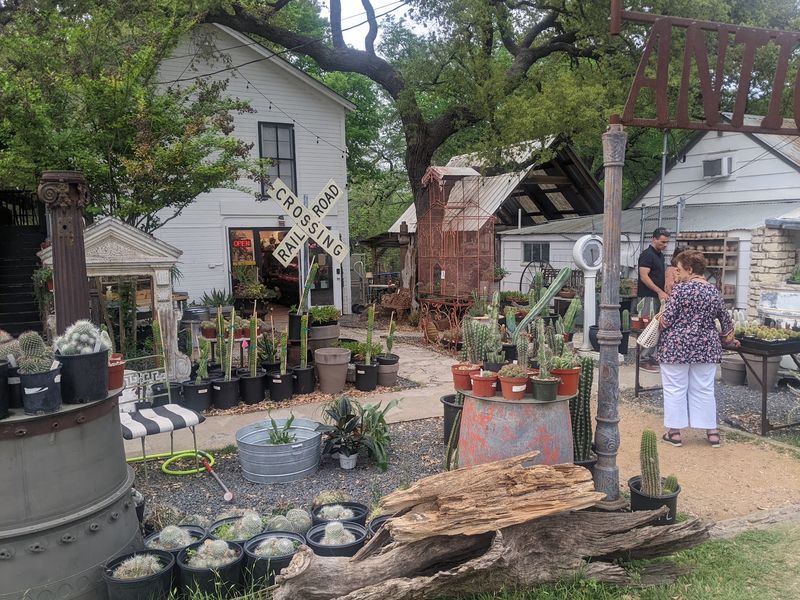
Crystal-clear swimming holes and towering cypress trees make this Hill Country hideaway a favorite summer escape for those in the know. The Blanco River winds through town, creating natural pools perfect for cooling off when Texas heat becomes unbearable. Artists and musicians have claimed Wimberley as their own, creating a creative community that welcomes visitors while maintaining its laid-back character.
Blue Hole Regional Park offers the most famous swimming spot, with deep pools carved into limestone and cypress trees providing natural shade. The water stays refreshingly cool even during peak summer, fed by springs and the river itself. Arrive early on weekends, as this local favorite fills up quickly with families and groups of friends.
The Wimberley Square hosts the town’s main shopping and dining district, with locally-owned businesses filling historic buildings. Art galleries showcase work by resident and regional artists, while boutiques offer clothing, jewelry, and home decor. The monthly market days on the first Saturday draw huge crowds, with vendors selling everything from produce to crafts to antiques.
Several excellent restaurants serve everything from barbecue to Italian to creative fusion cuisine, often featuring ingredients from nearby farms. The food scene has grown more sophisticated in recent years while maintaining reasonable prices and welcoming atmospheres. Outdoor seating is common, letting you enjoy the pleasant Hill Country climate while you eat.
Cypress Creek runs parallel to the Blanco, offering additional spots for water recreation and nature observation. The walking trails along both waterways provide easy hikes through beautiful riparian habitat. Bird watchers and nature photographers find plenty of subjects, especially during migration seasons.
Local wineries and distilleries have joined the scene, offering tastings with Hill Country views. The drinks complement the area’s relaxed vibe perfectly, whether you’re sampling wine on a sunny patio or trying craft spirits in a rustic tasting room. Many visitors combine swimming, shopping, and sipping into one perfect day.
The creative community hosts regular events, from art walks to live music performances to outdoor theater. These gatherings showcase local talent while bringing residents and visitors together in celebration of arts and culture. Wimberley manages to feel both artistic and accessible, never pretentious despite its growing reputation.
12. Canton
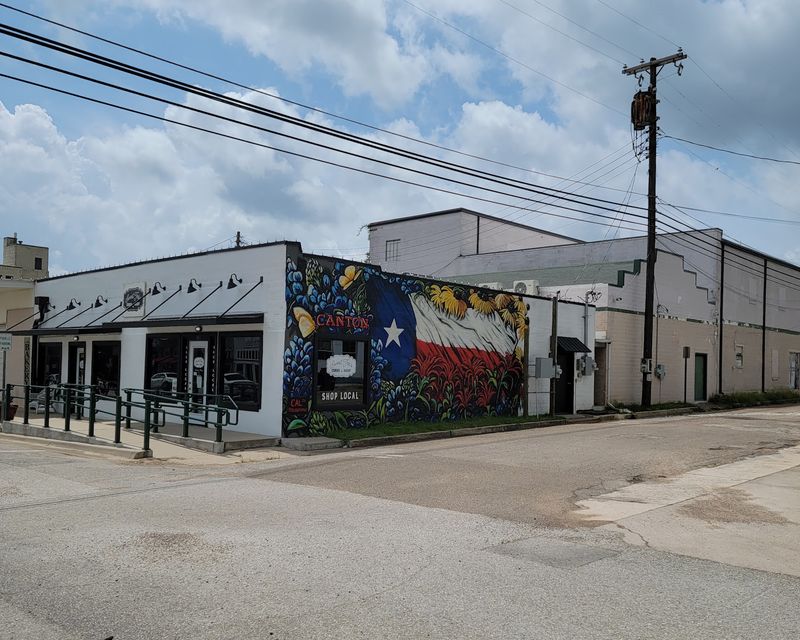
The world’s largest flea market takes over this East Texas town one weekend per month, transforming quiet streets into a shopper’s paradise spanning hundreds of acres. First Monday Trade Days has been running since the 1850s, making it one of Texas’s oldest continuous events. What started as a simple trading day has evolved into a massive market where you can find literally anything if you look hard enough.
The grounds sprawl across multiple pavilions and outdoor areas, with vendors selling antiques, crafts, clothing, jewelry, furniture, tools, food, and countless other items. Serious shoppers arrive with wagons or carts, knowing they’ll accumulate bags of treasures as they navigate the maze-like layout. The variety is staggering, ranging from high-end antiques to budget-friendly crafts to downright weird oddities.
Local food vendors feed the hungry crowds, serving everything from funnel cakes to barbecue to international cuisine. The food is part of the experience, with longtime vendors developing loyal followings. Eating becomes a strategic decision, as you need fuel for hours of walking but don’t want to be weighed down.
Beyond the main market grounds, Canton’s downtown area hosts permanent antique stores and shops that remain open year-round. These establishments offer a more curated selection than the sometimes chaotic market, appealing to those who prefer browsing without battling crowds. The downtown also provides quieter dining options and restroom facilities.
The atmosphere during market weekends is festive and energetic, with live music often playing and people from all walks of life mingling over shared love of treasure hunting. Conversations strike up easily as strangers bond over finds or negotiate prices with vendors. It’s a social experience as much as a shopping trip.
Wear comfortable shoes because you’ll be walking for miles on pavement, grass, and gravel. Bringing cash helps with negotiations, though many vendors now accept cards. Arriving early gives you first pick, but late afternoon sometimes yields better deals as vendors prepare to pack up.
The monthly schedule means you can visit multiple times throughout the year, with inventory constantly changing as vendors rotate and seasons shift. What you see in spring will be completely different from fall offerings, giving you reason to return repeatedly.
13. Waxahachie
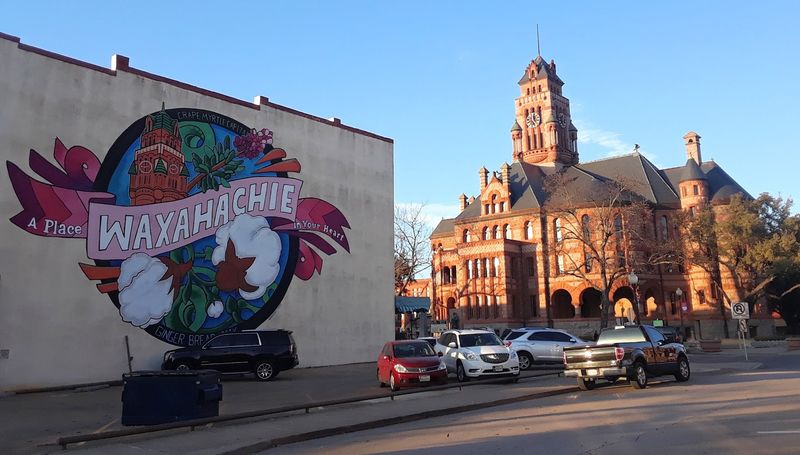
Victorian architecture dominates this charming town south of Dallas, where ornate gingerbread houses and a stunning courthouse create an almost fairy-tale atmosphere. Film crews have discovered Waxahachie’s photogenic qualities, using it as a backdrop for movies and TV shows that need authentic small-town America. Walking the residential streets feels like time traveling to a more elegant era.
The Ellis County Courthouse stands as one of Texas’s most beautiful government buildings, with its distinctive red granite and limestone construction and elaborate Romanesque Revival details. Built in 1895, it still functions as the county courthouse while attracting architecture enthusiasts who appreciate its craftsmanship. The building is especially photogenic during golden hour when the setting sun illuminates the stone.
Downtown shopping centers around the courthouse square, where antique stores, boutiques, and specialty shops occupy historic storefronts. The retail mix includes everything from vintage clothing to home decor to Texas-themed gifts. Shop owners are typically friendly and knowledgeable, happy to share stories about their merchandise or the town’s history.
The restaurant scene offers solid options for lunch and dinner, with several establishments serving comfort food and regional favorites. Nothing too fancy, but consistently good quality that satisfies hungry shoppers and sightseers. A few cafes and bakeries provide lighter fare for those wanting snacks between shopping stops.
Gingerbread Trail is the town’s nickname for its collection of Victorian homes, many featuring the ornate wooden trim that gives gingerbread houses their name. A self-guided tour lets you explore various neighborhoods at your own pace, admiring different architectural styles and details. Some homes are maintained as private residences, while others operate as bed and breakfasts or event venues.
The town hosts several annual festivals that celebrate its heritage and bring crowds to downtown. Scarborough Renaissance Festival operates on the outskirts during spring weekends, adding another attraction to the area. These events showcase community pride and provide additional entertainment beyond the everyday shopping and sightseeing.
Waxahachie is close enough to Dallas for an easy day trip but feels distinctly separate from suburban sprawl. The preserved historic character creates an escape from modern life without requiring a long drive into remote areas.
14. Palestine
Steam whistles echo through East Texas pine forests as vintage trains carry passengers through scenic countryside, making this small town a paradise for railroad enthusiasts and nostalgia seekers. The Texas State Railroad operates authentic steam and diesel locomotives on historic routes, offering a genuinely unique experience that goes beyond typical tourist trains. But Palestine offers more than just rails, with a revitalized downtown and surrounding natural beauty worth exploring.
The railroad experience is the main draw, with various excursions running throughout the year, from regular scenic rides to themed events like murder mysteries and holiday specials. The vintage cars have been lovingly restored, providing comfortable seating and period atmosphere. The journey itself travels through forests and over bridges, showcasing East Texas landscapes from a perspective you can’t get from a car.
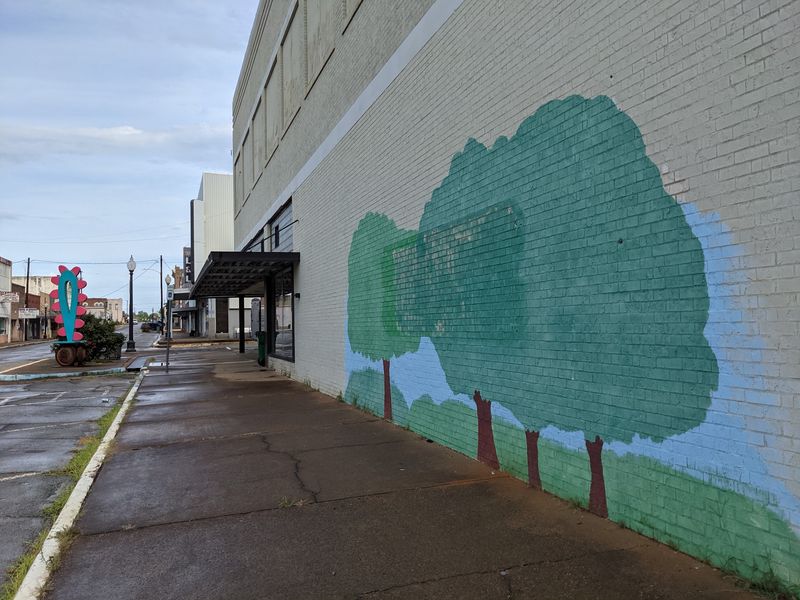
Downtown Palestine has experienced a renaissance, with entrepreneurs breathing new life into historic buildings along the brick streets. Antique stores offer treasures from the past, while boutiques sell contemporary goods and local crafts. The variety keeps improving as more businesses open, attracted by affordable rents and supportive community.
Several restaurants serve everything from down-home Southern cooking to more contemporary cuisine, with quality that surprises first-time visitors. The food scene reflects Palestine’s growing confidence and appeal to visitors seeking authentic experiences. Don’t miss the local bakeries, where homemade pies and pastries follow traditional recipes.
Historic homes dot the residential areas, showcasing various architectural styles from Palestine’s prosperous past as a railroad hub. Driving or walking through these neighborhoods reveals beautifully maintained properties and gives context to the town’s history. Some homes operate as bed and breakfasts, offering overnight stays in period settings.
Nearby Davey Dogwood Park explodes with color during spring when thousands of dogwood trees bloom, creating a stunning natural display. The park includes walking trails, picnic areas, and a small museum. Even outside bloom season, the park provides a peaceful natural retreat.
Palestine combines nostalgia with forward momentum, honoring its railroad heritage while building a future based on tourism and small-town quality of life. The genuine warmth of local residents enhances the experience, making visitors feel welcome rather than just tolerated. It’s a place that deserves more attention than it typically receives.
Share this story