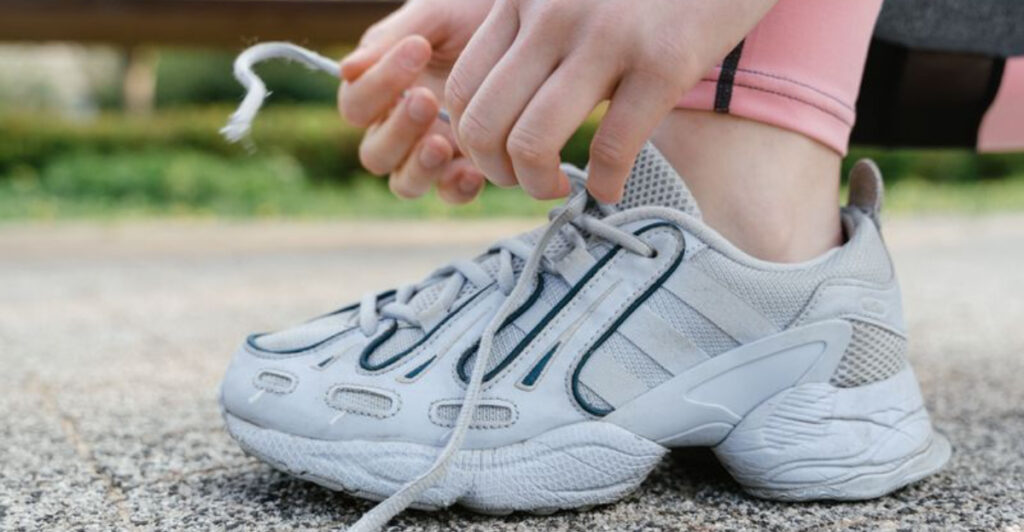
The wall of brightly colored shoes is tempting, but the real magic happens when someone asks to see the battered pair you wore into the store. A knowledgeable fitter can read those flattened heels and thinning patches like a tiny biography of every mile you have logged.
New Jersey has an impressive collection of specialty running shops where that kind of attention still matters. These are places where beginners can admit they have no idea what “heel drop” means, marathoners can debate race-day foam, and walkers receive the same thoughtful service as competitive athletes.
Beyond shoes, many carry technical apparel, hydration gear, nutrition, recovery tools, watches, socks, and those anti-chafing products runners usually discover one painful lesson too late. Some also organize training programs and group outings that turn solitary miles into a social habit.
Whether you are chasing a personal record or simply trying to make your morning loop more comfortable, these 15 shops can help you step out properly equipped.
1. Runner’s High – Metuchen
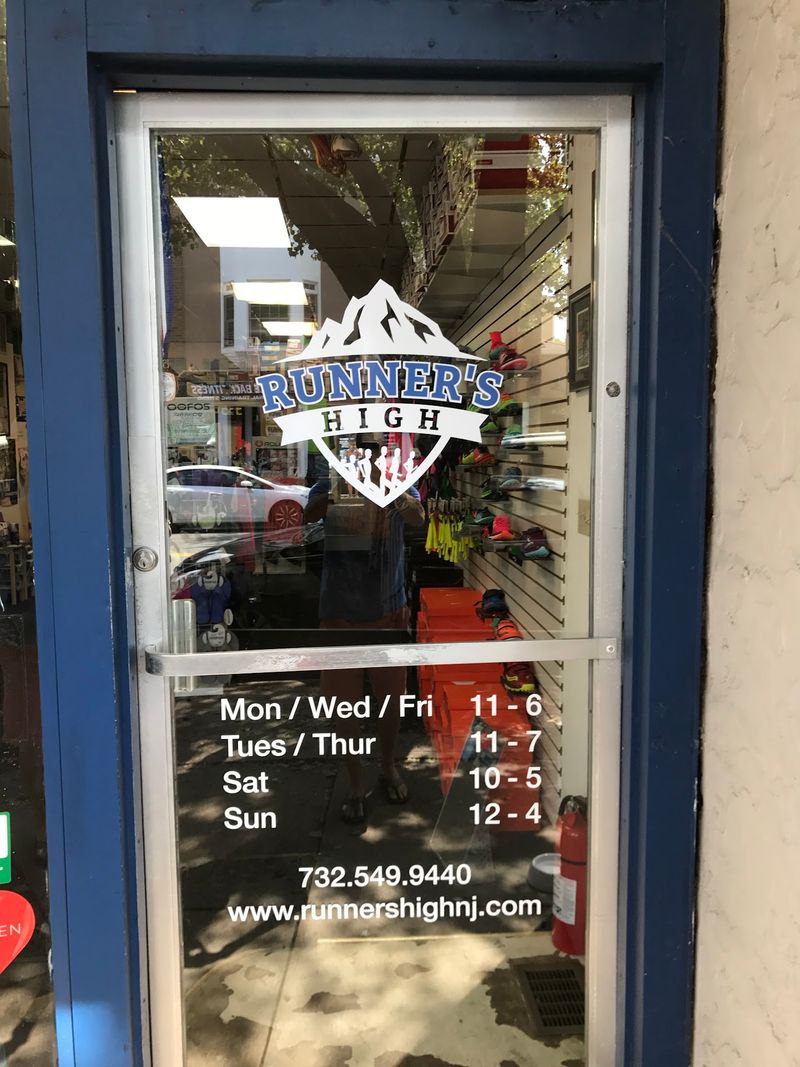
Long before carbon-plated shoes became dinner-table conversation among runners, this Main Street mainstay was helping Central Jersey athletes make sense of cushioning, stability, and fit. Runner’s High has deep roots in Metuchen, and that experience shows in the way its staff approaches customers.
Instead of steering everyone toward the same popular model, the team asks about training habits, previous shoes, recurring discomfort, and upcoming goals before offering several possibilities to compare.
Employees include seasoned runners, coaches, marathon finishers, and triathletes, so conversations can move easily from beginner questions to highly specific race concerns.
The inventory reaches well beyond everyday trainers, with footwear for competition, socks, apparel, insoles, hydration products, reflective accessories, nutrition, electronics, and recovery tools all represented.
Brands such as Brooks, Hoka, New Balance, Nike, Saucony, ASICS, On, and Diadora give shoppers enough range to notice how dramatically two shoes designed for the same purpose can feel.
The store’s downtown setting adds to its neighborhood-shop appeal; it feels connected to the local running community rather than dropped into a generic retail plaza. Bring the shoes you currently wear, even if they look embarrassing.
Their wear patterns can give the fitter useful clues, and testing several new pairs side by side makes subtle differences far easier to recognize. Runner’s High also offers a 30-day return window, which provides some breathing room once those shoes leave the store and meet an actual road.
2. Runner’s High – Freehold
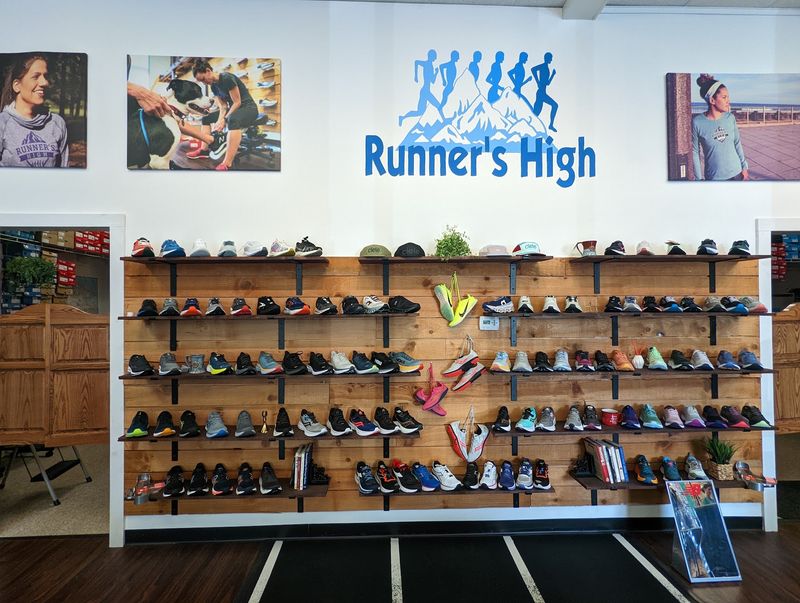
A shoe that feels wonderful while standing still can become a small instrument of torture around mile eight, which is precisely why the Freehold location encourages customers to slow down and compare.
The fitting experience is personal and conversational, with staff members listening for details that a box label cannot supply: where you run, how often you train, whether you use orthotics, and what started aching in your last pair.
Runners are welcome to try multiple models and move around in them rather than making a decision after three steps on carpet. That patient approach is useful for experienced athletes, but it is even more valuable for someone starting a walk-run plan or buying proper running shoes for the first time.
The selection includes daily trainers, faster competition footwear, apparel, socks, insoles, compression products, hydration equipment, nutrition, reflective gear, massage tools, and running electronics. In other words, you can arrive needing shoes and leave prepared for everything from summer humidity to a dark winter training loop.
The Schanck Road location has straightforward lot parking, making it an easier stop than shops in crowded downtown districts. Shoppers with old injuries or specific foot concerns should mention them early, and anyone who wears inserts should bring those along for the fitting.
Although the store knows serious running, the tone is refreshingly unpretentious. Nobody needs a marathon medal to belong here; wanting to walk farther without sore feet is reason enough to receive the full treatment.
3. Fleet Feet – Ridgewood
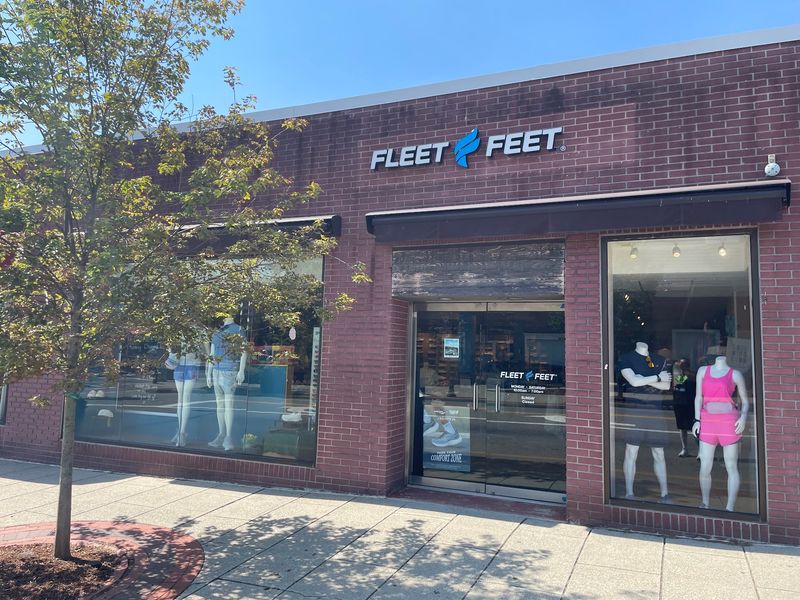
Downtown Ridgewood is the sort of place where a quick errand can accidentally become coffee, lunch, and an hour of browsing, but runners should allow extra time here for another reason. Fleet Feet’s fitting process is more involved than pointing at a shoe wall and choosing a color.
Staff members talk through mileage, surfaces, goals, and previous footwear before using measurements and movement observations to narrow the field. The result is a manageable group of shoes to test rather than an overwhelming tower of boxes.
That distinction matters when modern running shoes range from low, flexible models to towering stacks of soft foam, each promising a different kind of ride. This East Ridgewood Avenue store serves runners, walkers, and people who spend long days standing, so the conversation centers on real use rather than athletic credentials.
Along with road and trail shoes, customers can pick up technical socks, weather-ready layers, sports bras, hydration equipment, insoles, nutrition, visibility gear, and recovery accessories. Training programs and community runs make the shop particularly useful for anyone who needs accountability as much as equipment.
Ridgewood’s sidewalks and nearby residential streets provide a fitting backdrop for that social side of running. Downtown parking can require patience during busy weekend hours, so weekday mornings or early afternoons are sensible times for an unrushed visit.
Wear the socks you normally run in and bring your old shoes. Those two small details can make the fitting more revealing—and save you from choosing footwear based solely on how handsome it looks under store lighting.
4. Fleet Feet – Montclair
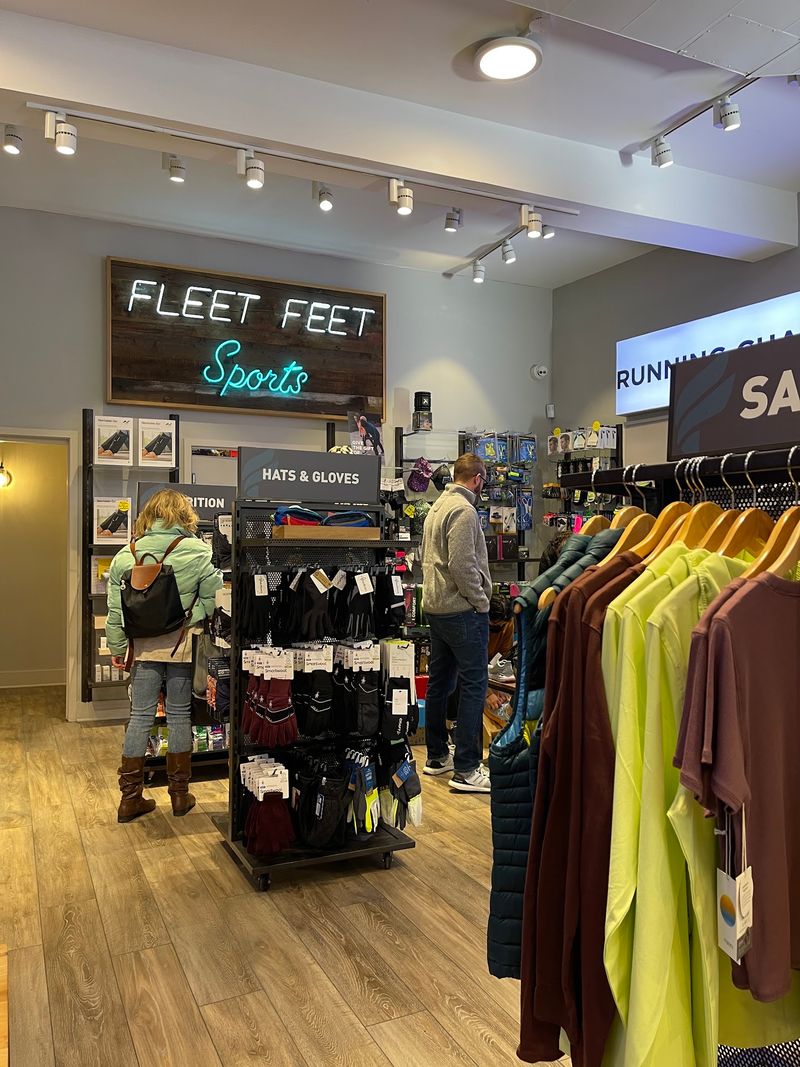
On any given week, the people passing through this Bloomfield Avenue shop might include a Boston qualifier, a parent squeezing in three miles before school pickup, and someone shopping for comfortable walking shoes after a podiatrist’s recommendation.
Fleet Feet Montclair handles that range without making the less experienced customer feel like an outsider.
The store is known for personalized outfitting, beginning with questions about movement, comfort, training volume, and intended use. Measurements help guide the process, but the real test comes when shoppers compare how several models feel in motion.
That human element keeps the appointment from becoming a tech demonstration with a sales pitch attached. Footwear anchors the selection, while technical clothing, socks, insoles, hydration bottles, running belts, nutrition, safety lights, and recovery products cover the less glamorous essentials that often determine whether a run goes smoothly.
Montclair’s changing seasons make that breadth useful: lightweight gear for humid summer miles eventually gives way to gloves, reflective layers, and cold-weather pieces. The store also functions as a gathering point through group runs and training opportunities, giving newcomers a practical doorway into the area’s active running scene.
Its central location is convenient for combining a fitting with other downtown errands, though parking near Bloomfield Avenue can be competitive at popular times. Check municipal lots rather than circling endlessly for a curbside space.
Most importantly, arrive willing to test something unexpected. The shoe that works best may not be the brand you walked in planning to buy.
5. Fleet Feet – Summit
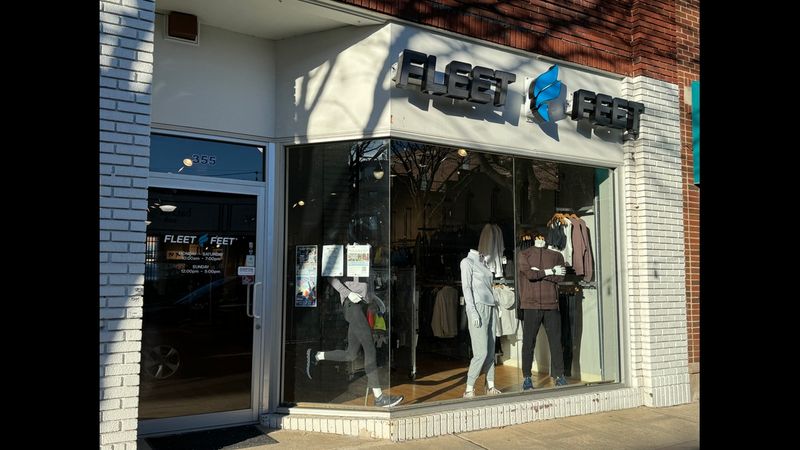
Springfield Avenue’s polished storefronts might suggest a shopping district built for leisurely browsing, but inside this running store, the conversation quickly becomes wonderfully specific. How far do you run?
Road or trail? Do your toes go numb? Does one calf always tighten first? Those questions help the Summit team translate a vague request for “comfortable sneakers” into footwear suited to an actual body and routine.
Customers can expect measurements, fit guidance, and several carefully selected shoes to try, with enough explanation to understand why each pair made the cut. The shelves cover cushioned daily trainers, stability options, lighter performance shoes, walking footwear, and models that can handle long hours on your feet.
Apparel and accessories fill the gaps runners tend to remember only after the weather turns: technical layers, socks, hats, gloves, hydration solutions, nutrition, visibility gear, and recovery items. Summit’s local run community gives the store another layer of usefulness.
Organized outings and training opportunities offer structure for beginners, while experienced runners can meet training partners without joining an intimidatingly fast club. The best time to shop is when you are not rushing between errands, because a proper fitting deserves more than ten distracted minutes.
Springfield Avenue has street spaces and nearby parking options, but weekend shopping periods can be busy. If you are replacing a beloved discontinued shoe, bring it with you.
Even if the identical model is gone, its shape, wear, and cushioning style can help the staff identify a successor that will not make your next long run feel like a blind date gone wrong.
6. Fleet Feet – Westfield
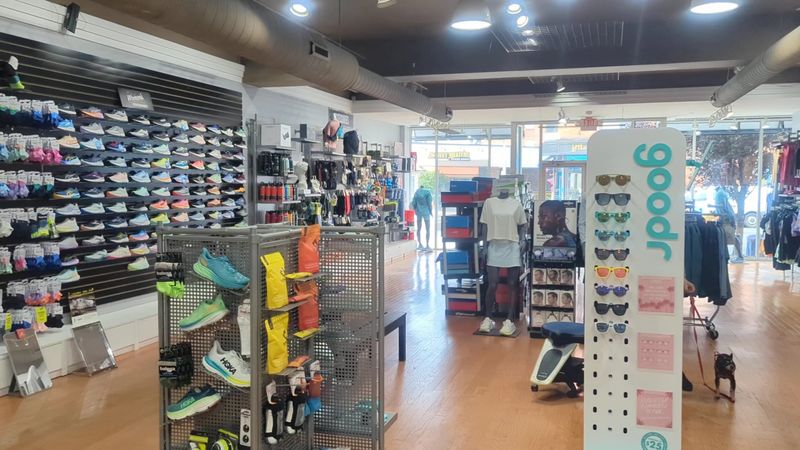
Quimby Street is compact, walkable, and lined with the kind of independent businesses where employees remember regular customers. Fleet Feet fits naturally into that setting, operating as both an equipment stop and a meeting place for the area’s runners.
The store’s outfitting approach is especially helpful for anyone confused by the increasingly technical language surrounding shoes. You do not need to arrive knowing whether you overpronate, prefer a rocker shape, or require a certain heel-to-toe drop.
Explain what you do, where discomfort appears, and what you liked or hated about your previous pair; the staff can take it from there. Measurements and movement observations help narrow down options, but shoppers still get the final say after trying different shoes and paying attention to immediate comfort.
The inventory also covers the supporting cast of a runner’s closet: moisture-managing apparel, socks that reduce friction, sports bras, insoles, handheld bottles, belts, nutrition, reflective accessories, and tools for tired muscles. Community runs and training programs add practical value for people preparing for a first 5K or trying to make running a consistent habit.
Downtown Westfield can get crowded around lunch, dinner, and weekend shopping hours, so build in time for parking and the fitting itself. One useful trick is to shop later in the day, when feet may be slightly fuller than they are first thing in the morning.
That can lead to a more realistic fit, particularly for longer runs when swelling becomes part of the equation.
7. Fleet Feet – Princeton
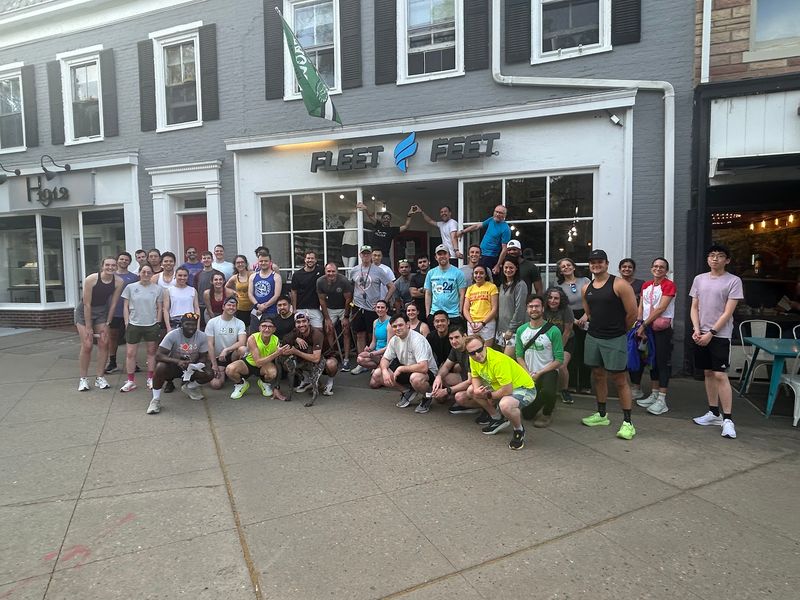
A few blocks of Nassau Street can contain students hurrying to class, tourists admiring stone archways, and runners cutting through town toward quieter roads. That mix has long made Princeton a natural home for a specialty running store.
Now operating as Fleet Feet, the shop continues the local role once associated with Princeton Running Company, serving everyone from university athletes to casual walkers. Personalized fitting is central to the experience.
Staff members consider foot measurements, movement, past injuries, training distance, and preferred terrain, then bring out several models that solve the same problem in different ways. Trying them side by side can reveal distinctions that online product descriptions rarely communicate.
Beyond everyday trainers, shoppers can find racing shoes, socks, apparel, insoles, hydration gear, nutrition, visibility accessories, and recovery products. The store’s group outings and training programs make it more than a place to replace worn-out sneakers; they offer an easy introduction to Princeton’s running community and local routes.
Because the shop sits in the heart of downtown, parking is the only part of the visit that may feel like an endurance sport. Nearby garages are generally less frustrating than waiting for a perfect street space, especially on weekends or during university events.
Bring the footwear you currently use and explain where you actually run—paved paths, neighborhood roads, trails, or a treadmill. The most expensive shoe is not automatically the right one, and the staff’s real value lies in helping you recognize the pair that disappears beneath your feet.
8. Fleet Feet – Hoboken
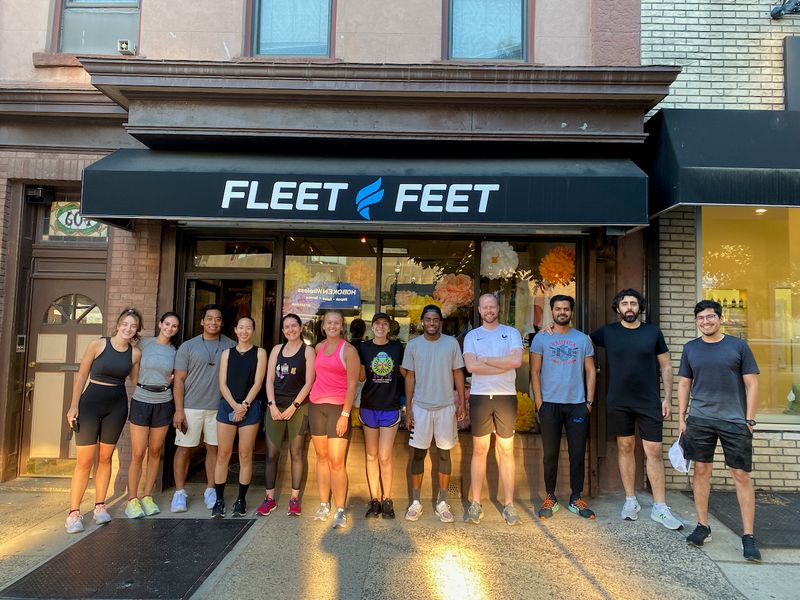
Few running-store locations come with a better test route than Hoboken, where the waterfront offers long, mostly uninterrupted stretches and a Manhattan skyline generous enough to distract from tired legs.
The Washington Street shop equips runners for that urban environment, including commuters who need reflective gear, compact hydration, and clothing that works when the wind comes off the Hudson.
Shoe fittings begin with a discussion of habits and goals rather than assumptions based on pace. Measurements and movement analysis help the team identify suitable categories, after which customers can compare models for comfort, support, and feel.
That process benefits runners dealing with recurring hot spots or soreness, but it is equally helpful for walkers navigating the city’s hard sidewalks every day. Footwear shares the space with technical apparel, socks, insoles, sports bras, nutrition, belts, lights, and recovery products.
Training programs and group runs bring a social rhythm to the store, letting newcomers discover routes and meet other local runners without arranging everything themselves. Public transportation makes this location unusually accessible for a specialty shop, which is good news because parking around Washington Street can be a puzzle.
If you drive, leave time to find a garage or legal curb space rather than arriving flustered. City runners should mention whether their mileage includes waterfront pavement, treadmill sessions, or stop-and-start streets, since those experiences place different demands on shoes.
And if most of your running happens before sunrise or after work, treat visibility equipment as essential gear, not an optional accessory you will remember later.
9. South Jersey RunningCo. – Haddonfield
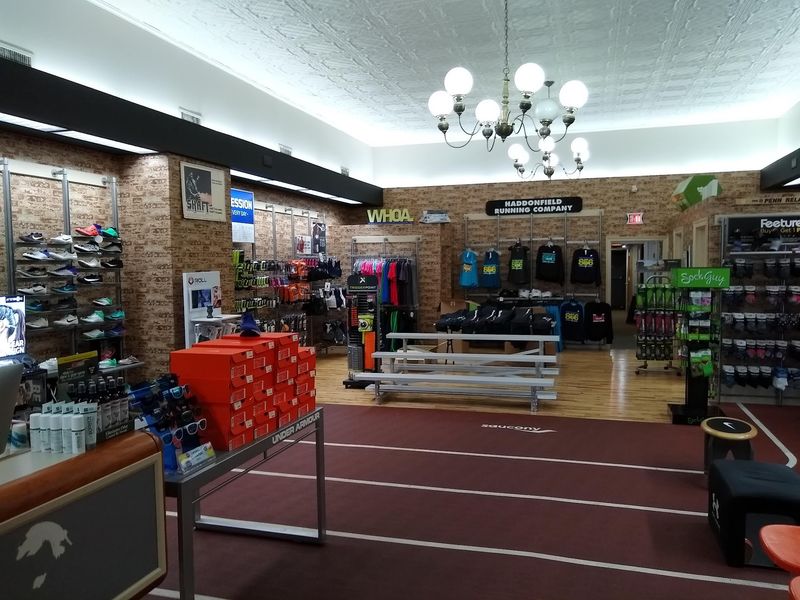
The old-fashioned Brannock device still has a job at this Kings Highway shop, and that is oddly reassuring. South Jersey RunningCo. combines traditional measuring with a structured process that considers purpose, injury history, arch support, gait, foot length, and width before the shoe boxes begin appearing.
It is a practical, understandable system with no need for theatrical jargon. Customers can try as many options as necessary, comparing how different brands interpret cushioning, stability, and responsiveness.
That freedom is valuable because two shoes in the same size and category can fit like entirely different objects. The selection includes men’s, women’s, and children’s footwear, along with apparel, sports bras, socks, plated racing shoes, electronics, nutrition, and cross-country equipment.
High school athletes are particularly well served, but the shop is just as comfortable helping a first-time runner or a walker seeking relief from an ill-fitting pair. Group runs reinforce its role in South Jersey’s running culture, while locally branded Run 856 gear adds a fun regional touch.
The historic downtown setting makes the visit easy to combine with lunch or a stroll, although street parking can tighten up during busy periods. Weekday hours generally provide more breathing room for an extended fitting.
Mention any orthotics, old injuries, or plans to increase mileage, and bring the socks you use for training. The goal is not to find the softest shoe during the first ten seconds—it is to find one that still feels right when the novelty has worn off, and the miles have not.
10. South Jersey RunningCo. – Medford
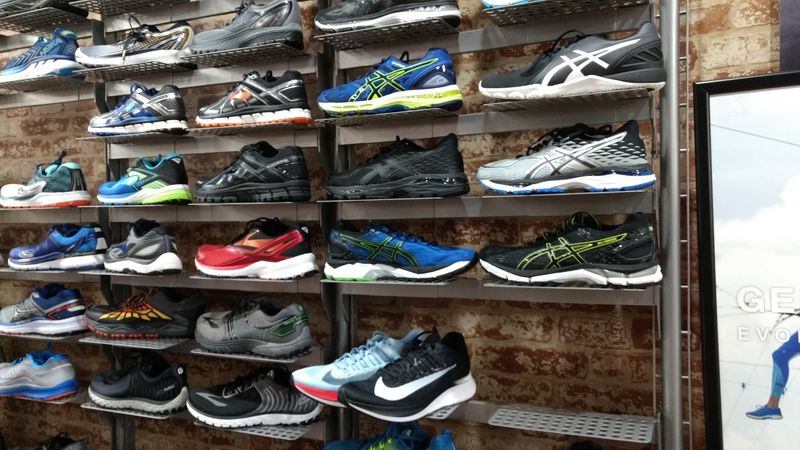
Trail dust, quiet back roads, school tracks, and suburban sidewalks all show up on shoes brought into the Medford store. That varied local terrain gives the staff plenty to discuss before recommending a pair.
A customer training on pavement may need something different from one dividing the week between roads and wooded paths, and the fitting process begins by establishing that purpose. Staff members ask about previous footwear, goals, arch needs, and injuries, then examine gait and measure both feet for length and width.
Only after that groundwork comes the enjoyable part: trying several shoes and noticing which combinations of shape and cushioning feel most natural. The South Main Street location carries daily trainers, faster shoes, socks, apparel, sports bras, electronics, nutrition, and running accessories, with options for adults and younger athletes.
Cross-country runners can find season-specific help from people who understand that spikes, trainers, and race-day shoes each serve a different role. The store’s village location feels pleasantly removed from big-box shopping, and customers can make the trip part of a relaxed Medford outing rather than a highway-plaza errand.
Parking is generally manageable, though leaving extra time is wise when downtown events are scheduled. If your shoes look fine but suddenly feel flat, do not wait for the soles to fall off before replacing them.
Cushioning can lose its useful life while the upper remains presentable. Bring the old pair so the staff can inspect it, and be honest about mileage; runners are famously creative accountants when retirement day approaches for a favorite shoe.
11. South Jersey RunningCo. – Mullica Hill
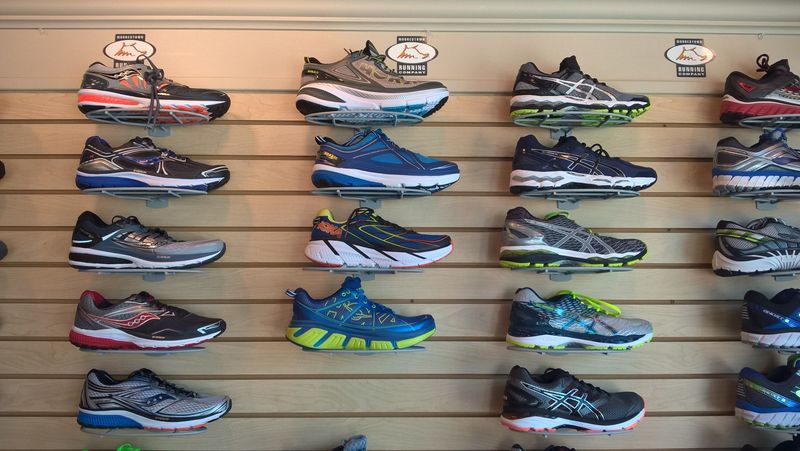
An antique-filled historic district may seem like an unlikely place to shop for modern foam and carbon plates, but that contrast gives the Mullica Hill location much of its charm. Inside, the focus is firmly practical.
The staff first determines whether the shoes are for running, walking, gym sessions, or everyday use, then asks about injuries, prior models, and future goals. Arch evaluation, gait observation, and measurements of both feet help shape the recommendations.
Shoppers can then test several pairs rather than being locked into the first acceptable option. The store carries running and walking footwear across a range of brands, plus socks, technical apparel, sports bras, nutrition, electronics, and accessories.
Competitive runners can explore plated shoes and lighter models, while local students can get help with cross-country needs. People returning to exercise after a break receive the same attention without having to pretend they are preparing for a marathon.
That broad welcome makes the store especially useful for families whose members have completely different footwear requirements. Its North Main Street position encourages a little browsing around town after the fitting, and the district’s shops and restaurants can turn a shoe-buying trip into an easy afternoon.
Parking is less stressful than in New Jersey’s denser downtowns, but busy seasonal weekends can still draw a crowd. Bring any orthotics you regularly wear and resist the temptation to size shoes by habit alone.
Feet can change over time, and running footwear often needs extra room up front. A fresh measurement may explain problems you had blamed on the wrong brand.
12. Road Runner Sports – Paramus
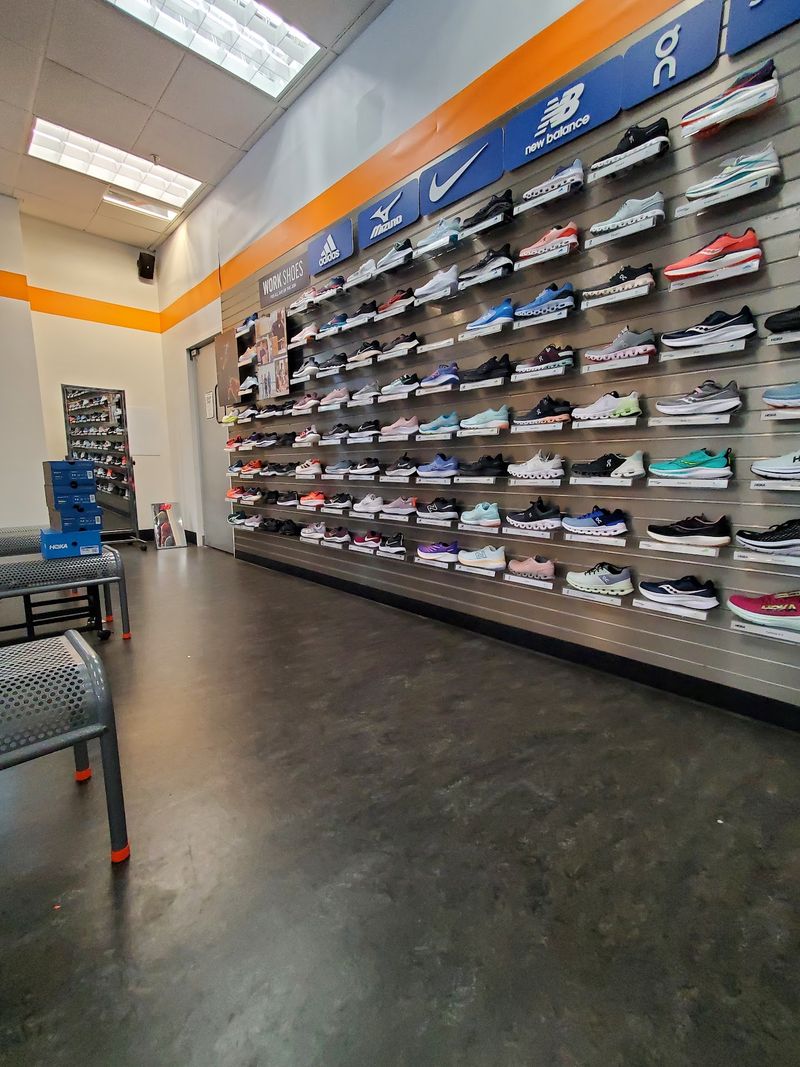
Route 4 is not known for subtle retail experiences, and Road Runner Sports embraces the scale of its Paramus surroundings with a deep inventory and a highly structured fitting system. The main attraction is the 3D foot scan, which captures measurements and helps identify pressure, sizing, and support considerations.
Staff can use that information alongside questions about mileage, injuries, terrain, and current footwear to recommend several shoes and, when appropriate, insoles. Technology does not choose the final pair, however; walking or running in the options remains the part that matters most.
The large selection is a strength for shoppers who want to compare major brands in one visit, particularly if they need an uncommon size or width. Beyond road-running shoes, the store carries walking footwear, apparel, socks, hydration gear, nutrition, safety accessories, and recovery products.
High school athletes and experienced racers can also look for performance-oriented choices rather than settling for a standard daily trainer. Because this is Paramus, timing the trip deserves almost as much thought as choosing a race pace.
Weekday visits are usually calmer than weekend afternoons, when Route 4 traffic and retail crowds can test anyone’s patience. Lot parking at least removes the hunt for a street space.
Wear your usual running socks and take your existing shoes into the appointment. A scan provides valuable measurements, but worn tread and compressed cushioning reveal how you have actually used your footwear.
Together, those clues produce a far more complete picture than either can offer alone.
13. Road Runner Sports – North Brunswick
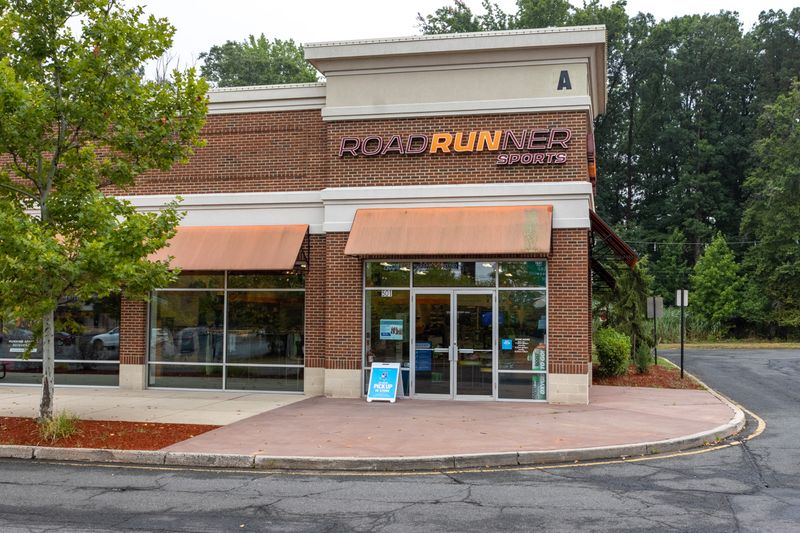
The most convenient thing about a plaza-based running shop is that nobody has to carry three shoeboxes down a crowded sidewalk while searching for a parking meter. At the North Brunswick Road Runner Sports, easy access is paired with enough inventory to turn shoe comparison into a serious exercise.
Its 3D fitting process maps the feet and helps staff examine size, shape, and support needs before recommending footwear. Customers can test multiple pairs, add insoles when useful, and feel the differences rather than trusting a chart.
That matters for runners whose feet fall between sizes or who have spent years buying shoes based on appearance. The store stocks running and walking models, technical apparel, socks, hydration products, nutrition, visibility accessories, and recovery gear, making it a practical one-stop visit before a new training cycle.
Larger retail space also means couples or families can shop for very different needs without hopping between stores. Central Jersey runners preparing for local road races will find everyday trainers and faster options, while walkers and gym users can focus on comfort and durability.
The Shoppes Boulevard location works well as part of an errand run, but avoid squeezing a fitting into the final few minutes before another appointment. Feet deserve enough time to reject a shoe politely.
Bringing your old pair is particularly helpful if you experience uneven wear or recurring pain. Also mention whether you stand for long hours at work, since total time on your feet can matter as much as weekly mileage when choosing cushioning and support.
14. The Outpost Running & Walking Co. – Little Silver
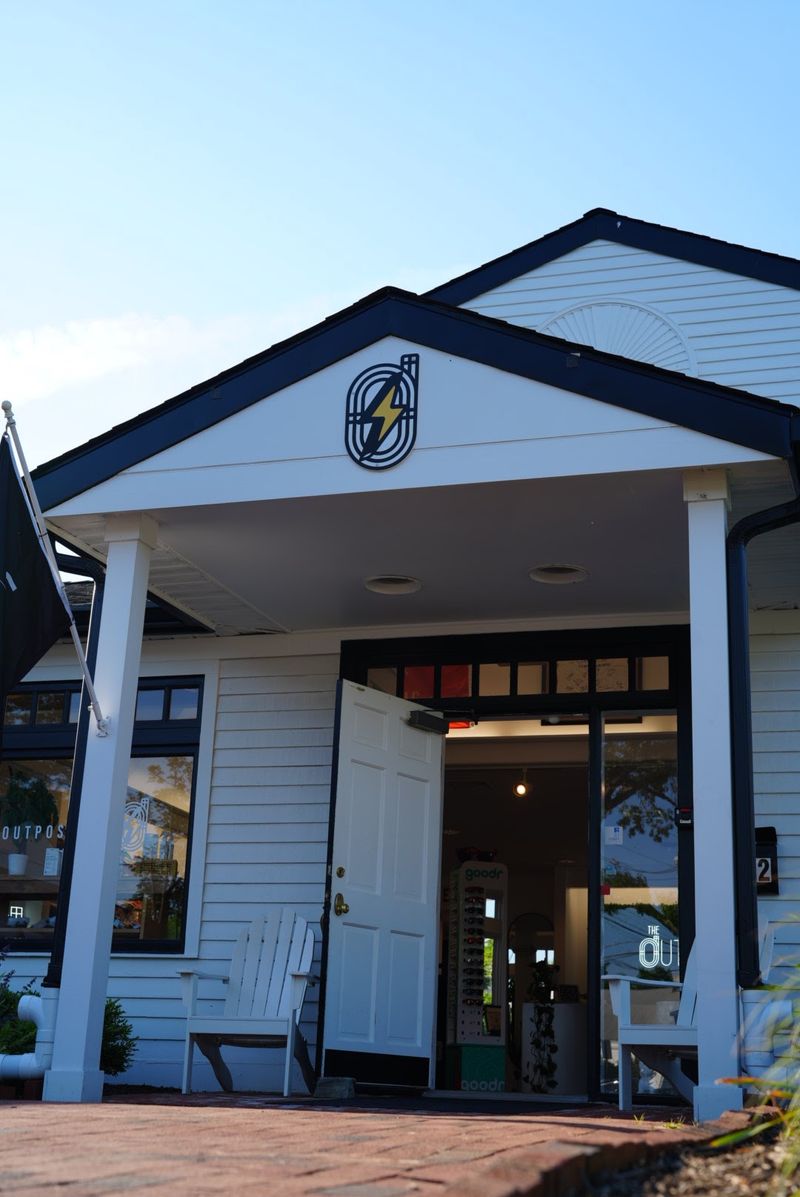
Smaller running stores earn loyalty one careful fitting at a time, and this Church Street shop has built its identity around that personal scale. The Outpost serves runners and walkers with a selection of quality footwear, apparel, and accessories, but the real draw is the chance to talk through what is happening underfoot.
Instead of disappearing into rows of merchandise, customers can explain their routes, training volume, old injuries, and fit frustrations to someone prepared to listen. That is particularly valuable for people who feel overwhelmed by the dozens of nearly identical shoes available today.
A good fitting narrows the choices and lets comfort—not marketing—settle the argument. The store is connected to Monmouth County’s active running scene through local events, race support, and group outings, giving it the feel of a neighborhood resource rather than a simple checkout counter.
Its location is also convenient for Shore-area runners who want specialist help without driving to a large highway retail district. Shoes remain the priority, though useful extras such as socks, clothing, hydration items, and running accessories can round out a training setup.
Little Silver’s compact downtown is approachable, and parking near the shop is generally less complicated than in busier coastal centers. Tell the fitter if most of your miles happen on Shore roads, park paths, treadmills, or mixed surfaces.
The answer can change the recommendation. New runners should feel comfortable asking basic questions here; experienced runners should arrive ready to reconsider old habits.
Sometimes the shoe you have bought for years is still perfect. Sometimes your feet have been waiting patiently for you to move on.
15. The Sneaker Shop – Ocean City
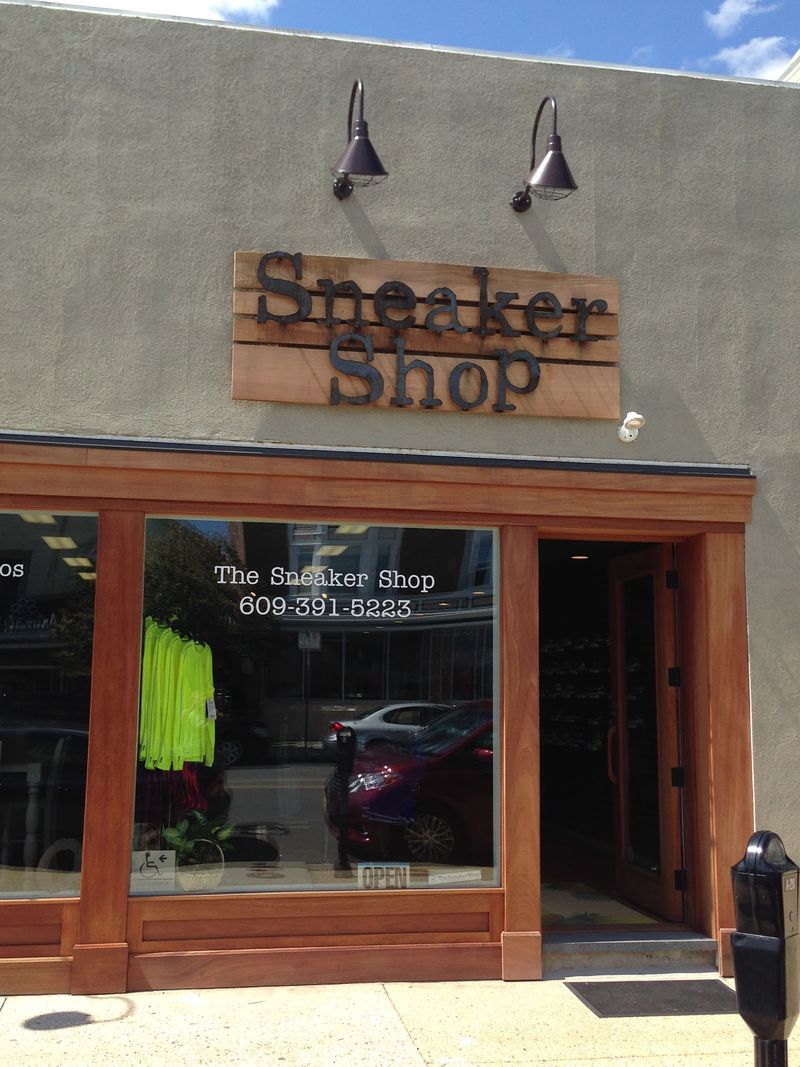
Early in the morning, before bicycles and beach crowds take over, the Ocean City Boardwalk becomes one of South Jersey’s most inviting running routes.
The Sneaker Shop sits just a few blocks away on Asbury Avenue, well positioned to understand what coastal runners face: summer heat, humidity, wind, hard boardwalk surfaces, and the occasional grain of sand that somehow travels everywhere.
The shop serves runners, walkers, and active visitors with performance footwear, apparel, and practical accessories from established athletic brands. Personalized help makes it a better bet than grabbing whichever pair happens to be available near the beach, especially for someone planning regular mileage.
Staff can guide shoppers toward a suitable fit and explain how different shoes balance cushioning, support, weight, and breathability. Socks, hats, bottles, and other training essentials help visitors replace forgotten gear without abandoning a workout plan.
The atmosphere naturally reflects its Shore location; serious runners shop alongside vacationers looking for dependable walking shoes, and neither group feels out of place. Asbury Avenue is busy during peak summer weeks, so morning visits or shoulder-season trips offer a calmer experience.
Parking also becomes far easier outside the busiest beach hours. If you plan to run the Boardwalk, mention that during the fitting, along with your usual distance and pace.
Hard, repetitive surfaces can make appropriate cushioning especially welcome. Then take the new pair for a cautious first outing—preferably around sunrise, when the ocean breeze is cool, the boards are open, and Ocean City has not yet fully switched on for the day.
Share this story