Texas has a ton of museums that will not cost you a single dollar to walk through. Some are packed with fire trucks, old trains, and military gear, while others hold quiet art that stays in your head for days. Here are six spots worth adding to your next road trip or weekend plan.
Check each museum’s website before you go, since hours and policies can change.
1. Fire Museum of Texas (Beaumont)
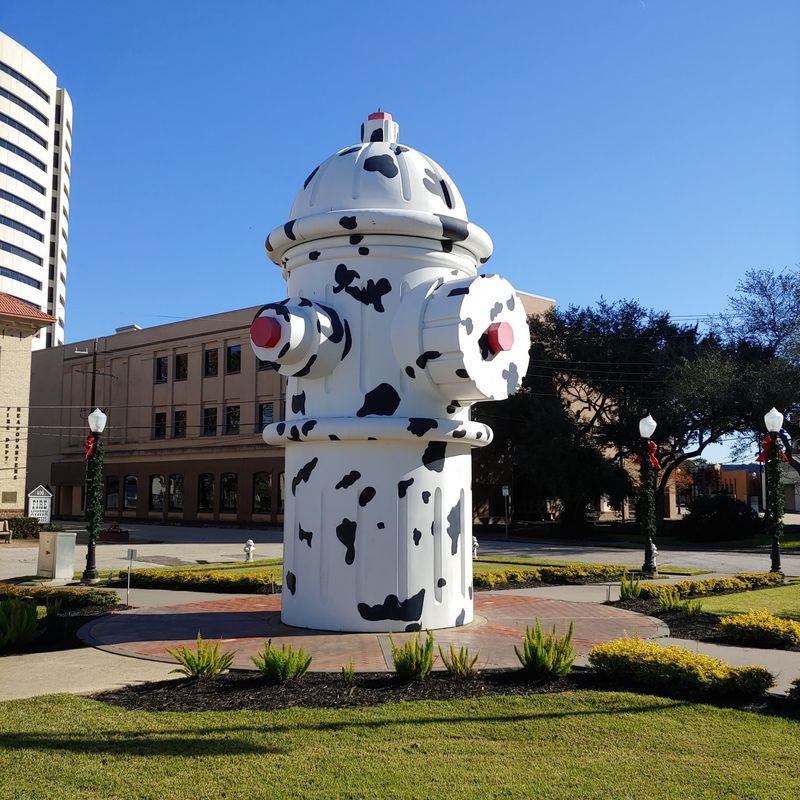
Few things get a kid’s eyes wider than a big red fire engine, and plenty of grown-ups feel the same way. In Beaumont, the Fire Museum of Texas gives you a close look at the trucks, tools, and gear that firefighters have relied on over the years. It is a hands-on kind of history, the sort you can see from a few feet away.
Look for the old-time equipment first. Early firefighting was a team effort that depended on muscle, buckets, and fast thinking. Seeing how those tools compare to modern gear makes you appreciate how much the job has changed.
Helmets, hoses, nozzles, and uniforms tell the story in small pieces. Take your time with the details, because a lot of the fun is spotting the little things, like the shape of an old badge or the way a ladder was built. Kids tend to love pointing out which truck they would drive.
Here is a quick tip. Go in with a game plan and let younger visitors pick a favorite item before you start, then see if they change their mind by the end. It turns a simple walk-through into a mini scavenger hunt.
Beaumont also makes this an easy stop on a Gulf Coast road trip. Pair it with lunch nearby and you have a half-day outing that costs almost nothing.
Fun fact: fire marks, little plaques once placed on buildings, used to show which company would protect them. Ask a staff member or volunteer about the odd stories behind the artifacts, since they often know the best ones. Bring a camera, because the bright red paint makes for great photos.
Plan for about an hour, longer if you love vehicles. Even the most restless visitors usually find something to keep them curious.
2. Kimbell Art Museum (Fort Worth)
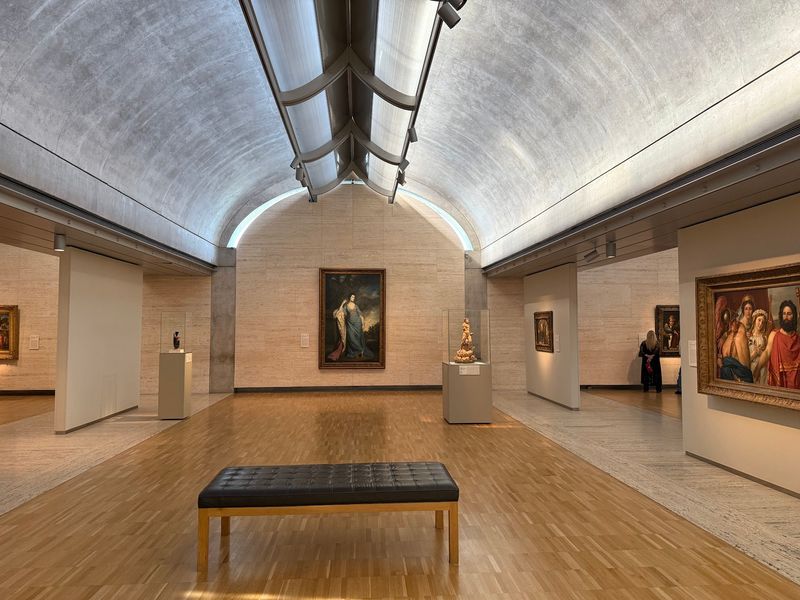
Walk in and the first thing you notice is the light. The Kimbell Art Museum in Fort Worth is famous for a building that seems to glow from the inside, thanks to curved concrete roofs and clever skylights. Architecture fans make the trip just for the space itself.
The art inside holds its own. The permanent collection spans centuries and continents, with paintings and sculptures that reward a slow stroll. Entry to the permanent collection has been free, though special exhibitions may charge a fee, so check before you plan.
Here is a smart way to see it. Pick just five pieces and spend a few real minutes with each one. Notice the brushstrokes, the colors, and what the artist wanted you to feel.
You will remember far more than if you rushed through every room.
The building rewards a second look too. Step back outside and study the lines of the vaults, the pale stone, and the way shadows move across the walls during the day. Photographers love the late afternoon.
Fort Worth’s Cultural District puts several museums within walking distance, so you can turn this into a full day. Wear comfortable shoes and bring a light jacket, since galleries are kept cool to protect the art.
If you are new to art museums, relax. Nobody expects you to know the big names or the fancy terms. Just trust your eyes, say what you like, and skip what you do not.
That is the secret to enjoying a place like this, and it works for every age.
Give yourself at least ninety minutes for the visit.
3. Interurban Railway Museum (Plano)
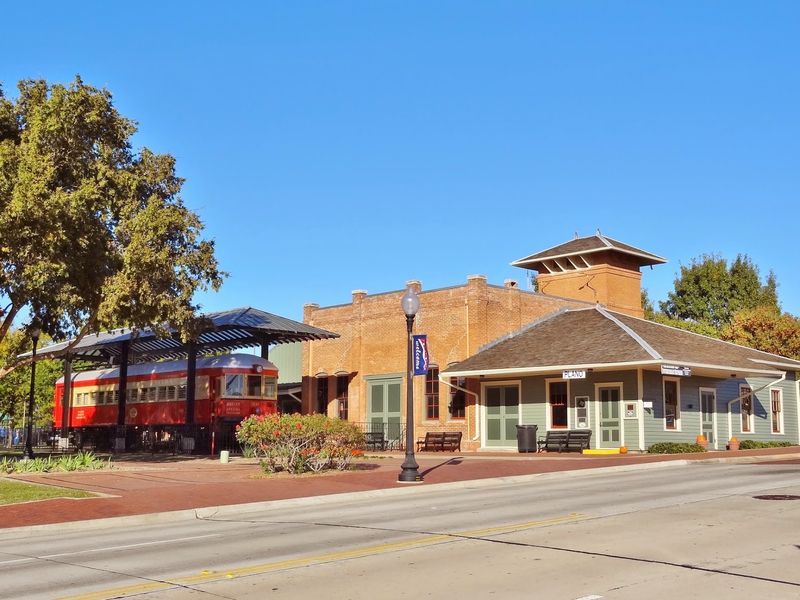
Picture a time before everyone owned a car, when electric trains zipped between Texas towns on a regular schedule. That is the story waiting at the Interurban Railway Museum in downtown Plano. The building itself was once a working station, so the history is baked right into the walls.
Inside, you will find a restored rail car and exhibits that explain how the interurban lines connected North Texas communities. These trains carried people, packages, and news, and they helped small towns grow into the cities we know today.
The museum is small, and that is part of its charm. You can see everything in a short visit, which makes it a perfect add-on to a stroll around Historic Downtown Plano. Hours can be limited, so confirm them ahead of time.
Look closely at the old photographs and displays. They show how people dressed, traveled, and went about their day, and they give you a sense of how fast the area has changed. It is easy to imagine a passenger waiting on the platform with a suitcase.
Families with curious kids will enjoy the chance to step into a vintage car and imagine the ride. Train lovers will appreciate the detail that went into the restoration.
Here is a local tip. Pair your visit with a walk around the nearby shops and cafes, then finish with a snack outside. You get a bit of history and a relaxed afternoon, all for the price of parking.
Plan for thirty to forty-five minutes. It is quick, quirky, and a nice reminder of how Texans once got around.
4. Texas Military Forces Museum (Austin)
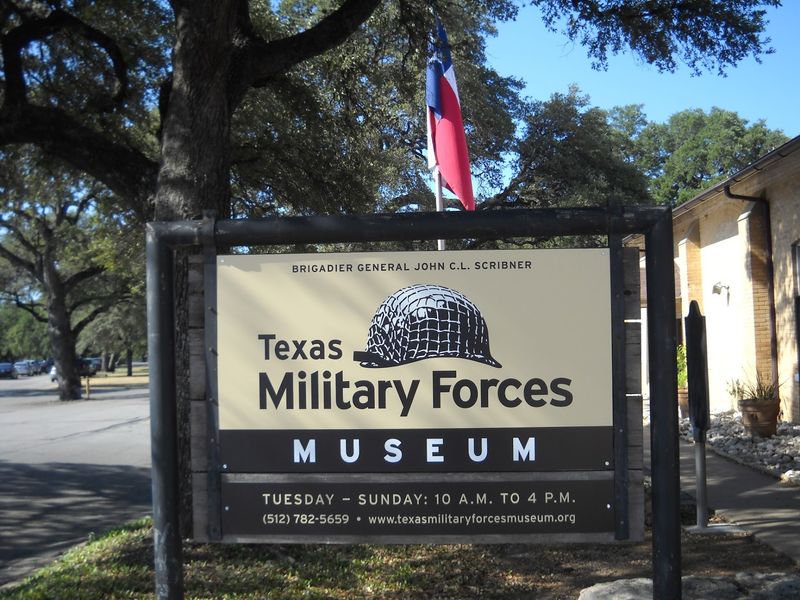
Tanks, helicopters, and artillery sit out in the open at Camp Mabry, and yes, you can walk right up to them. The Texas Military Forces Museum in Austin tells the story of the state’s military past, from early days through modern service. It feels more like a giant outdoor garage than a quiet gallery.
Start with the vehicles outside, because they are the showstoppers. Seeing the size of a real tank up close gives you a new respect for the people who operated them. Kids tend to run from one machine to the next.
Inside, uniforms, weapons, flags, and personal items fill the exhibits. Each one hints at a human story, from a soldier’s letter to a worn pair of boots. Take a moment to read the labels, since they add context that photos cannot.
One thing to know before you go: the museum sits on an active military post. Bring a photo ID and check the entry rules on the official website, because procedures can change.
Once you are through the gate, the visit is easy and relaxed. Parking is simple, and the grounds are big enough to stretch your legs.
Here is a smart angle. Ask yourself how daily life looked for the people behind each display. That question turns a pile of hardware into a set of real stories and makes the trip feel personal.
Budget about ninety minutes, more if history is your thing. Wear a hat in summer, since the outdoor exhibits get plenty of Texas sun.
5. Rothko Chapel (Houston)
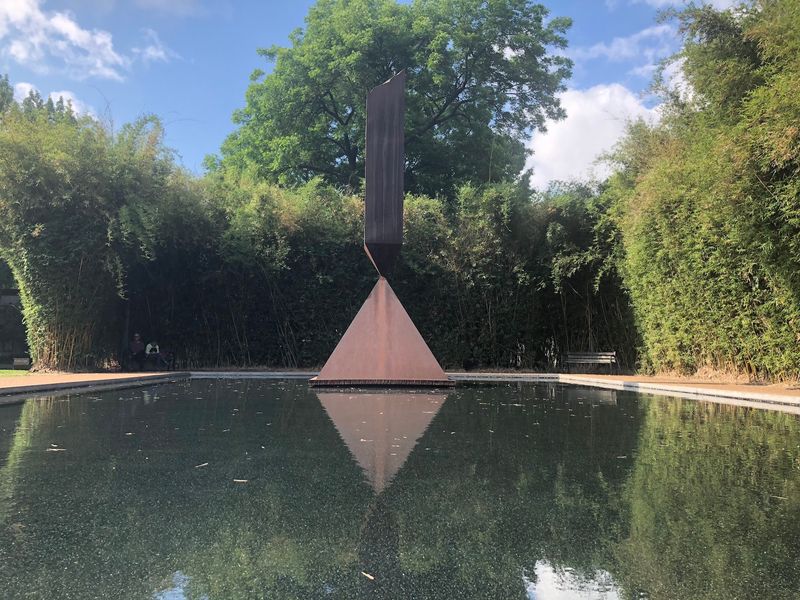
Silence is the main attraction here. The Rothko Chapel in Houston is a calm, octagonal space filled with large, dark paintings by artist Mark Rothko. It is not a traditional museum, and that is exactly what makes it memorable.
When you step inside, give your eyes a minute to adjust. At first the canvases look almost black, but slowly you begin to notice deep purples, plums, and shifting shades. The effect is quiet and a little mysterious.
People use the chapel in different ways. Some sit and think, some meditate, and some simply rest after a busy day. There are no rules about what you should feel, so let your mind wander.
A few practical notes. Keep your voice low, silence your phone, and follow posted guidance about photos. The chapel welcomes people of all backgrounds and beliefs, and it is open to visitors at no charge.
Outside, a reflecting pool and a large sculpture add to the peaceful mood. The grounds are a nice spot to linger. It is close to the Menil Collection, another free Houston favorite, so you can build a gentle art-focused afternoon.
Here is a tip for first-timers. Try sitting for ten full minutes without checking your phone. It sounds simple, yet it can feel surprisingly refreshing in a city that never stops moving.
You do not need art knowledge to enjoy this place. Just show up curious and open, and let the room do the work.
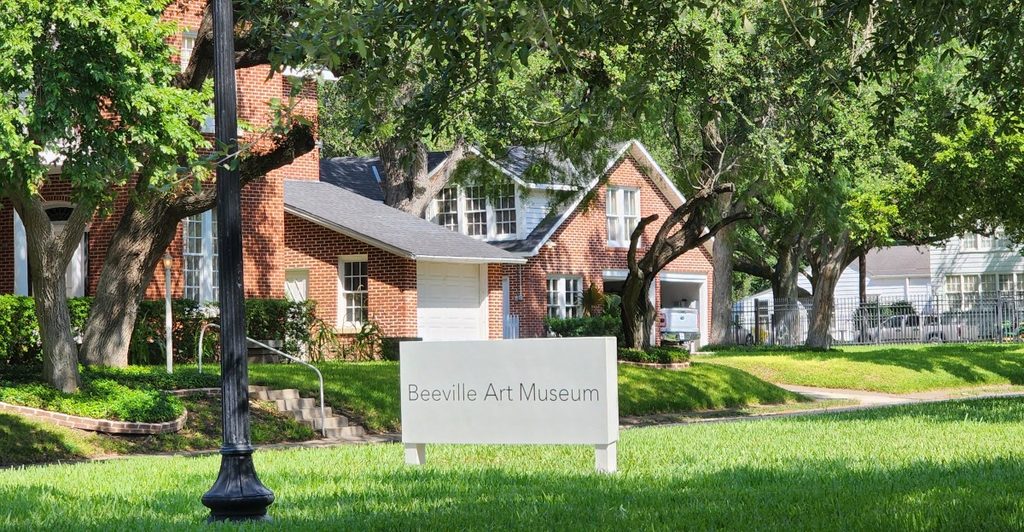
6. Beeville Art Museum (Beeville)
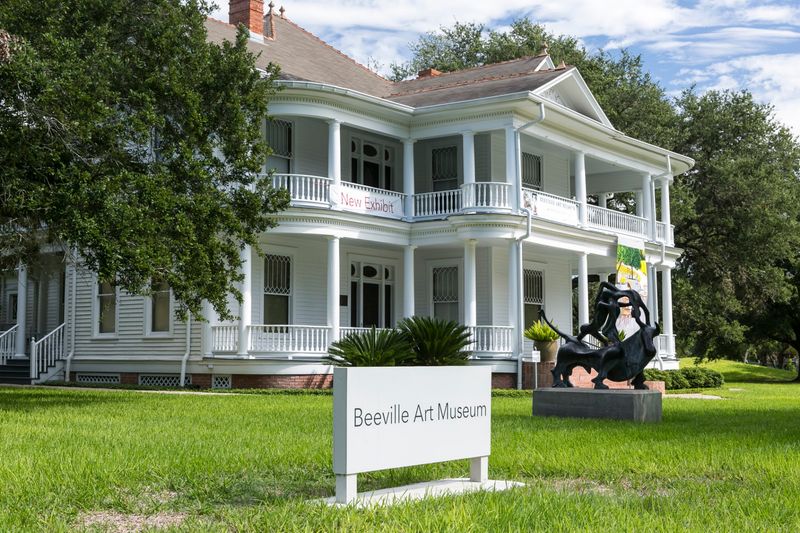
Sometimes the best surprises show up in small towns. Beeville, in South Texas, is home to an art museum that proves you do not need a big city skyline to enjoy good art. It is a friendly, low-key stop that rewards curious travelers.
The museum focuses on a mix of artwork, with changing displays that keep things fresh for repeat visitors. You might see paintings, sculpture, photography, or pieces by regional artists. Because the space is compact, you can really look at each work without feeling rushed.
Small museums also tend to feel more personal. Staff and volunteers are often happy to chat, and they can point you toward pieces that people love most. Ask them what is new, since exhibits rotate.
Hours can be limited, so call or check online before you make the drive. That small step saves you from a locked door and a long ride home.
Beeville sits roughly between San Antonio and the coast, which makes it an easy detour on a south Texas road trip. Stretch your legs, enjoy the art, and then grab a bite in town.
Here is an idea for families. Challenge kids to find their favorite color in each room, or to invent a title for a piece before reading the label. It turns a quiet visit into a game and gets everyone talking.
Expect to spend about an hour. It is a gentle, welcoming place, and a nice reminder that Texas culture shows up in every corner of the state.