Pennsylvania Amish Country feels like a step into a slower, quieter world, but it is also full of lively markets, small-town streets, family farms, and stories that still shape daily life today. Across Lancaster County and other parts of the state, visitors can see horse-drawn buggies, covered bridges, handmade quilts, roadside stands, and fields that change with the seasons.
These towns matter because they help protect old skills, strong community values, and a way of living that many people want to understand with care and respect. Whether you come for warm pretzels, train rides, farm views, antiques, or peaceful back roads, each stop shows a different side of Amish Country and gives travelers a simple way to enjoy Pennsylvania beyond its big cities.
1. Intercourse
A town with a name people rarely forget, Intercourse often becomes the first stop for travelers exploring Amish Country.
The village sits in Lancaster County, surrounded by farms, silos, and roads where buggies share space with cars.
Its unusual name may bring smiles, but the place itself offers a thoughtful look at Pennsylvania Dutch culture.
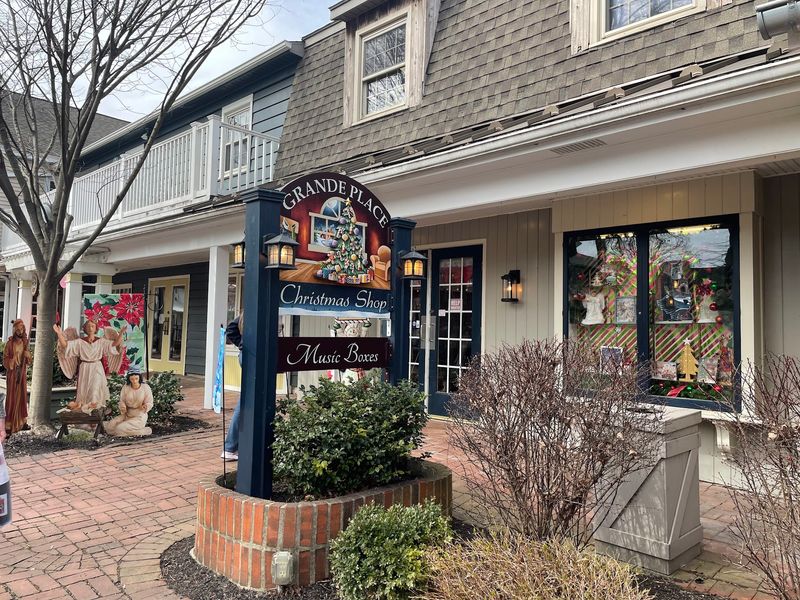
Shops along the main road sell quilts, jams, wooden toys, candles, and handwoven baskets.
Many visitors enjoy Kitchen Kettle Village, where small stores sit close together and the smell of fresh baked goods drifts through the walkways.
It is a good place to taste chow chow, shoofly pie, apple butter, and soft pretzels without rushing from one stop to another.
Respectful travel matters here.
Amish families are not attractions, and many prefer not to be photographed, especially their faces.
A quiet wave, patient driving behind buggies, and polite behavior at farm stands go a long way.
Families can learn more through buggy rides, guided countryside tours, and local history stops.
These experiences explain how farming, faith, family, and community fit together in daily life.
Guides often point out one-room schoolhouses, dairy barns, and simple homes without making the culture feel like a museum display.
Plan extra time for side roads near the village.
The best views are often just outside the busiest shopping area, where cornfields, clotheslines, and covered bridges create classic Lancaster County scenes.
Weekdays are calmer than Saturdays, and mornings are a smart time to visit if you want easier parking and cooler weather.
Intercourse works well for first-time visitors because it blends convenience with country charm.
You can shop, snack, learn, and then quickly reach nearby towns.
By the time you leave, the name may still be funny, but the memories feel warm, grounded, and very Pennsylvania.
Bring cash for smaller stands, since some family-run spots may not take cards.
2. Strasburg
Steam whistles give Strasburg a sound all its own.
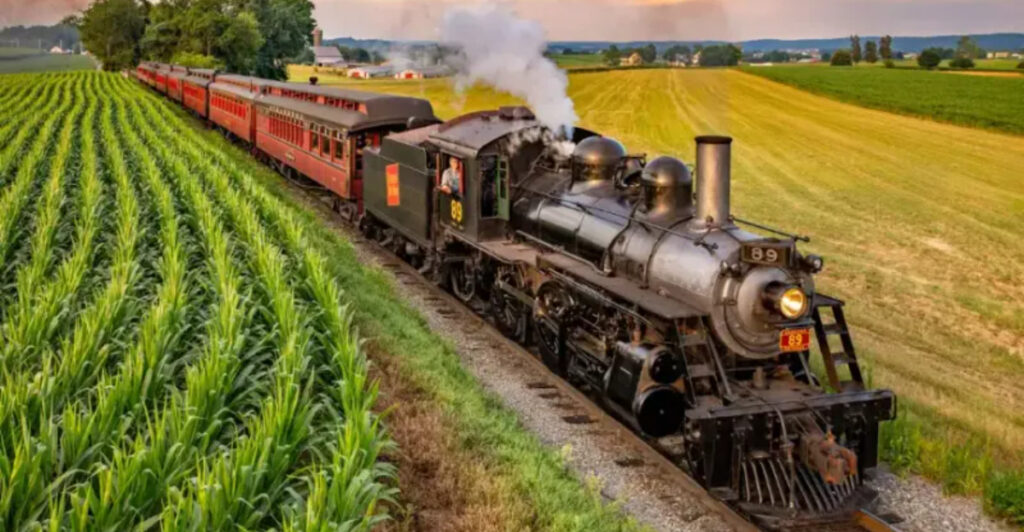
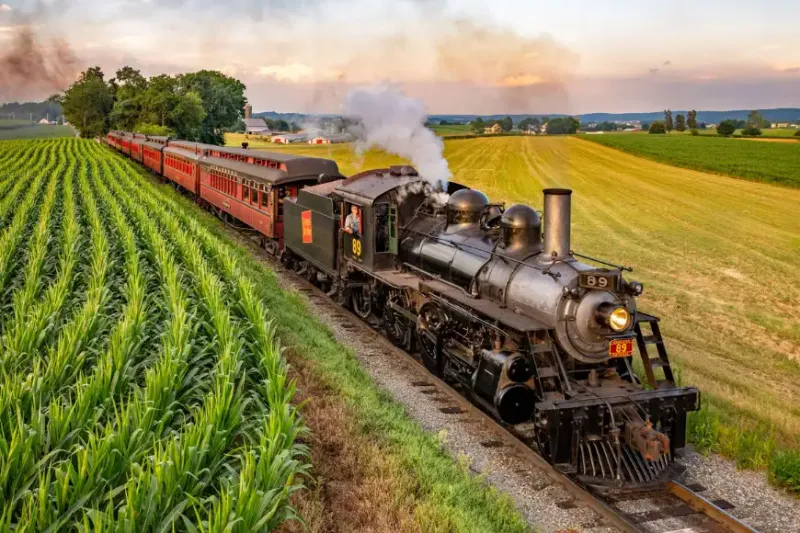
Before you even see the train, you may hear it rolling across the fields, pulling passenger cars through one of the prettiest parts of Lancaster County.
For many families, that first puff of smoke turns an ordinary day trip into a memory.
The Strasburg Rail Road is the town’s best-known attraction, and it has been operating for a very long time.
Visitors can ride restored train cars past farms, pastures, and barns while learning about local railroad history.
Children love the motion and noise, while adults often enjoy the slower view of the countryside.
Beyond the station, Strasburg has a tidy main street with historic homes, small shops, and places to eat.
The Railroad Museum of Pennsylvania sits nearby and adds more depth for anyone who likes engines, travel, or hands-on history.
It is a smart pairing with a train ride, especially on cloudy or chilly days.
Amish Country is never far from view here.
Country lanes outside town lead past schoolhouses, produce stands, and long rows of crops.
Drive carefully, because buggies, bicycles, farm equipment, and cars often meet on narrow roads.
A fun plan is to book a morning train ride, eat lunch in town, and spend the afternoon exploring back roads.
Seasonal rides, including holiday events, can sell out, so buying tickets early helps.
If you prefer quiet, avoid major holiday weekends and choose a weekday.
Strasburg feels a little nostalgic, but not frozen in time.
It shows how Pennsylvania’s transportation past connects with the farms and villages still working today.
The town is especially good for visitors who want history with movement, scenery with comfort, and a day that keeps both kids and grandparents interested.
Bring a light jacket for open-air cars and check schedules before arriving, since departure times can change by season.
3. New Wilmington
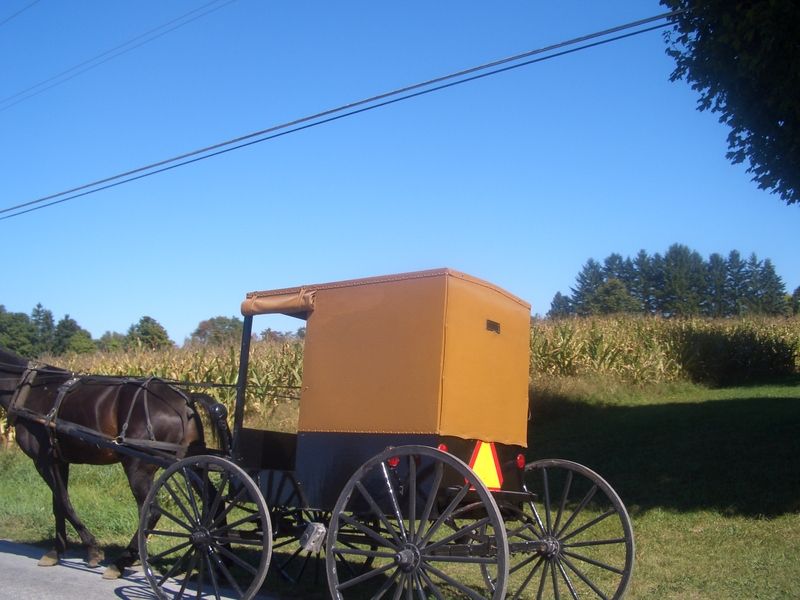
Far from the busy tourist routes of Lancaster County, New Wilmington offers a quieter Amish Country experience in western Pennsylvania.
The pace feels unhurried, with open fields, white farmhouses, and buggies moving along country roads.
Visitors who enjoy peaceful drives will find this area especially rewarding.
The town is known for its Old Order Amish community, which has deep roots in the region.
You may see horse-drawn buggies near farms, markets, and roadside stands, but the area feels more everyday than showy.
That makes it a good choice for travelers who want a less crowded look at Amish life.
New Wilmington also has the feel of a small college town because Westminster College is nearby.
This gives the area a mix of students, local families, farmers, and visitors.
The result is calm but not sleepy, with local events, simple restaurants, and friendly streets.
Roadside shopping is one of the best reasons to slow down here.
Depending on the season, stands may sell baked goods, eggs, vegetables, flowers, or handmade items.
Bring cash, keep small bills handy, and remember that some stands work on an honor system.
Because this is a living community, visitors should be extra mindful.
Do not block driveways, pull into private lanes, or take close photos of Amish people.
The reward for being respectful is a more natural, meaningful visit.
New Wilmington is best enjoyed without a packed schedule.
Take a scenic drive, stop for a treat, watch the fields change with the light, and notice the rhythm of rural Pennsylvania.
It may not have the large attractions found farther east, but its honesty is the draw.
For travelers who want stillness, space, and a real sense of place, this town quietly delivers.
Fall brings bright leaves, while summer offers green fields and farm stand color.
4. Lancaster
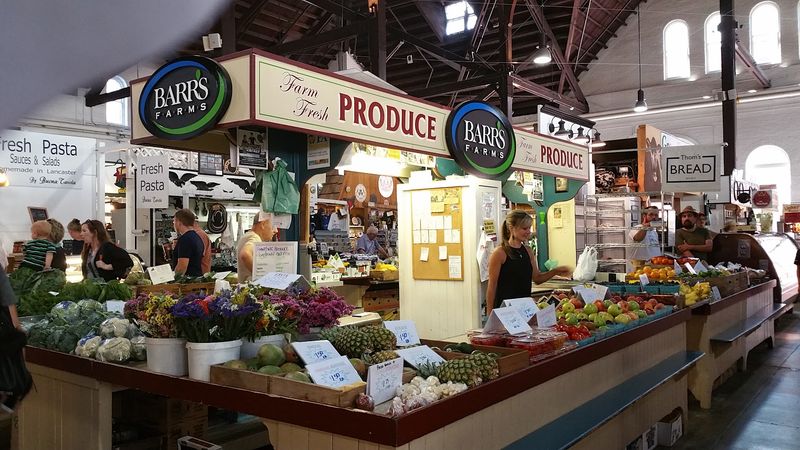
City energy and country traditions meet in Lancaster, making it one of the most useful bases for exploring Amish Country.
One moment you can be walking past brick buildings and coffee shops, and soon after you can be driving beside open farmland.
That mix makes the city feel both modern and deeply rooted.
Lancaster Central Market is a must-see stop.
It is one of the oldest public markets in the country, and its stands sell produce, baked goods, meats, cheeses, flowers, and ready-to-eat meals.
Go hungry, because the choices can turn a quick visit into a full lunch.
The city also has museums, galleries, theaters, and historic streets that show another side of Pennsylvania Dutch Country.
Staying overnight in Lancaster gives visitors easy access to nearby Amish communities without giving up hotels, restaurants, and evening entertainment.
It is a practical choice for families or groups with different interests.
To better understand Amish life, look for guided tours that leave from the city and travel into the countryside.
Good guides explain beliefs, farming, schooling, and transportation in clear language.
They also help visitors avoid rude mistakes, such as treating private homes like photo stops.
Traffic can build up around major roads, especially during weekends and summer.
Start early if you plan to visit markets, outlet stores, or farm areas.
Parking garages downtown are helpful, and walking is often easier than moving the car every few blocks.
Lancaster stands out because it does not ask travelers to choose between culture and comfort.
You can learn, eat well, shop locally, and still reach quiet country lanes in minutes.
The city gives Amish Country a wider frame, reminding visitors that this part of Pennsylvania includes both old customs and a growing creative scene.
Check market hours before you go, since some stands close earlier than expected.
5. Lititz
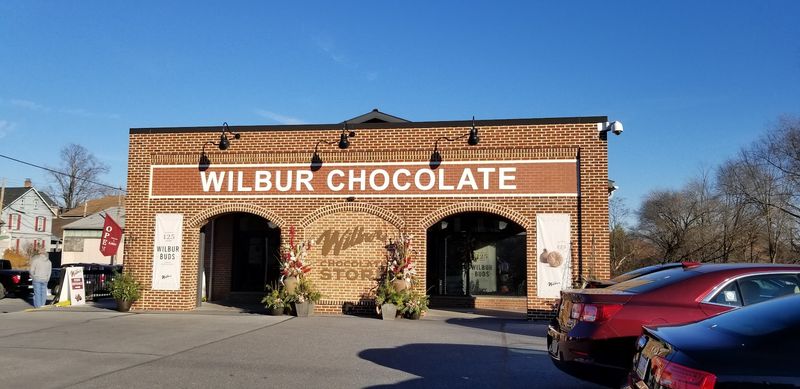
Chocolate, pretzels, and picture-perfect streets give Lititz a cheerful personality.
The town feels polished but welcoming, with brick sidewalks, tidy storefronts, and parks that invite visitors to linger.
It is close to Amish farmland, yet it also shines as a destination on its own.
Lititz has a strong Moravian history, and many buildings reflect its careful early planning.
A walk through the downtown area reveals old stone and brick structures, small museums, and locally owned shops.
The streets are easy to explore on foot, which makes the town great for a relaxed afternoon.
Food is part of the fun here.
Julius Sturgis Pretzel Bakery, often linked to America’s early pretzel-making story, gives visitors a playful taste of local snack history.
Wilbur Chocolate is another favorite stop, especially for anyone who believes a small bag of sweets improves a road trip.
Although Lititz is not as focused on Amish tourism as some nearby villages, it is surrounded by the larger Lancaster County landscape.
A short drive brings you to farms, buggies, produce stands, and quilt shops.
That makes it a smart stop for travelers who want small-town charm with easy access to rural scenes.
Lititz Springs Park offers a peaceful break from shopping.
Families can watch ducks, sit under shade trees, or enjoy a picnic.
Community events, including seasonal festivals, can make the town lively, so check the calendar before choosing a date.
The best way to enjoy Lititz is to move slowly.
Browse one shop, try a pretzel, sit in the park, then take the back roads toward nearby Amish communities.
The town adds a sweet and historic layer to a Pennsylvania Amish Country trip.
It proves that the region is not only about farms, but also about craft, flavor, and well-kept local pride.
Weekday mornings feel especially pleasant before crowds fill the sidewalks.
6. Bird-in-Hand
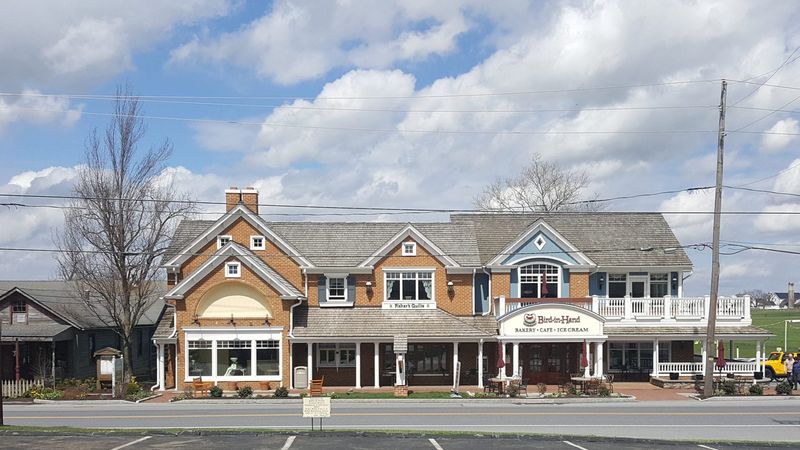
The name sounds like it belongs in a storybook, and Bird-in-Hand often feels just as charming.
Farm markets, buggy rides, bakeries, and wide fields sit close together, giving visitors many easy ways to enjoy Amish Country.
It is a small place, but it carries a big share of Lancaster County flavor.
The village is especially known for food.
Visitors often stop for hearty Pennsylvania Dutch meals, fresh doughnuts, whoopie pies, canned goods, and produce from nearby farms.
If you like simple comfort food, come with an appetite and leave room for dessert.
Bird-in-Hand Farmers Market is a popular stop, with vendors selling crafts, snacks, meats, cheeses, and local goods.
It is a helpful place to shop when the weather is rainy or when you want many choices under one roof.
Hours can vary by season, so check before planning your day around it.
Buggy rides are easy to find in and around the village.
A ride can be fun, but choose operators who speak respectfully about Amish neighbors and explain the area with care.
The best tours help visitors understand daily life without turning people into a show.
Back roads near Bird-in-Hand are lovely, especially in late spring, summer, and harvest season.
You may pass cornfields, gardens, grazing animals, and clotheslines moving in the breeze.
Drive slowly, be patient, and give buggies plenty of room.
This town is a strong pick for families because activities are close and simple.
You can eat, shop, take a ride, and see farmland without spending much time in the car.
Bird-in-Hand captures the friendly, down-to-earth side of Pennsylvania Amish Country.
It is not fancy, and that is part of its appeal.
The best souvenirs here are often edible, handmade, or tied to a real local craft, which makes them feel more special than anything mass-produced.
Bring a cooler for cheeses, pies, and market finds.
7. Smicksburg
A little off the usual path, Smicksburg rewards travelers who enjoy hidden gems.
This small western Pennsylvania community has Amish farms, craft shops, and country roads that feel far from crowded highways.
The mood is calm, homespun, and easy to love.
Smicksburg is one of the state’s notable Amish settlements, and the surrounding countryside shows that heritage in everyday ways.
Buggies pass along rural roads, gardens sit beside simple homes, and farms spread across rolling land.
Visitors should explore with patience and respect, since this is a real community, not a staged village.
Shopping is a major draw.
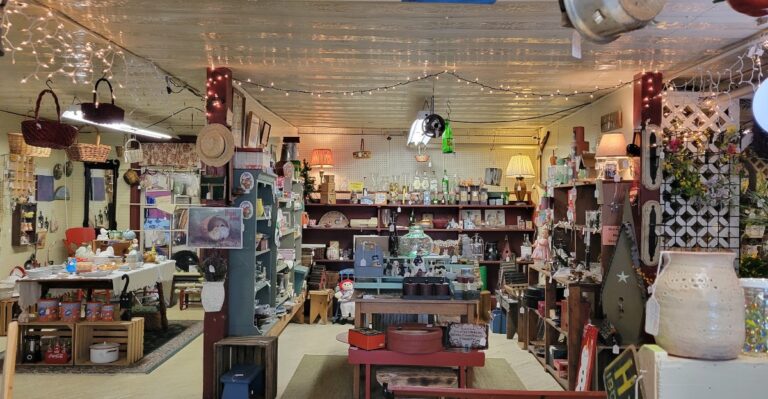
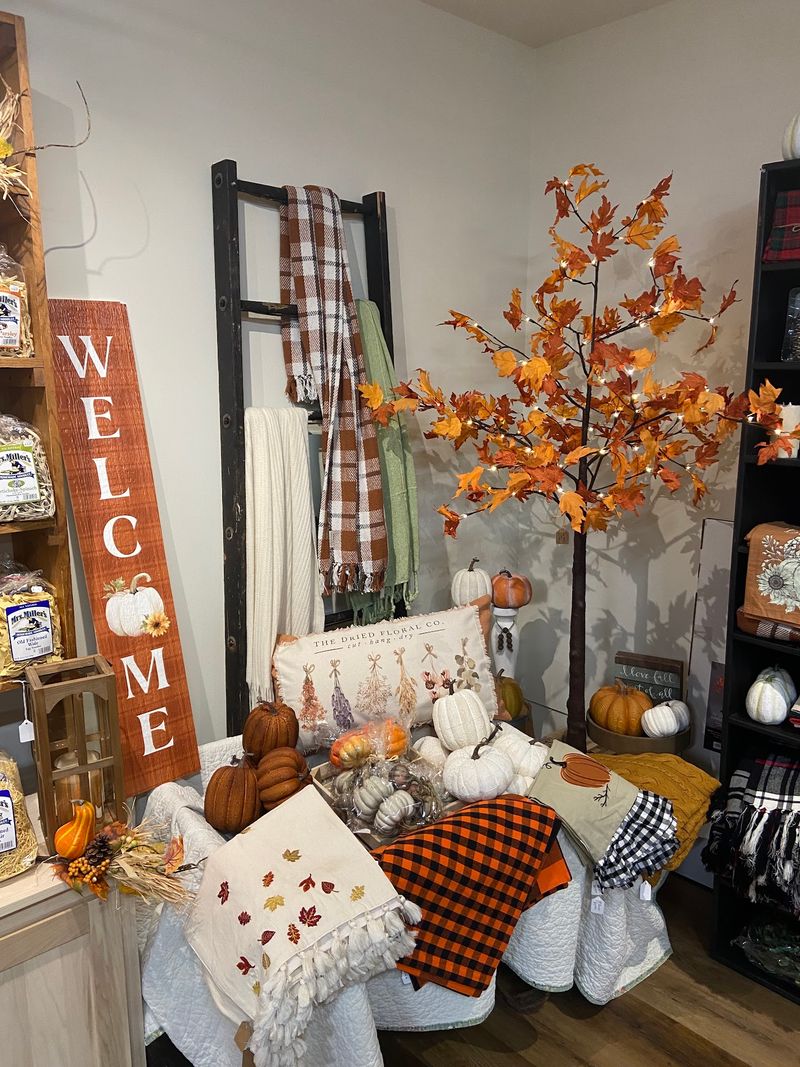
Small stores in and around town sell quilts, furniture, pottery, candles, country decor, bulk foods, and seasonal items.
Many goods have a handmade or locally sourced feel, which makes browsing more personal than shopping in a large mall.
Seasonal festivals bring extra life to Smicksburg.
Fall is especially popular, with pumpkins, apples, crafts, and changing leaves adding color to the trip.
If you prefer a quieter visit, choose a non-festival weekday and enjoy the shops at an easier pace.
Food stops can include baked goods, jams, cheeses, noodles, and candies.
Bring cash, because smaller businesses may not accept every type of payment.
A sturdy tote bag is also useful if you plan to buy pottery, pantry items, or gifts.
Smicksburg feels different from Lancaster County, and that is why it belongs on an Amish Country list.
It shows that Pennsylvania’s Amish communities are spread across more than one region, each with its own rhythm and landscape.
The town is ideal for travelers who like scenic drives, simple pleasures, and places that still feel a bit undiscovered.
Go with an open schedule, take the long way if you can, and let the quiet roads become part of the experience.
Cell service can be spotty nearby, so download maps before you arrive.
Share this story