
Summer in Pennsylvania brings green trails, busy campgrounds, backyard cookouts, and more time outside, but it also brings a tiny pest that can cause big problems: ticks. Reports of higher tick activity matter because ticks can spread illnesses such as Lyme disease, and Pennsylvania has long been one of the states where people need to stay alert in parks, forests, fields, and even neighborhood yards. The places below are popular for hiking, history, camping, fishing, and family trips, so knowing where ticks are showing up more often can help you enjoy the season without fear.
Before heading out, pack repellent, wear light-colored clothes, check your body and pets after outdoor time, and remember that a quick tick check can turn a fun day into a safer one for everyone, especially kids, older adults, hikers, hunters, bird-watchers, dog walkers, and anyone who likes wandering through tall grass, brush, leaf piles, shaded picnic spots, or wooded paths after rain.
1. Little Buffalo State Park
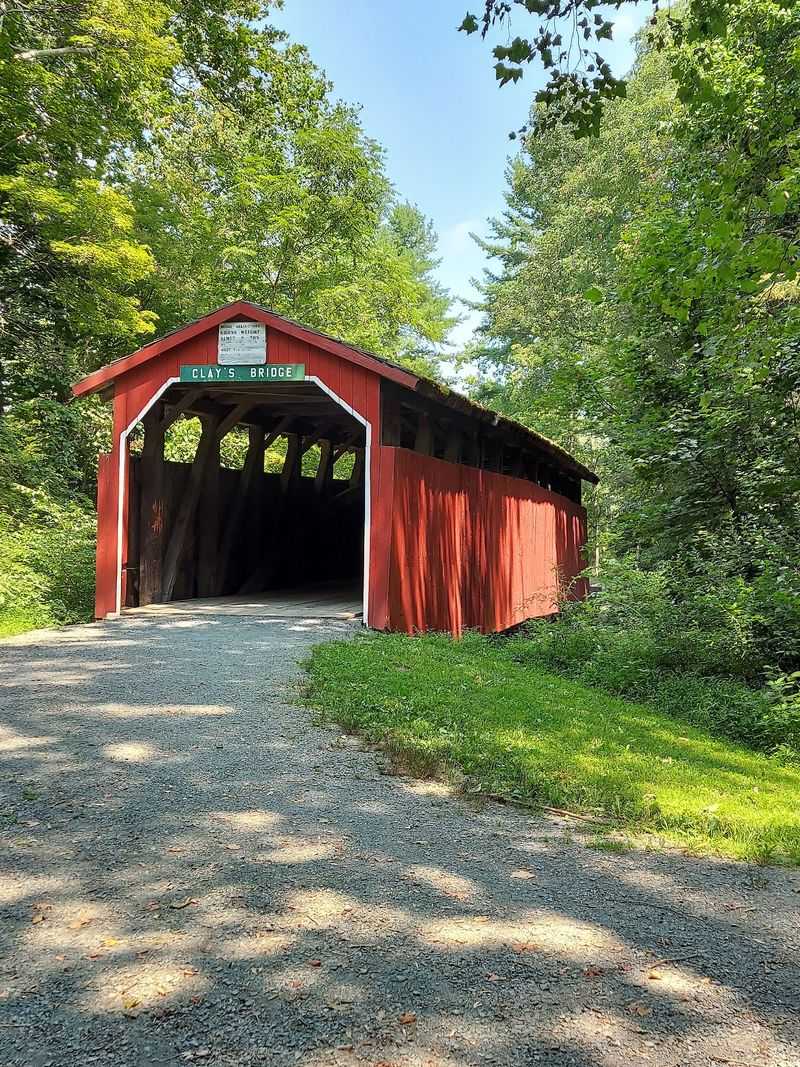
A shady walk beside Holman Lake can feel like the perfect summer reset, but the quiet grass along the trail may be busier than it looks.
Little Buffalo State Park in Perry County has the mix ticks love: woods, moist leaf litter, deer paths, and family picnic spaces where people move between mowed areas and brushy edges.
Visitors often come for fishing, camping, swimming, and the covered bridge, so it is easy to forget tick safety while juggling towels, snacks, and excited kids.
The highest risk spots are usually where short grass meets taller plants, especially near trail borders, wooded campsites, and places where pets sniff around.
Before you leave home, treat shoes and clothing with permethrin if you use it safely and according to the label.
On skin, choose an EPA-registered repellent, and help children apply it without getting it on hands, eyes, or mouths.
Light-colored socks make crawling ticks easier to see.
Tucking pants into socks may not win a fashion contest, but it can block ticks from reaching your legs during a hike.
After visiting Little Buffalo State Park, do a full tick check in good light.
Look behind knees, around waistbands, under arms, along the hairline, and behind ears, since tiny nymph ticks can be as small as a poppy seed.
Dogs need checks too, especially around collars, toes, ears, and tails.
If you find a tick attached, remove it with fine-tipped tweezers by pulling straight up, then clean the bite area.
A helpful habit is tossing clothes in a hot dryer for about ten minutes after getting home.
That simple step can kill ticks riding along on fabric before they reach your couch or bed.
2. Delaware Water Gap National Recreation Area
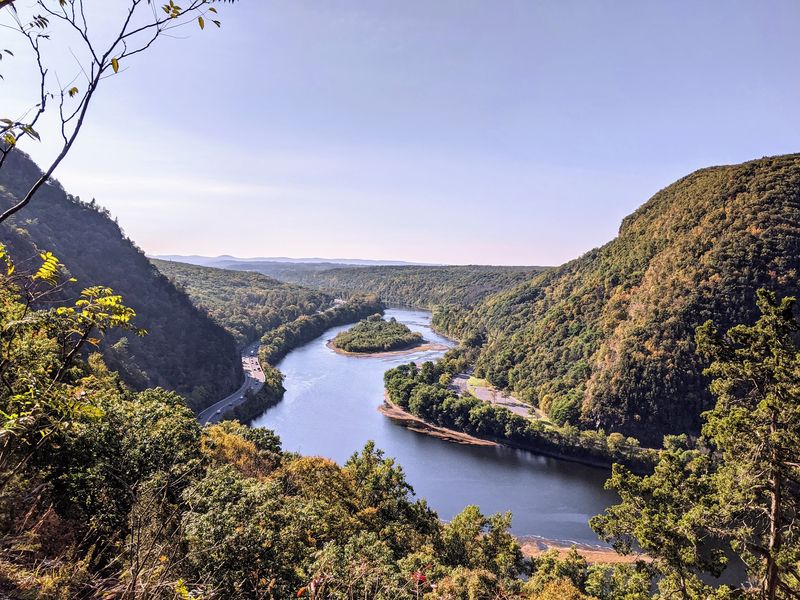
Few Pennsylvania places make hikers say wow as quickly as the Delaware Water Gap, where river views, rocky overlooks, and deep woods all meet.
That same wild beauty can also create strong tick habitat, especially during warm, humid weeks when trails stay damp after storms.
The recreation area stretches across a large landscape, so tick risk can change from one trail to another.
Narrow footpaths, fern-covered slopes, river access points, and brushy parking lot edges deserve extra attention because ticks wait on plants for a passing person or animal.
If your plan includes Mount Minsi, McDade Recreational Trail, waterfall paths, or quiet fishing spots, dress like ticks are part of the trip.
Closed-toe shoes, long socks, and fitted cuffs are better choices than sandals and loose, ankle-brushing pants.
Families should pause before letting kids roll in grass or sit directly on leaf litter for lunch.
A blanket or camp chair creates a simple barrier between skin and the ground.
Tick checks matter even after short visits.
Many people think they are safe because they stayed near a popular overlook or busy river launch, but ticks do not care whether a place is famous or hidden.
Kayakers and anglers should check carefully too.
Walking through bank vegetation while carrying gear can brush ticks onto legs, sleeves, or life jackets.
Watch for symptoms during the days and weeks after a bite, including rash, fever, chills, headache, tiredness, or joint aches.
Not every Lyme rash looks like a bullseye, so call a health care provider if something feels off.
The Delaware Water Gap is still a wonderful summer trip.
With smart clothing, repellent, and a calm after-hike check, you can enjoy those sweeping views with much less worry.
3. Samuel Lewis State Park

On breezy days, the hilltop at Samuel Lewis State Park feels made for kites, big skies, and relaxed family afternoons.
The open fields may look safer than thick forest, yet ticks can still hide along unmowed edges, fence lines, and paths where wildlife travels after dark.
This York County park is smaller than many Pennsylvania destinations, which can make visitors lower their guard.
People stop for a quick picnic, a sunset photo, or a short walk, then skip the careful tick check they would do after a long hike.
That quick-stop mindset is exactly where trouble can sneak in.
Ticks only need a short brush against shoes, socks, or a pant leg to climb aboard.
Parents should pay special attention when children run between mowed picnic areas and taller grass.
Kids often sit on the ground, chase balls near brush, or drop toys in weedy spots, giving ticks a chance to attach.
A simple plan works well here.
Keep picnic blankets on closely cut grass, walk in the center of paths, and avoid leaning backpacks against shrubs or field edges.
If you bring a dog, use veterinarian-approved tick prevention before your visit.
Pets can carry ticks into the car and home, even if the tick never bites the animal.
Because Samuel Lewis State Park is known for its view of the Susquehanna River area, evenings can be popular.
After sunset outings, use a flashlight or bright bathroom light at home for a better skin check.
Do not crush a removed tick with your fingers.
Seal it in tape or a small bag if you want to save it for identification, then wash your hands.
A visit here can stay carefree with a few habits.
The wide sky is the main attraction, but tick awareness should ride along with the kite string.
4. Fayette County

Southwestern Pennsylvania has a rugged charm, and Fayette County shows it off with wooded hills, creeks, rail trails, farms, and small towns tucked between outdoor escapes.
Those varied landscapes also give ticks many places to survive, from damp stream banks to overgrown field borders.
Countywide tick reports can feel less specific than a park notice, but they are just as useful.
They remind residents that risk is not limited to famous hiking areas.
Backyards, hunting spots, roadside brush, garden edges, and school sports fields can all become tick contact zones.
Deer, mice, chipmunks, birds, and pets help ticks move through these spaces.
People exploring areas near Ohiopyle, Laurel Highlands trails, or local fishing holes should be careful when stepping off paths for photos or rest breaks.
Tall grass around parking areas can be just as risky as a deep forest trail.
Homeowners can lower tick activity by keeping grass trimmed, clearing leaf piles, and moving playsets away from wooded edges.
A three-foot border of wood chips or gravel between lawns and brush can make a helpful dry barrier.
For families with outdoor cats or dogs, prevention is a team effort.
Ask a veterinarian which tick products fit your pet, and check animals before they climb onto beds or couches.
Summer festivals, youth sports, and camping weekends can distract people from small health steps.
Keep repellent in the car or by the door so it becomes as normal as grabbing sunscreen.
If a tick bite happens, write down the date and where you likely picked it up.
That note can help a doctor if symptoms appear later.
Fayette County offers plenty of reasons to get outside.
A little yard care, smart clothing, and steady checks make those mountain views, riverside walks, and backyard evenings safer.
5. Rothrock State Forest
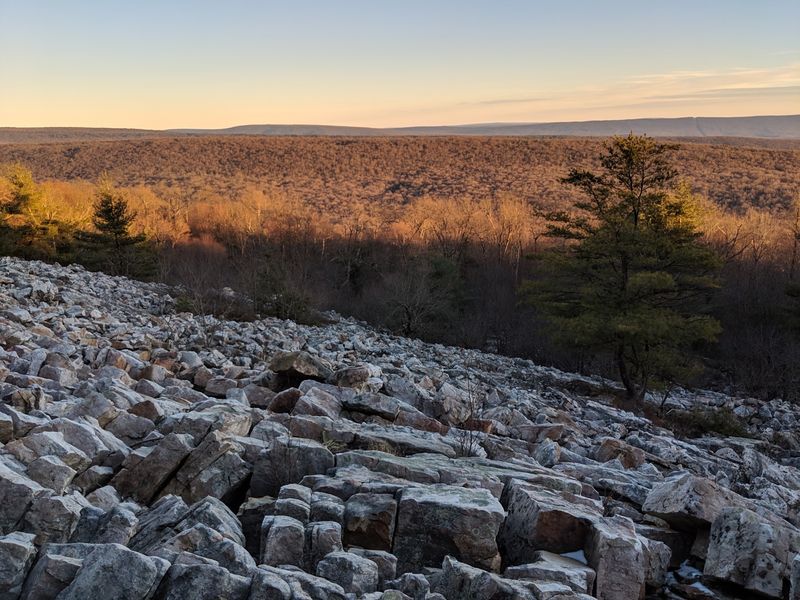
Rocky trails, mountain laurel, and long forest roads give Rothrock State Forest a wilder feel than many weekend walking spots.
Adventure lovers head there for hiking, biking, camping, and hunting, but the same rough terrain can make tick checks easier to forget after a tiring day.
This large central Pennsylvania forest includes thick understory, leaf litter, and wildlife corridors.
Those features support blacklegged ticks, which are the main concern for Lyme disease in the state.
Mountain bikers should not assume speed protects them.
Stops for repairs, snack breaks, trail scouting, or walking bikes through brushy sections can still bring contact with ticks.
Hikers on narrow paths should avoid pushing through vegetation when possible.
If a trail is overgrown, check legs and sleeves during the hike instead of waiting until bedtime.
Campers need a routine too.
Keep tents zipped, store clothing off the ground, and check sleeping bags before crawling in for the night.
Rothrock also attracts people who enjoy quiet, less crowded routes.
That peaceful feeling is part of the appeal, but it means you should carry your own tick-removal tool, first aid supplies, and enough water instead of counting on nearby help.
After returning from the forest, showering within two hours can help wash off unattached ticks and gives you a chance to inspect your skin.
Pay close attention to tight clothing lines, such as bra bands, waistbands, and sock tops.
If you hike with friends, remind each other without making it awkward.
A simple comment like check your socks can save someone from a bite.
Rothrock State Forest rewards prepared visitors with quiet ridges and deep green views.
Treat ticks as another trail hazard, like loose rocks or sudden storms, and your trip will be far more comfortable.
6. Washington County

Rolling farms, suburban neighborhoods, parks, and creek valleys make Washington County a place where tick awareness belongs in everyday life, not just on hiking trips.
A person can pick up a tick while gardening, walking a dog, watching a ball game, or cutting through tall grass near a driveway.
Western Pennsylvania summers can be warm and damp, especially after rainy stretches.
That weather helps ticks stay active because they dry out less quickly in shaded plants and leaf litter.
Residents should look closely at the edges of their own property.
Ticks often gather where lawns meet woods, stone walls, brush piles, and places where deer or small animals pass through.
Simple yard changes can help.
Remove old leaves, stack firewood neatly in a dry area, and keep bird feeders from creating messy seed piles that attract small mammals.
Sports families have their own challenge.
Kids may leave cleats, bags, and blankets on the grass during practices or tournaments, so shake items out before loading the car.
Dog walkers should stay near the center of paths when using parks or neighborhood trails.
Letting pets wander into weeds increases the chance that ticks come home in fur.
If someone finds an attached tick, timing matters.
Removing it as soon as possible lowers the chance of disease transmission, though some infections can spread faster than others.
Use steady pressure with tweezers and avoid folk tricks like nail polish, heat, or petroleum jelly.
Those methods can delay removal and may irritate the skin.
Washington County does not need to feel scary in summer.
Think of tick prevention as part of regular outdoor care, like checking the weather or filling a water bottle.
When neighbors share local tick sightings, take them seriously.
Community awareness can help families protect pets, children, and anyone spending time in Pennsylvania grass and shade.
7. Ridley Creek State Park

Just outside busy Philadelphia suburbs, Ridley Creek State Park can feel like a green pocket of calm with stone buildings, shaded trails, and cool water nearby.
Because it is so easy to reach, many visitors arrive casually, wearing shorts and sneakers, then wander into prime tick habitat.
The park has woods, meadows, creekside paths, and areas where deer are commonly seen.
That combination creates plenty of chances for ticks to wait on low plants and brush against people passing by.
Weekend crowds do not remove the risk.
Ticks can be found near popular trails, picnic spots, and quieter corners, especially where vegetation grows close to benches or path edges.
Runners should check themselves even if they never stop.
Ticks can grab onto socks or shoes while a runner brushes past grass, then crawl upward later.
Families using picnic areas can reduce exposure by choosing open, mowed spots and keeping bags away from shrubs.
Before leaving, shake blankets, jackets, and folding chairs.
Ridley Creek is also a favorite for photographers and nature watchers.
Kneeling for a flower photo or stepping into brush for a bird view may seem harmless, but it can put skin close to ticks.
After a park visit, place clothes in a hot dryer before washing if they are dry.
If clothes are damp, wash first, then dry on high heat according to fabric care directions.
Keep an eye on bites for expanding redness or unusual symptoms.
Some irritation right after removal is common, but a growing rash or flu-like feeling deserves medical advice.
Ridley Creek State Park is a gift for nearby communities, offering fresh air without a long drive.
With repellent, path awareness, and a careful check at home, visitors can keep enjoying this leafy Pennsylvania escape.
8. Gettysburg National Military Park
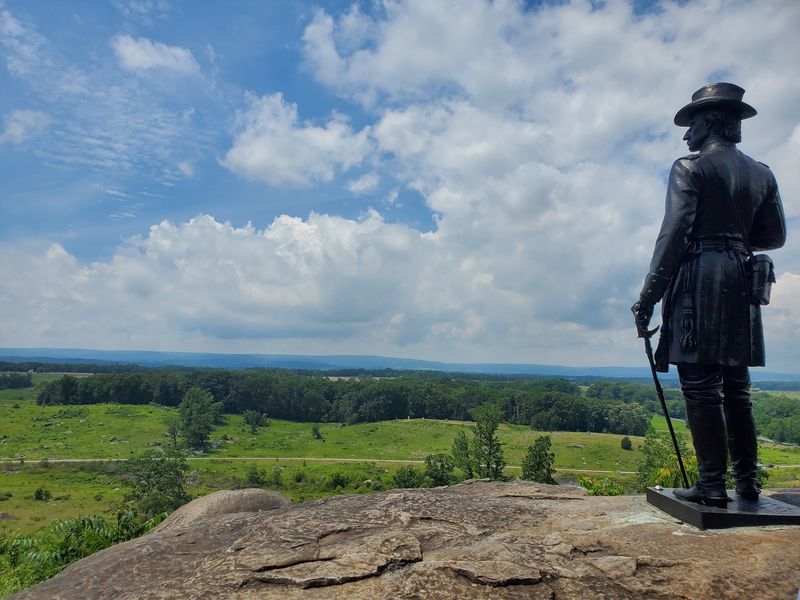
History feels close at Gettysburg National Military Park, where open fields, stone walls, monuments, and quiet lanes invite visitors to slow down and reflect.
In summer, those same grassy fields and wooded edges can also hide ticks, especially where visitors step away from paved or mowed areas.
Many people come focused on battle stories, ranger programs, and family photos.
Tick safety may not be on their minds, but battlefield landscapes can include tall grass, brushy fence lines, and shaded tree belts.
Walking tours are usually safest when people stay on marked paths and maintained areas.
Climbing through weeds for a better photo angle can raise the chance of contact with ticks and may also damage protected ground.
Visitors should prepare as they would for any outdoor Pennsylvania site.
Wear sturdy shoes, use repellent, and check socks and legs after moving through grass.
School groups and bus tours need a simple system.
Teachers and chaperones can remind students to avoid sitting in tall grass and to check clothing before boarding the bus.
Because Gettysburg visits can last all day, bring extra repellent and reapply it according to the label.
Sweat, heat, and time can reduce protection.
Do not forget quiet stops such as picnic areas, observation points, and paths near monuments.
Ticks are not limited to deep woods.
A small tick kit can fit in a backpack with maps and water.
Include fine-tipped tweezers, antiseptic wipes, a small bag, and hand sanitizer.
If you remove a tick after visiting, note that Gettysburg National Military Park was the likely location.
Tracking where bites happen helps families stay aware and can guide future prevention.
The park tells one of Pennsylvania’s most powerful stories.
Staying tick-smart lets visitors honor the past while taking good care of their health in the present.
Share this story