Tennessee welcomes millions of visitors every year to its music halls, mountain trails, and vibrant cities. Unfortunately, where tourists gather, scammers often follow.
From fake parking tickets in Nashville to phony cabin rentals near the Smokies, these cons can quickly ruin a vacation and drain your wallet. Knowing what to watch for can help you stay safe and enjoy everything the Volunteer State has to offer.
1. Fake Parking Tickets in Nashville
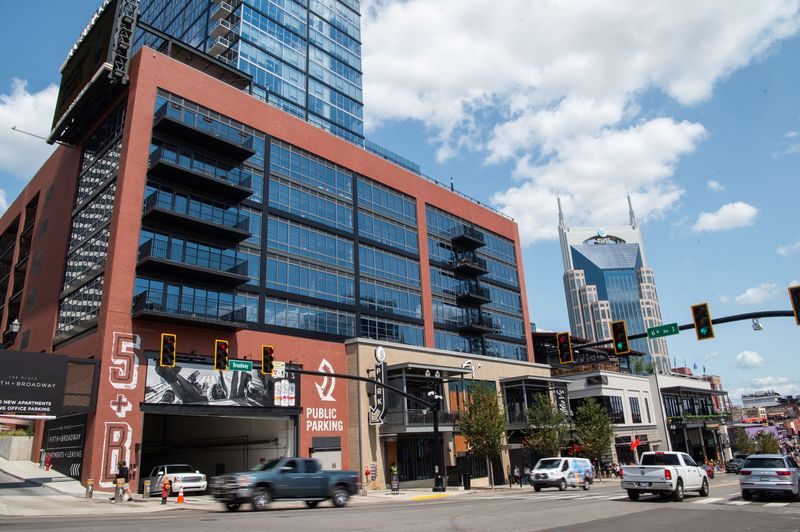
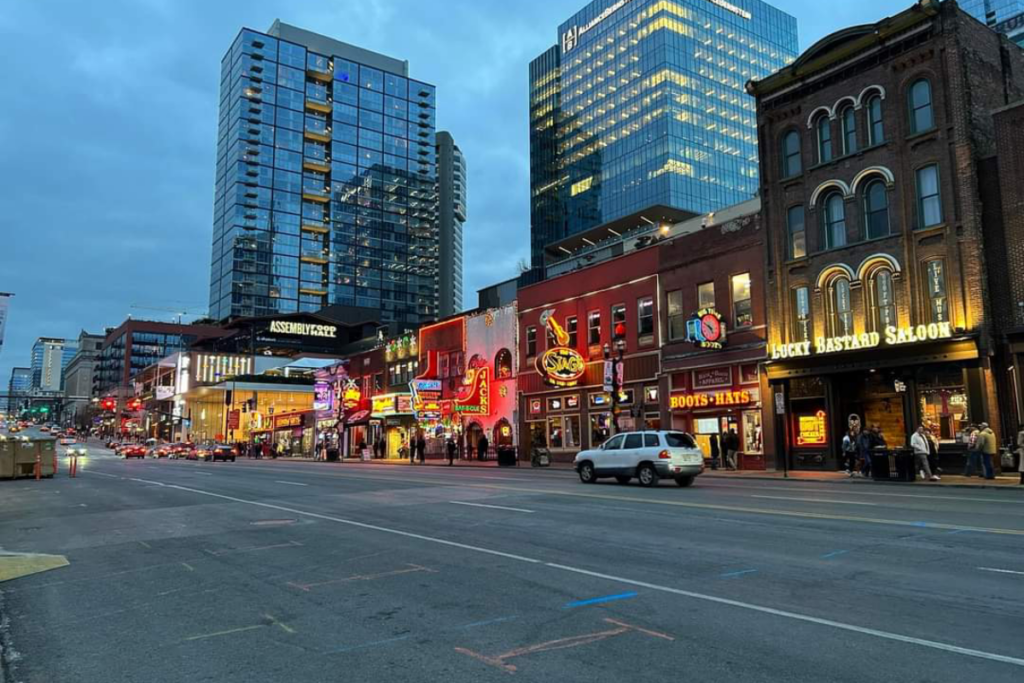
Nashville’s downtown core buzzes with honky-tonks, rooftop bars, and street performers, which means parking is tight and tourists are often in a hurry. Scammers know this and use it to their advantage by slapping fake citations on windshields or posting QR codes on parking meters that look official but lead straight to fraudulent payment sites.
A real parking ticket in Nashville will come from the Metro Nashville government and include specific citation numbers, vehicle details, and clear instructions on how to pay through official channels. Fake notices might have blurry logos, misspelled words, or unusual payment methods like gift cards or wire transfers.
If a ticket asks you to scan a QR code taped to a meter or pay via text message, that’s a massive red flag.
When you receive any parking notice, take a moment to verify it before handing over money or personal information. Visit Nashville’s official government website or call their parking services department directly using a number you look up yourself, not one printed on the suspicious ticket.
Legitimate citations can be checked online through the city’s portal.
Another trick involves scammers creating look-alike websites that mimic the real Metro Nashville parking payment page. They buy domain names that are one letter off or use confusing URLs, then collect your credit card details when you try to pay.
Always double-check the web address before entering any payment information.
If you think you’ve been targeted, report it to Nashville police and dispute any charges with your bank immediately. Taking photos of the ticket, the meter, and your surroundings can help authorities track down repeat offenders.
Parking scams are frustrating, but staying alert and taking a few extra seconds to verify can save you hundreds of dollars and a whole lot of hassle during your Music City visit.
2. Phony Vacation Rental Listings
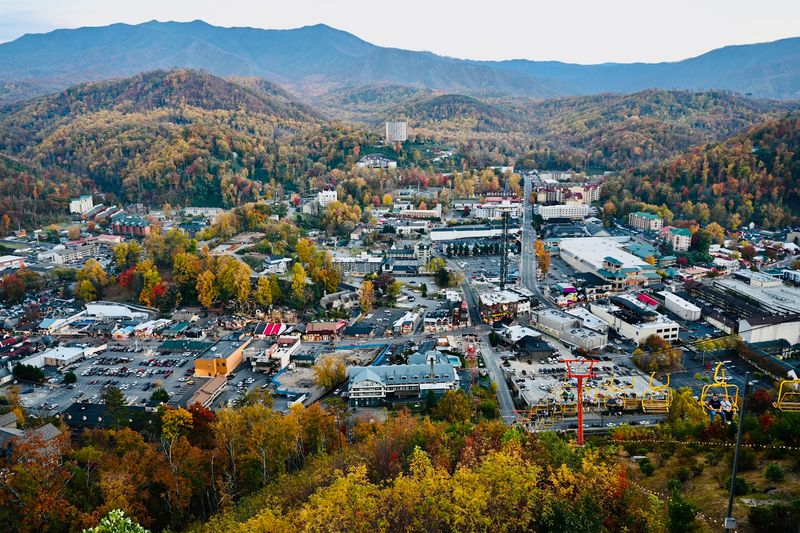
Gatlinburg, Pigeon Forge, and the Smoky Mountains draw families looking for that perfect cabin getaway with hot tubs, mountain views, and easy access to hiking trails. Scammers exploit this demand by creating fake listings that steal photos from legitimate properties, then disappear once they’ve collected your deposit.
These fraudsters often copy entire listings from real rental sites, tweaking just enough details to avoid detection. They’ll post on social media marketplaces, lesser-known booking platforms, or even create their own convincing websites.
The prices might be slightly lower than average to lure budget-conscious travelers, and they’ll push for payment through wire transfer, cash apps, or prepaid cards that offer zero protection.
Before you book any cabin or condo, do some detective work. Run a reverse image search on the property photos to see if they appear elsewhere online under a different name or location.
Check reviews carefully, and be suspicious if a brand-new listing has zero feedback or only generic positive comments. Legitimate property managers will have a verifiable business presence, active social media, and a history you can trace.
Communicate through the official platform whenever possible rather than moving conversations to email or text, where scammers operate freely. Ask specific questions about the property that only the real owner would know, like what color the front door is or what’s in the view from the back deck.
If the responses are vague or delayed, that’s a warning sign.
Always use payment methods that offer buyer protection, like credit cards or established vacation rental platforms with secure payment systems. If someone insists on unconventional payment or rushes you to send money before you lose the booking, walk away.
A dream cabin deal that seems too good to be true usually is, and losing a deposit to a scammer can cost you way more than just money when your vacation plans fall apart.
3. Timeshare Sales Traps
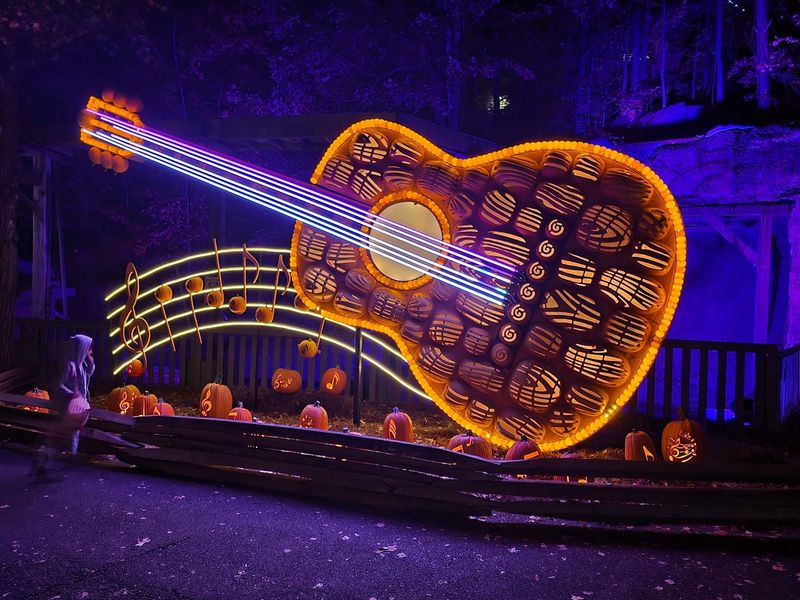
Free breakfast, discounted Dollywood tickets, or a complimentary dinner cruise sound pretty tempting when you’re planning a Tennessee vacation. Resort areas around Gatlinburg and Pigeon Forge frequently offer these perks in exchange for sitting through what they promise will be a short timeshare presentation.
What they don’t mention is the high-pressure sales environment waiting for you.
Once you’re in the room, the “short” 90-minute presentation often stretches to three or four hours. Sales teams work in shifts, starting with a friendly tour guide who shows you gorgeous units and paints a picture of endless vacations.
Then comes the closer, who uses urgency tactics, limited-time pricing, and emotional appeals to get you to sign on the spot.
The contracts themselves can be incredibly complex, filled with maintenance fees that increase yearly, restrictions on when and where you can actually use your timeshare, and resale clauses that make it nearly impossible to get out later. Salespeople might promise easy resale opportunities or flexible exchange programs, but the fine print tells a very different story.
Many buyers find themselves locked into decades of payments for a product they rarely use.
If you do attend a presentation for the freebies, go in with a firm plan to say no. Bring a friend who can help you stay strong, set a time limit, and be prepared to walk out if the pressure gets too intense. Never sign anything the same day, no matter how good the deal sounds or how much the salesperson insists the offer expires at midnight.
Remember that legitimate businesses won’t punish you for taking time to think or consulting a lawyer before making a major financial commitment. If you do get talked into signing, Tennessee law may give you a rescission period to cancel, but it’s usually very short.
Read everything carefully, keep all paperwork, and act fast if you change your mind. The best defense is simply avoiding these presentations altogether and paying full price for your Dollywood tickets instead.
4. Fake Concert and Event Tickets
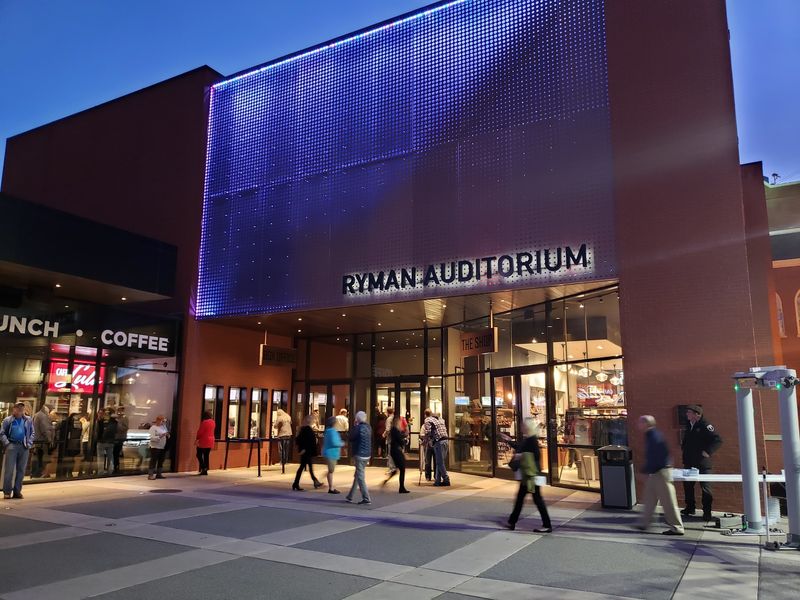
Nashville didn’t earn the nickname Music City for nothing. Between the Grand Ole Opry, Broadway honky-tonks, Bridgestone Arena concerts, and countless festivals, the live music scene here is unmatched.
That also makes it a prime hunting ground for ticket scammers who prey on fans desperate to see their favorite artists.
Counterfeit tickets come in many forms. Some are completely fake, printed at home with barcodes that don’t scan. Others are real tickets that have already been used or sold to multiple buyers, leaving you stuck at the door while someone else enjoys the show.
Social media marketplaces and unofficial resale sites are where these scams thrive, with fraudsters posting too-good-to-be-true prices for sold-out events.
The scammer’s playbook is pretty predictable. They’ll claim to have extra tickets because a friend canceled, price them just below market value to seem realistic, and insist on payment through apps that don’t offer buyer protection.
Once you send the money, they either ghost you completely or send screenshots of tickets that turn out to be invalid when you try to enter the venue.
Protect yourself by buying only from official sources like the venue box office, Ticketmaster, or verified resale platforms that guarantee ticket authenticity. If you must buy from an individual, meet in person at the venue box office where staff can verify the tickets before you hand over cash.
Ask the seller to transfer the tickets through the official app rather than sending screenshots, which can be duplicated and sold repeatedly.
Check the seller’s profile for red flags like brand-new accounts, zero reviews, or a history of selling tickets to multiple events in different cities. Scammers often create fake profiles using stolen photos and convincing backstories.
If someone pressures you to pay immediately or gets defensive when you ask reasonable questions, that’s your cue to walk away. Missing a concert is disappointing, but losing money to a scammer and still missing the show is way worse.
5. Misleading or Overpriced Parking
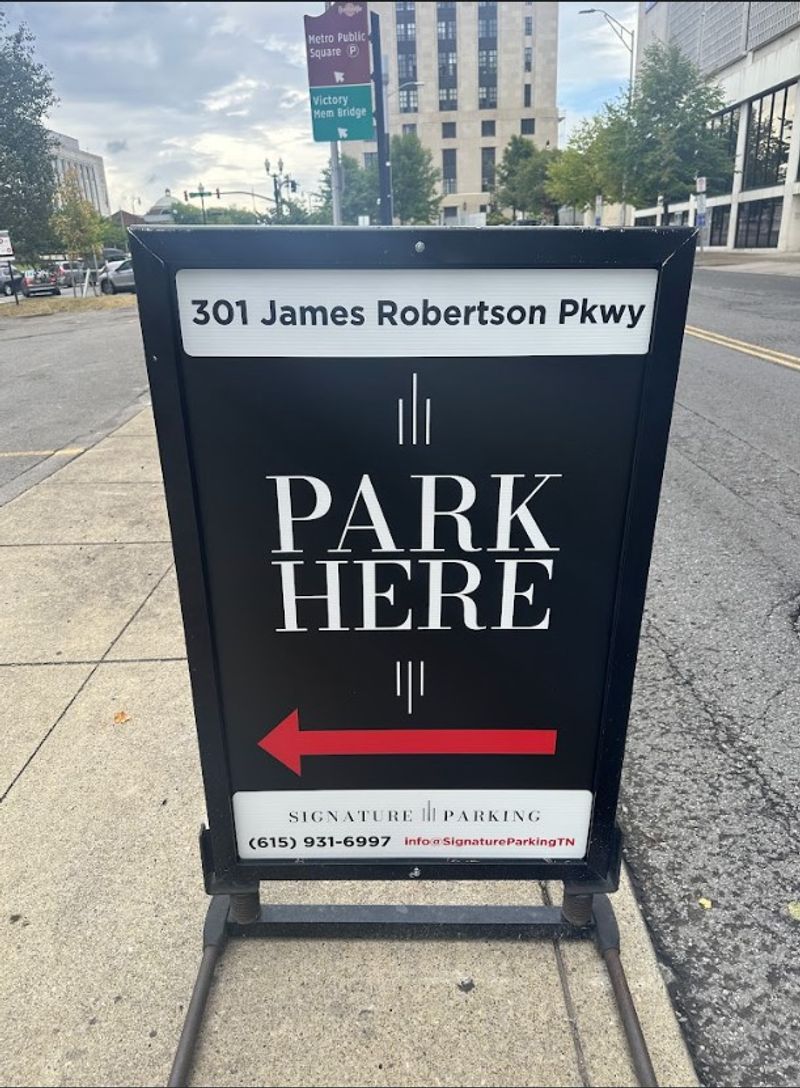
Broadway in Nashville and the Gatlinburg Strip are packed with tourists, which means parking is both scarce and expensive. Private lot operators know visitors are often unfamiliar with the area and in a hurry to start their night, making it easy to take advantage with confusing signage, hidden fees, or outright deceptive pricing.
You might pull into what looks like a legitimate lot, only to discover the rates displayed at the entrance don’t match what you’re charged when you leave. Some operators post one price in large letters but bury additional fees, event surcharges, or time restrictions in tiny print you didn’t notice.
Others use confusing payment systems with attendants who claim the machine is broken and can only accept cash at inflated rates.
Unofficial lots are another problem. These are spaces that aren’t actually authorized for public parking but are marketed as such by opportunistic individuals who collect fees and disappear.
You might return to find your car towed because you weren’t legally parked in the first place, then face expensive impound fees on top of what you already paid.
Before you park anywhere, take photos of all signage showing rates, hours, and payment instructions. Read the fine print carefully and ask questions if anything seems unclear.
Legitimate parking operations will have clear, professional signage and verifiable payment systems. If an attendant approaches you in an unmarked vest demanding cash payment with no receipt, find somewhere else to park.
Use parking apps like ParkMobile or SpotHero that let you reserve and pay for spots in advance with transparent pricing. These platforms partner with verified lots and garages, giving you recourse if something goes wrong.
Check reviews before parking in any private lot, and when possible, choose municipal garages or metered street parking where rates are regulated and clearly posted.
If you believe you’ve been overcharged or scammed, document everything and file a complaint with local consumer protection agencies. Parking scams might seem minor compared to other cons, but they add up quickly and can sour your whole visit when you’re already spending plenty on hotels, food, and entertainment.
6. Bogus Attraction and Tour Deals

Tennessee’s packed with incredible experiences, from Smoky Mountain ziplines to Nashville ghost tours and Chattanooga riverboat cruises. Scammers create fake tour companies or deeply discounted packages that either don’t exist or deliver a experience so far below expectations you’ll wish you’d paid full price elsewhere.
These bogus deals pop up on social media, in spam emails, or through unofficial tourism websites that look professional at first glance. They’ll advertise combination packages that bundle multiple attractions at prices that seem unbelievable, because they are.
You might pay upfront for tickets that never arrive, or show up to find the tour company doesn’t exist at the address listed.
Other times the tour is technically real but nothing like what was promised. Instead of a guided historical walking tour of downtown Nashville, you get a disorganized group led by someone reading facts off their phone.
The luxury shuttle turns out to be an old van, and the included lunch is gas station sandwiches. Hidden fees appear for everything from parking to equipment rental that was supposedly covered in your package price.
Research any tour company thoroughly before booking. Check their Google reviews, Better Business Bureau rating, and how long they’ve been in business.
Legitimate operators will have an established online presence, professional websites with secure payment systems, and responsive customer service. Be wary of companies that only communicate through social media or require payment via wire transfer or gift cards.
Compare prices across multiple sources to get a sense of what’s reasonable. If one company is charging half what everyone else does for the same experience, there’s usually a reason.
Read cancellation policies carefully, and understand what’s included versus what costs extra. Ask specific questions about group sizes, duration, what’s provided, and whether gratuities are expected.
Book directly through the attraction’s official website or well-known tour platforms like Viator or GetYourGuide that vet their partners and offer customer protection. If you do get scammed, report the company to Tennessee’s consumer protection division and dispute charges with your credit card company.
Your vacation time is precious, so don’t waste it on shady operators who promise the moon and deliver disappointment.
7. Unofficial Taxi and Ride Pickup Scams
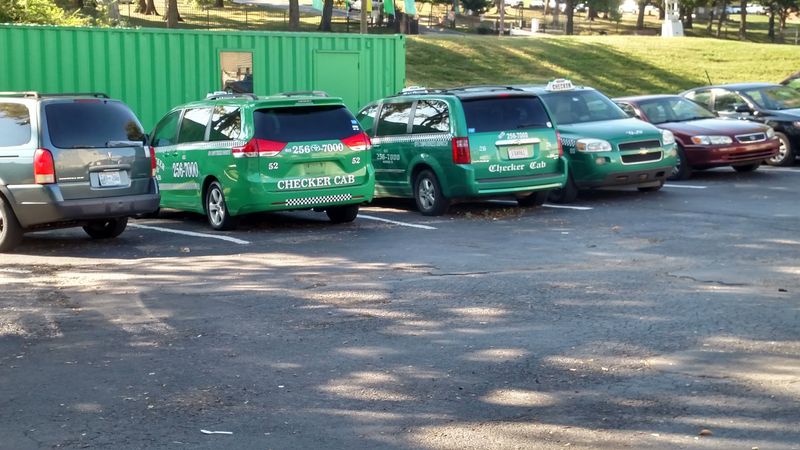
You’ve just landed at Nashville International Airport or stumbled out of a Broadway bar at 2 a.m., and someone approaches offering a ride. They might have a handwritten sign, a friendly smile, and a convincing story about being a local driver who can get you to your hotel cheaper than a rideshare.
What they don’t mention is that you’re about to pay triple the normal rate with zero recourse if things go wrong.
Unofficial drivers target tired, confused, or intoxicated tourists who aren’t thinking clearly. At airports, they’ll position themselves near baggage claim or outside arrivals, claiming to be with a car service or offering flat rates that sound reasonable until the ride ends and suddenly there are extra charges for luggage, tolls, or traffic.
Without a meter or app-based pricing, you have no proof of what was agreed upon.
The safety risks go beyond overcharging. Unlicensed drivers aren’t background-checked, their vehicles aren’t inspected, and their insurance might not cover passengers.
You’re getting into a stranger’s car with no record of the transaction, no way for friends or family to track your location, and no company to hold accountable if you’re taken on a long detour or worse.
Stick with official options like airport taxi queues, hotel shuttles, or app-based services like Uber and Lyft where everything is documented and traceable. These platforms show you the estimated fare upfront, track your route, and let you rate drivers, creating accountability that unofficial operators completely lack.
If you’re at a hotel, ask the front desk to call a licensed taxi rather than accepting rides from drivers hanging around the lobby.
Watch for red flags like drivers who approach you rather than waiting in designated areas, vehicles without proper company markings or license information displayed, or anyone who insists on cash payment only. Legitimate taxi and rideshare drivers won’t pressure you or get aggressive if you decline.
They understand professional boundaries and follow local regulations.
If you accidentally get into an unofficial vehicle and feel uncomfortable, trust your instincts. Ask to be let out in a well-lit public area, and don’t worry about being rude. Your safety matters more than avoiding an awkward moment, and scammers count on people being too polite to walk away from a bad situation.
8. Free Gift Offers With a Catch

Walking down the Parkway in Pigeon Forge or through downtown Gatlinburg, you’ll encounter cheerful people offering free show tickets, restaurant vouchers, or attraction passes. All you have to do is attend a brief presentation about vacation ownership or a travel club.
Spoiler alert: brief means several hours, and you’ll face relentless pressure to buy something you don’t want or need.
These offers are technically legal but designed to wear you down. The free gifts are real enough, though often for less desirable showtimes or restaurants with limited menus.
What’s not advertised is the aggressive sales environment you’re walking into, where trained professionals will use every psychological trick to separate you from thousands of dollars.
The presentation starts friendly and informative, showing you beautiful properties and describing amazing vacation benefits. Then comes the pivot to pricing, with special deals that expire today, financing options that make monthly payments seem affordable, and implications that you’re foolish to pass up such an opportunity.
If you say no, they’ll bring in a manager with an even better offer. Refuse again, and you might face guilt trips about wasting their time or missing out on your family’s dream vacations.
People who attend these presentations often report feeling trapped, with sessions running far longer than promised and pressure tactics that border on harassment. Even if you get your free tickets and escape without buying, you’ve lost half a vacation day sitting in a conference room instead of exploring the Smokies or enjoying Dollywood.
The math rarely works out in buyers’ favor. Vacation clubs and timeshares come with ongoing maintenance fees, blackout dates, limited availability, and resale values that plummet the moment you sign.
The free dinner show you earned by attending cost you way more in time, stress, and potential financial commitment than just buying tickets would have.
If free stuff is that important to your budget, look for legitimate deals through tourism websites, hotel packages, or attraction combo tickets. Skip the presentations entirely, no matter how appealing the gifts seem.
Your vacation should be relaxing and fun, not spent fending off sales tactics in a windowless room while a countdown clock pressures you to make a major purchase.
9. ATM and Card-Skimming Scams
After a night on Broadway or a day shopping in Gatlinburg, you might need cash and grab the nearest ATM without thinking twice. That convenience can cost you big if criminals have installed skimming devices that capture your card information and PIN, then use them to drain your account or make fraudulent purchases.
Skimmers are small devices placed over the real card slot, designed to look like part of the machine. They record your card’s magnetic stripe data while a hidden camera or fake keypad overlay captures your PIN.
The technology has gotten so sophisticated that even careful users might not notice anything wrong. Standalone ATMs in bars, gas stations, and tourist shops are especially vulnerable because they’re checked less frequently than bank machines.
Criminals also use shimming devices that fit inside the card reader, making them completely invisible from the outside. These work on chip-enabled cards and can be even harder to detect than traditional skimmers.
Once they’ve collected enough data, scammers clone cards and withdraw cash or make purchases before victims realize what’s happened.
Protect yourself by using ATMs inside banks whenever possible. These machines are monitored more closely, in well-lit areas with security cameras, and checked regularly for tampering.
Before inserting your card anywhere, inspect the machine for anything that looks loose, misaligned, or different from other ATMs you’ve used. Wiggle the card slot and keypad to see if anything moves.
Cover the keypad with your hand when entering your PIN, which defeats hidden cameras. Check your bank account frequently through your mobile app to catch unauthorized transactions quickly.
Enable transaction alerts so you’re notified immediately of any withdrawals or charges. If your bank offers virtual card numbers or cardless ATM access through your phone, use those features for extra security.
Be especially cautious late at night or in isolated locations where criminals might combine skimming with robbery. If an ATM seems sketchy, looks damaged, or is in an area that feels unsafe, find another one.
The few minutes you save aren’t worth the headache of dealing with identity theft, disputed charges, and the time it takes to get your money back after your account has been compromised.
10. Fake Government or Tourism Payment Requests

Your phone buzzes with an official-looking text claiming you have an unpaid parking fine from Metro Nashville or a reservation fee due for a state park cabin. There’s a link to pay immediately or face additional penalties.
Before you click anything, take a breath, because government agencies and legitimate tourism businesses don’t operate this way.
Scammers impersonate everyone from parking enforcement to the Tennessee Department of Tourist Development, sending messages that create panic and urgency. They’ll use logos, official-sounding language, and threats of legal action or canceled reservations to pressure you into clicking suspicious links or scanning QR codes that lead to fake payment sites designed to steal your financial information.
These messages often contain telltale signs if you look closely. Misspellings, awkward grammar, generic greetings instead of your name, and links to websites that don’t quite match official government domains are all red flags.
Real government notices come by mail for serious matters, and legitimate reservation confirmations come through the system you booked with, not random texts from unknown numbers.
The payment methods requested are another giveaway. Government agencies don’t demand immediate payment via gift cards, wire transfers, cryptocurrency, or cash apps.
They have established payment portals, accept checks and credit cards, and give you time to respond before penalties kick in. Any message demanding instant payment through unconventional methods is almost certainly a scam.
If you receive a suspicious message claiming to be from a Tennessee government agency or tourism business, don’t click any links or call numbers provided in the message. Instead, look up the organization’s official contact information yourself and call directly to verify whether the communication is legitimate.
Most of the time, they’ll have no record of contacting you.
Report phishing attempts to the Federal Trade Commission and the Tennessee Attorney General’s consumer protection division. Delete the message after reporting it, and warn friends or family who might fall for similar scams.
Criminals count on people acting quickly out of fear, but taking a moment to verify can save you from handing over money or personal information to thieves pretending to represent the Volunteer State.
Share this story