Tennessee holds a special place in literary history, and some of its bookstores have been serving readers for over a century. These independent shops have survived economic shifts, chain-store competition, and digital disruption while staying true to their mission of connecting people with books.
Whether you hunt for rare first editions or simply love the smell of old paper, these storied bookstores offer an experience no algorithm can replicate.
1. Burke’s Book Store in Memphis
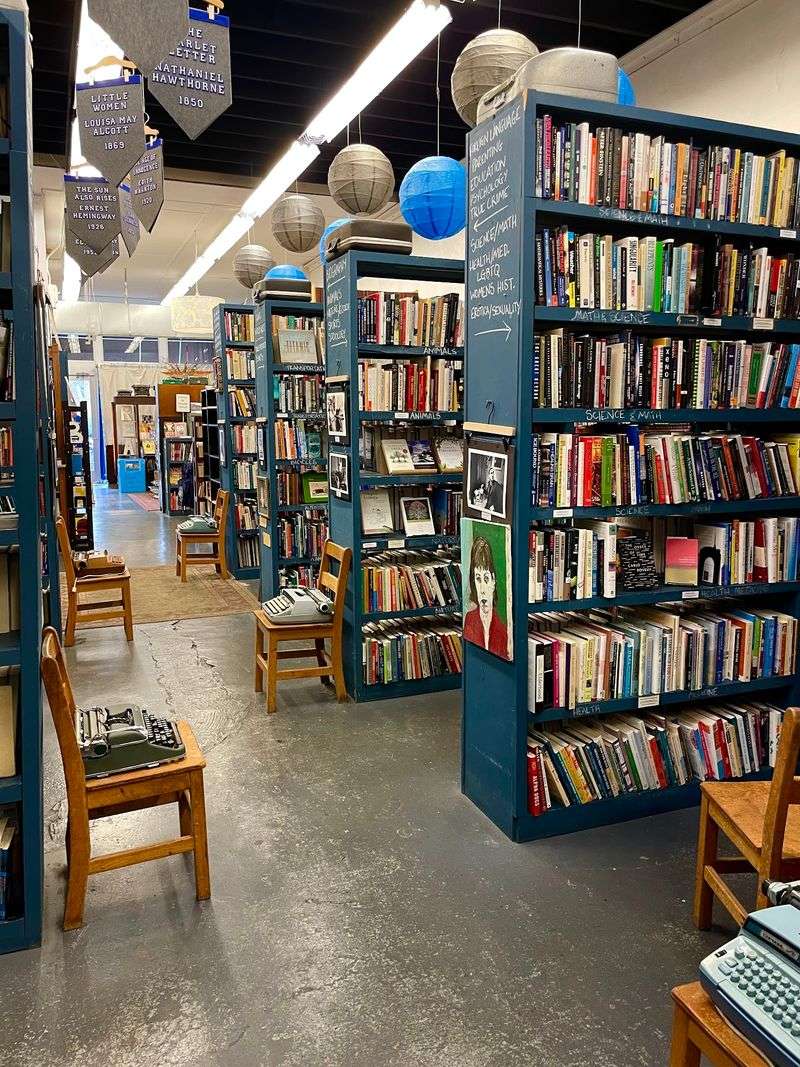
Walking into Burke’s Book Store feels like stepping through a portal to 1875. That’s because this Memphis institution actually opened that year, making it one of the oldest continuously operating independent bookstores in the entire country.
The shop has weathered everything from the Yellow Fever epidemics to the Civil Rights Movement, all while keeping its shelves stocked and its doors open to readers.
The current location on Poplar Avenue might not be the original building, but the spirit remains unchanged. Floor-to-ceiling shelves groan under the weight of new releases, gently used paperbacks, and genuinely rare finds that collectors travel across state lines to examine.
The staff knows their inventory with an intimacy that comes from decades of handling each volume, and they can point you toward obscure Southern authors or help track down that children’s book you barely remember from 1987.
What sets Burke’s apart isn’t just its age. The store specializes in new, used, and rare books, which means you might find a signed first edition of a Faulkner novel sitting two shelves down from the latest bestseller.
This eclectic mix attracts everyone from university professors researching regional history to parents looking for affordable chapter books for their kids.
The rare book section deserves special attention. Burke’s has built a reputation among serious collectors for its curated selection of antiquarian titles, many focusing on Southern literature and Memphis history.
You won’t find these treasures displayed prominently near the cash register. They’re kept in climate-controlled conditions, preserved for future generations who will appreciate their historical and monetary value.
Memphis has changed dramatically since Reconstruction, but Burke’s has remained a constant. The bookstore serves as a living museum of literary taste, with its ever-rotating stock reflecting what Memphians have read across three centuries.
Local authors regularly host readings here, and the store supports literacy programs throughout the community.
Perhaps the most remarkable thing about Burke’s is how unremarkable it tries to be. There’s no flashy marketing or Instagram-ready aesthetic. Just books, knowledgeable staff, and a quiet commitment to the idea that independent bookstores matter.
In an era when so many historic businesses have closed, Burke’s keeps turning pages, one customer at a time, just as it has since Ulysses S. Grant was president.
2. Elder’s Bookstore in Nashville
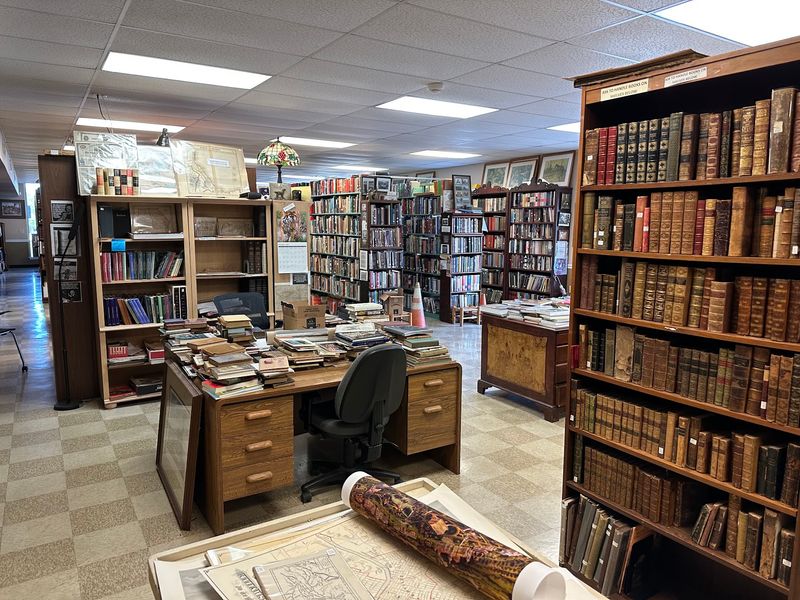
Elder’s Bookstore opened in 1930, right as the Great Depression was tightening its grip on America. Most new businesses were failing, but Elder’s found its niche by offering something Nashville desperately wanted to preserve: its own history.
Nearly a century later, the store remains the go-to destination for anyone serious about Southern history, Tennessee genealogy, or the Civil War.
The specialization isn’t accidental. Elder’s built its reputation by stocking books, maps, manuscripts, and ephemera that larger chains ignored.
You’ll find county histories so obscure that even local libraries don’t own copies, along with hand-drawn maps showing property boundaries from the 1800s. Genealogists treat Elder’s like a research library, often spending hours combing through estate documents and family Bibles that somehow ended up in the store’s collection.
Nashville has transformed from a mid-sized Southern city into a booming metropolis, but Elder’s hasn’t chased trends. The store’s focus remains stubbornly historical.
While other bookstores stock celebrity memoirs and self-help bestsellers, Elder’s shelves groan with titles about Reconstruction politics, Tennessee governors nobody remembers, and the daily lives of ordinary Southerners in centuries past.
The antiquarian book trade requires expertise that can’t be faked. Elder’s staff can authenticate signatures, identify first editions, and explain why one Civil War diary might be worth thousands while another similar volume sells for fifty dollars.
This knowledge makes the store invaluable to collectors who need confident appraisals before making significant purchases.
Maps deserve special mention. Elder’s collection includes everything from Revolutionary War-era surveys to railroad expansion charts from the 1880s.
These aren’t decorative reproductions sold at poster shops. They’re original documents that cartographers, historians, and developers consult when researching how Tennessee’s landscape has evolved.
Some customers frame them as art, while others use them for serious academic research.
The store occupies a modest space that reflects its scholarly mission. There’s no coffee bar or children’s play area. Just rows of carefully organized books, filing cabinets full of manuscripts, and staff who can discuss the Battle of Franklin with the enthusiasm most people reserve for playoff games.
Elder’s isn’t trying to be trendy, and that’s precisely why it has survived when flashier competitors have vanished. It serves a specific audience exceptionally well, and that audience keeps coming back.
3. McKay’s in Chattanooga
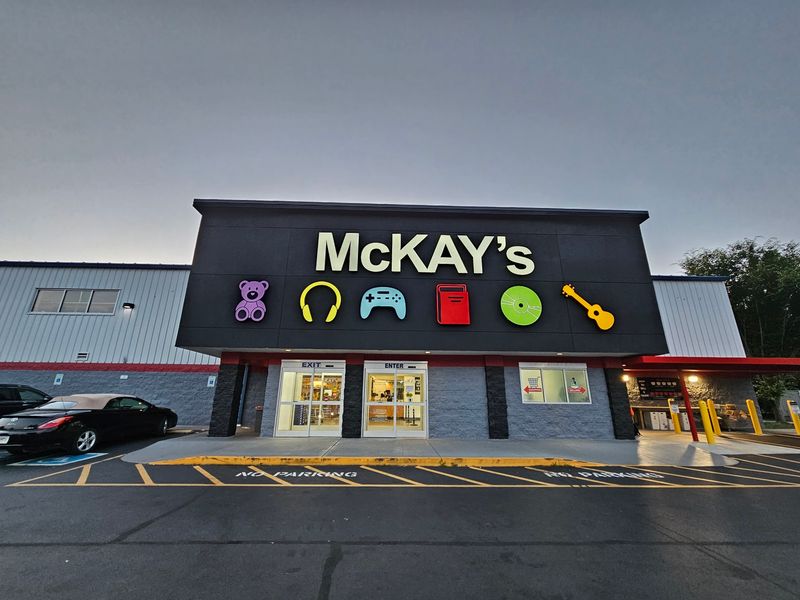
McKay’s operates on a scale that surprises first-time visitors. This isn’t a cozy shop with creaky floors and a resident cat.
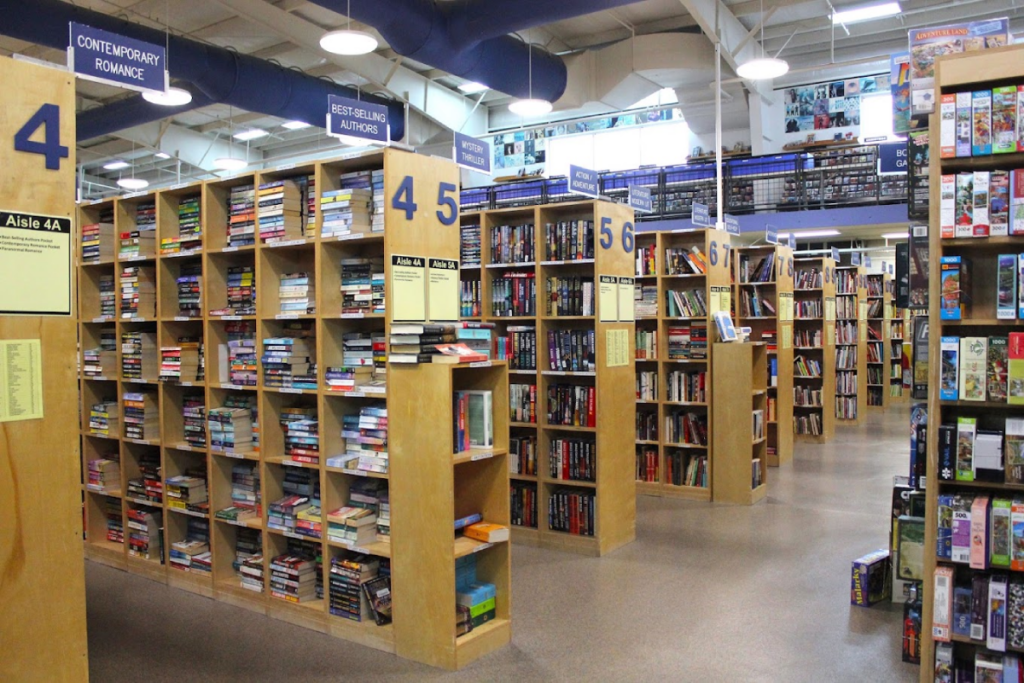
It’s a massive used media warehouse where you can easily lose an afternoon wandering aisles packed with books, CDs, DVDs, video games, and vinyl records. The Chattanooga location opened in 1990, though the McKay’s business itself dates back to 1974, and it has become the kind of place locals mention when giving directions.
The buy-sell-trade model keeps inventory constantly rotating. Customers bring in boxes of books they’ve finished reading, and McKay’s offers store credit or cash.
This means the selection changes weekly, sometimes daily. You might find a pristine hardcover that was published last month sitting next to a dog-eared paperback from 1973. Treasure hunters love this unpredictability.
Size matters here. McKay’s stocks hundreds of thousands of items across multiple categories, organized with a logic that becomes clear once you spend time exploring.
The science fiction section alone could stock a smaller bookstore. Romance, mystery, history, cookbooks, textbooks, graphic novels… if a genre exists, McKay’s probably has several shelves devoted to it.
The staff uses a computerized inventory system, so they can tell you immediately whether they have that obscure title you’ve been seeking.
Prices run significantly below retail, which attracts budget-conscious readers, college students stocking up for semester breaks, and families who burn through chapter books faster than their library allows. A novel that costs twenty-eight dollars new might sell for six dollars used at McKay’s, and if you trade in books, that price drops further.
The economics work beautifully for people who read voraciously but can’t afford new releases.
The store has expanded beyond books into a full media experience. Rows of CDs offer everything from obscure indie bands to classical box sets, while the DVD section rivals what video rental stores used to stock.
Gamers browse used titles for every console generation, often finding games that disappeared from mainstream retailers years ago. This diversification helped McKay’s survive the digital transition that killed many bookstores.
Chattanooga residents treat McKay’s as a community resource rather than just a store. Teachers shop here for classroom libraries, homeschooling parents stock their curriculum, and book clubs coordinate bulk purchases.
The store hosts no author events or literary discussions, but it doesn’t need to. Its value lies in sheer volume and affordability, making reading accessible to anyone regardless of budget.
4. Alkebu-Lan Images in Nashville
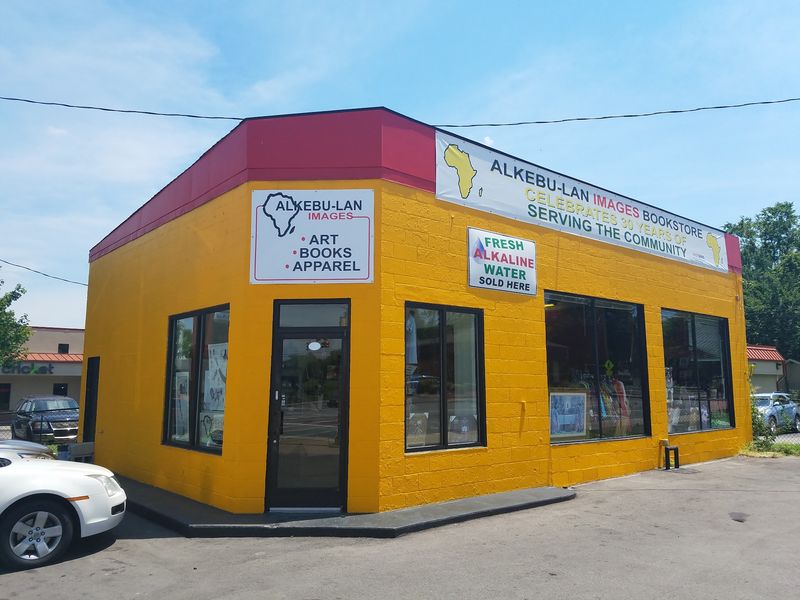
Alkebu-Lan Images opened in 1986 with a mission that went far beyond selling books. Founder Helen Mims wanted to create a cultural hub where Nashville’s Black community could find literature, art, and products that mainstream stores often overlooked or misrepresented.
Nearly four decades later, the bookstore continues fulfilling that vision, serving as both a retail space and a gathering place for conversations about identity, history, and social justice.
The name itself carries meaning. Alkebu-Lan is an ancient name for Africa, and choosing it signaled the store’s commitment to centering African and African American perspectives.
Walk inside and you’ll immediately notice the difference from generic bookstores. Shelves prioritize works by Black authors across every genre: fiction, poetry, history, children’s books, self-help, cookbooks, and academic texts.
This curation matters deeply to customers tired of hunting through larger stores where Black authors occupy a single shelf labeled “African American Interest.”
Children’s literature receives special emphasis. Alkebu-Lan stocks picture books and young adult novels featuring Black protagonists in stories that range from everyday adventures to historical fiction.
Parents and teachers shop here specifically to find books where Black children see themselves as heroes, scientists, artists, and leaders. Representation in early reading experiences shapes how kids understand their place in the world, and Alkebu-Lan takes this responsibility seriously.
The store extends beyond books into cultural products. You’ll find jewelry, greeting cards, artwork, clothing, and home goods celebrating African heritage and Black creativity.
These items transform Alkebu-Lan into a one-stop destination for gifts, especially during Kwanzaa, Black History Month, and graduation season. The selection reflects thoughtful curation rather than generic pan-African merchandise.
Author events and book signings happen regularly, bringing writers directly to the community. Local and national Black authors schedule Nashville stops specifically because Alkebu-Lan provides an engaged, supportive audience.
These events often spark discussions that continue long after the author leaves, with customers returning to share how a particular book changed their perspective or sparked family conversations.
Operating an independent Black-owned bookstore for nearly forty years represents an achievement worth celebrating. Alkebu-Lan has survived economic downturns, neighborhood changes, and the retail apocalypse that closed countless independent stores.
Its longevity speaks to both the quality of its offerings and the loyalty of its customer base. People don’t just shop here out of convenience. They come because Alkebu-Lan offers something irreplaceable: a space where Black literary and cultural expression takes center stage.
5. Southland Books & Cafe in Maryville
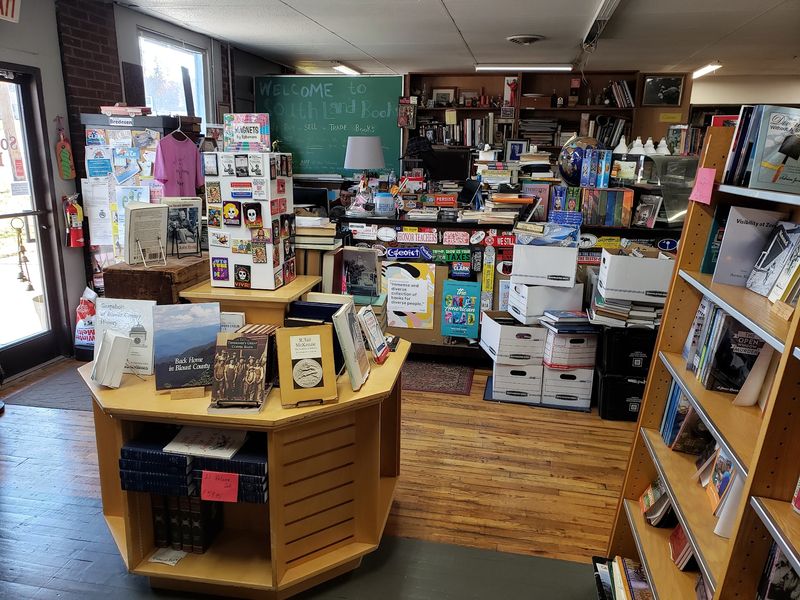
Maryville isn’t Nashville or Memphis, and Southland Books & Cafe wouldn’t want to be confused with big-city bookstores anyway. This homegrown shop opened in 1992 and has spent three decades proving that small towns can support thriving independent bookstores when they’re done right.
The combination of books and coffee creates a third space where locals linger, students study, and book clubs meet over lattes.
The hybrid model works because both sides complement each other perfectly. Browse the shelves for a while, grab a coffee, settle into one of the comfortable chairs, and suddenly you’ve spent two hours reading the first chapters of three different novels.
This isn’t accidental. Southland designed the space to encourage exactly this kind of leisurely exploration, recognizing that bookstores compete with streaming services and smartphones for people’s limited free time.
Inventory mixes new releases with used books, which keeps prices accessible while ensuring customers can find recent bestsellers alongside unexpected discoveries. The used book section rotates constantly as locals trade in finished reads for store credit.
You might find a pristine hardcover biography that someone received as a gift but never opened, or a battered mystery novel that five different people have enjoyed and passed along.
Maryville sits near the Great Smoky Mountains, and Southland caters to this location with strong sections on regional hiking, Appalachian history, and Tennessee nature guides. Tourists stopping through town often discover the store and end up buying field guides or local memoirs they wouldn’t have found at generic chains.
This regional focus gives Southland an identity that reflects its community.
The cafe side deserves credit for being genuinely good rather than an afterthought. The coffee comes from quality roasters, the pastries arrive fresh, and the menu includes light lunch options for people who want to make an afternoon of their visit.
Staff will gladly bring your order to wherever you’re sitting, even if you’ve claimed a corner chair for the next hour.
Book clubs have essentially adopted Southland as their unofficial headquarters. The store offers discounts on bulk purchases, which helps when ten people need the same title, and the cafe provides a ready-made meeting space.
On any given evening, you might see three different groups gathered around tables, discussing everything from literary fiction to true crime.
Southland’s survival for over thirty years proves that independent bookstores can thrive outside major cities. The formula requires genuine community engagement, fair prices, quality products, and a space where people feel welcome to stay awhile.
Maryville residents treat Southland like a public good worth protecting, which explains why it has outlasted numerous chain bookstores that opened and closed during the same period.
6. Winder Binder Gallery & Bookstore in Chattanooga
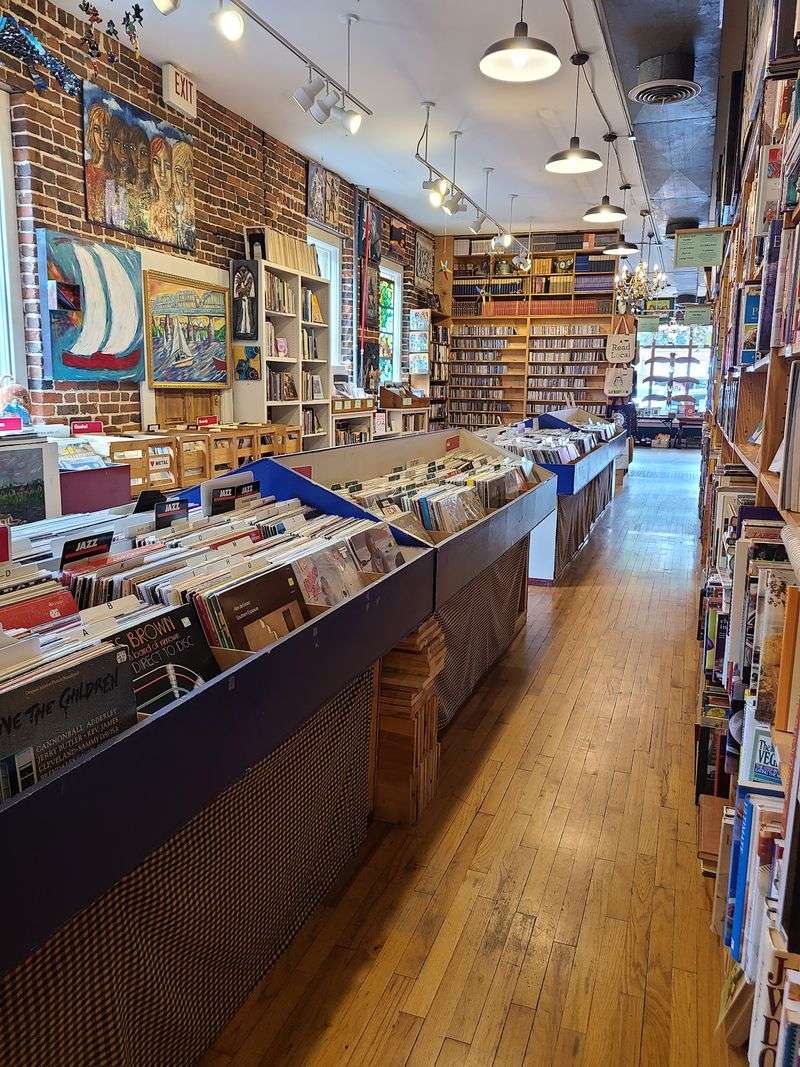
The Tennessee Department of Tourist Development identifies Winder Binder as Chattanooga’s oldest independent bookseller, and the store wears this distinction with quirky pride. Unlike corporate bookstores with their predictable layouts and fluorescent lighting, Winder Binder feels like browsing through a particularly well-read friend’s personal library, if that friend also happened to collect local art and had impeccable taste in both.
The gallery component isn’t just decorative. Winder Binder actively promotes regional artists, rotating exhibitions that showcase paintings, photography, sculpture, and mixed media.
This marriage of books and visual art creates an atmosphere that appeals to Chattanooga’s creative community. You might come in looking for a novel and leave with both a book and a print from a local photographer whose work stopped you mid-browse.
Book selection leans toward literary fiction, poetry, and thoughtful nonfiction rather than mass-market bestsellers. The staff curates with obvious care, choosing titles that spark conversation and challenge assumptions.
You’ll find debut novelists getting prominent placement alongside established authors, and the staff recommendation shelf changes frequently enough that regular customers always discover something new.
Independent bookstores succeed or fail based on their staff’s knowledge and enthusiasm, and Winder Binder excels here. Employees can discuss books with genuine passion, offering recommendations based on actual conversations rather than algorithmic suggestions.
Tell them you loved a particular author’s use of unreliable narrators, and they’ll point you toward three titles you’ve never heard of that explore similar techniques.
The store’s longevity reflects both adaptability and stubborn commitment to its mission. Chattanooga has gentrified and changed considerably over the decades, with new residents bringing different tastes and expectations.
Winder Binder has evolved its inventory and events programming while maintaining its essential character as a space for people who take books and art seriously. This balance keeps longtime customers loyal while attracting newcomers who appreciate the store’s distinctive personality.
Events happen regularly, from author readings to book club meetings to art openings. These gatherings transform Winder Binder from a retail space into a community hub where creative people connect.
The store doesn’t have the square footage of larger competitors, but that intimacy becomes an advantage during events, creating conversations rather than performances.
Chattanooga’s downtown has sprouted trendy restaurants, craft breweries, and upscale boutiques in recent years, but Winder Binder predates this renaissance. The store survived when downtown was struggling, maintained its presence during transitions, and now benefits from increased foot traffic while staying true to its roots.
That persistence matters. Independent bookstores anchor neighborhoods and preserve cultural memory in ways that chain stores never can.
Share this story