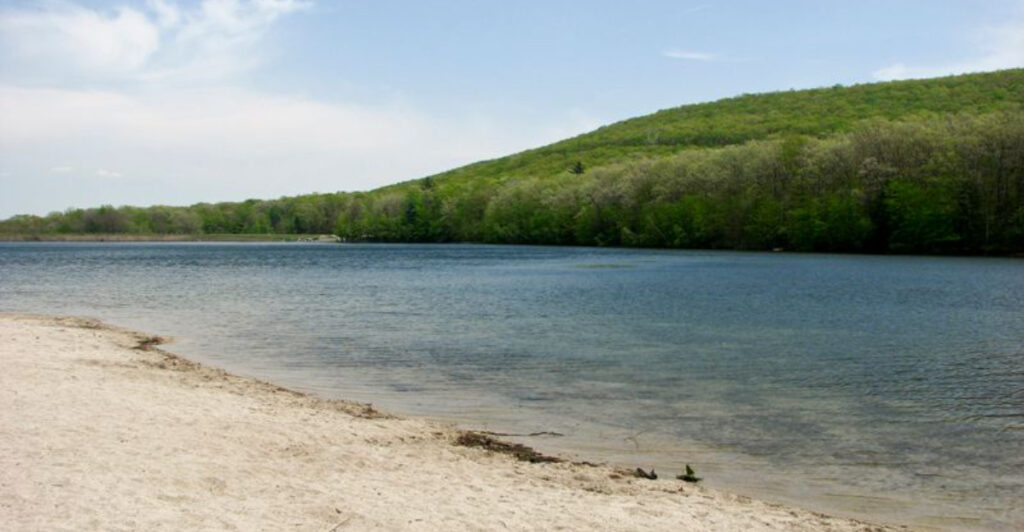
Pennsylvania has many lake beaches that look calm, clean, and ready for a fun summer swim, but looks can fool you when weather, water quality, crowd size, and sudden changes in lake conditions all come into play. A beach can be open one day and posted with warnings the next, especially after hard rain, algae growth, lifeguard shortages, or testing that finds bacteria levels higher than health experts like to see. Families often pack towels, snacks, and floats without checking alerts first, and that can lead to a long drive ending in disappointment, or worse, a day spent in water that may not be the best choice for children, older adults, or anyone with cuts or a weaker immune system.
Before heading out to any swimming spot in Pennsylvania, it helps to know which popular lake beaches deserve a little extra caution, what kinds of problems can happen there, and how a quick check of park updates, water reports, and local rules can make your trip smarter, safer, and much more enjoyable.
1. Pleasant Valley Beach (Moraine State Park)
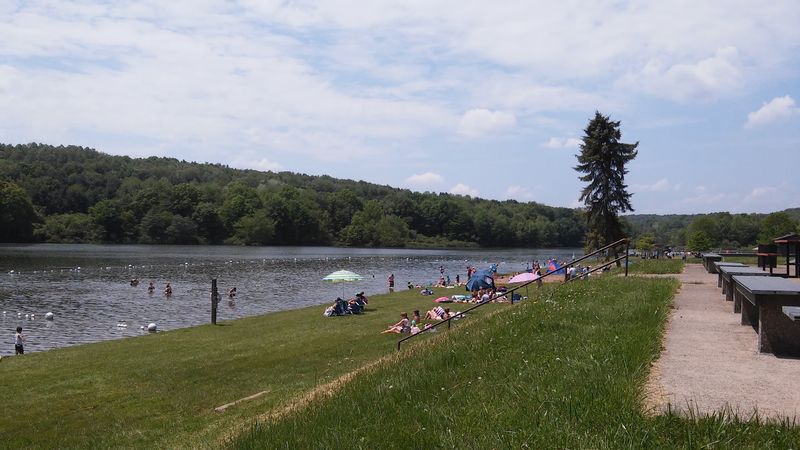
Summer plans can change fast at a busy park lake, and that is part of the story at Pleasant Valley Beach in Moraine State Park.
The beach draws plenty of visitors because the setting is pretty and the lake feels inviting, but swimmers should not assume that a nice view always means ideal swimming conditions.
Water quality can shift after rain, especially when runoff carries dirt, waste, and other pollutants into the lake.
On some days, testing or park alerts may lead officials to post warnings, and that matters most for kids who splash, swallow water by accident, and stay in for long stretches.
Crowds add another layer to think about.
When the beach is packed, the shoreline gets stirred up, bathrooms and trash areas work harder, and parking stress can push people to rush instead of checking rules, signs, or updates from the park before heading in.
The lake is also large enough for changing weather to become a real issue.
Wind can rough up the surface quickly, and a calm morning can turn choppy later, making weak swimmers feel less steady than they expected when they first stepped into the water.
Parents should also remember that natural lake bottoms are not always smooth.
Mud, small rocks, dropped fishing gear, and sudden depth changes can surprise barefoot swimmers, so water shoes and close supervision are smart choices here.
If you still want to visit Pleasant Valley Beach, do a few simple things first.
Check Pennsylvania park alerts online, look for posted advisories at the beach, avoid swimming right after storms, and skip the water if it looks cloudy, smells odd, or has floating scum.
Plenty of people enjoy this spot without problems, but caution pays off.
A little planning can help you decide whether to swim, stay near the shore, or simply enjoy Moraine State Park from the sand that day.
2. Beltzville State Park Beach
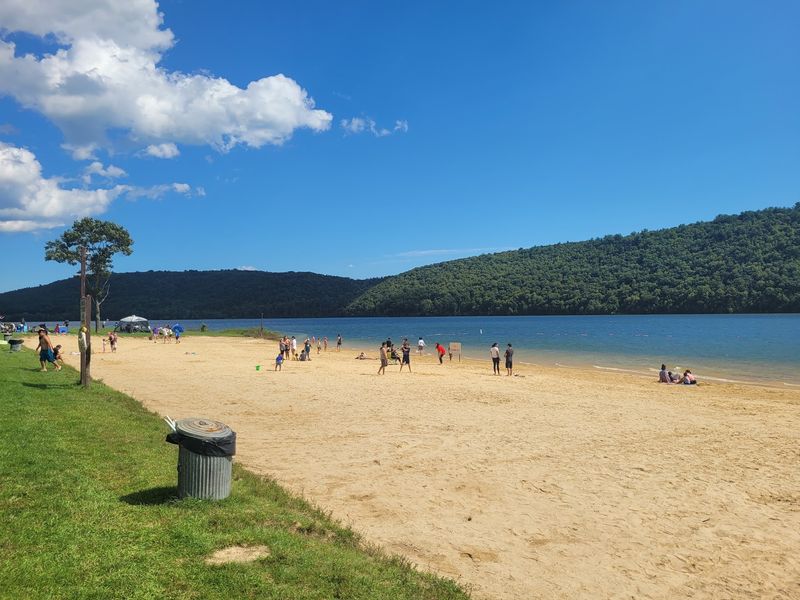
Some lake beaches feel cheerful the minute you arrive, yet Beltzville State Park Beach is one of those places where a little caution can make the day go much better.
The beach is popular for a reason, but popularity does not cancel out the real concerns that sometimes come with lake swimming in Pennsylvania.
Heavy rain is one of the biggest troublemakers.
Runoff from the surrounding area can wash bacteria and other pollutants into the water, and when that happens, officials may post advisories or temporary closures that surprise visitors who did not check conditions before leaving home.
Another issue is the size and pace of the crowd.
On hot weekends, the beach can feel busy fast, and that can make supervision harder for parents, especially when children drift away while playing in shallow water that gradually deepens.
Natural lakes also have their own quirks.
Beltzville can experience cloudy water, uneven bottom conditions, and floating debris after storms or windy spells, which makes it harder to judge where you are stepping or how clean the swimming area really is.
Heat adds a hidden problem too.
When people stay in the sun for hours, they may ignore simple warning signs like skin irritation, stomach trouble after swallowing water, or fatigue from overdoing it in warm weather and crowded spaces.
A safer visit starts with a habit that takes only a minute.
Look up Pennsylvania state park notices, bring extra drinking water, keep younger swimmers close, and pay attention to beach postings instead of assuming the area is fine because others are already in the lake.
If Beltzville State Park Beach is on your summer list, there is no need to avoid it forever.
Just treat it like a natural swimming area that deserves respect, because a quick check and careful choices can be the difference between a fun outing and a frustrating one.
3. Swim Beach, Blue Marsh Lake
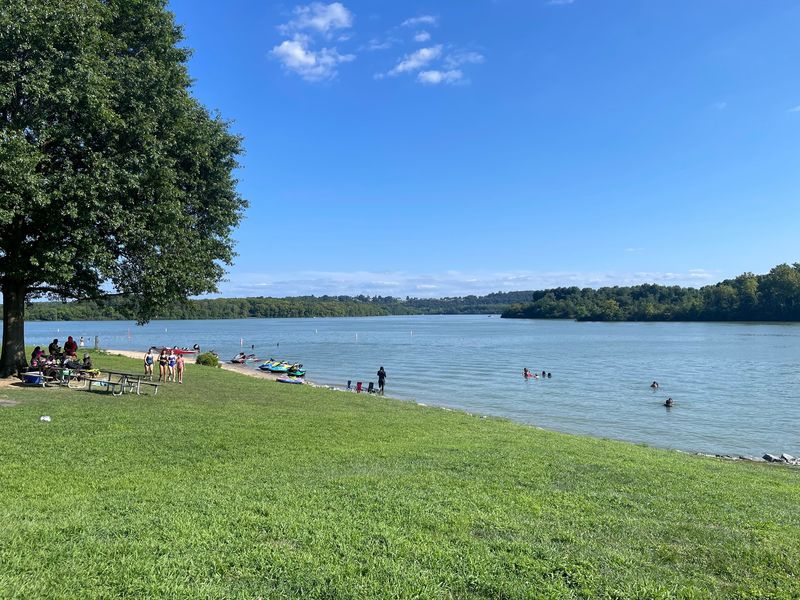
A beach day at Blue Marsh Lake can look perfect from the parking lot, with open water, bright sun, and plenty of room to spread out.
Even so, Swim Beach is a place where checking conditions first is a very smart move, because reservoir beaches can change more quickly than many people expect.
Blue Marsh Lake is influenced by weather in a big way.
After a hard storm, runoff can carry bacteria, sediment, and other unwanted material into the swimming area, and officials may respond with advisories that matter for anyone planning to spend hours in the water.
Unlike a backyard pool, a reservoir does not stay neatly controlled.
Wind can push debris toward shore, stir up murky water, and make it hard to see what is under your feet, including sticks, rocks, or sudden drop-offs that can surprise younger swimmers.
There is also the matter of crowd behavior.
On busy summer weekends, excitement rises, people bring floats and toys, and some visitors pay more attention to fun than safety, which can make it easier to miss posted rules, weather changes, or a child drifting too far out.
Water quality concerns are not always obvious by sight alone.
Clear-looking water can still have bacteria issues, while greenish or scummy patches may point to algae problems that should tell swimmers to pause and read any warning signs before stepping in.
The best approach at Swim Beach is simple and practical.
Check Blue Marsh updates before leaving, avoid swimming after major rain, keep cuts covered, rinse off after being in the water, and never treat the beach as automatically safe just because it is a designated swimming area.
Blue Marsh Lake remains a favorite for many Pennsylvania families, and there are good reasons for that.
Still, a little healthy doubt belongs in your beach bag, right beside the sunscreen, because smart swimmers know that conditions can change before lunch.
4. Locust Lake State Park Beach
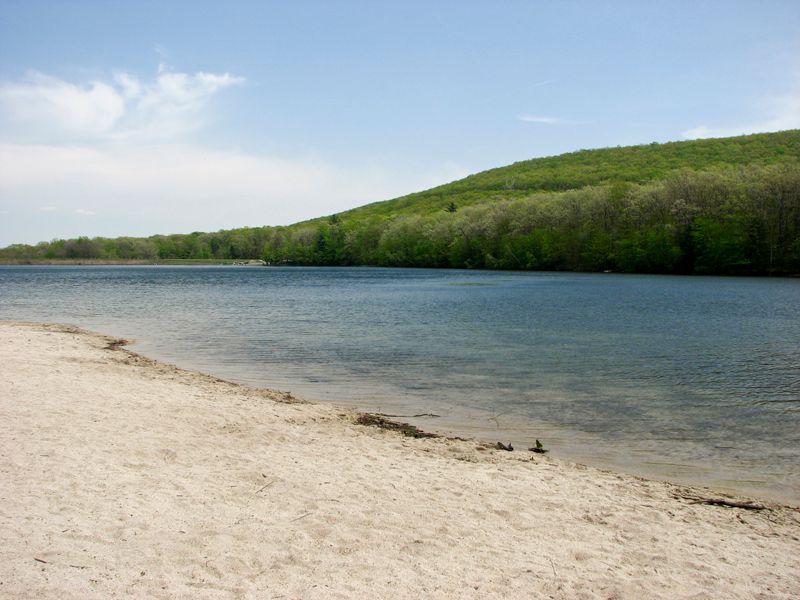
Tucked into a wooded setting, Locust Lake State Park Beach has the kind of peaceful look that makes people let their guard down.
That quiet feeling is part of its charm, but it can also fool visitors into thinking every swim there will be simple, clean, and risk free.
Smaller lakes can react strongly to heat, rain, and changing water flow.
When warm weather lingers or storms roll through, bacteria levels may rise, water can turn murkier, and the beach may face warnings that are easy to miss if you only focus on the pretty scenery.
The natural bottom deserves attention too.
Muddy patches, slippery spots, and uneven footing can catch people off balance, especially children who race in without slowing down to test the ground under them.
Some families also forget how quickly wooded areas can shift from relaxing to troublesome.
Shade is nice, but nearby trees and still air can make bugs more noticeable, and afternoon weather can move in fast enough to turn a calm swim into a hasty walk back to the car.
Another thing to remember is that natural water is not treated like pool water.
If someone has open cuts, sensitive skin, or a weaker immune system, even a short swim during poor conditions can be less than ideal, which is why posted advisories deserve serious attention.
Visitors can lower their risk with a few easy habits.
Check park status online, avoid swimming right after heavy rainfall, keep an eye on children near deeper sections, and bring water shoes so hidden rocks or soft lakebed areas do not turn fun into tears.
Locust Lake State Park Beach can still be a pleasant place to spend the day, especially when conditions are good and the beach is properly supervised.
The main point is simple, do not let the calm setting make all your decisions for you.
5. Promised Land Main Beach
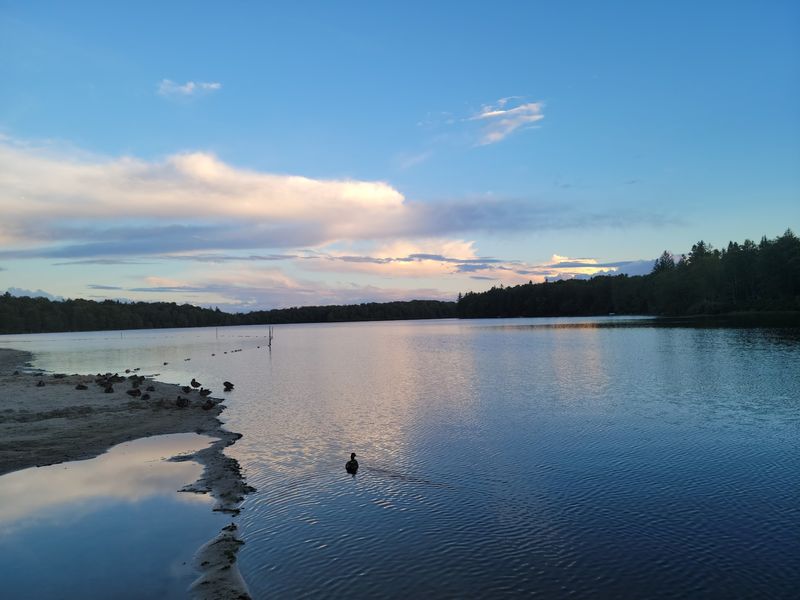
At first glance, Promised Land Main Beach sounds like the name of a carefree summer postcard.
In real life, it is a natural lake beach in Pennsylvania, and that means swimmers should bring a little caution along with the towels, snacks, and beach chairs.
Because the beach sits in a popular park area, summer use can be heavy.
More people means more splashing, more stirred-up sediment, and a greater chance that busy visitors will overlook posted notices about water quality, weather, or swimming restrictions.
Rain can create trouble here as well.
When runoff enters the lake, it may bring bacteria and other pollutants that affect test results, and those changes are not something you can always judge just by glancing at the surface.
There is also the common mistake of treating a lake like a pool.
Lake water can be cooler in one spot, deeper a few steps later, and less predictable underfoot, which matters when children run into the water before adults have checked the swimming area carefully.
On windy days, conditions can feel different in a hurry.
Small waves, floating debris, and cloudier water can make weaker swimmers uneasy, and anyone using inflatables may drift farther than expected if they are not paying close attention.
If your group includes younger kids, older relatives, or anyone sensitive to water-related illness, caution matters even more.
Swallowing lake water, swimming with fresh cuts, or staying in after an advisory has been posted is simply not worth the risk.
A smart visit to Promised Land Main Beach starts before you leave home.
Look for state park updates, check the weather, pack water shoes, and have a backup plan such as hiking or picnicking in case the swimming area is posted or conditions seem off when you arrive.
The lake can still offer a fun day, but only when common sense stays part of the plan.
Promised Land Main Beach is best enjoyed by visitors who pause first and swim second.
6. Tuscarora State Park Beach
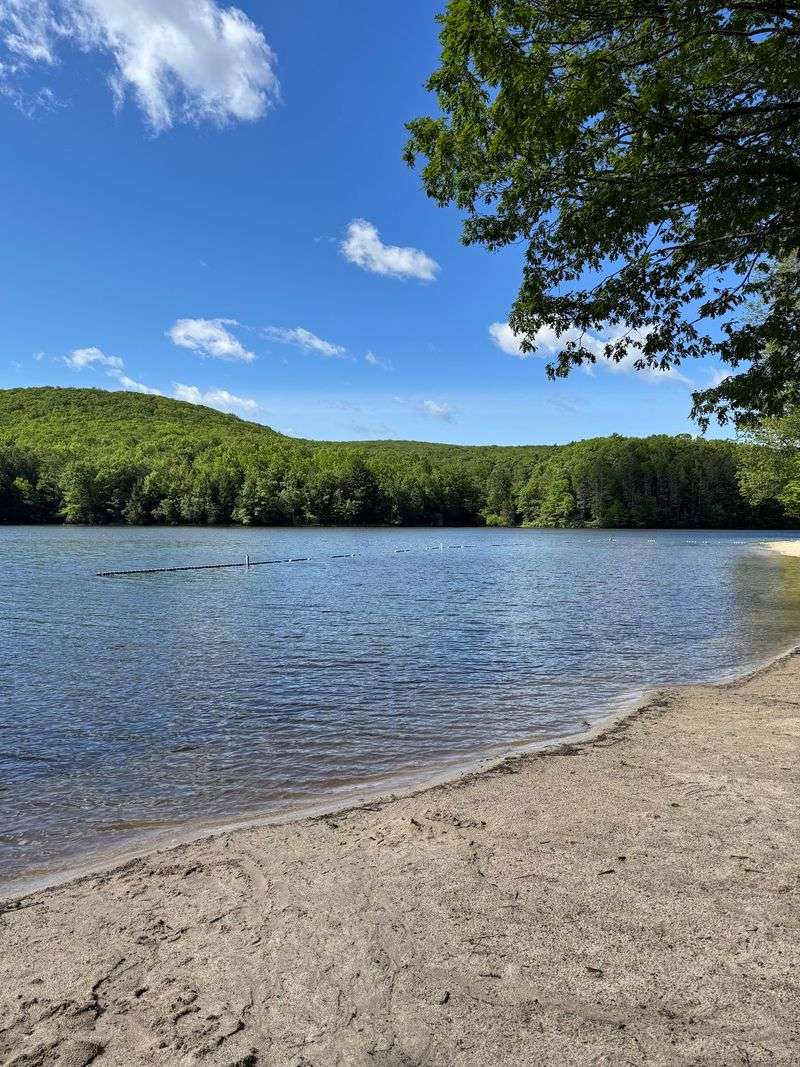
Not every beach warning comes with dramatic waves or dark clouds, and Tuscarora State Park Beach proves that point well.
Sometimes the concern is quieter, like poor water quality after rain, a slippery lake bottom, or a busy shoreline where people stop paying close attention.
This beach sits at a lake that can look welcoming even when conditions are less than ideal.
That is why checking for updates matters, especially after storms, when runoff may affect bacteria levels and lead to advisories that families should take seriously.
Footing is another reason to slow down before charging into the water.
Natural beaches can have soft mud, scattered stones, and spots where the bottom changes suddenly, which can startle younger swimmers or anyone who expects smooth ground like a pool.
The summer crowd can create its own problems too.
On popular days, noise and excitement make it easier for children to wander, for swimmers to move past safer areas, and for adults to miss signs posted near the entrance or lifeguard zone.
There is also the question of visibility in the water.
When the lake gets cloudy from wind or heavy use, it becomes harder to see what is below the surface, and that can increase the chance of stepping on debris or feeling unsure in deeper water.
One good habit is to treat the beach like a changing outdoor environment, not a guaranteed swim spot.
Bring a backup activity, pay attention to weather apps, and do not be embarrassed to cancel swimming if the lake looks off or if advisories have been posted.
Tuscarora State Park Beach can still be worth the trip for scenery and time outdoors.
Still, the best visitors are the ones who understand that caution is not overreacting, it is simply part of using Pennsylvania’s natural lake beaches in a responsible way.
7. Laurel Lake Beach
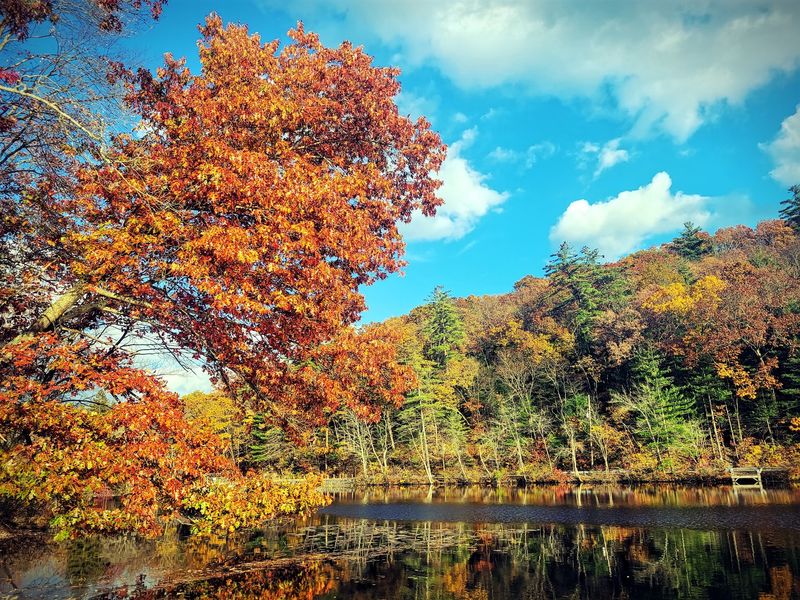
Some swimming spots win people over by feeling low key and easy, and Laurel Lake Beach has that kind of appeal.
The problem is that quiet places can make visitors less alert, even though natural lake beaches still come with changing conditions that deserve respect.
Water testing and weather matter more than many people realize.
A strong rain can wash bacteria and pollutants into the lake, and the beach may be under an advisory even while the water looks calm enough for a postcard picture.
Heat can also play a role in whether the day goes well.
Warm temperatures, lots of sun, and hours spent in a natural swimming area can leave children overtired, dehydrated, and less likely to notice when water quality or beach conditions seem questionable.
Then there is the lake bottom itself.
Sand may give way to muck, rocks, or plant growth, and that change can feel unpleasant or even risky for anyone running into the water without checking the footing first.
Another practical concern is how people react when a beach seems uncrowded.
Fewer visitors can feel relaxing, but it can also mean parents spread out more, kids roam farther, and warning signs get less attention because the place does not feel busy or serious.
A better plan is to arrive with a checklist in mind.
Read the posted information, keep an eye on young swimmers, avoid swallowing lake water, and step out if you notice bad smells, cloudy patches, heavy algae, or any sign that the water is not at its best.
Laurel Lake Beach may still be a good stop for wading, picnicking, or relaxing by the shore when conditions are favorable.
Just do not let the peaceful atmosphere decide for you, because smart beach choices often begin with a moment of caution.
8. Mauch Chunk Lake Swimming Beach
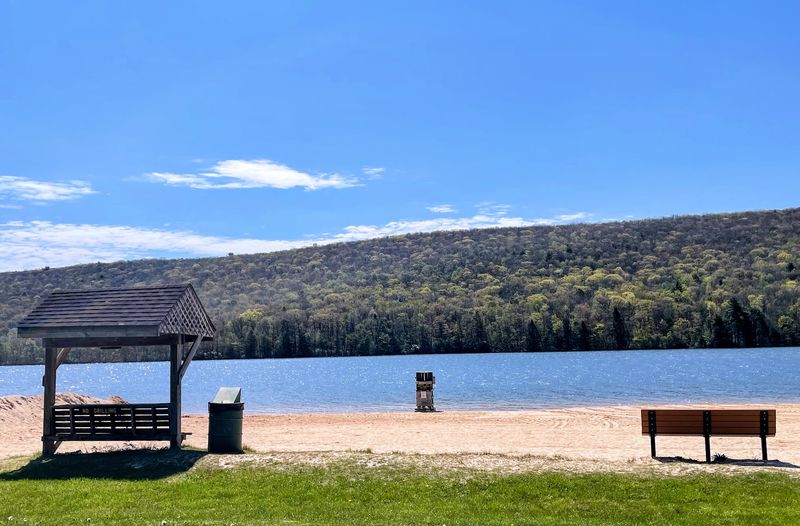
There is something old fashioned and fun about spending a day at Mauch Chunk Lake Swimming Beach, but nostalgia should not replace good judgment.
Like many popular Pennsylvania lake beaches, it can be perfectly enjoyable on some days and a place to pause on others.
One reason is water quality after changing weather.
Heavy rain can send runoff into the lake, and that may affect bacteria levels enough for warnings or temporary closures, even when the surface still looks calm and harmless from a distance.
Another concern is the way busy beaches can make people careless.
With coolers, toys, and excited kids everywhere, adults may focus on getting a spot in the sand instead of checking park notices or talking through safety rules before everyone heads in.
Lake conditions can also shift within the same afternoon.
Wind can bring debris toward shore, stir up cloudy water, and make it harder to see the bottom, while cooler deeper areas can surprise swimmers who were expecting steady temperatures.
For children, the biggest risks are often the simplest ones.
Slippery footing, swallowing lake water, drifting farther than planned, or becoming tired in a crowd can turn a happy outing into a stressful one very quickly.
Good beach habits can help a lot here.
Check local and park updates before leaving home, bring water shoes, keep weak swimmers within easy reach, and skip swimming if the beach has an advisory or if the water looks unusual in color, smell, or clarity.
Mauch Chunk Lake Swimming Beach still has plenty to offer, including views, fresh air, and room to relax.
The key is remembering that a natural beach is never a set-it-and-forget-it kind of destination, because smart visitors keep watching conditions from arrival until it is time to head home.
9. Hickory Run State Park Beach (Sand Spring Lake)
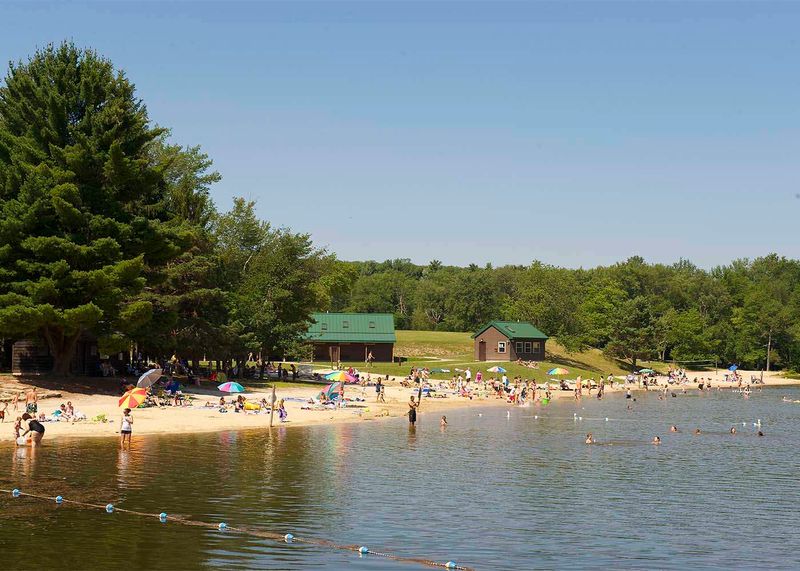
Mountain park beaches have a special charm, and Sand Spring Lake at Hickory Run State Park is no exception.
Still, charm is not the same thing as safety, and that is why swimmers should think carefully before assuming the beach is ready for carefree summer fun.
Natural lakes can react fast to weather and runoff.
After rain, bacteria concerns may rise, and park staff may post warnings that matter for everyone, especially younger children, older adults, and anyone with cuts, scrapes, or health issues that make infections more serious.
The setting can add to the challenge.
Surrounded by woods and changing skies, the lake may seem peaceful one moment and less welcoming the next, with wind, cooler water, or murky conditions making the swimming area feel very different from what you expected.
Footing is worth talking about here too.
Unlike a smooth pool floor, a lake bottom may hide rocks, soft spots, or plant matter, and that can make even shallow water tricky for kids racing forward without slowing down.
Another issue is visitor confidence.
People sometimes think a designated beach automatically means perfect conditions, but a swimming area in a state park still depends on testing, weather, staffing, and maintenance that can change from day to day.
Before swimming at Hickory Run State Park Beach, check official updates and look closely at posted signs.
If the water appears cloudy, smells odd, or has visible scum, choose another activity for the day, such as hiking, exploring, or relaxing on shore.
Sand Spring Lake can still be a memorable stop when conditions line up well.
The safer mindset is to treat the beach as a place that earns your yes after you check it out, not a place that automatically gets one because the sun is shining.
10. Fuller Lake Beach
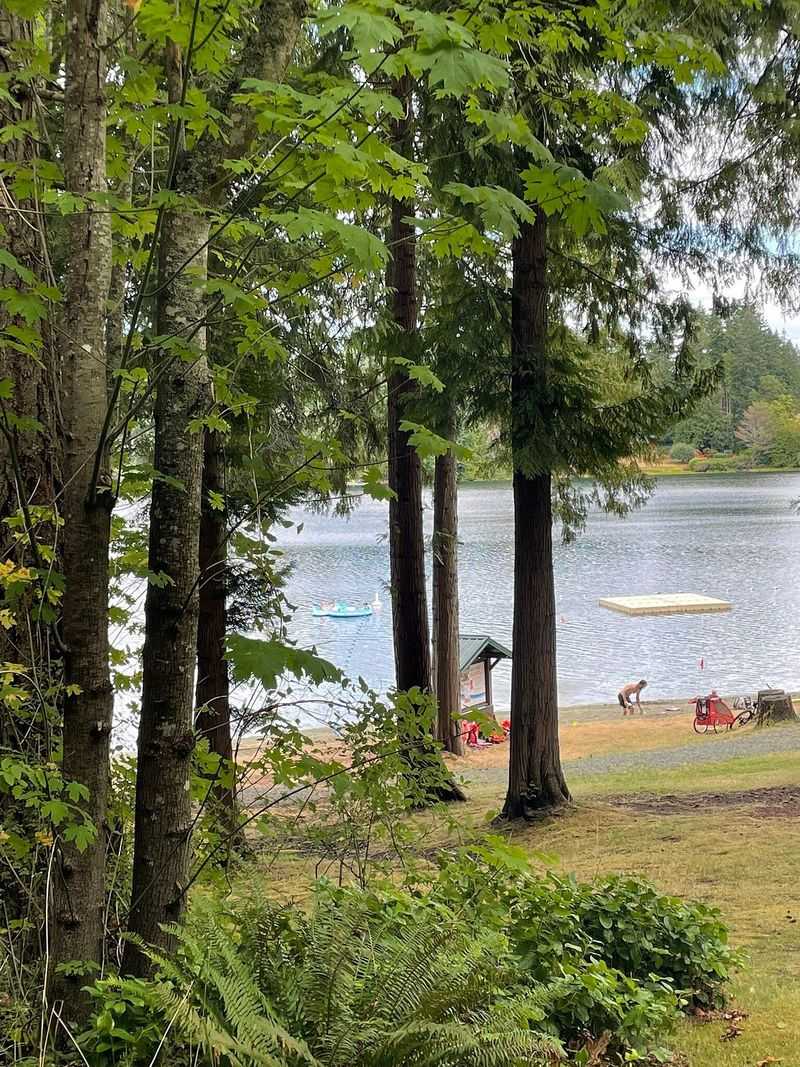
Small lake beaches can feel especially inviting, and Fuller Lake Beach has that easy, approachable look that makes families eager to jump right in.
Even so, a smaller swimming area can have its own set of problems, and visitors should not confuse convenience with guaranteed safety.
Because the lake is compact, changes in water condition may be noticed quickly, but that does not mean they are harmless.
Rainfall, runoff, warm temperatures, and heavy use can all affect water quality, sometimes enough for health advisories or restrictions.
One thing that catches people off guard is how fast a quiet day can grow busy.
As more swimmers enter, visibility near the shore can worsen, the bottom gets stirred up, and children can become harder to track when everyone is splashing in a tighter space.
The shoreline and bottom also deserve a careful look.
Natural surfaces may include stones, muddy sections, or slick patches, and that can lead to slips or stubbed toes if people rush in barefoot without checking conditions first.
Then there is the simple issue of habit.
Many families return to favorite beaches and assume the place will be the same every visit, but lake beaches are not fixed environments, and yesterday’s good conditions do not promise today’s water is fine.
A smart routine makes a real difference.
Look for Pennsylvania park notices, read signs at the entrance, bring sandals or water shoes, and avoid swimming after major storms or when the water seems cloudy, smelly, or covered with plant material.
Fuller Lake Beach can still be a pleasant part of a summer day, especially for people who stay alert and flexible.
If conditions are poor, there is no shame in skipping the swim and enjoying the park in another way while keeping your family safer.
11. Lakeview Beach (Moraine State Park)
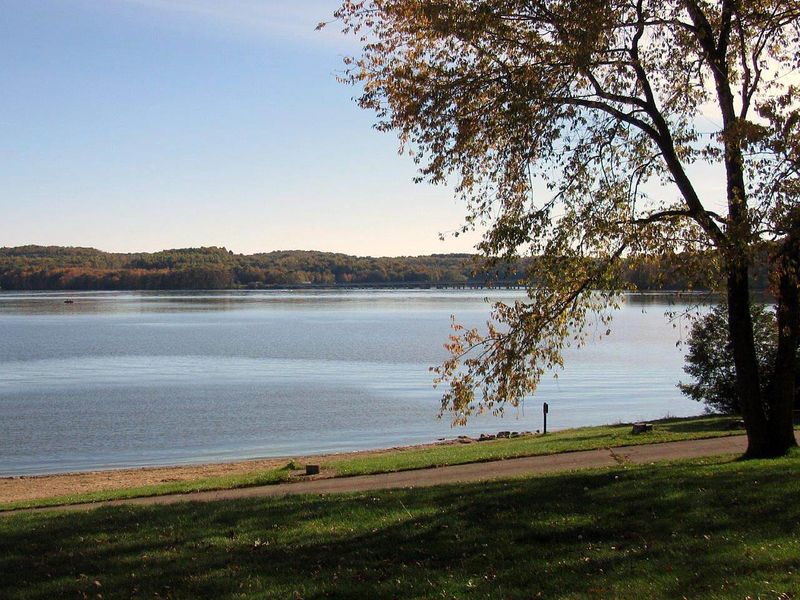
A wide lakeshore and a big-name park can make Lakeview Beach feel like a sure bet for swimming, but that confidence should come with a careful second look.
Moraine State Park is beautiful, yet natural beach conditions can change quickly enough to make a planned swim less wise than it first seems.
Since the beach sits on a large lake, weather can shape the water in a hurry.
Wind may rough up the surface, push floating debris toward shore, and reduce water clarity, all of which make swimming less comfortable and sometimes less safe.
Testing and advisories matter here just as much as scenery.
After storms, runoff can affect bacteria levels, and the safest choice is to check park updates before leaving and again when you arrive, instead of relying on old assumptions or social media posts.
Crowds bring another challenge.
On hot days, excitement rises, parking fills, and families may rush through setup, which makes it easier to miss posted warnings, overlook a child’s fatigue, or assume everyone else knows something you do not.
Natural lake bottoms can also surprise first-time visitors.
Areas of sand may shift into stones, mud, or deeper water, so water shoes and close supervision are simple ways to avoid painful steps and sudden panic near the edge of the swim zone.
If anyone in your group has sensitive skin, open cuts, or a health condition that makes infections more concerning, caution becomes even more important.
Skipping a questionable swim is a much better memory than spending the next day sick or worried.
Lakeview Beach can still be a fun stop at Moraine State Park when conditions are good and visitors stay attentive.
The smartest travelers are not the ones who fear every lake, but the ones who know a quick safety check belongs in every Pennsylvania beach plan.
Share this story