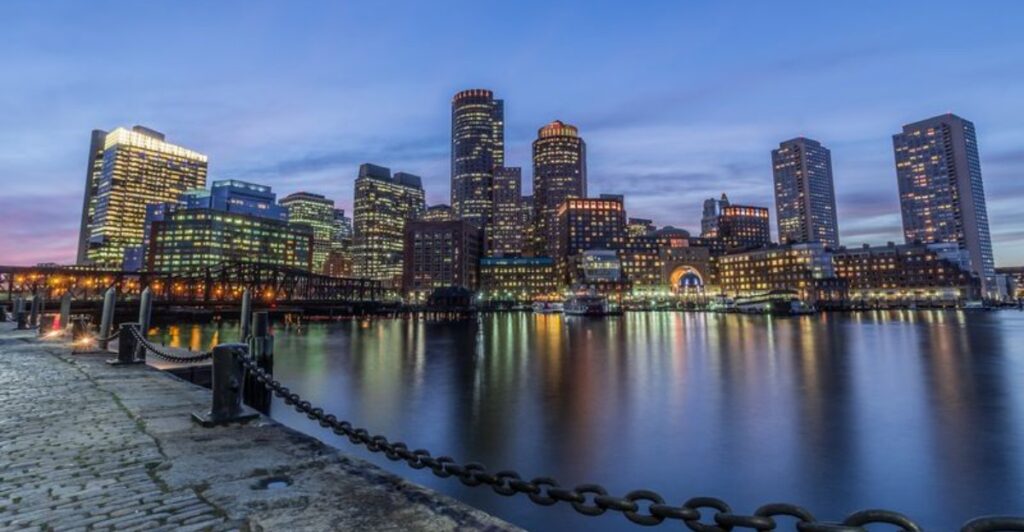
One innocent comment can turn a Massachusetts conversation into a surprisingly passionate debate. Mention the Red Sox, criticize clam chowder, mispronounce a town name, or joke about the local accent, and you may quickly discover just how much pride is packed into everyday life here.
Most of it is good-natured, but certain topics come with opinions built over generations. You do not have to agree with every hometown loyalty to understand why it matters.
If you want to keep the conversation friendly while still having a little fun, these are the remarks worth thinking twice about before they slip out.
1. “Why do people from Massachusetts have such weird accents?”
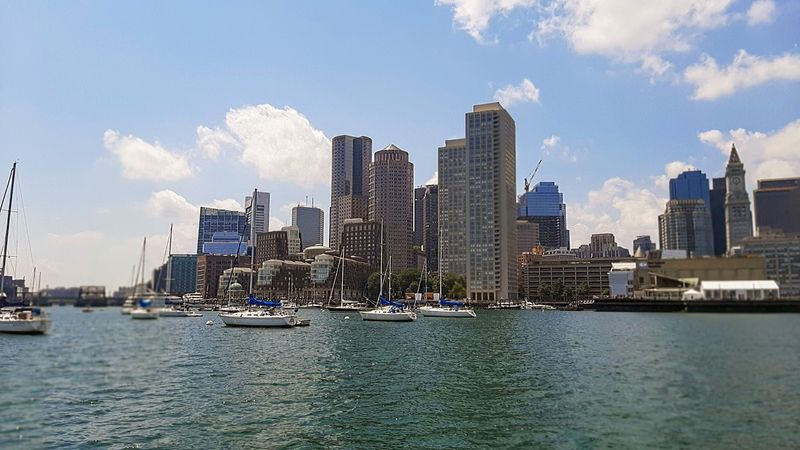
One dropped R can send an outsider straight into a bad movie impression. Before you ask someone to say a sentence for your amusement, remember that their everyday voice is not a party trick.
Calling it weird turns a possible conversation into a judgment.
Massachusetts does not have one single accent. Speech varies across regions, families, generations, and communities, and plenty of residents do not sound like the Boston characters you hear on television.
A person from Springfield may speak quite differently from someone raised in a coastal Boston neighborhood.
The familiar Boston accent often gets attention for dropping certain R sounds, but copying that feature alone rarely sounds convincing. Local speech also involves vowel sounds and rhythm.
Stretching every word into a loud impression can land badly, especially when you have only just met someone.
A better approach is to ask whether they grew up nearby or whether their family has a similar accent. That gives them room to share their background without defending how they talk.
Keep your own delivery normal rather than trying to mirror their pronunciation.
There is also a difference between friendly teasing and making someone repeat words on command. Friends may joke about accents together because they already know the boundaries.
With a stranger, skip the demand to say park the car and let an actual conversation develop instead.
If you miss a word, politely ask them to repeat it, just as you would anywhere else. You can mention that regional speech interests you without treating one version of English as the correct one.
And if someone laughs at your imitation, do not assume every Massachusetts resident will enjoy the same routine. Your safest move is simple: listen to the person, not the stereotype, and save the performance for friends who have invited it.
2. “Harvard is overrated, and I don’t understand the obsession.”
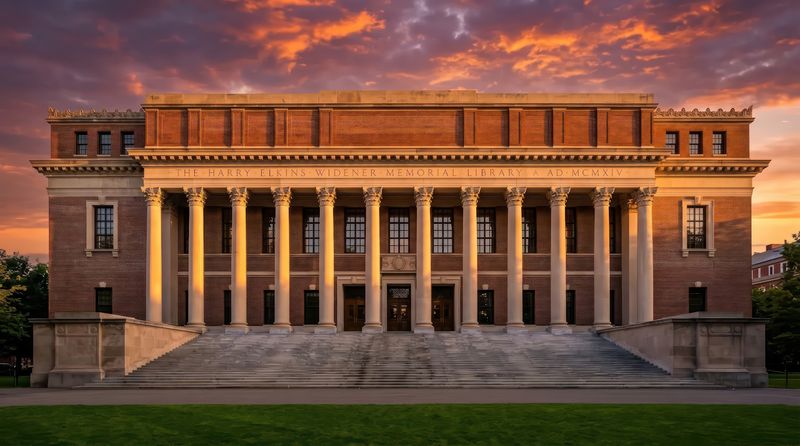
Drop that line in Cambridge, and you may get a debate rather than agreement. Harvard draws attention for its long history, academic reputation, research, and famous graduates.
Dismissing all of that with one word makes your opinion sound less thoughtful than you probably intended.
You certainly do not have to worship a university because its name is famous. Questions about cost, access, admissions, and the value of prestigious degrees are fair game.
The trick is to name the issue you mean instead of waving away the whole institution.
Massachusetts residents have many different relationships with Harvard. Some study or work there, some live nearby, and others barely think about it.
Assuming everyone shares an obsession misses the broader picture, especially in a state with many colleges and universities beyond that particular campus.
If you are visiting Harvard Square, separate the neighborhood from the university itself. Shops, transit stops, street life, and nearby residents all contribute to the area.
You can enjoy walking around Cambridge without making your afternoon into a ranking contest between schools.
Try asking how the university affects the city or whether the famous name matches someone’s experience. A student might discuss classes, while a neighbor might bring up housing or crowds.
Specific questions invite useful answers and leave room for criticism that has some substance behind it.
Also, resist confusing Harvard with every nearby school or treating Cambridge as simply another Boston neighborhood. Those details matter when you are speaking with someone who knows the area well.
If your real point is that fame does not guarantee a great fit, say that directly. You will sound curious and clear, not like you arrived ready to knock down a landmark before learning anything about it.
Save the sweeping verdict until you can explain exactly which claim you are challenging and why.
3. “Massachusetts drivers are the worst in the country.”

A confusing intersection can test your patience faster than any local accent. Boston area driving can involve narrow streets, heavy traffic, tricky merges, and roads that do not follow a neat grid.
None of that proves every driver in the state deserves a national last place trophy.
The phrase worst in the country sounds like a fact, but it needs a clear measure and reliable evidence. Are you talking about crashes, speeding, rude gestures, or your stressful rental car experience?
Those are different subjects, and one rough afternoon cannot settle them all.
Locals may complain about driving too, sometimes with language much stronger than yours. That does not automatically mean they welcome a stranger insulting everyone behind the wheel.
Shared frustration usually works better when it stays tied to a specific road, backup, or confusing traffic pattern.
Before heading into a busy area, check your route and parking plan while you are safely stopped. Give yourself extra time, watch posted signs, and avoid sudden lane changes when you miss a turn.
Another legal route is better than a risky move to save thirty seconds.
For some trips, public transit or walking may be easier than taking a car, depending on the location and service available. Outside the Boston area, your options can look very different.
Ask a local how they would handle your exact route instead of assuming one answer fits the state.
You can still be honest about a difficult drive. Saying that a certain interchange caught you off guard gives someone a chance to offer advice rather than defend their neighbors.
Keep the humor aimed at your navigation troubles, not at an entire population. And once the conversation ends, put that advice to work: leave space, stay alert, follow traffic rules, and let impatient drivers go ahead without turning their rush into your problem.
4. “There’s nothing special about New England clam chowder.”

Set a bowl of creamy chowder on the table, and strong opinions tend to follow. New England clam chowder usually combines clams, potatoes, onions, and milk or cream.
Its appeal rests in that balance, not in a long list of flashy ingredients or elaborate presentation.
A good bowl should let you notice the clams rather than bury them under salt or heavy thickening. Potatoes add substance, while the dairy softens the briny flavor.
Recipes vary, so one disappointing serving does not tell you much about every version available across Massachusetts.
Calling the dish nothing special can sound like you are dismissing a familiar local comfort food before giving it a fair shot. You are allowed to dislike creamy soups or seafood.
Saying what does not work for your taste is more useful than declaring the whole tradition pointless.
When you order, ask whether the chowder is made with cream, milk, or another base if that matters to you. Shellfish allergies and dietary needs deserve direct questions, not guesses.
Some recipes also contain pork, so check with the restaurant rather than relying on the dish’s name alone.
Oyster crackers often arrive beside the bowl, ready for a little crunch. Add a few first instead of emptying the packet before tasting anything.
You can also ask a server which chowder style the kitchen makes, especially if you have encountered tomato based versions elsewhere.
For a friendlier opening, ask where someone gets their favorite bowl and what they look for in it. That can lead to a useful restaurant suggestion or a lively discussion about thickness and clam flavor.
No forced praise is necessary. Taste it, describe your preference honestly, and remember that a simple dish can carry plenty of meaning for people who grew up eating it after beach outings, on chilly weekends, or at family tables.
5. “Worcester is pronounced Wor-ches-ter, right?”
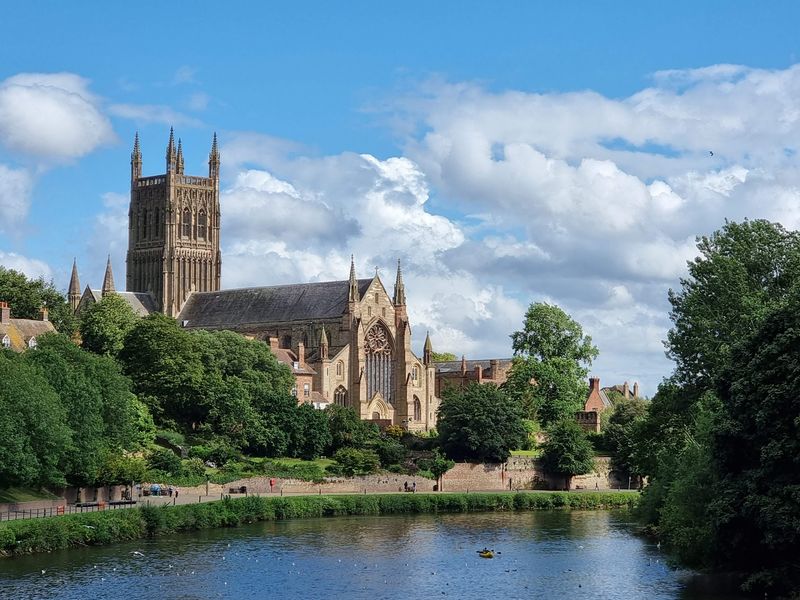
Your map may spell out three tempting chunks, but your mouth should not follow all of them. Worcester is commonly pronounced roughly WUSS ter, with two syllables.
You may hear a softer final R in some local accents, but there is no separate ches sound in the middle.
That mismatch between spelling and sound catches plenty of newcomers. English place names do not always behave the way they look, and Massachusetts has several that reward a quick pronunciation check.
Getting one wrong is ordinary; insisting your reading must be correct is where things become awkward.
The easiest recovery is brief: thank the person who corrects you, repeat the name once, and continue the conversation. You do not need a long apology or a speech about how strange the spelling is.
Locals have heard the joke before, often more times than they can count.
If you are planning a visit, listen to a reliable pronunciation recording before making calls or asking for directions. That small step can help when discussing hotels, train trips, or meeting spots.
Still, pronunciation varies slightly among speakers, so do not turn the correction into another rigid test.
Remember that Worcester is a city in its own right, not merely a tricky word on the way to somewhere else. You can ask about its restaurants, museums, neighborhoods, or events once you have the name down.
Showing interest in the place changes the conversation far more than delivering a perfect accent.
A playful slip can be harmless when you are willing to learn. Repeating the wrong version after someone helps you, however, can sound like you are making fun of their home.
Aim for clear speech rather than a stage worthy Boston impression, since Worcester and Boston are not interchangeable. Once you have mastered those two syllables, move on to planning your visit.
6. “I don’t understand why people from Massachusetts are so proud of their state.”
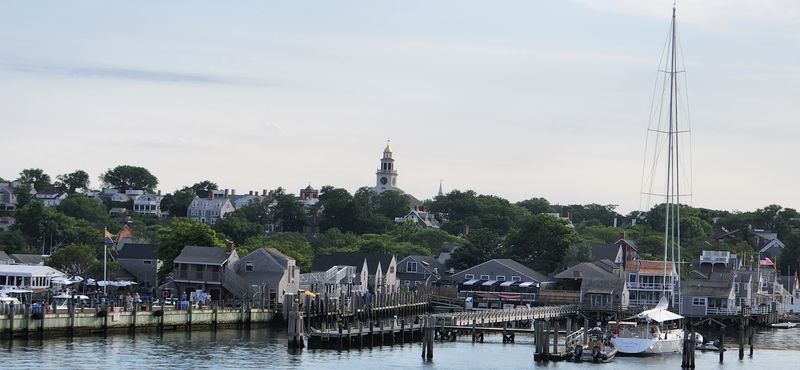
Pride does not always arrive waving a flag or listing famous names. Sometimes it sounds like a fierce recommendation for a neighborhood bakery, a favorite walking trail, or the public library down the street.
Asking why anyone cares can brush aside those everyday ties before you hear their story.
Massachusetts offers many different versions of home. A family in the Berkshires may talk about hills and small town routines, while someone near Boston might mention transit, work, or busy neighborhood blocks.
Coastal communities and inland cities add their own experiences to the mix as well.
There are broader sources of pride, including education, medical research, arts, sports, and historic places. But no resident is required to value all of them equally.
A person can love their town while openly criticizing housing costs, traffic, public services, or decisions made at the state level.
Instead of challenging the pride itself, ask which part of living there matters most to them. That question leaves space for a concrete answer rather than a defensive speech.
You might learn about a local festival, a reliable community group, or a swimming spot they have visited for years.
Avoid treating Boston as the complete explanation for everyone else’s attachment. Massachusetts includes cities, suburbs, farmland, islands, and mountain communities, each with different concerns and habits.
Mentioning a place outside the capital shows that you understand the state stretches beyond its best known skyline.
You also do not need to turn the discussion into a contest with your own home state. Comparing favorite features can be fun; declaring a winner usually adds little.
Let someone name what they appreciate, then share your own experience without keeping score. If you want useful advice, ask where they would take a friend on a free afternoon.
That answer often reveals more than any speech about state pride could.
7. “Why are there so many Dunkin’ locations in Massachusetts?”
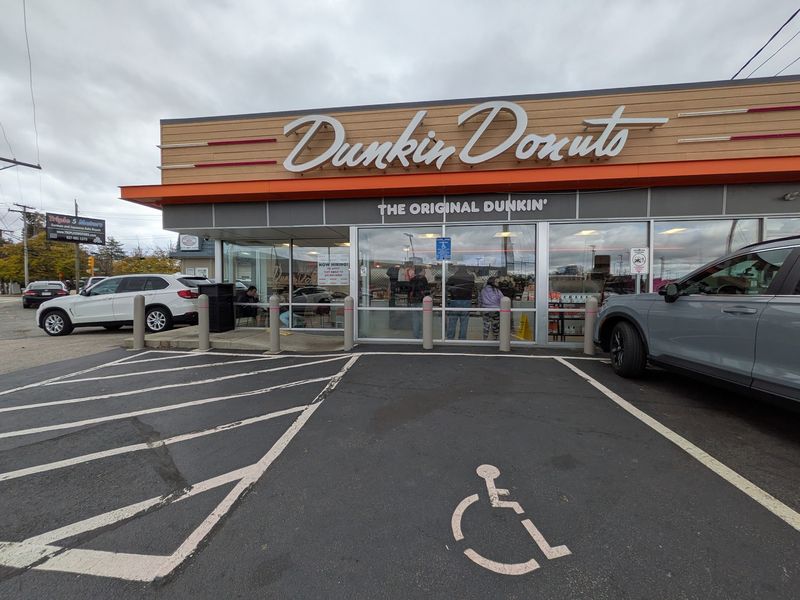
Spotting another pink and orange sign can become a road trip game pretty quickly. Dunkin has deep Massachusetts roots: the brand began in Quincy in 1950.
That history helps explain the local connection, although convenience and familiar daily habits matter too.
The question itself is perfectly fair when asked with curiosity. Trouble starts when it turns into a sneer about bad taste or an assumption that everyone in Massachusetts drinks the same coffee.
Plenty of residents prefer independent cafes, other chains, home brewing, or no coffee at all.
For many regular customers, the appeal is practical. They know their order, recognize the menu, and can fit a stop into the ride to work or school.
A coffee routine does not need to win a tasting competition to earn a steady place in someone’s morning.
Iced coffee also appears well beyond summer, which can surprise visitors standing in winter coats. Do not mistake that preference for a rule you must follow.
Order whatever suits you, and remember that weather outside does not determine how every person wants their drink served.
If you are ordering for someone else, get the details instead of assuming regular means the same thing everywhere. Ask about size, hot or iced, dairy, and sweetener.
Clear instructions prevent a small coffee favor from becoming a cup nobody wanted, especially when regional shorthand enters the conversation.
A better opener is to ask whether someone has a usual order or a favorite nearby coffee stop. That lets them talk about their routine without defending an entire chain.
You can prefer a carefully brewed espresso and still understand why another person values a quick, familiar cup before a long shift. Keep your review focused on the drink you tried, and leave room for the fact that convenience, price, location, and taste carry different weight for different customers.
8. “Boston is just a smaller version of New York City.”
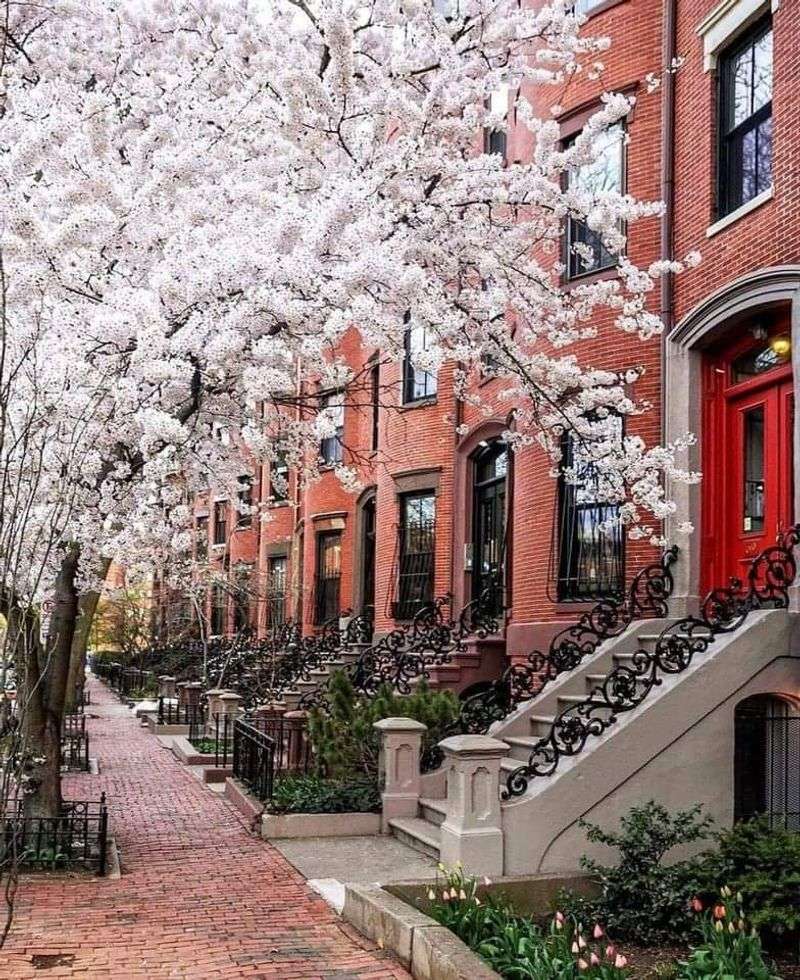
Two cities can share crowded sidewalks without sharing an identity. Boston and New York both have major cultural institutions, public transit, busy neighborhoods, and passionate sports fans.
Calling one a reduced copy of the other skips the details that make a comparison interesting in the first place.
Boston’s scale, street layout, and neighborhood patterns create a different experience. In older areas, winding streets can replace the neat grid visitors expect.
Brick row houses, small squares, waterfront spaces, and college campuses appear in combinations that do not require a New York reference to make sense.
Even a short walk can show the difference. Beacon Hill, the North End, and the Back Bay have distinct building styles and street rhythms.
You will learn more by noticing those changes than by searching for a Boston version of every place you already know elsewhere.
Be careful with city boundaries, too. Cambridge and Somerville are separate cities, even though visitors often include them in a broader Boston trip.
Local geography matters when you are asking about neighborhoods, transit, housing, or where someone actually lives.
A useful comparison names a specific feature. You might discuss train coverage, museum choices, walking distances, or how late restaurants stay open, rather than grading the cities as complete packages.
That approach also makes room for personal preference without presenting your favorite place as the universal standard.
If you are visiting, build your plans around Boston itself: choose a neighborhood, check opening hours, and leave enough time to explore on foot where practical. Ask a resident which part of the city they wish newcomers noticed more.
You may get a suggestion that has nothing to do with famous landmarks. Boston does not need to be bigger, louder, or more like New York to deserve a fair look.
Start with its own map and see where your interests lead.
9. “Massachusetts winters are miserable. Why would anyone live here?”

February slush is nobody’s best sales pitch. Massachusetts winters can bring cold, snow, ice, and short daylight hours, and residents have every right to complain about them.
But asking why anyone would live there reduces a whole life to the weather outside on one difficult day.
People choose a home for many reasons: family, work, school, friends, community ties, or simple preference. Some enjoy winter activities, while others tolerate the season because they like the rest of their lives there.
Neither group needs to prove that scraping a windshield is delightful.
Conditions also vary across the state and from year to year. Coastal areas, inland communities, and higher elevations can experience different weather during the same storm.
Check the forecast for your actual destination rather than assuming every Massachusetts town has identical snow and temperatures.
For a visit, practical preparation beats dramatic complaints. Bring layers, weather suitable footwear, gloves, and a coat that matches the forecast.
Watch for icy sidewalks, allow extra travel time, and follow local guidance when storms affect roads, transit, parking, or planned events.
If you are driving, clear snow and ice from your vehicle before leaving and make sure you understand any parking restrictions. A pretty snowfall can create real work for residents clearing steps or helping neighbors.
Complimenting the view is fine; ignoring the effort behind safe access is less thoughtful.
Try asking how someone handles winter or which indoor plans they recommend on a rough day. You might hear about museums, community events, favorite soups, or a sensible rule for staying home.
Nobody has to pretend the season is easy. Acknowledging the challenge while respecting the reasons people stay makes room for an honest conversation.
And when a local tells you to change your shoes before heading out, take the advice before discovering a puddle deeper than your sneakers can handle.
10. “I don’t understand why everyone makes such a big deal about the Red Sox.”
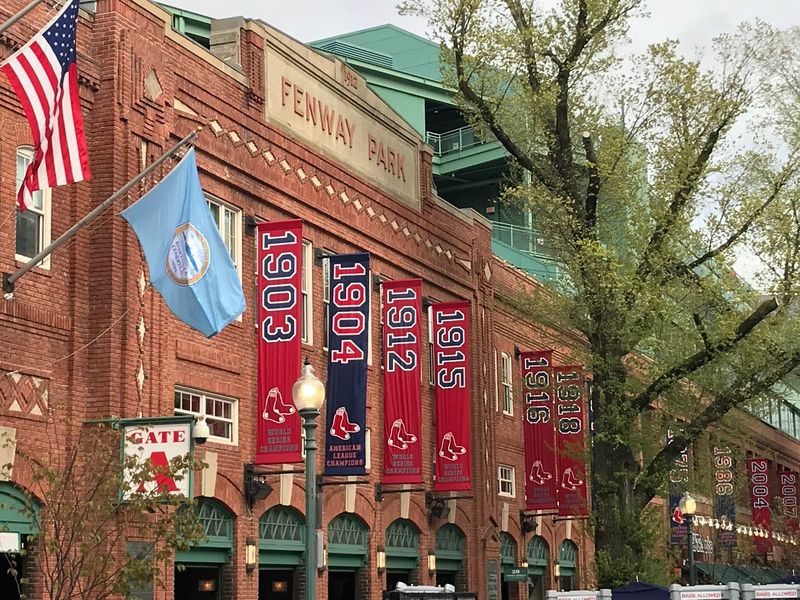
A baseball game can be background noise to one person and a family calendar event to another. For many Massachusetts fans, the Red Sox connect daily sports chatter with years of shared memories.
You do not have to follow every inning to understand why that connection matters.
The team’s history provides plenty of conversation fuel. Boston’s 2004 World Series win ended an 86 year championship drought, a milestone many fans still discuss.
Fenway Park, which opened in 1912, adds another layer of tradition through its long use and distinctive features, including the Green Monster.
Still, everyone is doing a lot of work in that sentence. Not every Massachusetts resident likes baseball, and some root for other teams.
Ask whether someone follows the Sox before launching into either a criticism or a detailed speech about how devoted they must be.
If a fan wants to explain the appeal, let them start with their own experience. It might involve listening to radio broadcasts, attending games with relatives, or keeping up with a season during a busy year.
Those reasons often explain the interest better than a list of statistics.
Going to a game can help you understand the setting, but plan ahead. Check ticket details, current entry policies, transportation options, and the forecast before you leave.
You do not need an expensive seat or expert knowledge to notice the ballpark’s layout and the crowd’s reactions.
Friendly rivalry can be fun once you know the company you are keeping. Opening with a cheap insult, however, asks strangers to defend a hobby instead of enjoy it.
Try asking which season or player they remember most, or what a newcomer should watch during a game. You can admit that baseball moves slowly for your taste while still giving someone space to enjoy a sport that means more to them than it does to you.
11. “Why does Massachusetts make such a big deal about its history?”
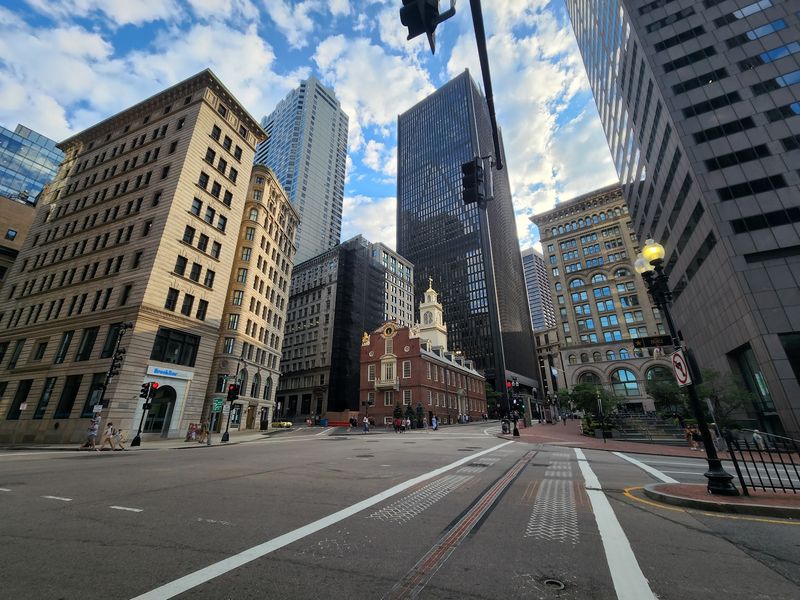
Follow a red line through downtown Boston, and history stops being an abstract school subject. The Freedom Trail links places connected with the city’s past, including sites associated with the American Revolution.
Across Massachusetts, historic buildings and landscapes sit beside the ordinary business of modern life.
That visibility helps explain why history comes up so often. People live near old meetinghouses, former mills, preserved homes, and streets whose names point toward earlier events.
Asking why anyone makes a big deal can sound as though these places have no value beyond attracting tour groups.
There is much more to explore than famous Revolutionary figures. Indigenous history, slavery, abolition, immigration, labor, industry, and struggles for equal rights all belong in the story.
A useful visit makes room for those subjects instead of treating the past as a simple parade of heroes.
You can question how history is presented without dismissing the subject itself. Ask whose experiences a site includes, what evidence supports an account, or how an exhibit has changed over time.
Those questions encourage deeper discussion and can reveal gaps in the familiar version you learned at school.
When visiting a historic property, read the signs and follow rules about access, photography, and touching objects. Some places remain active churches, workplaces, or community spaces rather than serving only as attractions.
Respecting their current use matters just as much as appreciating the events connected with them.
For a better conversation starter, ask which local site taught someone something unexpected. They might recommend a small museum or a neighborhood walk instead of the most famous stop.
You are free to prefer art, food, or nature during your trip, but history can help explain the streets and communities around you. Give it a specific question and a little time rather than assuming every old building is simply another excuse for a plaque.