Massachusetts can look like an easy place to picture a fresh start, especially if you are drawn to its history, coastline, schools, and job opportunities. The everyday reality can feel different once high housing costs, traffic, taxes, and long winters become part of the routine.
None of those tradeoffs automatically make the state a bad place to live, but they can change how far your budget stretches and how much patience daily life requires. Moving here is about more than choosing a town and signing paperwork.
Before making the leap, these Massachusetts downsides are worth considering so the next chapter does not come with surprises you never planned for.
1. Expensive Real Estate

Your house budget may need a reality check before your moving boxes do. In Boston and many nearby communities, a modest home can come with a price that surprises buyers arriving from cheaper markets.
The squeeze is not limited to buying. Rent can take a large bite out of your paycheck, especially near job centers, colleges, and convenient transit stops.
Moving farther away may lower the rent, but the savings can shrink once commuting costs enter the picture.
Space is another tradeoff. A listing within your budget might offer fewer bedrooms, no driveway, or a kitchen that has seen several decades of dinner duty.
Older homes can also need work on roofs, wiring, plumbing, and insulation, so the purchase price is only the opening number.
Before touring properties, build a monthly housing budget that includes insurance, utilities, maintenance, and any condo fees. Ask lenders or landlords which costs are included and which land on you separately.
Leave room for repairs instead of spending every available dollar just to get the keys.
Compare towns carefully rather than assuming the entire state carries Boston prices. Parts of central and western Massachusetts may offer different options, though local demand and available housing still matter.
Check actual listings in your target area, not a statewide average that hides neighborhood differences.
Renting first can give you time to learn which locations fit your routine. Visit neighborhoods during the evening, test the commute, and look beyond staged listing photos.
A cheaper home is not much of a bargain if its location adds hours of driving or its condition drains your savings.
Also ask about storage, laundry, pets, and parking before applying. Those details can change the real value of a property quickly.
Set your firm spending limit before a busy open house makes an ordinary living room seem irresistible.
2. Harsh Winters

That first snowy morning looks lovely until your car disappears under it. Massachusetts winters can turn ordinary errands into a project involving boots, gloves, a scraper, and a shovel you suddenly wish were better.
Conditions vary across the state and from year to year. Inland areas can face different snowfall and temperatures than coastal communities, but cold spells and icy surfaces deserve attention anywhere.
A mild stretch does not remove the need to prepare for the next freeze.
Daily routines take longer when you must clear a windshield, dig out a driveway, or wait for roads to improve. Walking the dog becomes less casual when sidewalks are slick.
Families may also need backup plans for school closures, delayed openings, or disrupted childcare.
Your home has winter homework, too. Heating bills can climb, drafty windows become hard to ignore, and frozen pipes can cause expensive trouble.
Before signing a lease, ask about the heating system, insulation, and past utility costs, while remembering that your own usage will affect the total.
Snow removal deserves a clear agreement rather than a hopeful shrug. Renters should confirm who handles steps, sidewalks, and parking areas; homeowners should price equipment or a plowing service.
Local rules may require property owners to clear sidewalks within a certain period, so check the town’s requirements.
A practical winter kit includes waterproof boots, warm layers, an ice scraper, and supplies for a power outage. Keep your vehicle ready for cold weather and avoid travel when officials advise staying home.
Working remotely helps only if your employer allows it and your electricity stays on.
Try visiting your future neighborhood in January, not only during a sunny summer weekend. Notice the shade, hills, parking setup, and sidewalk conditions.
Those small details often matter more to everyday winter comfort than a pretty photo of fresh snow suggests.
3. Traffic Congestion
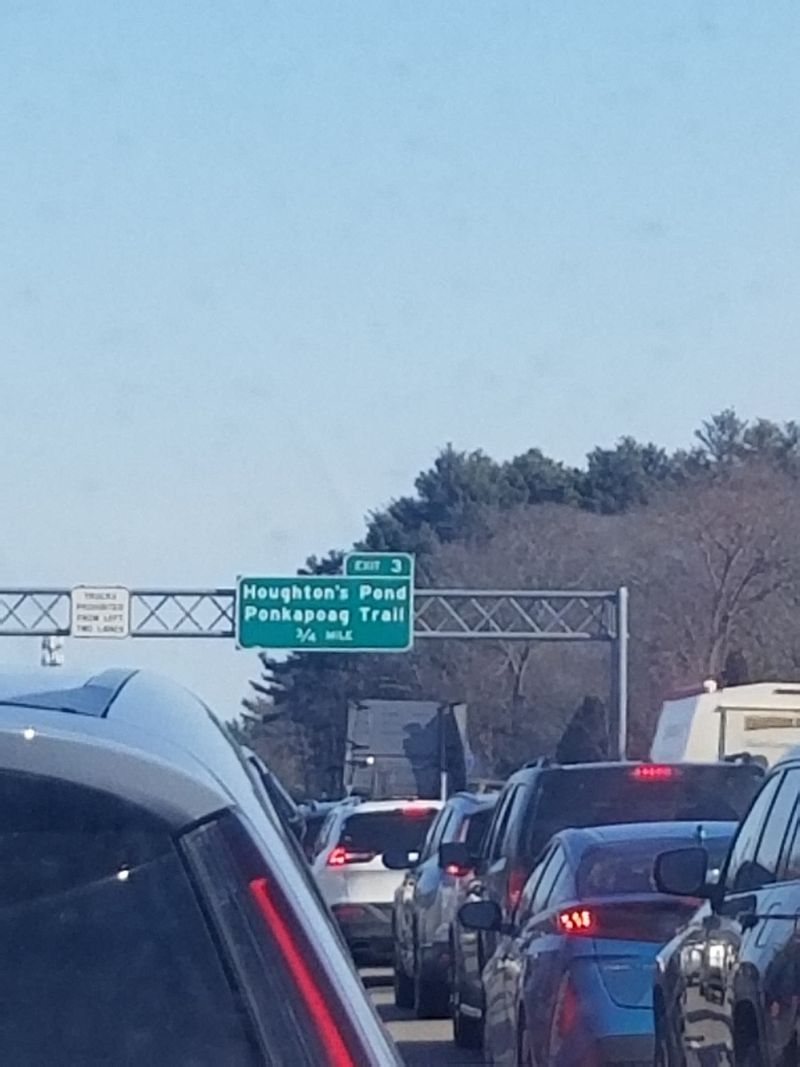
Ten miles can be a short drive or an entire podcast. Around Greater Boston, the clock often matters as much as the distance, and a simple trip can grow complicated when everyone heads the same way.
Highways, bridges, and busy local roads can slow during commuting hours. Construction, crashes, bad weather, and major events add another layer of uncertainty.
A route that works smoothly on Sunday afternoon may tell a very different story on Tuesday morning.
That matters when choosing where to live. A lower rent farther from work might look smart on paper, yet long drives can eat the savings through fuel, maintenance, and lost time.
Add daycare pickup or a fixed shift start, and small delays become much harder to absorb.
Test your likely commute before committing to a neighborhood. Check travel estimates at your actual departure times across several days, then drive the route if possible.
Look at the return trip as well, because getting home may be slower than getting to work.
Public transit can reduce driving in some areas, but it is not automatically a faster door to door option. Include the walk to the station, transfer time, service schedule, and any parking search.
A nearby rail line helps less if its timetable does not match your job.
Ask your employer about flexible hours, remote days, or working at a different office. Even a small schedule shift may improve the trip, though results depend on the route.
Keep a backup plan for important appointments rather than trusting the best travel time your phone has ever shown.
Outside the Boston area, traffic patterns still deserve local research, especially near seasonal destinations and busy town centers. Choose housing based on the places you actually need to reach.
A map measures miles nicely; it does not measure your daily patience.
4. High Cost of Living

The rent gets your attention first; the smaller bills finish the job. Groceries, heating, insurance, childcare, and everyday services can make a Massachusetts budget tighter than expected, even when your new salary sounds generous.
Costs differ by community and household, so avoid treating one family’s spending as your future bill. A person living near work without a car faces different expenses than a family juggling two vehicles and daycare.
Your routine matters as much as your address.
Start with the basics you cannot easily skip. Price housing, food, utilities, transportation, healthcare, and any regular care needs before budgeting for restaurants or weekend plans.
If you are moving for a job, compare take home pay rather than focusing only on the salary listed in the offer.
Utilities deserve extra attention in older buildings. Heating costs depend on fuel, insulation, weather, and personal habits, while cooling can add expenses during warmer months.
Ask for available usage history and check which services the landlord covers before assuming a rental is affordable.
Childcare can be another major hurdle, and finding an opening may take planning as well as money. Contact providers near both home and work early.
Ask about deposits, schedules, holiday closures, and late pickup fees, since a quoted weekly price may not explain every cost.
Build a practice budget using real local quotes. Compare grocery prices, insurance estimates, internet plans, and the services you regularly use.
Leave a cushion for annual expenses and unexpected repairs, rather than balancing everything so tightly that one surprise bill pushes you into debt.
You can trim spending by choosing a smaller home, sharing transportation, or using free community activities. Still, savings tricks cannot fix a budget that starts too far underwater.
Make sure your expected income supports ordinary life here without requiring overtime every week just to stay financially afloat comfortably.
5. Crowded Tourist Spots

A quick coffee run can turn into a crowd dodging exercise when your neighborhood becomes everyone else’s weekend plan. Living near a popular attraction means sharing your everyday space with people who are happily on vacation.
Salem during the Halloween season, Cape Cod during summer, and busy parts of Boston can draw heavy visitor traffic. The exact crowd depends on the location, date, weather, and events.
Still, residents may find familiar roads and sidewalks much busier during peak periods.
The inconvenience goes beyond a long line for lunch. Parking can become scarce, restaurants may need reservations, and simple errands can take longer.
If your home sits near a busy gathering area, evening noise and foot traffic may also affect how you use your space.
Before moving, visit the neighborhood when demand is high. A quiet weekday in February will not reveal what a coastal town looks like on a sunny summer Saturday.
Ask nearby residents about seasonal patterns, street closures, and which routes stay useful when the main roads fill.
Check whether parking rules distinguish residents from visitors. A permit may help in some places, but it does not always promise an open space outside your door.
Confirm the rules directly with the town rather than relying on a landlord’s casual assurance.
You can work around some crowds by shopping early, reserving meals ahead, and handling errands away from the busiest blocks. Living a little farther from the main attraction may offer a better balance.
That choice can matter more than being able to walk to a famous landmark.
Tourism also supports local businesses, so the tradeoff is not simply good or bad. The question is whether you want seasonal bustle woven into your routine.
Pick a neighborhood whose busiest weeks you can tolerate, not just one whose quietest afternoon looks appealing in a listing photo.
6. Limited Public Transportation Outside Major Cities
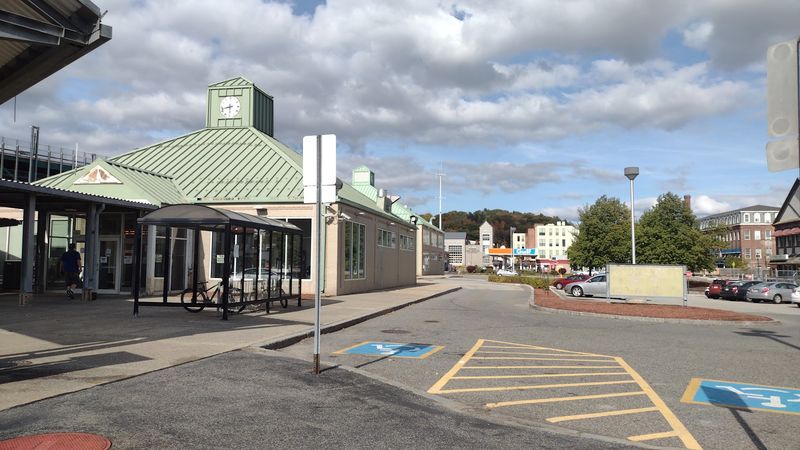
Spotting a bus stop does not mean you can leave the car behind. Outside major urban areas, public transportation may cover fewer destinations or run less often than your daily schedule requires.
Massachusetts has regional bus systems and commuter rail serving many communities, but service varies widely. Some routes work well for standard commuting hours while offering fewer choices at night or on weekends.
Others require transfers that make a short drive a much longer transit trip.
The final stretch can be the real problem. A station several miles from your home or workplace may still require driving, a ride, or a difficult walk.
Sidewalk gaps, busy roads, and winter conditions can make that connection less practical than it appears on a map.
Before renting or buying, plan complete trips to work, groceries, medical appointments, and other regular stops. Use current schedules, not just the colored lines on a transit map.
Check the last return trip so you do not discover that working late leaves you without a ride home.
Car ownership changes the housing math. Fuel, insurance, repairs, registration, and parking all belong in your budget if transit cannot handle your routine.
A household that needs a second vehicle may lose much of the savings gained by moving to a cheaper town.
Do not assume ride services will fill every gap affordably. Availability and prices can vary, especially during odd hours or in less populated areas.
If you cannot drive, contact the local transit agency about accessible service, eligibility rules, and other transportation programs before settling on a location.
Ask neighbors how they actually get around, then compare their habits with yours. Someone working from home may manage easily where a hospital employee with changing shifts cannot.
Choose a place that supports your real schedule, including evenings and weekends, rather than an ideal version of it.
7. Stormy Weather

Snow is only one chapter in the weather story. Heavy rain, strong winds, thunderstorms, and coastal storms can disrupt life in Massachusetts, with different risks depending on where your home sits.
Near the coast, powerful storms can bring flooding and rough conditions. Inland, heavy rain may overwhelm drainage or reach low lying roads and basements.
Wind can damage trees and interrupt electricity, even when the storm does not leave dramatic damage on your own street.
A property’s location matters more than a reassuring listing description. Review official flood information, ask about past water problems, and inspect the basement carefully.
Signs of moisture deserve follow up from a qualified professional, not a quick promise that the floor only gets damp occasionally.
Insurance also needs a close read. Standard homeowners policies generally do not cover flood damage, and coverage details vary by policy and cause of loss.
Ask an insurance professional which risks need separate protection and what deductibles would apply before you commit to a property.
For everyday preparation, keep flashlights, charged power banks, drinking water, and essential medications available. Know how to receive local alerts and what to do if authorities advise evacuation.
Anyone relying on powered medical equipment should arrange a backup plan well before a forecast turns serious.
Renters should ask about emergency contacts, drainage problems, and how the building handles outages. Homeowners need to pay attention to gutters, nearby trees, sump pumps, and roof condition.
Routine maintenance cannot stop a storm, but it can reduce some avoidable trouble when rough weather arrives.
Research the specific neighborhood rather than assuming every Massachusetts address carries the same risk. A hillside house, a coastal property, and a home beside a river each raise different questions.
Build preparation and insurance into your moving budget instead of treating them as optional extras for another day.
8. Property Tax Burden

The mortgage payment is not the whole price of staying put. Property taxes add an ongoing cost that can surprise buyers who focus on the sale price and forget to study the local tax bill.
In Massachusetts, the amount depends on the community, the property’s assessed value, and applicable local rules. Comparing tax rates alone can be misleading because a lower rate applied to a more valuable home may still produce a larger bill.
Start with the actual property you are considering.
Ask for recent tax records and check them with the local assessor’s office. Find out whether the current bill includes an exemption that may not apply to you.
Also ask how assessments and billing work, since ownership changes or property improvements can affect what you pay.
Do not assume the current amount will stay fixed forever. Massachusetts has limits on municipal property tax levies under Proposition 2½, but those rules do not guarantee that an individual homeowner’s bill never rises.
Local votes, valuation changes, and other factors can influence future costs.
Some communities offer residential exemptions or relief programs for eligible homeowners. Availability and qualifications vary, so confirm details rather than building your budget around a benefit you might not receive.
A local official or qualified tax professional can explain which options match your situation.
If your lender collects taxes through escrow, remember that the monthly payment can change when tax or insurance costs change. Without escrow, you will need to save for bills yourself.
Either way, include a reasonable cushion instead of treating the first year’s total as a permanent ceiling.
Renters are not entirely removed from this expense, since owners may consider operating costs when setting rent. For buyers, compare the full yearly cost of similar homes across towns.
The asking price tells one story; taxes help reveal what owning that address will demand over time.
9. Limited Parking
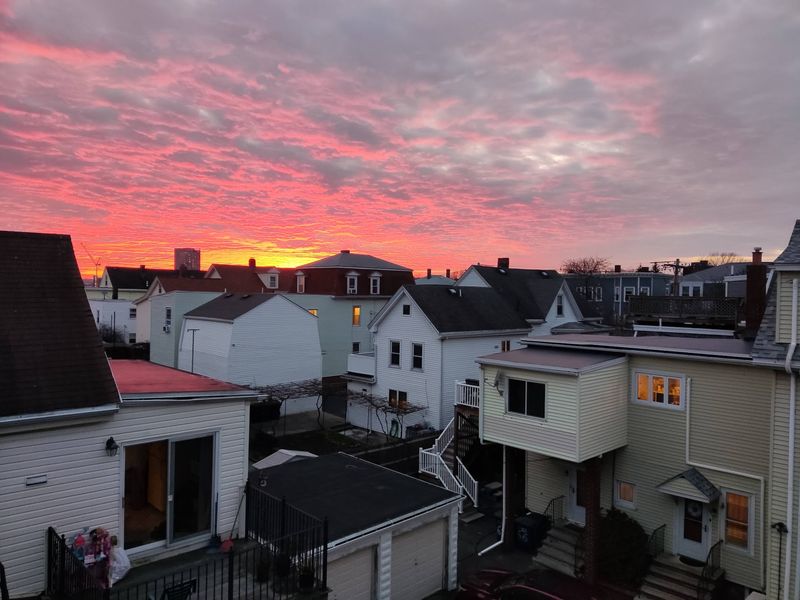
Finding an apartment is one search; finding somewhere to leave your car can be another. In dense neighborhoods, a parking space may be a daily puzzle rather than a standard part of the lease.
Boston and nearby cities have areas where street parking is limited and demand is high. Older homes may lack driveways, while apartment buildings may charge separately for spaces.
A listing that mentions available parking should prompt questions about location, price, access, and whether the spot is truly reserved.
Street rules can change from block to block. Resident permits, visitor restrictions, cleaning schedules, meters, and time limits all need attention.
Read posted signs carefully and check local requirements before assuming that an empty curb is a legal place to leave your vehicle overnight.
Winter adds another wrinkle. Snow emergencies may restrict parking on certain roads or require cars to move, depending on the community.
Snowbanks can also reduce usable space, so a neighborhood that seems manageable in September might become much harder to navigate after a substantial storm.
Before signing a lease, visit during the evening when residents are home. Try finding a legal spot, then walk from it to the building with your usual bags in mind.
Ask how deliveries, guests, and moving trucks are handled, since those needs do not disappear once you unpack.
A paid garage or off street space may solve the problem, but it belongs in your monthly budget. Check whether you can access the car at all hours and whether snow removal is included.
Shared or tandem spaces can require coordination that becomes awkward when household schedules differ.
Living without a car may work in a well connected neighborhood, but test that choice against your actual errands and work hours. Otherwise, prioritize housing with dependable parking.
Saving a little on rent can lose its appeal when every late return ends with another slow lap around the block.
10. Political Differences

A change of address can bring a change in the conversations around you. Massachusetts is often associated with Democratic politics, but local views vary, and the political culture may not match what you are used to.
Your experience will depend on the town, workplace, social circle, and issues that matter most to you. An urban neighborhood and a small rural community may approach public debates differently.
Avoid assuming that every resident shares the same beliefs simply because statewide election results lean one way.
Differences can become noticeable in discussions about schools, housing, taxes, public safety, and state policy. For some newcomers, that creates useful debate; for others, it makes casual conversations uncomfortable.
The downside is not disagreement itself, but feeling unable to navigate it without constant friction.
Research policies that directly affect your life before moving. Review official information on taxes, schools, professional licensing, and other relevant rules instead of relying on social media arguments.
If a particular issue is a firm priority, understand the current law and any local variation before choosing a community.
Spend time in the places where everyday interaction happens. Visit a library event, watch a public meeting, or talk with potential neighbors about local concerns.
You will learn more from those exchanges than from assuming that a campaign sign explains an entire person’s character.
Once you arrive, a little curiosity can keep disagreements from taking over every conversation. Ask respectful questions, set boundaries when needed, and seek groups connected to your interests.
You do not need identical opinions to find reliable neighbors, useful professional contacts, or a comfortable social routine.
Still, political fit is a reasonable part of a moving decision, especially when public policies affect your household closely. Compare communities with care rather than treating Massachusetts as a single viewpoint.
Choose based on concrete needs and lived interactions, not a broad label attached to the state.
11. Fast-Paced Lifestyle

By breakfast, the train is full, your calendar is crowded, and someone behind you is ready to order. In busy parts of Massachusetts, especially around Boston, everyday life can move at a speed that takes adjustment.
Work schedules, commuting, school activities, and errands can stack together quickly. Direct conversation and hurried service may also catch newcomers off guard.
A brief exchange is not necessarily unfriendly, but it can seem abrupt if you are used to a more relaxed daily rhythm.
The pressure often comes from practical limits rather than personality alone. High housing costs may encourage longer work hours, while traffic cuts into free time.
When several household members have different schedules, an ordinary week can start to resemble a small transportation company with no spare drivers.
Before moving, picture a normal Tuesday instead of a vacation Saturday. Estimate when you would leave home, return from work, shop, exercise, and handle family needs.
If the schedule already looks exhausting on paper, a different neighborhood or job arrangement may help more than better time management.
Protecting downtime takes deliberate choices. Living closer to work, keeping some evenings free, and combining errands can reduce the scramble.
Ask potential employers about typical hours and after hours expectations rather than assuming a flexible job description guarantees a flexible day.
Remember that the whole state does not share one pace. Smaller towns and less dense areas may offer a quieter routine, though longer drives or limited services can create their own demands.
Visit on weekdays and talk with residents whose work and family situations resemble yours.
You do not have to copy everyone else’s schedule to settle in successfully. Choose activities carefully and leave room for delays, rest, and ordinary chores.
The best location is one where your week works without constant rushing, even when the weather or commute refuses to cooperate.
Share this story