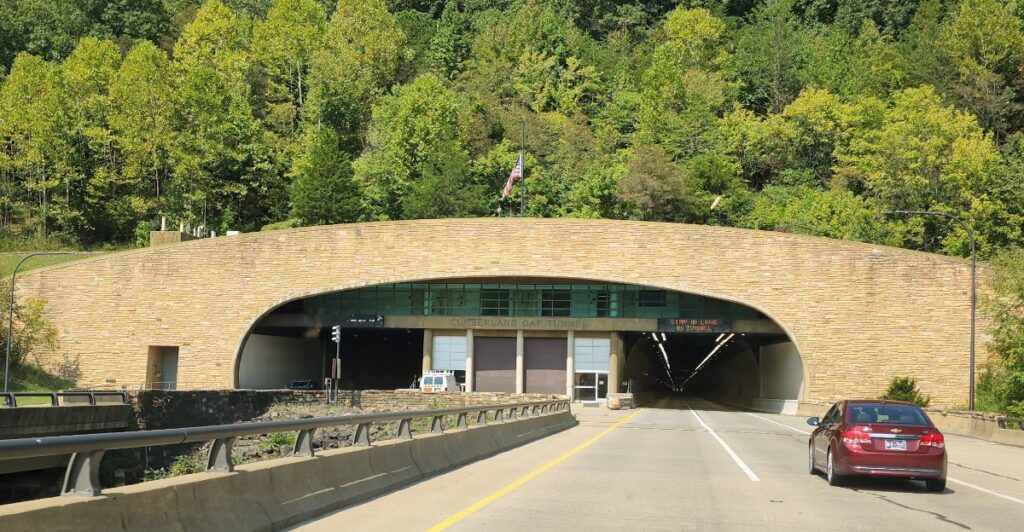
Before the Cumberland Gap Tunnel opened in October 1996, drivers traveling between Tennessee and Kentucky followed a narrow, twisting stretch of U.S. Highway 25E across the mountain. The hazardous 2.3-mile route earned the ominous nickname “Massacre Mountain” because of its history of serious and fatal accidents. The nearly mile-long, twin-bore tunnel redirected traffic beneath Cumberland Mountain, creating a safer and more efficient passage through this rugged corner of Appalachia.
Its completion also allowed the old highway to be removed from the historic Cumberland Gap, where crews restored the landscape to resemble the natural passage encountered by early pioneers. Thirty years later, the tunnel remains both an impressive engineering achievement and an essential regional connection. Thousands of motorists use it each day, often without realizing that their smooth drive replaced one of the area’s most treacherous mountain roads.
The Mountain Road Once Carried The Grim Nickname “Massacre Mountain”
Nicknames usually stick for a reason. Around Cumberland Gap, folks called the old highway over the mountain “Massacre Mountain,” and nobody meant it as a joke. The name was a warning passed from neighbor to neighbor, trucker to trucker.
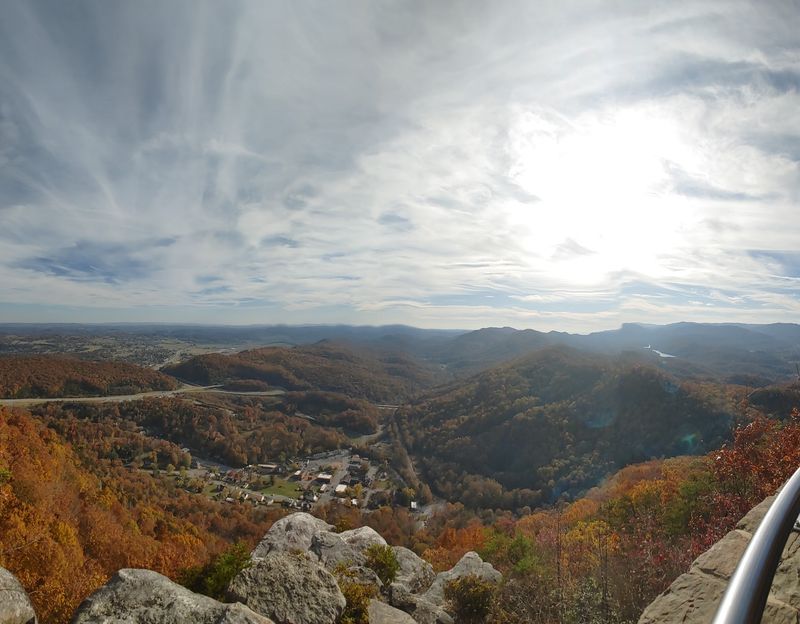
Back then, U.S. Highway 25E climbed right up and over the ridge where Tennessee, Kentucky, and Virginia meet. The road hugged the mountainside with tight turns and steep grades. One small mistake could turn into a serious crash in seconds.
Local families knew the stretch well. Many had stories about a close call, a wreck they drove past, or a relative who always gripped the steering wheel a little tighter on that climb. Those memories gave the nickname its weight.
Think about what made it so scary. Fog could roll in thick and fast. Rain made the pavement slick, and winter brought ice that turned sharp bends into slides. Add big trucks hauling heavy loads, and you had a recipe for trouble.
Here is a fun twist on history. The same gap that frightened modern drivers was once a lifeline for pioneers. Daniel Boone and thousands of settlers walked through this natural pass heading west, long before anyone dreamed of pavement or headlights.
So the mountain carried two very different reputations. To history lovers, it was a doorway to the frontier. To everyday drivers in the 1900s, it was a stretch of road you respected, or else.
If you visit the area today, ask a longtime local about the old route. You might hear a story or two that brings the nickname to life. Older residents often remember exactly where the worst curves sat.
Understanding that grim label helps explain why the tunnel matters so much. It was not built just to save a few minutes. It was built because people were tired of losing friends and family on a road that felt dangerous every single day.
That shared worry eventually pushed leaders, engineers, and communities toward a bold fix. And that fix would go straight through the rock.
Sharp Curves And Heavy Traffic Made Old Highway 25E Dangerous
Imagine riding behind a coal truck crawling uphill at walking speed. Cars stack up behind you. Somebody gets impatient and pulls out to pass on a blind curve. That was a normal afternoon on old Highway 25E.
The road was a major route for travelers moving between the Midwest and the Southeast. That meant tourists, local commuters, and plenty of heavy trucks all squeezed onto a narrow mountain path. It was never designed for that much traffic.
Curves came one after another. Some were so tight that long trucks had to swing wide just to make the turn. Drivers coming the other way had very little room for error.
Steep grades added another headache. Going up, big rigs slowed way down. Going down, brakes could overheat, and that is a terrifying problem when the road keeps twisting below you.
Weather made it worse. Ridge-top fog could cut visibility to almost nothing. Rain and ice turned the pavement into a skating rink, especially on shady bends where the sun rarely reached.
Here is a practical lesson that still applies on any mountain road. Use a lower gear when heading downhill instead of riding your brakes. Truckers on 25E learned that trick the hard way, and it works for family cars too.
Passing was a big part of the danger. With so few straight stretches, frustrated drivers sometimes took chances they should not have. Head-on crashes were a real fear.
Locals adapted as best they could. Some timed trips to avoid peak traffic. Others simply took longer routes to skip the mountain entirely, even if it added miles.
All of this created a strong case for change. A busy national route should not depend on a road that felt like a carnival ride with no seatbelt check. People wanted something straighter, flatter, and far more predictable.
The question was never really whether a better route was needed. Everyone agreed on that part. The real puzzle was how to build one through some of the toughest terrain in Appalachia.
Plans For A Safer Route Took Decades To Become Reality
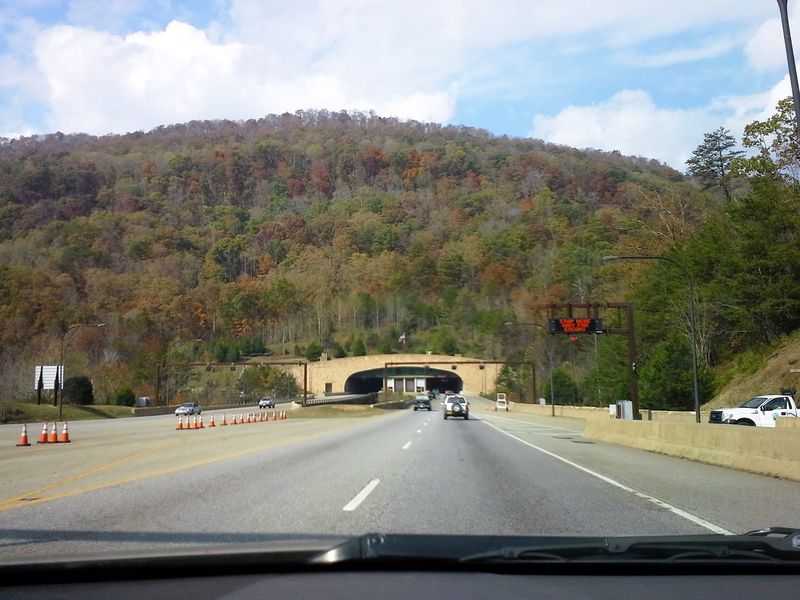
Good ideas can take a painfully long time. The dream of a safer path near Cumberland Gap floated around for years before shovels ever hit the ground. Patience was a big part of this story.
Why so slow? Building anything here meant working around a national treasure. Cumberland Gap National Historical Park surrounds the area, and protecting its history and scenery mattered to a lot of people.
Planners had to weigh several options. A wider road over the mountain might still be steep and twisty. A tunnel, though, could slip right under the ridge and leave the historic gap alone.
That choice brought its own challenges. Tunnels are expensive and complex. Leaders needed funding, studies, and agreements between states and federal agencies before anything could move forward.
Imagine trying to get Tennessee, Kentucky, and the federal government all on the same page. Add park officials, engineers, and local communities, and you can see why meetings stretched on and on.
Environmental reviews took time too. Planners had to think about streams, wildlife, caves, and the historic landscape. Rushing a project like this could have caused damage that lasted forever.
Here is a takeaway worth remembering. Big public projects often look slow from the outside, but much of the work happens on paper first. Careful planning can prevent huge problems later.
Meanwhile, drivers kept using the old road. Every year of waiting meant more trips over that risky ridge. Local frustration was real, and many people wondered if the tunnel would ever happen.
Eventually, the pieces lined up. Funding came together, designs were approved, and construction finally got the green light. Years of talk were about to turn into real digging.
Looking back, the long wait makes the finished tunnel feel even more meaningful. It was not a quick fix slapped together overnight. It was a carefully planned solution shaped by many voices, many studies, and a shared goal of keeping people safe.
Engineers Faced Water, Caves, And Unpredictable Mountain Rock
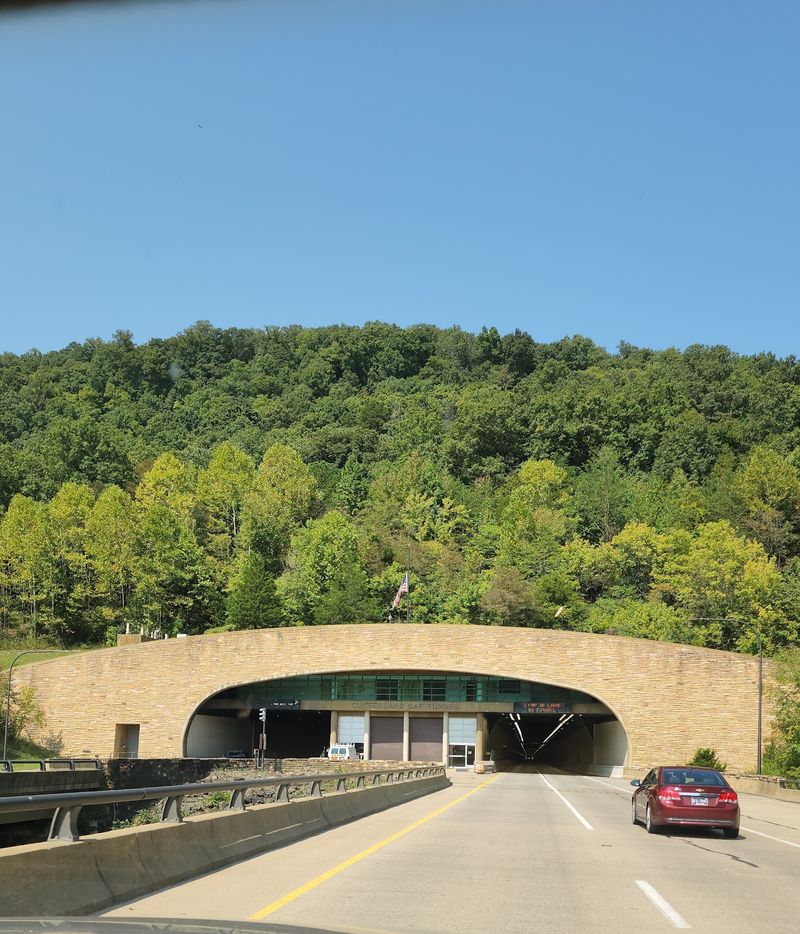
Mountains keep secrets, and Cumberland Mountain had plenty. Once crews started digging, they quickly learned this ridge was not one solid block of stone. It was full of surprises.
Water was a constant visitor. Underground streams and seeping groundwater flowed through cracks in the rock. Engineers had to find ways to manage all that water so it would not flood the work area or weaken the tunnel later.
Then came the caves. This part of Appalachia sits on limestone, a rock that water slowly dissolves over thousands of years. That process leaves hollow spaces, and digging crews had to deal with them carefully.
Picture boring through rock and suddenly hitting an open pocket. You cannot just keep going like nothing happened. Each surprise meant stopping, studying, and figuring out the safest way forward.
The rock itself changed from spot to spot. Some sections were strong and steady. Others were broken, soft, or layered in ways that made them tricky to support.
Here is a cool science bit. Limestone caves form when slightly acidic rainwater soaks into the ground and eats away at the stone. That slow chemistry is the same reason caves are common across much of East Tennessee.
Engineers relied on careful testing and steady monitoring. They added supports, drainage systems, and linings to keep the tunnel stable. Safety for workers mattered every single day underground.
Working inside a mountain is noisy, damp, and demanding. Crews dealt with dust, darkness, and big machines in tight spaces. It took serious skill and grit to keep pushing forward.
For anyone curious about engineering careers, this project is a great example of real-world problem solving. Plans on paper are a starting point, but nature always gets a vote. Flexible thinking was just as important as heavy equipment.
By the time the digging wrapped up, the crews had wrestled with almost every challenge a mountain could throw at them. Their hard work set the stage for a tunnel built to last.
The Twin-Bore Cumberland Gap Tunnel Opened In 1996
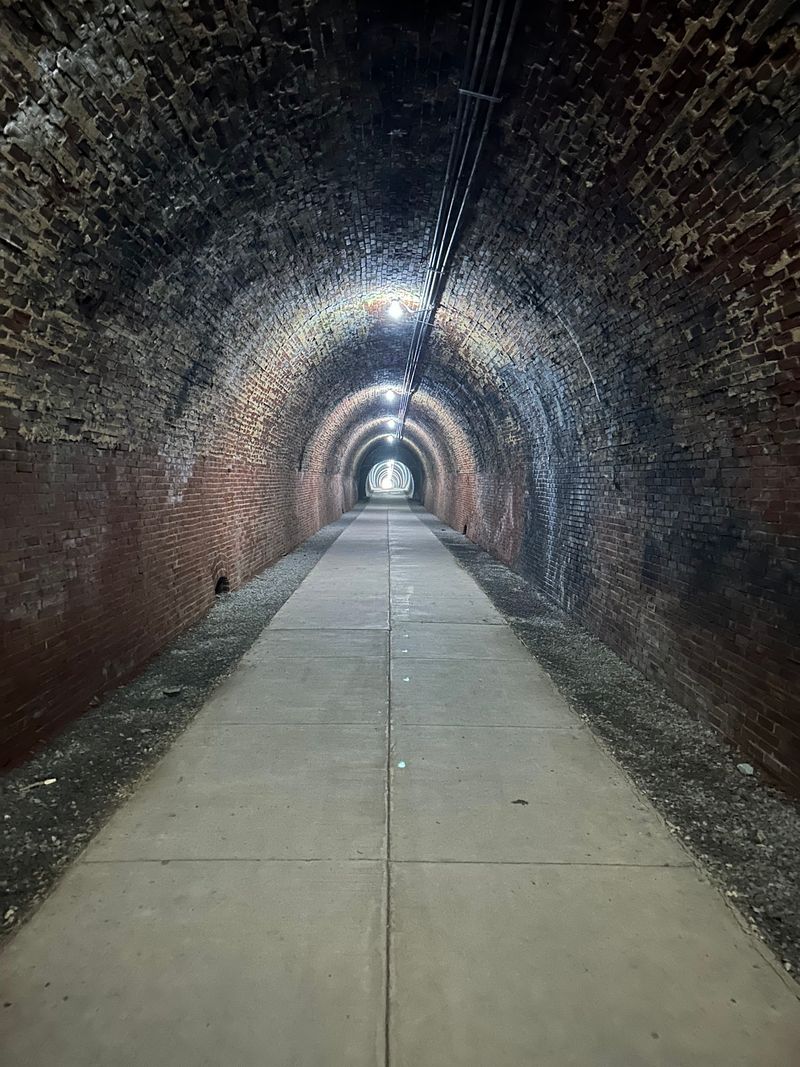
Mark 1996 on your Tennessee history timeline. That was the year the Cumberland Gap Tunnel opened to traffic, and drivers finally said goodbye to the old mountain climb. A celebration was well earned.
The design used two separate tubes, called bores. One carries traffic heading north, and the other carries traffic heading south. No more facing oncoming cars on a blind curve.
Each bore runs a little under a mile through the mountain. In a car, you pass through in roughly a minute. Compare that to the slow, nervous crawl over the ridge, and the difference feels almost magical.
One of the neatest details? Drive through and you start in one state and pop out in another. The tunnel links Tennessee and Kentucky right under the famous gap.
Safety features were built in from the start. The tunnel has lighting, ventilation, and cross passages connecting the two bores for emergencies. A control center keeps watch so staff can respond fast if something goes wrong.
There are also rules worth knowing before you go. Certain hazardous materials are restricted, and drivers should follow posted speed limits and lane rules. Staying in your lane and keeping a steady pace makes the trip smooth for everyone.
Here is a friendly tip for first-timers. Turn on your headlights before entering, and take off your sunglasses so your eyes adjust quickly to the lighting inside. Small habits like that make a big difference.
Locals noticed the change right away. Trips became faster and calmer. Truckers no longer had to fight steep grades, and families could travel without dreading the mountain.
Opening day marked the end of a long journey that started with worry and years of planning. It also marked the start of a new chapter for the whole region.
Nearly three decades later, many younger drivers have never known anything else. To them, sliding through the mountain is just normal. To older locals, it still feels like a small miracle every time.
Drivers Gained A Safer Connection Between Tennessee And Kentucky

Ask a trucker who drove both routes, and you will likely get a big grin. Swapping the old climb for the tunnel changed daily life for thousands of people traveling between Tennessee and Kentucky.
Safety came first. With traffic split into separate bores and no hairpin curves, the risk of head-on crashes dropped dramatically. Drivers could focus on the road instead of bracing for the next bend.
Time savings followed close behind. A trip that once meant slow climbing and careful braking became a quick, level ride. For commuters, that added up to hours saved over a year.
Businesses felt the change too. Trucks hauling goods could move more reliably. Towns on both sides of the mountain became easier to reach, which helped shoppers, workers, and visitors.
Think about emergencies. Ambulances and first responders could travel faster and more safely. In a medical crisis, those saved minutes matter a lot.
Families gained something harder to measure: peace of mind. Parents no longer worried as much when teenagers drove to Middlesboro or headed north. Grandparents could visit without dreading the mountain road.
Here is a road trip idea. Pair a drive through the tunnel with a stop in the small town of Cumberland Gap, Tennessee. Its historic streets and nearby trails make it a relaxing place to stretch your legs.
Remember that tunnel driving has its own etiquette. Avoid changing lanes inside, keep a safe distance from the car ahead, and stay alert for any posted messages. Calm, steady driving keeps the flow moving.
Weather is less of a worry, too. Fog and ice that once haunted the ridge have far less effect inside the mountain. That reliability matters most in winter, when the old route could become downright scary.
The tunnel did more than fix one stretch of highway. It stitched two states closer together, made trade and travel easier, and gave everyday drivers a calmer journey. That is a pretty impressive result for a hole in a hill.
Removing The Old Highway Helped Restore The Historic Cumberland Gap
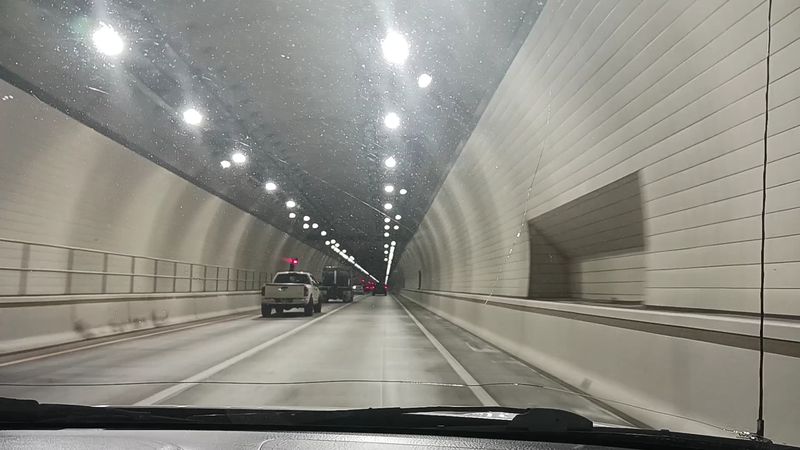
Here is a plot twist most highway projects never get. After the tunnel opened, the old road over the gap did not just sit there. Crews worked to remove it and bring back the look of the historic pass.
The goal was bold. Park leaders wanted the gap to resemble the path pioneers once walked, rather than a strip of asphalt. That meant tearing out pavement and reshaping the land.
Restoration took patience. Workers replanted native trees and plants and recontoured slopes that had been cut for the highway. Over time, nature began filling in the scars.
The Wilderness Road, the famous trail used by Daniel Boone and countless settlers, became the star again. Visitors can now walk a route that feels much closer to what early travelers experienced.
Imagine standing in the saddle of the gap and hearing birds instead of engines. That quiet is a gift the tunnel made possible. Traffic still flows, just deep underground.
History buffs love this part. Estimates suggest hundreds of thousands of settlers passed through the gap heading west in the late 1700s and early 1800s. Walking the restored trail connects you to their footsteps.
Planning a visit? Start at the Cumberland Gap National Historical Park visitor center for maps and trail info. Wear sturdy shoes, bring water, and check conditions before heading out.
Families with kids can make it a mini adventure. Talk about what pioneers carried, how long their journeys took, and what they might have seen. Learning feels different when you are standing in the very spot.
The Pinnacle Overlook nearby offers sweeping views of three states. It is a great place to see how the land fits together and appreciate the gap from above.
Few projects get to fix a safety problem and heal a historic landscape at the same time. This one managed both. That double win is a big reason the tunnel earns so much respect across the region.
Thirty Years Later, The Tunnel Remains A Remarkable Engineering Achievement
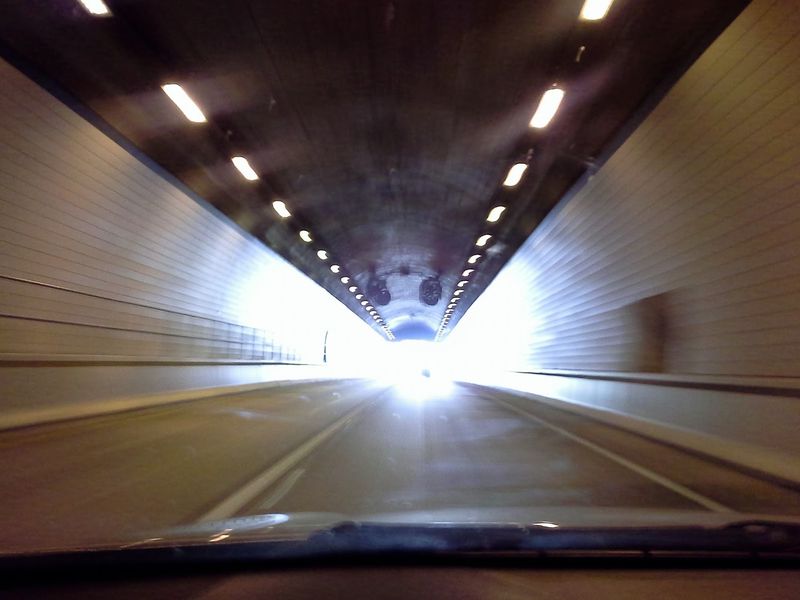
Three decades is a long time for any piece of infrastructure. Yet the Cumberland Gap Tunnel keeps doing its job day after day, quietly moving cars and trucks beneath a mountain full of history.
That staying power is no accident. Careful design, regular maintenance, and round-the-clock monitoring keep the tunnel running smoothly. Staff check lighting, ventilation, drainage, and safety systems so travelers rarely have to think about them.
Engineers often point to this project as a smart example of balance. It solved a deadly traffic problem, protected a national park, and handled tough geology all at once. That is a rare combination.
Think about how many trips have passed through since 1996. Millions of drivers, from commuters to vacationers, have made the crossing safely. Each one is a small success story.
Maintenance work sometimes brings temporary closures or lane changes. Before a trip, check local travel updates so you are not caught off guard. A quick look online can save you some waiting.
The tunnel also inspires curiosity. Students learning about science and engineering can study how crews handled water, caves, and shifting rock. It is a real-world lesson sitting right in East Tennessee.
Here is a fun way to celebrate the anniversary. Drive through, then visit the park and hike part of the restored Wilderness Road. You get the modern marvel and the pioneer path in one afternoon.
Locals still swap stories about the old days. Ask around in Cumberland Gap or Middlesboro, and someone will likely tell you how different things felt before the tunnel. Those memories keep the history personal.
Looking ahead, the tunnel will need continued care to serve future generations. Like any big structure, upgrades and repairs will keep it safe and reliable for decades more.
For now, it stands as proof that patience and smart planning pay off. What was once Massacre Mountain is now a calm, quick passage. Not bad for a project born from worry and built through solid rock.
Share this story