Twenty-two pounds of ground beef can arrive at your door packed in dry ice, frozen rock solid. That’s how one family farm ships its 100% grass-fed beef.
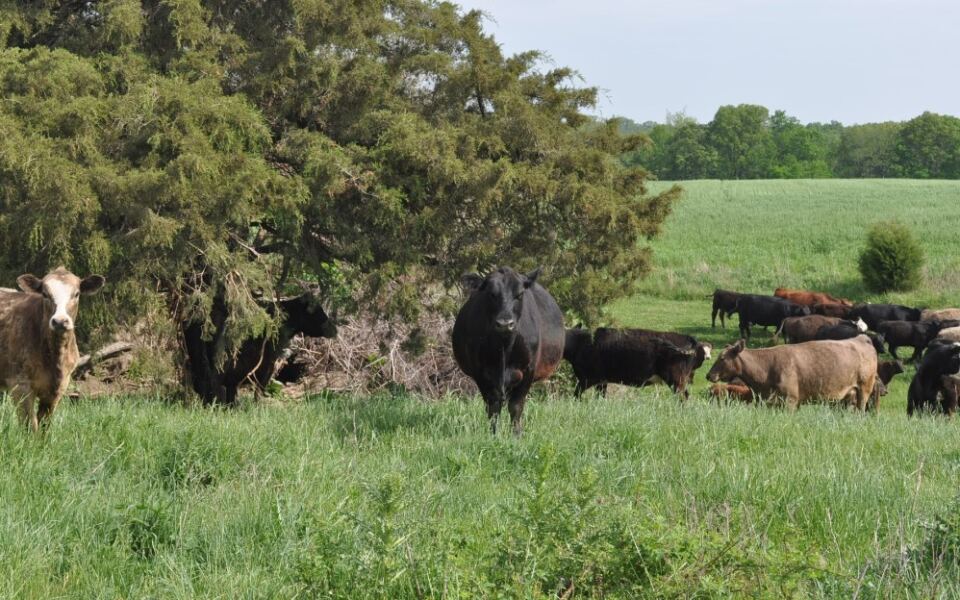
The cattle here eat grass, not grain. The family raises them, sells direct, and lets buyers grab a quarter or half beef share for the freezer.
I like how personal the whole setup feels. You can leave notes about how you want your order handled, and a real person reads them. In Illinois, that kind of farm-to-freezer connection is getting easier to find, but this one stands out.
I can’t imagine a better way to stop wandering the grocery meat aisle. Once the freezer holds steaks, roasts, and ground beef from one trusted farm, dinner planning gets a lot simpler. I’d want to know how it all works.
Grass From Start to Finish Is the Whole Point Here
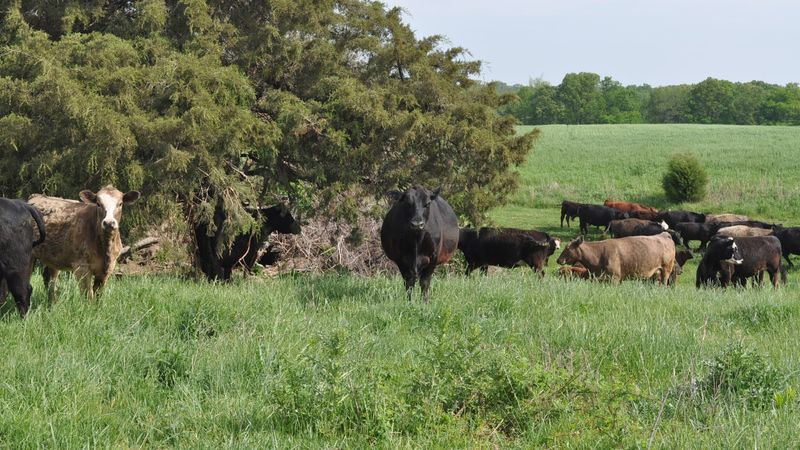
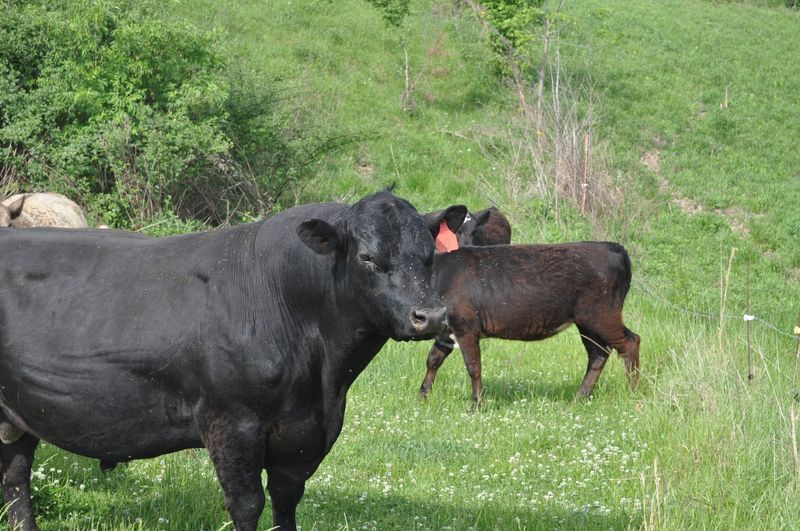
Plenty of beef gets labeled grass-fed for part of its life. At Dierks Farms Grass Fed Beef, the promise is 100% grass-fed, which means the cattle skip the grain diet entirely.
That detail matters to a lot of shoppers. Some buyers go hunting specifically for fully grass-fed beef and come up empty at their local stores.
The farm is family-owned and operated in southern Illinois. Pam Dierks has been a familiar name to customers, answering emails and handling orders directly.
You’re not buying from a faceless brand. You’re buying from a family that raises the animals and sells the beef straight to you.
Grass-fed beef often tastes a little different than grain-finished beef. Many people describe it as richer and more beefy, though your own taste buds get the final vote.
Cooking tip worth remembering: grass-fed beef tends to be leaner. Steaks usually do best with careful attention to temperature, since overcooking can leave lean cuts dry.
A meat thermometer is worth keeping nearby. It takes the guesswork out of cooking and helps you reach a safe internal temperature without leaving dinner on the heat longer than necessary.
Start with a burger if you’re new to it. Ground beef is easy to cook and a simple way to judge the flavor before committing to a bigger share.
I also like that the farm’s approach is easy to understand. There’s no complicated explanation needed when the central promise is grass from beginning to end.
For shoppers who care about how their beef is raised, that clarity makes a difference.
Your Freezer Is About to Get Very Organized
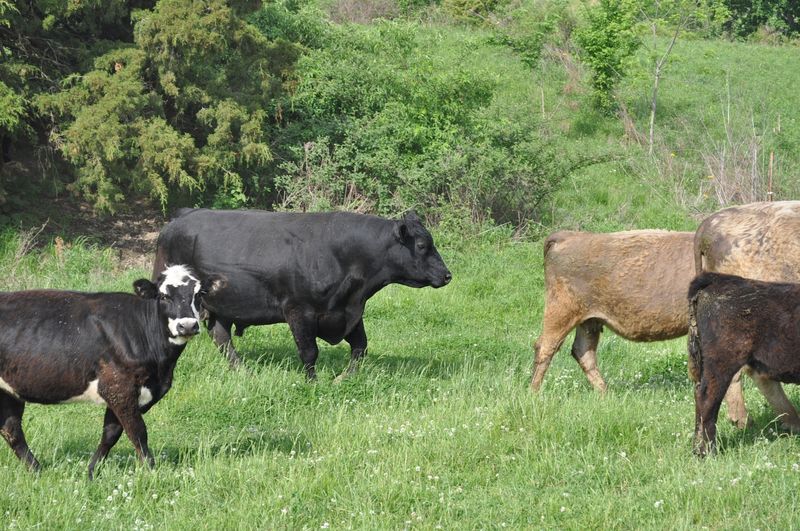
Buying beef by the share sounds intimidating at first. Really, it just means you’re claiming a portion of one animal instead of picking packages one at a time.
Dierks Farms offers quarter and half beef shares. A quarter suits smaller households, while a half makes sense for bigger families or serious meal planners.
Either way, you end up with a mix of cuts. Expect steaks, roasts, and plenty of ground beef from a single trusted source.
Here’s the practical part nobody mentions enough. Measure your freezer space before you order, because a half share takes up real room.
A dedicated chest freezer helps a lot. It keeps everything in one place and makes it easy to see what’s left.
Before committing, ask the farm about the estimated packaged weight. The amount of beef you take home isn’t the same as the animal’s hanging weight, and that distinction matters when you’re planning storage.
Some customers start small with ground beef, then move up to a quarter once they trust the flavor. That’s a smart path if you’re unsure.
Buying in bulk also cuts down on last-minute grocery runs. When dinner time hits, you just pull a package and get cooking.
Labeling your packages by cut and date makes the whole system even easier. Put older packages toward the front so nothing gets forgotten behind a mountain of roasts.
Think of it as stocking a pantry, only colder and much meatier.
Got Opinions About Fat Content? Speak Up
Requests are welcome, and that’s a nice surprise. When you order, the farm has been known to ask if you have special notes for your beef.
One buyer mentioned preferring ground beef on the fattier side. That request got passed along to the processor, which shows how hands-on the process can be.
Big meat counters rarely give you that kind of say. Here, a short note can help shape what lands in your freezer, depending on the processing options available.
So think ahead before you order a share. Do you want thicker steaks, more roasts, or extra ground beef for tacos and burgers?
Write it down and ask. The worst answer is a simple no, and the best answer is beef cut the way your family actually eats.
This personal touch fits the family-run feel of the whole operation. Orders aren’t just numbers moving through a giant system.
It helps to understand that a quarter or half share still comes from an actual animal. You can’t turn every cut into ribeye steaks, no matter how much your family loves them.
Some choices may also depend on the processor’s schedule and available cutting instructions. That’s why discussing preferences before the beef is processed makes more sense than waiting until pickup day.
New to custom cuts? Ask questions too. There’s no need to pretend you know the difference between every roast and steak.
A little communication up front saves guesswork later, and you have a better chance of getting beef that matches your kitchen habits.
Dry Ice and a Sturdy Box Do the Heavy Lifting
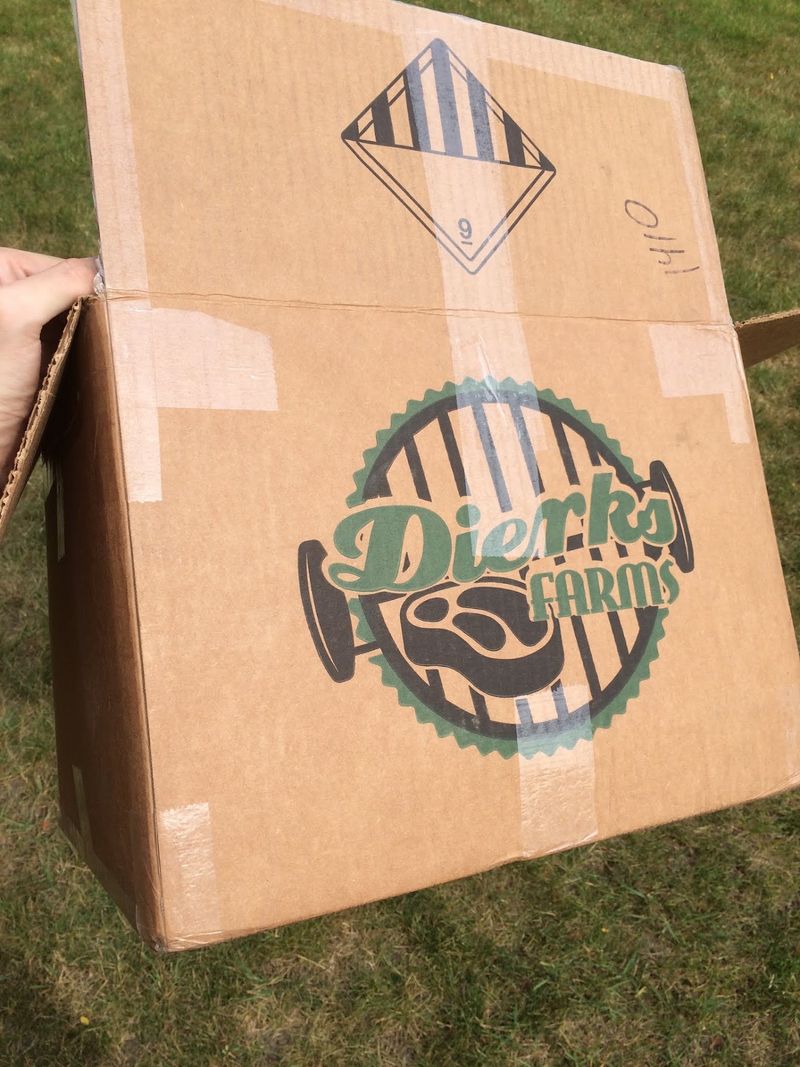
Shipping frozen beef across states sounds risky. Dierks Farms has handled orders with sturdy boxes lined with styrofoam and packed with dry ice.
That setup has kept orders frozen solid in transit. One customer received 22 pounds of ground beef that arrived rock hard after more than a day on the road.
Orders have shipped by FedEx. Delivery time depends on how far you live from Illinois and the shipping option chosen.
Plan for that. Longer-distance shipments can take additional time, so watch for your box and get the beef into the freezer promptly.
A quick reminder about dry ice: handle it with insulated gloves. It’s extremely cold and shouldn’t touch bare skin.
Keep the package somewhere well ventilated while unpacking, too. Dry ice releases carbon dioxide as it warms, so it shouldn’t be stored in an airtight container.
The farm has also mentioned adding extra dry ice to longer-distance packages. That’s a thoughtful touch for beef traveling a long way.
The farm accepts online orders and offers delivery, though availability depends on your location and the type of order. Check directly with the farm about shipping options before purchasing.
Ground beef has come packed in handy one-pound portions. That makes thawing just enough for one meal really easy.
Before ordering, make sure someone can receive the delivery. Frozen meat isn’t the kind of package you want sitting unnoticed on the porch all afternoon.
A little planning helps the whole process go smoothly.
A Subscription That Keeps Burger Night Covered
Burgers, tacos, chili, meatballs. Ground beef pulls a lot of weight in most kitchens, and Dierks Farms has offered subscription options for customers who want to stock up regularly.
A subscription can take one more task off your list. Instead of remembering to reorder every time, a recurring arrangement helps keep ground beef on hand when the program is available.
It’s a good fit for busy households. Ground beef cooks quickly and works in nearly any weeknight recipe.
One family mentioned getting compliments on burgers and tacos made with this beef. That’s high praise when picky eaters sit at the table.
Want a simple win? Season a pound with salt, pepper, and garlic, then shape patties. Grass-fed beef shines with basic seasoning.
Leaner beef can dry out if overcooked, so use a thermometer rather than guessing. Ground beef should reach 160°F for food safety, even when the burgers look done on the outside.
A pound also stretches beyond burgers. Brown it with onions for spaghetti sauce, tuck it into stuffed peppers, or turn it into a skillet dinner with potatoes and vegetables.
If you’re considering a subscription, ask about the delivery schedule, minimum quantities, and whether you can pause an order. Those details make a difference when freezer space is limited.
You can also start with a smaller ground beef purchase before committing to a quarter share.
Sometimes the easiest dinner plan begins with having one dependable ingredient ready to go.
Southern Illinois Countryside Is Where It All Happens
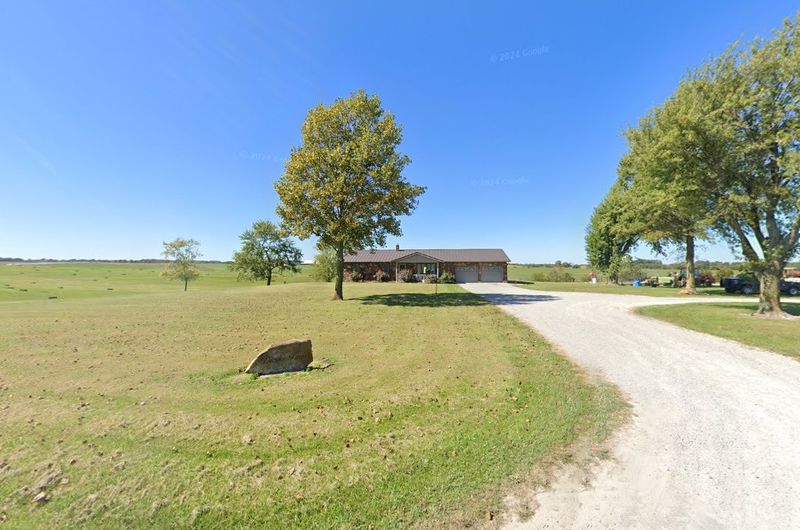
Ava is a small town in the rolling countryside of southern Illinois. The farm sits at 273 W Point Rd, Ava, IL 62907.
The area mixes farmland, woods, and hills. It’s a fitting home for cattle that spend their lives eating grass.
For locals, being close to the source is a real perk. One customer was thrilled to learn the farm sat only about 20 minutes away.
Rural shoppers often struggle to find fully grass-fed beef at local stores. A nearby farm fills that gap nicely.
Delivery has been offered as well. That helps folks who can’t easily make the drive.
The farm operates as a meat products business rather than a walk-in tourist stop. Reach out ahead to arrange pickup, delivery, or shipping.
That distinction matters when you’re planning a trip. You don’t want to pull into a working farm expecting a regular retail counter, especially when orders may need to be arranged beforehand.
Visiting southern Illinois anyway? The region is known for scenic drives and Shawnee National Forest. Stocking a cooler on the way home could be a tasty bonus if pickup is available.
Ava sits in Jackson County, where small communities and rural roads give the region a different pace from the state’s larger cities.
It’s worth confirming the pickup location and timing before setting out. Depending on the arrangement, collecting an order may work differently from stopping at a traditional butcher shop.
Knowing exactly where your beef comes from feels good. Here, it’s a real place with a real family behind it.
Share this story