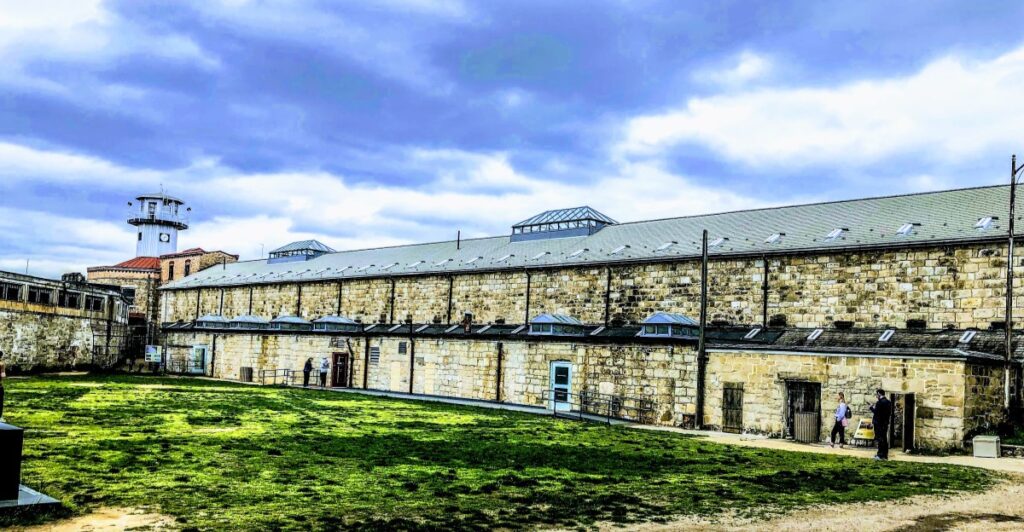
Eastern State Penitentiary in Philadelphia is not just an old prison. It is a massive stone landmark filled with narrow halls, silent cells, crumbling walls, and stories that still feel remarkably close. Opened in 1829, the prison introduced a revolutionary approach to incarceration and influenced prison design around the world. Today, its weathered corridors and preserved cellblocks give visitors a glimpse into a very different chapter of American history.
Walking through the complex, you can see where prisoners once lived, work your way through the distinctive radial layout, and discover exhibits that explore the lives of the people who passed through its gates. The atmosphere can feel quiet, haunting, and strangely beautiful all at once, making it a memorable destination for anyone interested in history, architecture, or unusual places. Today, visitors come not only for the history but also for the eerie feeling that follows them through every cellblock.
1. A Fortress Hiding In Plain Sight
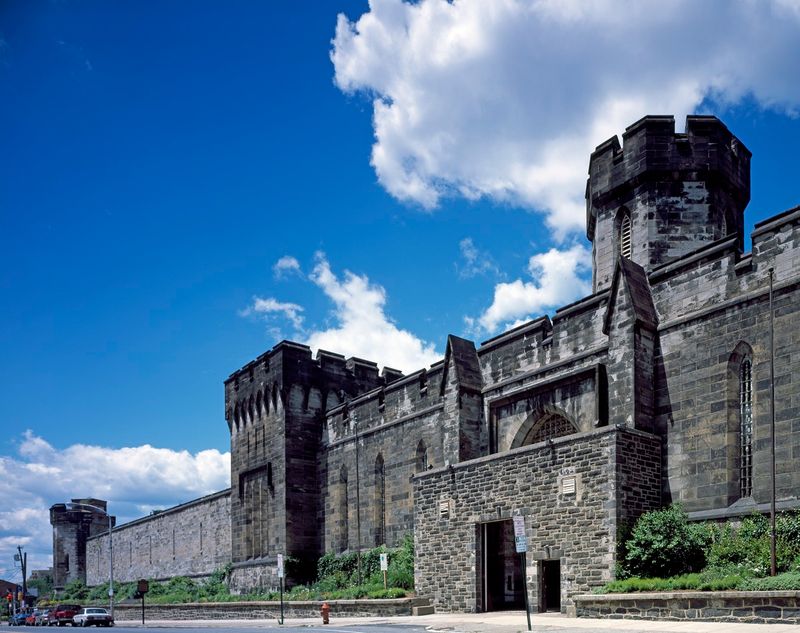
From the sidewalk on Fairmount Avenue, the building looks more like a gloomy castle than a museum.
Its high stone walls, towers, and heavy gate make you stop before you even buy a ticket.
Eastern State Penitentiary opened in 1829 and quickly became one of the most famous prisons in the world.
It was built to feel serious, silent, and powerful.
That design still works today, even though the prison closed in 1971.
When you visit, take a minute outside before entering.
Notice how the walls block your view of the inside, which was part of the point.
The building was meant to separate people from daily life.
That first look sets the mood for the whole tour and helps you understand why the place still gives visitors chills.
2. Cellblocks That Stretch Like Spokes
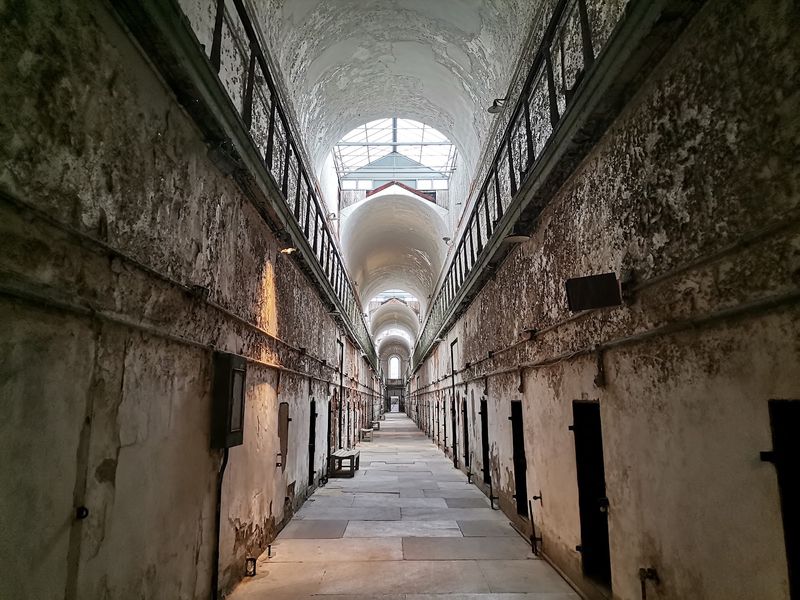
Stand in the center of the prison and the hallways seem to shoot out like the spokes of a giant wheel.
That layout was not an accident.
Guards could watch many cellblocks from one central point.
The prison used what became known as the Pennsylvania System.
Each person was kept mostly alone, with the hope that silence would lead to regret and reform.
Today, that idea feels harsh and unsettling.
As you walk the long corridors, look at the doors, small windows, and thick walls.
They show how carefully the prison controlled movement, sound, and light.
Comfortable shoes are a smart choice because the site is large and uneven.
The audio tour helps make sense of the layout, so keep your headset ready as you move from block to block.
3. Silent Cells With Heavy Stories
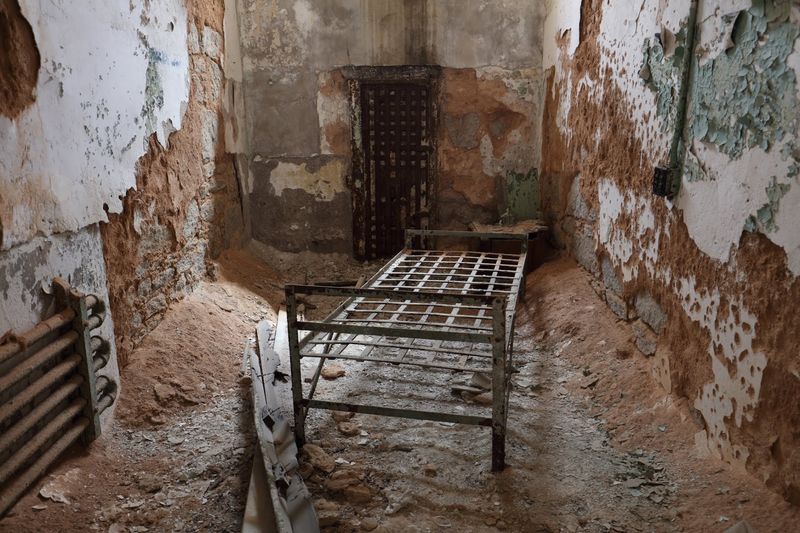
A single cell can say more than a whole history book when you are standing inside it.
The rooms at Eastern State are small, plain, and deeply quiet.
Many still hold old beds, toilets, and rough walls.
Early prisoners were supposed to spend most of their time alone.
Some had tiny exercise yards connected to their cells, but contact with others was limited.
Even meals and work often happened in isolation.
That silence may sound peaceful at first, but imagine living with it every day.
Visitors often leave with a stronger understanding of how damaging long isolation can be.
Be respectful when taking photos, since real people suffered here.
Reading the signs and listening to personal stories can turn a creepy stop into a meaningful lesson about human dignity.
4. Al Capone’s Unexpectedly Fancy Room
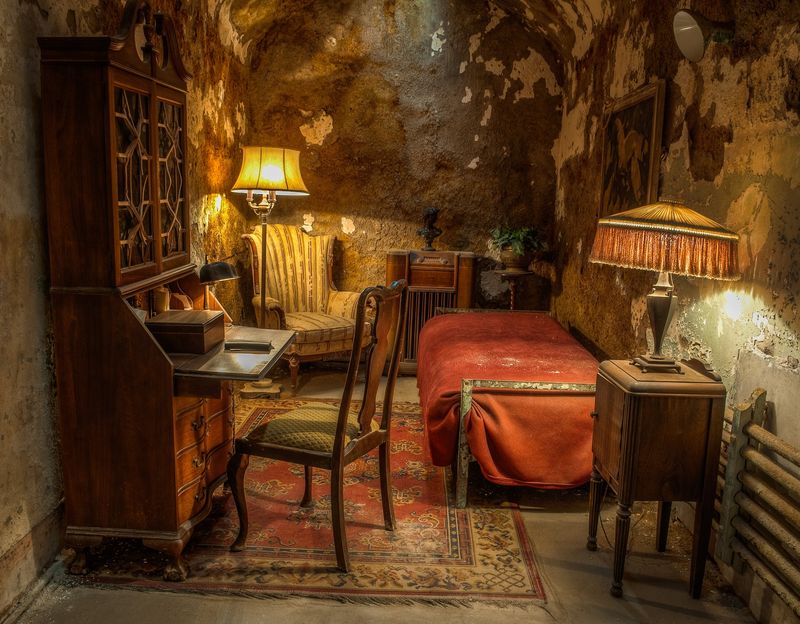
One cell surprises almost everyone because it does not look bare at all.
Al Capone, the famous Chicago gangster, served part of his first prison sentence at Eastern State in 1929 and 1930.
His recreated cell includes nicer furniture, a rug, framed pictures, and a softer feeling than the cells around it.
The contrast is hard to miss.
It also raises questions about fame, money, and special treatment behind prison walls.
Do not rush past this stop just because Capone is a big name.
Use it as a chance to compare his space with the plain cells nearby.
The difference helps visitors see that prison life was not the same for everyone.
If you enjoy true crime history, this exhibit is one of the most memorable parts of the visit.
5. An Audio Tour That Feels Personal
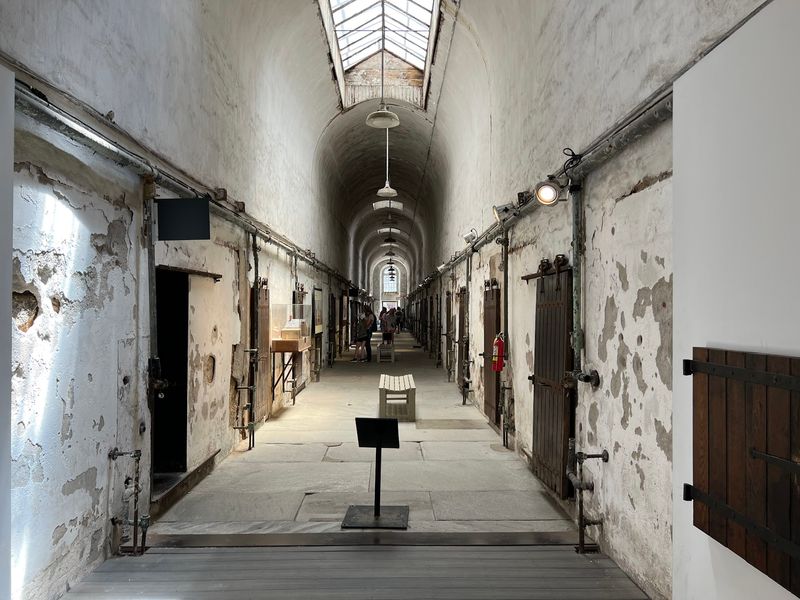
The headset makes the empty halls feel full of voices.
Eastern State Penitentiary is known for its self-guided audio tour, which leads visitors through major areas at their own pace.
The tour shares stories about prisoners, guards, reformers, and the prison system itself.
Numbered stops are placed around the site, so you can choose what to hear next.
Many visitors say the narration adds a strong sense of mood.
Give yourself enough time if you want to hear more than the main route.
There are extra stories and side topics that are easy to miss if you hurry.
Staff members are also stationed around the museum and can answer questions.
For the best visit, buy tickets online when possible, arrive early, and let the audio guide slow you down.
6. Beautiful Decay Around Every Corner
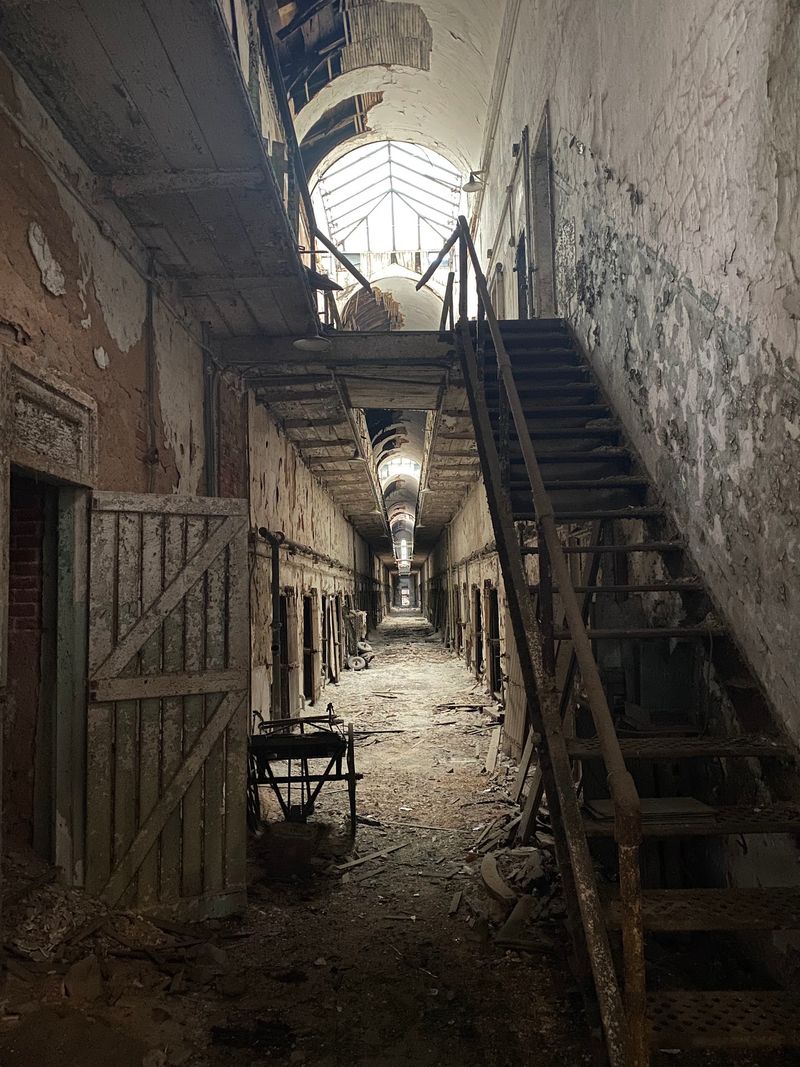
Peeling paint, cracked walls, and rusted metal give the prison a strange beauty.
Eastern State was left unused for years after it closed, and nature began pushing its way inside.
Today, the museum keeps much of that worn look on purpose.
The goal is not to make the prison shiny and new.
Instead, the decay helps visitors see the passage of time and the fragility of even the strongest buildings.
Photographers love the textures, shadows, and angles here.
Still, safety matters, so stay behind barriers and follow posted signs.
Uneven floors, old stairs, and rough surfaces are part of the experience.
Bring comfortable shoes and dress for the weather because some areas feel exposed.
The broken beauty is unforgettable, but it is still a historic ruin.
7. Exhibits That Go Beyond Ghost Stories
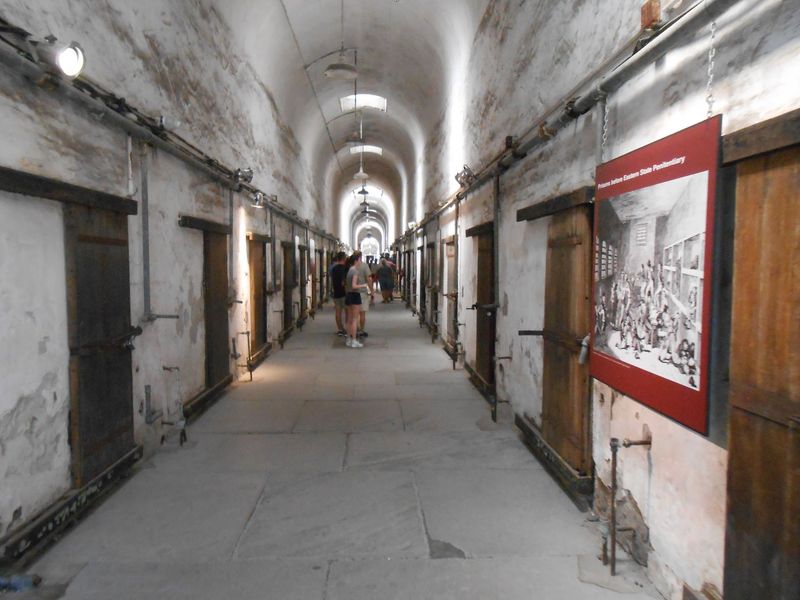
Ghost rumors may bring some people to the gate, but the museum has much more to say.
Eastern State uses exhibits to explain prison history, punishment, reform, and modern justice issues.
You may see displays about the rise of solitary confinement, the growth of prisons, and how ideas about crime have changed.
Some exhibits are serious and may make visitors uncomfortable, but that is part of the learning.
Parents visiting with older kids can use the displays to start thoughtful conversations.
Keep the talk simple, focusing on fairness, choices, and how society treats people who break laws.
The site is spooky, but it is not only a haunted attraction.
Its strongest moments often come when the fear fades and the real history sinks in.
8. The Prison Yard’s Brief Taste Of Freedom
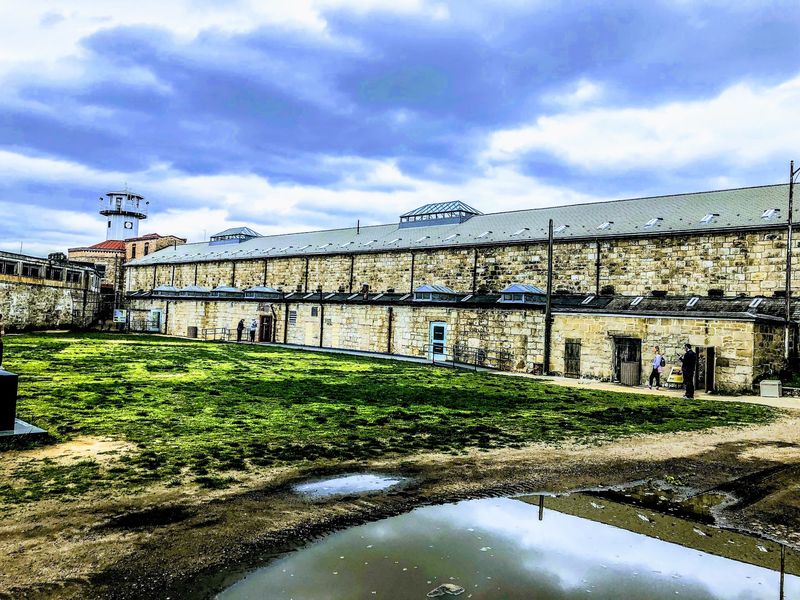
Fresh air feels different when stone walls surround it on every side.
The prison yards at Eastern State gave inmates space outside, but freedom still had a clear boundary.
Later in the prison’s history, recreation became more common, including sports and shared yard time.
Visitors can learn about areas where prisoners exercised, walked, and played baseball.
These spaces show how the prison changed over more than a century.
Spend a few minutes looking up at the walls from the yard.
That view helps you imagine how close the outside world felt, yet how unreachable it remained.
It is also a good place to pause during your visit, especially because the tour involves plenty of walking.
The yard reminds visitors that even open sky can feel heavy inside a prison.
9. Halloween Nights With Extra Shivers
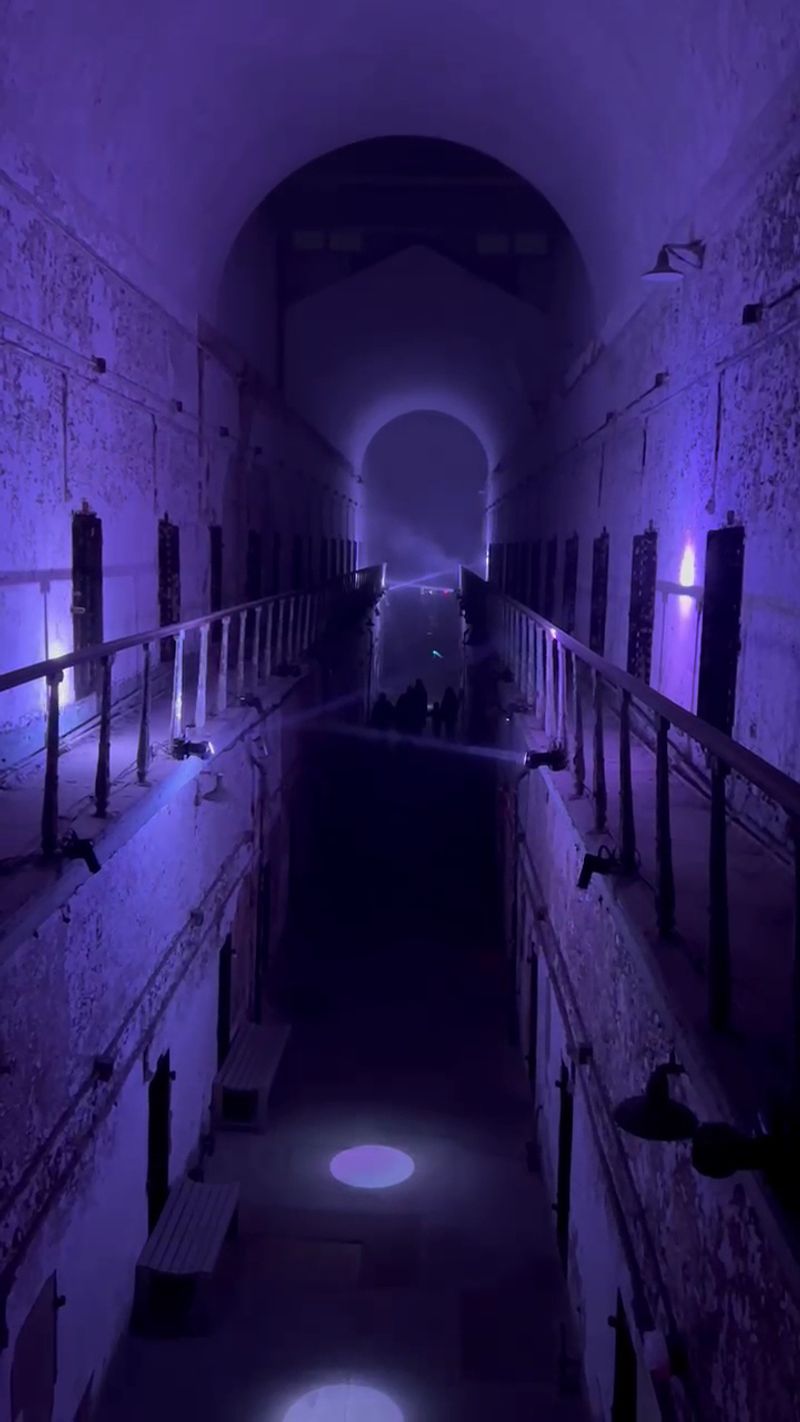
After dark, the old prison takes on a completely different personality.
Eastern State is famous for Halloween Nights, a seasonal ticketed event that turns parts of the site into a spooky night experience.
The regular daytime visit focuses on history, while the Halloween event leans into scares, lighting, sound, and atmosphere.
Tickets can sell out, so planning ahead is the smartest move.
Timed entry also helps manage crowds.
If you want the deepest history, come during the day first.
Then, if you enjoy haunted attractions, return at night for the chills.
Wear shoes you can walk in, check the weather, and read event rules before you go.
The setting is already eerie, so the added effects can feel intense.
It is a fun option, but it is not the only reason Eastern State matters.
10. Planning A Smart Visit To Fairmount Avenue
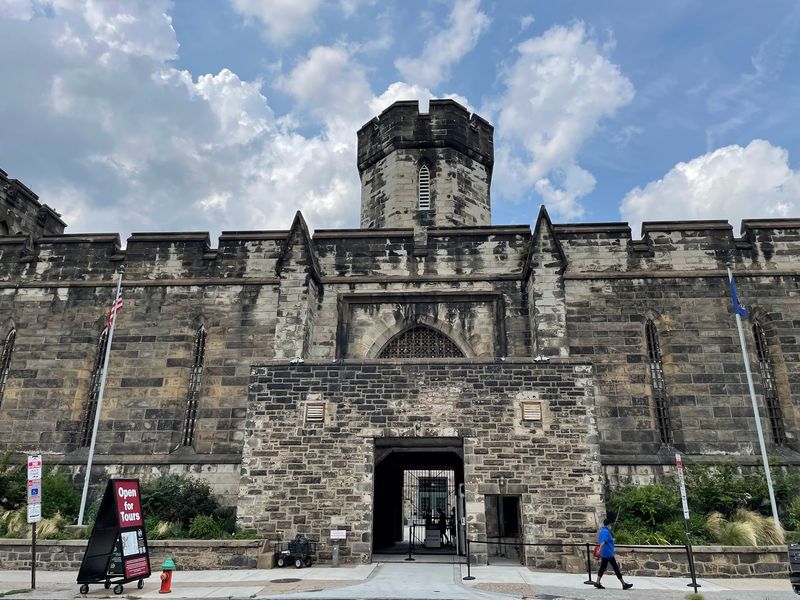
A good plan makes the visit smoother, especially at a large historic site like this one.
Eastern State Penitentiary is located at 2027 Fairmount Ave in Philadelphia and usually opens from 10 AM to 5 PM.
Buying tickets online may save money and time.
There is no dedicated on-site parking lot, so look for street parking, nearby paid lots, public transit, or rideshare options.
Weekdays can feel quieter than busy weekends.
Allow at least two hours if you want a relaxed visit, and longer if you love reading every sign.
Bring water, dress for the season, and wear comfortable shoes because the grounds are big.
Some areas have uneven surfaces, stairs, or limited access.
Before going, check the official website for current hours, special events, and any closures.
That way, the chills come from the history, not from poor planning.
Share this story