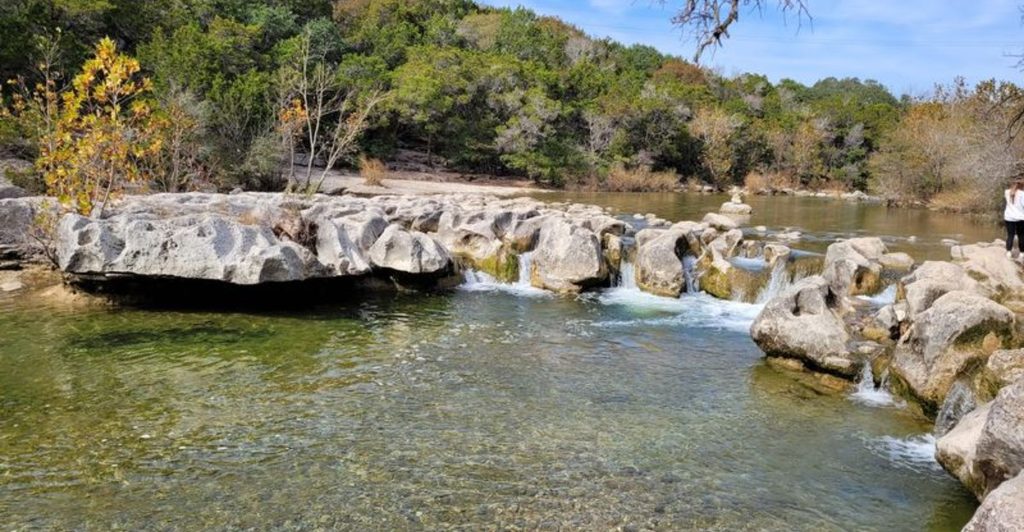
Hidden within Austin’s sprawling Barton Creek Greenbelt lies a natural wonder that rewards hikers with a scene straight out of a postcard. Sculpture Falls earned its name from the beautifully carved rock formations shaped by centuries of flowing water, creating natural pools perfect for cooling off after your trek. This moderately challenging trail stretches about 3.2 miles round trip through shaded woodland, rocky terrain, and creek crossings that make every step an adventure worth taking.
1. Rocky Descent That Tests Your Legs
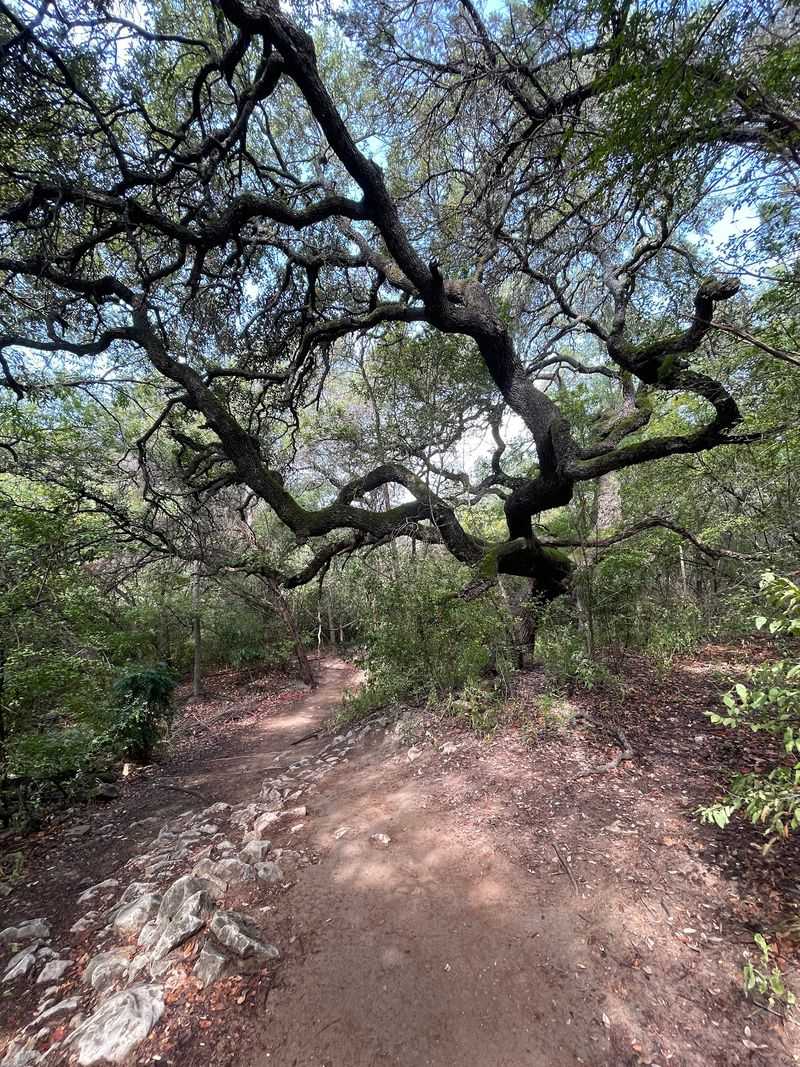
Starting from the Woods of Westlake Heights trailhead means you’re in for a serious leg workout right from the start. The path drops relentlessly downward for about 30 minutes, covered in loose rocks that demand your full attention with every step. Your thighs will burn on the way down, but just remember that gravity is doing most of the work now because you’ll earn every bit of that elevation back on your return trip.
Comfortable hiking shoes aren’t just recommended here, they’re absolutely essential. Reviewers consistently mention the rocky terrain as the trail’s biggest challenge, especially when carrying towels, bags, and swimming gear. Ankle support matters when you’re navigating uneven surfaces for extended periods.
The descent might feel endless, but it’s part of what keeps Sculpture Falls from becoming overcrowded. Not everyone wants to commit to this kind of physical challenge, which means more space at the falls for those who make the effort. Bring plenty of water because you’ll need it twice, once on the way down and definitely on the climb back up.
Trail conditions vary depending on recent weather, with some sections potentially washed out or overgrown. The rocky nature of the path means it drains well after rain, but those same stones become slippery when wet. Take your time and watch your footing, especially if you’re hiking with kids or less experienced trail companions.
2. Water Levels Change Everything
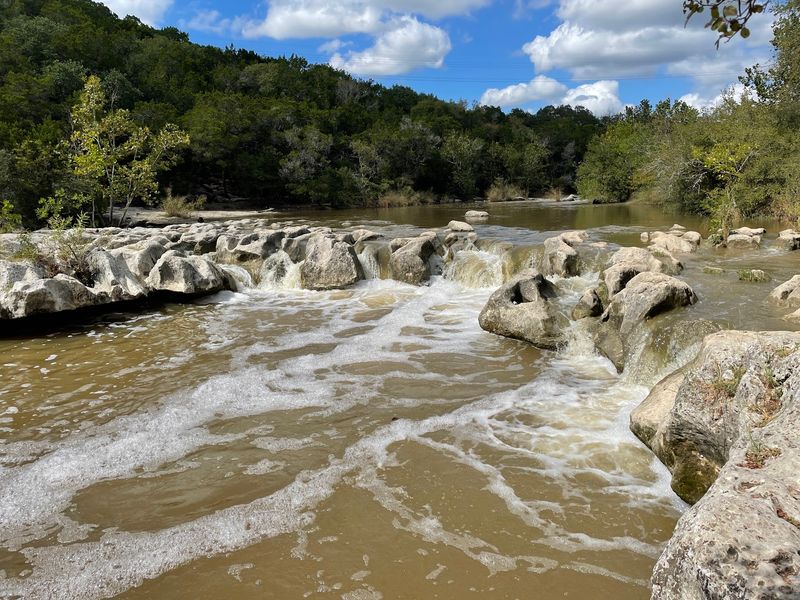
Timing is absolutely everything when planning your visit to Sculpture Falls. After a good rainstorm, the creek comes alive with rushing water cascading over those famous sculpted rocks, filling the swimming hole with clear, clean water deep enough for jumping. Wait a few weeks without rain, and you might find nothing but a shallow, stagnant puddle or even a completely dry creek bed.
Reviews from visitors paint wildly different pictures depending on when they arrived. Some found crystal-clear pools perfect for swimming, while others encountered knee-deep murky water they wouldn’t dream of entering. Summer drought conditions often leave the falls completely dry, turning what should be a refreshing swimming spot into just an interesting geological feature.
Check recent rainfall reports before making the drive, and consider calling the Austin Parks Department for current conditions. Social media can also give you real-time updates from other hikers who’ve recently visited. The difference between a magical experience and a disappointing trudge often comes down to whether Mother Nature cooperated in the days leading up to your trip.
Even when water is scarce, the sculpted rock formations remain impressive. The erosion patterns tell stories of countless floods over thousands of years, creating natural artwork worth seeing regardless of current flow. Just adjust your expectations accordingly and maybe plan a backup swimming spot if cooling off is your primary goal.
3. Natural Swimming Hole Paradise
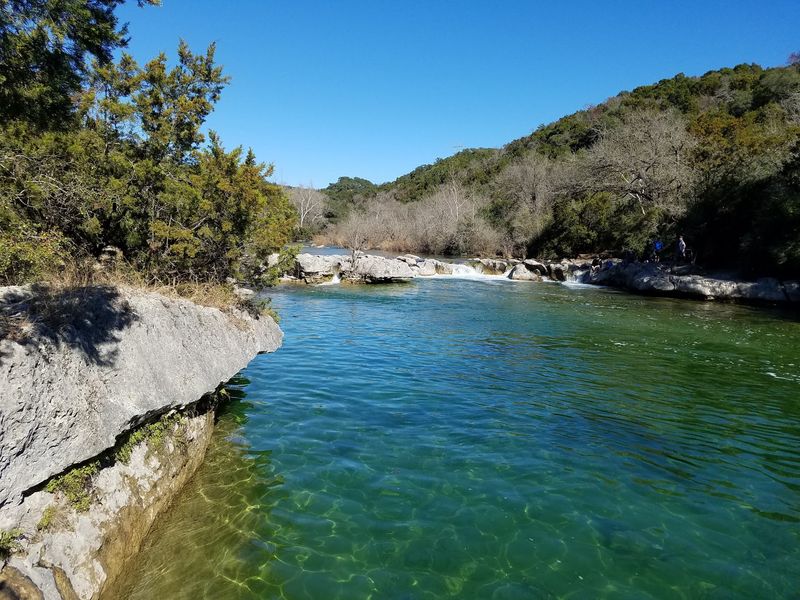
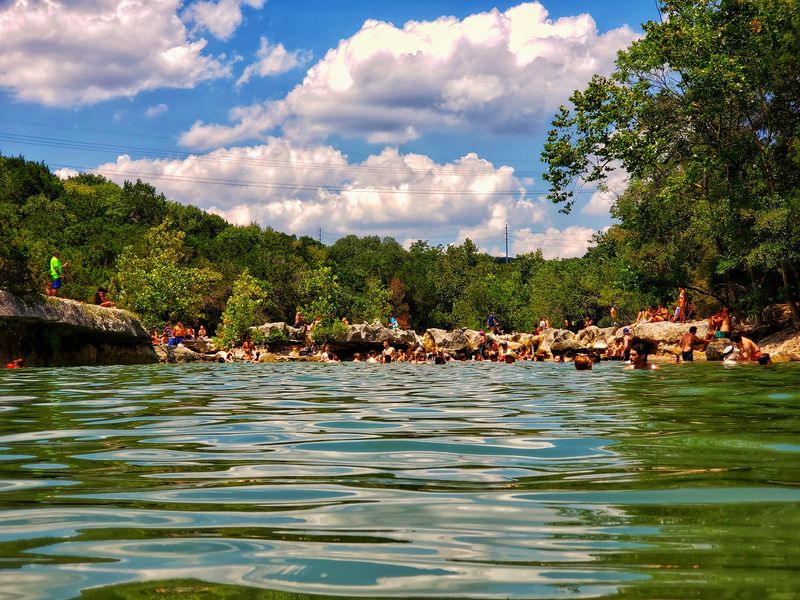
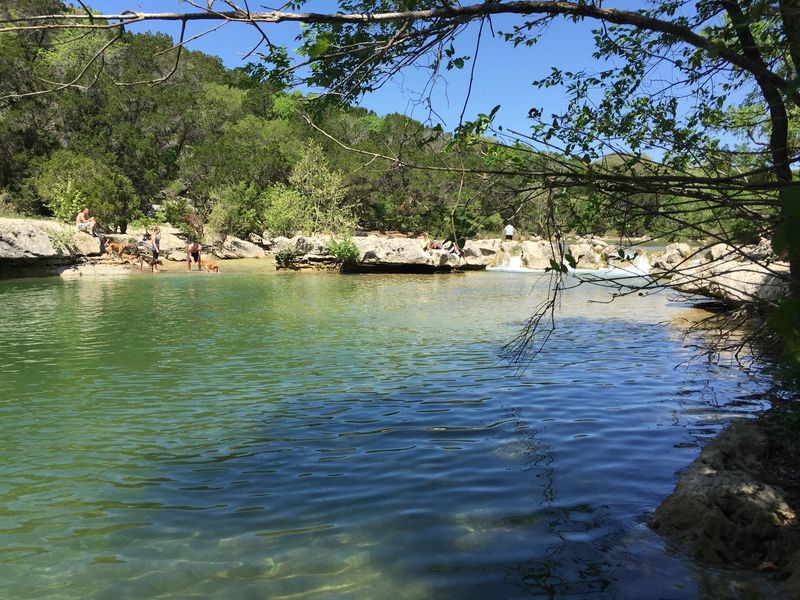
When conditions align perfectly, Sculpture Falls transforms into one of Austin’s best natural swimming spots. The pool at the base of the falls offers cool, refreshing water that feels incredible after your sweaty hike through the greenbelt. A rock ledge provides a jumping platform for those brave enough to take the plunge, adding an element of adventure to your swim.
Dogs absolutely love this place, and you’ll likely share the water with several four-legged swimmers splashing around enthusiastically. The atmosphere tends to be relaxed and friendly, with families, couples, and solo hikers all enjoying the natural beauty together. Just be prepared for company on weekends and holidays when the spot gets particularly popular.
The water temperature stays pleasantly cool even during Texas summers, fed by the creek’s underground sources. That initial shock when you first jump in quickly gives way to relief, especially if you’ve just completed the challenging hike in. Many visitors spend hours lounging on the rocks, alternating between sunbathing and cooling off in the water.
Swimming quality depends entirely on recent water flow, as mentioned earlier. Fresh rainwater keeps the pool clean and clear, while stagnant conditions during dry spells can make the water less appealing. Some reviewers mentioned seeing turtles and other wildlife, which adds charm but also reminds you this is a natural ecosystem, not a chlorinated pool.
4. Trail Navigation Challenges
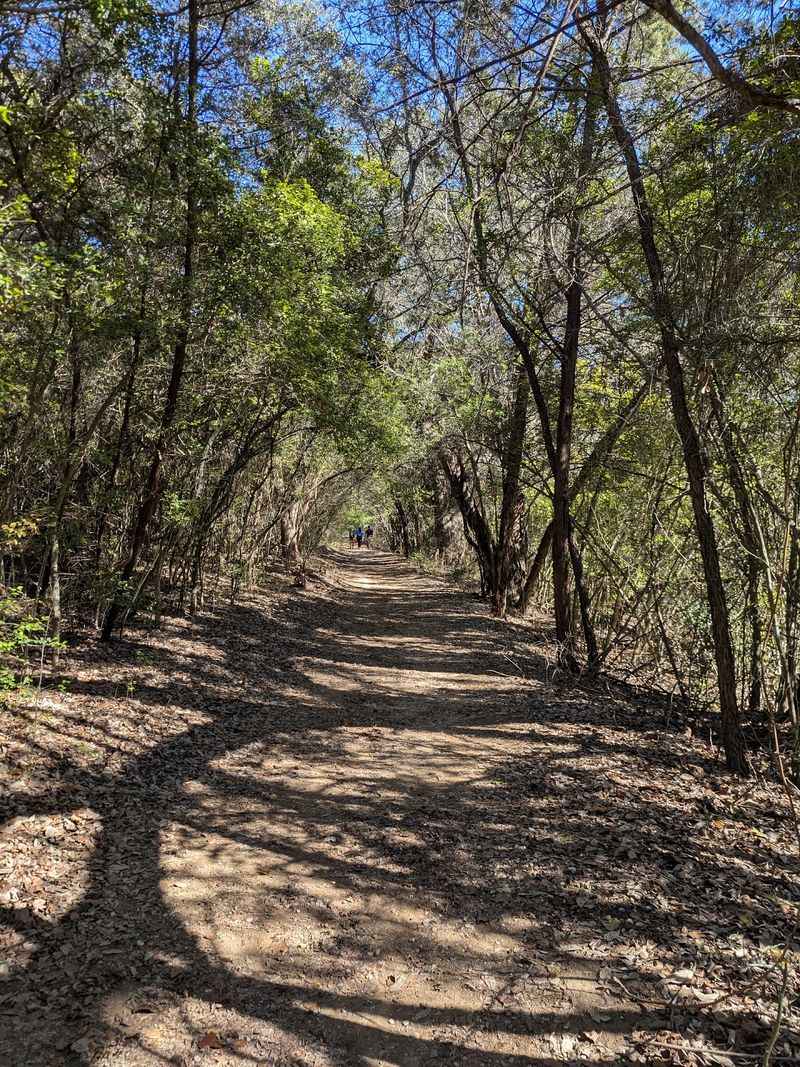
Getting to Sculpture Falls requires more than just physical stamina because the trail marking situation leaves much to be desired. Multiple reviews mention getting lost on the return trip when the path splits into different routes, with some trails leading under bridges or in unexpected directions. Relying solely on occasional trail markers is a recipe for confusion and unnecessary extra mileage.
Download a trail app or use Google Maps before you head out, and make sure your phone has a full charge. Cell service can be spotty in some areas, so having offline maps saved becomes crucial. The trail follows Barton Creek for much of the route, which provides general guidance, but knowing exactly where to turn makes the difference between a pleasant hike and a frustrating maze.
The path narrows in several sections, which creates bottlenecks when the trail gets busy. Bikers occasionally use the same routes, though the rocky terrain makes cycling challenging and potentially dangerous for everyone involved. Being aware of your surroundings helps you avoid collisions and stay on track.
Landmarks can help orient you, including the Route 1 bridge and various creek crossings. Pay attention to your surroundings on the way in so you recognize key features on your return. Taking occasional photos of trail intersections might seem excessive, but it’s a simple backup strategy that could save you significant time and stress later.
5. Sculpted Rock Formations
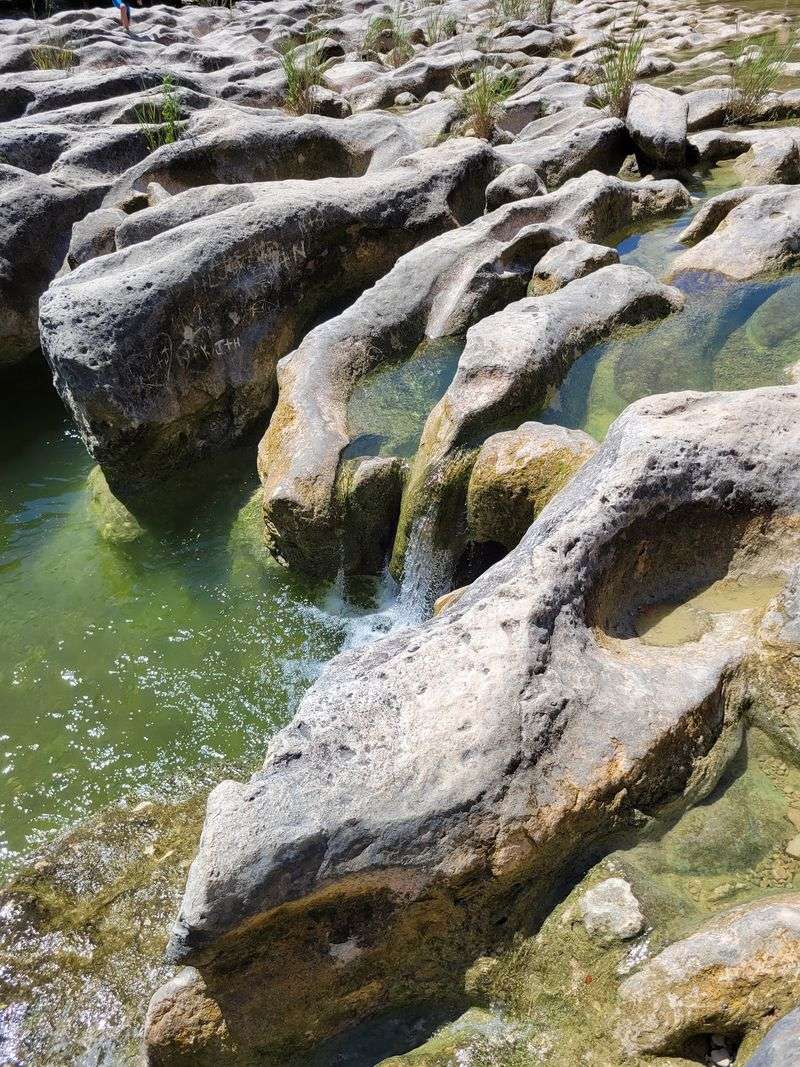
The falls earned their name for good reason, showcasing nature’s artistic abilities through centuries of patient erosion. Water flowing over limestone creates smooth, curved surfaces that look almost deliberately carved, with patterns and textures that change depending on light and viewing angle. Even when water levels drop, these geological features remain the star attraction.
Limestone is particularly susceptible to water erosion, allowing Barton Creek to slowly sculpt these rocks into their current forms. The process continues today, meaning the formations you see are slightly different from what hikers witnessed years ago and will look different again decades from now. You’re witnessing geology in action, just on a timescale too slow for human perception.
Photography enthusiasts find endless interesting angles and compositions among the rocks. Morning light creates different shadows and highlights than afternoon sun, and the presence or absence of flowing water dramatically changes the scene. Bring your camera and take time to explore various perspectives rather than just snapping quick shots.
The rocks provide natural seating and lounging areas around the swimming hole, though their sculpted surfaces can be slippery when wet. Watch your step when moving around, especially if you’re barefoot or wearing wet shoes. The same erosion that makes them beautiful also makes them smooth and potentially treacherous.
6. Parking And Access Points
Free parking at the Barton Creek Greenbelt Trailhead sounds great until you realize how quickly spots fill up on nice weekends. Arrive early if you want convenient parking, otherwise you might find yourself walking an extra mile or more from neighborhood streets before even starting the official trail. Signs warn about vehicle break-ins, so don’t leave valuables visible in your car.
The Woods of Westlake Heights trailhead serves as the most common starting point for Sculpture Falls, but other access points exist along the greenbelt. Your choice affects both the difficulty and distance of your hike. Some entrances involve less dramatic elevation changes but add distance, while others get you there faster but with more challenging terrain.
Parking in residential neighborhoods requires courtesy and awareness of local regulations. Don’t block driveways or mailboxes, and respect posted restrictions. Residents deal with trail traffic regularly, and thoughtless parking creates tension between the hiking community and people who live near popular trailheads.
Be a good ambassador for outdoor recreation.
The Greenbelt 360 Trailhead offers another access option worth considering. Research different starting points based on your fitness level, time constraints, and desired experience. Some routes involve creek crossings that might be problematic during high water, while others stay on higher ground but cover more distance overall.
7. Wildlife And Natural Surroundings
Beyond the destination itself, the journey to Sculpture Falls takes you through beautiful Hill Country woodland teeming with life. Birds call from the canopy overhead, while lizards scatter across rocks and tree roots as you approach. During wetter seasons, tiny frogs hop along the trail, and patient observers might spot turtles sunning themselves near the creek.
The tree cover provides welcome shade during most of the hike, making summer trips more bearable than exposed trails elsewhere in Austin. Native Texas species dominate the landscape, from live oaks to cedar elms, creating that distinctive greenbelt atmosphere Austin residents cherish. The vegetation changes subtly with the seasons, offering different visual experiences throughout the year.
One downside mentioned by longtime hikers involves highway noise that never completely disappears. Route 1 runs close enough that traffic sounds intrude on the natural soundscape, preventing that completely-immersed-in-wilderness feeling you might get on more remote trails. It’s a reminder that even this beautiful greenbelt exists within an urban context.
Fall and winter hiking brings fewer crowds and cooler temperatures, though you’ll miss out on swimming opportunities. The dried creek bed during drought periods creates its own unique hiking experience, allowing you to walk where water normally flows and examine the rock formations from different perspectives. Wildlife viewing often improves with fewer people around, as animals grow bolder when human traffic decreases.
8. Practical Tips For Your Visit
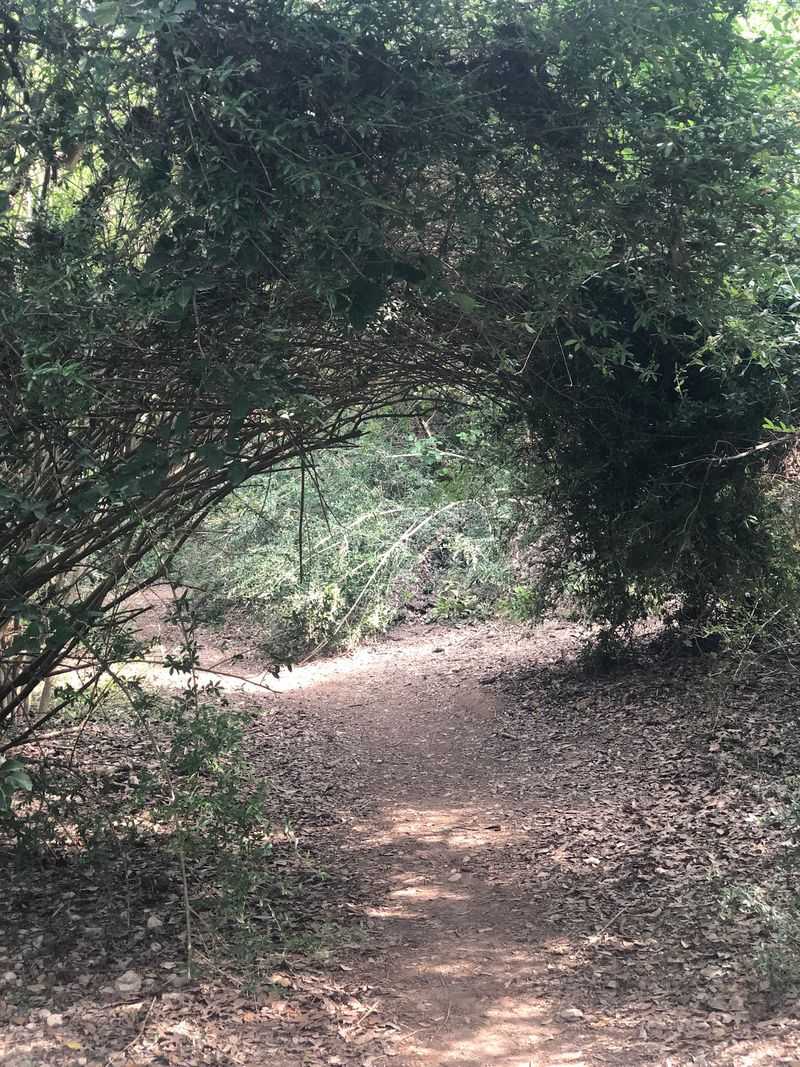
Success at Sculpture Falls starts with proper preparation, beginning with your footwear choice. Leave the flip-flops and sandals at home because the rocky terrain will punish your feet mercilessly. Closed-toe hiking shoes or sturdy sneakers with good traction make the experience infinitely more enjoyable and safer.
Your ankles will thank you on the uneven descent.
Bring more water than you think you’ll need, at least two liters per person for the round trip hike. Texas heat combined with physical exertion creates serious dehydration risk, and there’s nowhere to refill along the trail. Many hikers also pack snacks or a light lunch to enjoy at the falls, turning the trip into a proper outdoor adventure rather than just a quick there-and-back march.
Check weather and water conditions before leaving home, as discussed earlier. Recent rain dramatically improves the experience, while drought conditions might make you reconsider whether the hike is worth the effort. Spring typically offers the best combination of flowing water and comfortable temperatures, though you’ll share the trail with more people.
The round trip takes most people between one and two hours depending on fitness level and how long you linger at the falls. Plan accordingly and give yourself plenty of daylight, especially during shorter winter days. Starting early helps you beat both crowds and heat while ensuring you’re not hiking out in darkness if you lose track of time enjoying the swimming hole.
Share this story