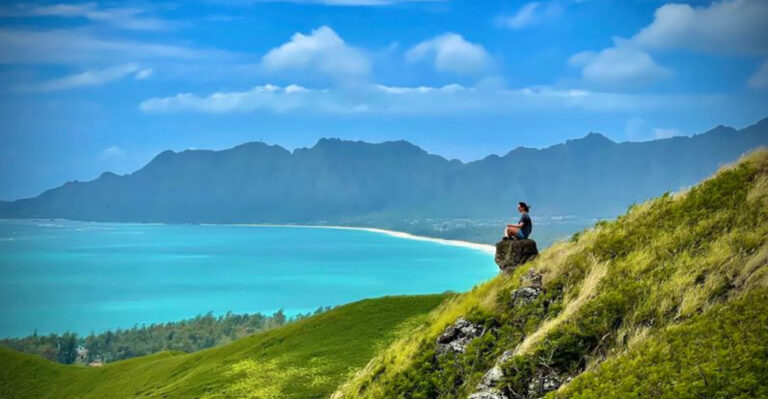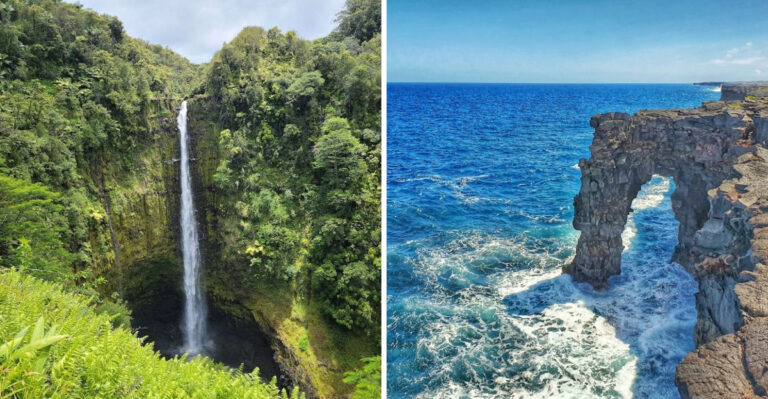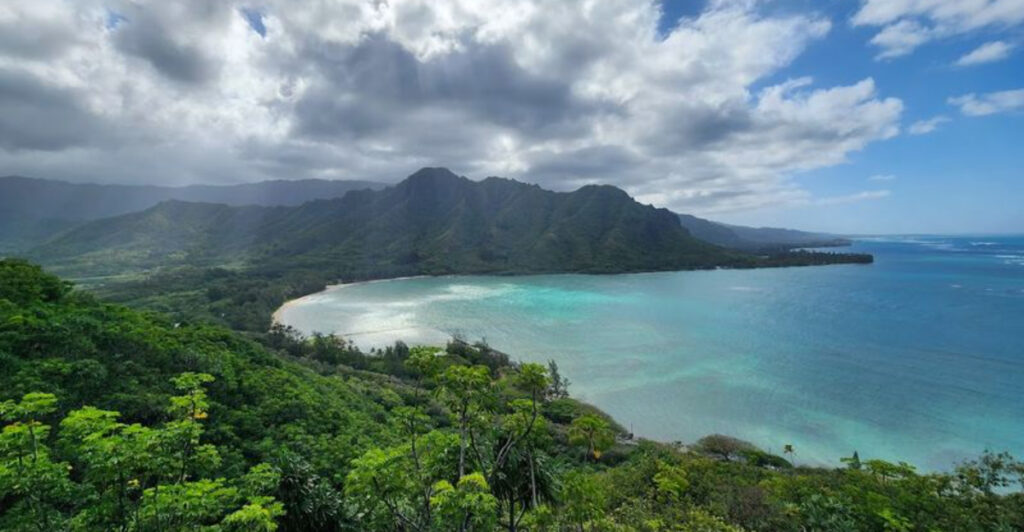
If you think Oahu is only about famous beaches and packed lookouts, Ahupuaʻa ʻO Kahana State Park will completely change your mind. This 5,300-acre stretch of coastline, valley, rainforest, and cultural landscape feels quieter, wilder, and far more intimate than many of the island’s better-known stops.
It is the kind of place where mist hangs over the mountains, trails lead into deep green scenery, and the ocean is never far away. Once you see what makes Kahana so special, you may start planning your whole North Shore drive around it.
1. Why Ahupuaʻa ʻO Kahana Feels So Different
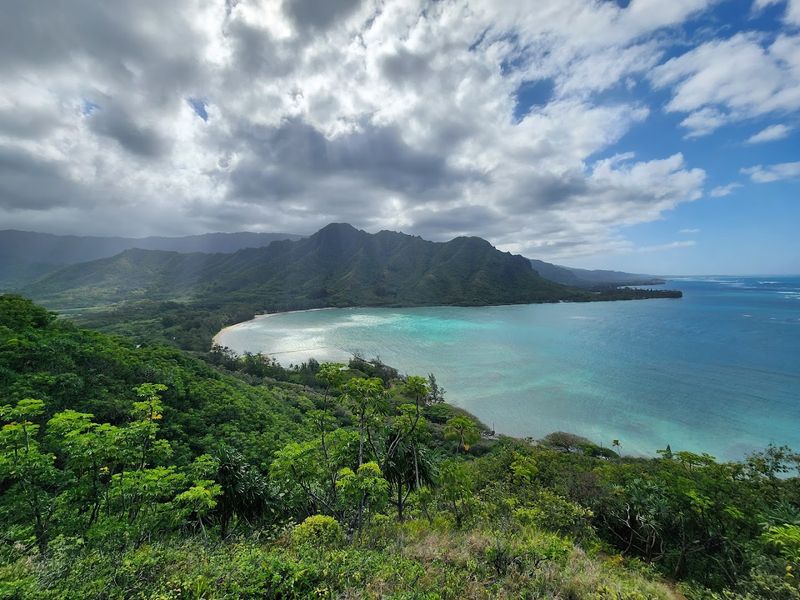
Ahupuaʻa ʻO Kahana State Park does not feel like a typical quick-stop attraction.
When you arrive, you are stepping into one of Oahu’s last remaining ahupuaʻa, a traditional Hawaiian land division that runs from the mountains to the sea.
That alone gives this place a deeper sense of connection, because the landscape was meant to function as one living system rather than a collection of separate scenic spots.
What stayed with me most is how layered the park feels.
You get rainforest trails, stream crossings, roadside ocean views, a broad valley, and camp areas near the shore, all within one protected place.
Even with its strong 4.7-star reputation, Kahana still feels surprisingly under the radar, especially compared with Oahu’s busier landmarks.
If you want somewhere that feels both beautiful and grounded in history, this park delivers.
It is less polished, more atmospheric, and much easier to remember long after the trip ends.
2. The Valley Trails Are the Real Adventure
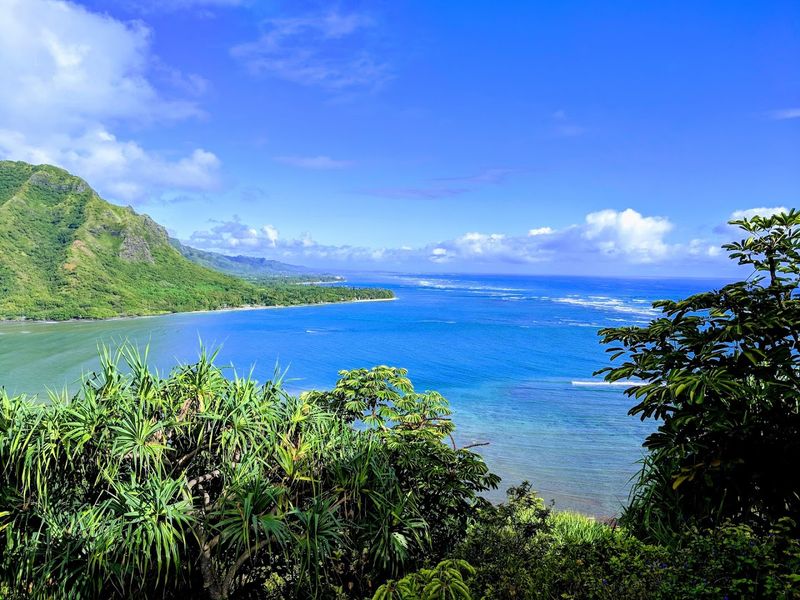
If you are coming for a hike, Kahana rewards people who do not mind getting a little muddy.
Reviews repeatedly mention wet feet, bug spray, brushy sections, and river crossings, which tells you this is not a manicured boardwalk experience.
It feels more like the kind of outing where you slow down, watch your footing, and actually pay attention to the land around you.
The trail scenery is the payoff.
Thick greenery, valley walls, cloud cover, and occasional ocean glimpses make the walk feel immersive from the start.
Some visitors have found certain sections overgrown or confusing, so I would treat trail conditions seriously, bring more water than expected, and stay on the main route rather than wandering onto side paths.
This is the kind of hike that leaves your shoes dirty and your camera full.
If that sounds appealing, Kahana may become one of your favorite places on Oahu.
3. A Beachfront Campsite With a Wild Side
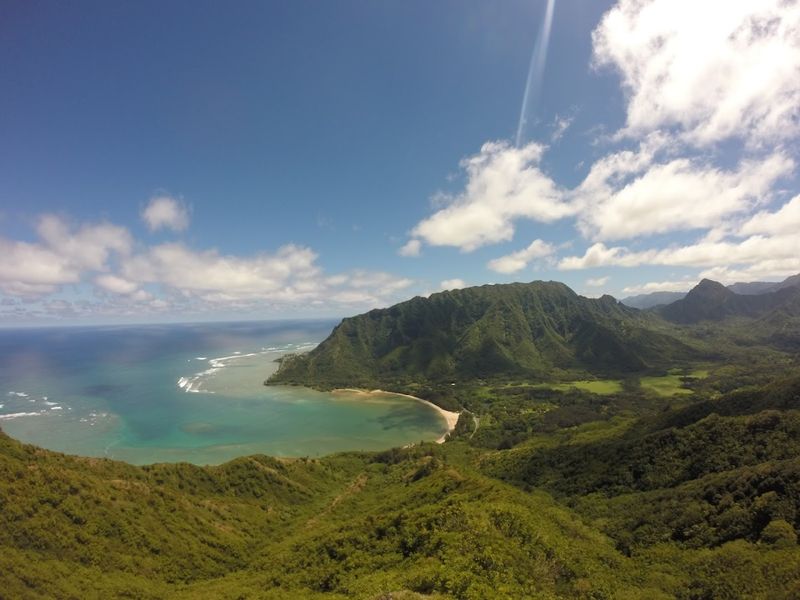
Camping here looks like one of the park’s most memorable experiences.
The setting is hard to beat, with campsites close to the water and steep green mountains rising behind the coast, creating a dramatic backdrop that feels more secluded than many other parts of Oahu.
Travelers describe waking up to ocean views, cooling trade winds, and even the occasional rooster alarm clock, which honestly sounds very Hawaiian.
That said, this is not luxury camping, and it helps to know that before you go.
Some reviews mention basic or inconvenient bathroom arrangements, nearby highway noise until later in the evening, and the need to come prepared if comfort matters to you.
In return, you get a peaceful shoreline stay that is increasingly rare on the island.
If your ideal night means polished amenities, this may not be your spot.
If you want simple, scenic, and memorable, Kahana’s beach camping sounds incredibly rewarding.
4. The Park Tells a Bigger Hawaiian Story
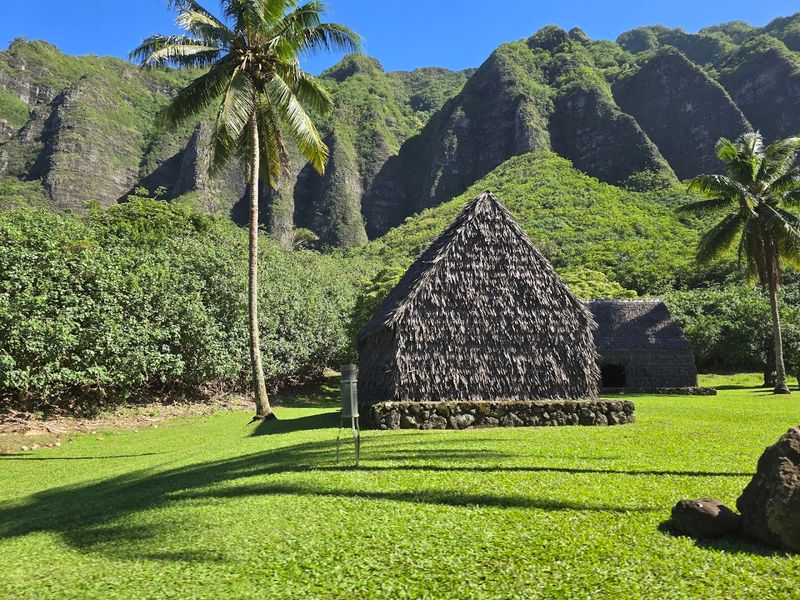
One reason this park stands out is that it is more than a scenic preserve.
Kahana protects a traditional ahupuaʻa, a Hawaiian system that linked upland forests, agricultural land, streams, and ocean resources into one connected whole.
When you understand that, the park stops being just a pretty place to photograph and starts feeling like a living lesson in how Hawaiians understood balance, stewardship, and survival.
I think that context changes the way you move through the valley.
A trail is not only a trail, and the coastline is not only a beach, because every zone once played a role in daily life.
That makes a respectful visit especially important, particularly since parts of the area are tied closely to local communities and long-standing cultural relationships.
For travelers, this adds real depth.
Kahana is beautiful at first glance, but its deeper value comes from the story of land, people, and continuity that still lingers here.
5. What to Know Before You Visit
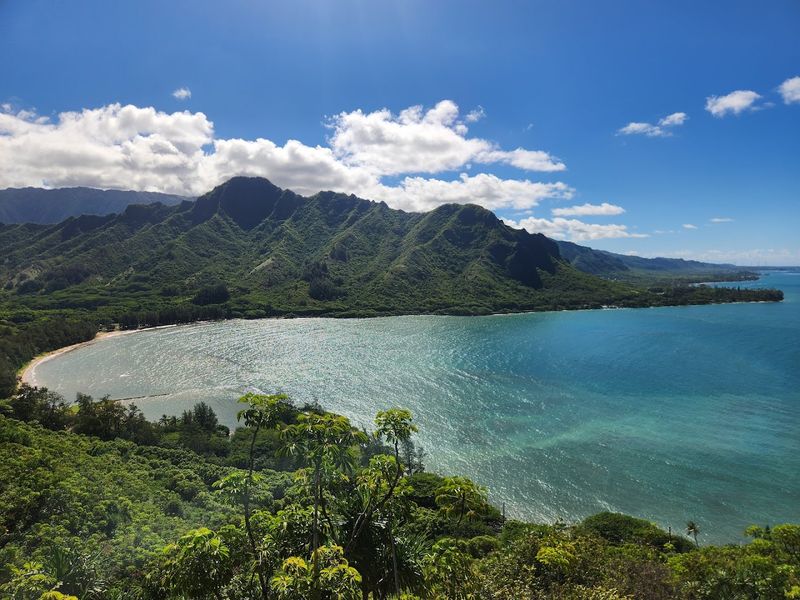
Kahana is the kind of place where a little preparation can make the difference between a great day and a frustrating one.
The park is open daily from 7 AM to 7 PM, and it is smart to arrive with realistic expectations about mud, bugs, humidity, and changing weather.
Several visitors mention stream crossings and unclear trail sections, so sturdy footwear, extra water, and a dry bag are all worth bringing.
It also helps to understand what Kahana is not.
Some online confusion connects this area with famous movie sites elsewhere on Oahu, but this park should be visited for its own landscapes and cultural importance, not for mistaken film-tour expectations.
That mindset usually leads to a better experience and a more respectful presence.
I would also keep plans flexible.
If clouds settle low over the valley or the beach looks rough, let the slower pace be part of the appeal instead of trying to force a checklist.
6. Why the Atmosphere Is the Biggest Draw
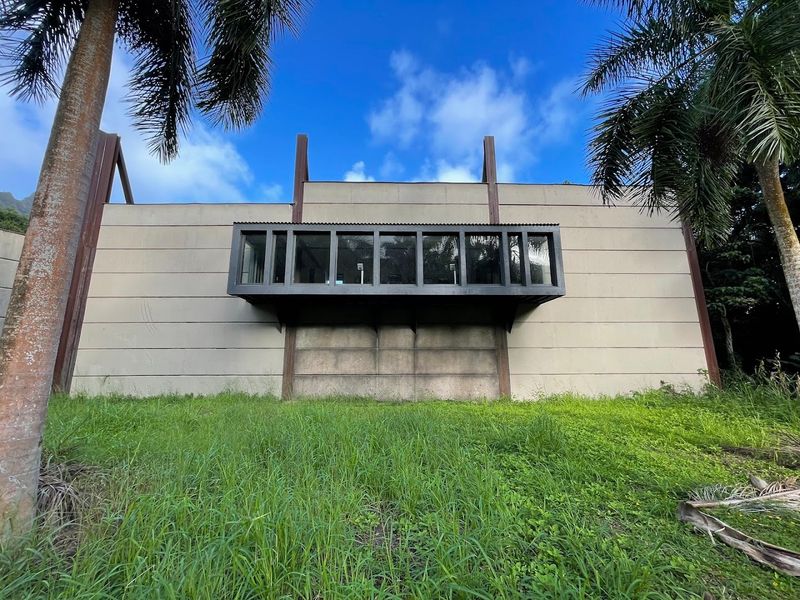
What really sets Kahana apart is the atmosphere.
Reviews describe it as secluded, quiet, and often cloudier than sunnier beach spots because the mountains rise so close to the shoreline.
For some people, that may sound less ideal, but if you prefer dramatic scenery, softer light, and a calmer setting, that mood becomes part of the magic.
This is not the place to chase a busy beach scene.
It is better for travelers who enjoy hearing the ocean without a crowd, lingering over a picnic, or spending time in a landscape that feels slightly untamed.
Even the imperfections, like drift debris or a bit of roadside simplicity, make it feel more honest than curated.
I love places that do not immediately perform for visitors, and Kahana fits that description perfectly.
It rewards patience rather than speed, and that makes the experience feel more personal than many of Oahu’s headline attractions.
7. How to Experience Kahana Respectfully
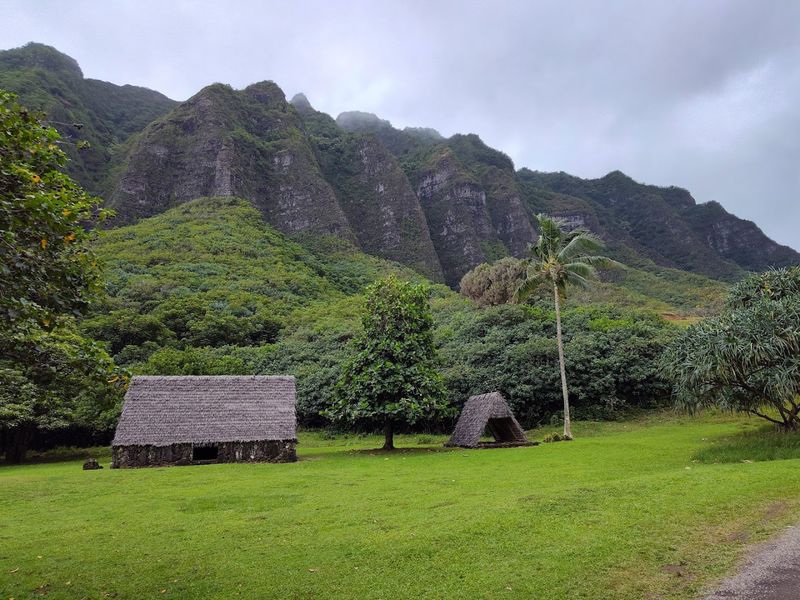
The best way to enjoy Ahupuaʻa ʻO Kahana State Park is to approach it with humility.
This is not just a scenic backdrop on a coastal drive but a culturally important landscape near local communities, and visitors should act accordingly.
Staying on established paths, keeping noise down, packing out trash, and avoiding the urge to treat every corner like a social media set all go a long way here.
That same respectful mindset applies to expectations.
You are not guaranteed perfect weather, easy trails, or resort-style convenience, and honestly, that is part of why Kahana feels special.
The park asks you to adapt, pay attention, and meet the place on its own terms instead of demanding it entertain you.
If you do that, Kahana gives a lot back.
You leave with the feeling that you discovered a quieter side of Oahu, one that still feels rooted in land, memory, and the kind of beauty that does not need much polishing.
Share this story