A small public school in southern Arkansas has people talking about big value. Families in Magnolia say the price tag feels lighter than expected, and the campus has a close-knit feel that larger schools struggle to match. Students find clubs, an honors program, and a dining hall that keeps getting better.
Scholarships stretch far, and some out-of-state neighbors get a tuition break too. Keep reading to see what makes this college town tick, where the money savings come from, and what a first visit looks like.
A Campus at the Heart of Magnolia
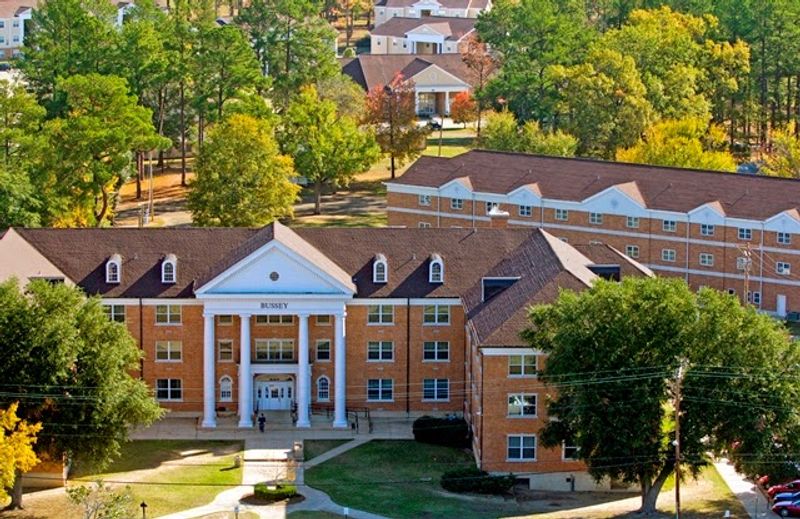
Southern Arkansas University sits at 100 East University in Magnolia, Arkansas, 71753. It is a public university set in the middle of rural southern Arkansas.
The school draws students from the surrounding region and beyond. Many describe it as a lovely place with a friendly feel, which sets the tone for everything else on this list.
Magnolia is the kind of town where a college shapes daily life. The campus gives the area an educational hub, serving students in southern Arkansas who want a solid academic path close to home.
Before diving into details, it helps to know the basics. This is a small school with a big following, and its home sits among quiet countryside that suits a slower pace.
Read on for the story behind the buzz, starting with what makes the place feel so welcoming.
Where Rural Arkansas Sets the Scene
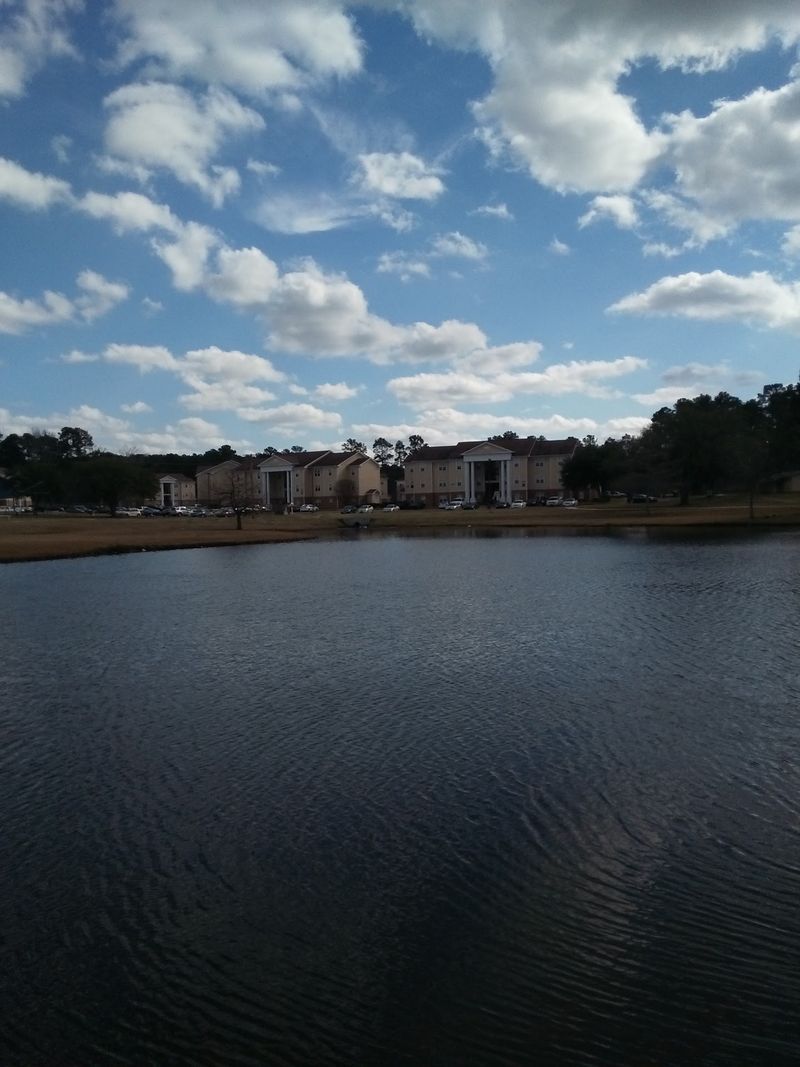
Out here, the scenery does a lot of the talking. The university sits in the middle of rural Arkansas, with idyllic countryside all around.
That setting gives students a calm place to focus. Fewer distractions can mean more time for studying, clubs, and friendships.
Small-town life shapes the rhythm of the school year. People know each other, and a familiar face is never far away.
For families, a quiet location can feel reassuring. Students get independence without being dropped into a crowded city.
It is a setting that rewards anyone who enjoys open space and a steady routine, and it frames the campus story that follows.
The Mulerider Tradition

Ask an alum what they are, and the answer comes quickly: a Mulerider. Graduates talk with pride about carrying on the tradition, and some now see their own children enrolled.
Family ties run deep here. Uncles, cousins, and daughters often follow the same path.
Athletics add to the spirit. One former student recalls playing on the Riderrette volleyball team in the early 1990s and remembers it as a great experience.
School heritage is another point people mention. Some say the college is rich in history that not everyone knows about.
That sense of continuity gives the campus a personality that newer schools have to work years to build.
Tuition That Does Not Bite
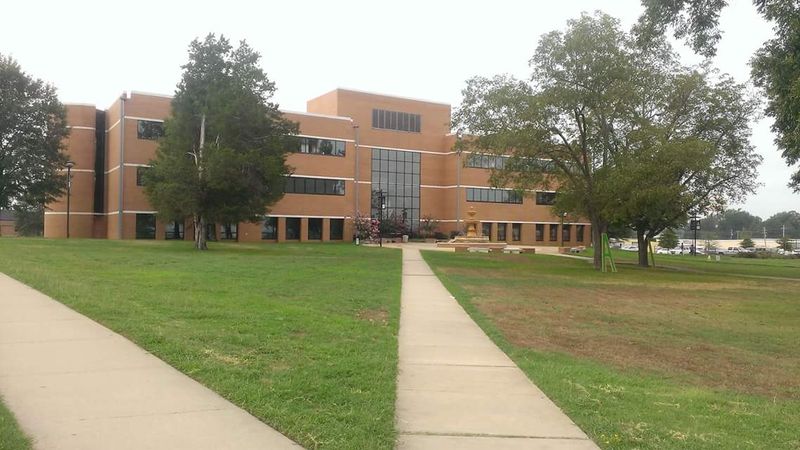
Money talk usually spoils the mood, but not here. Students and parents describe the school as cost-effective, with fees that feel decent for a public university.
Scholarships play a big role. Some families say awards cover practically the whole bill, which makes college within reach for nearly every household.
One parent explains that generous academic scholarships can bring the cost below that of an in-state school, especially with Honors TOPS and extra aid. Cost was not the only reason they chose the school, but it helped.
Hands-on attention is part of the deal. The experience is described as a private-school feel with state-school value.
Anyone weighing options should check current figures directly, since details change over time.
Border-County Tuition Perks
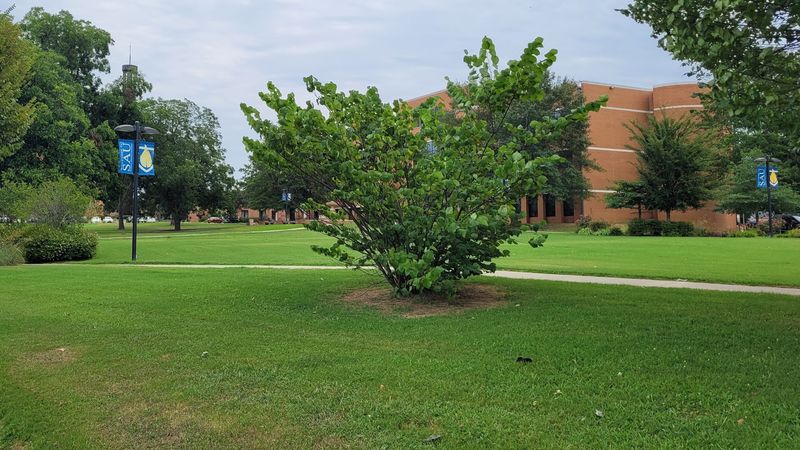
Living just outside Arkansas does not always mean paying more. A parent shared that the university waives out-of-state tuition for Claiborne Parish and other bordering counties and parishes.
That policy widens the circle of students who can afford a public education here. Neighbors across the state line get a real break.
Eligibility rules can change, so it pays to confirm the current list with the admissions office. The phone and website on the school’s official page are a good starting point.
For border families, the option can change the math on where to enroll.
It is one more reason the school earns a reputation for value that stretches past state lines.
Honors College Adventures
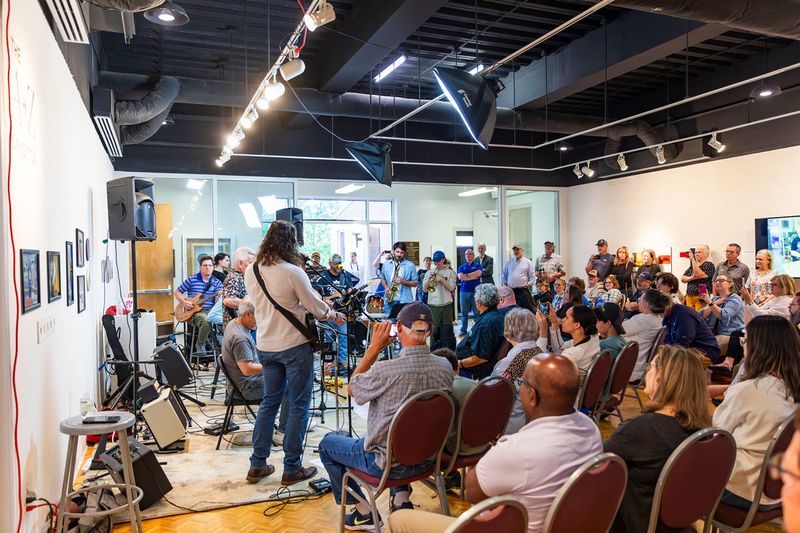
Some students find their footing through the Honors College. One member describes interesting field trips and even a week of travel abroad to France.
Opportunities like that are rare at small schools. They add variety to a degree and stretch a student’s world.
Honors students also gain a tight community. Parents mention daughters thriving in the program as honor students.
Scholarships tied to academics help make the path more affordable. Together, those perks turn an ordinary college plan into something memorable.
Anyone with strong grades may want to ask about the program early in the application process.
Programs and Professors

Academic range is wider than the school’s size suggests. The university offers many undergraduate and graduate programs, and it welcomes international students from many countries.
Business is one popular path. A marketing student found the professors helpful and the courses interesting, and landed an internship along the way.
Support systems get praise too. Alumni point to staff and services that help students excel.
Not every experience is perfect. One parent felt frustrated with engineering accreditation and cost estimates, so prospective families should ask direct questions about specific programs.
Asking early gives clarity and lets students choose with confidence.
Making Friends in Freshman Year

The first year can feel tough anywhere, and students here say so honestly. The campus offers several activities to help newcomers meet people, and a few are mandatory.
Those events nudge shy students out of their rooms. Friendships often follow quickly.
Community size helps. People describe a growing campus where everybody seems close and friendly.
Advice from upperclassmen is simple: reach out, get involved, and call family when needed. College can be hard at first, and a little effort goes a long way.
By the senior year, many students look back on that rough start as the beginning of something good.
Dorm Life Decoded
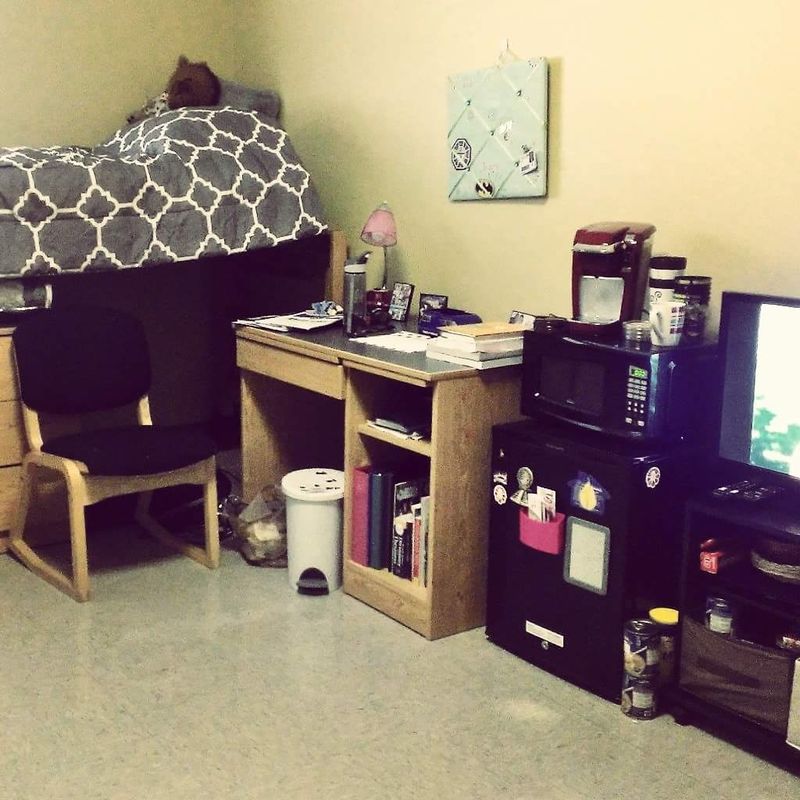
Housing choices matter, and students have opinions. Older dorms are described as okay, while newer options get the stronger nods.
Names that come up include University Hall, Honors North, and The Village. Newer buildings tend to be favored by students looking for comfort.
Others simply call the dorms nice and the dining places good. That steady approval suggests the housing meets expectations.
Prospective students should ask about current availability and building details. Options can shift as renovations roll on.
A campus tour is a smart way to compare rooms in person before signing up.
The Café Makeover

The dining hall has changed a lot. A returning graduate noticed the café has expanded since their last visit, 18 years earlier.
Meal policies now aim to serve people from all backgrounds. To-go options help anyone who prefers to skip the crowds.
Students describe the meals as cheap and good, and say the expansion improved the offerings.
That flexibility matters on a busy day. Grab something quickly or settle in with friends, whichever fits the schedule.
Dining often shapes how people feel about a school, and here it earns steady approval.
Renovation and Growth
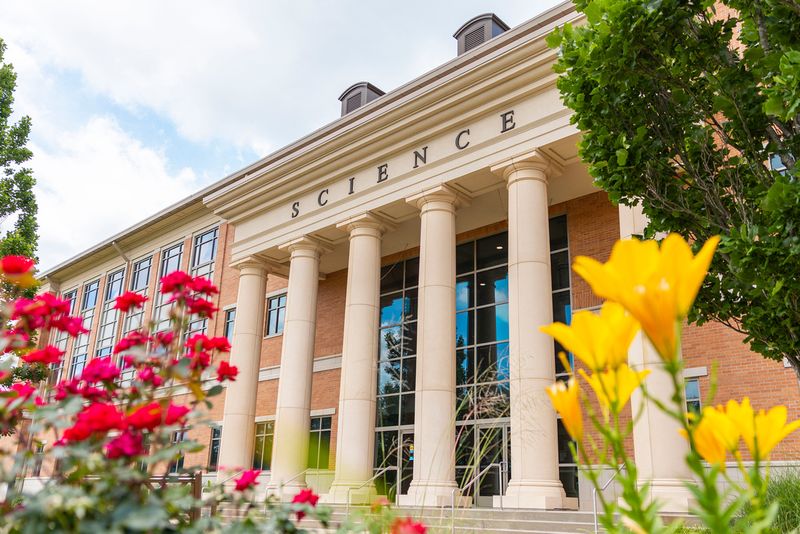
Change has been a theme for years. An early comment noted the college was being newly renovated and updated for more appeal.
More recent voices describe a beautiful campus with strong facilities. Expansion continues to bring new programs and options.
Growth does not erase small-town charm. Students still describe a friendly place where staff know their names.
Administrative steps have drawn mixed comments, especially in the past. Some found the enrollment process frustrating, though they said the school itself was great once everything was settled.
Patience at the start seems to pay off later.
Friendly Faces and Support

People are the headline for many fans. Comments about friendly, helpful faculty and staff appear again and again.
A student suggests introducing yourself to key staff members early, since they can guide you through your time on campus.
Alumni describe wonderful professors and strong career preparation. Parents say the personal attention stands out.
Experiences vary by office, and a few critics mention frustration. Still, the overall mood tilts strongly positive.
That warmth helps explain a 4.6-star rating across 92 reviews on Google Maps.
Who Will Feel at Home
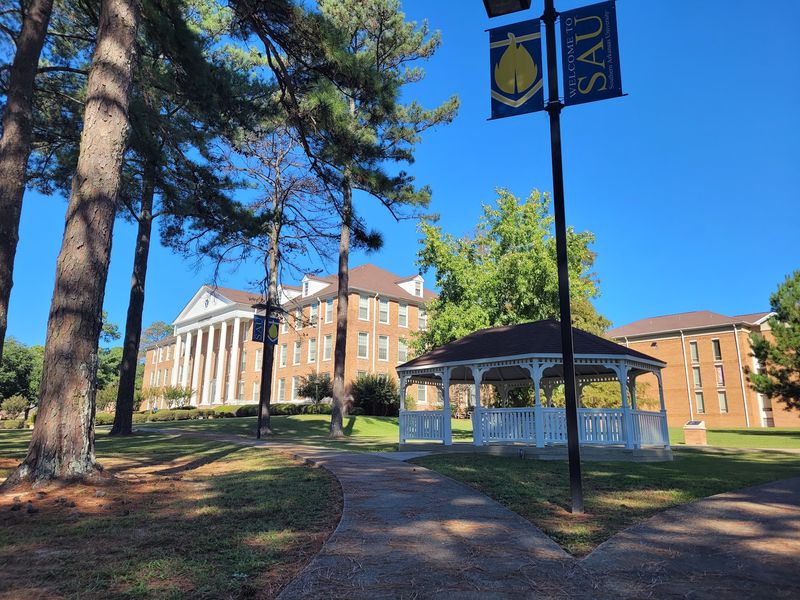
This school suits students who want a smaller community. Those seeking constant city buzz may look elsewhere.
Families on a budget find plenty to like. Scholarship-minded students will want to dig into what is offered.
International students are welcome too, which adds variety to classrooms and campus events.
Adults returning for graduate study can also find options. The range of programs makes the campus more than a four-year stop for recent high school grads.
Every student should weigh personal goals against the quiet setting.
Planning a Campus Visit
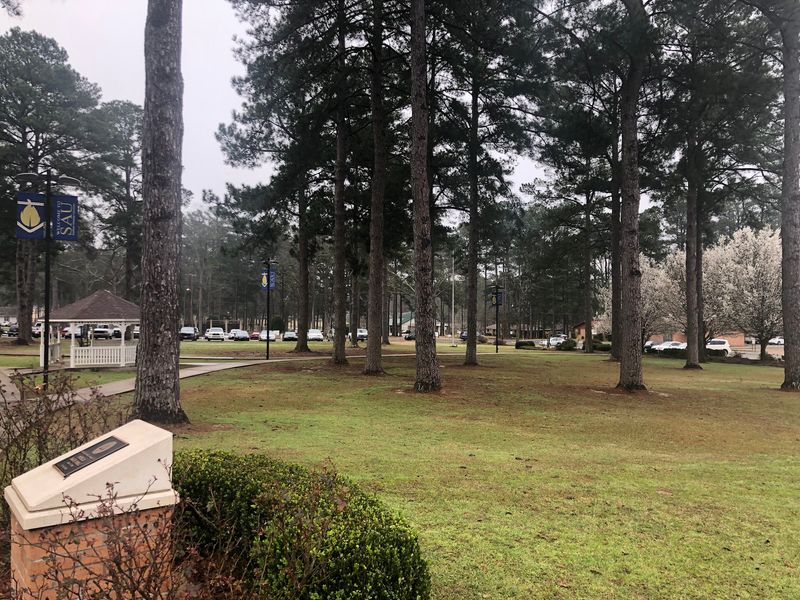
A tour is the best way to judge the place. One parent urges prospective students to come see what the university offers before deciding.
The address is 100 East University in Magnolia. Call the main number or check the school’s website to schedule a visit.
Specific hours and tour times are not listed here, so confirm them in advance.
Plan to ask about scholarships, housing, and your program of interest. Bring questions about costs, since details can change.
Magnolia sits in rural southern Arkansas, so driving is the usual way to arrive.
A Soft Verdict on Small-School Value

Southern Arkansas University earns warm words from most who attend. It combines affordability, personal attention, and a friendly town.
Not every experience is flawless, and a few critics mention paperwork headaches or program concerns. Asking questions early can smooth the way.
For students who value a close community and savings, the school makes a strong case. Many alumni return proud to be Muleriders.
A visit will tell you more than any list can. Magnolia may just surprise you.
Share this story