Hidden deep within Big Bend National Park lies a waterfall so peaceful and remote that visitors often call it their own slice of paradise. Cattail Falls sits tucked away in a rugged canyon, offering a cool, shaded escape from the harsh desert heat that defines much of West Texas. Getting there requires effort and determination, but those who make the journey discover why this secluded oasis feels like a reward from nature itself.
Whether you’re an experienced hiker or someone seeking adventure off the beaten path, this hidden gem delivers an unforgettable Texas experience.
1. A Journey That Earns Its Reward
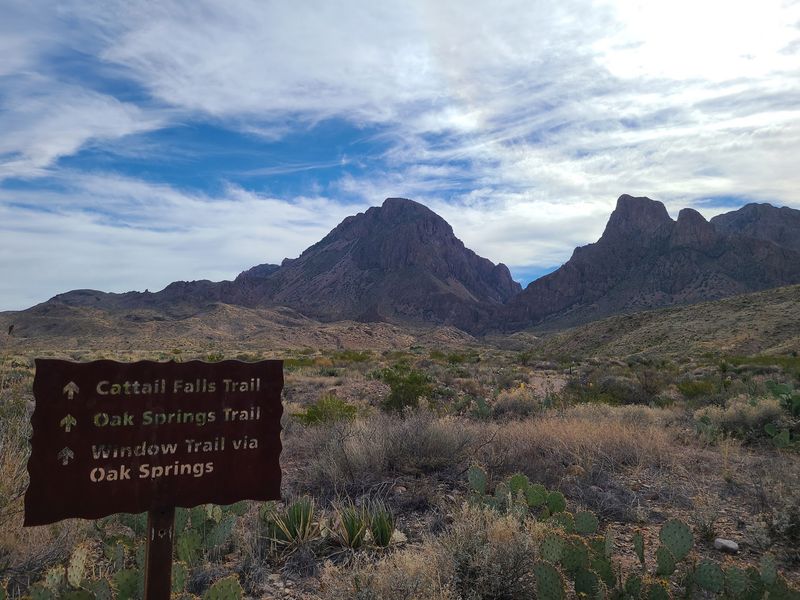
Getting to Cattail Falls isn’t a casual stroll. The trailhead parking lot often sits barricaded, which means your adventure starts with an extra mile or two of walking along a dirt road before you even reach the official trail. Most visitors end up covering close to six miles round trip, sometimes even eight depending on where they park.
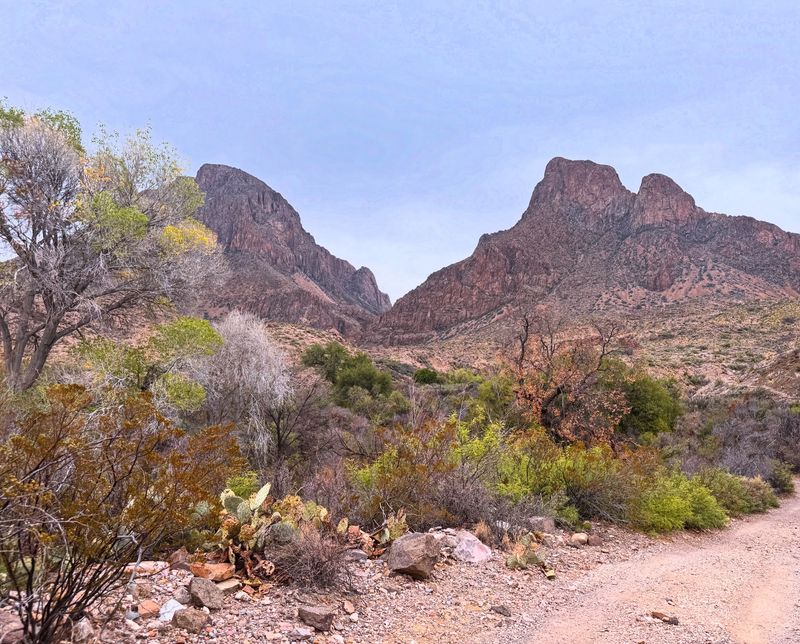
The hike itself changes character as you go. You’ll start in the lower desert sections of the park, surrounded by typical Chihuahuan Desert plants and wide-open views. As you progress, the landscape transforms into something more dramatic with canyon walls rising around you and the environment feeling cooler and more sheltered.
Plan on spending several hours for the complete journey. Bring way more water than you think you’ll need because the Texas sun doesn’t mess around, even on overcast days. The trail rates as easy to moderate for most of the distance, making it doable for people who don’t hike regularly but are reasonably fit.
Wear sturdy shoes with good grip since the final approach involves scrambling over and around large boulders. That last section near the falls gets tricky, especially if you have shorter legs or less climbing experience. The reward waiting at the end makes every challenging step worthwhile, turning the effort into a story you’ll tell for years.
2. Where Desert Meets Waterfall
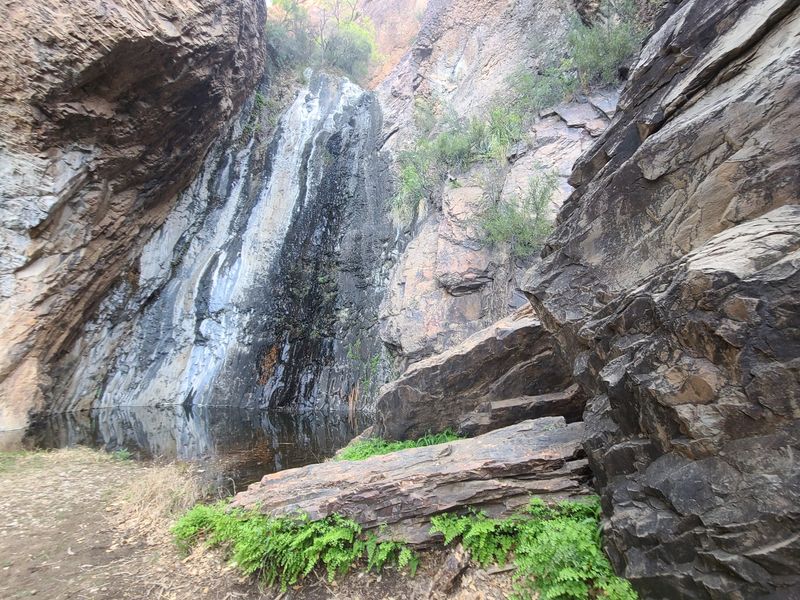
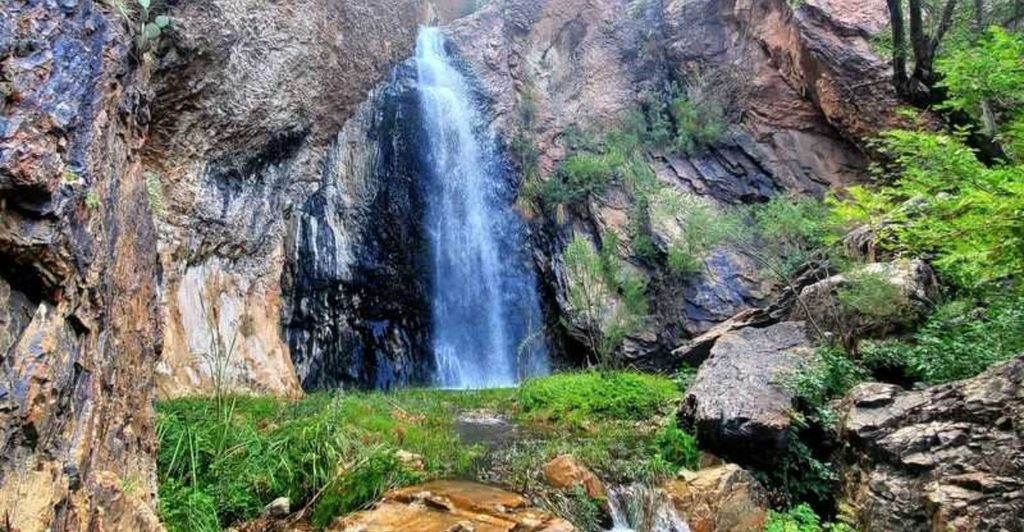
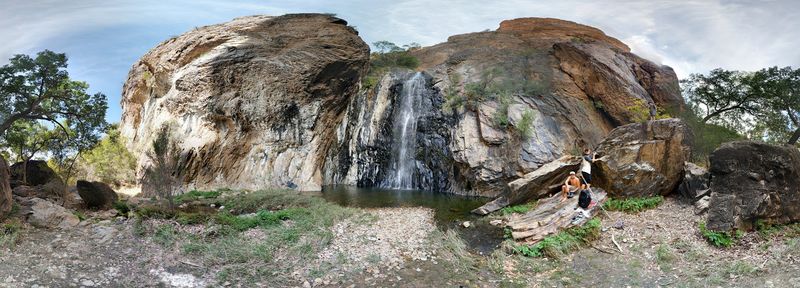
Cattail Falls defies what most people expect from West Texas. Instead of the roaring cascade you might picture, you’ll find water gently trickling down a cliff face, creating a serene atmosphere rather than a dramatic spectacle. Some visitors feel initially disappointed by the modest flow, but that gentle nature actually enhances the peaceful vibe of this hidden spot.
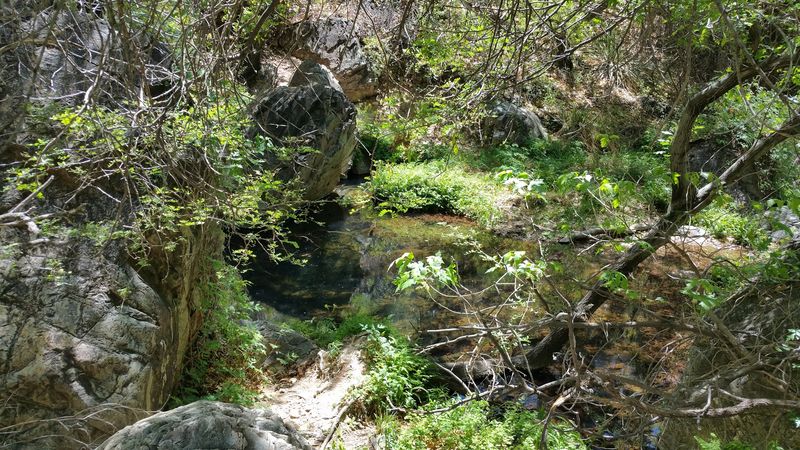
The waterfall creates a legitimate oasis in the middle of an otherwise harsh landscape. Vegetation thrives here in ways you won’t see elsewhere in Big Bend, with greenery clinging to the moist rock face and surrounding areas. The temperature drops noticeably as you approach, offering blessed relief from the desert heat.
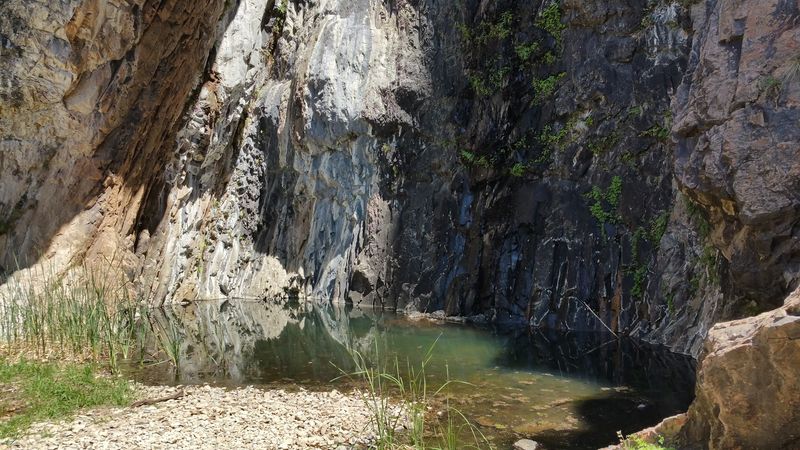
Cold spring water pools at the base of the falls, and dipping your feet or even taking a quick splash feels absolutely heavenly after the long, hot hike. Many visitors describe this moment as the highlight of their entire Big Bend experience. The water stays surprisingly chilly year-round, fed by underground springs that maintain a constant temperature.
The setting feels incredibly secluded despite being in a national park. High canyon walls create a sense of privacy and protection. You’ll likely have the falls to yourself or share the space with just a handful of other hikers who made the effort to reach this remote location.
3. Timing Your Visit for Success
When you visit Cattail Falls matters almost as much as whether you go at all. Mid-May through early October brings scorching temperatures that can make the hike genuinely dangerous if you’re unprepared. Spring and fall offer the most comfortable conditions, with moderate temperatures and usually clear skies that make the journey pleasant rather than punishing.
Early morning starts give you the best experience regardless of season. You’ll beat the worst heat, enjoy softer light for photos, and increase your chances of having the falls to yourself for a while. Starting by 7 or 8 a.m. means you’re heading back before the afternoon sun reaches its peak intensity.
Winter hiking works great here too, though you’ll want layers since mornings can be quite cold. The waterfall still flows during cooler months, and the reduced visitor numbers mean even more solitude. Just check park conditions before heading out since occasional weather events can make roads or trails temporarily impassable.
Overcast days actually provide ideal hiking conditions. Cloud cover keeps temperatures manageable while still offering plenty of light for navigation and enjoying the scenery. Don’t let gray skies discourage you from making the trip.
The falls themselves look just as beautiful regardless of whether the sun is shining, and you’ll appreciate the natural shade during your walk.
4. What to Pack for the Trek
Water tops the list of essentials, and you genuinely can’t bring too much. Each person should carry at least three liters, maybe four if you’re hiking in warmer months. Dehydration sneaks up fast in the desert, and the nearest refill point sits miles away back at your car or the park facilities.
Snacks with protein and salt help maintain energy levels during the long trek. Trail mix, energy bars, jerky, or fruit all work well. Your body burns through calories and electrolytes quickly on this hike, so plan to eat small amounts regularly rather than waiting until you feel hungry.
Sun protection goes beyond just sunscreen, though you definitely need that too. A wide-brimmed hat, sunglasses, and lightweight long sleeves protect your skin far better than constantly reapplying lotion. The Texas sun reflects off rocks and sand, hitting you from multiple angles even when you’re in partial shade.
Sturdy hiking boots or trail shoes with ankle support make navigating the boulder section near the falls much safer and easier. Regular sneakers might work for most of the trail but will leave you struggling on the rocky final approach. Trekking poles help many people maintain balance and reduce strain on knees during the return journey when fatigue sets in.
5. Reading the Trail and Staying Found
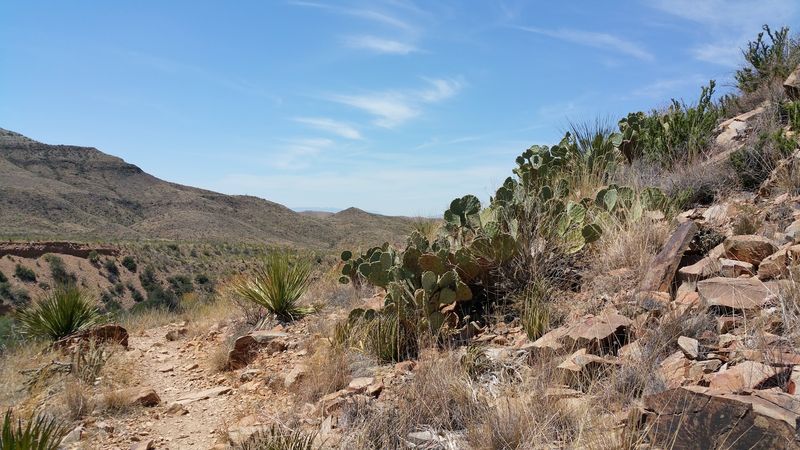
Finding Cattail Falls requires more attention than following a paved nature walk. The trail isn’t always obviously marked, and some sections can feel confusing, especially where the path crosses open desert or rocky areas. Many hikers describe the experience as a bit of a treasure hunt, which adds to the adventure but also demands focus.
Look for cairns (small stacks of rocks) that previous hikers have built to mark the route. These helpful guides appear at key decision points where the trail might fork or become less obvious. Don’t rely solely on cairns though, since weather and time can knock them down.
Downloading offline maps before you leave cell service helps tremendously. Apps like AllTrails or Gaia GPS let you track your progress and verify you’re heading the right direction. The park itself has spotty or no cell coverage, so anything requiring an internet connection won’t work once you’re on the trail.
Pay attention to landmarks and terrain features during your hike in. Noting distinctive rock formations, vegetation clusters, or turns in the canyon helps you retrace your steps on the way back. The return journey can look surprisingly different from the opposite direction, and it’s easier to get turned around than you might expect when you’re tired.
6. Wildlife Encounters and Safety
Big Bend hosts an impressive variety of wildlife, though many animals stay hidden during daylight hours when hikers are most active. Black bears do live in the park, particularly in areas with water sources like Cattail Falls. While encounters remain relatively rare, knowing how to respond keeps both you and the bears safe.
Make noise while hiking, especially around blind corners or dense vegetation. Talk with your companions, clap occasionally, or even sing if you’re comfortable doing that. Bears typically avoid humans when they hear them coming, so announcing your presence helps prevent surprise meetings that stress everyone involved.
Store all food and scented items properly, and never approach wildlife for photos or any other reason. Keep at least 100 yards between yourself and any bear you spot. If you do encounter one, stay calm, make yourself look large, and back away slowly without turning your back or running.
Snakes, scorpions, and other desert creatures also call this area home. Watch where you place your hands and feet, especially when scrambling over rocks near the falls. Most desert animals want nothing to do with humans and will retreat if given the chance.
Wearing closed-toe shoes and long pants provides basic protection against accidental encounters with things that bite or sting.
7. The Boulder Scramble Challenge
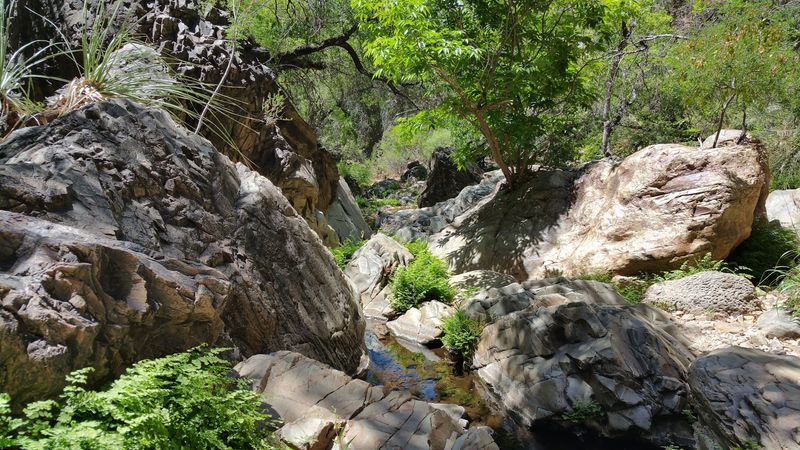
The final approach to Cattail Falls tests your climbing skills and nerve. Large boulders block the direct path, requiring you to scramble over, under, and around rock obstacles that range from basketball-sized to bigger than a compact car. This section isn’t technically difficult for experienced hikers, but it definitely qualifies as the most challenging part of the journey.
Take your time through this area and choose your route carefully. Multiple paths exist through the boulder field, and what works for one person might not suit someone taller, shorter, or with different mobility. Test handholds and footholds before committing your full weight, since some rocks sit more stable than others.
Hiking poles can actually get in the way during this scramble, so consider stowing them in your pack. You’ll want both hands free for balance and grabbing holds. If you’re carrying a large backpack, the extra bulk can make squeezing through tight spots trickier, though most people manage fine with standard daypacks.
Kids and shorter adults might need assistance from taller companions for some moves. There’s no shame in asking for or offering help. The rocks can feel intimidating, but thousands of visitors successfully navigate this section every year.
Once you clear the boulder field, the falls open up before you like a secret prize.
8. A Local Secret No More
Old-timers remember when Cattail Falls felt like a genuine secret known only to locals and park regulars. Back in the 1980s, you could visit without seeing another soul, and the journey felt like discovering something truly hidden. Times have changed as social media and hiking apps have spread the word about this special place.
Despite increased visitor numbers, Cattail Falls maintains much of its secluded character. The difficulty of the hike naturally limits crowds, filtering out casual tourists who prefer easier attractions. You won’t find tour buses or paved paths here, just dedicated hikers willing to work for their reward.
The falls once served as a genuine lifesaver for desert travelers who knew where to find this reliable water source. That practical importance has faded now that visitors come prepared with their own supplies, but the oasis still provides the same cooling relief it has for centuries. The cold water and shaded canyon offer instant recovery from the harsh desert environment.
Respecting this fragile ecosystem helps preserve it for future visitors. Pack out everything you bring in, stay on established trails where possible, and avoid trampling vegetation around the water source. This small waterfall supports a surprising amount of life in an otherwise harsh landscape, and careless visitors can damage habitats that took decades to develop.
Share this story