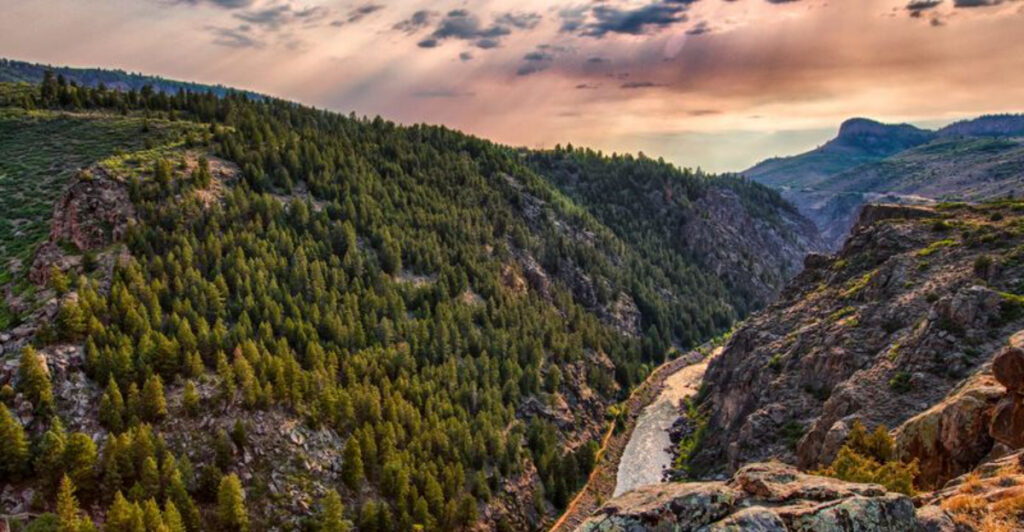
After sunset, Curecanti National Recreation Area trades its dramatic reservoirs and canyon scenery for an even bigger attraction overhead. Western Colorado’s expansive skies and limited artificial light create excellent conditions for spotting the Milky Way, especially on clear August nights when staying outside after dark feels inviting.
Stars stretch across the sky above the water and rugged landscape, transforming familiar daytime viewpoints into peaceful stargazing destinations. The experience also highlights something increasingly valuable: places where genuine darkness still exists. For campers, photographers, and curious night-sky watchers, Curecanti offers a memorable summer escape beneath one of Colorado’s most impressive natural displays.
When the Milky Way Takes Over the Sky
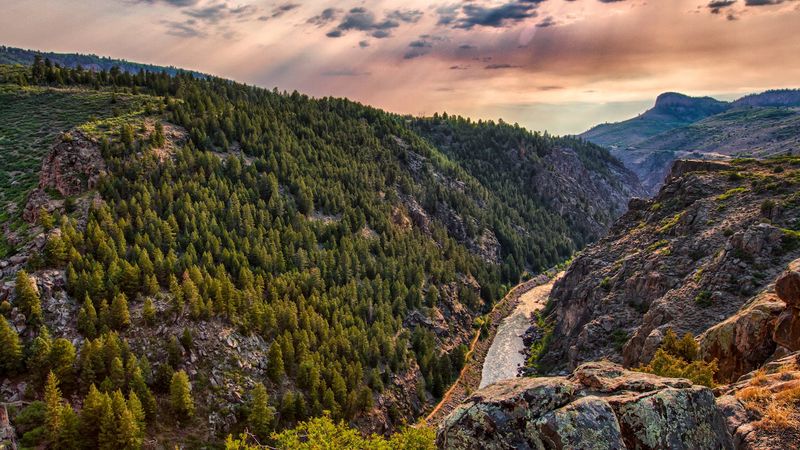
August is when the night sky at Curecanti starts to show off. After the last orange light slips behind the hills, the dark builds fast, and the sky begins filling with more stars than most people ever see at home.
Before long, the Milky Way stretches overhead like a pale river, textured with bright knots, dusty lanes, and clusters that look close enough to trace with a finger.
Curecanti works so well for stargazing because the landscape opens wide in almost every direction. Large reservoirs, rolling hills, and steep canyon walls create big viewing windows instead of blocking the horizon with tall city buildings or heavy tree cover.
That broad view helps the sky feel huge, which is exactly what night watchers want when the galaxy is at its summer best.
August nights also bring a practical advantage. The Milky Way core is still visible during evening hours, so families, road trippers, and casual campers do not have to stay up until the middle of the night to catch it.
A short wait after full darkness can be enough for a striking view, especially on a moonless night. Conditions still matter. Wind can pick up around the reservoirs, and clouds can erase the best part of the show, so checking the forecast before heading out is smart.
A red flashlight helps protect night vision, and a folding chair makes the waiting more comfortable. The payoff is simple and unforgettable. Instead of seeing a few scattered stars, you get depth, shape, and motion across the sky.
Curecanti turns August into a season of looking up, slowing down, and noticing just how bright the universe can seem when the ground stays dark.
Colorado Nights With Almost No Glare
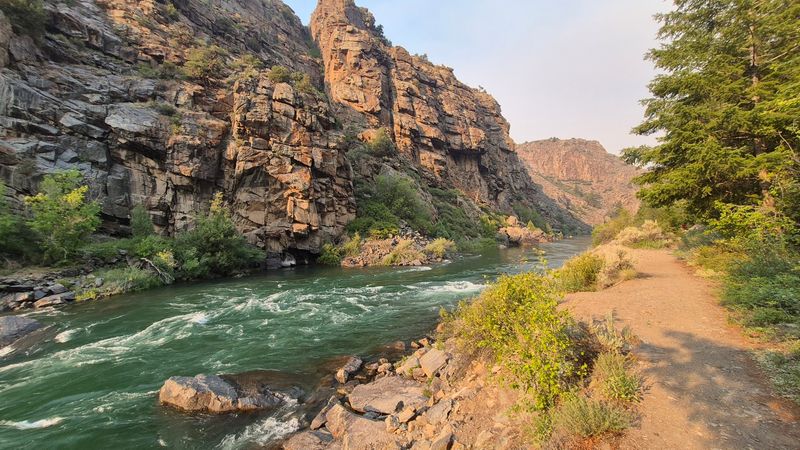
City light can ruin a starry night before it even begins. At Curecanti, that usual glow is greatly reduced, and that changes everything.
The darkness here is not just a nice background for a photo. It is the main reason the Milky Way stands out so clearly against the sky in late summer.
Gunnison sits nearby, but Curecanti covers a long and spacious stretch of land and water, giving stargazers room to get away from stronger light sources. Campers often notice how quickly the stars appear once the sun is gone.
The lack of bright buildings, busy intersections, and constant headlights allows faint details to rise into view, including the smoky bands that make the Milky Way look layered instead of flat.
That kind of darkness helps beginners as much as experienced skywatchers. Someone using only their eyes can spot more than expected, while a person with binoculars or a small telescope can pick out even more structure.
The difference is immediate. In a bright suburb, the sky can look empty. Here, it looks crowded. There is also a quieter side to dark sky travel. Fewer lights often mean fewer distractions, so the pace naturally slows down.
Instead of checking a phone every few minutes, people tend to settle into the night, listen to the wind, and wait for their eyes to adjust. It becomes easier to notice how the stars sharpen over time.
A small step makes a big difference. Keep car lights off once parked safely, avoid bright lanterns, and let your vision adapt for at least twenty minutes.
Curecanti rewards patience. On a good August night, the darkness itself becomes part of the attraction, helping the sky look richer, deeper, and far more dramatic than most travelers expect.
Reservoir Edges and Canyon Rims Make a Dramatic Stage
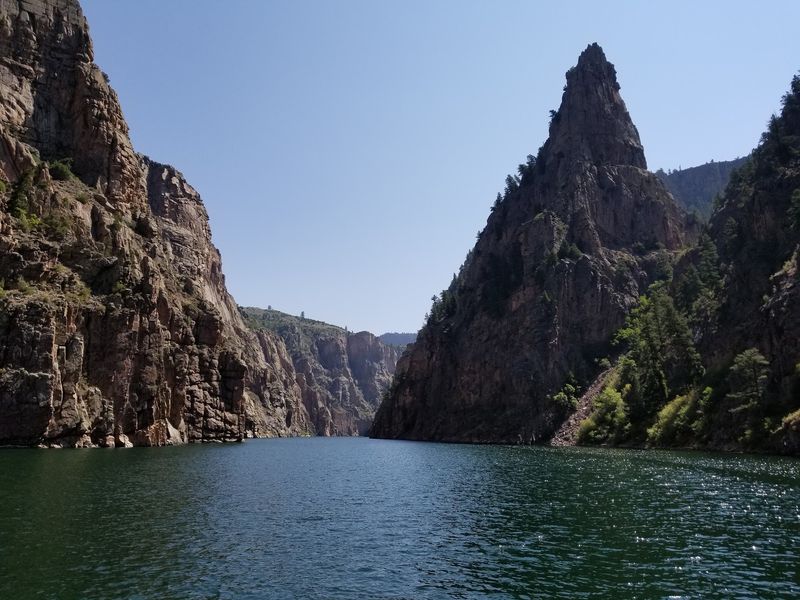
Not every dark place is visually interesting once the sun goes down. Curecanti is different because the land itself adds shape to the night.
Reservoir shorelines, rocky slopes, and canyon walls create a strong foreground, so the stars are not floating above an empty black field. The result is a sky scene with scale and contrast.
By day, Curecanti is known for three reservoirs and broad views along the Gunnison River corridor. At night, those same features help frame the Milky Way.
Water can reflect a little starlight or moonlight, while the cliffs and ridges cut sharp outlines beneath the sky. Even a simple pullout or campground edge can feel cinematic when the galaxy appears overhead.
This matters for more than beauty. A defined foreground helps photographers build stronger images and helps casual viewers understand just how big the sky looks here.
Looking from a dark shoreline across a wide body of water can make the stars seem even brighter because there is less clutter between your eyes and the horizon.
Wind is part of the Curecanti experience, and it can change the scene quickly. Calm water may offer a soft reflection, while a breezy evening breaks the surface into shifting silver ripples.
Either way, the setting stays dramatic. The landscape never disappears at night. It simply becomes bolder in silhouette.
For the best effect, arrive before sunset and choose a spot with a clear southern or southeastern view, since that is where the Milky Way core tends to be most noticeable in August. Staying through twilight also lets your eyes adjust naturally.
By the time full darkness settles in, Curecanti is no longer just a recreation area. It becomes a giant outdoor theater for the stars.
August Is the Sweet Spot for Seeing the Galaxy Early
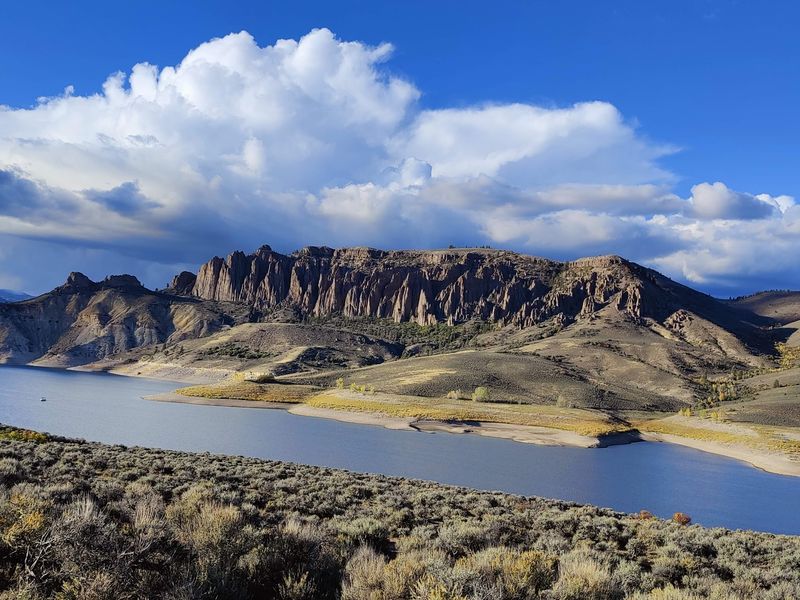
Summer does not last forever, and August hits a sweet balance for night sky viewing at Curecanti. The weather is usually easier than in colder months, roads and camp areas are more accessible, and the Milky Way can still be seen at a reasonable evening hour.
That timing is a big deal for anyone who wants a memorable sky without a midnight schedule. Earlier in summer, nights are shorter, so darkness arrives later.
Later in fall, temperatures drop and the brightest central part of the Milky Way shifts lower and becomes less convenient to catch. August lands in the middle. The sky gets properly dark while the galaxy still holds a strong place in the evening.
That makes trip planning simpler. Families with kids can watch the first stars come out after dinner and still have a real chance of seeing the Milky Way before bedtime gets too late.
Campers can pair a sunset over the reservoirs with a second act overhead. Travelers passing through on a road trip can even build a short stargazing stop into a longer day.
Moon phase matters almost as much as the month itself. A bright moon can wash out fainter stars, so nights around the new moon are usually best.
Clear air helps too, and high country weather can change quickly, which is why warm layers belong in the car even after a hot afternoon.
Bring a simple plan instead of overcomplicating the night. Show up before dark, pick a safe viewing area, use a red light, and give your eyes time to adjust.
Curecanti does the rest. In August, the park offers an easy doorway into astronomy, making the Milky Way feel less like a rare event and more like a summer tradition waiting above the water and stone.
Campgrounds Turn the Sky Show Into an Overnight Event
One of the smartest ways to enjoy Curecanti after dark is also the simplest. Stay the night. Campgrounds and camping areas give stargazers time, which matters because the best sky moments rarely happen on a rushed stop.
A quick roadside look can be nice, but an overnight stay lets the evening unfold in stages. First comes sunset over the water and canyon country. Then twilight softens the last color on the horizon.
After that, the brighter stars show up, followed by the deeper, richer sky that makes Curecanti special. Campers do not have to race back to a hotel or worry about a long drive right after midnight. They are already where they need to be.
Curecanti is also practical for travelers who like a mix of outdoor comfort and dark skies. Reviews often note clean restrooms and well-kept sites, along with broad views and quiet nights.
Some camp areas have limited shade and can be windy, so tent stakes, layers, and sunscreen are useful in the day, while jackets matter once the sun disappears.
Nighttime etiquette counts here. Bright lanterns can spoil the view for nearby campers, and car headlights can wipe out night vision in seconds.
Keeping lights low helps everyone. It also protects the mood of the place, where the darkness is part of the experience rather than a problem to solve.
An overnight plan gives room for extras too. Bring a blanket, star map app with dim screen settings, snacks, and binoculars if available.
Even sitting quietly outside a tent for half an hour can be enough to catch a richer sky than most people ever see at home. At Curecanti, camping does not just place you near the scenery. It keeps you present for the best part of the night.
Scenic Roads and Pullouts Make Access Easier Than Expected
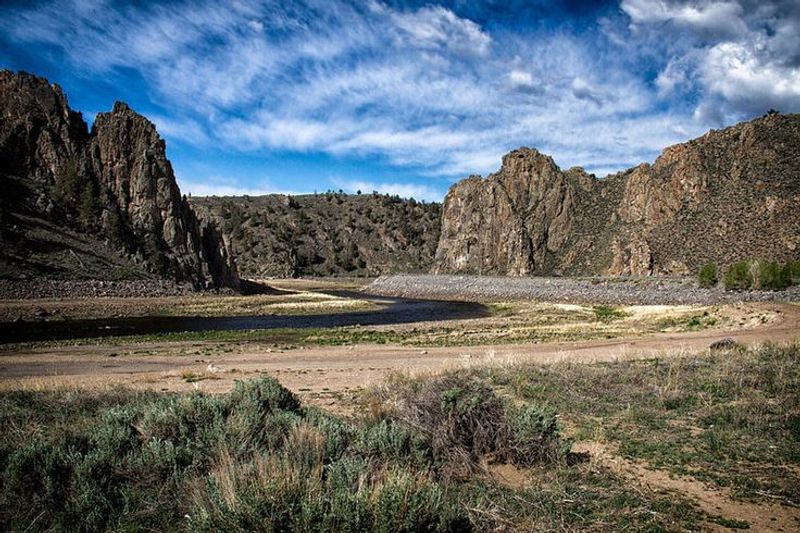
Some dark sky destinations ask for a hard hike, a rough backroad, or a lot of guesswork. Curecanti can be far more approachable.
The recreation area stretches along major travel routes and scenic roads, which means strong night views may be closer to the car than many first-time visitors expect. That convenience opens the experience to more people.
Daytime drivers already know Curecanti for dramatic bends in the road, reservoir overlooks, and long views that seem to keep widening around each curve. At night, those same pullouts and shoreline access areas can become useful places to stop and watch the sky, as long as they are used safely and legally.
The advantage is obvious. Less walking is needed, and you can scout locations in daylight before returning after dark.
This setup works well for travelers who are curious about stargazing but do not want a full wilderness outing. It also helps photographers carrying tripods, parents with sleepy kids, and anyone easing into night sky travel for the first time.
The key is choosing a place with minimal traffic, a clear view, and room to park completely off the road. Safety should guide every decision. Arrive before sunset if possible, learn the layout while there is still light, and avoid wandering near unfamiliar edges in the dark.
Keep a flashlight handy, but use red light once you are settled. Weather and road conditions can shift in mountain country, so extra caution pays off.
That blend of beauty and access is part of Curecanti’s appeal. You can spend the day exploring overlooks, water access points, and visitor services, then return to a chosen viewpoint after dark for the main event.
When the Milky Way rises over the reservoirs and canyon country, the trip feels big without being complicated, which is exactly the kind of ease many night travelers want.
A Smarter Star Plan for Your Curecanti Night
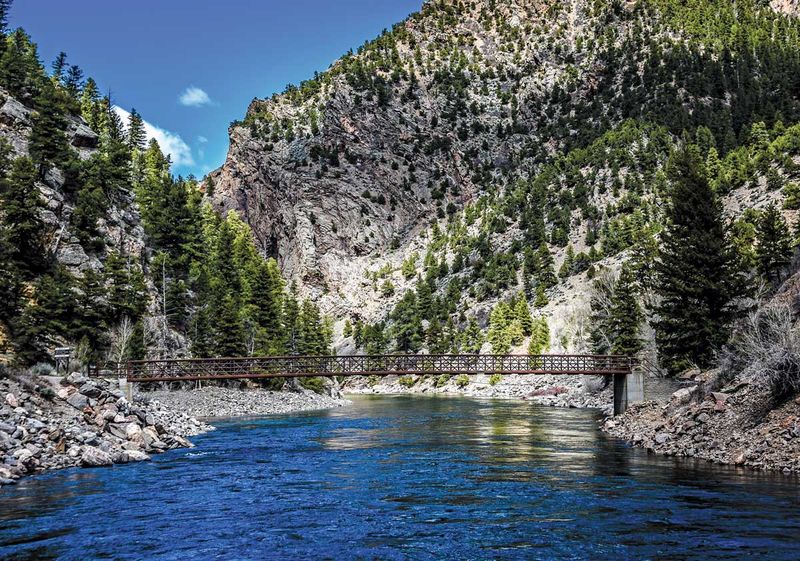
A great August night at Curecanti usually comes from preparation, not luck. The sky may be spectacular, but the setting is still real outdoor country with wind, bugs, uneven ground, and fast temperature drops after sunset.
A little planning turns a chilly, uncomfortable evening into a smooth one. Start with clothing. Daytime heat can fool people into packing too light, yet nights near the reservoirs can cool off quickly.
A jacket, long pants, and closed-toe shoes make a big difference once you stop moving. Wind is another regular factor here, so securing hats, blankets, and tripods is wise instead of optional.
Then think about comfort and visibility. A folding chair or blanket keeps the experience relaxed, and a red flashlight helps you move around without blasting your night vision.
Regular bright beams make the stars seem to disappear for several minutes, which is frustrating when the whole point is to see faint detail in the sky.
Mosquito spray is worth tossing in the bag, especially near water in warmer months. Snacks and water help too, because even a short stargazing session can stretch longer once the Milky Way becomes visible.
Phones are useful for sky map apps, but dim the screen as much as possible. Better yet, use the app briefly, then put it away and look up.
One more smart move is to visit the visitor center or ask rangers about current conditions, closures, or recommended areas before nightfall. Curecanti is large, and local guidance can save time.
The goal is not to overpack or turn the outing into a science project. It is to remove small hassles so the real highlight can take over.
On a clear August night, that means standing under a dark Colorado sky and watching the Milky Way sharpen above the reservoirs.
Why Curecanti Stands Apart After Sunset
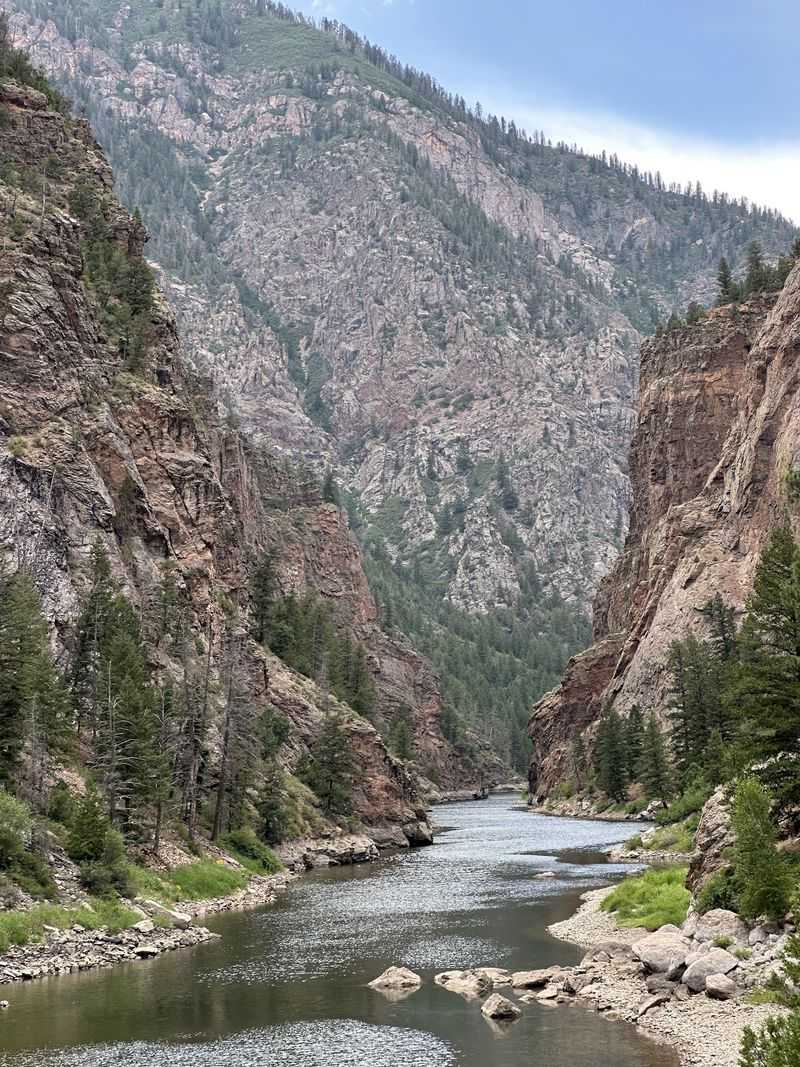
Curecanti has an unusual advantage. It is not only a dark place, and it is not only a scenic place. It combines both in a way that makes the night feel bigger than a simple stargazing stop.
The reservoirs widen the view, the canyon country adds drama, and the relative lack of artificial light gives the Milky Way room to take center stage.
Many beautiful outdoor areas lose part of their appeal after sunset because there is little to see beyond a black outline. Curecanti gains a second identity at night.
The shapes of cliffs and shorelines stay visible in silhouette, the sky grows crowded with stars, and August offers one of the easiest windows to catch the galaxy at a comfortable hour. That combination is hard to ignore.
It also helps that Curecanti supports more than one kind of traveler. Serious photographers can work with foregrounds and reflections.
Campers can step outside the tent and look up. Families can plan a low-key evening around moonless dates. Road trippers can stop at overlooks and experience a high-quality dark sky without needing a long backcountry trek.
The place has a grounded, practical side too. There are campgrounds, ranger help, scenic roads, and multiple access points across a large recreation area.
You still need to respect weather, wind, and darkness, but the experience is not locked behind expert skills. That makes the sky more available, which is part of what makes it special.
On August nights, Curecanti shows how a recreation area known for boating, fishing, and big water can become one of Colorado’s most rewarding places to watch the Milky Way. The shift from bright afternoon reservoir views to a star-loaded sky is the real surprise.
By the time full darkness settles in, the park offers not just scenery, but a complete night landscape built for looking up.
Share this story