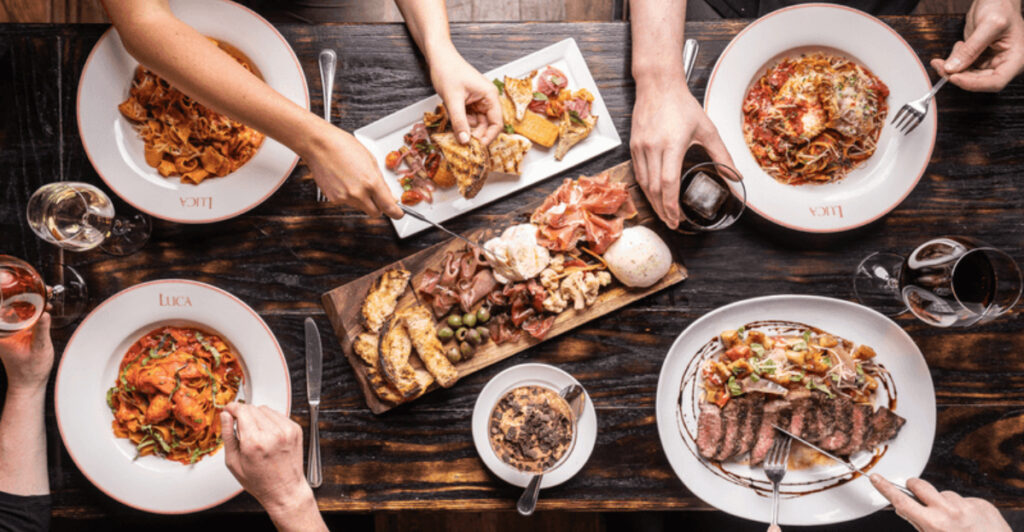
Denver’s Italian dining scene is filled with excellent options, but Luca stands apart with its handmade pasta, Sicilian-inspired cuisine, and refined approach to regional Italian cooking. Located in the city’s Capitol Hill neighborhood, this acclaimed restaurant pairs fresh seasonal ingredients with house-made pastas, expertly prepared seafood, and an award-winning wine program in an elegant yet welcoming setting.
Every dish reflects a thoughtful balance of tradition and modern technique, creating a dining experience that feels both authentic and memorable. If you’re searching for one of Colorado’s best Italian restaurants, Luca deserves a place at the top of your list.
A Grant Street Dining Room That Keeps the Drama on the Plate
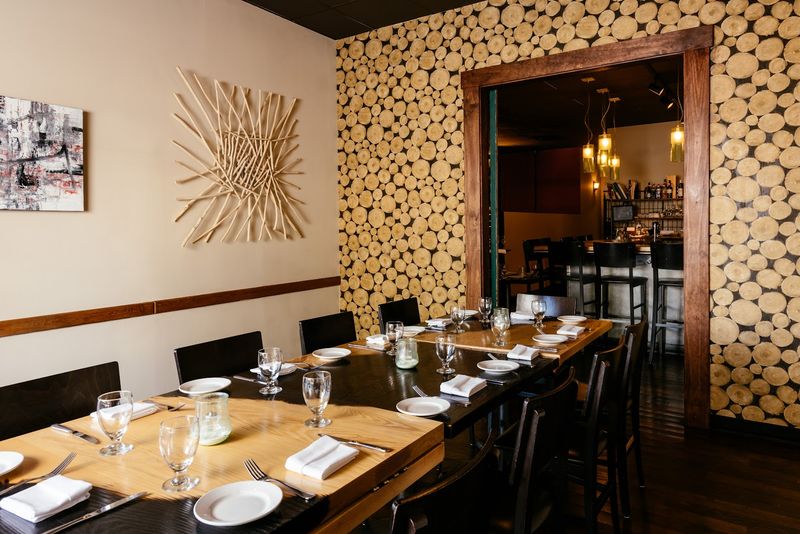
Luca does not rely on oversized decor tricks or staged nostalgia. The room is relatively simple, with a low-key, polished look that lets dinner take center stage instead of competing with it.
That restraint works in its favor, especially in a city where so many date-night spots try too hard to announce themselves before you even sit down.
Inside, the mood lands somewhere between cozy neighborhood restaurant and dressed-up evening destination. Warm light, close-set tables, and a compact footprint create energy without turning the place chaotic.
You get the sense that the layout is built for conversation, shared plates, and servers moving efficiently through a busy service rather than for showing off square footage.
The welcome matters here too. A complimentary splash of sparkling wine appears often enough to be part of the restaurant’s recognizable rhythm, and that small gesture shifts the tone immediately.
It adds a note of celebration, even if your reservation is simply for an ordinary Tuesday that needs better food. There is also a practical side to Luca’s small scale.
Reservations make sense, particularly at peak dinner hours, and the evening service window gives the restaurant a focused cadence instead of an all-day sprawl.
The place opens at 5 PM, which helps frame it as a deliberate night-out restaurant, not a drop-in pasta counter. That compact, evening-only identity fits the menu. Luca reads upscale, but not brittle, and stylish, but not theatrical.
On Grant Street, it pulls off a trick many restaurants chase and few achieve: it looks composed, sounds lively, and leaves plenty of room for the real event, which is the food arriving at the table.
Homemade Pasta Is the Headliner, and Sicily Sets the Tone
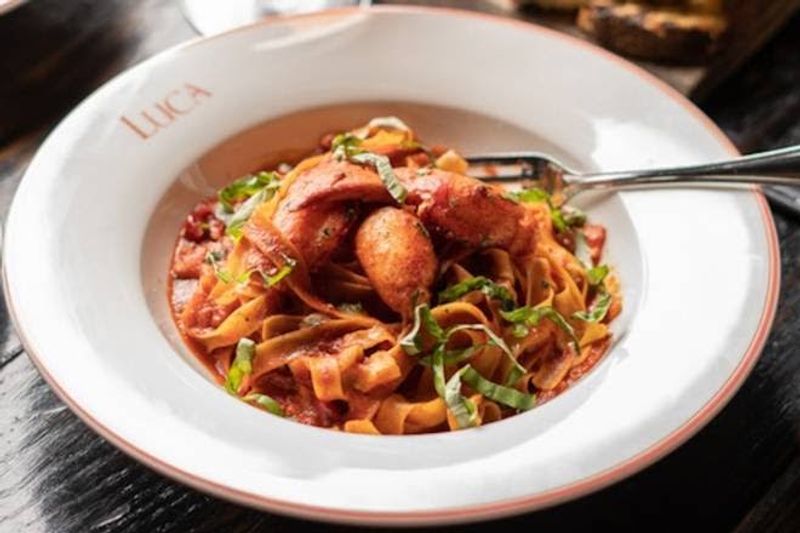
The clearest reason to come to Luca is right there in the title of the experience: homemade pasta with a Sicilian point of view.
That phrase can sound broad on paper, but here it signals a menu interested in regional character rather than generic red-sauce comfort. The appeal is the combination of refinement and warmth, with pasta acting as both craft showcase and anchor.
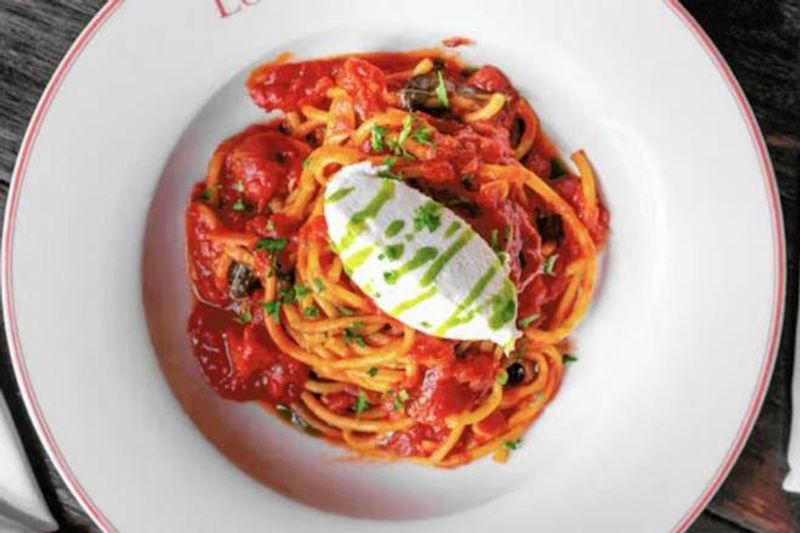
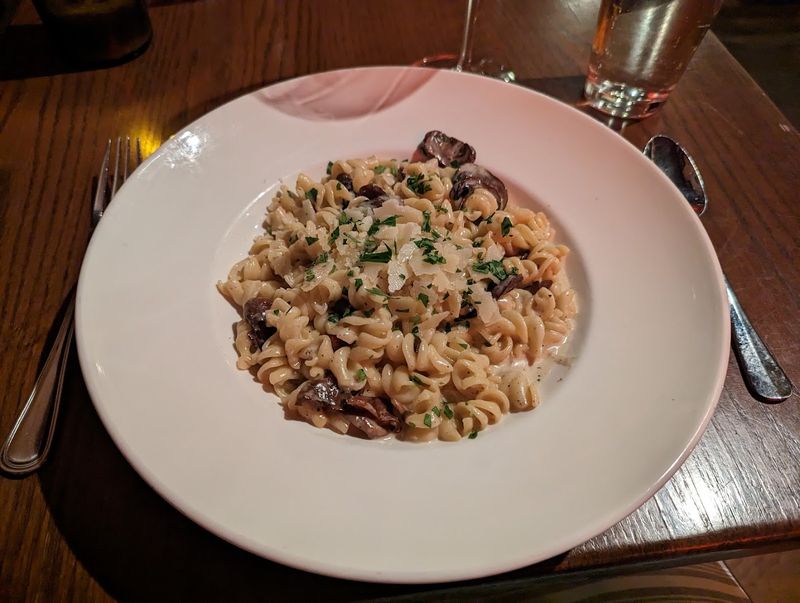
Housemade noodles are not treated like a side note. They are central to how the restaurant defines itself, and several dishes repeatedly surface as standouts, including mushroom fusilli, bolognese, gnocchetti, and lobster fra diavolo.
Even without turning the meal into a checklist, you can tell the pasta program is meant to be the heart of the table.
Sicilian inspiration gives Luca room to push beyond expected Italian-American patterns. That can show up in spice, richness, seafood-leaning ideas, or a sharper contrast between savory depth and bright finishing touches.
The effect is not a lecture in regional cooking – it is a menu that has more personality than the usual parade of predictable standards.
Just as important, the restaurant does not box itself into pasta alone. Pizza, burrata, short rib, chicken parmesan, and other larger plates broaden the menu, which makes Luca useful for mixed groups where one person wants a bowl of handmade noodles and another wants something heartier.
Still, pasta remains the clearest expression of the kitchen’s identity. If you are deciding how to order, start where Luca is most specific. A restaurant can pour all the Prosecco it wants and dim the lights just right, but none of that matters if the noodles miss.
Here, the handmade pasta is the point, and the Sicilian influence gives that point shape, flavor, and a stronger sense of place.
The Quiet Extras That Change the Whole Meal
Luca’s dinner experience is shaped by small gestures that arrive before the main course has a chance to define the night. A welcome pour of sparkling wine shows up often, and focaccia tends to follow close behind.
Those touches are simple, but they create a sense of progression instead of making the meal begin with a cold stare at the menu.
That pacing continues across the table. Bread, spreads, cocktails, little sweets, and occasional complimentary finishes give the evening a layered structure that feels more curated than rushed.
Rather than front-loading excess, Luca uses these extras to set a generous tempo, which is especially effective in a smaller dining room where timing is part of the atmosphere.
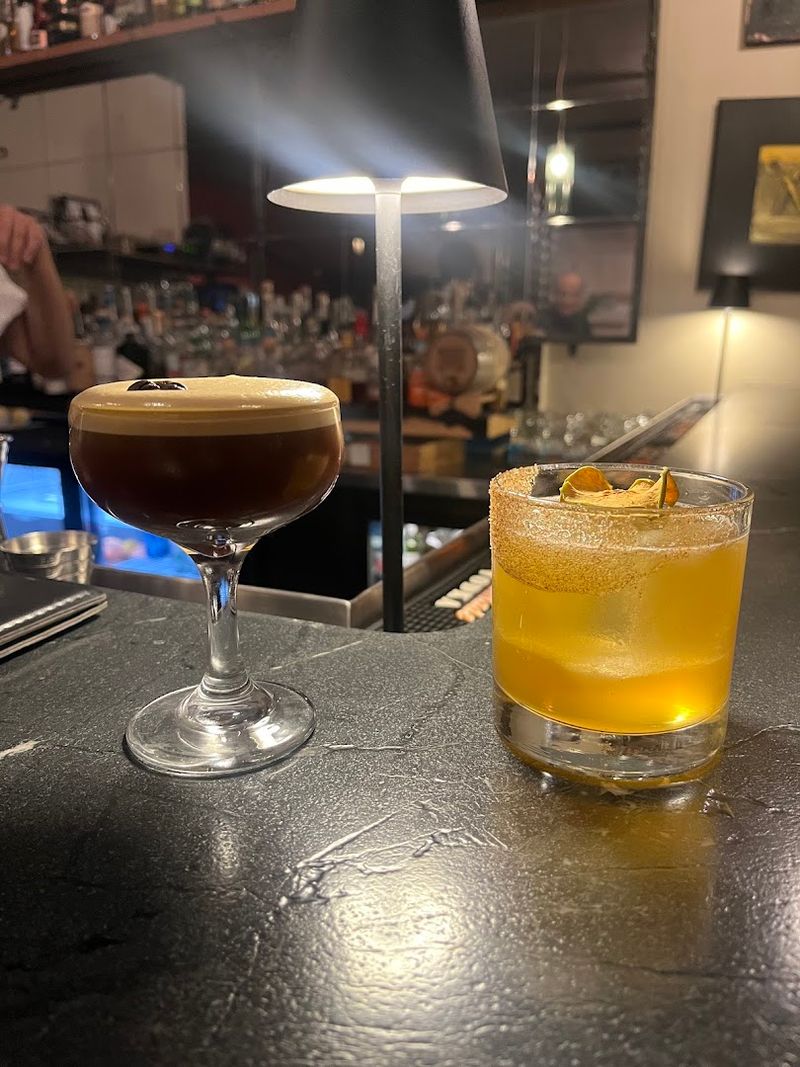
The cocktail side of the experience deserves notice too. Several diners specifically point to thoughtful drink preparation, and that matters because Italian restaurants sometimes treat the bar as support staff for the wine list.
Luca appears to take beverages seriously, which helps the meal land as a complete night out instead of a narrow pasta stop.
Dessert and the in-between moments seem to get similar care. Cookies, complimentary birthday touches, and polished end-of-meal details all reinforce the same idea: the restaurant wants the evening to have shape.
Even practical steps, like boxing leftovers for diners, are handled as part of the service flow rather than an afterthought.
Of course, details only help when execution stays consistent, and service notes are not universally perfect. Still, the restaurant’s identity is clearly built around hospitality rituals, not just plated food.
At Luca, the extras are not random freebies tossed in for effect – they are part of how the meal gains momentum, softens the room, and turns a reservation into a full evening.
Why Luca Works So Well in Colorado’s Date-Night Rotation
Denver has plenty of places where dinner can turn into a performance. Luca takes the opposite route, and that is exactly why it fits so neatly into Colorado’s date-night rotation.
It gives you an evening that feels elevated without requiring a speech about how elevated it is. The restaurant’s scale helps. A smaller room naturally compresses sound, light, and movement, so even a normal dinner picks up a little energy.
Add polished service, a menu centered on handmade pasta, and a few celebratory touches at the start or finish, and Luca becomes the kind of place that works for anniversaries, birthdays, reunion dinners, or simply a reservation made because the week has dragged on long enough.
Importantly, it does not read as exclusive in a way that pushes people out. Families have been comfortably accommodated, special occasions are clearly part of the rhythm, and the room seems able to shift from romantic to convivial without losing its balance.
That flexibility is valuable because many upscale Italian spots are either too formal for relaxed dining or too casual for milestone evenings.
Luca also benefits from being specific instead of sprawling. Dinner hours keep the focus on the nighttime crowd, and the menu has enough range to support different moods while still maintaining a clear identity.
You are not choosing between a hundred options. You are choosing a setting, a pace, and a style of meal that knows what it wants to be.
In Colorado, where a lot of nights out compete through scale, views, or novelty, Luca competes through proportion. Nothing appears oversized, yet the experience can still feel occasion-worthy.
That is a powerful combination for a city dinner: intimate without being cramped, polished without posturing, and centered on food that gives the evening a clear reason to happen.
How to Order for the Best Luca Night
Luca is the kind of restaurant where ordering strategy matters. Not because the menu is intimidating, but because the meal tends to unfold best when you treat it as a paced dinner rather than a race to a single entree.
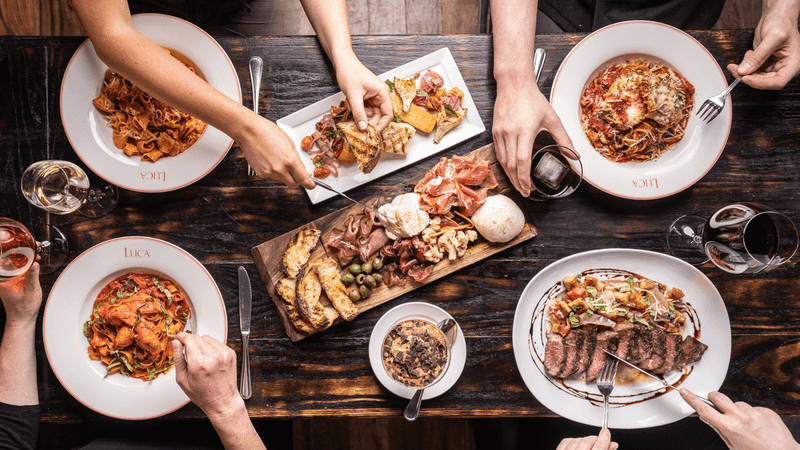
The smartest move is to lean into sharing early, then let the pasta carry the center of the table. Start with one or two openers that invite everyone in.
Burrata has been a recurring standout, focaccia already sets the table up well, and appetizers such as fried artichokes or mussels can create an easy first stretch before the richer dishes arrive.
This approach also gives the kitchen room to show range instead of asking one plate to do all the work. For the main event, homemade pasta should be nonnegotiable for a first visit.
Mushroom fusilli, bolognese, gnocchetti, or lobster fra diavolo each point back to the restaurant’s core identity, while larger dishes like burrata-stuffed chicken parmesan or short rib provide contrast if your table wants more than one lane.
That mix often makes more sense than everyone ordering within the same category. Leave space at the end. Luca has a habit of smoothing out the closing moments with dessert, cookies, or a small extra flourish, and that makes the final course worth planning for instead of treating as optional.
If cocktails are part of the night, order them early enough to drink alongside the opening rounds rather than after the table is already deep into pasta.
Timing matters too. Since Luca opens for dinner at 5 PM daily, earlier reservations may offer a calmer start, while prime-time slots bring more energy to the room.
Either way, the best version of Luca is not a hurried one. Give the menu room, share a little, and let the housemade pasta do exactly what it came to do.
The Sharp Takeaway at 711 N Grant St
Luca stands out because it understands proportion. The dining room is not oversized, the decor is not trying to cosplay an old-country movie set, and the menu is broad without losing direction.
Everything points back to a focused idea of dinner: handmade pasta, Sicilian influence, attentive hospitality, and a room that keeps the spotlight where it belongs.
That focus matters in practical terms. You know what kind of night this is before the first course arrives: evening service only, a polished but approachable setting, and food that aims higher than standard neighborhood Italian.
For diners in Denver, that makes Luca useful in a way trendier places are not. It can carry a celebration, a date, or a weekday craving for excellent pasta without needing a special occasion to justify the reservation.
The restaurant is not presented here as flawless. Service pacing can vary, the room’s size can create time sensitivity around reservations, and pricing details are worth understanding before you settle in.
None of that changes the central point, which is that Luca has built a distinct identity around craft and hospitality rather than hype.
That identity becomes clearest through the dishes that anchor the menu. Housemade pasta gives the restaurant credibility, Sicilian inspiration gives it shape, and the supporting details – sparkling wine on arrival, focaccia, strong cocktails, dessert touches – help turn dinner into a full sequence instead of a single plate and a check.
You are not just ordering pasta here. You are stepping into a restaurant that has decided exactly how it wants the evening to move.
At 711 N Grant St, Luca offers one of Denver’s more composed Italian nights out. If your ideal restaurant balances intimacy, polish, and handmade noodles with actual personality, this address earns a serious place on the list.
Share this story