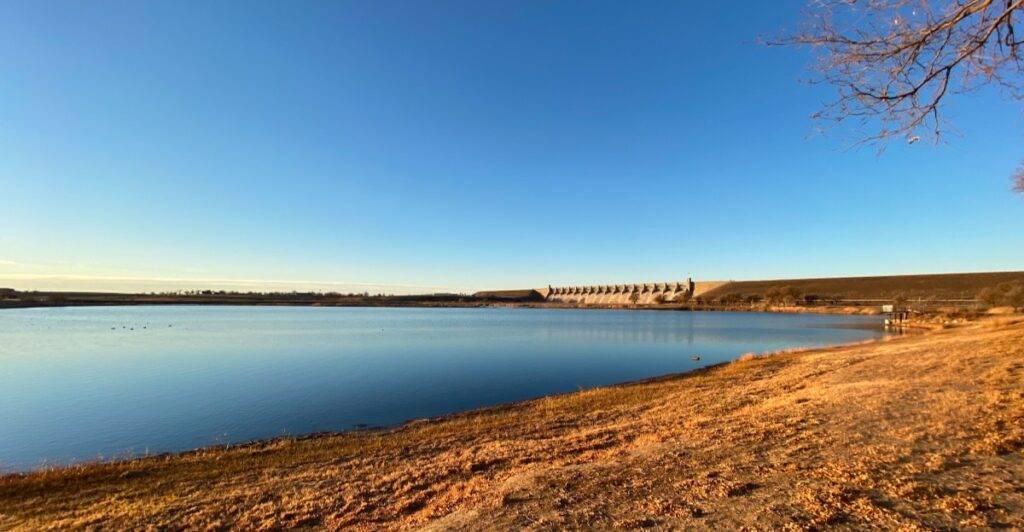
Big water and open prairie may grab your attention first at John Martin Reservoir State Park, but some of its most intriguing residents stay much closer to the ground. Rocks, grassy flats, and shoreline vegetation provide habitat for several snake species, adding another layer of wildlife to this southeastern Colorado landscape.
Some are harmless and easy to overlook, while others deserve more distance and caution when encountered. That does not have to make hiking or camping intimidating. Learning which snakes may appear—and giving wildlife appropriate space—can turn an unexpected sighting into one more fascinating part of exploring the reservoir.
Sun-Baked Rocks and Reedy Edges Where Snakes Hide in Plain Sight
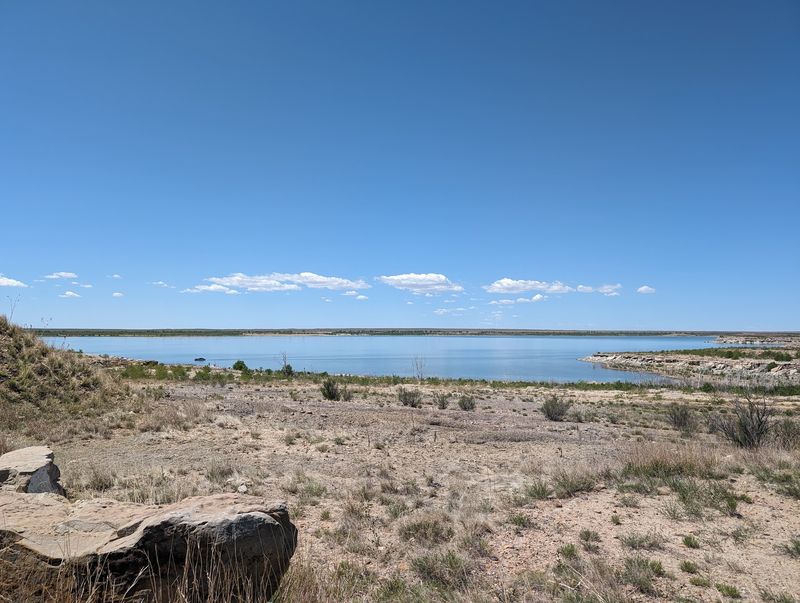
Walk the rocky edge of the reservoir on a warm May morning and the ground seems to shift a little. A tan shape slides off a sun-baked slab. A thin tail vanishes into a crack between boulders, and the only sound left is wind pushing across the water.
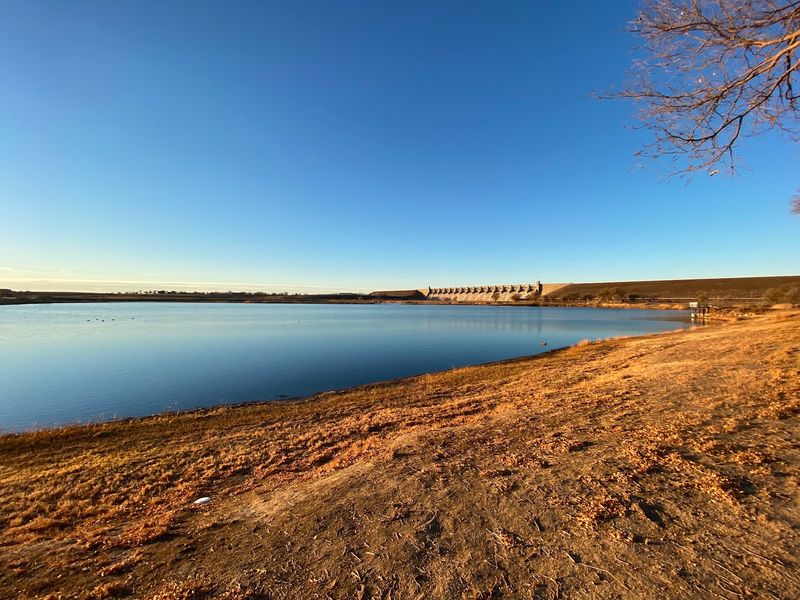
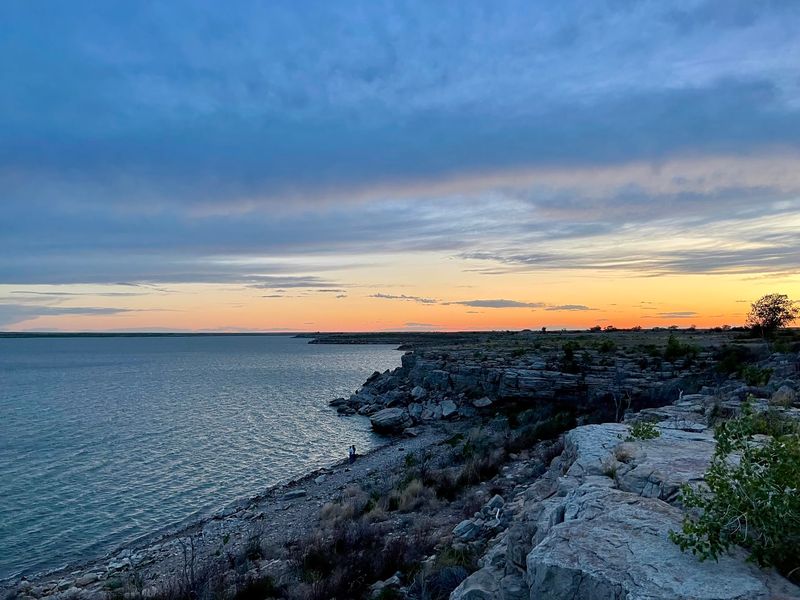
John Martin Reservoir sits in the dry shortgrass prairie of southeastern Colorado, near the small town of Hasty. The lake was created when the John Martin Dam went up on the Arkansas River, and that big pool of water changed the land around it. Shorelines here are a patchwork of sandstone ledges, loose rock, cattails, and scrubby brush.
For a snake, that mix is close to perfect. Rocks soak up heat and give cold-blooded animals a place to warm up after chilly nights. Cracks and ledges offer quick hiding spots from hawks and coyotes, both of which hunt the area.
Water adds another layer. Frogs, toads, and small fish gather in the shallows, while mice and voles live in the grass nearby. Wherever food piles up, predators follow, and snakes are some of the best hunters on the prairie.
The shoreline also changes with the water level. When the reservoir drops, wide flats of mud and rock appear, and new hiding places open up almost overnight. Driftwood, dried reeds, and washed-up debris create shelter that did not exist a month before.
Most visitors never notice any of this. Anglers watch their lines, campers set up tents, and boaters head for open water. Meanwhile, a quiet population of reptiles goes about its business a few feet away.
Keep an eye on sunny rock piles, the bases of shrubs, and the damp line where grass meets water. Those three zones hold most of the action, especially in the first few hours after sunrise.
Meet the Bullsnake, the Prairie’s Loudest Bluffer
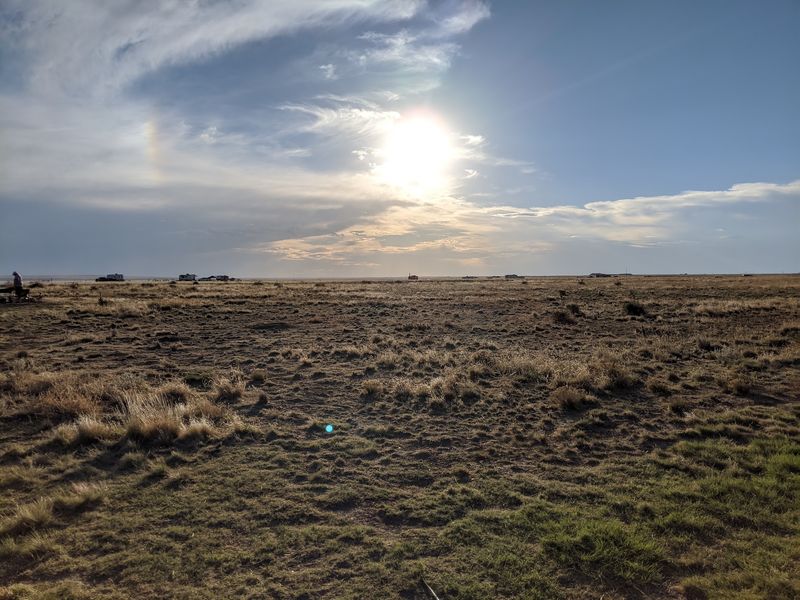
Picture a five-foot snake coiled in the trail, hissing loud enough to make a hiker jump backward. It shakes its tail in the dry grass, and the rattle-like buzz sounds exactly like trouble. Then comes the twist: this snake has no rattle and no venom at all.
Meet the bullsnake, one of the largest snakes found in Colorado and a regular resident of open prairie like the land around John Martin Reservoir. Adults are usually tan or yellowish with dark brown or black blotches down the back. Many people mistake them for rattlesnakes, which is exactly the point of their act.
When a bullsnake feels threatened, it puffs up its body, flattens its head a little, and forces air out in a sharp, raspy hiss. Some can make a sound that almost resembles a low bellow. Pair that with a vibrating tail in dry leaves, and even experienced campers can get fooled.
A quick way to tell the difference is to look at the tail tip and head. A bullsnake’s tail ends in a point, not a segmented rattle. Its head is also narrower and less triangular than a rattlesnake’s, though looking from a safe distance is always the smart move.
Farmers and ranchers across the plains have long appreciated bullsnakes. They are powerful constrictors that hunt mice, rats, ground squirrels, and even young prairie dogs. One healthy bullsnake can help keep rodent numbers in check around campgrounds and picnic areas.
They are also skilled diggers and climbers. Bullsnakes sometimes raid burrows or climb shrubs to reach bird nests, which explains why they show up in so many different corners of the park.
If one blocks a path, give it space and a few minutes. After the loud show ends, it usually slides off into the grass, leaving only a curvy track in the dust.
Prairie Rattlesnakes and the Rules of the Rocky Bluffs
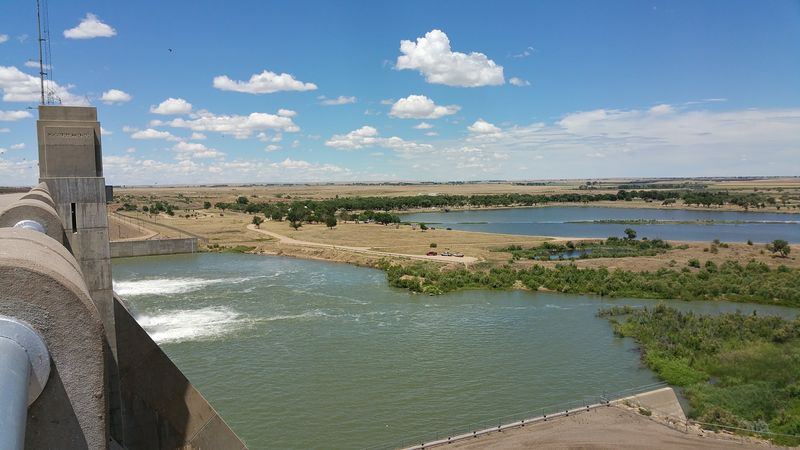
Here is the honest part. Southeastern Colorado is rattlesnake country, and the prairie rattlesnake is the species most likely to turn up around the reservoir’s rocky bluffs and grassy flats. Seeing one is not a reason to cancel a trip, but it is a reason to pay attention.
Prairie rattlesnakes are usually greenish, gray, or tan with darker blotches outlined in lighter edges. They have a wide, triangular head, a thick body, and of course the rattle at the end of the tail. Most adults stay between two and four feet long.
They are not aggressive by nature. A rattlesnake would much rather hide or buzz a warning than waste venom on something too big to eat. Almost all bites happen when someone steps on one, reaches blindly into a crack, or tries to handle or kill the snake.
A few simple habits cut the risk way down. Stick to open paths where the ground is visible, and look before stepping over logs or large rocks. Use a flashlight when walking to the restroom after dark, since summer nights are prime hunting time.
Pets need extra care. Dogs are curious and tend to sniff first, so keep them leashed near brush and rock piles. Some owners in rattlesnake regions talk to their vet about snake-avoidance training or other precautions before a camping season.
Another small cousin may also live in this part of the state. The desert massasauga, a smaller rattlesnake that favors sandy grassland, has a range that reaches into southeastern Colorado. It is shy and rarely seen, so spotting one would be a real surprise.
If a buzzing sound starts nearby, freeze, locate the snake, and then back away slowly. Rattlesnakes cannot chase people, and a few calm steps usually end the encounter.
Striped Swimmers in the Cattails at Lake Hasty
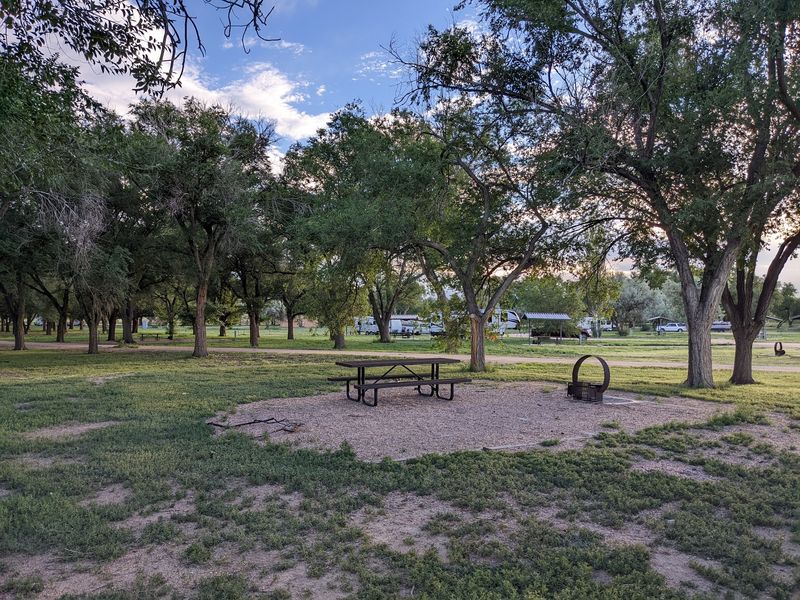
Down below the dam, the scene changes completely. Lake Hasty is small, calm, and ringed with thick reeds, shade trees, and green grass, a sharp contrast to the wide, windy reservoir just uphill. That wet, leafy edge is garter snake headquarters.
Garter snakes are the slim, striped snakes most people recognize from backyards and creek banks. In this part of Colorado, the plains garter snake is a common sight, often dark with a bright yellow or orange stripe running down the middle of its back. They are harmless to people, though one grabbed by hand may release a smelly musk.
Unlike most snakes, garter snakes love the water. They swim along the surface with their heads raised, cruising the reeds for frogs, tadpoles, small fish, and earthworms. A ripple moving against the breeze near the cattails is often a garter on patrol.
The campground at Lake Hasty offers some of the easiest viewing in the park. Early morning sun hits the grassy banks, and snakes slide out to warm up before the day gets busy. Walking slowly along the edge, eyes on the ground, can turn up several in a single stroll.
Kids tend to love this part. Garters move fast but are not scary, and watching one glide through the water makes a great nature lesson. Just teach young explorers to look without grabbing, since stressed snakes can bite, and every snake deserves a little respect.
The lake also buzzes with other life. Blue dragonflies hover over the reeds in summer, turtles bask on logs, and ducks paddle through the shallows. Garter snakes fit right into this busy wetland crowd.
Bring binoculars and sit quietly on a bank for fifteen minutes. The reeds will start to twitch, and small striped heads will poke up where nobody expected them.
Prairie Dog Towns, Sandy Flats, and the Snakes That Hunt Them
Follow the chirping. Up near the campground above the dam, prairie dog colonies dot the open ground, with sentries standing on their mounds and barking alarms whenever a shadow passes. Those busy little towns explain a lot about why snakes thrive at this park.
Every burrow system is basically an underground apartment complex. Snakes use empty tunnels as cool shelters in summer and safe places to wait out winter. Rattlesnakes and bullsnakes both hunt in and around these colonies, picking off mice and young rodents.
Sandy spots in the park may host a stranger character, the western hognose snake. It has an upturned, shovel-like nose made for digging through loose soil after toads. When cornered, a hognose puts on one of nature’s funniest shows.
First, it flattens its neck and hisses like a tiny cobra. If that fails, it flips onto its back, opens its mouth, lets its tongue hang out, and plays dead. Anyone who turns it right side up will often see it roll right back over, as if insisting the act is real.
Speedy racers also cruise the grasslands of southeastern Colorado. These slim snakes hunt by sight, holding their heads up high and zipping away in a blur when approached. A flash of smooth, plain color crossing a dirt road is often a racer on the move.
All of these reptiles depend on the same chain. Grasses feed insects and rodents, rodents feed snakes, and snakes feed hawks, eagles, and coyotes that circle and prowl the park. Take one link away, and the whole system wobbles.
Watch the colonies from a distance with binoculars in mid-morning. Pay attention when prairie dogs suddenly dive underground all at once, because a predator, winged or legless, is usually close. Keep boots on the trail and away from the burrow openings, which can hide more than rodents.
Timing a Snake-Smart Visit to Southeast Colorado’s Big Reservoir
Snakes run on the weather, so planning a visit starts with the thermometer. They are cold-blooded, meaning they rely on the sun and warm ground to heat their bodies. That simple fact shapes when and where they appear.
Spring, from about April through early June, is the busiest time for sightings. Snakes leave their winter dens hungry and spend long stretches basking in the open. Mornings between roughly 8 and 11 often bring the best viewing on rocks and trail edges.
Summer flips the pattern. Afternoons on the plains can get scorching, and the reservoir’s open campground areas offer little shade, so snakes hide from midday heat. They become more active at dusk and after dark, which is exactly when campers are walking to restrooms or gathering firewood.
Fall brings a second, smaller wave as snakes soak up warmth before heading underground. By late autumn and winter, activity mostly stops, and the park belongs to the geese and swans instead.
The park is open from 5 AM to 10 PM, giving plenty of room for sunrise walks along the shoreline and evening strolls near the dam. Trails can be tricky to follow in places, so a map from the visitor center helps keep feet on clear ground.
Pack with snakes in mind. Sturdy boots and long pants protect ankles in tall grass, and a good flashlight or headlamp makes nighttime trips much safer. Trekking poles can also help, tapping ahead through brushy spots to give snakes a heads-up.
Weather on the plains changes fast, with sudden storms, strong wind, and hail possible in warm months. Check the forecast before setting out on long hikes, and remember that snakes often move after a rain, when the ground steams and puddles attract frogs.
Santa Fe Trail Country, Where the Snakes Were Here First
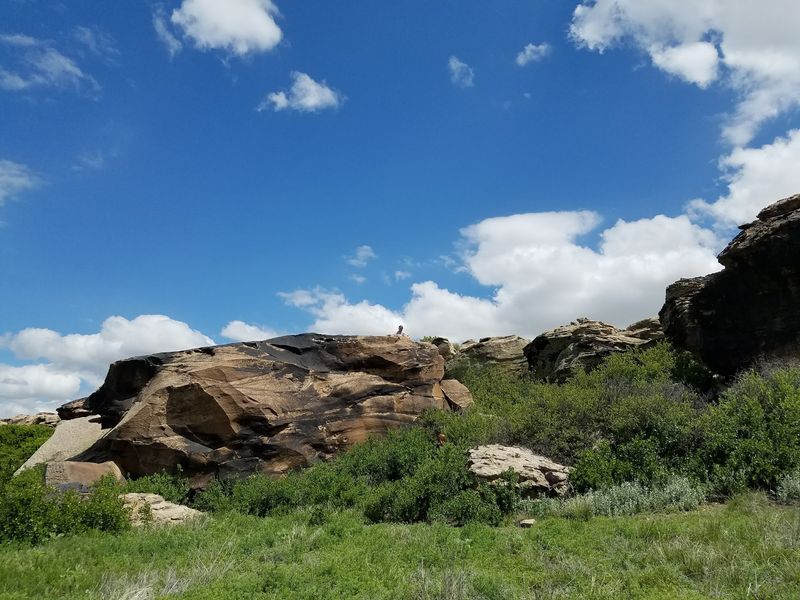
Long before the dam, the campers, or the boat ramps, this stretch of the Arkansas River valley was prairie. Wagon trains on the Santa Fe Trail rolled through the region in the 1800s, and travelers wrote about rattlesnakes, prairie dogs, and endless grass. The snakes never left.
That history adds a fun layer to any visit. Walking the park’s trails means crossing the same kind of ground those traders and families crossed, complete with many of the same reptiles watching from the rocks. The Red Shin Trail, named for a Cheyenne warrior from local legend, leads hikers through bluffs and grassland toward the river.
The dam, finished in the 1940s by the Army Corps of Engineers, reshaped this landscape again. Suddenly a dry valley held a huge lake, a smaller lake below, wetlands, and shade trees. Snakes that once hunted only in grass now had shorelines, reeds, and riprap to explore.
That mix explains the surprise in the title. Few places on the eastern plains pack so many habitats into one park, from sandy flats and prairie dog towns to cattail marshes and sandstone ledges. Each one supports different snakes, which is why several species can turn up in a single weekend.
For nature lovers, this is a rare chance. Colorado’s mountains get the spotlight, but reptiles are far easier to find out here, where the land is open and the sun is strong. A family can watch a hognose play dead, a garter swim, and a bullsnake hiss, all without a zoo ticket.
A little knowledge turns worry into curiosity. Learn the difference between a rattlesnake and a bullsnake, watch where you step, and let every snake keep its space.
The reward is a closer look at the prairie’s quietest residents, sunning on the same rocks they claimed long before anyone showed up with a tent.
Share this story