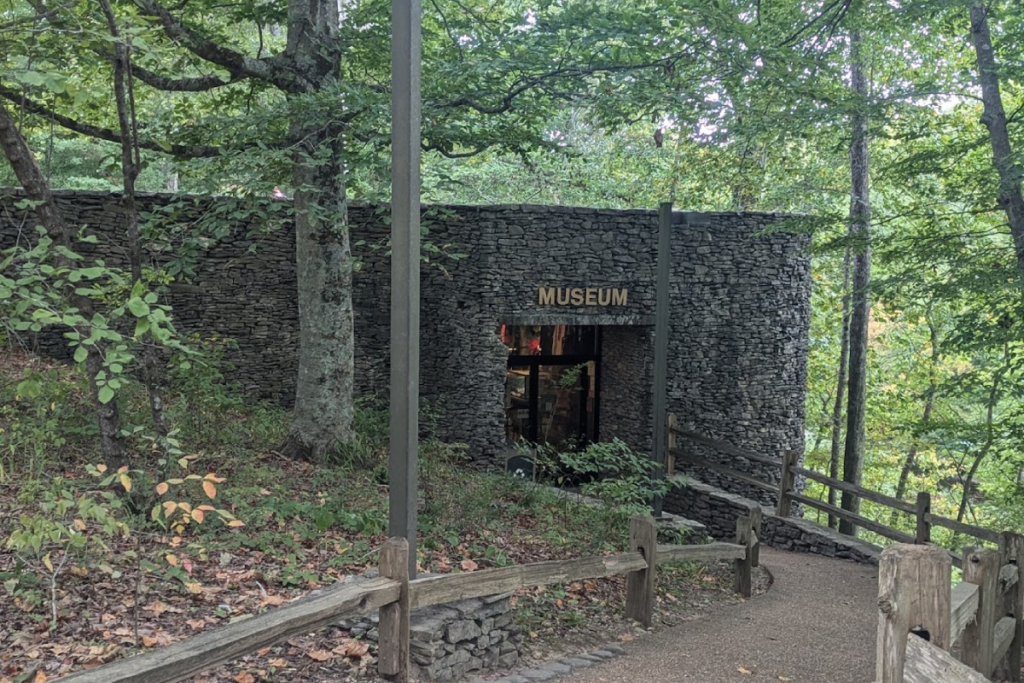
Tucked away in Manchester, Tennessee, sits a museum that most travelers drive right past without realizing what they’re missing. The Old Stone Fort Museum and Visitor Center offers something rare these days: a genuinely fascinating experience that won’t cost you a single penny.
Whether you’re a history buff, nature lover, or just looking for a memorable stop on your Tennessee road trip, this hidden gem delivers way more than you’d expect from a free attraction.
A Hidden Gem Tucked Inside One of Tennessee’s Most Fascinating Parks
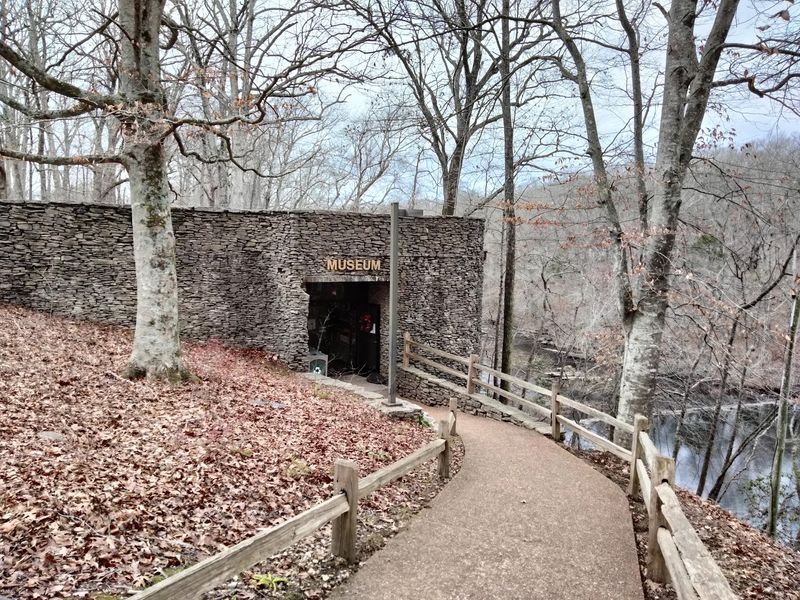
Most people zoom past Manchester on their way to somewhere else, completely unaware that one of Tennessee’s coolest archaeological sites sits just off the highway. Old Stone Fort State Archaeological Park wraps around a 50-acre ceremonial site built by Native Americans nearly 2,000 years ago.
The museum tucked inside this park doesn’t look like much from the outside, but that’s part of its charm.
What makes this place different from your typical roadside attraction is the combination of serious history and genuine natural beauty. You’re not walking through some stuffy building with velvet ropes and “do not touch” signs everywhere.
The staff actually wants you to engage with the exhibits, ask questions, and explore the grounds.
The location itself feels worlds away from busy tourist traps. Surrounded by forest, waterfalls, and ancient earthworks, the museum serves as your gateway to understanding what makes this spot so special.
It’s the kind of place where you plan to spend 20 minutes and end up staying for two hours.
Visitors consistently rate it 4.8 stars, and once you arrive, you’ll understand why. The peaceful atmosphere, knowledgeable staff, and surprising depth of exhibits create an experience that feels personal rather than commercialized.
You won’t find crowds pushing past you or long lines to see displays.
What really sets this museum apart is how it connects indoor learning with outdoor exploration. After checking out the artifacts and exhibits inside, you can immediately walk the same grounds where ancient peoples once gathered for ceremonies.
That direct connection between past and present makes history feel real instead of abstract. It’s educational without feeling like a school field trip, and fascinating without trying too hard to impress you.
The Story Behind This Fascinating Tennessee Landmark
Here’s where things get interesting: the “Old Stone Fort” isn’t actually a fort at all. Early settlers saw the massive earthen and stone walls and assumed they were looking at military fortifications.
They were completely wrong, but the name stuck anyway.
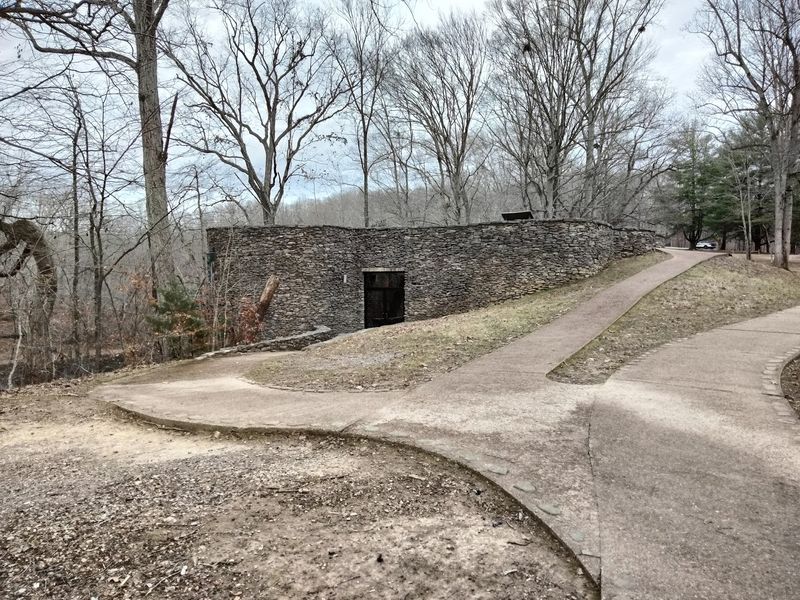
Native Americans built this ceremonial complex around 2,000 years ago during what archaeologists call the Middle Woodland period. The walls follow the natural bluffs where the Duck River and the Little Duck River meet, creating an enclosed space that served as a gathering place for sacred ceremonies and community events.
Nobody lived inside these walls; they came here for special occasions.
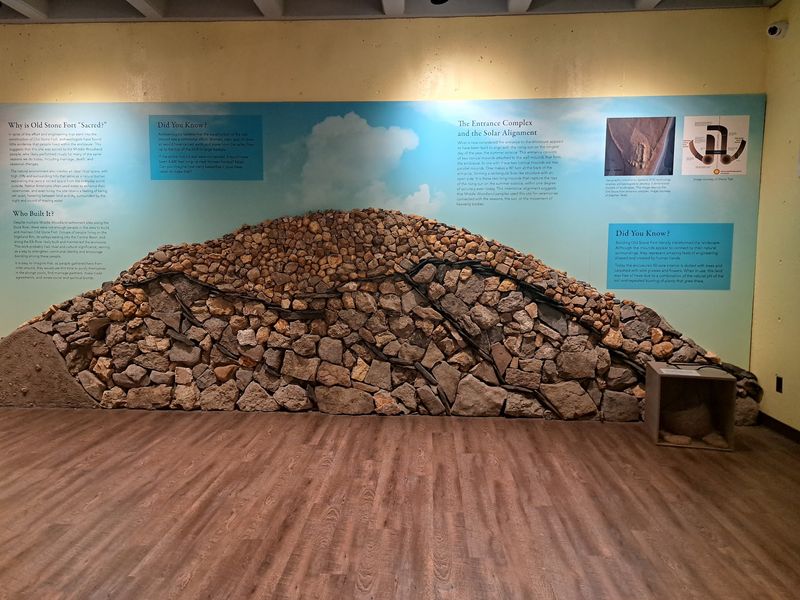
The engineering alone is impressive. Ancient builders moved tons of earth and stone to create walls that still stand today, following the landscape’s natural contours.
They aligned certain features with astronomical events like the summer solstice, showing sophisticated knowledge of celestial patterns.
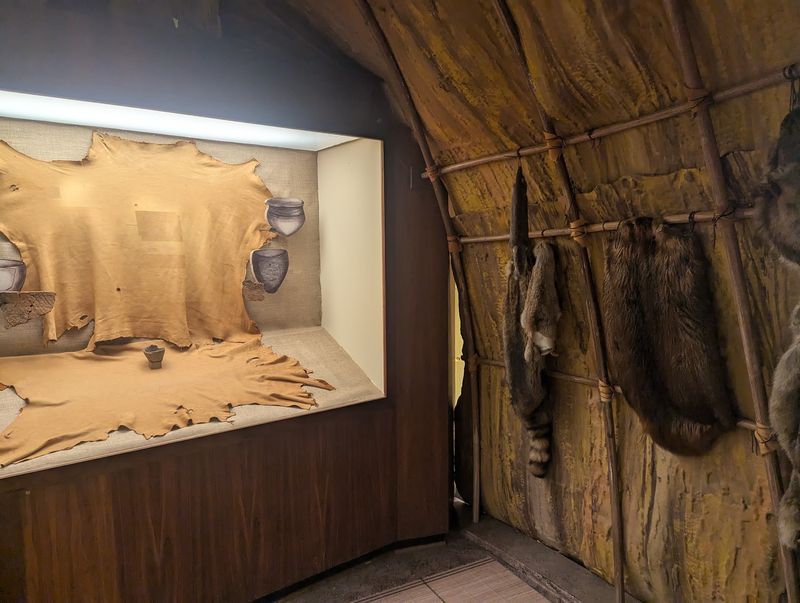
When you visit the museum, you’ll see artifacts recovered from the site and learn how archaeologists pieced together the true purpose of this place. The exhibits explain how researchers distinguished ceremonial sites from residential areas and military structures.
It’s detective work that spans centuries.
What makes this story particularly compelling is how it challenges assumptions. For generations, people misunderstood what they were looking at because they interpreted it through their own cultural lens.
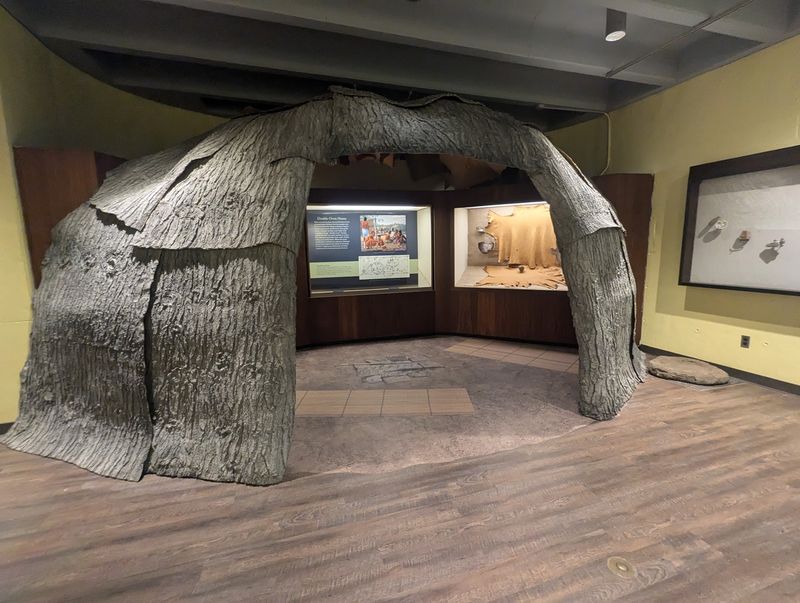
The museum does an excellent job explaining how we know what we know about the site’s true purpose. You’ll see pottery fragments, tools, and other artifacts that help tell the real story of the peoples who built this remarkable place and why it mattered to them.
What You’ll Find Inside the Museum
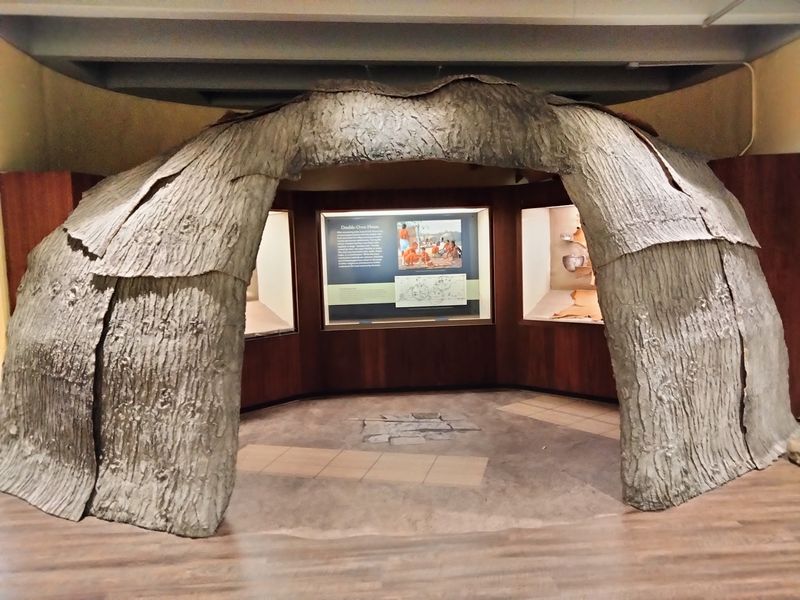
Walk through the doors and you’ll immediately appreciate the air conditioning, especially if you’re visiting during Tennessee’s sticky summer months. The museum isn’t huge, but it’s thoughtfully designed to pack a lot of information into a manageable space.
You won’t feel overwhelmed or rushed.
The exhibits focus heavily on the Native American peoples who built and used this site. Display cases hold pottery fragments, stone tools, and other artifacts excavated from the area.
Each piece comes with clear explanations that help you understand what you’re looking at and why it matters. The staff clearly put thought into making archaeology accessible to regular folks, not just academics.
One of the highlights is the informative video that explains the site’s history and significance. It covers everything from the astronomical alignments to the ceremonial purposes of the enclosure.
The film helps you visualize how the site looked and functioned centuries ago, which makes your walk around the actual grounds much more meaningful.
Interactive elements and educational displays make the museum particularly good for families. Kids can engage with the material without getting bored, and adults will find plenty of depth to satisfy their curiosity.
The learning center captures thousands of years of local Native American history in a way that feels relevant and interesting.
Before you head out to explore the trails, stop by the gift shop. It’s better stocked than you’d expect for a free attraction, with books about Tennessee history, locally made crafts, and souvenirs that don’t feel cheap or tacky.
The knowledgeable staff can answer questions, recommend the best trails for your fitness level, and point out spots where you might see wildlife or find the best waterfall views.
The Best Part? Admission Won’t Cost You a Thing
Let’s talk about everyone’s favorite word: free. Not “free with a catch” or “free but parking costs $20.” Actually, genuinely, completely free. No admission fee, no parking charges, no hidden costs.
In an era where everything seems designed to drain your wallet, finding a quality attraction that costs nothing feels almost suspicious. But Tennessee State Parks operates the Old Stone Fort Museum as a public service, funded by taxpayer dollars that actually benefit taxpayers.
You’ve already paid for it; now you get to enjoy it.
This makes the museum an absolute winner for families trying to stretch their vacation budget. You can spend a full morning or afternoon here without spending a dime.
Pack a picnic lunch to eat at one of the park’s tables, and you’ve got an entire day of entertainment and education for the price of some sandwiches.
Budget-conscious travelers and road-trippers particularly appreciate having a worthwhile stop that doesn’t require choosing between seeing something interesting and staying within budget. You can visit on a whim without worrying about whether it’s “worth” the admission price.
If you only have 30 minutes, great. If you want to spend three hours exploring every trail and reading every exhibit, equally great.
The free admission also removes the pressure to “get your money’s worth.” You can explore at your own pace, skip exhibits that don’t interest you, and focus on what captures your attention. There’s no guilty feeling about leaving early or anxious calculation about cost per hour of entertainment.
It’s refreshingly straightforward in a world of dynamic pricing and hidden fees. Bring your family, bring your friends, or come solo.
Nobody’s checking tickets or counting heads at the door.
Don’t Leave Without Exploring the Park Around It
The museum is just your starting point. The real magic happens when you hit the trails and see why ancient peoples chose this specific location for their ceremonies.
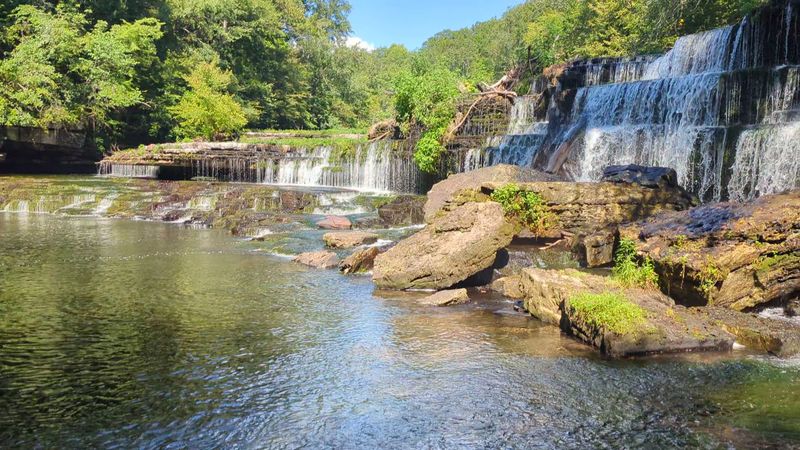
Multiple waterfalls cascade over rock formations throughout the park, creating that peaceful soundtrack of rushing water that makes you forget about your everyday stress.
Trail options range from easy, groomed paths perfect for young kids and casual walkers to more rugged routes that challenge experienced hikers. The Enclosure Trail loops around the perimeter of the ancient ceremonial site, letting you walk the same paths where people gathered 2,000 years ago.
You’ll see the earthen walls, the river confluence, and understand the site’s layout in a way that museum exhibits alone can’t convey.
Several big waterfalls and numerous smaller cascades dot the landscape. Some are visible from maintained trails; others require scrambling down steeper paths.
The water is clean enough that you can spot fish swimming in the streams. During warmer months, swimming holes attract visitors looking to cool off, though you’ll want to be careful on the rocks.
Fair warning: some trail sections run right along steep slopes and cliffs. Keep close watch on children in these areas.
The paths near the waterfalls can be particularly tricky, with slippery rocks and sudden drop-offs. It’s beautiful but demands respect and attention.
Plan for at least two to three kilometers of walking if you want to see the highlights. You can choose your route as you go, switching between upper and lower trails depending on what catches your interest.
The forest provides shade and a sense of seclusion even when other visitors are around. Bring your camera because the photo opportunities are genuinely spectacular, not just Instagram-worthy in that forced way.
What to Know Before You Visit
The museum and park are open every day of the week from 8 AM to 4:30 PM. That’s right, even Mondays when half of Tennessee seems to be closed.
Plan your visit accordingly, especially if you want to spend time on the trails after exploring the museum. Starting early gives you the coolest temperatures and the most peaceful experience.
Parking is plentiful and free, located right near the visitor center. You won’t be circling the lot looking for a spot or hiking a mile from your car to the entrance.
Accessibility is generally good around the museum and immediate grounds, though the trails themselves vary significantly in difficulty.
Most visitors spend between two and four hours at the site, depending on how many trails they explore and how much time they spend in the museum. If you’re just doing a quick museum visit, plan for 30 to 45 minutes. If you want to hike all the trails and see the waterfalls, budget at least three hours.
The best time to visit depends on what you’re after. Spring brings wildflowers and higher water flow over the falls. Summer offers swimming opportunities but also heat and humidity. Fall delivers gorgeous foliage colors. Winter provides solitude and clear views through bare trees, though some trails may be muddy or icy.
Wear proper footwear, especially if you plan to hike. Trails include roots, rocks, and uneven surfaces that will punish you if you show up in flip-flops.
Bring water, especially during warmer months. The park has basic facilities but no restaurant or concession stand.
The staff at the front desk are genuinely helpful and not just going through the motions. Ask them for recommendations based on your fitness level, time constraints, and interests.
They know the best swimming spots, the easiest waterfall access, and which trails offer the most bang for your buck.
Why This Free Tennessee Museum Deserves a Spot on Your Road Trip
Road trips through Tennessee offer no shortage of attractions competing for your time and attention. So why should this free museum in Manchester make the cut?
Because it delivers an experience that’s increasingly rare: authentic, educational, beautiful, and accessible to everyone regardless of budget.
The combination of indoor exhibits and outdoor exploration means different members of your group can find something they enjoy. History nerds get their archaeological fix.
Nature lovers get waterfalls and forest trails. Kids get space to explore and burn energy. Everyone gets to learn something without feeling lectured.
What sticks with visitors is how the experience feels both ancient and immediate. You’re not just reading about history in a climate-controlled building; you’re walking the same ground where ceremonial gatherings happened millennia ago.
That tangible connection to the past creates memories that outlast typical tourist stops.
The peaceful atmosphere provides a genuine break from highway driving and crowded attractions. Even when other visitors are present, the park’s size and layout prevent that cramped, overwhelming feeling you get at popular tourist traps.
You can find quiet spots to reflect, take photos, or just enjoy being outside.
Travelers consistently mention being surprised by how much they enjoyed this stop. Many discover it by accident while looking for a leg-stretching break from I-24.
They expect a quick pit stop and end up spending hours exploring. That element of pleasant surprise is exactly what makes road trips memorable.
Adding Old Stone Fort to your Tennessee itinerary costs you nothing but time, and it’s time well spent. Whether you’re driving through Manchester on your way somewhere else or specifically seeking out lesser-known attractions, this museum and park combination delivers value that far exceeds its zero-dollar price tag.
It’s the kind of place that reminds you why you love exploring in the first place.
Share this story