Pulling up to an old gas station usually means filling the tank, not sitting down for one of Denver’s most distinctive dining experiences. Root Down turns a reclaimed midcentury service station into a colorful restaurant where traces of the building’s past blend with creative design and an energetic neighborhood atmosphere.
The unusual setting gives diners something to explore before the first plate arrives, while the thoughtful reuse makes the space feel unlike a purpose-built restaurant. Add a menu known for inventive cooking, and the transformation becomes even more memorable. At Root Down, yesterday’s roadside stop has found an entirely new reason to draw a crowd.
A Gas Station That Refuses To Look Ordinary
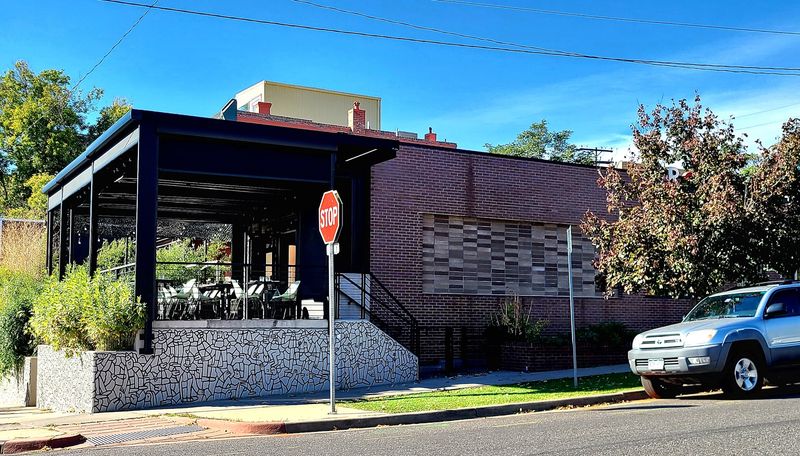
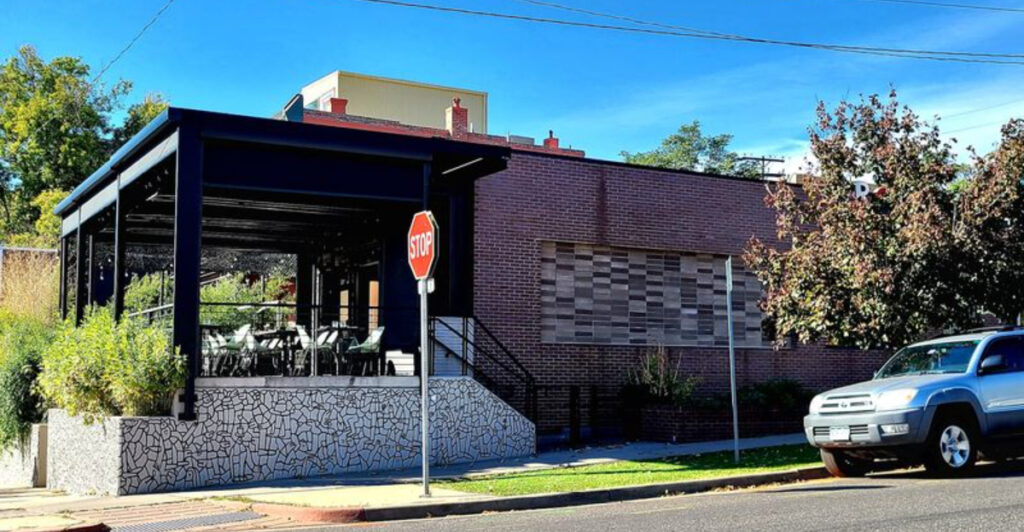
At first glance, the building tells the whole story. Root Down does not hide its past as a midcentury gas station, and that is exactly why the place catches the eye so quickly.
Instead of tearing down an old structure and starting over, the restaurant leans into the shape, scale, and roadside character that once helped drivers pull in for fuel.
The low roofline, broad windows, and compact footprint still suggest motion and convenience, but now the energy is about dinner instead of gasoline. That shift gives the place an unusual kind of charm.
It looks both retro and current, which makes it feel more personal than a polished box built from scratch. For diners, the reclaimed building changes the experience before any food arrives. A meal here begins with the fun of recognizing that something everyday was turned into something creative.
Denver has plenty of modern restaurants, but very few let the architecture do so much talking from the sidewalk.
That visual surprise also matters because it sets expectations in a useful way. Once a former gas station becomes the frame for a dinner out, the menu and design almost have to be more adventurous.
Root Down meets that challenge by making the building part of the attraction, not just a shell around tables. Anyone planning a visit should take a moment outside before going in, because the best introduction to the restaurant is standing across the street and seeing how smart the transformation really is.
Inside, The Room Runs On Color And Clever Details
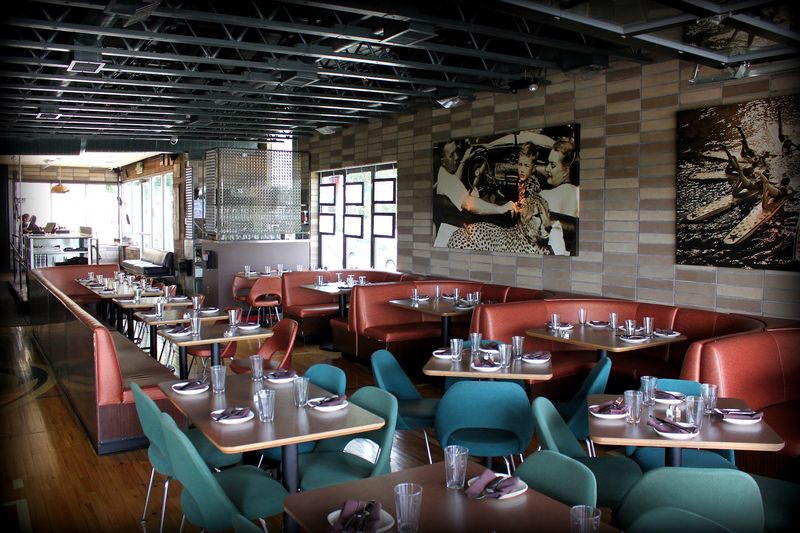
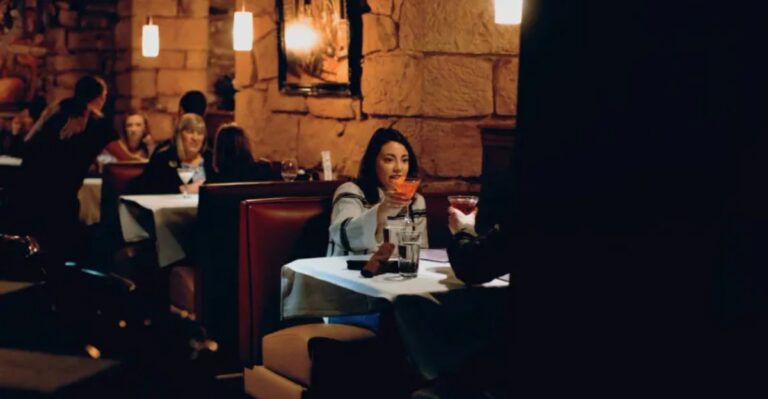
Step inside, and the mood changes from roadside curiosity to full creative energy. Root Down uses funky art, warm light, and midcentury touches to make the old station feel busy in the best way. Nothing about the room seems stiff or overly formal, even though the design clearly has a point of view.
That balance helps the place appeal to different kinds of diners. A date night can fit here, but so can a family meal, a birthday dinner, or a catch-up with friends over drinks and small plates.
The setting has enough style to feel special, yet it avoids the cold distance that sometimes comes with carefully designed restaurants.
Artwork and decor matter here because they support the building story instead of fighting it. The reclaimed structure could have turned into a novelty if the inside felt random, but the visual choices seem meant to keep the past and present in conversation.
Midcentury lines, playful pieces, and a high-energy dining room all work together to make the restaurant memorable without becoming noisy in a forced way.
Practical diners get a bonus from that approach too. When a room has strong personality, waiting for a table or lingering over dessert feels easier because there is always something to notice.
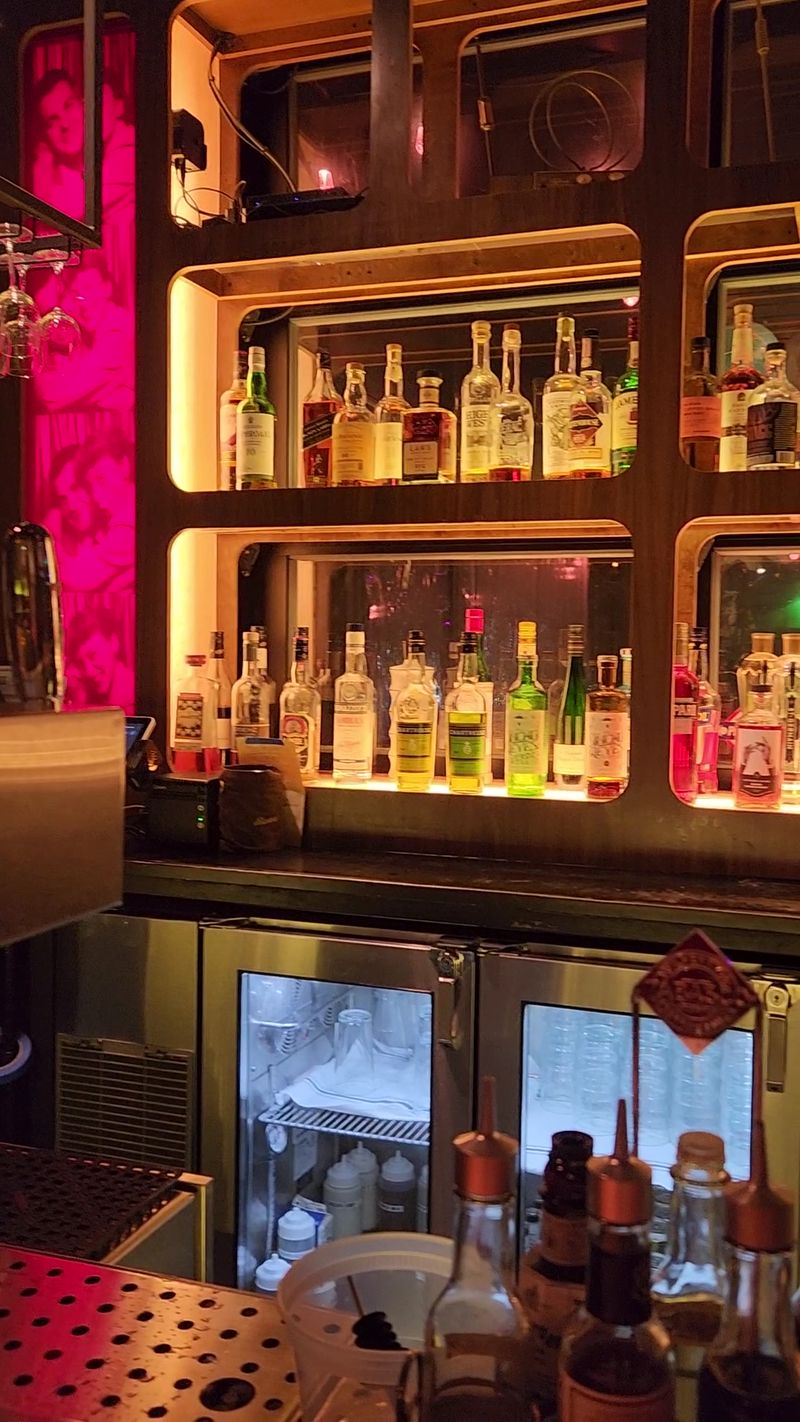
A corner, a wall piece, the rhythm of the bar, and the layout itself all add movement. Root Down understands that people do not only eat with a fork. They also read a room, and this one gives them plenty to read.
Small Plates Keep The Table Busy
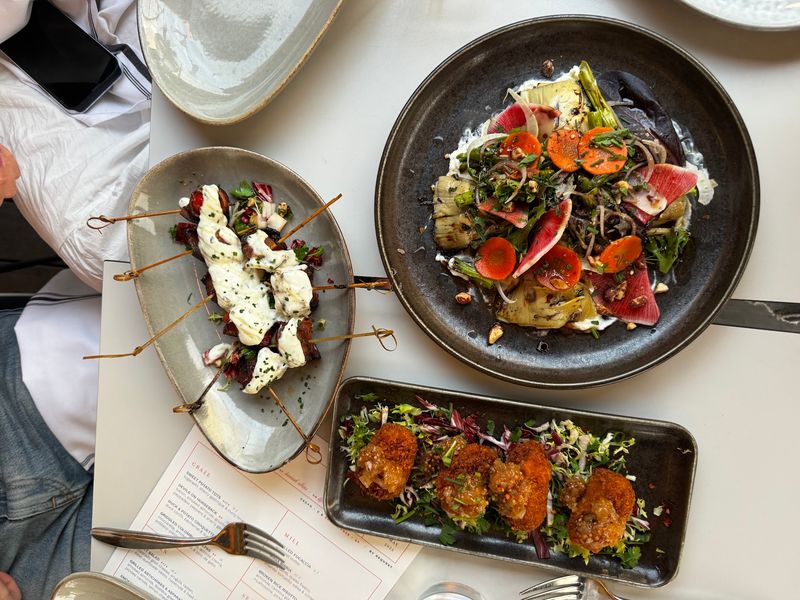
Some menus encourage quiet ordering, where everyone guards a plate and barely looks up. Root Down moves in the opposite direction.
Its New American menu is known for creative small plates and shareable dishes, which naturally turn dinner into a conversation about texture, flavor, and who gets the next bite.
That style works especially well in a place with so much visual energy. A table filled with several dishes matches the lively room better than one large entrée per person would.
Sharing also helps first-time diners explore more of the menu, which is useful when the offerings range across vegetables, seafood, meat, desserts, and drinks with a strong point of view.
Popular picks connected with the restaurant include arepas, lamb sliders with sweet potato fries, veggie sliders, and devils on horseback. Those names alone suggest a meal with contrast, where rich bites meet fresh ones and familiar ideas come back with a twist.
Since portions and pacing can vary, the smartest move is to order in rounds instead of choosing everything at once.
That approach keeps the table flexible and prevents overload. Start with two or three dishes, pay attention to what sounds good next, and leave room for dessert.
Root Down seems built for that kind of meal, where each arrival changes the rhythm and keeps the night moving. For anyone who likes trying a little of everything, this restaurant turns dinner into a group project, only with better lighting and stronger cocktails.
The Menu Has A Few Dishes That Deserve A Closer Look
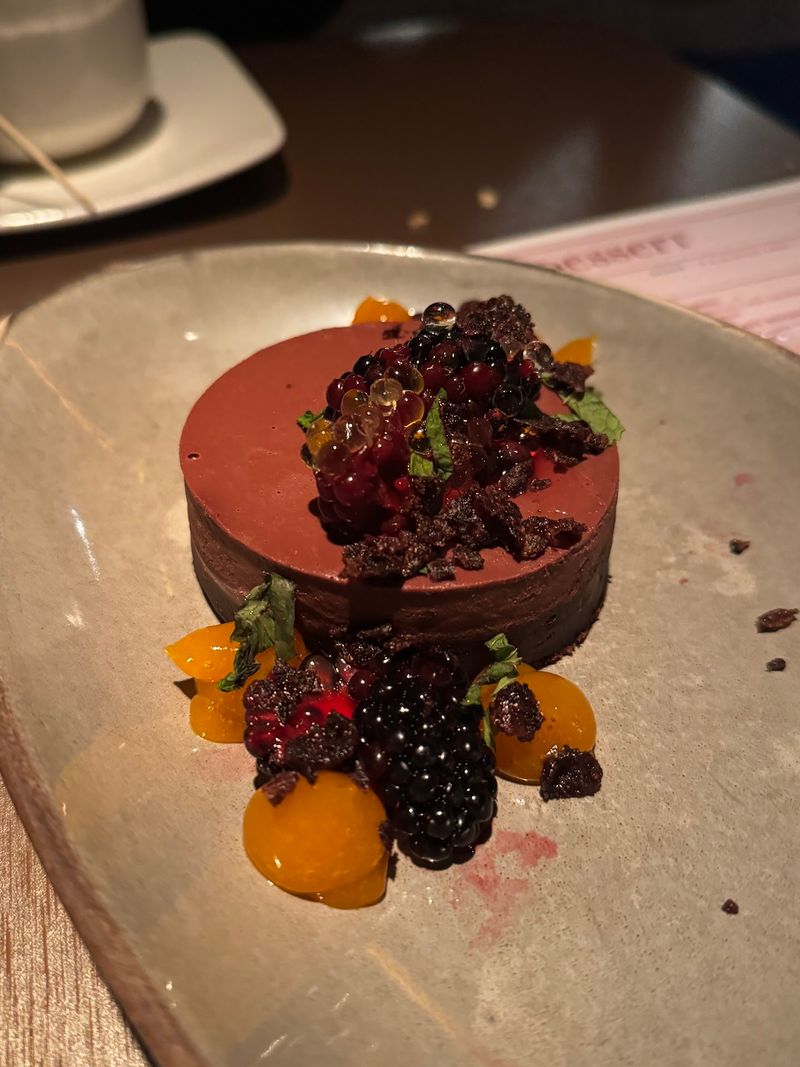
Every restaurant has dishes that help explain the whole place, and Root Down has several. The names that surface again and again paint a clear picture of a kitchen interested in strong flavor, careful plating, and combinations that are a little unexpected without becoming confusing.
That middle ground is hard to hit, which is why certain plates become part of the restaurant’s identity. Rockfish tom kha is one standout because it brings a familiar soup profile into an entrée setting. Smoked carrots show how the kitchen treats vegetables with as much attention as meat or seafood.
The goat milk biscuit, served with strawberry jam and miso butter, points to the same idea in a different way, taking something simple and giving it extra range.
Dessert gets its own spotlight too. Banana cream pie appears often enough to seem like one of the restaurant’s signature finishes, and it gives a richer, more classic note after a meal built on variety.
For diners who want a safer plan, choosing one vegetable dish, one seafood or meat plate, and one dessert appears to be a smart path through the menu.
Drinks matter here as well, especially if the table wants the full experience rather than a quick dinner. Seasonal cocktails and nonalcoholic options add another layer to the meal and fit the restaurant’s playful style.
The best advice is simple. Order at least one dish that sounds familiar and one that sounds like a small gamble. Root Down seems strongest when it has room to surprise you a little.
Why Root Down Fits Denver, Colorado So Well
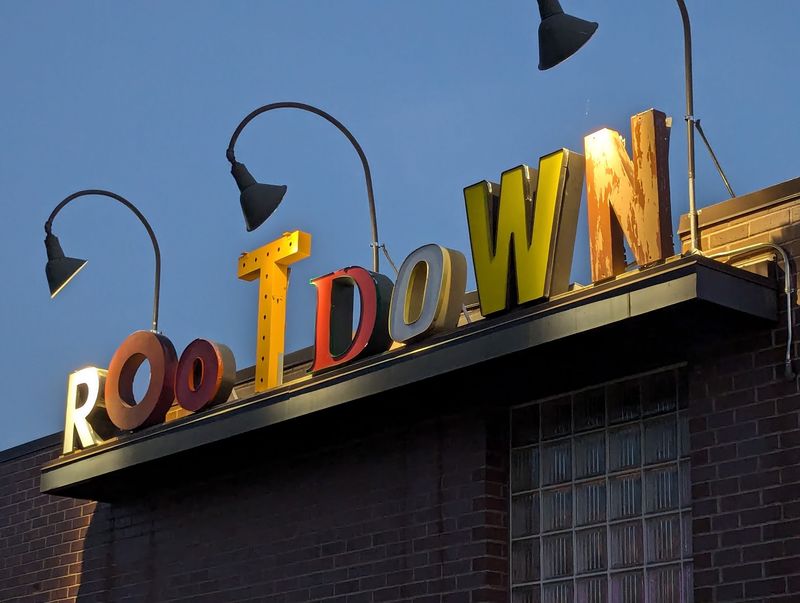
Denver has a strong appetite for places that mix personality with purpose, and Root Down fits that pattern neatly.
A reclaimed gas station turned restaurant speaks to reuse, neighborhood character, and a kind of relaxed creativity that suits the city. It is visually sharp without looking polished to the point of distance.
The location in northwest Denver helps explain the appeal. Around LoHi and nearby blocks, diners often expect places with style, but they also want them to feel rooted in the city rather than copied from somewhere else.
Root Down answers that by making its architecture part of its local identity. The old station becomes more than a backdrop. It acts like a small piece of Denver history given a new job.
That local connection continues through the menu language and the restaurant’s broader energy. The food is modern American, but the room never loses its neighborhood scale.
It is lively, approachable, and social, which matches the way many Denver spots work best when groups can gather, share, and stay awhile.
For travelers, this matters because the restaurant offers more than a meal. It gives a compact look at how Denver likes to reinvent space, blending design, food, and city character in one stop.
For locals, the building is a reminder that useful places do not always need to be replaced. Sometimes they need a new idea.
Root Down makes a strong case for that idea every night it opens its doors and fills an old gas station with conversation instead of engines.
Timing Your Visit Makes A Big Difference
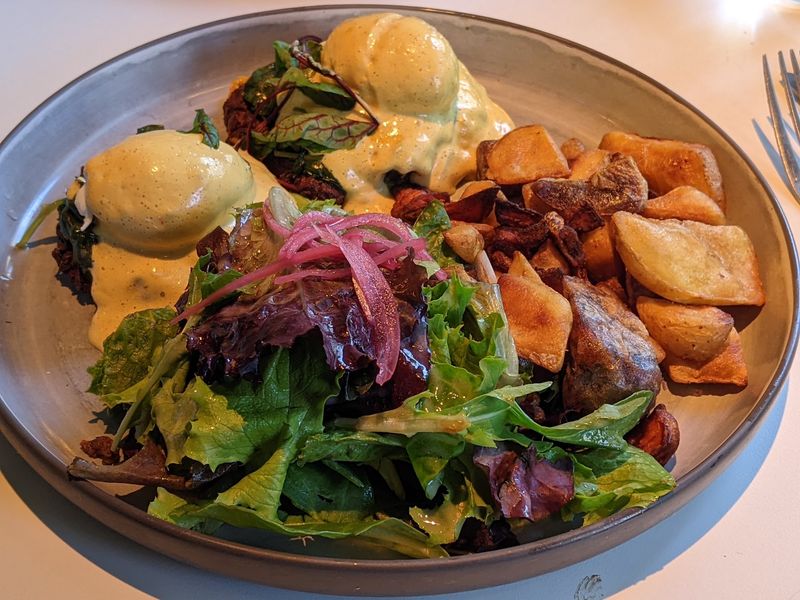
A smart visit to Root Down starts with the clock, not the menu. The restaurant is closed on Monday, opens for dinner on most weekdays, and adds brunch and dinner service on Saturday and Sunday.
Knowing that schedule ahead of time can save a lot of frustration, especially for travelers trying to fit one special meal into a packed Denver weekend.
Dinner begins at 4 PM on Tuesday through Friday, with slightly later closing on Friday and Saturday nights. Weekend brunch runs from 10 AM to 2 PM, then the restaurant returns for evening service.
That split schedule means timing matters if the goal is a slower, more relaxed experience instead of walking in during a busy transition.
The restaurant’s popularity also suggests that flexibility helps. Bar seating can be a good option for smaller groups, and an early dinner may feel easier than a prime-time rush.
If the weather is pleasant, outdoor seating adds another layer to the visit and changes the mood from stylish interior dinner to neighborhood hangout.
Menu strategy matters almost as much as arrival time. Because Root Down is built around shared plates and varied flavors, a hungry table can overorder fast.
A better plan is to treat the meal in stages, leaving room for one final savory dish or a dessert like banana cream pie. Brunch visitors should arrive ready for a different pace, while dinner works best when there is time to settle in.
The place is not designed for a rushed stop. It rewards people who show up with enough time to notice the building, read the menu carefully, and let the meal unfold.
A Reclaimed Station With Real Staying Power
Plenty of restaurants can offer one strong reason to visit. Root Down brings several together at once, which is why the place stands out so clearly.
The building has a story, the design has personality, and the menu gives diners enough range to shape the meal around curiosity instead of routine.
That combination makes the restaurant easier to remember than a standard night out. The reclaimed gas station is not a gimmick pasted onto ordinary dining.
It influences the mood, the expectations, and even the way people talk about the place afterward. Architecture, food, and social energy all push in the same direction.
There is also a practical strength to the concept. Root Down can work for date night, brunch with friends, dinner before a weekend walk around the neighborhood, or a meal that introduces out-of-town visitors to a more creative side of Denver dining.
Few places manage to feel distinctive while still being flexible enough for different kinds of plans. If there is one simple takeaway, it is this. Root Down shows how a restaurant can use an old building to create a better modern experience, not just a more unusual one.
The former gas station gives the meal its frame, but the restaurant earns attention by following through with lively decor, thoughtful dishes, and a strong sense of place.
For anyone drawn to spaces that have been reimagined instead of erased, this address on West 33rd Avenue makes a convincing argument one plate at a time.
Share this story