A bolt of fabric can be surprisingly bossy. One minute, you are browsing without a plan; the next, a bright floral cotton has volunteered you to make an entire quilt.
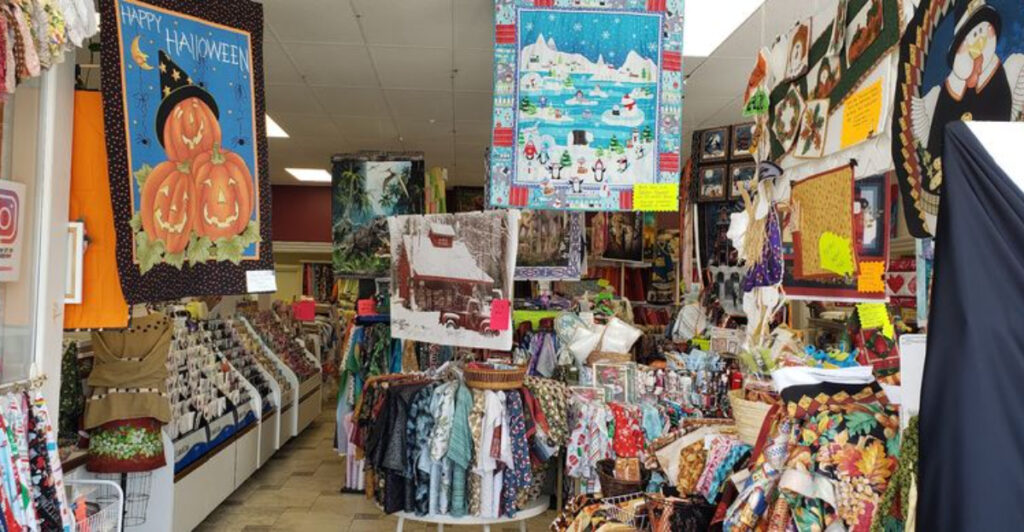
That kind of creative ambush happens regularly at The Pin Cushion in Vineland, where shelves and displays hold materials for everything from patchwork blankets to formal dresses and freshly upholstered dining chairs. This is not a narrowly focused quilting boutique or a generic craft aisle with six colors of felt.
It is a third-generation family business packed with premium fabrics, thread, patterns, foam, ribbon, yarn, and the tiny notions that somehow determine whether a project succeeds.
The shop has served South Jersey makers since 1972, giving it more than five decades of experience with ambitious plans, stubborn sewing machines, and customers carrying mysterious scraps they need to match.
Whether the mission involves a first quilt or a complete furniture rescue, there is a good chance the right material is waiting somewhere inside.
The Pin Cushion Has Been a Family-Owned Vineland Favorite for Generations
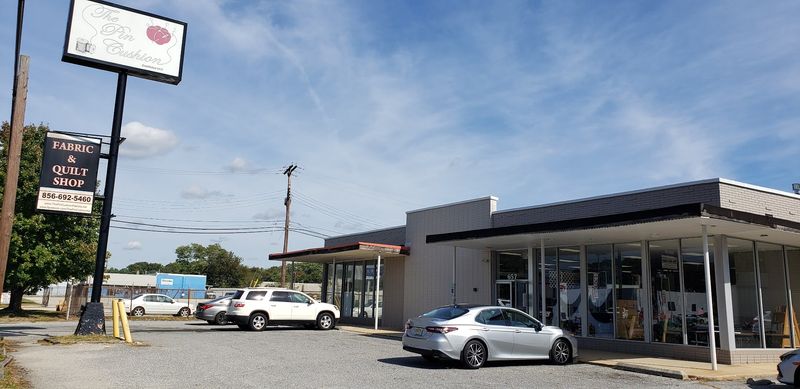
Some shops feel like part of the neighborhood story, and that is the charm here. Families in Vineland often pass down favorite places, and The Pin Cushion has the kind of warm reputation that makes new visitors curious right away.
Walking into a long-running fabric shop can calm your brain in the best way. Shelves, bolts, and sample ideas remind crafters that handmade projects still matter, whether you sew every weekend or only pull out a machine during the holidays.
A family-owned business also brings something big chain stores cannot fake: a personal touch. Shoppers can notice the steady care in how materials are arranged, how questions are answered, and how regulars are greeted like familiar faces.
For anyone planning a visit, give yourself extra browsing time and bring project measurements. Ask about fabric types, compare colors in natural light near the door, and keep an open mind, because the right idea often appears after you spot one unexpected print or trim.
That mix of memory, patience, and possibility is exactly why a hometown fabric shop can become a creative landmark.
A Huge Selection of Quilt Fabrics Makes Colorful Projects Easy to Start
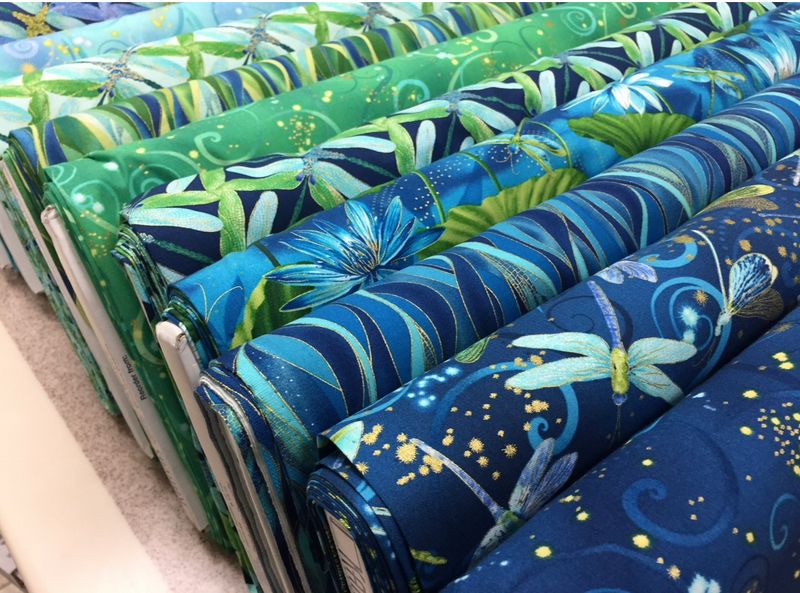
Color can change your mood, especially when quilt fabric lines are stacked side by side. At a shop known for variety, the fun begins before any cutting starts, because every aisle can spark a plan for a blanket, wall hanging, or table runner.
Beginners usually do best by choosing one main print first. After that, pull two or three supporting fabrics with smaller patterns or solids, and step back a few feet to see if the mix feels balanced.
Quilters with more experience may enjoy hunting for contrast, scale, and texture. Tiny florals, bold geometrics, soft blenders, and seasonal themes can all work together when you repeat a few key colors and keep your project purpose in mind.
If you are shopping with a specific pattern, bring it along or save it on your phone. A fabric selection makes cutting easier later, and it also helps you avoid buying too much of a shade that looked different under store lights.
The best part is simple. Seeing so many options at once makes starting feel exciting instead of overwhelming.
Dress Fabrics and Decorative Trims Bring Handmade Outfits to Life
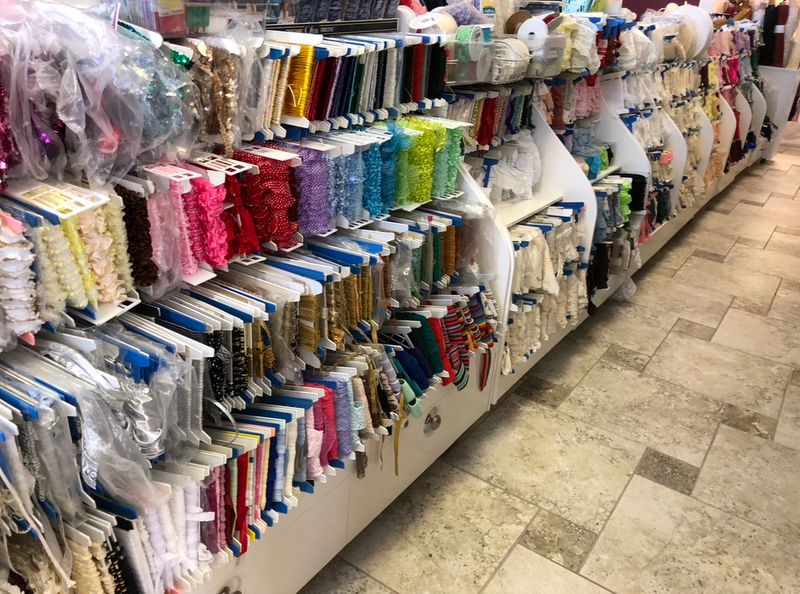
Few things beat the moment when a handmade outfit starts to look real. One fabric choice can set the mood, but trims, lining, ribbon, lace, or a row of neat buttons often give a sewing project its real personality.
Dress fabrics invite all kinds of plans, from simple skirts to special occasion pieces. Soft cottons can feel easy to handle for newer sewists, while slippery satins, stretch knits, or airy sheers may call for extra pins, patient cutting, and a test stitch before you commit.
Decorative trims are where playful ideas sneak in. A narrow braid can sharpen a hem, contrast piping can define seams, and a touch of fringe or lace can turn plain fabric into something memorable without changing the entire pattern.
Before buying, rub the material between your fingers and hold it up to the light. Think about comfort, drape, and care instructions, especially if the finished piece will be worn often.
Small details matter here. Matching the right trim to the right fabric helps homemade clothing look polished, expressive, and proudly one of a kind too.
Upholstery Materials Give Tired Chairs and Cushions a Fresh Look
Old chairs have stories, but worn fabric can make them look tired before guests even sit down. That is where upholstery materials become exciting, because a smart reupholstery can change the mood of a room without replacing the furniture you already like.
Texture matters as much as color in upholstery projects. Smooth solids can feel clean and modern, woven patterns can hide daily wear, and sturdier fabrics often make more sense for dining seats, family room cushions, or busy homes with pets and kids.
A quick touch test can tell you a lot. Check thickness, bend the sample a little, and imagine how it will behave around corners, staples, piping, or tufted spots before you bring yardage home.
Patterns need extra thought here. Large prints may lose their impact on a small chair seat, while stripes or plaids usually need careful matching so the finished piece does not look crooked.
If you are new to recovering furniture, start with a simple cushion first. Success on a smaller job builds confidence, saves money, and makes that piece feel attractive again.
Buttons Threads Patterns and Notions Fill Every Corner of the Shop
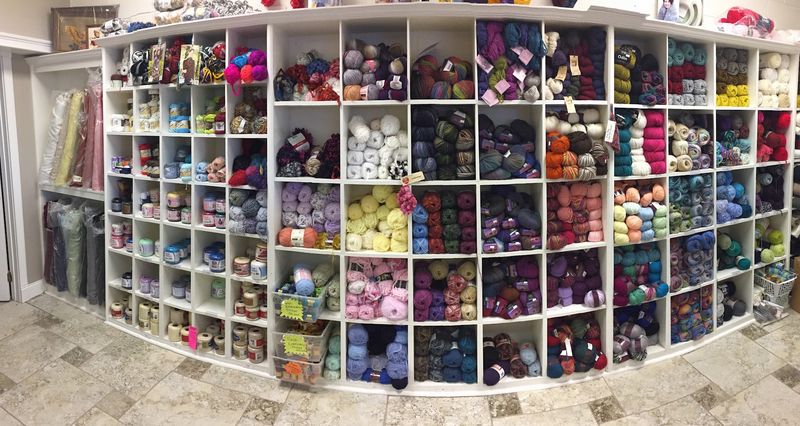
Every serious sewing shop has a section that makes people linger, and notions usually win that prize. One minute you came in for thread, and suddenly you are comparing zipper lengths, button shapes, tracing tools, and pattern envelopes like a kid studying a treasure map.
Buttons can completely change the look of a project. Matte wood feels relaxed, shiny pearl looks dressy, and bright novelty styles can make a plain cardigan, tote bag, or kids’ costume feel much more cheerful.
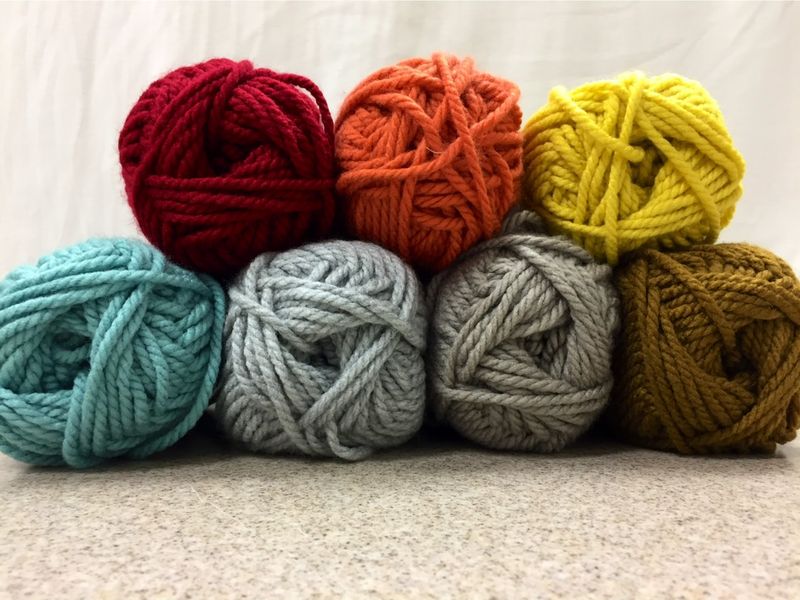
Thread choices matter more than many beginners expect. Matching color is helpful, but strength, fiber type, and stitch purpose also count, especially when you are hemming pants, piecing quilts, or repairing something that gets washed all the time.
Patterns help turn inspiration into a plan. Reading the back for yardage, size range, and skill level can save you from bringing home something far tougher than it first appeared.
Give yourself permission to browse slowly. A well-stocked notions area often solves small project problems before they become frustrating mistakes at home, and that kind of convenience feels like a secret weapon.
Helpful Advice and Sewing Classes Keep South Jersey Makers Inspired
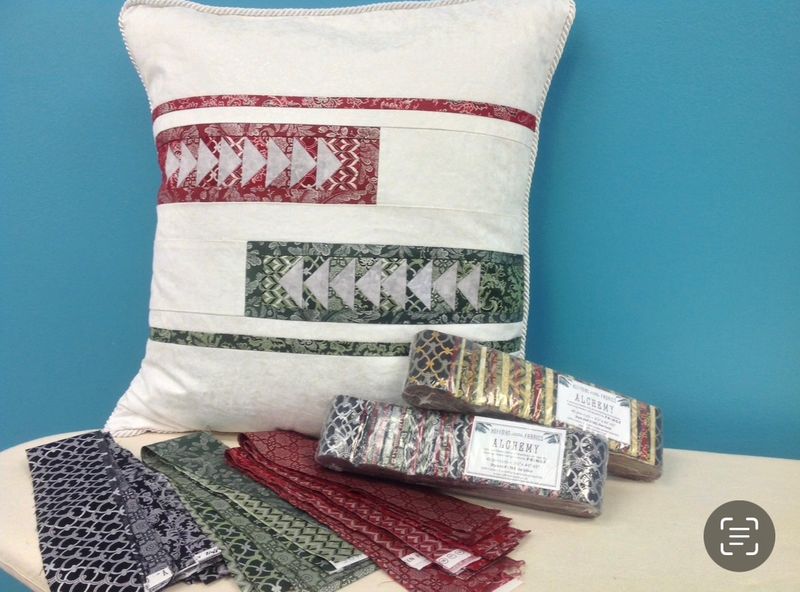
Sometimes the most valuable thing in a fabric shop is not sitting on a shelf at all. Encouragement, practical tips, and a chance to learn with other people can push a stalled project forward faster than another purchase ever could.
Helpful advice matters because sewing has so many little decisions. Needle size, fabric grain, seam finish, interfacing weight, and washing methods may seem tiny on their own, yet each one can shape whether a project feels smooth or frustrating.
Classes add another layer of energy. Beginners often enjoy the comfort of guided steps, while longtime makers can refresh old skills, trade ideas, and finally try techniques they kept putting off at home.
There is also something special about learning near people who speak the same creative language. One person asks about bobbins, another shares a shortcut for corners, and suddenly the room feels less intimidating and more like a shared workshop.
If you want more from a visit, arrive with one question. That habit can lead to fabric choices, cleaner results, and the confidence to keep making after class ends.
Share this story