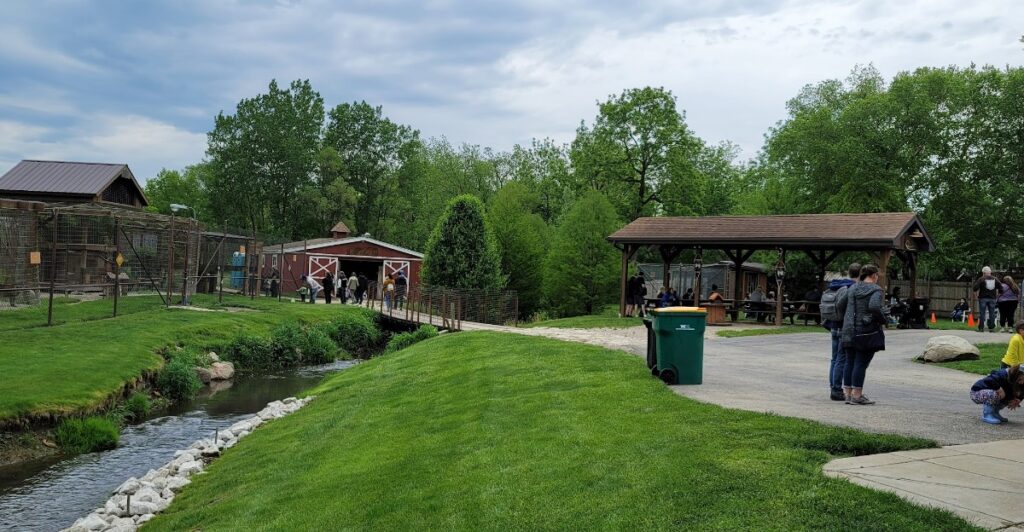
Hearing a wolf howl from surprisingly close range is not an experience most people expect to find near Chicago. Big Run Wolf Ranch in Lockport is a family-run nonprofit refuge providing a home for rescued and non-releasable wildlife, from wolves and a black bear to a tiger and smaller animal ambassadors.
Educational programs give visitors a chance to learn about the animals, hear their individual stories, and better understand the challenges wild species face. The setting is modest compared with a traditional zoo, which only makes the encounters feel more personal. For animal lovers, this unusual Illinois refuge offers a memorable look at wildlife close to home.
A Wolf Chorus Right Off Farrell Road
Picture a quiet stretch of road near Lockport, and then picture a siren rolling by in the distance. Before you can blink, a pack of wolves tips their heads back and answers with a long, rising howl. That sound is the welcome mat at Big Run Wolf Ranch.
From the outside, the ranch looks like a modest rural property. There are fences, trees, and simple buildings rather than giant gates or flashy signs. Step inside, though, and the scale changes fast, because the animals are close enough that you can see the frost on a wolf’s whiskers in winter.
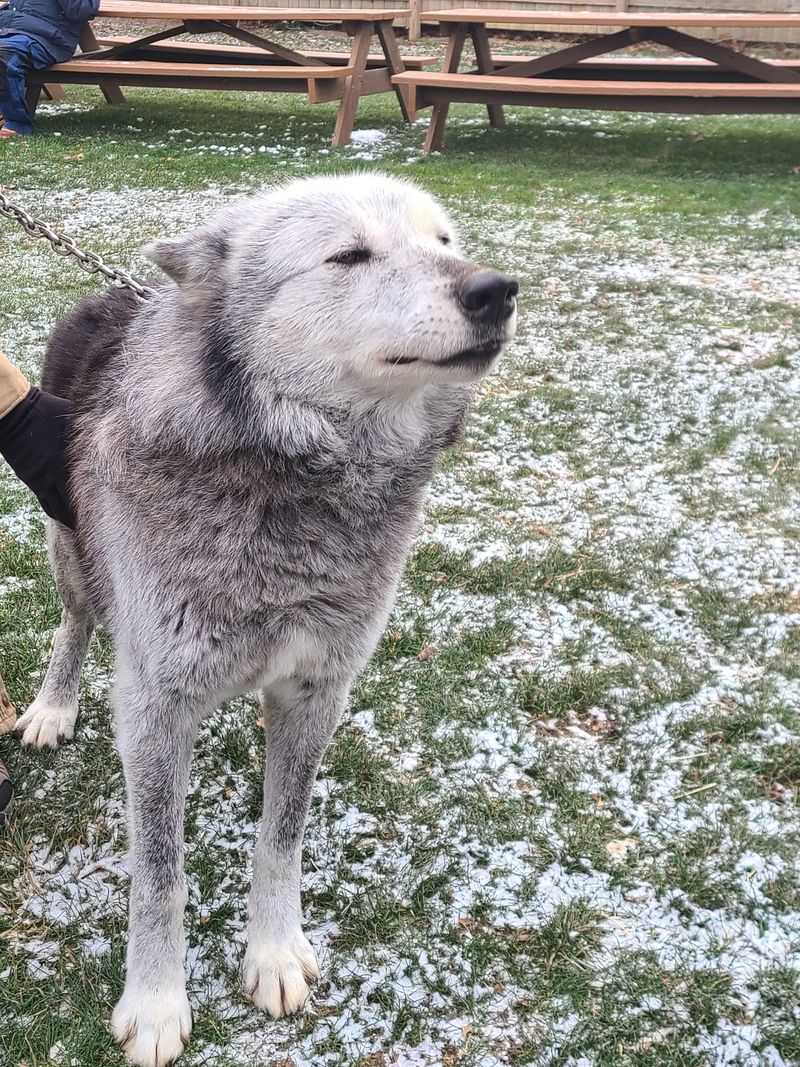
Wolves are the heart of this place, and the name is no accident. The ranch focuses on North American wolves, and the staff teaches visitors how these animals live in packs, communicate, and hunt. You will notice how each wolf has its own look, from silver-gray coats to darker, smoky fur along the back.
Their voices are the real surprise for first-timers. Wolves howl to locate each other and to mark their group, and nearby sirens often set them off. If you hear one start, stay still and listen, since the rest usually join within seconds.
The enclosures here are smaller than at a big zoo, and the staff is open about that. They have been working on plans to expand the property further back so the animals get more room. Knowing that helps you see the ranch for what it is, a growing rescue rather than a finished theme park.
Bring a jacket in the colder months. Wolves are most energetic when the air is crisp, and that is when their thick coats look their fullest and their howls carry farthest across the open Illinois flatland around the ranch.
Stripes, Claws, and a Sleepy Black Bear
Nobody expects to find a tiger in the suburbs of Will County. Yet there it is, a striped big cat lounging on a platform, flicking its tail like a house cat with a much bigger attitude. For many visitors, this is the moment the ranch stops feeling small.
The tiger draws the biggest crowds, and for good reason. Seeing those massive paws and that orange-and-black pattern from a few feet away is very different from watching one on a screen. Pay attention to its face, because each tiger’s stripe pattern is unique, a bit like a fingerprint.
Close by lives a black bear with a laid-back schedule. Bears slow down a lot in colder months, so do not be surprised if he is curled up asleep when you arrive. Sometimes, though, he wakes up mid-visit and shuffles out to see what all the noise is about, which tends to cause a happy stir in the crowd.
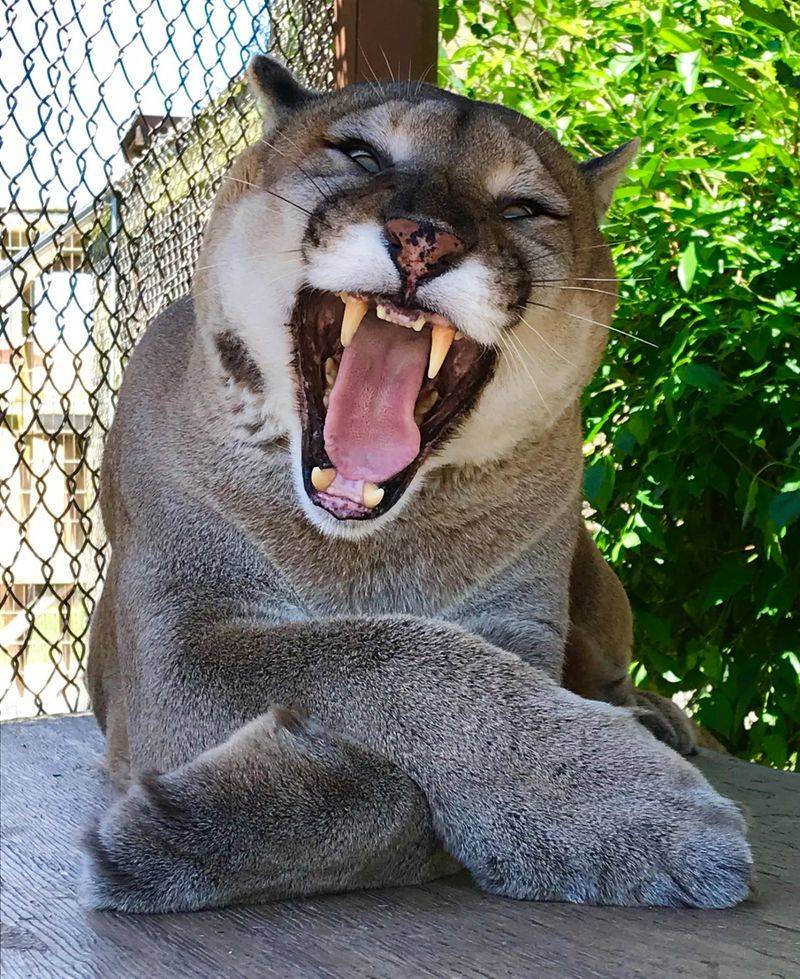
Then there is Charlie the cougar. This cat is known for being surprisingly chatty, making chirps and calls that sound nothing like the roar most kids expect. Cougars actually cannot roar, so these squeaky sounds are completely normal for them.
A lynx with tufted ears rounds out the cat lineup. Its oversized feet work like snowshoes in the wild, and you can spot them easily if it walks along its fence line.
Each of these animals arrived at the ranch with a history, often from situations where they could not stay. The staff shares those stories during tours, explaining how each one came to live here. Ask about any animal you are curious about, and you will usually get a detailed answer about its diet, habits, and personality.
Casper the Albino Skunk and Other Small Surprises
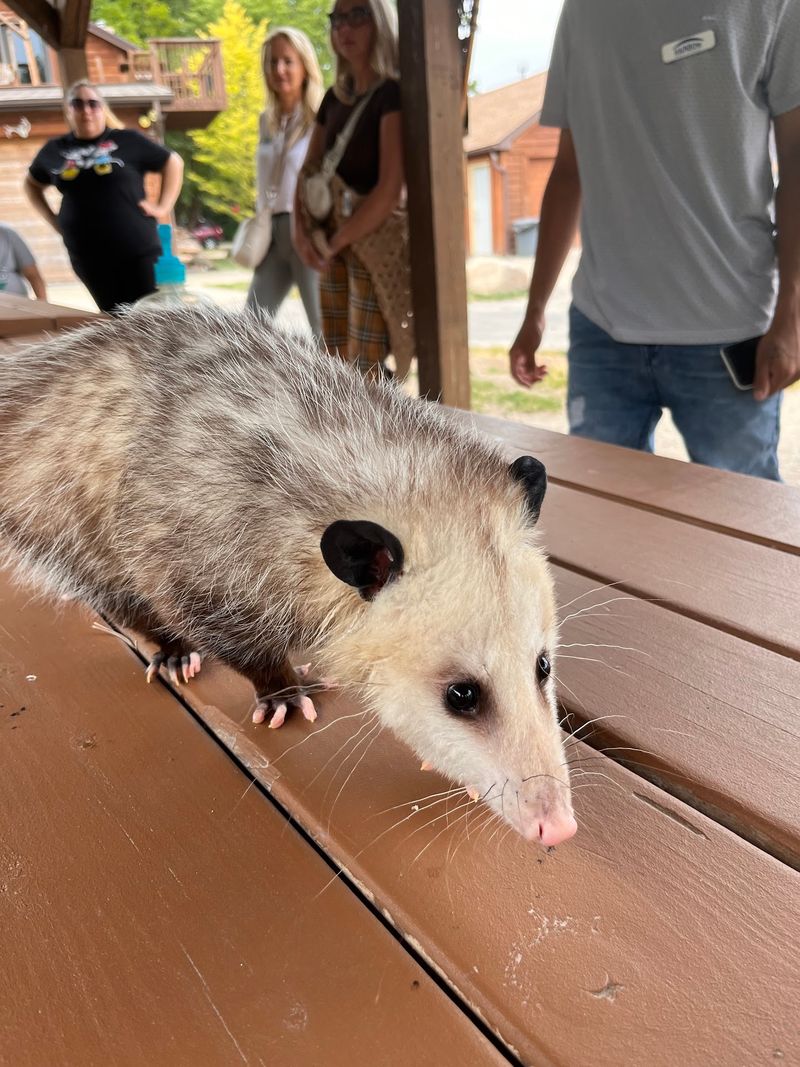
Casper is pure white, fluffy, and does not smell at all. He is an albino skunk, and he is easily one of the most talked-about residents at the ranch. Kids who came for wolves often leave asking for a skunk of their own.
The small animal side of Big Run is packed with critters most people never see up close. Over different visits, the lineup has included a porcupine, an armadillo, bats, a sloth, and even farm animals like a horse, donkey, and chickens. Each one gets its moment during presentations.
Albino animals lack normal pigment, which gives them white fur and pinkish eyes. In the wild, that bright coloring makes them easy targets, so a protected home like this gives Casper a much better shot at a long life.
After the small animal show, there is often a petting time. Rabbits and other gentle animals come out, and kids line up for a turn. Lines can get crowded on busy days, so help your child keep the visit short and sweet so everyone gets a chance.
Reptile fans should watch for appearances by Crosstown Exotics, a guest presenter that sometimes visits during open houses. Snakes, frogs, toads, an iguana, a tortoise, and a snapping turtle have all shown up. The talks mix science with jokes, which keeps younger listeners from drifting off.
One practical note helps here. Presentations happen outdoors, and sound can be hard to hear at the back of a large crowd. Arrive a few minutes early and grab a spot near the front, especially if you have small children who want to see the animals clearly and ask questions afterward.
The Family Behind the Fences
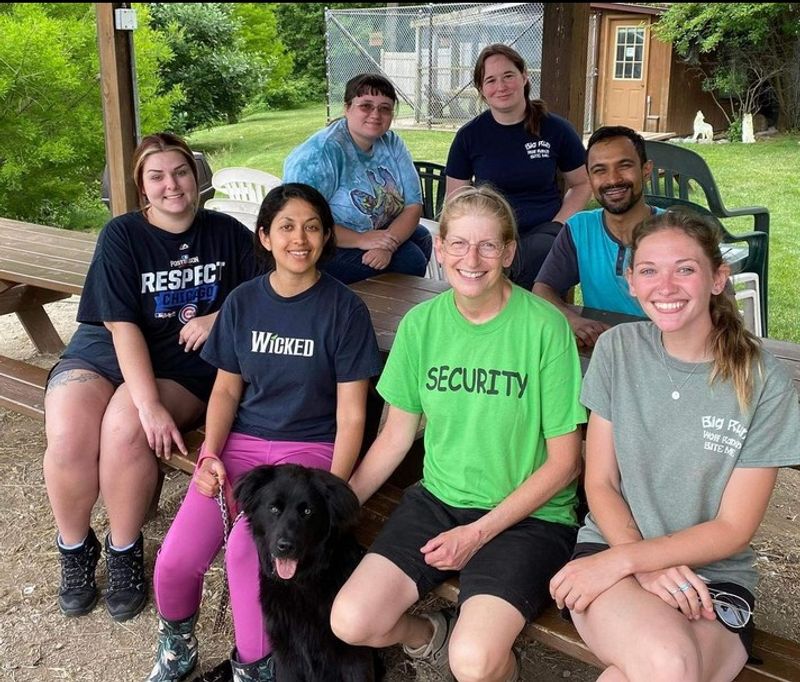
Running a wildlife refuge is not a nine-to-five job. Animals need food, cleaning, medical care, and attention every single day, holidays included. At Big Run, that work falls largely on a family and a loyal crew of volunteers.
Ownership here is personal. Tours are often led by family members, including the owner’s daughter, and guides like Theresa and Rainah have become familiar faces to returning visitors. You get the feeling that the people talking to you have actually raised and fed these animals for years.
That hands-on knowledge shows in the details. Staff can tell you exactly how each animal was rescued, what it eats, and how its personality has changed since arriving. Some visitors on private tours have even seen the large food prep area where meals are measured out based on each species’ diet.
Cleanliness is another giveaway. Enclosures are kept tidy, with climbing spots and resting areas built in. For a small nonprofit, keeping that standard takes constant effort, and much of it happens on days the public never sees.
Money is always tight. Big Run is a nonprofit, so entry fees and donations go straight to food and care. The ranch keeps a wish list, and supporters donate items like raw meat and, oddly enough, marshmallows, which some animals enjoy as treats.
You can also symbolically adopt a wolf or another resident. Unlike many large adoption programs, this one lets you visit the animal you support in person. For a kid, coming back to see their adopted wolf a few months later makes the gift far more real than a certificate in the mail.
Open House Day: How to Do It Right
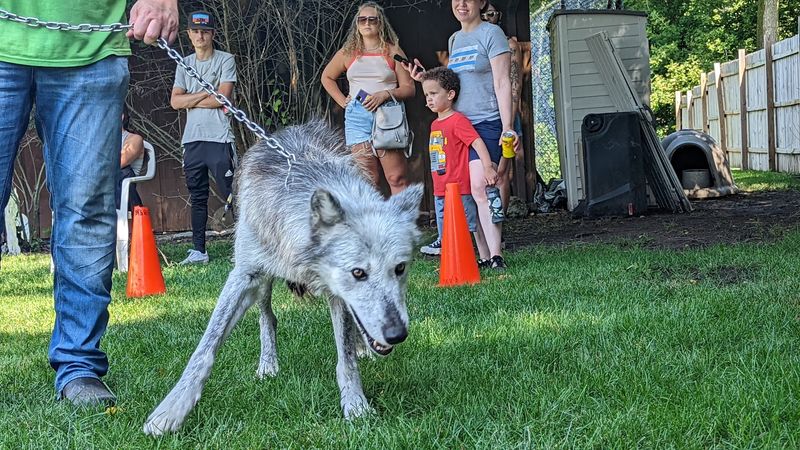
Once a month, the gates open wide. Open house days are the main way the public gets in without booking ahead, and they bring a festival-like buzz to the property. Expect families, strollers, food stands, and plenty of chatter.
Getting there takes a little planning. On-site parking is reserved for visitors with ADA needs only, so most people park at the Walmart on Farrell Road and ride a free shuttle bus over. The ride is short, but build a few extra minutes into your plans.
Once inside, the day revolves around scheduled talks. There is a wolf presentation, a small animal show, and sometimes a guest reptile program. Check the schedule as soon as you arrive and plan your loop around the talks you care about most.
Crowds peak in the early afternoon. If you want quieter views of the tiger or the bear, head to their enclosures right after arriving, while others gather at the food stand. Animals can get a bit nervous with lots of people around, so calm voices go a long way.
Food is simple and fairly priced, which helps when you have hungry kids in tow. Bring cash or card, plus water if the weather is warm, since much of the visit is outdoors with limited shade.
Dress for the ground, not just the weather. Paths can be muddy after rain, so sneakers or boots beat sandals. A light layer is smart in spring and fall, when afternoons in this part of Illinois can swing from sunny to chilly without much warning.
Private Tours, Birthday Parties, and Overnight Camping
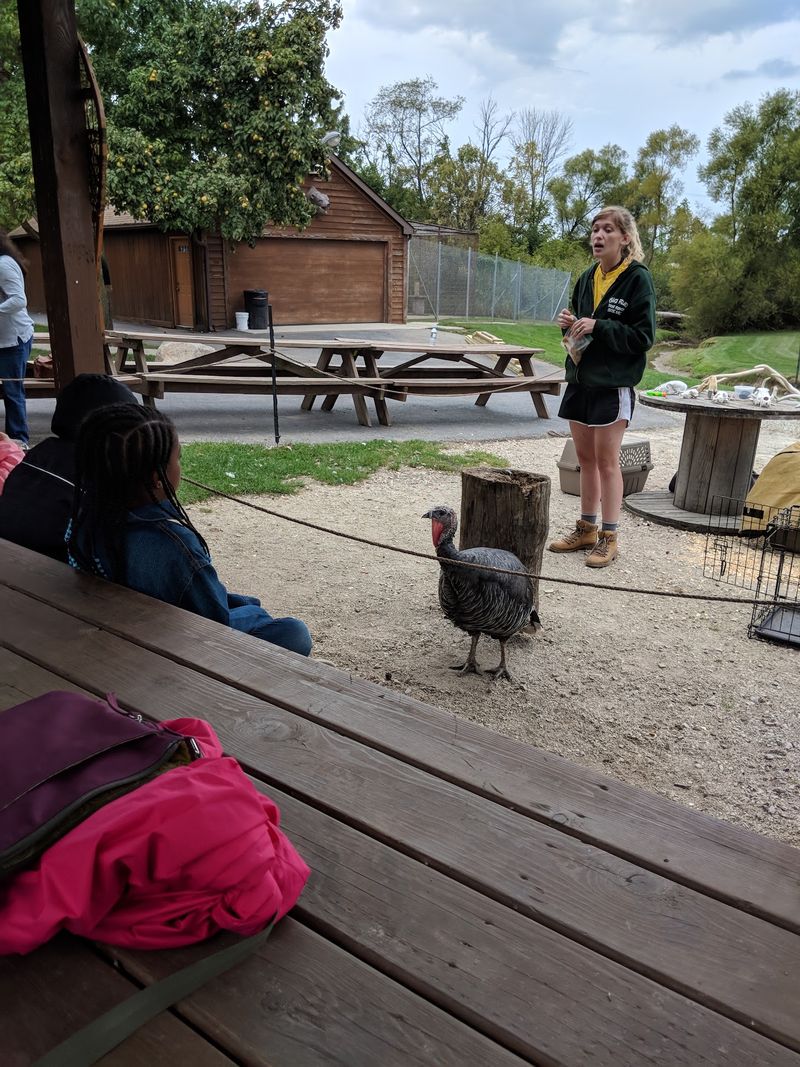
Some of the best visits happen when the crowds are gone. Outside of open house days, Big Run works by appointment, which opens the door to quieter, more personal experiences. Small groups get far more time with guides and animals.
School and homeschool groups are a natural fit. Guides adjust their talks for younger listeners, mixing facts with stories that hold attention. Students working on projects have been squeezed in for private tours, sometimes even on the staff’s days off.
Birthday parties are another option. Imagine a kid’s big day ending with a wolf talk and a chance to meet a skunk up close. Party groups get guided time with the animals, and the staff handles the educational part, so parents can focus on cake and keeping track of everyone.
For something truly different, the ranch has a designated camping area. Spending a night near a wolf refuge means you may hear howls after dark, which is a sound most people only know from movies. Ask about availability and rules well ahead, since space is limited.
During private visits, petting opportunities may be possible with certain animals. A wolf named Canuck has been a favorite on past tours, along with Casper the skunk. These moments depend on the animal’s mood and the staff’s judgment, so treat them as a bonus rather than a promise.
Booking early is the smart move. Weekends fill up, especially in spring and fall when field trip season is busy. Have a few dates ready, know your group size, and mention any special interests, like big cats or reptiles, so the guide can tailor the visit.
Why This Lockport, Illinois Refuge Beats a Big-City Zoo
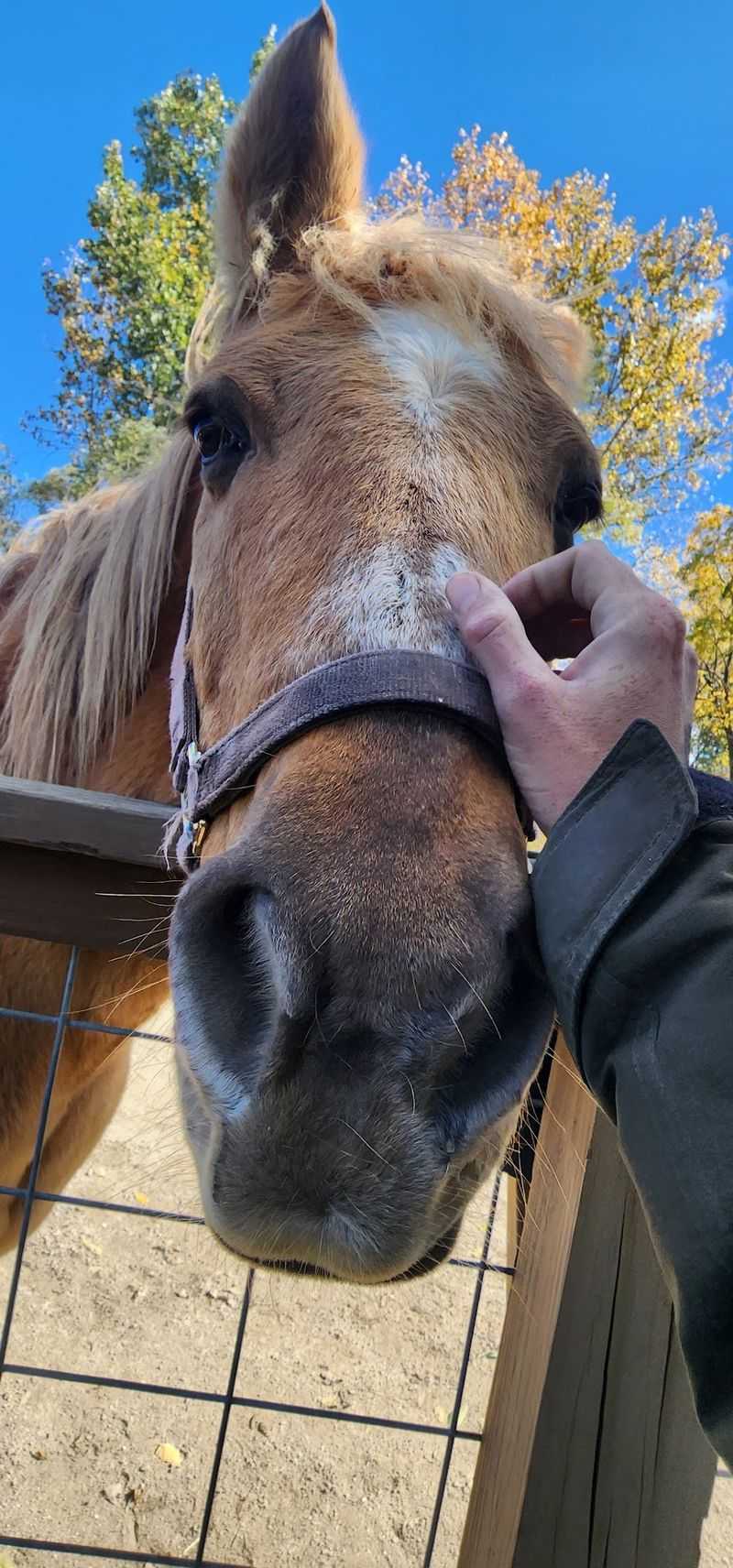
Nine dollars. That has been about the price of entry on open house days, and it buys a closer look at wolves and a tiger than many pricier attractions offer. The money goes right back into feeding the animals.
Size works in the ranch’s favor. A big zoo spreads animals across acres, and you often spot a distant shape snoozing behind glass. At Big Run, everything is within a short walk, so even small children can see the whole place without meltdowns.
Access to people is the other difference. Guides here know each resident by name and history. Instead of reading a sign, you can ask why the bear sleeps so much or how wolves choose a leader, and get an answer from someone who feeds them.
The mission is clear, too. Big Run focuses on conservation through education, teaching visitors why predators like wolves matter to healthy ecosystems. Wolves help control deer and elk populations in the wild, which affects everything from plant growth to river banks.
Of course, this is not a polished attraction. Enclosures are compact, sound systems can be weak, and parking requires a shuttle. Going in with the right expectations makes it easy to appreciate what a small team has built on limited funds.
Plenty of people in the Chicago area have no idea these animals live so close to home. Lockport sits roughly an hour southwest of downtown, close enough for a half-day trip. Follow the ranch’s social media for open house dates, pack a jacket, and plan to leave a donation, because the next fence expansion depends on visitors like you.