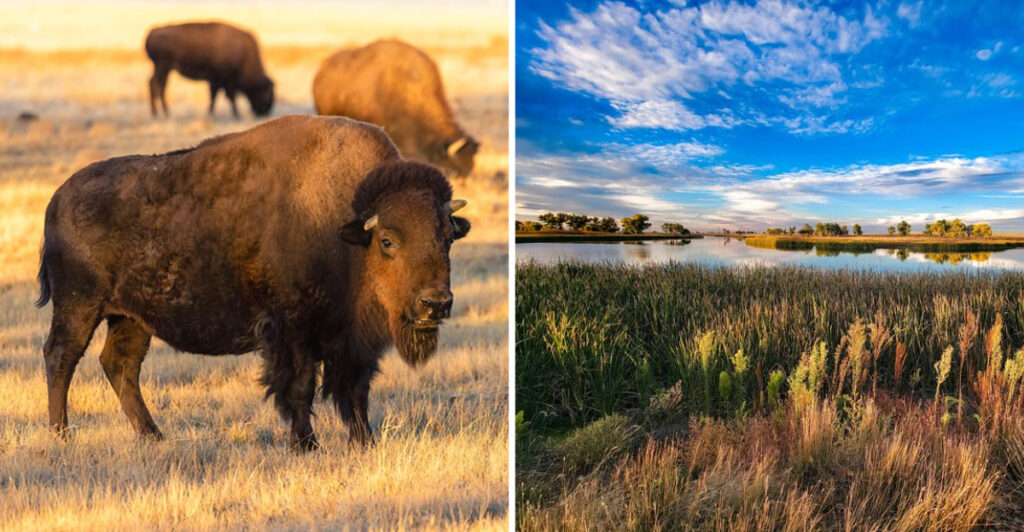
Bison roaming across open prairie hardly seem like they belong on land once associated with chemical weapons production. Yet Rocky Mountain Arsenal National Wildlife Refuge, just outside Denver, has undergone a remarkable transformation from a heavily used military and industrial site into a vast haven for wildlife.
Today, visitors can explore lakes, grasslands, trails, and scenic roads while watching for bison, deer, prairie dogs, eagles, and other species. Its complicated past makes the landscape even more fascinating. For anyone seeking nature close to the city, this Colorado refuge offers scenery, wildlife, and an extraordinary story of environmental recovery.
Where Prairie Meets the City Skyline
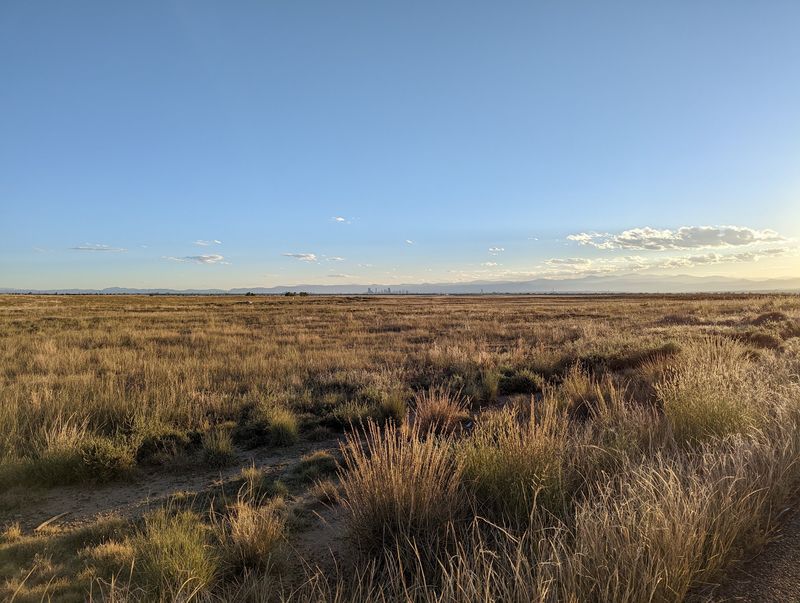
The first surprise arrives before any animal appears. At Rocky Mountain Arsenal National Wildlife Refuge, the land opens wide into grass, water, and sky, yet the city is still close enough to feel almost impossible.
That contrast gives the refuge its special power. Instead of thick forest or steep mountain roads, the scenery here is broad and exposed. Prairie grass ripples in the wind, lakes catch the light, and low wetlands break up the dry ground.
On clear days, the distant skyline and mountain backdrop make the view look layered, almost like two different Colorados sharing the same frame.
Plenty of people expect a quick roadside nature stop and end up slowing down almost immediately. The horizon is so big that even a short pullout feels larger than expected.
Looking across the refuge helps explain why wildlife can thrive here, because animals need room, sightlines, and quieter habitat than the surrounding metro area can usually offer.
Photographers often do best by keeping a camera or phone ready, but patience matters more than fancy gear. A sweeping landscape shot can work just as well as a close wildlife image, especially when morning light turns the grass pale gold.
In winter, snow strips the scene down even more, making bison, deer, and birds stand out against the open ground.
For families or first-time visitors, that visual simplicity is helpful. Nothing feels confusing or crowded, and the refuge reveals itself in long views rather than hidden corners.
It is an easy place to understand at a glance, yet the details keep changing with weather, season, and light, which makes even the first few minutes on site unusually absorbing.
A Hard History, Rewritten by Restoration
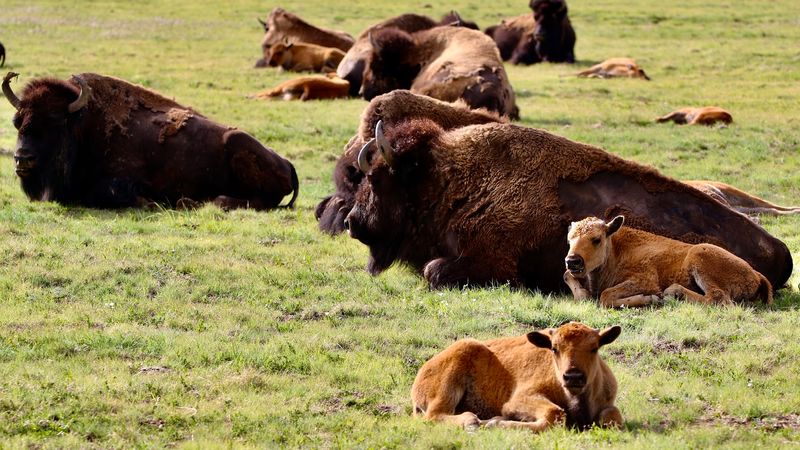
Few places in the Denver area carry a backstory as startling as this one. Land once associated with chemical weapons production and heavy industrial use has been restored into a protected refuge filled with grasslands, wetlands, and wildlife.
That change is not a small detail. It is the central fact that gives every drive, trail, and overlook extra meaning. The refuge does not hide its past, and that honesty matters. Learning the history makes the present landscape more impressive, because the open fields are not simply pretty views.
They represent years of cleanup, planning, and long-term habitat work aimed at giving the land a different future. For younger visitors, the lesson is easy to grasp. Places can be damaged, but they can also improve when people commit to repair.
That idea turns the refuge into more than a scenic destination. It becomes a real-world example of environmental recovery close to a major city.
The story also changes how the wildlife is seen. A herd of bison crossing restored prairie is dramatic on its own, but it becomes even more powerful when placed against the site’s earlier use.
Birds circling over wetlands and prairie dogs popping from burrows are not random pleasant moments. They are visible proof that restoration can produce living, working habitat.
Anyone visiting for the first time should spend at least a little time with the history exhibits before heading deeper into the refuge. Doing that creates a stronger connection to the landscape and helps explain why protected land near urban areas is so valuable.
At Rocky Mountain Arsenal, the transformation is not a side note tucked behind the scenery. It is the reason the scenery carries such unusual weight.
Bison, Prairie Dogs, and the Stars of the Refuge
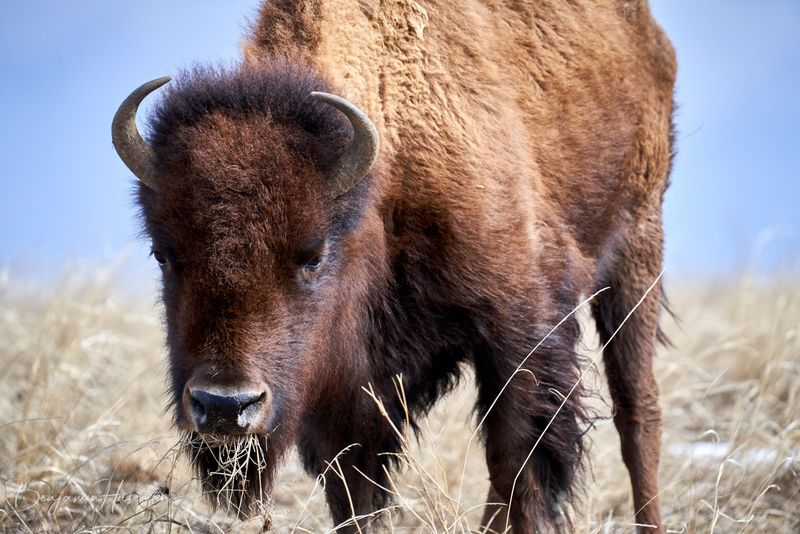
Animal watching here has a playful side, because the cast changes from minute to minute. One stretch of road may be quiet, then suddenly a bison herd appears, prairie dogs start popping upright, and a hawk glides across the grass.
The refuge is home to more than 330 species, so the fun comes from staying alert to every movement. Bison are the headline attraction for many visitors, and for good reason. Their size changes the scale of the landscape instantly.
Even when they are resting, they draw attention, and early or late in the day they can be more active, which makes the drive especially rewarding.
Prairie dogs bring a completely different energy. They are smaller, quicker, and often easier to watch for longer stretches.
Kids usually lock onto their constant motion, while photographers enjoy trying to catch that upright pose near a burrow. A slow roll through likely habitat beats speeding ahead in search of larger animals.
The supporting cast matters too. Mule deer, coyotes, bald eagles, other raptors, water birds, and seasonal birdlife all add variety.
Open lakes, wetlands, woodlands, and prairie grasslands create several habitat types in one refuge, so sightings can shift with weather, migration, and season.
A practical tip makes the experience better: scan low, then high. Start with the ground for prairie dogs and deer, then check fence posts, treetops, and shoreline edges for birds.
Binoculars help, but even without them, patient looking can reveal far more than a quick pass would suggest. The biggest mistake is treating the refuge like a checklist.
It works better as a rolling search, part quiet drive and part natural treasure hunt, where the next memorable sighting may come from a grassy shoulder just beyond the last bend.
The Wildlife Drive That Changes Every Mile
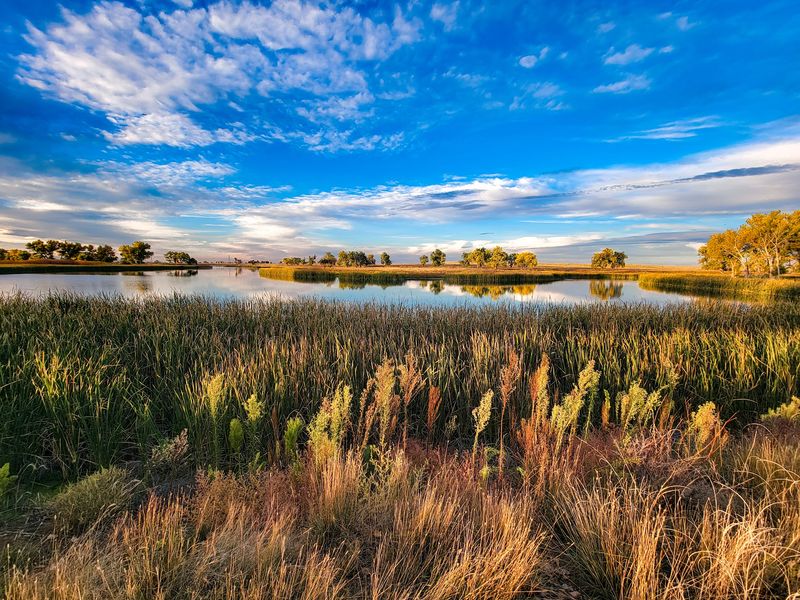
Some parks are built around a trail. This one is often best understood through the windshield first. The refuge’s wildlife drive lets people cover a large area comfortably, which is a big reason it works so well for families, older adults, and anyone short on time. The route is not flashy.
It is better than flashy, because it gives the land time to unfold. Driving slowly is the whole point. Pullouts and viewing spots allow quick stops for photos, scanning the grass, or simply taking in the open space.
The road feels manageable rather than overwhelming, so even first-time visitors can focus on the surroundings instead of worrying about navigation.
The pace shapes the experience. Instead of hurrying from landmark to landmark, the drive encourages small discoveries.
A cluster of birds near water, movement in the grass, or a bison herd farther out can turn an ordinary stretch into the highlight of the day. That makes repetition part of the fun.
Some visitors loop sections more than once because wildlife rarely stays in the exact same place. Audio guides and narrated tours can add another layer if available during a visit.
Listening while driving helps connect the scenery with habitat facts, refuge history, and animal behavior. That is especially useful for kids who like a sense of mission while spotting wildlife through the windows.
There is one simple rule for success here: leave extra time. A route that looks short on a map can easily stretch into a longer outing once animals appear. Snacks, water, and a charged phone or camera help, but the most useful thing to bring is patience.
Done right, the wildlife drive is not just transportation through the refuge. It is the core experience, with every slow mile offering a fresh chance to notice something wild against a surprisingly urban backdrop.
Inside the Visitor Center, Colorado’s Big Story Gets Smaller
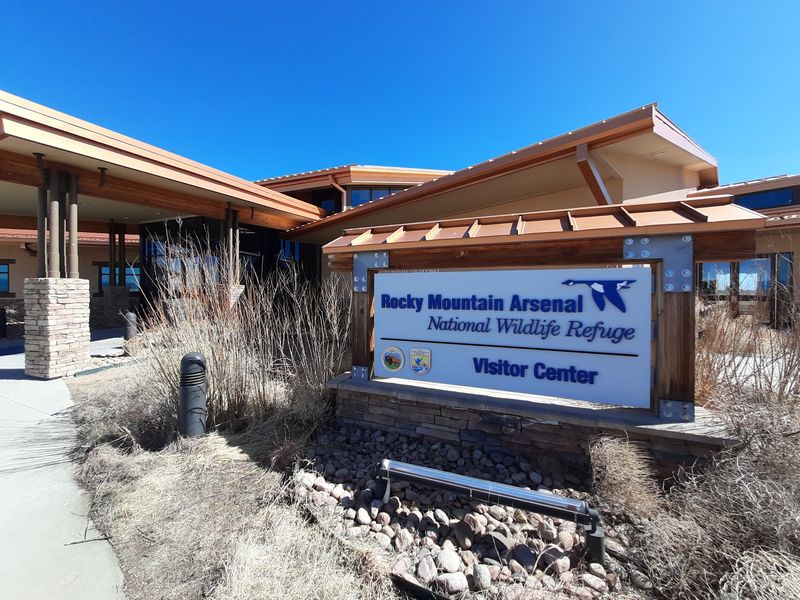
After the wide-open prairie, the visitor center brings the refuge down to human scale. Exhibits explain the area’s wildlife, habitats, and history in a way that helps the landscape make more sense.
For children, that can turn a scenic drive into a real learning adventure. For adults, it adds context that sharpens every sighting afterward.
The best visitor centers do more than hand out maps, and this one stands out for that reason. Displays on animals, restoration, and the refuge’s past create a clearer picture of why the site matters.
A large outdoor setting can sometimes feel hard to interpret on its own, especially if animals are far away. Indoors, the story becomes easier to follow.
Families tend to benefit most from starting here. Younger kids often connect with exhibits before they connect with a distant deer in the grass.
Once they have seen images, facts, and models inside, the drive outside becomes a kind of live search game. That shift can make the entire outing smoother and more engaging.
Depending on current operations, there may also be special displays, seasonal activities, or information about rare species associated with the refuge, including black-footed ferrets. Since live animal viewing is never guaranteed, the exhibits help fill that gap by offering detail that the landscape alone may not reveal in one visit.
A practical note matters here. Hours are limited compared with many urban attractions, and the center is not open every day of the week.
Checking open days before arriving can prevent disappointment, especially for travelers passing through the Denver area on a Monday or Tuesday.
Used well, the visitor center is not a side stop tacked onto the refuge. It is the place where the bigger picture clicks into place, making the roads, grasslands, and wildlife beyond the glass feel more connected and easier to appreciate.
When to Go for the Best Sights and Quietest Roads
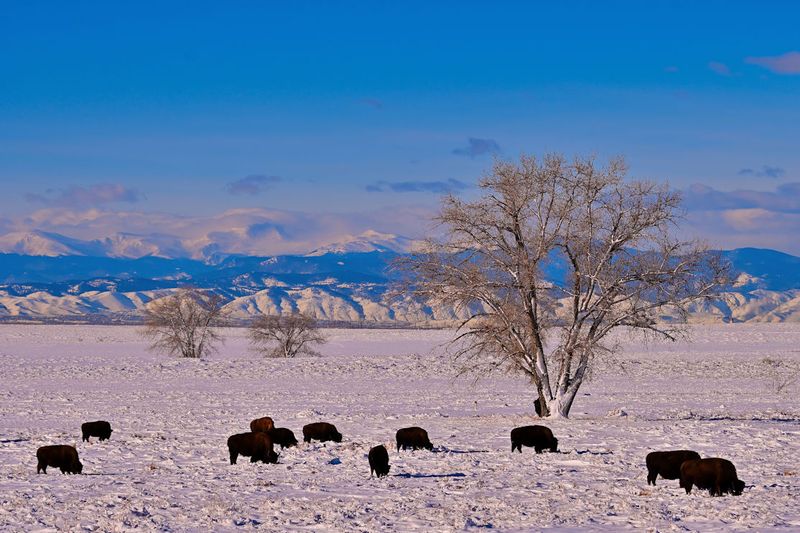
Timing can shape this visit almost as much as weather. Early morning is often the smartest choice for anyone hoping to see more animal activity, especially larger wildlife.
Cooler temperatures, softer light, and quieter roads create better conditions for both watching and photography.
Late afternoon can also work well, though midday sometimes brings a slower rhythm. Animals may be harder to spot when the light is harsh and the day is warmer. That does not mean a midday visit is wasted. It simply changes the focus.
Open views, birdlife around water, and the sweep of the prairie still carry the experience, even when bigger animals stay farther out. Season matters too. Spring and summer can add green growth, wildflowers, and busy bird activity.
Winter strips the landscape back and can make sightings stand out against snow or pale grass. Each season offers a different personality, which means repeat visits can feel surprisingly different without requiring a different route.
Practical planning is simple but important. The refuge is closed on Monday and Tuesday, with public hours generally running from 9 AM to 4 PM on open days.
Arriving close to opening gives more breathing room and a better shot at seeing wildlife before the day gets busier.
Since much of the experience happens from the car, bring water, snacks, and enough time to move slowly. A full loop can take longer than expected once pullouts, photos, and repeated scans are added in. Binoculars help, but a calm pace is even more useful.
For travelers staying in Denver, this makes an easy half-day outing. For local families, it is a strong weekend plan because it is free, accessible, and easy to tailor. Go early, keep expectations flexible, and let the refuge reveal itself on its own schedule.
Why This Refuge Stands Apart Near Denver
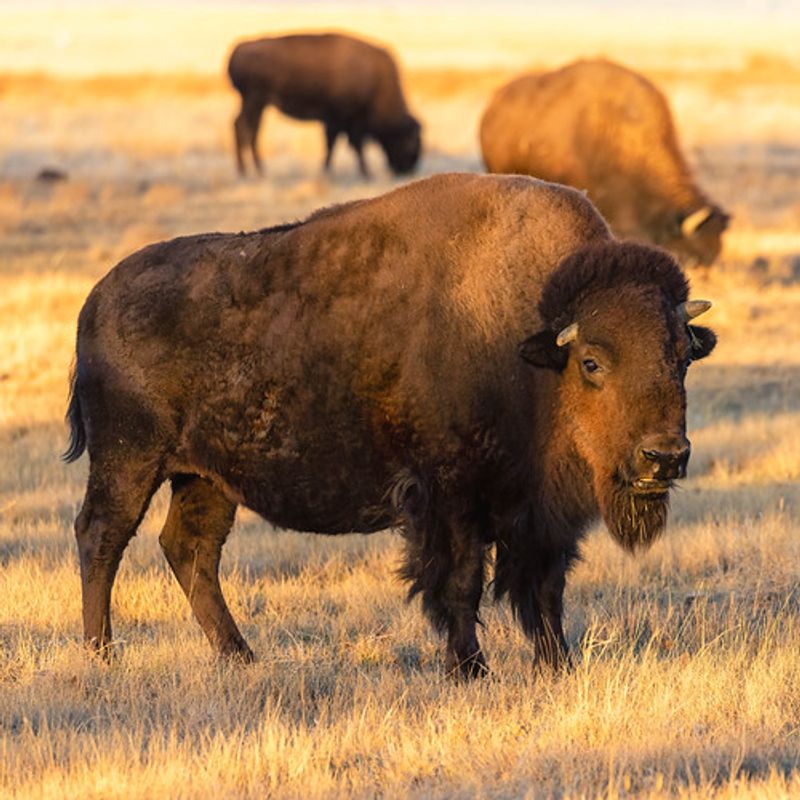
Some places impress because they are remote. Rocky Mountain Arsenal National Wildlife Refuge does the opposite. It delivers real wildlife habitat, sweeping prairie, and a remarkable restoration story within easy reach of Denver, which makes it stand apart in a state already packed with outdoor destinations.
Convenience alone would not be enough, of course. The refuge works because it offers substance as well as access. The setting is part of that appeal, but the transformation is the deeper reason the place matters.
Land with a difficult past now supports bison, birds, deer, prairie dogs, wetlands, and broad grasslands. That shift gives the refuge a rare mix of beauty and meaning. It is scenic, but not in a shallow way.
The landscape carries proof that damaged ground can be reclaimed and protected. There is also a practical kind of excellence here. Admission is free, the wildlife drive is easy to follow, and the refuge welcomes different kinds of visitors.
A family with small children, a birder with binoculars, a photographer chasing sunrise, and a traveler with only a few hours can all leave with a solid experience.
Unlike high-elevation destinations that demand extra planning, this refuge is approachable in every season. It can fit into an ordinary day, which may be one reason it leaves such a strong mark on local life.
Urban residents do not just need giant wilderness vacations. They also need nearby places where nature is visible, active, and protected.
That is what Rocky Mountain Arsenal offers so well. It is not trying to imitate a mountain park or a backcountry trek.
It gives Colorado something different: a large, living prairie refuge beside the city, shaped by recovery, filled with wildlife, and strong enough to change expectations long before the drive is over.
Share this story