Somewhere past a ranch archway and six miles of rutted dirt road, the ground in far eastern Arizona is covered with agate. You do not need a permit, a guide, or a single dollar to take some home. Families show up with buckets and kids, and they leave with pockets full of fire agate and chalcedony.
The catch is the drive, the remoteness, and the total lack of services, so a little planning goes a long way. Here is everything a Phoenix or Tucson local should know before loading up the truck for this free treasure hunt near the New Mexico line.
1. A Public Treasure Field Near Duncan
Free collecting sites are rare in Arizona, and this one sits on public land managed by the Bureau of Land Management.
The Round Mountain Rockhound Area is located in Duncan, AZ 85534, in Greenlee County, close to the New Mexico state line. It is listed as open 24 hours, every day of the week.
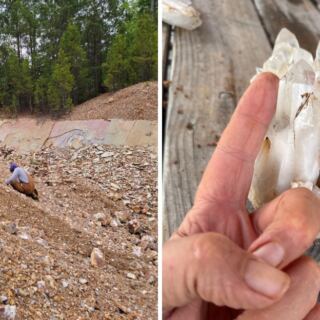
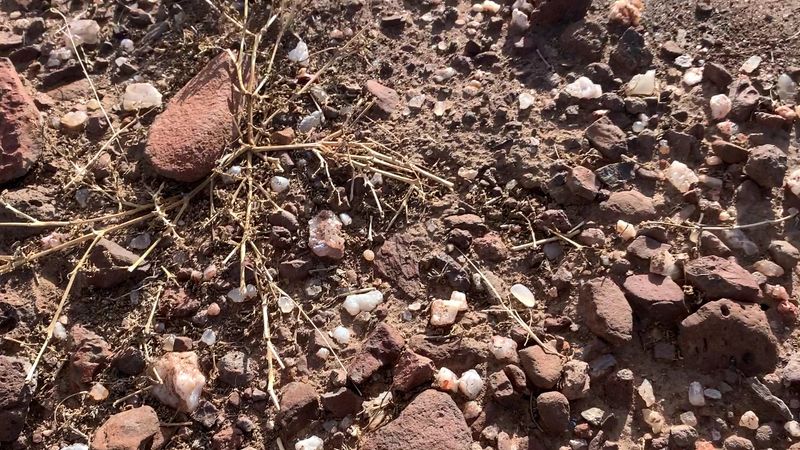
The big draw is fire agate, a type of agate that can show rainbow-like color under its surface. Chalcedony and other agates turn up here too, often in large numbers.
There is no entry fee and no gate attendant. You simply drive in, park within the boundary, and start searching.
For Valley and Tucson residents, it is a long haul to the far eastern edge of the state. Still, that distance is a big part of why the area stays quiet and well stocked.
The site holds a 4.8-star average across more than 60 public ratings online, which says a lot for a place with zero amenities and a rough road. Clearly, people think the rocks are worth the trip.
2. Volcanic Roots Behind the Agate
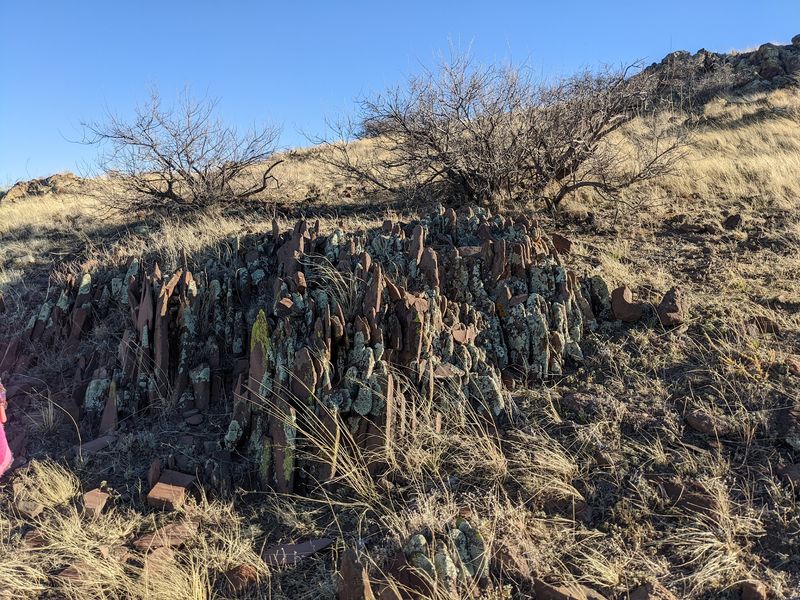
Long before anyone showed up with a rock hammer, volcanic activity set the stage here.
The agates come from the lava outcroppings that shape the hills. Over time, erosion breaks those rocks down and releases the agate onto the surface.
That steady process is why longtime collectors describe the supply as plentiful. Some believe it will likely never be fully picked over.
The best specimens are often found on the hill itself, close to the source rock. Pieces that wash downhill scatter across the flats and into the drainages.
Knowing this geology changes how you hunt. Instead of wandering at random, you can follow trails of color back toward the outcrops.
It is a small science lesson that pays off in your bucket. Kids tend to love the idea that they are tracking treasure back to an ancient volcano.
3. Fire Agate, the Star of the Show
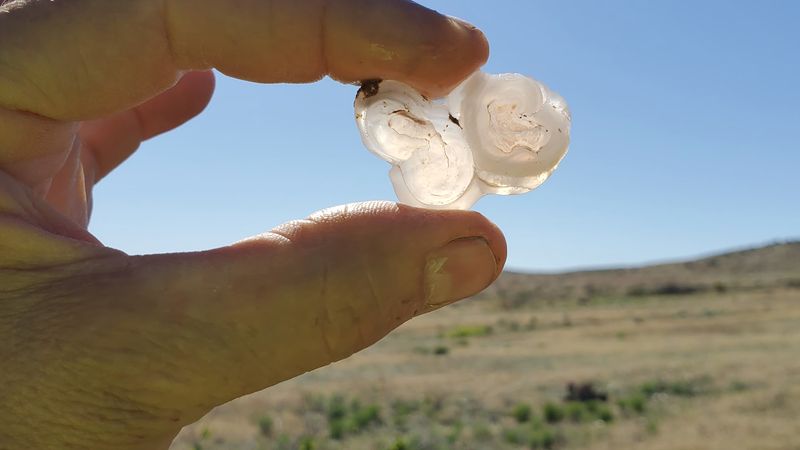
Fire agate is the reason most people make the drive.
Collectors report finding everything from small bits with a flash of fire to solid specimens worth showing off. The color often hides under a brown or reddish crust, so a casual glance can miss it.
Rosettes also turn up here, along with plain agates that still make nice keepers. Some hunters work outside the main roads and come back with what they call a good haul.
Keep expectations realistic, though. Most finds are small, pretty pieces, not museum material, and nobody is getting rich off a weekend trip.
That is fine for the average hobbyist. The fun is in the hunt, and the odds of finding at least some fire here are unusually good.
Bring a few small bags or containers to sort your best pieces. You may want to keep the fiery ones separate from the rest.
4. Chalcedony by the Handful
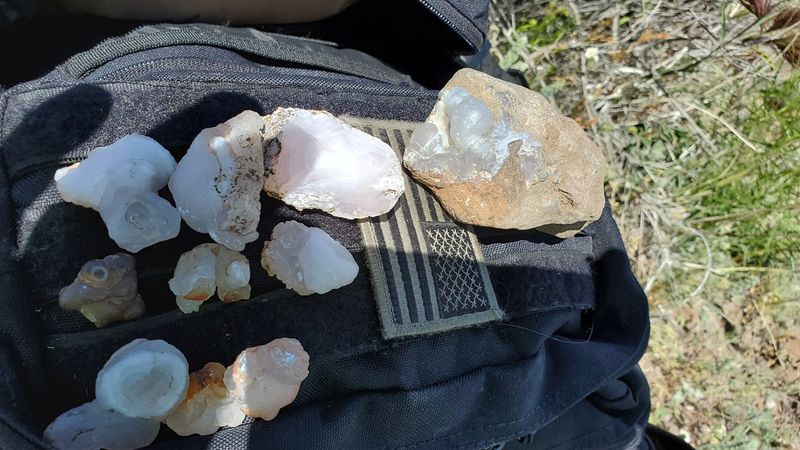
Not every treasure needs fire to earn a spot in your backpack.
Chalcedony shows up in large and attractive pieces here. Some stones are almost perfectly almond or egg shaped, which makes them fun to collect.
Those smooth shapes are a favorite for rock tumbling. Many collectors take home a batch specifically to polish later.
Compared with some other collecting areas in the region, the rocks here are often described as larger and easier to spot. That makes it a friendly place for beginners.
A good approach is to grab a mix. Pick a few chalcedony pieces for tumbling, then save your energy for the fire agate hunt.
By the end of the day, the hardest part may be deciding what to leave behind. Your car suspension will thank you for some restraint.
5. No Skill Required, Just Look Down
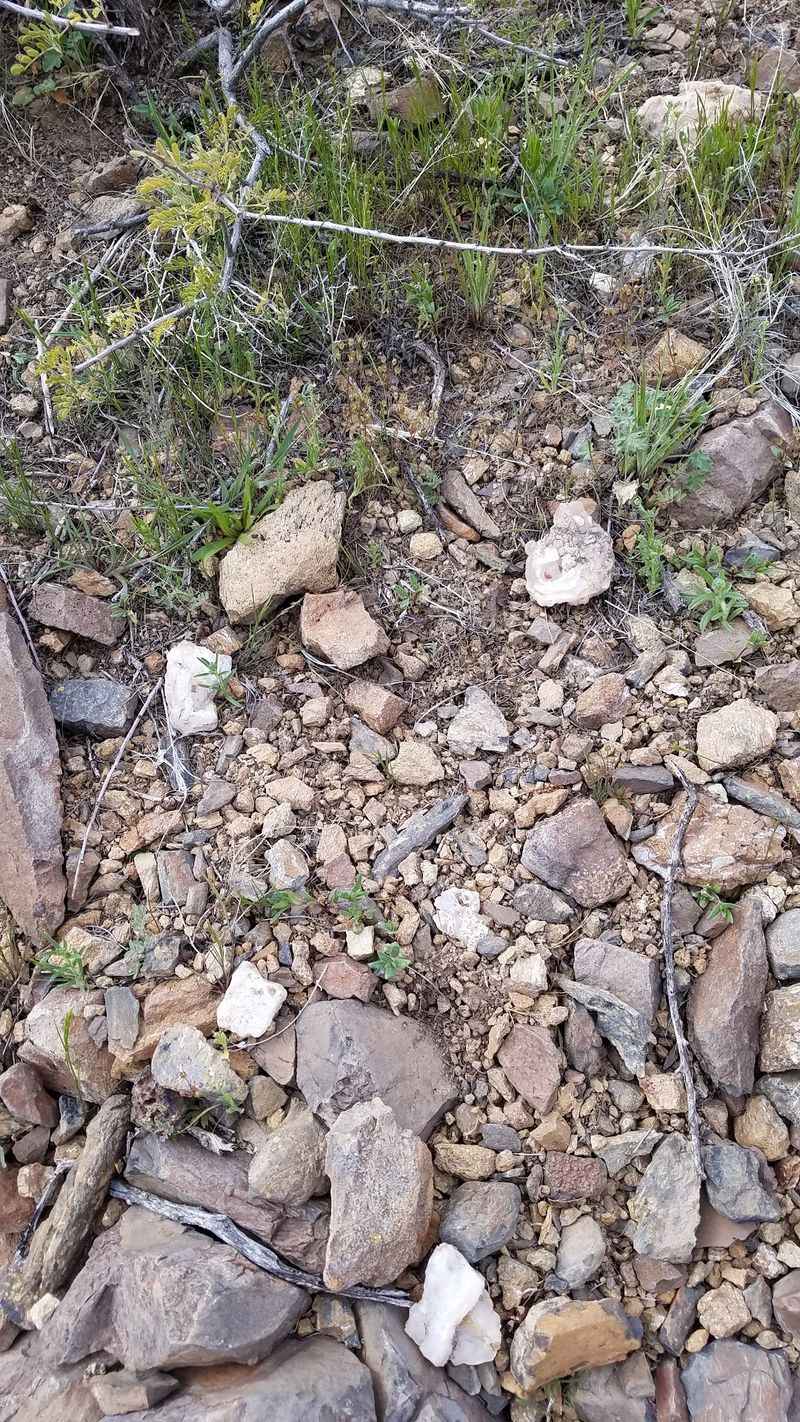
Here is the best news for first-timers: you do not need experience to find agate at Round Mountain.
Many people simply park anywhere within the boundary and look at the ground. Agates are scattered nearly everywhere.
Families with kids do well here for exactly that reason. Little hunters can spot color and start filling a bag within minutes.
One helpful trick is to look for color on the ground, then follow it. A trail of chips can lead toward a richer patch or the source rock.
Agates also show up along the road from the first sign where you turn left. Some collectors start right there before driving deeper in.
No class, no tools, and no fees stand between you and your first find. Your eyes do most of the work.
6. Where the Loop Road Leads
Strategy matters once you reach the area.
A loop road circles the site, and it is a common route for collectors. Going past the big water tank and taking the loop road can lead you up the mountain where fire agate turns up.
The backside of the mountain also holds plenty of good rocks. It is worth exploring if you have time.
The area inside the loop gets worked more heavily, so it may look a bit picked over. Hunters who head outside the loop often report better results.
A simple rule applies here. The farther you get from the road, the better your odds tend to be.
So park, stretch your legs, and walk. A little extra effort can mean the difference between gravel and real color.
7. Arroyos and the Cattle Area Secret
Ask seasoned hounds where to look, and the answer often points downhill.
The arroyos, or dry washes, are a top choice for finds. Rain carries stones down from the slopes and leaves them sorted in the sand.
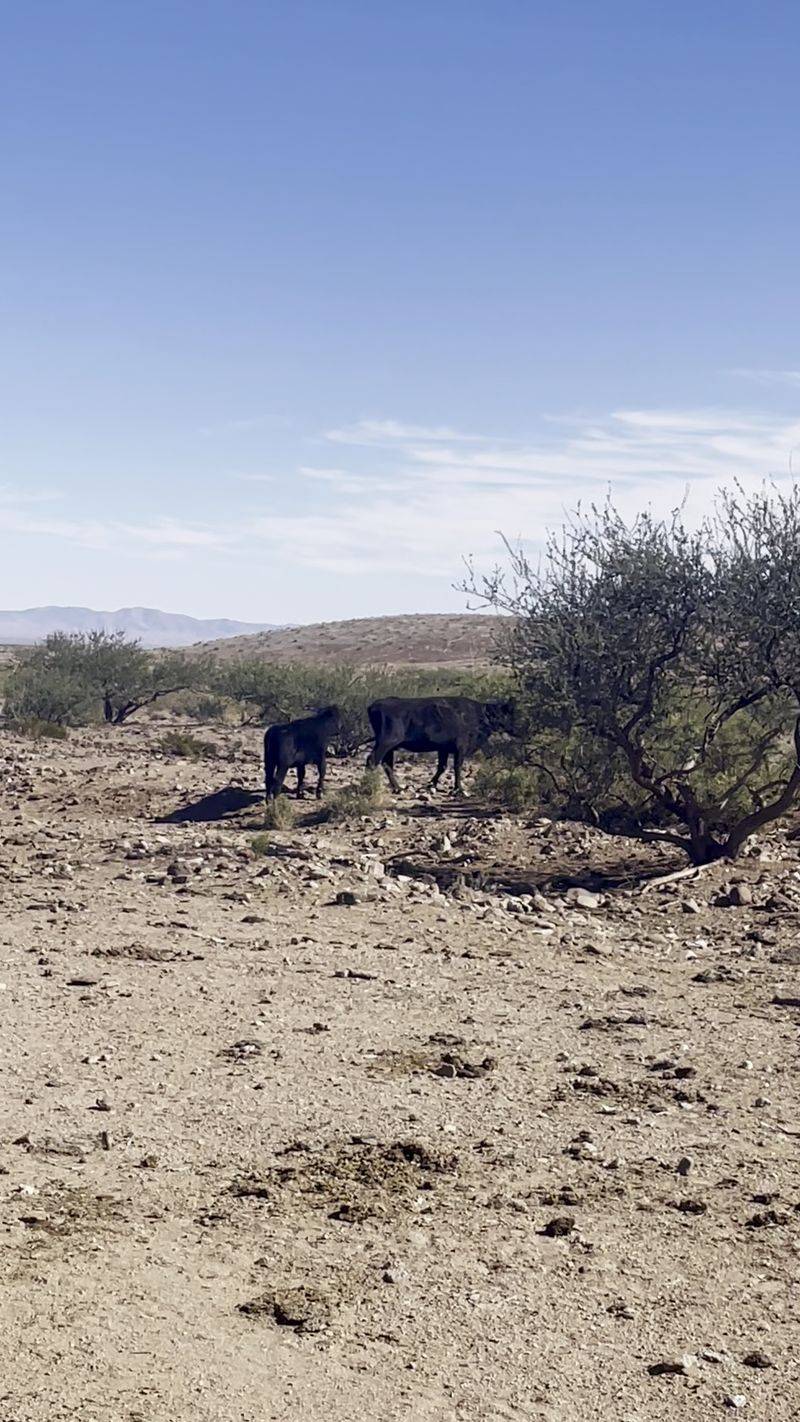
Another tip involves the cattle area to the left. Following signs toward that section and searching around it has paid off for some collectors.
Washes can change after each storm. A spot that looked bare last season may reveal new pieces after fresh runoff.
Walk slowly and scan the gravel bars. Agate tends to stand out once your eyes adjust to the pattern.
It is a bit like a reset button built into the land. Every rainy season brings a new batch to the surface.
8. Rock Hammers, Chisels, and Serious Gear
Surface picking is easy, but working the host rock is another story.
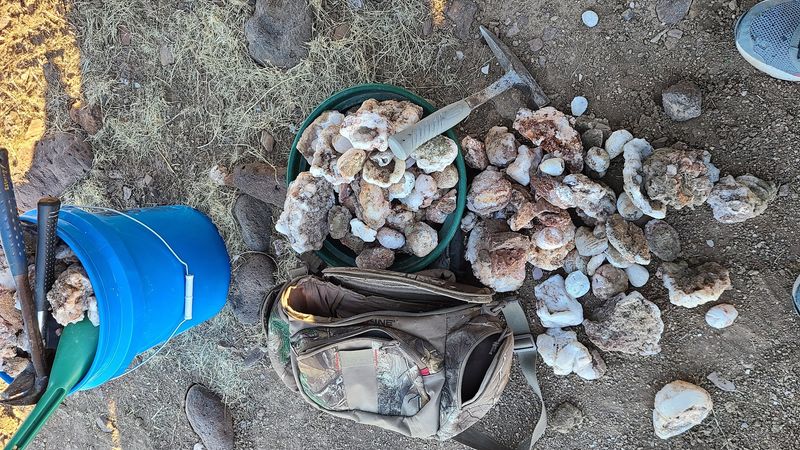
If you want to pull agate directly out of the lava, plan on heavy tools. A sledgehammer and chisels are a good start.
Some collectors say even more help may be needed to create an opening for a chisel. The host rock is tough.
For most families, a rock hammer, gloves, and safety glasses are plenty. Use them to crack open promising stones or check for fire.
Bring a sturdy bucket or bag too. Agates add up quickly, and so does the weight.
The beauty of this place is that both styles work. Casual pickers and hard-rock diggers can share the same mountain.
9. Six Miles of Character-Building Road
Getting there is half the adventure, and the road makes sure you know it.
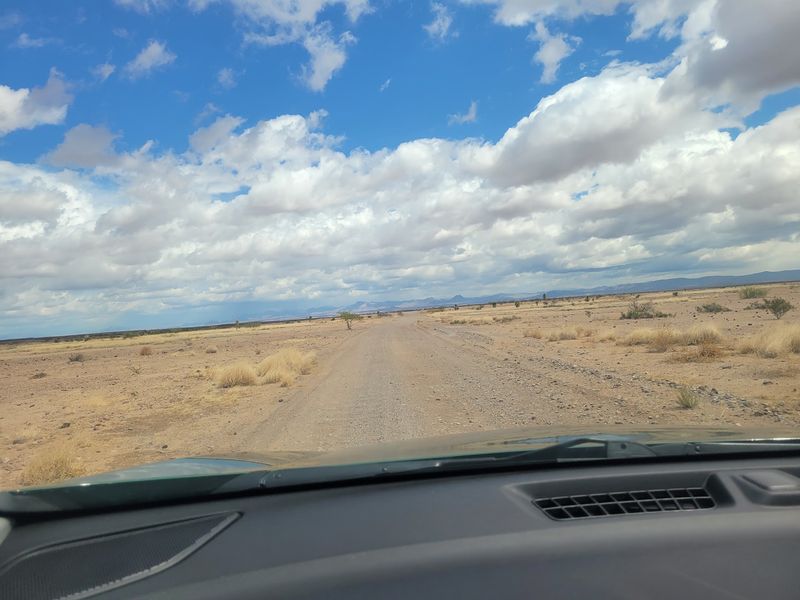
Expect about six miles of narrow dirt road with ruts and holes. The surface can shift from smooth to deeply rutted with little warning.
A high clearance truck, SUV, or Jeep is the safest choice. Some people have made it in a Subaru Crosstrek when the ground was dry, and some front wheel drive cars have managed too.
Rain is the wild card. Low spots can wash out, which is why many recommend four-wheel drive after storms.
The drive is long and slow, so budget extra time. Rushing is the quickest way to rattle your vehicle.
One more tip: stop at the railroad tracks and listen for a train. A warning sign may not always be there.
10. Finding the Ranch Archway
Directions are refreshingly simple for such a remote place.
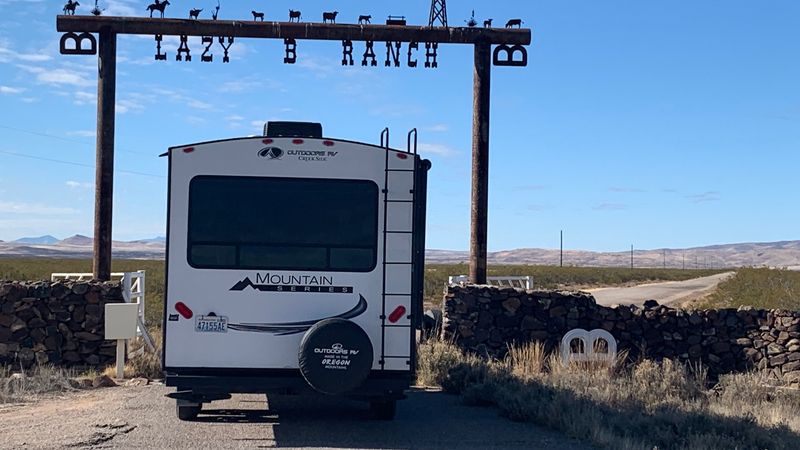
Google Maps lists the location accurately. It guides you to a dirt road with a big ranch archway.
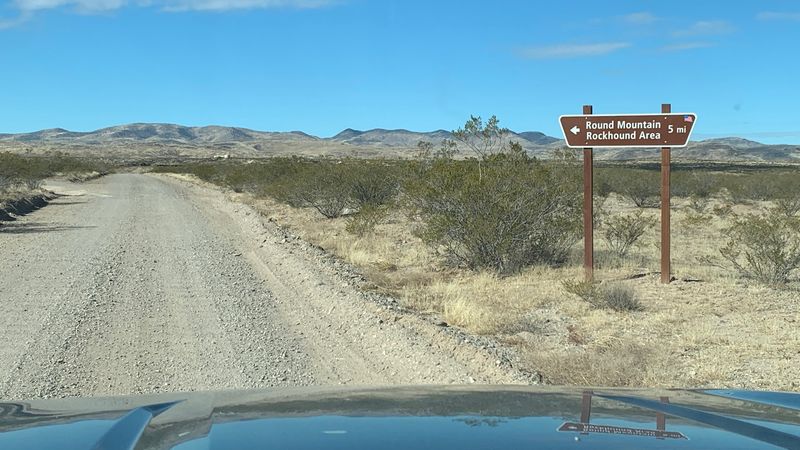
Head down that road, and you will start seeing signs for the rockhound area. The signs make navigation easy from there.
Still, download your route ahead of time. Cell signal is generally absent unless you climb one of the hills.
From Phoenix or Tucson, Duncan is a full day trip or better, so many people treat it as an overnight. Leaving early helps you arrive with plenty of daylight.
Once you spot that archway, the hard part of navigating is done. The bumpy part, however, is just starting.
11. Remote Country, Zero Amenities
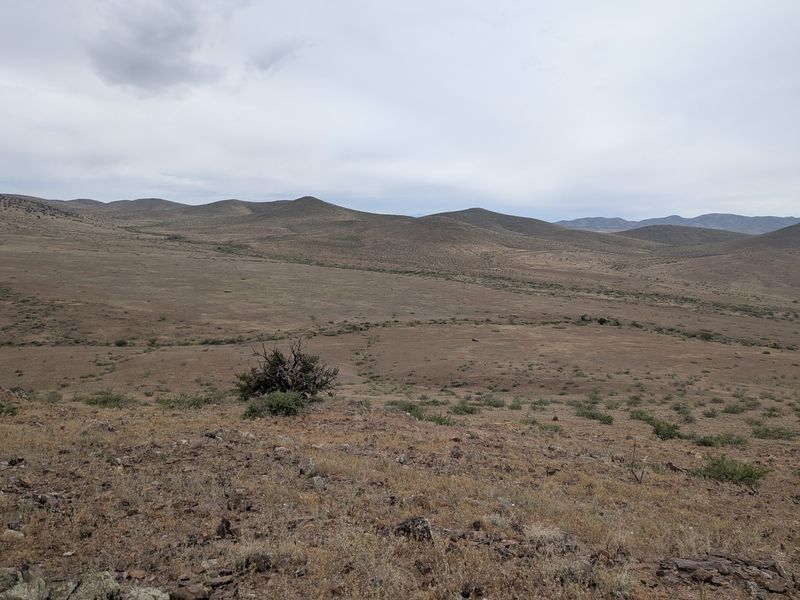
Self-reliance is not optional out here.
The area has no amenities of any kind. There are no restrooms, no water stations, and no stores nearby.
The road out is long and often lonely, and the country is remote. You may see a few other people, but plenty of days pass with hardly anyone around.
Pack water, food, a spare tire, and basic tools. Tell someone your plans since cell service is limited.
Wind is common, so a hat with a strap and layers are smart picks. Sun protection matters in any season.
Local ranchers drive the area and seem to keep an eye on things. Respecting their land and cattle keeps this place open for everyone.
12. Camping Under Open Skies
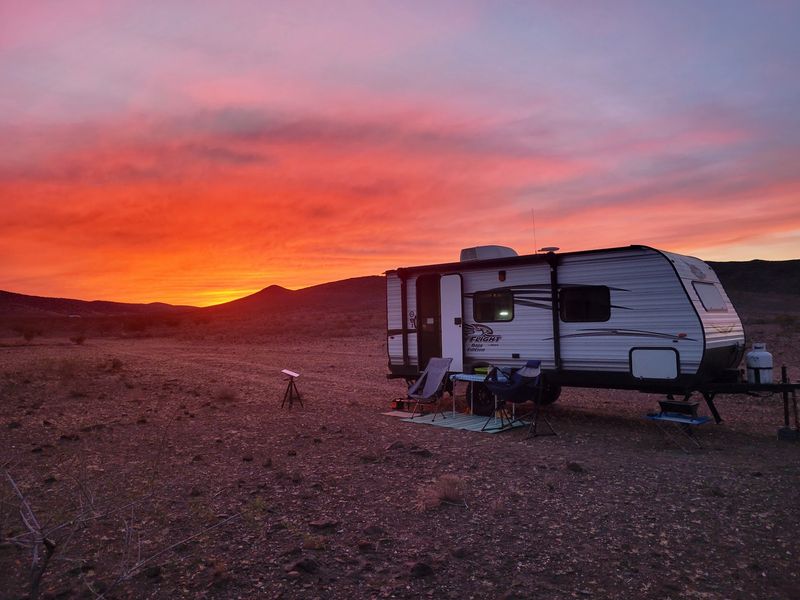
A quick day trip often turns into a plan to come back and stay overnight.
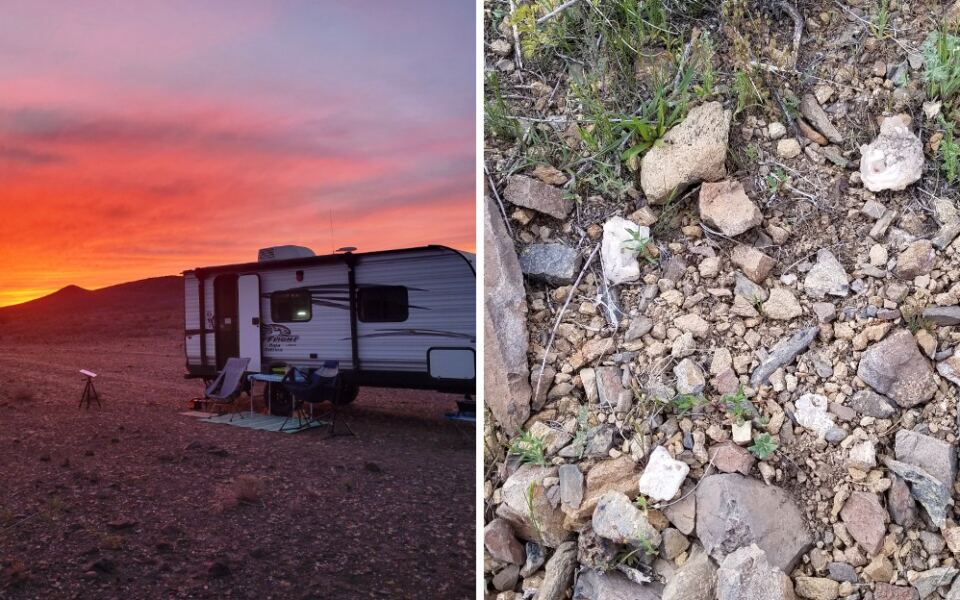
Camping is popular here, and many hounds say it is a great place to set up. Staying the night gives you more hours for hunting.
Since the area is open 24 hours, you can start at first light. Early mornings are also a smart move in warmer months.
Bring everything you need, including shade and plenty of water. Remember that weather can move in fast, so watch forecasts before committing.
Families who visited for a few hours often leave planning a longer return. More time means more ground covered.
Leave No Trace principles apply. Pack out everything and leave only footprints.
13. Quiet Hills and Wildflower Seasons
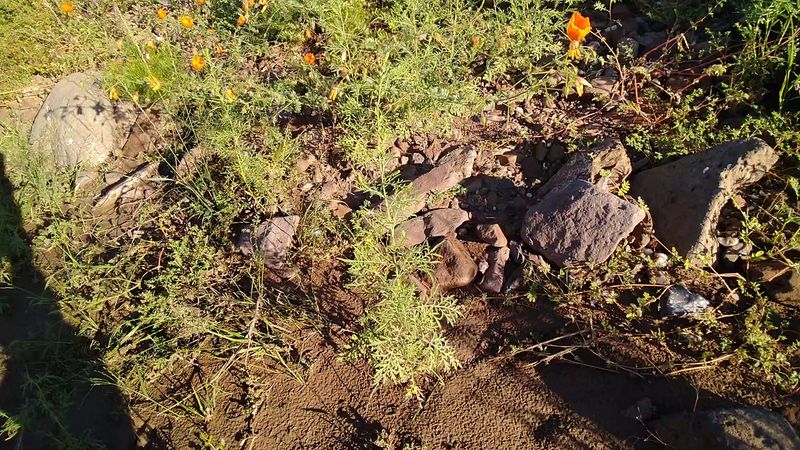
Some people come for agate and leave talking about the scenery.
The views across the hills are a highlight. In good years, the land fills with flowers and butterflies.
The pace is peaceful and quiet. Many families describe nearly having the place to themselves, even on holidays like New Year’s Day.
Cooler months are a natural fit for a visit from the Valley or Tucson. The roads also tend to be easier when the ground is dry.
Summer heat and rainy-season washouts can make planning trickier. Checking conditions before you go is always wise.
Wildlife and cattle share the land, so give them space. Respecting posted signs helps keep this area welcoming.
14. The Verdict on a Free Treasure Hunt
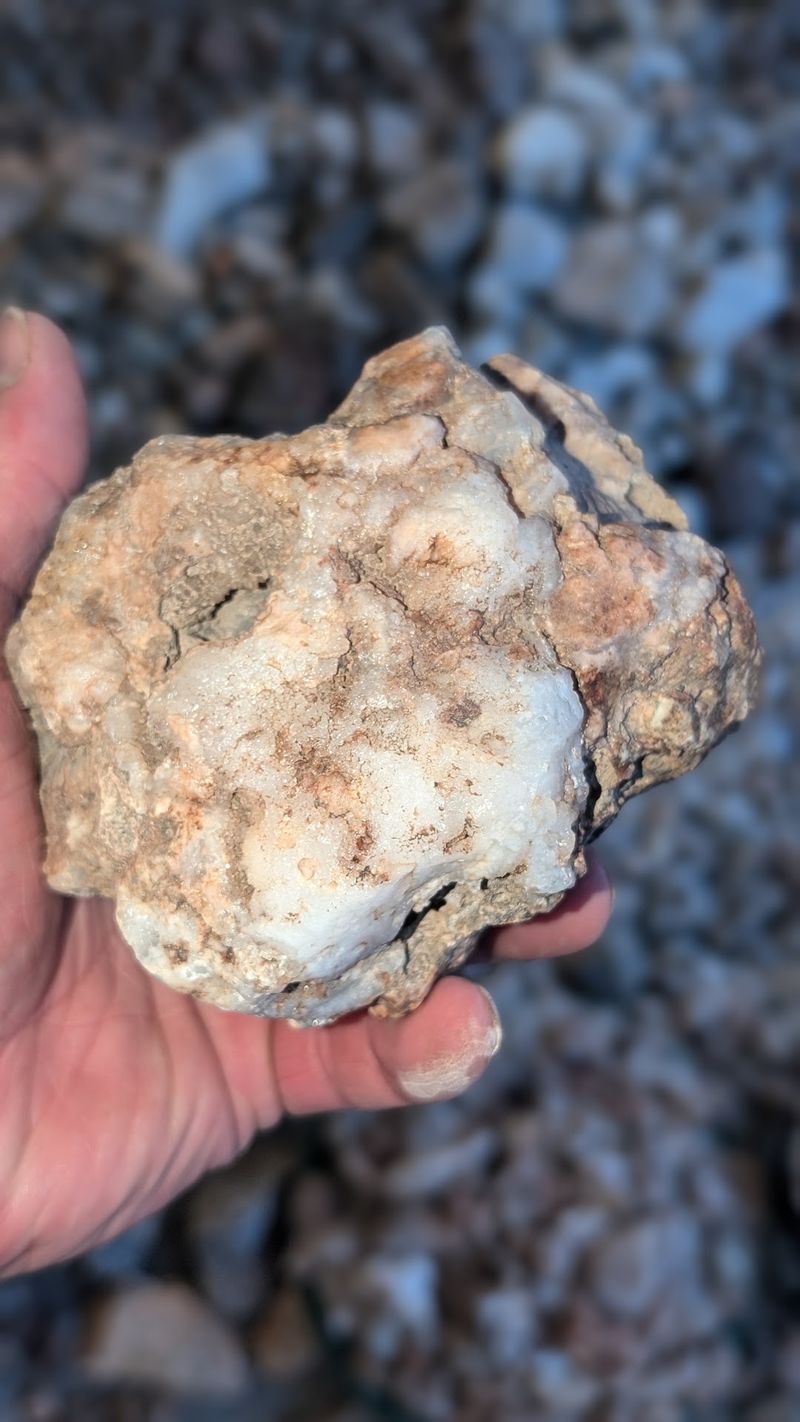
So is the long drive worth it? For anyone who loves hands-on adventure, the answer leans strongly toward yes.
You pay nothing to enter, and the agate supply seems steady. Beginners can find pieces just by looking down.
The tradeoffs are real. The road is rough, the area is remote, and you must bring everything yourself.
Prepare well, choose the right vehicle, and give yourself time. The reward is a bag of fire agate and chalcedony you found with your own eyes.
For more details, the BLM keeps a page for the site at blm.gov. It is a good final check before heading out.
Few Arizona weekends end with free treasure in the truck bed. This one just might.
Share this story