Tucked away in Dunlap, Tennessee, sits a remarkable piece of history that most travelers drive right past without ever knowing it exists. The Coke Oven Museum offers a rare glimpse into the state’s industrial past, where hundreds of beehive-shaped ovens once blazed day and night, turning mountain coal into fuel that powered America’s iron industry.
Best of all, this fascinating attraction won’t cost you a penny to explore, making it one of Tennessee’s most underrated free destinations.
A Forgotten Piece of Tennessee’s Industrial Past Is Hiding in Dunlap
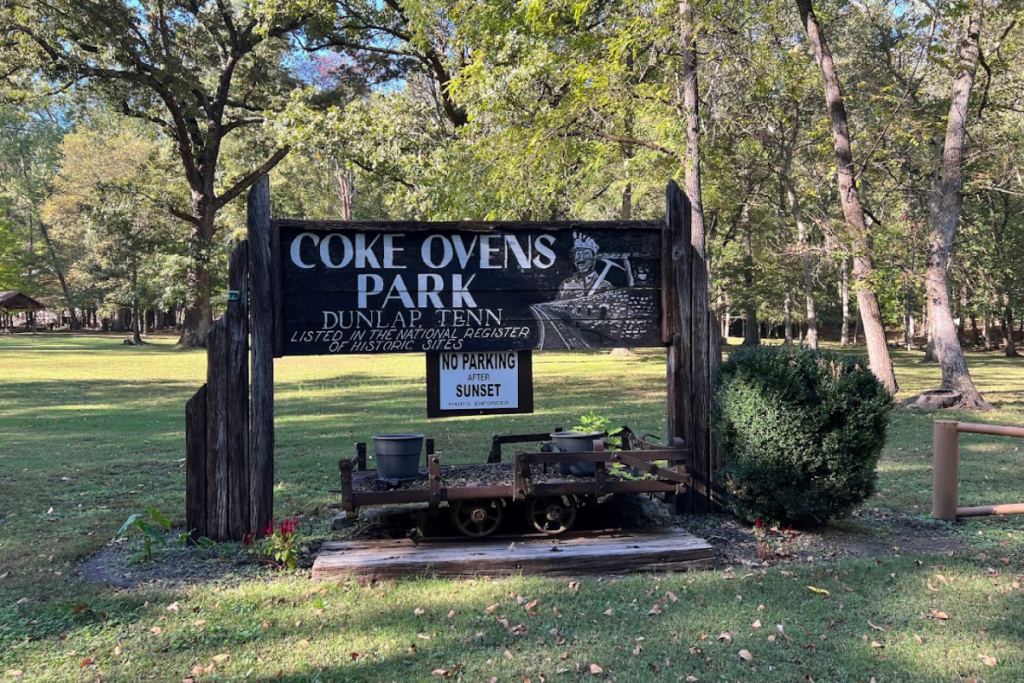
Most people zoom through Dunlap without realizing they’re passing one of Tennessee’s most intriguing historical sites. The Coke Oven Museum sits quietly behind a residential neighborhood, preserving a chapter of industrial history that nearly disappeared forever.
What makes this place remarkable isn’t just what’s still standing, but how close it came to being lost completely under a landfill.
Back in the early 1900s, this area bustled with activity as workers operated hundreds of coke ovens around the clock. The operation was massive, employing local residents and contributing significantly to the region’s economy.
When the industry collapsed, nature began reclaiming the land, and for decades, these structures sat forgotten and overgrown.
Volunteers discovered the site buried under trash and vegetation in the 1980s. They spent years clearing away debris, restoring pathways, and eventually establishing the museum you can visit today.
Their dedication earned the site a spot on the National Register of Historic Places, ensuring its protection for future generations.
Walking onto the grounds feels like discovering a secret that’s been hiding in plain sight. The contrast between the quiet residential streets nearby and the sprawling historical complex is striking.
Ancient oak trees tower over brick ruins, creating an atmosphere that’s both peaceful and haunting.
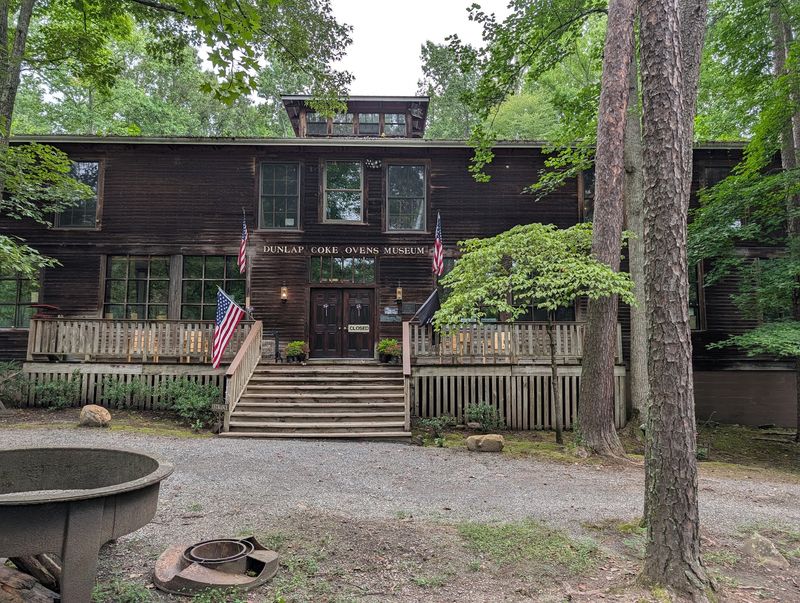
The museum building itself houses artifacts, photographs, and displays that help visitors understand what life was like during Dunlap’s coal-mining heyday. Knowledgeable volunteers greet visitors with genuine enthusiasm, eager to share stories about the families who worked here and the industry that shaped the community.
Their passion for preserving this history makes every visit feel personal and meaningful, transforming what could be just another historical marker into a truly memorable experience.
The Site Still Holds the Remains of 268 Historic Beehive Coke Ovens
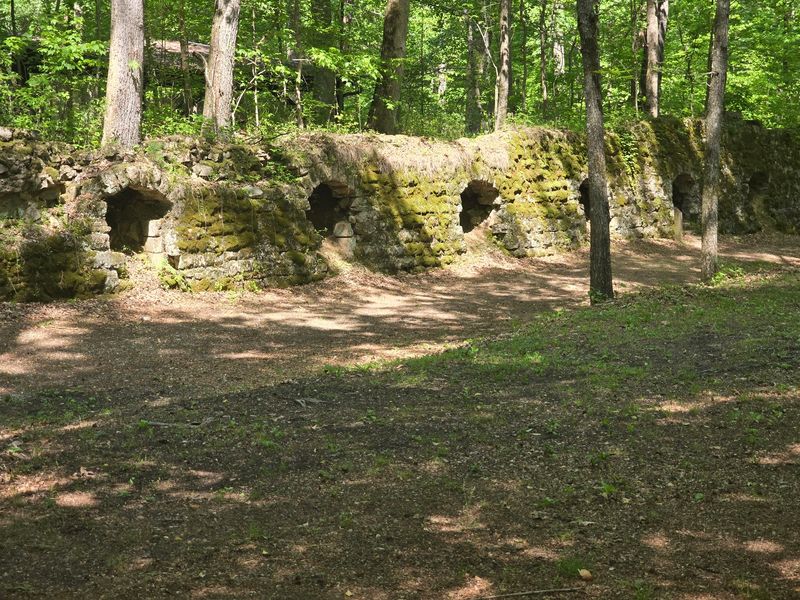
When you first catch sight of the ovens scattered across the property, the sheer number of them takes your breath away. These aren’t just a few crumbling structures. We’re talking about 268 individual ovens spread across the grounds, each one a testament to the scale of operations that once dominated this area.
The beehive design wasn’t just for looks. These dome-shaped structures were specifically engineered to withstand extreme temperatures while efficiently converting coal into coke.
Each oven measured roughly 12 feet in diameter and stood about 10 feet tall, constructed from specially made bricks that could handle the intense heat without cracking or collapsing.
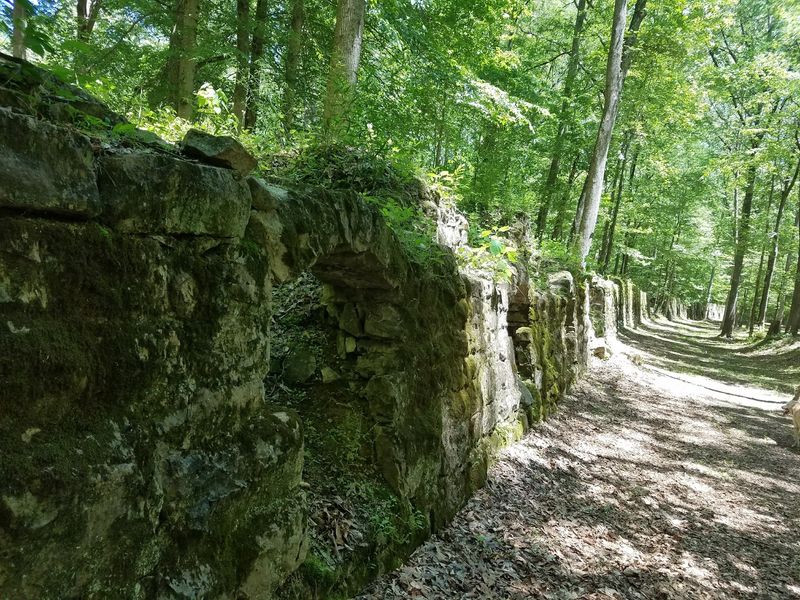
Walking among them today, you’ll notice they’re in various states of preservation. Some remain remarkably intact, with their distinctive arched openings still clearly visible.
Others have partially collapsed, with vegetation growing through cracks in the brickwork, creating an almost otherworldly landscape where nature and industry merge.
The ovens weren’t built all at once. They were constructed in phases as demand for coke increased, eventually creating what became one of the largest coke operations in the southeastern United States.
Workers would load coal through the top opening, seal it, and let it burn slowly for days, driving off impurities and leaving behind pure coke.
Today, interpretive signs help visitors understand how these structures functioned and why they were so important to the region’s economy. You can walk right up to many of them, peek inside the openings, and imagine the intense heat and activity that once filled this valley.
The experience of seeing so many ovens together in one place is genuinely unique. There aren’t many locations left in America where you can witness industrial archaeology on this scale, making the Coke Oven Museum an irreplaceable educational resource.
These Ovens Once Turned Mountain Coal Into Fuel for the Iron Industry
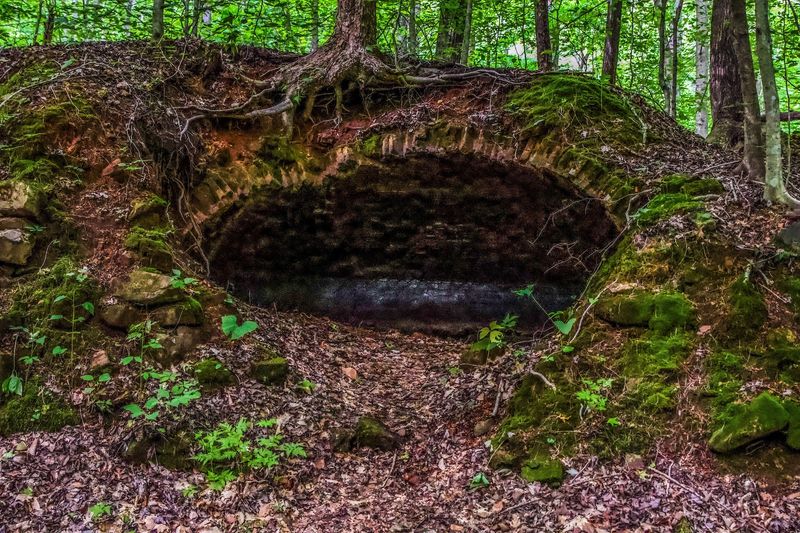
Understanding what these ovens actually did helps you appreciate why they mattered so much. Coal straight from the mines wasn’t pure enough for iron production.
It contained sulfur and other impurities that would ruin the final product. The solution was transforming coal into coke through a process called destructive distillation, and that’s exactly what happened here in Dunlap.
Workers would fill each oven with several tons of coal, then seal it almost completely. A small fire would be lit, and the coal would smolder for 48 to 72 hours in a low-oxygen environment.
This slow burn drove off gases, tar, and moisture, leaving behind coke that was nearly pure carbon and perfect for feeding blast furnaces.
The process was brutally hot and dangerous. Workers had to monitor temperatures constantly, opening and closing vents to control airflow.
When the conversion was complete, they’d rake out the glowing coke and douse it with water, creating clouds of steam that must have been visible for miles.
Tennessee’s mountains provided abundant coal, and the growing iron industry across the South desperately needed reliable coke supplies. Dunlap’s location made it ideal for this operation. Coal could be brought down from nearby mines, processed into coke, then shipped to iron foundries throughout the region.
At its peak, this facility produced thousands of tons of coke annually, directly supporting the expansion of railroads, construction, and manufacturing across multiple states. The museum’s volunteers can show you samples of both coal and coke, letting you feel the difference in weight and see how the material transforms.
They’ll also explain how this seemingly simple process required incredible skill and experience, with master burners commanding high wages for their expertise in managing the delicate conversion.
Walking Among the Ruins Feels Like Stepping Back Into the Early 1900s
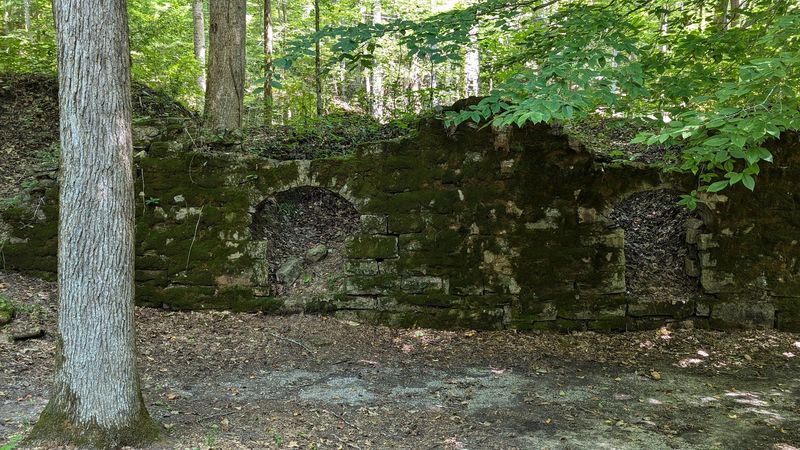
There’s something almost magical about wandering through this site on a quiet afternoon. Sunlight filters through massive oak trees that have grown up around the ovens, creating dappled shadows across the brick ruins.
The air feels different here, heavy with history and surprisingly peaceful despite the industrial origins of everything around you.
The trails wind between oven clusters, following paths that workers once walked daily. You’ll cross the same ground where men hauled coal, tended fires, and loaded finished coke onto wagons.
Some visitors report feeling a genuine connection to the past while walking these routes, as if the echoes of that busy era still linger somehow.
Old-growth trees add to the timeless atmosphere. Several enormous oaks across the road from the main oven field are estimated to be 400 years old or more, meaning they witnessed the entire rise and fall of the coke industry.
Standing beneath their branches while looking at century-old brick structures creates a powerful sense of perspective about human endeavor and nature’s permanence.
A creek runs through the property, and visitors often explore its banks, finding fossils embedded in the rocks. During dry periods, you can walk right through the creekbed, discovering small waterfalls and springs that provided water for the industrial operations.
The combination of natural beauty and industrial archaeology makes every visit feel like a treasure hunt.
Parts of the Trail of Tears pass through this area, adding another layer of historical significance. Markers help visitors understand that long before the ovens were built, this land witnessed one of America’s darkest chapters.
The terrain is steep and rocky in places, giving modern visitors just a small taste of the hardships endured by those forced to march through here in the 1830s. This convergence of different historical periods in one location makes the Coke Oven Museum profoundly moving for many visitors.
The Museum Brings Dunlap’s Coal-Mining History to Life
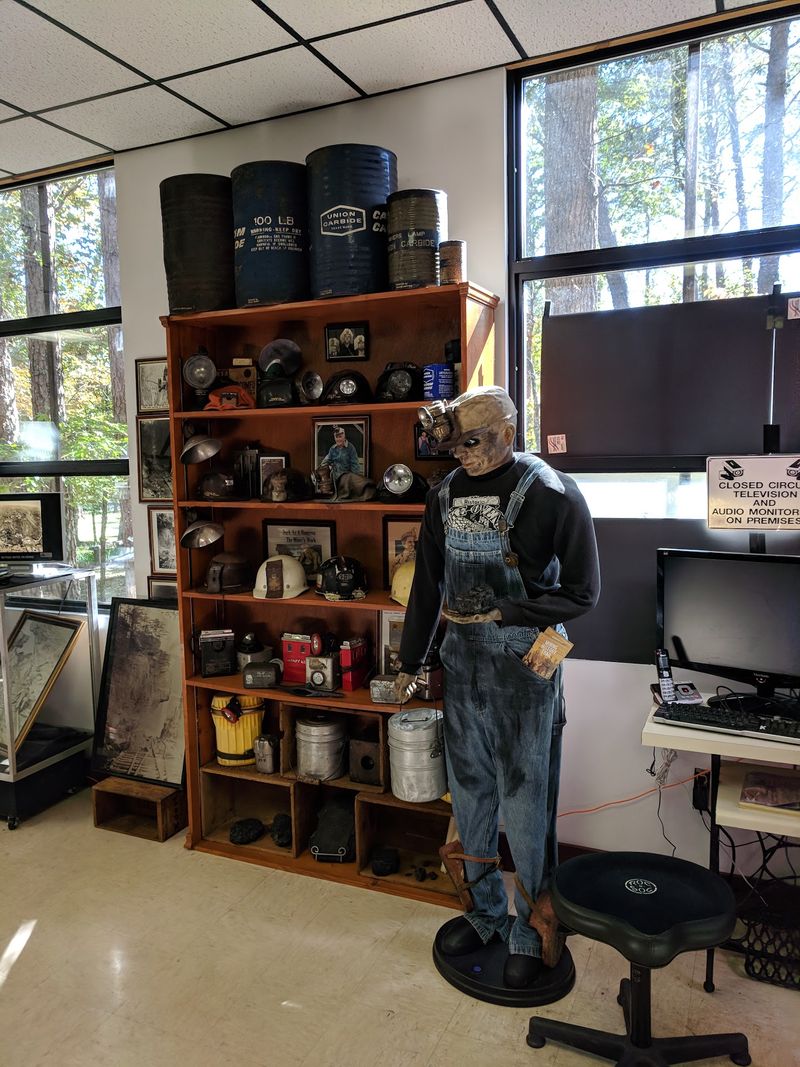
Step inside the museum building and you’ll find yourself surrounded by carefully curated artifacts that tell the complete story of Dunlap’s mining heritage. Vintage photographs line the walls, showing the ovens in full operation with workers posed beside them.
These images are incredibly valuable because they help visitors visualize what this place looked like when smoke filled the valley and hundreds of men worked the site daily.
The collection includes actual mining equipment, tools workers used to tend the ovens, and samples of different coal types from area mines. You can examine chunks of raw coal next to finished coke, comparing their weight and appearance.
There are also personal items that belonged to miners and their families, offering glimpses into daily life during the industry’s peak years.
What truly brings the museum to life are the volunteers who staff it. Many have deep connections to the area’s mining history, with grandparents or great-grandparents who worked in the industry.
They don’t just recite facts. They share family stories, point out relatives in old photographs, and answer questions with genuine enthusiasm that you simply can’t fake.
One particularly knowledgeable volunteer has become something of a local legend for his detailed tours and ability to make history engaging for visitors of all ages. He’ll demonstrate the difference between coal and coke, explain the chemistry behind the conversion process, and share fascinating details about how the entire operation worked from mine to market.
The museum operates entirely on donations and volunteer effort, which makes its quality even more impressive. Despite having no admission fee, the exhibits are well-maintained and thoughtfully organized.
Interactive elements help younger visitors understand concepts, while detailed information panels satisfy history enthusiasts looking for deeper knowledge. The museum typically opens on weekends after Easter and operates through the warmer months, though the outdoor areas remain accessible year-round for those wanting to explore the ovens and trails.
You Can Explore the Grounds Without Spending a Dime
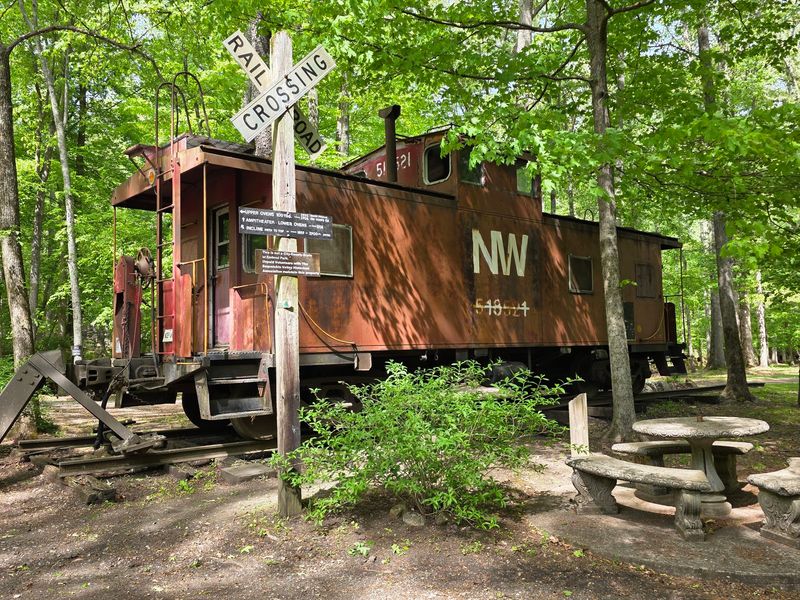
In an era when almost every attraction charges admission, the Coke Oven Museum stands out by offering completely free access to both the grounds and the museum itself. There’s no entrance fee, no parking charge, and no pressure to donate, though contributions are gratefully accepted and help maintain the property.
This accessibility makes the site perfect for families on a budget or travelers looking to stretch their vacation dollars. You can spend an entire afternoon here, exploring trails, examining ovens, touring the museum, and enjoying the picnic areas without opening your wallet once.
The value proposition is unbeatable, especially considering the quality of the experience you’ll have.
The grounds are open daily from dawn to dusk, giving visitors flexibility to explore whenever it fits their schedule. Even when the museum building is closed during winter months, you can still walk the trails, view the ovens, and enjoy the natural beauty of the property.
This year-round access means there’s never a bad time to visit, though spring and fall offer the most comfortable temperatures for extended exploration.
Parking is plentiful and well-maintained, with clearly marked spaces near both the museum and trail access points. Clean restrooms are available and accessible for all visitors, including those with mobility challenges.
Picnic tables are scattered throughout the property, some under sheltered pavilions that can be reserved for just $50 if you’re planning a larger gathering or family reunion.
The free admission philosophy reflects the volunteers’ genuine desire to share this history with as many people as possible. They believe these stories belong to everyone and shouldn’t be locked behind admission fees.
That said, a small donation or purchasing items from the gift shop helps cover maintenance costs, utilities, and preservation efforts. Many visitors choose to contribute after experiencing the site, wanting to support the continued operation of this remarkable community resource that preserves an important piece of Tennessee’s industrial heritage.
Why This Unusual Tennessee Attraction Is Worth the Detour
Let’s be honest. Most people wouldn’t automatically think to visit a collection of old industrial ovens while traveling through Tennessee.
The state has plenty of flashier attractions competing for attention. But that’s exactly what makes the Coke Oven Museum so special. It offers something genuinely different from the typical tourist experience, and visitors consistently rave about discovering this hidden gem.
The site works perfectly as a stop for multiple types of travelers. History buffs appreciate the industrial archaeology and detailed information about coal mining heritage.
Families with children find the open spaces ideal for letting kids burn energy while learning something new. Nature lovers enjoy the beautiful forest setting, mature trees, and creek access.
Reviews consistently mention how the experience exceeded expectations. People arrive thinking they’ll spend 20 minutes looking at some old brick structures, then find themselves staying for hours, captivated by the scale of the site and the stories shared by volunteers.
The combination of free admission, knowledgeable guides, and genuinely unique subject matter creates an experience that feels special rather than commercialized.
Location-wise, Dunlap sits along Highway 127, making the museum an easy detour if you’re traveling between Chattanooga and Crossville. It’s also close to other Sequatchie Valley attractions, allowing you to build a full day of exploration in this often-overlooked region of Tennessee.
The rural setting means you’ll escape crowds and traffic, enjoying a more relaxed pace than you’d find at major tourist destinations.
Perhaps most importantly, visiting helps preserve this piece of history. Every person who stops by, learns something, and shares their experience helps ensure these stories don’t disappear.
The volunteers work tirelessly to maintain the property and educate visitors, but they need continued public interest to justify their efforts. By making the detour to Dunlap, you’re not just treating yourself to an unusual and educational experience.
You’re also supporting the preservation of industrial heritage that might otherwise be forgotten, ensuring future generations can discover and appreciate this fascinating chapter of Tennessee’s past.
Share this story