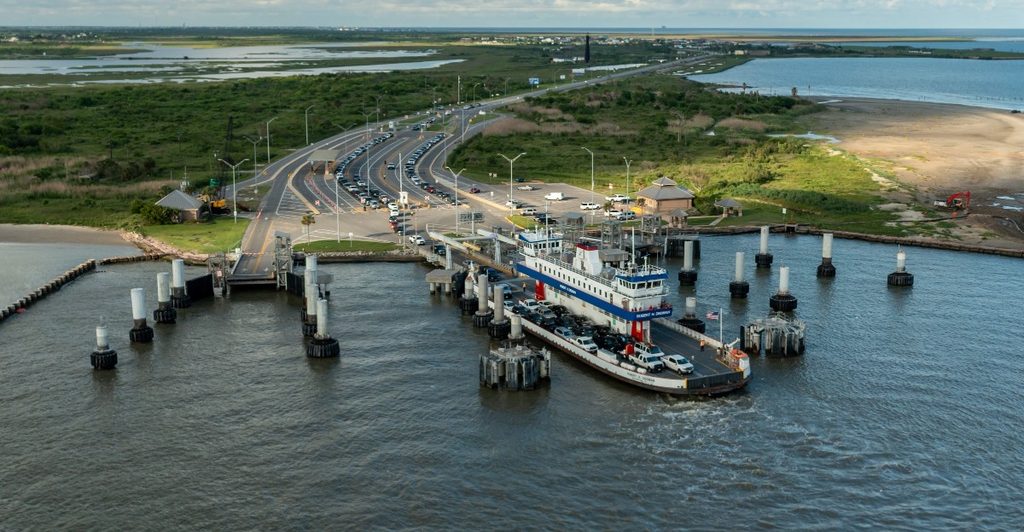
Few things in life are truly free, but the Galveston-Port Bolivar Ferry is one of those rare gems that costs you nothing but time. Running around the clock every single day, this working ferry connects Galveston Island to the Bolivar Peninsula and treats passengers to some of the best wildlife watching on the Texas coast. Whether you catch dolphins leaping through the wake or simply enjoy the Gulf breeze, this 20-minute ride has become a beloved Texas tradition that locals and visitors return to again and again.
1. Zero Cost, Maximum Fun
You read that right. The Galveston-Port Bolivar Ferry charges absolutely nothing for the ride, making it one of the best deals on the entire Texas coast. Operated by TxDOT, this state-run service has been shuttling vehicles and passengers across the channel for decades without asking for a single penny.
While other coastal attractions drain your wallet, this one fills your camera roll instead.
The free aspect makes it perfect for families trying to stretch their vacation budget or locals who just want a quick escape without breaking the bank. You can ride it as many times as you want in a day, and some people actually do just that. Kids especially love the novelty of driving onto a boat, and parents love that it does not cost them anything extra.
Beyond the price tag, the experience itself feels surprisingly special for something that is technically just transportation. You get fresh air, water views, and often some wildlife sightings thrown in. Compare that to paying for a harbor cruise somewhere else, and you will realize just how good this deal really is.
Because it operates as essential infrastructure rather than a tourist attraction, the ferry maintains regular schedules and reliable service. That means you can count on it being there whenever you need to cross, day or night, without worrying about seasonal closures or ticket windows.
2. Dolphins Love the Ferry Route
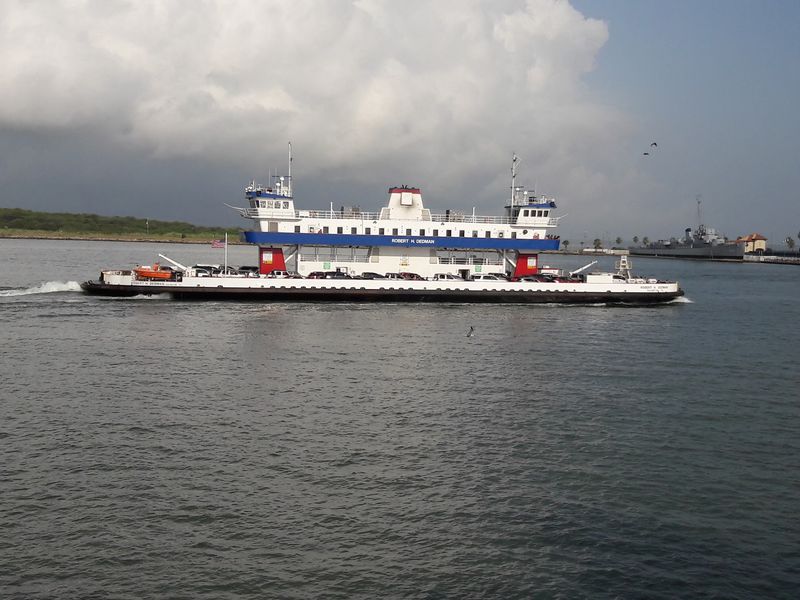
One of the biggest surprises for first-time riders is spotting dolphins playing in the ship channel. These bottlenose dolphins hang out near the ferry route regularly, attracted by the fish stirred up by the boats and the steady marine traffic. Many visitors report seeing them leap completely out of the water, spin, or swim alongside the ferry like they are racing it.
Daytime crossings give you the best chance of dolphin sightings, especially during morning and late afternoon hours when the animals are most active. Bring your phone or camera ready because these moments happen fast. One second you are staring at empty water, and the next a dolphin breaks the surface just a few feet from the ferry.
Even seasoned locals who have ridden the ferry hundreds of times still get excited when dolphins show up. There is something magical about seeing wild marine mammals this close without paying for a dedicated wildlife tour. Kids go absolutely wild when they spot fins cutting through the water, and adults are not much calmer.
The dolphins seem completely unbothered by the ferries, treating them like part of their natural environment. Some people swear the dolphins actually enjoy the boat wakes and use them for play. Whether that is true or not, watching these intelligent creatures in their home waters beats any aquarium visit hands down.
3. Round-the-Clock Operation
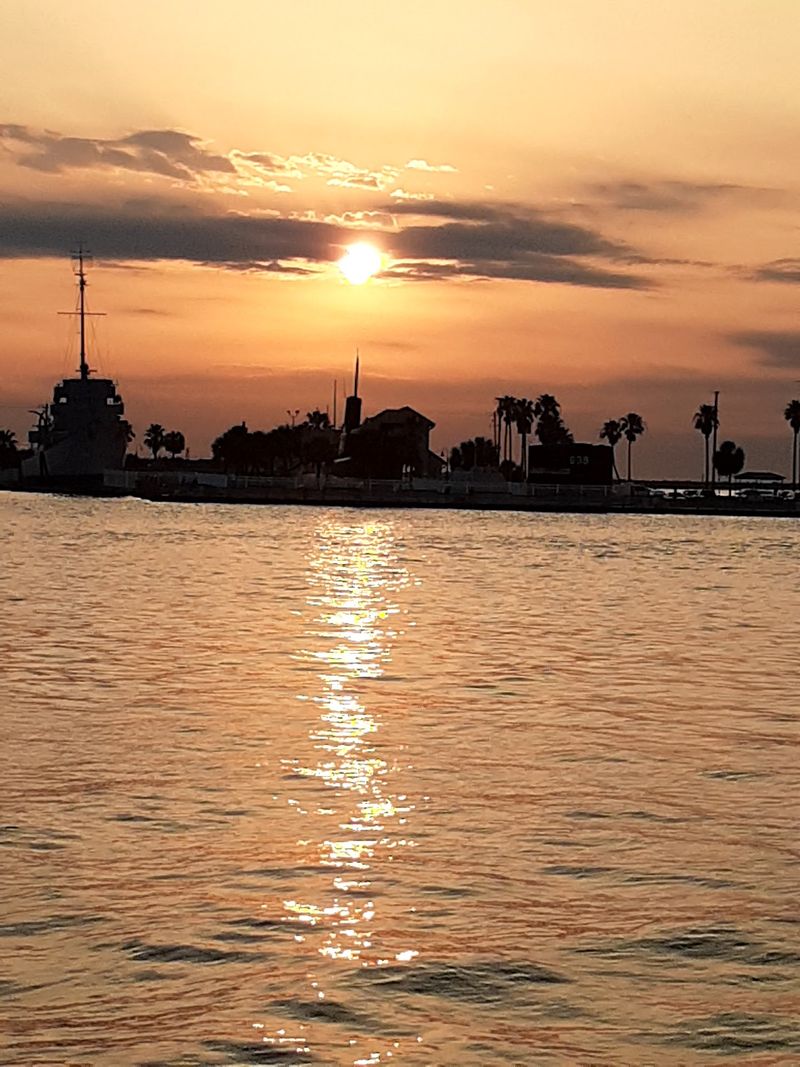
Most ferry services shut down overnight or during bad weather, but not this one. The Galveston-Port Bolivar Ferry runs 24 hours a day, seven days a week, all year long. Whether you need to cross at 3 AM after a late night out or catch an early sunrise from the water, the ferries keep moving.
This constant operation makes the ferry incredibly reliable for people who live and work on both sides of the channel. Commercial fishermen, oil industry workers, and Peninsula residents depend on this service to get where they need to go regardless of the hour. For visitors, it means you never have to plan your day around ferry schedules.
During overnight hours, wait times typically drop to almost nothing since traffic thins out considerably. Some night owls actually prefer crossing late because you get the whole experience without the crowds. The view of Galveston’s lights across the water at night has its own special appeal that daytime riders miss entirely.
Even during hurricanes and tropical storms, the ferry usually runs until conditions become truly dangerous. TxDOT only shuts down service when wind speeds or water conditions make it unsafe, and they restart as quickly as possible afterward. That commitment to keeping the route open shows how important this connection is to the local community and economy.
4. Walk-On Passenger Perks
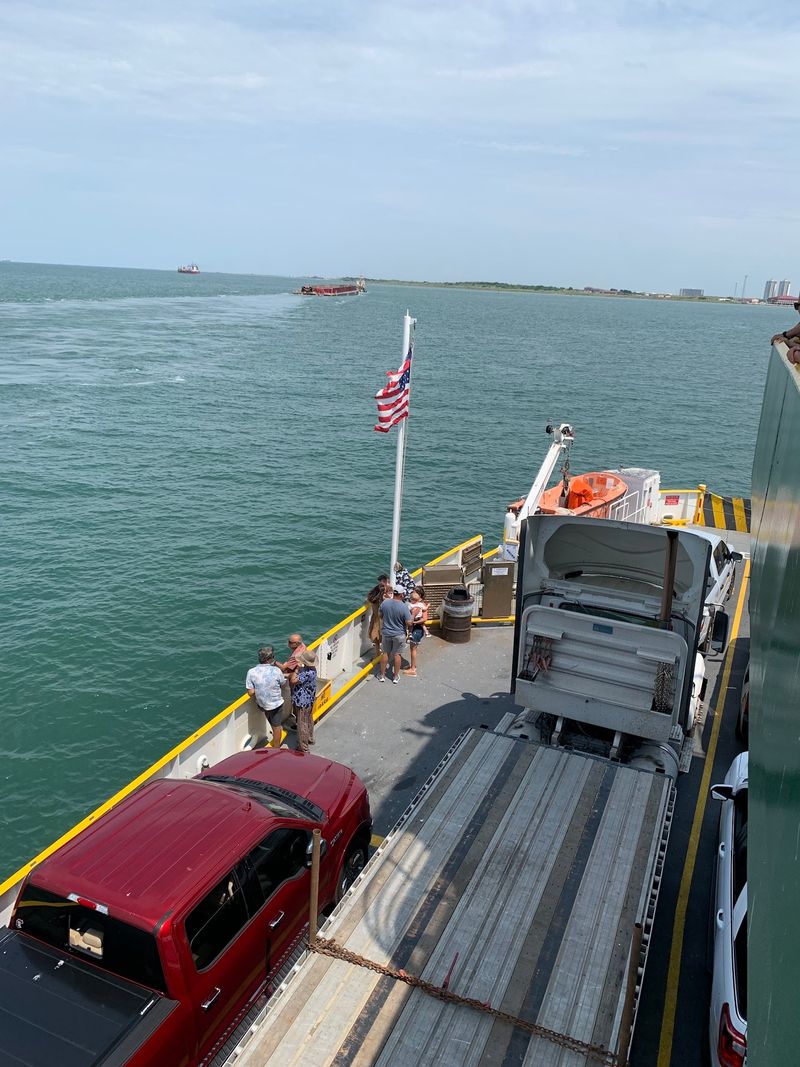
While most people drive their vehicles onto the ferry, walking on as a pedestrian or cyclist gives you some serious advantages. Walk-on passengers never have to wait in the long car lines that can stretch for over an hour during peak times. You simply stroll past all those idling vehicles, walk right onto the ferry, and grab the best viewing spots before anyone else.
The upper deck offers air-conditioned seating and restrooms that car passengers often do not even know exist because they stay in their vehicles. As a walk-on, you have complete freedom to move around, lean over the railings, and position yourself wherever the action is happening. When dolphins appear, you can dash to the best vantage point instead of being stuck inside a car.
Bringing bikes works great too since the ferry accommodates cyclists easily. You can park your bike and wander the deck during the crossing, then hop back on to explore the other side. Some locals make a day of it by biking around Galveston, taking the ferry over, then riding the Bolivar beach before returning.
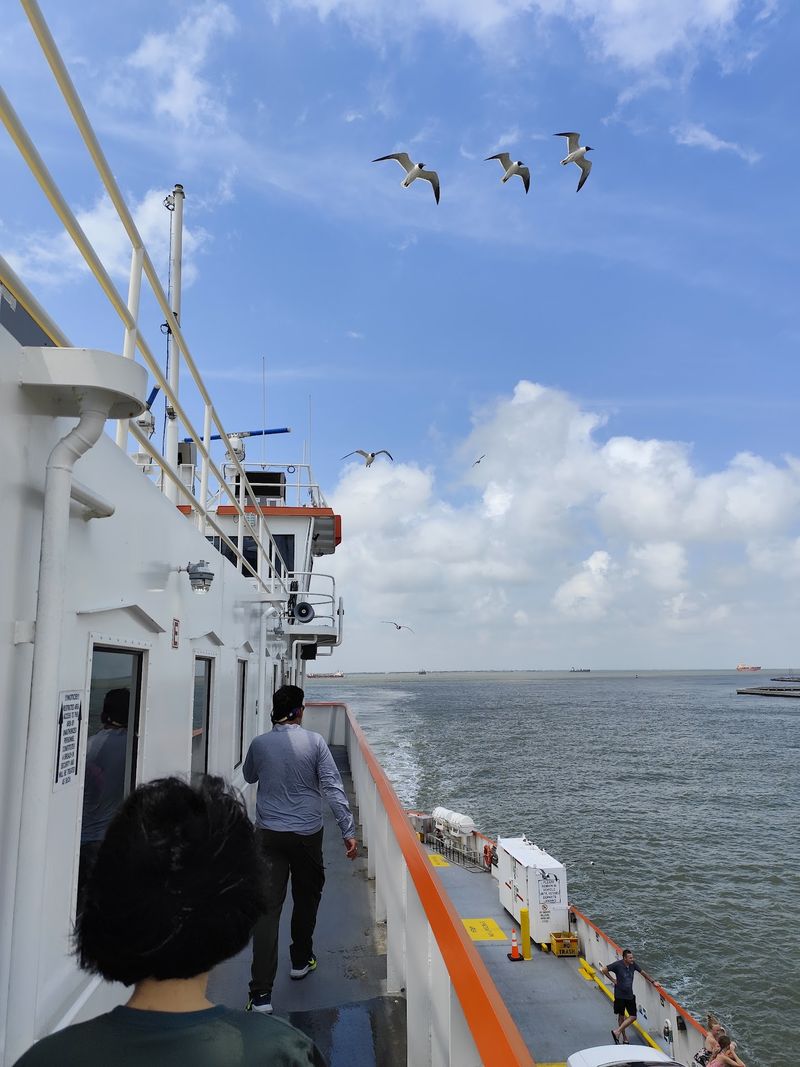
The walk-on option also lets you feed the seagulls if you bring snacks, though opinions vary on whether you should. These bold birds have learned that ferry passengers equal potential food, and they will swoop remarkably close to anyone holding something edible.
5. Wait Times Vary Wildly
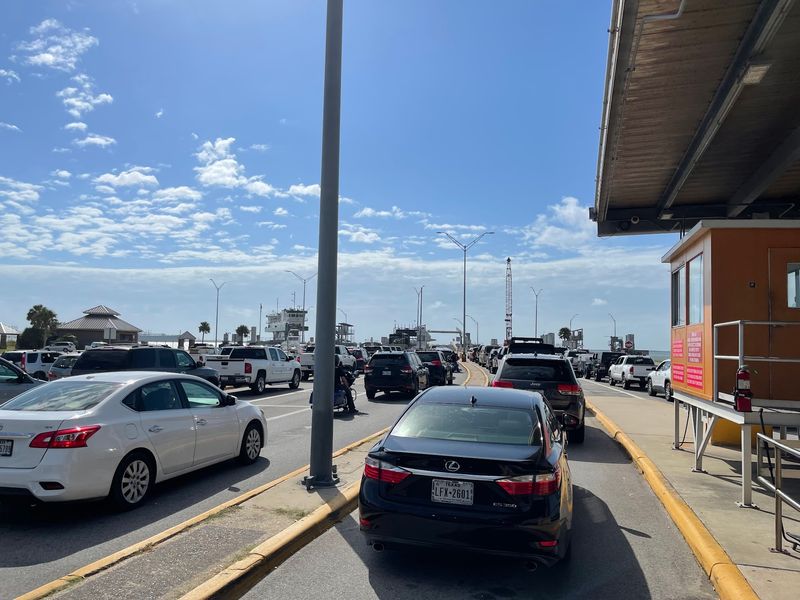
Here is the catch with free and popular. Wait times can swing from five minutes to two hours depending on when you show up. Weekday mornings outside of summer usually mean quick loading, but holiday weekends and peak summer afternoons can test your patience severely.
Memorial Day, Fourth of July, and Labor Day weekends are notorious for creating monster lines.
TxDOT updates wait time information on their website every 15 minutes, which helps you decide whether to grab lunch first or just commit to the wait. Some smart travelers check the website before leaving their hotel to time their crossing better. Arriving before 10 AM or after 7 PM generally cuts your wait significantly during busy seasons.
The priority boarding system sometimes frustrates regular travelers since certain vehicles get loaded first regardless of how long they have waited. Emergency vehicles, commercial trucks, and vehicles with special permits board ahead of everyone else. While this makes sense for safety and commerce, it can feel unfair when you have been sitting for an hour and watch others drive past.
During the wait, you are stuck in your vehicle without much to do except watch seagulls and other cars. The Bolivar side has a small waiting area with restrooms, but you cannot really leave your car once you are in line or you will lose your spot. Bring water, snacks, and entertainment for kids if you are traveling during peak times.
6. The Crossing Takes 18 Minutes
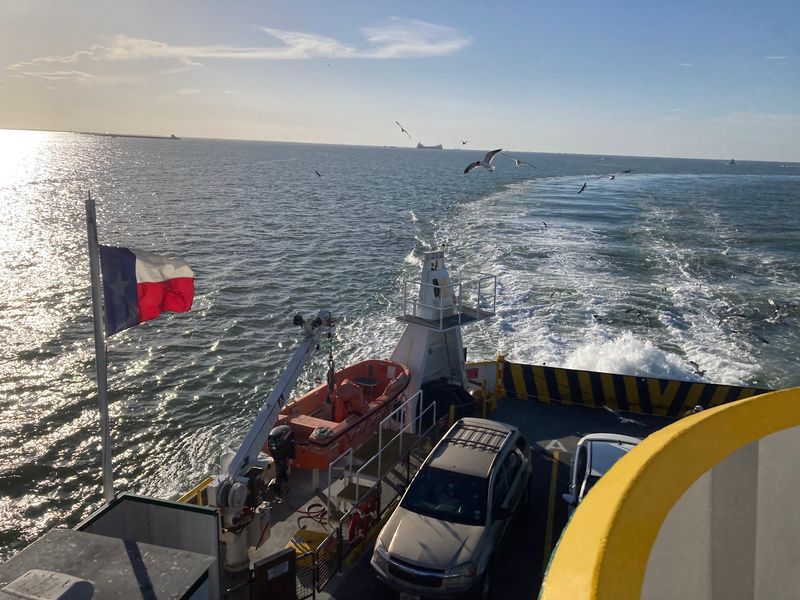
Once you actually board, the crossing itself flies by at roughly 18 to 20 minutes depending on conditions. The ferry travels about 2.7 miles across the Houston Ship Channel, moving at a steady pace that feels both leisurely and purposeful. You barely have time to get comfortable before you are already approaching the other side.
This short duration makes it perfect for restless kids who might struggle with longer boat rides. They can get out of the car, run around a bit, spot some dolphins, and climb back in before they get bored. Adults appreciate the brevity too since it provides just enough of a break from driving without eating up too much of the day.
The channel itself stays busy with commercial shipping traffic, and you often see massive cargo ships, tankers, or cruise ships passing nearby. Watching these enormous vessels navigate the same waters as your ferry gives you a real sense of scale. Some of those ships stand taller than buildings and make the ferry look like a bathtub toy by comparison.
Weather can affect the ride quality, with choppy days creating more motion and smooth days feeling almost like floating. Even during rougher conditions, the ferries handle waves well since they make this trip dozens of times daily. Sensitive stomachs usually do fine, but if you are prone to seasickness, staying on deck with fresh air helps.
7. Clean Facilities and Helpful Crew
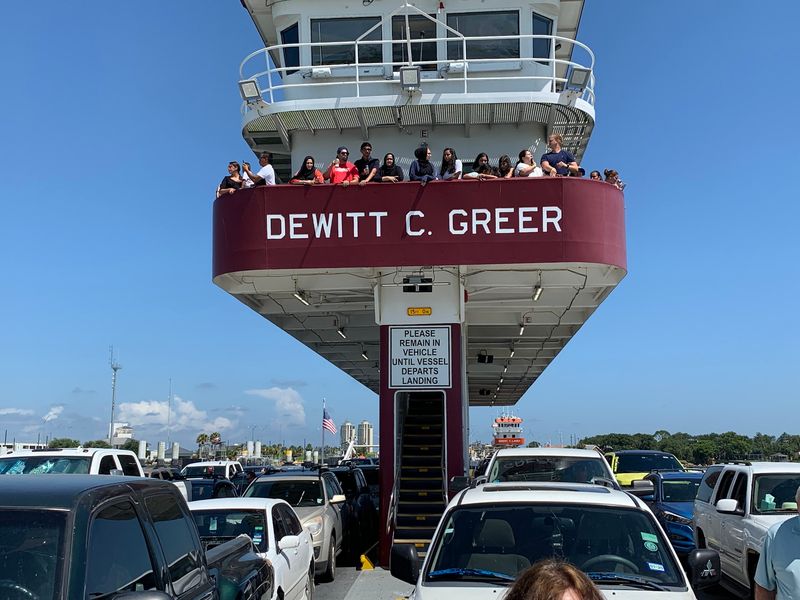
For a free public service, the ferry maintains surprisingly clean facilities and professional staff. The restrooms on the upper deck stay reasonably tidy considering the thousands of people who use them daily. TxDOT clearly puts effort into maintaining these boats beyond just keeping them operational.
Ferry crew members take their jobs seriously, directing traffic with clear hand signals and ensuring vehicles load efficiently and safely. They will tell you exactly where to position your car, when to stop, and when it is safe to get out if you want to stretch your legs. Their no-nonsense approach keeps things moving smoothly even when hundreds of vehicles need loading.
Safety remains the top priority, and the crew will not hesitate to correct passengers who ignore rules or create hazards. This might seem stern, but it comes from genuine concern since the ferry deals with everything from motorcycles to massive RVs all sharing the same deck. Follow their instructions, and the whole process works like clockwork.
The upper deck seating area provides a comfortable escape from the Texas heat with good air conditioning and large windows for viewing. Some people prefer staying in their vehicles, but the upper deck offers a better experience if you want to really enjoy the crossing. Benches provide plenty of seating, and the elevation gives you superior views of both the water and any wildlife.
8. Gateway to Bolivar Peninsula Adventures
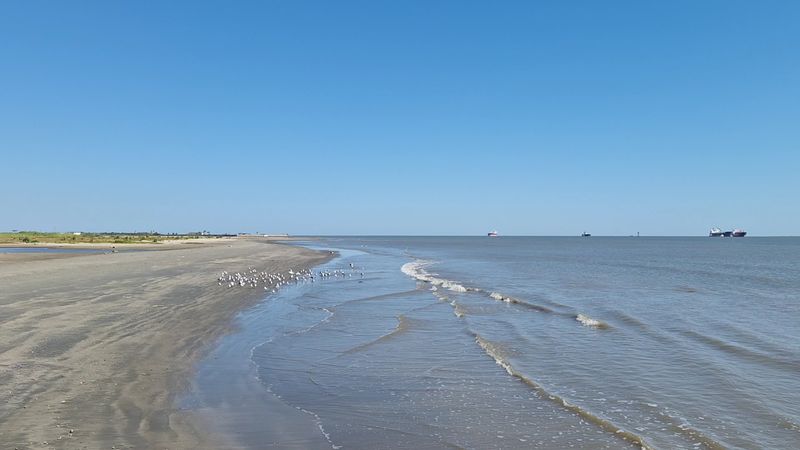
The ferry does not exist just for its own sake but serves as your gateway to the Bolivar Peninsula’s unique attractions. Once you cross, you can explore miles of wide-open beaches where you can actually drive on the sand, visit the historic Fort Travis, or check out the Bolivar Lighthouse. The Peninsula feels less developed and more laid-back than Galveston proper.
Crystal Beach and other Peninsula communities offer a different vibe from the main island, attracting people who want fewer crowds and more space. Beach houses line the shore, many available as vacation rentals, and the whole area maintains a quieter, locals-know-about-it atmosphere. You will not find the touristy shops and restaurants that pack Galveston’s Strand District.
Birdwatchers flock to the Peninsula during migration seasons when thousands of birds pass through the area. The varied habitats from beach to marsh create excellent conditions for spotting rare species. Even casual observers will notice the incredible variety of coastal birds that call this area home year-round.
The ferry makes exploring both sides of the bay easy and free, encouraging people to venture beyond Galveston Island itself. Many visitors never realize how much the Peninsula has to offer because they stick to the island. Taking the ferry over for even a quick beach drive or sunset watch opens up a whole different side of the Texas coast that feels worlds away from the busier tourist zones.