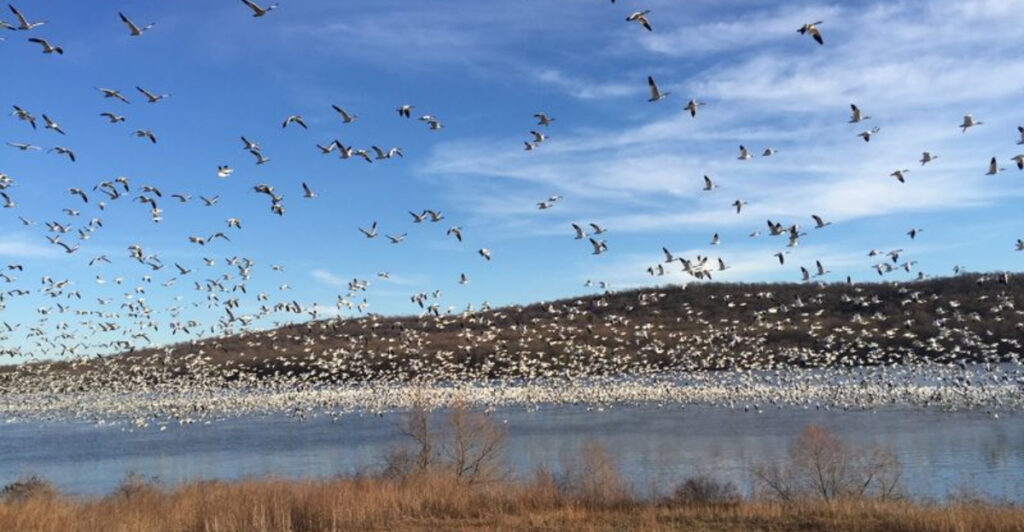
Middle Creek Wildlife Management Area in Stevens, Pennsylvania, is one of those places that feels calm at first, then surprises you at every turn. Birds fill the sky, trails wind through woods and wetlands, and the lake changes with the seasons, giving the landscape a different look and feel throughout the year. There is always something to notice, whether you are watching wildlife from a quiet spot or simply enjoying the peaceful surroundings. Families, hikers, bird watchers, and curious kids can all find something memorable here.
You do not need to be an experienced outdoorsperson to enjoy the trails, scenery, and wildlife that make this area special. If you love nature, this beautiful spot shows just how much wildlife is hiding close to home. It is an easy place to slow down, spend some time outside, and discover a side of Pennsylvania that can feel surprisingly wild and peaceful.
1. Snow Geese Turn the Sky Into a Moving Cloud
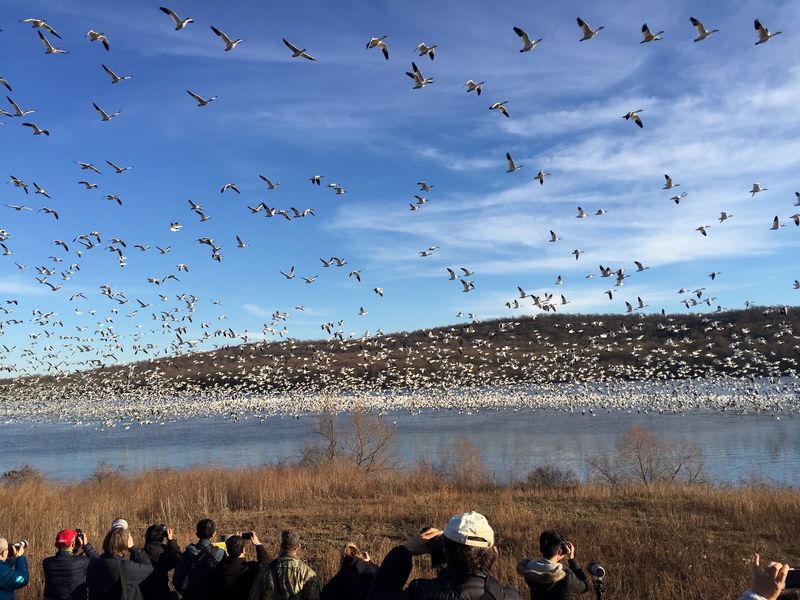
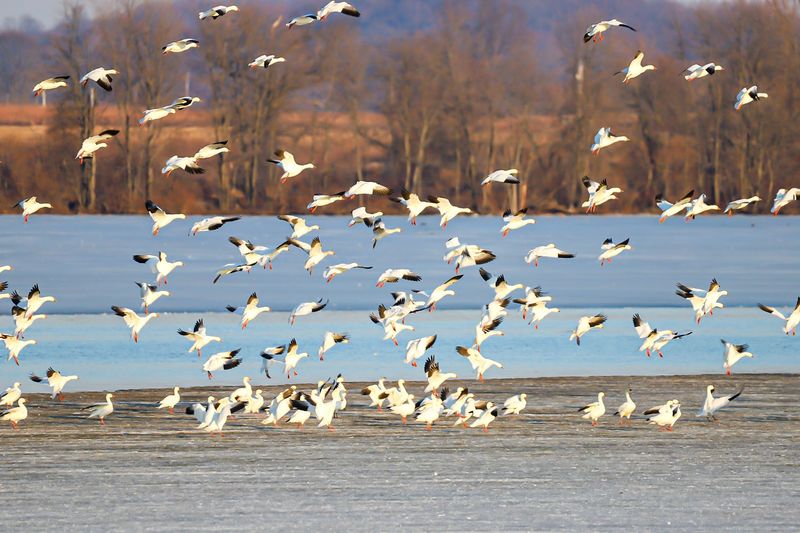
A cold morning can suddenly feel electric when thousands of snow geese rise from the fields around Middle Creek.
Their calls build like a crowd at a big game, and then the sky seems to move.
This yearly migration is one of the area’s most famous sights, often drawing visitors in late winter and early spring.
The exact timing changes with weather, so check the Pennsylvania Game Commission updates before you go.
Weekends can be busy, and early arrivals usually have better parking and calmer viewing.
Bring binoculars, dress warmly, and keep a respectful distance from the birds.
Willow Point and nearby driving routes are popular places to watch.
The magic is not just the number of geese, but the feeling of standing quietly while nature puts on a show too big for any screen.
2. Willow Point Gives Bird Watchers a Front-Row Seat
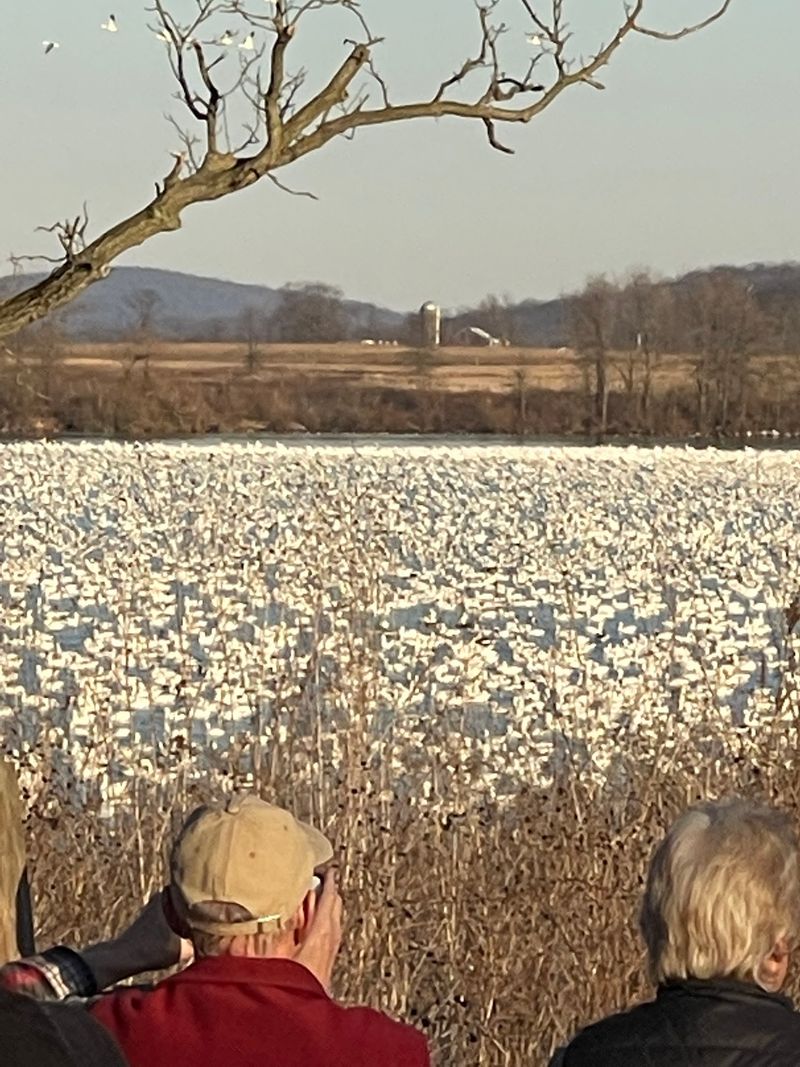
Few short walks reward you as quickly as the path to Willow Point.
In less than a mile, visitors can reach a viewing area where the reservoir spreads out and birds often gather in plain sight.
This spot is especially loved by bird watchers because it can offer looks at snow geese, tundra swans, ducks, and sometimes bald eagles.
A reviewer even spotted an eagle perched nearby on a foggy morning.
That kind of surprise is part of the fun here.
Wear sturdy shoes, since weather can make paths damp or slick.
A camera with zoom helps, but binoculars are even better for slow, careful watching.
Try visiting near sunrise if you can.
The light is soft, crowds are smaller, and the wildlife often feels more active before the day fully wakes up.
3. The Visitor Center Makes Nature Easy to Understand
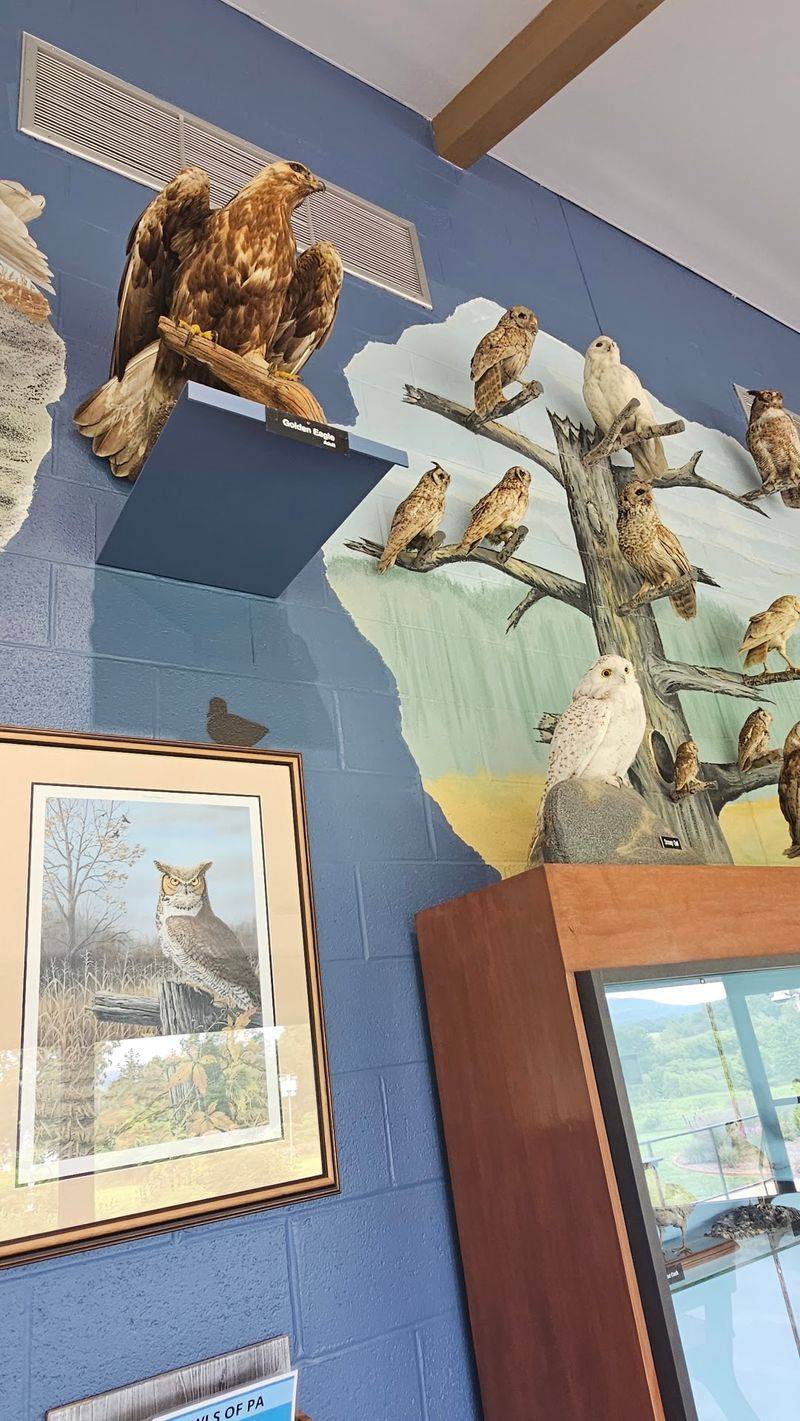
Not every nature trip starts with muddy boots.
At Middle Creek, the visitor center helps people understand what they might see outside before they even reach a trail.
Located at 100 Museum Road, the center has displays about Pennsylvania wildlife, birds, habitats, and the history of state game lands.
Families often praise it for being educational without feeling boring.
Kids can learn through exhibits, and adults can pick up helpful tips for planning the rest of the visit.
The center is generally open Tuesday through Sunday from 8 AM to 4 PM and closed on Monday, but it is smart to confirm hours before driving.
Restrooms and water access make it a useful stop, since water is limited elsewhere in the area.
Start here, grab a map, ask questions, and let the exhibits sharpen your eyes for the outdoors.
4. Trails Wind Through Woods, Water, and Quiet Corners
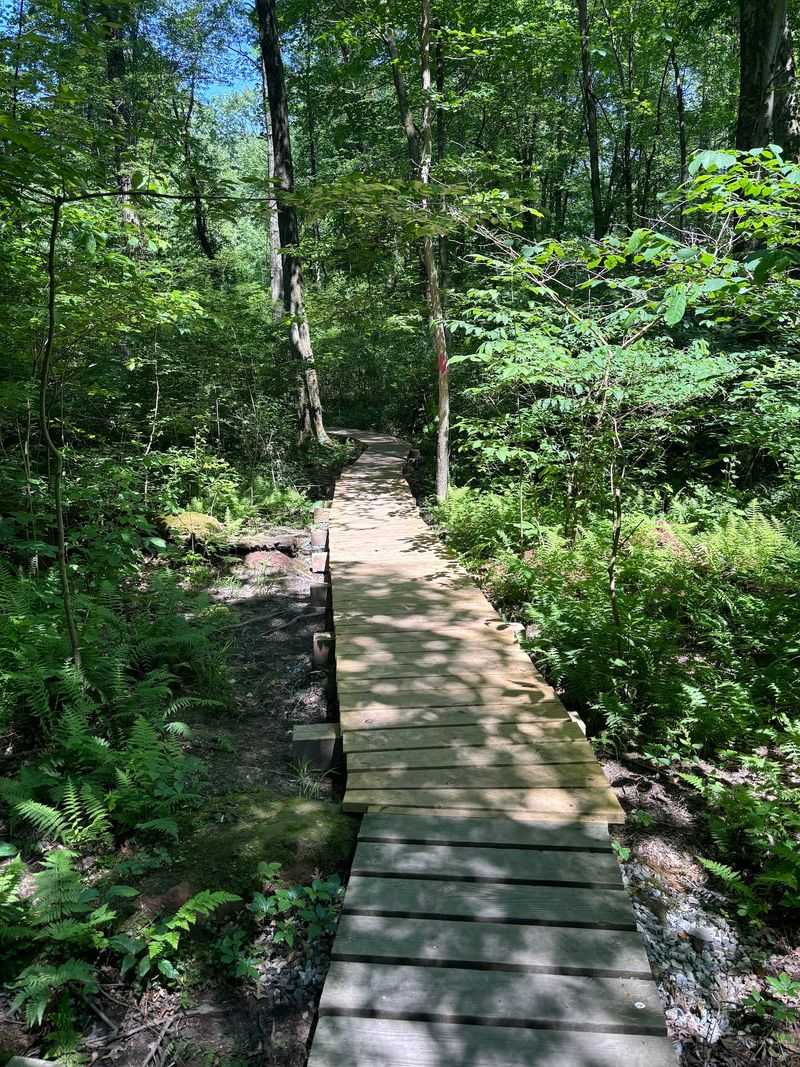
A simple walk at Middle Creek can feel like three different adventures in one.
One stretch may follow water, another may pass through trees, and another may open toward wide views.
The area includes about 20 miles of trails, with routes that range from easy paths to more rugged sections.
Visitors often mention that trails are fairly well marked, but a paper map or trail app can prevent confusion.
Some paths can be rocky, muddy, or swampy after rain, so choose a route that fits your group.
Families with younger kids may enjoy easier educational paths, while experienced hikers can explore longer loops.
Wooden walkways can be slippery when wet, so slow down and step carefully.
Pack water, because the visitor center is the main reliable place to refill.
A little planning makes the walk much more relaxed.
5. Bald Eagles Add a Thrill to the Reservoir Views
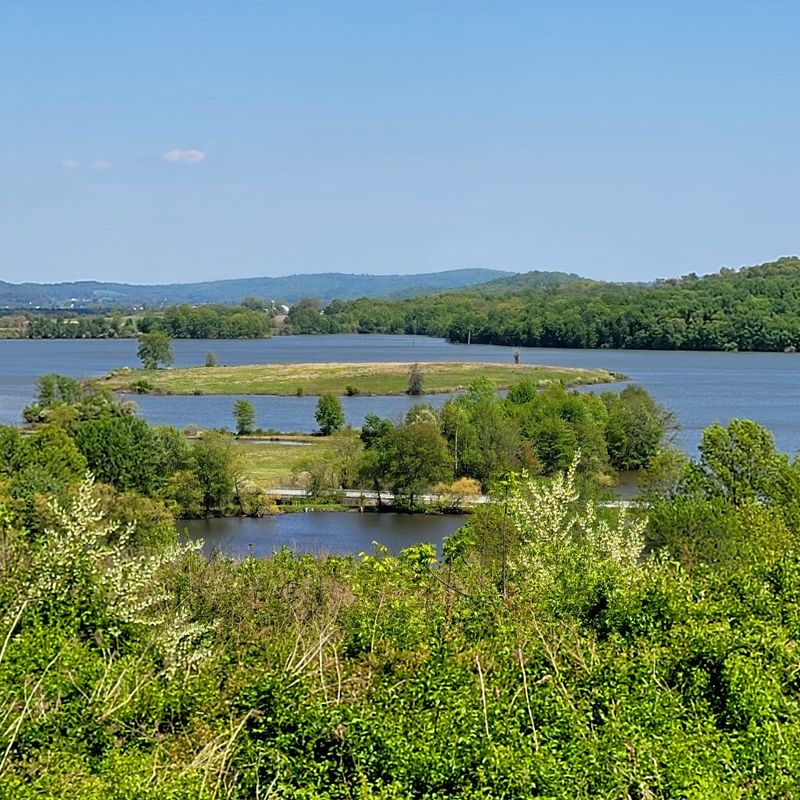
Spotting a bald eagle at Middle Creek feels like finding a secret prize hidden in the landscape.
One moment you are scanning ducks, and the next you notice a white head shining from a tree.
Eagles are not guaranteed, but they are seen often enough to keep visitors hopeful.
The reservoir, fields, and surrounding woods create good hunting and resting areas for these powerful birds.
They may perch near open water or glide above the lake, especially when waterfowl are present.
Look slowly along tree lines and dead branches near the water.
Binoculars are very helpful, since eagles may be farther away than they first appear.
If you see one, enjoy it quietly and avoid moving closer.
Wildlife watching works best when animals can keep doing their normal thing, and patience often leads to the best view.
6. The Driving Tour Opens Nature to More Visitors

Some of the best views at Middle Creek do not require a long hike.
The driving tour lets visitors enjoy fields, water, and wildlife from a slower, easier route.
This is especially helpful for people with limited mobility, young children, or anyone visiting during cold or wet weather.
You can stop at safe pull-offs, scan the land, and move on when birds shift locations.
During migration, many visitors drive around more than once to see where geese or swans have gathered.
Go slowly, watch for pedestrians, and never block roads or gates.
Keep voices low when windows are open, since loud noise can disturb wildlife and other visitors.
A driving tour also works well before or after a short trail walk.
It gives you a bigger sense of the whole area without wearing everyone out.
7. Families Find Learning Hidden in Every Stop
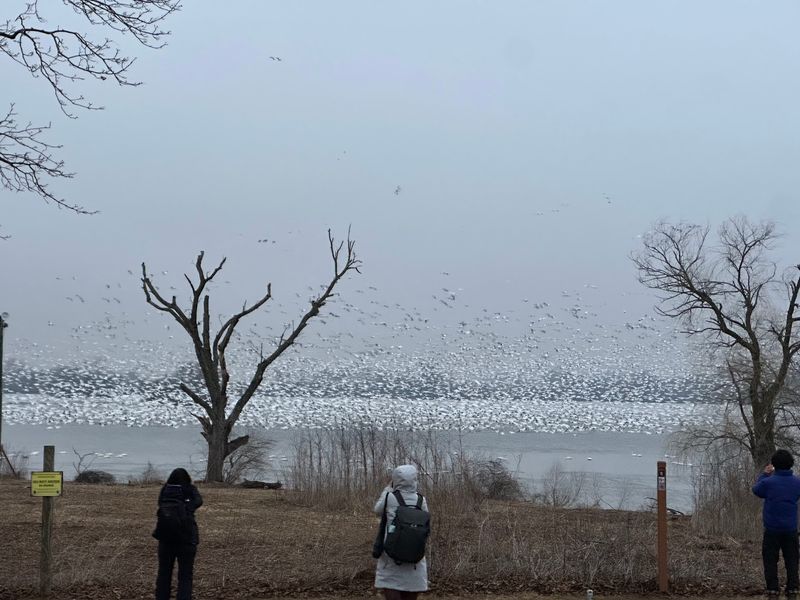
Middle Creek has the kind of learning that sneaks up on kids.
They may arrive thinking they are just going for a walk, then end up talking about birds, trees, tracks, and wetlands.
The visitor center, easy trails, and outdoor views make it a strong choice for families, scout groups, and field trips.
Reviews often mention interactive learning and friendly staff.
Children can connect what they see inside with what they spot outside, which makes the experience feel real instead of just like a lesson.
Keep the visit flexible if you have younger kids.
Choose shorter paths, bring snacks, and stop often to look, listen, and ask questions.
A simple pair of kid-friendly binoculars can turn the day into a mini expedition.
Even if wildlife stays partly hidden, the search itself keeps young minds busy and curious.
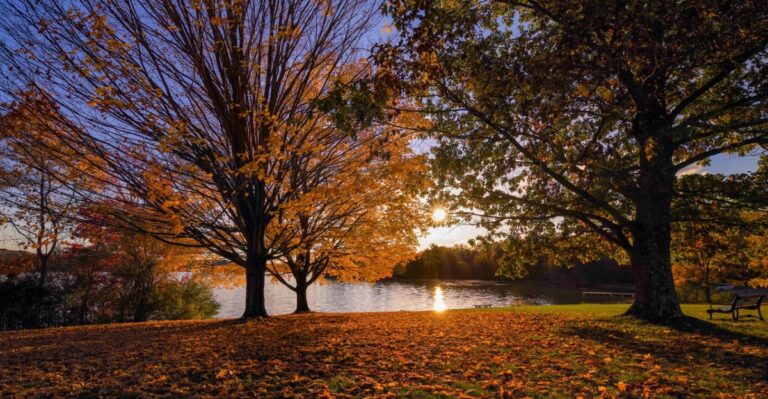
8. Fall Foliage Makes the Lake Look Like a Painting
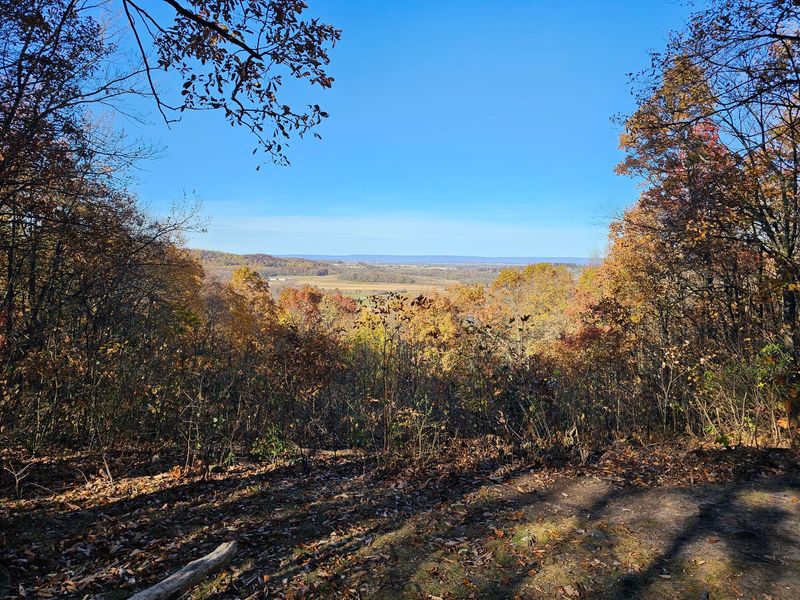
Autumn gives Middle Creek a completely different kind of magic.
The lake catches the colors of the hills, and the trails seem softer under leaves that crunch with each step.
Visitors have praised the fall foliage here as some of the best they have seen.
The mix of water, woods, open fields, and rolling land creates many photo-friendly views.
Even if you are not focused on bird migration, fall is a wonderful season for a peaceful walk or scenic drive.
Bring layers, because shaded trail sections can feel cooler than open areas near the reservoir.
Wet wooden walkways and leaf-covered rocks can be slippery, so sturdy shoes matter.
For photos, morning or late afternoon light can make colors richer.
Take your time, because the best scenes are often the quiet ones you notice after slowing down.
9. Kayaks and Fishing Bring People Close to the Water
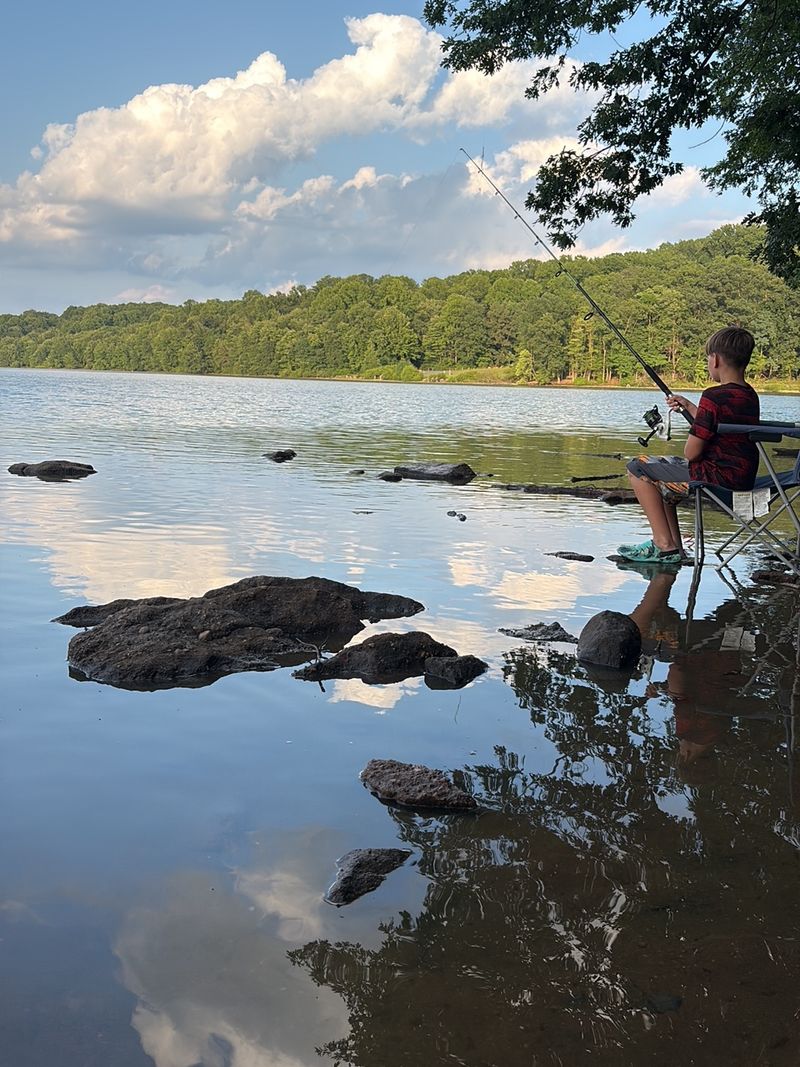
Water changes the pace of a visit at Middle Creek.
From the shore, the reservoir is beautiful, but paddling or fishing can make the place feel even more personal.
The area is designated for hunting and fishing, and visitors note that there is a nice launch for kayaks and canoes.
Anyone planning water activities should check current rules, seasons, permits, and safety guidance through the Pennsylvania Game Commission before heading out.
Conditions and access can change, especially during wildlife management periods.
Wear a life jacket, watch the weather, and give birds plenty of space.
Early mornings can be calm, but wind across open water may surprise beginners.
Fishing and paddling are not just about catching something or covering distance.
They offer a slower way to notice turtles, shoreline plants, bird calls, and the quiet rhythm of the reservoir.
10. Every Season Brings a Different Wildlife Surprise
Return to Middle Creek a few months later, and it may feel like a new place.
That is part of why many visitors come back again and again.
Late winter and early spring can bring snow geese and tundra swans.
Warmer months may reveal turtles, toads, deer, foxes, and many songbirds along shaded trails and creek areas.
Fall adds color, crisp air, and quieter walks.
Winter can feel still and dramatic, especially when birds gather on open water.
Before visiting, think about what kind of day you want.
For big bird numbers, follow migration updates.
For family exploring, choose mild weather and shorter trails.
For photography, watch the forecast and plan around light.
Middle Creek rewards people who pay attention to seasons, because wildlife is always moving, feeding, resting, and changing with the land around it.
Share this story